The Weeknd released a six-track EP called My Dear Melancholy, as a surprise in the early morning of Friday, March 30, following up his previous effort, 2016’s Starboy. Earlier that day, The Weeknd had posted a photo of the cover art of the EP with the caption “tonight,” leading fans to correctly speculate that they would hear new material that evening.
My Dear Melancholy, was launched through XO and Republic Records. It’s a direct, dark message that describes the lows that come with ending a relationship. Its synth waves matched with blunted 808 kicks and lo-fi Moog leads create the perfect film noir atmosphere for a dramatic reading of this letter in a high pitch, saccharine croon. The featured vocal style features a redux of influences like Michael Jackson and Prince, and mingles well with contemporaries such as Bruno Mars and 6lack. Much like the cover art, Melancholy is a unique cross between new age R & B; hip hop bass and drum lines with Halloween synth parts and moody melodies.
 “Call Out My Name” opens the EP and describes a bad relationship, labeled a “mistake” in the first verse. The narrator, born Abel Tesfaye, 28, denies responsibility for the relationship’s downfall, accusing the former partner of “wasting [his] time.” The theme of time wasting comes up again as the title of the third track, “Wasted Times,” where Tesfaye introduces a second relationship, one that occurred a long time ago. In this track, he compares the two relationships, saying that “she wasn’t even half of you,” as an ode to the one who got away.
Perhaps his downfall is that his lyrics have no repentance. He refuses to see his own faults in the described situation and he attempts to make the subject jealous, while also complaining that she dates other people. Instead of contemplating what he could have done better, he wastes time by both bragging about his wounds and shifting blame throughout the narrative. But his broken heart is consumable. It works. It sells. It’s tearfully, deliciously entertaining.
Although Tesfaye has possibly the most recognizable face in modern hip hop and pop music, he keeps a relatively low profile in the public eye, rarely giving interviews or confirming information about his personal life. This adds to the air of mystery that is also carried through the image and production of the EP. Melancholy hosts collaborators such as Gesaffelstein, who produced tracks 4 and 5, “Hurt You,” and “I Was Never There.” Other producers, co – producers, and collaborators included Frank Dukes (tracks 1, 2, 3, 4, and 6); Cirkut (track 5); Marz (track 2); and more. Tesfaye handled executive production after multiple tours throughout 2016 and ‘17 following Starboy.
Overall, My Dear Melancholy, keeps the presentation short, sweet, and sad; yet hopefully open-ended like the comma attached to the title. It’s a tragic story, but it gives a lot of insight into its subject in a way many listeners can understand. Atmospheric, smokey production with a few plot twists that work are a great pairing with the emotional lyrics and intense delivery. Although sometimes extra, The Weeknd delivered a solid performance and debuted a message about a darker time in life, and his pain comes across as genuine.
My Dear Melancholy, can be found on all major digital music platforms.
Key tracks: Try Me, Wasted Times, Hurt You


 Listening to the EP, the first thing that comes to mind is how strikingly appropriate the Shapeshifter name is.
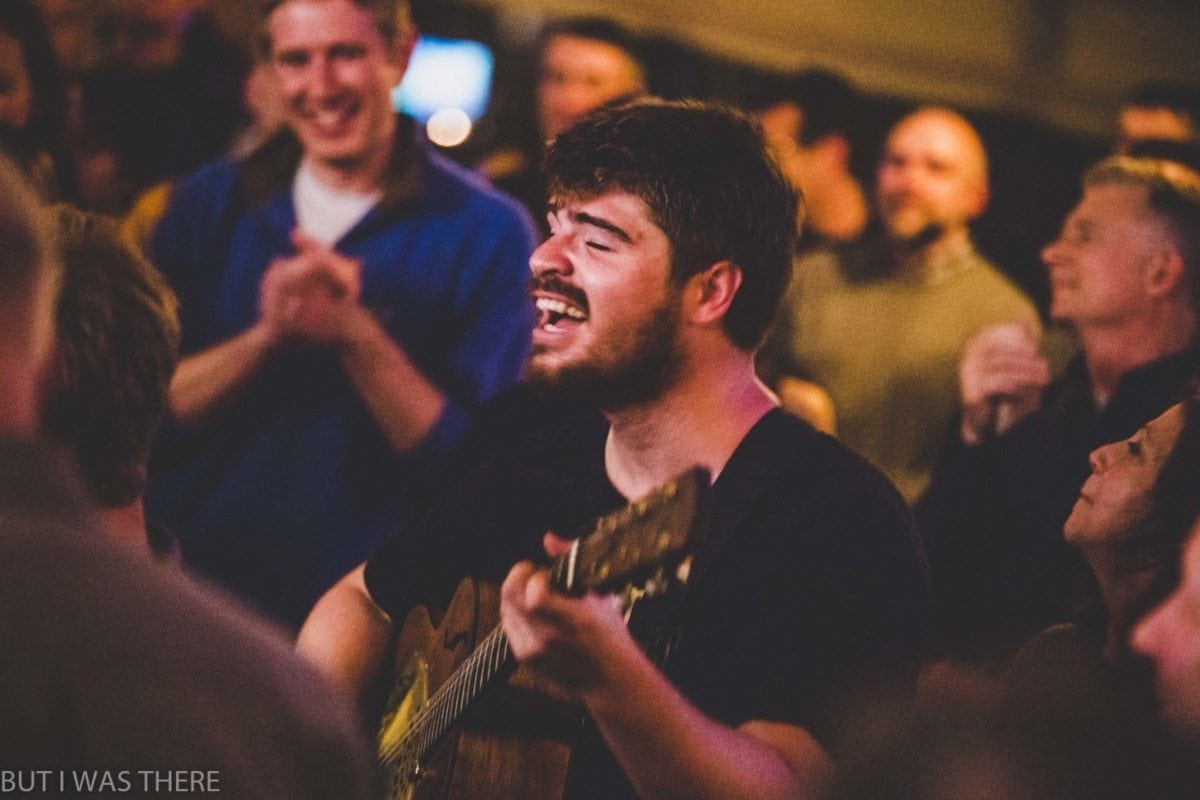 More than midway through their show, lead vocalist and guitar slinger Marty O’Reilly apologized that they weren’t playing straightforward folk music. Of course, no apology was necessary. The crowd had already been moved to multiple standing ovations and were visibly having a hard time containing their gyrations to the confines of their seats. No apology was necessary, regardless, because their music was their music and no one in the room was there to judge its purity. While the promoter’s name may be Honest Folk, the ‘folk’ could just as well refer to the people, not the genre. That is, the people who book the shows, the people who support the shows, the people who attend the shows and the people who play the shows, honest folk one and all.
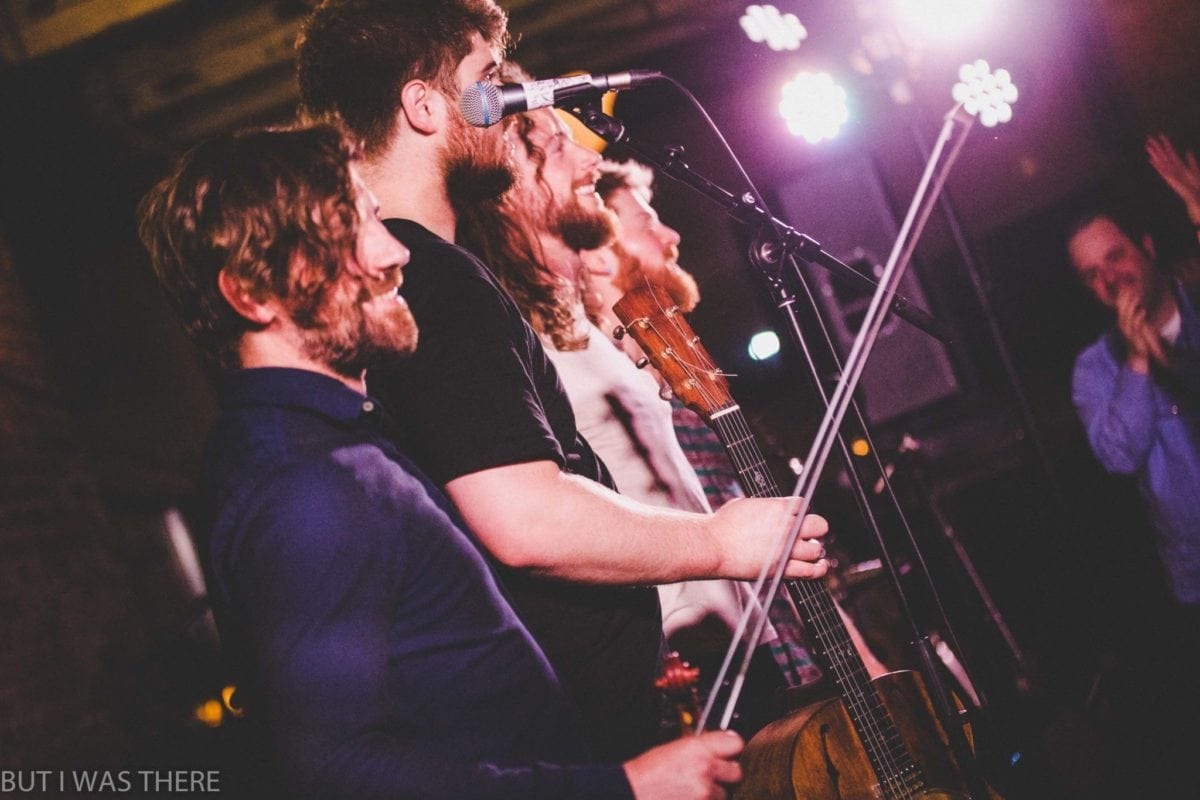 The band is touring behind their recently released album Stereoscope, a labor of love that was years in the making, featuring songs conceived of from a cabin in picturesque Santa Cruz, California. O’Reilly’s emotional and weathered voice could evoke those landscapes on new ones like “Stereoscope,” “Ghost” and “Let the Wind In,” though they were being played on a drearily rainy and cold day in Rochester, New York. The cozy and dimly lit brick confines of Good Luck made for just as perfect a setting for the rich tapestries being constructed between the finger picked guitars and vibrantly ethereal fiddle. Goff’s drums, which meandered between intricately understated and invigoratingly punctuated, and Berry’s bass boomed and moaned at all the right junctures. They weren’t afraid to let the music take control of the band. The reins were loose and the tunes stretched their legs, arriving at some rather brilliant moments, delighting the band and audience alike.