Author: Ryan Randazzo

  • Tom Morello Gets Close and Personal with his Music

    There are some musicians that when you hear they are playing in your area, you’re almost obligated to find a way into the show. The list is beginning to dwindle as time drags on, however some names are so engrained into the fabric of music that hordes of fans will be seeing them until the day they die, regardless of the project they are working on. Tom Morello fits into that (seemingly) waning list. On Monday, October 1st, Morello pleased a limited number of fans with his Atlas Underground CD release party to promote his new solo album in New York’s (le) poisson rouge.

    It was the first time a US audience had heard the album in its entirety, but before Morello gave New York a glimpse of the goods, he sat down with a moderator for a compelling Q+A. Spanning nearly an hour and a half, the discussion began with stories from the start of Morello’s extensive career, and included pictures of him as a child and Morello playing in his first band. The discussion progressed as the timeline of his life moved forward, and through it all he gave a serious look at who he was as a musician, how he became who he is, and what/who influenced him through the years.

    In between each major milestone, Morello picked up his guitar and jammed out on the style he was interested in at each point during his career. This gave the audience a glimpse of why he played what he did, the thought process of his change, and how he ended up with a certain tone/style. As he told fascinating stories from playing with his first band, to recording music videos with Rage Against the Machine, to getting on stage with Bruce Springsteen for the first time, and jammed his way through his career, the small audience was able to paint a full picture of who Morello was as a musician, and how he got to where he is now.

    tom morello

    The Q+A ended the first part of the evening, and once everyone in the room understood how Morello progressed as a musician, he played his new album, Atlas Underground, in its entirety for the entranced group. The album, he declared, was influenced by hearing the group Knife Party, and deciding to create an EDM based album with a slew of popular musicians. The album features groups such as Knife Party, Bassnectar, Pretty Lights, Portugal the Man, and Gary Clark Jr, and each song features a taste of the contributing artist’s sound layered with Morello’s signature style. Although he didn’t play along with the album, before each song began he discussed why the song was written, what it was about, and how it came to be.

    tom morello

    The audience was incredibly receptive to Morello’s new work, and once the album ended he picked up his guitar and began to do what everyone was waiting all night for; playing his signature songs. To the excitement of the audience he jumped into Springsteen’s “The Ghost of Tom Jones,” among other tunes, before ramping into full gear with a thrilling version of “Killing in the Name.” As the audience began to get their fill of live Morello tunes, he discussed how later in life he began to realize that in many cases folk songs were just as heavy as heavy metal songs, and that it was important to him that they were played accordingly.

    To end the show, Tom Morello invited the entire audience on stage with him for a sing-a-long rendition of Woody Guthrie’s “This Land is Your Land,” leaving every face, on stage and off, in smiles.

  • Inside the Shell: An Interview with Shannon and the Clams

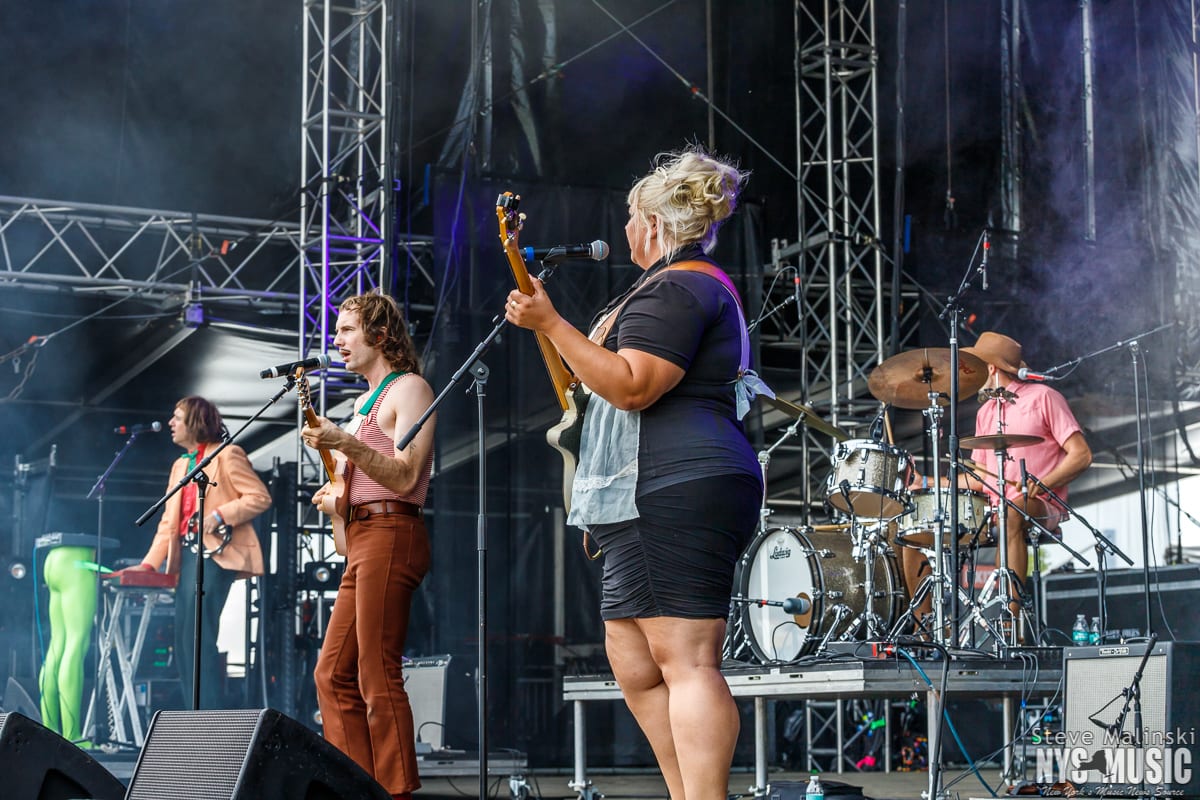
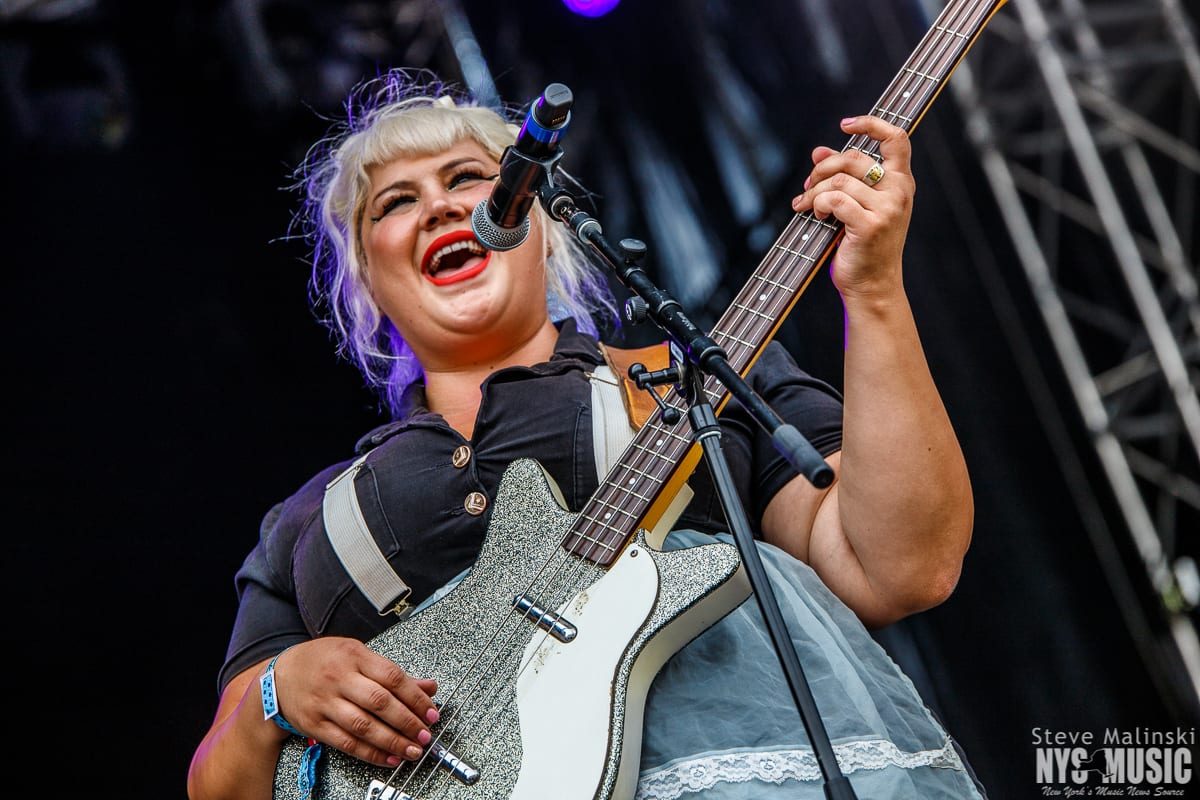
    The indie garage-punk quartet Shannon and the Clams has been electrifying the nation with a vintage sound which incorporates elements of doo-wop, classic R&B, garage psych and surf rock into their high energy performances. At Panorama Music Festival we had a chance to catch up with guitarist Cody Blanchard and drummer Nate Mahan to discuss their extensive touring schedule, recording their most recent album Onion (produced by Black Key’s Dan Auerbach), and their plans for the future.

    Shannon and the Clams

    Ryan Randazzo (RR): Your music is described in many different ways from doo-wop, surf rock, R&B, psychedelic; you’ve got an entire array of genres in there. How did you sound form to become what it is now?

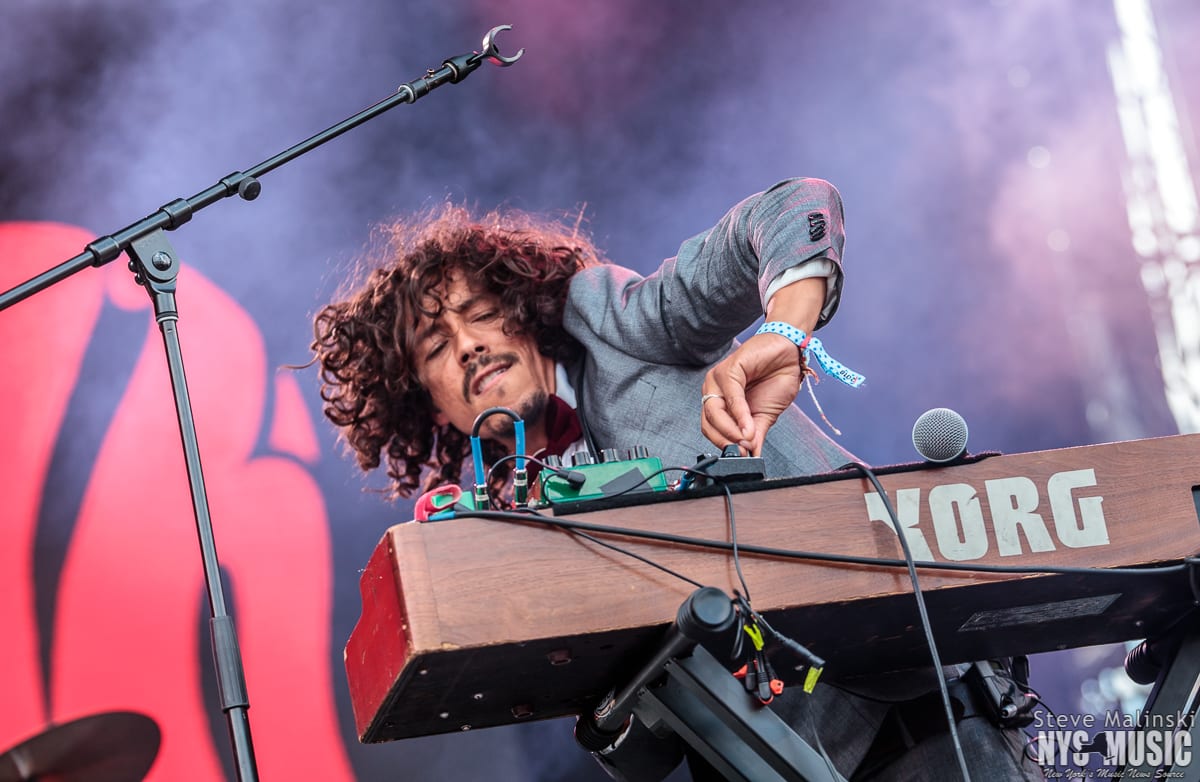
    Cody Blanchard (CB): It was all Shannon at first. She was playing open mics by herself and just really wanted to love that ‘60’s girl group sound. Then we started a really ramshackle band in 2008 with different people, and it was really punk because we were sloppy and 21 years old. We just kind of rolled with it and made it fun. Then we got better and started working with better people, like Nate our current drummer for the past few years, and he is better than our old drummer. It just got tighter and we added a keyboard player, so that allowed us to get more nuanced, bigger sounds. I also think we get really restless musically and want to explore new zones. Then we hear more different kinds of music we’ve never heard before and it all gets mixed in.

    RR: What kind of music are you guys into right now?

    CB: I’ve been into some old country stuff. I’ve been really into mid to late ‘80’s synth driven R&B stuff. There’s this period of music that me and my wife have been trying to describe and we call it “cocaine comedown,” and it’s like late ‘70s early ‘80s. It almost sounds like disco, but it’s low and everything’s sad sounding. It sounds like the next day. Some of The Eagles’ later shit sounds like that, and Lindsey Buckingham has a couple of really clean and tight sounding tracks. I love that stuff right now. It’s very sad disco music. What do you think?

    Nate Mahan (NM): I don’t know. I’ve still been high out on the early country; just exploring. California country music in particular. The Central Valley is such a strange part of California and there are so many weird genres that originate from it.

    CB: It’s the frontier of the frontier.

    NM: Yeah. It’s not the fancy part of California. You think the fancy part of California, you think San Francisco or L.A., which is glamorous, but the Central Valley has this whole working class thing. It’s strange that it would yield a band like Korn. I’ve been listening to Korn a lot. It’s just a strange zone for creative activity for whatever reason, and I’ve been exploring that recently myself.

    RR: You recently released Onion which was produced by the Black Keys’ Dan Auerbach. How was working with him, and how was creating this album different from other albums you’ve done in the past?

    CB: Very different. He’s a very hands on producer. He likes to get really into the song structure and add tons of layers. It was cool not being responsible for everything. Our first few albums we recorded ourselves and I just felt like we were always doing everything. It was rad to have an outside party to come in and contribute stuff or just have a totally outside perspective on it.

    NM: Getting songs down fast and having lots of time to explore what we could do with them and mess with the arrangements. I feel like it works to such an advantage when you know that what you have is quality and you can really just go from there and build it.

    CB: Yeah, start with a strong foundation and layer a bunch of crazy shit on top of it. The other thing is his studio is extremely streamlined, so I think because he likes to add lots of instruments really fast and not have to wait around to move things in the studio or something. I’ve never seen that before. Most studios you’ll have to go in the closet and haul out the vibraphone, then get out the microphone, and it takes like an hour. He doesn’t have that much stuff, but it’s all ready to go. You can just record that and go, which is cool and inspiring.

    NM: Yeah definitely because if you wander by an instrument, see it and go, “I’m hearing something,” he’ll say, “Great, record.” Five minutes, done. Efficient.

    RR: You guys have a really extensive touring schedule. You’re going to Europe then coming back to the West Coast and working your way east. How have you noticed your audience differs from region to region, and what would you describe as your favorite market/which one do you feel you need to break into more?

    CB: One of our biggest markets is the L.A. area. A lot of young kids there, and a lot of really high energy kids out there. Some really great shows. Europe has been slow for us because we’ve worked with so many different booking agents. I don’t know – we just keep changing, but I think we’re trying to do some of the bigger festivals in Europe to get our name out there. In Europe, I’ve definitely noticed in the Netherlands people are very stiff as an audience. They’re very cool and friendly, but as an audience they’re very stiff. No dancers. I love the U.K. a lot, which most bands don’t like for some reason. We do well there, and I really like the people; they’re really rowdy.

    It’s been interesting touring with Dan Auerbach because our audience is generally very rowdy and unruly, and Dan’s audience, who didn’t know our material also, was very pleasant and mild mannered, so that was kind of fun.

    RR: How were your first few shows with his audience?

    CB: They loved it. It was a really different vibe. New Orleans is a very rowdy place, which I love.

    NM: Florida too. There’s something about that hot weather, you just want to have a good time.

    RR: How do you feel your shows differ from a festival set like today at Panorama and your normal touring shows?

    CB: They’re shorter at festivals. It probably sounds better when we’re touring because we do a normal soundcheck. We’re not as close to the audience at festivals; there’s more an energetic distance so it doesn’t feel as intimate. I feel like we play pretty much the same. We usually do an hour to an hour and fifteen minute set on our normal tours so festivals are just a little shorter.

    RR: I was talking to a couple of your fans after your set, and asked them if they had anything they’d want me to ask you, so their question was: “If you guys all live so far apart from one another, how does your songwriting and recording process work?”

    CB: We each usually make demos at home then meet up for a week or less and rehearse. Usually if we have a show, we meet a few days early. The last record, we met in Oakland and rehearsed a bit then met in Seattle and recorded demos of the songs at a friend’s house with the full band. I feel like next time, going into Auerbach’s studio, we can come less prepared. I feel like we were pretty well prepared last time, but I feel like we could show up and fuck around more. Everything seemed rushed at a different studio before that, so I was going into it like, “We’ve got to be ready with each song,” but it’s tough because stuff is expensive. Playing the songs as a group is also SO different from the recording process.The end product of recording with Dan is different. The things that end up on top are so different from what was originally on top of the recording.

    RR: Are there any elements of your sound or show that you feel like you’d want to add? Maybe a new light rig, psychedelic images, new instruments?

    NM: I think we all have plenty of ideas (laughs).

    CB: I used to think about that stuff all the time, then I started realizing that the return of investment on energy is pretty low. I think people are happy with a very human show or experience. But if we had tons of money… we’ve had tons of weird ideas.

    RR: What’s your weirdest?

    CB: I used to want to do weird sketches on stage and crazy costumes; hire our own lighting person and do our own spotlights. I used to want to do weird inflatable creatures and shit on stage. I made some animatronic, weird monster one time for our record release show three years ago. I just took old toys that are motorized and moved around, but put different things on the outside so they looked totally different. I put real animal fur and fake eyeballs on them; that was cool. That shit is just a lot of extra effort and takes up a lot of space, and we want to focus on the music. We’ve been trying to keep it really efficient. Lately, I’ve been less ambitious with stage elements and more focused on our sound.

    RR: What are your big plans for 2019?

    CB: I’ll bet we record next year. I think I’ll be ready. I think it’ll be a faster turnaround because when we recorded our last album, Dan’s label wasn’t quite ready for records to come out, so we had to wait a year. I think we’ll record. I would like to.

    NM: Hopefully we go and visit Australia.

    CB: Yeah, we were talking about trying to go to Australia or Japan, we’ve just never had a good connection. We’d love to do either of those. We’re heading to Mexico City later in the year, and I would love to go to South America and Central America. I feel like that audience would love it also. We’ve met a few bands from there, like big bands, and they always say, “You’ve got to come down.” Hopefully we’ll get a chance.

  • Panorama Creates An Escape From Reality For NYC Music Lovers

    Being as compact and congested as it is, New York rarely has the opportunity to host a major music festival within city limits. When the opportunity arises, promoters do as any genuine New Yorker would and spare no expense in ensuring they provide attendants with a unique experience they’ll never forget.  From July 27-29, 2018 Panorama Music Festival dazzled guests with music, art, and imagination as Randall’s Island briefly transformed itself into an alternative universe where life felt like a dream.

    Despite rain, mud, and cancellations, the general vibe of the festival was heart-stirring love and acceptance. Guests walked through the turnstiles into a playground of bliss, with music and art exhibits immediately overwhelming the senses, and entered a safe space to let their freak flags fly. People dressed in costumes, covered themselves in paint/glitter, and wore unyielding grins from the moment they entered to the time they left.

    Panorama

    Even if there wasn’t music you were interested in seeing playing, you could spend hours experiencing the many wonders the festival had to offer. If you entered the festival on the east side of the island, you immediately walked into “The Lab,” an interactive experience that combined technology, artistry, and design created exclusively by New York City-based artists. There you could have your reality questioned in giant bubbles, get lost in a trippy jungle of dangling lights, or enter a portal to another dimension, among other mindboggling exhibits. Each exhibit was incredibly interactive in an attempt keep the mind and body wondering, and typically included social aspects so festival-goers could share the experience with friends, old and new.

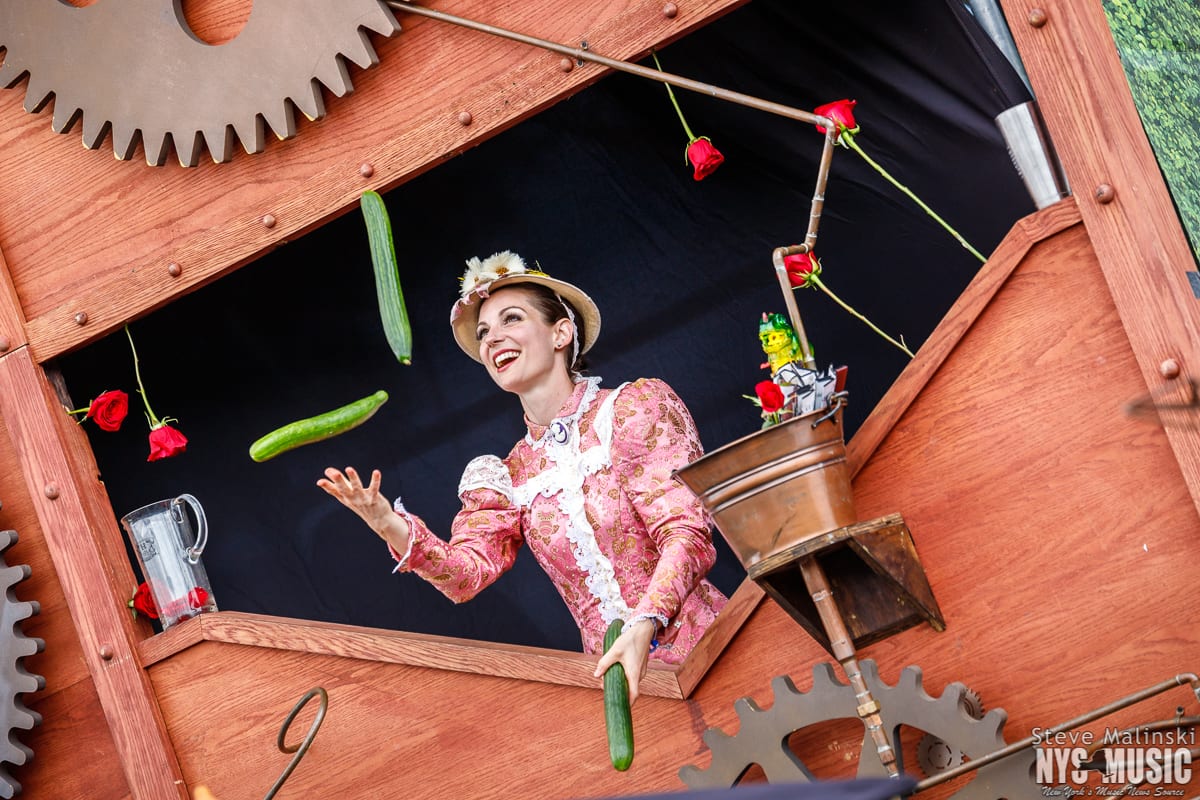
    Artists weren’t the only ones who showcased their creativity at Panorama, as even many vendors brought their own zany ideas to life to draw in new customers. On one side of the festival you might walk by an old wooden ship converted and used as a pub beside a pop-up old western town where guests could purchase mixed drinks while interacting with, and get haggled by, actors in costumes based on fashion trends from the late 1800’s from the second story window. If you continued walking, you might end up in an outdoor dive bar with bands playing small, intimate shows or feel like you fell off the edge of the earth and ended up in Grand Cayman as you took a load off in a tropical-themed tent. Excitement was possible at every corner, and that’s before the music even started.

    Panorama

    Friday

    Unfortunately for many excited festivalgoers, Friday was a wash-literally. Ominous clouds plagued the sky all afternoon before finally breaking and showering the grounds at about 3:15 p.m. The rain only lasted for about a half hour, giving may people hope for the evening as Daniel Cesar took Panorama stage for his 3:50 p.m. set. He delivered a heartfelt performance to get music on the main stage off to a promising start before thunder and lightning threatened the city and forced Panorama cancel the rest of the evening’s performances and evacuate the grounds.

    Thousands were in disbelief as they were herded out to buses and subways and back into the city without ever having gotten a chance to see artists they were looking forward to such as The Weeknd, Father John Misty, and The War on Drugs. While many were disappointed, Panorama did the right thing and refunded everyone their money back and no one was seriously injured fleeing the island, so it could have been far worse.

    Saturday

    Thankfully, the rain cleared and the sun came back with a vengeance for all those who attended the second day of Panorama. Although the sun seemed hotter than usual at times, a large majority of the grounds were reduced to a muddy swamp which would create obstacles, games, and funny stories for the remaining two days of the festival. It hardly spoiled anyone’s time though (except for that one girl who dropped her pizza in the mud) as the day proved to be a complete success.

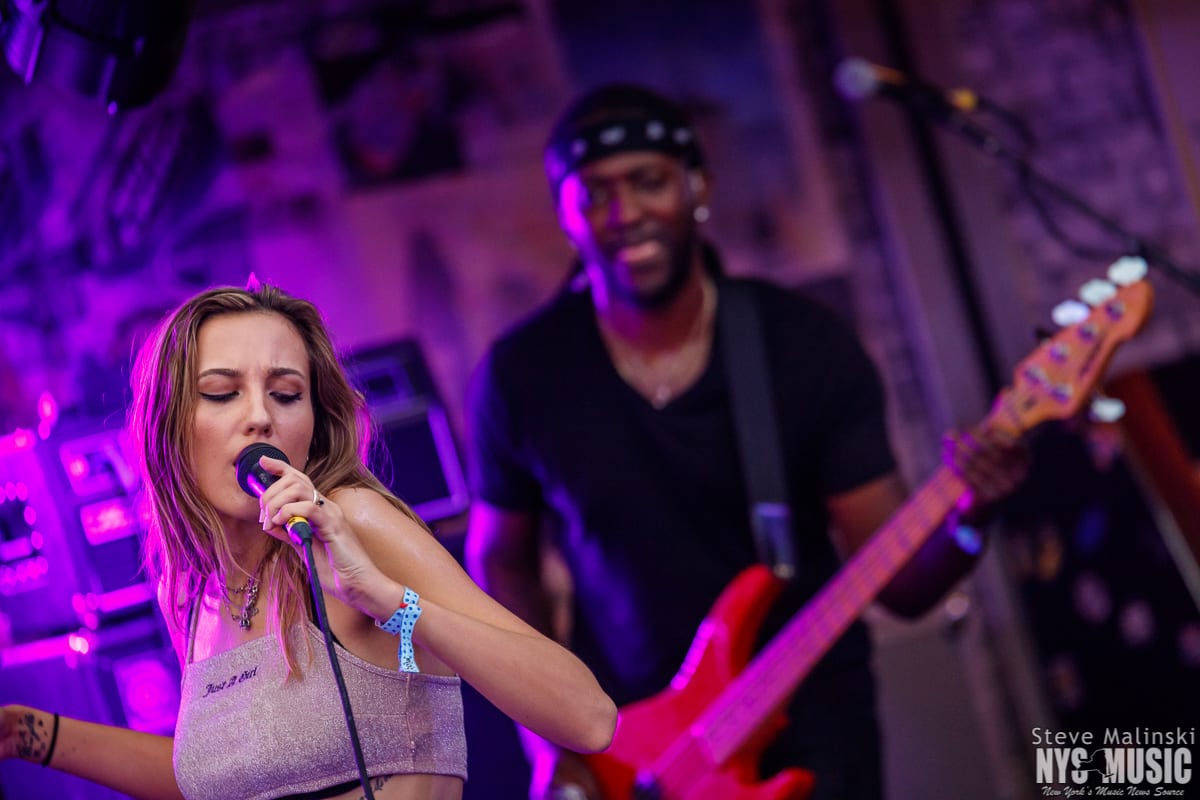
    Musically, Saturday was absolutely dominated by talented female performers. Cloves kicked things off on the Panorama stage with a passionate set which set the tone for the rest of the day. The British singer wooed the crowd with her remarkably beautiful voice and electric stage presence. Dressed like she just hopped out of bed, she danced like a flower blowing gently to the breezy notes her band seeped as she swayed across the stage. Each bar was sang with purpose and she conveyed her emotions eloquently through her notes. Although she was obviously uncomfortable in the sweltering heat and grimy humidity, she gave it her all for her allotted time slot and left fans wanting more. Many fans’ wishes came through later that evening when she played another set at the Bud Light Dive Bar to a much smaller crowd of people.

    Panorama

    As Cloves continued her set on the Panorama stage, Sigrid began hers on the Pavilion stage. In contrast to Thrice’s dark and vicious singing, Sigrid’s vocals were much more bright and upbeat. She constantly smiled and winked at specific members of audience, jumped around the stage, and danced along to the party music bobbing behind her. Pvris followed with a set of music with Rage Against The Machine-like intensity and a dangerous female lead. With trippy echoing effects and dark, alternative jams behind it, you felt like you could go into the wilderness with her, take a look around to see what she sees and come out with only a few scratches. The high energy set with constant peaks and outbursts of primal howls kept fans on the edge of their blankets, if they were even still sitting by the end of it.

    Japanese Breakfast served as an essential cool down to Pvris’s murky set as laid back, ambient music gave attendants a chance to take a breath and let their heart beats return to normal. Their jams sounded like a big wave at high tide, causally moving up and down as it worked its way to the unknown, far away shore. The music contained a different mysticism as compared to the other acts, which brought peace and calming to the inquiring minds of the lawn. To much of the crowd’s disbelief, Lil Wayne’s set following Japanese Breakfast was cancelled due to his flight being delayed, which wouldn’t be the last time a set would be cancelled.

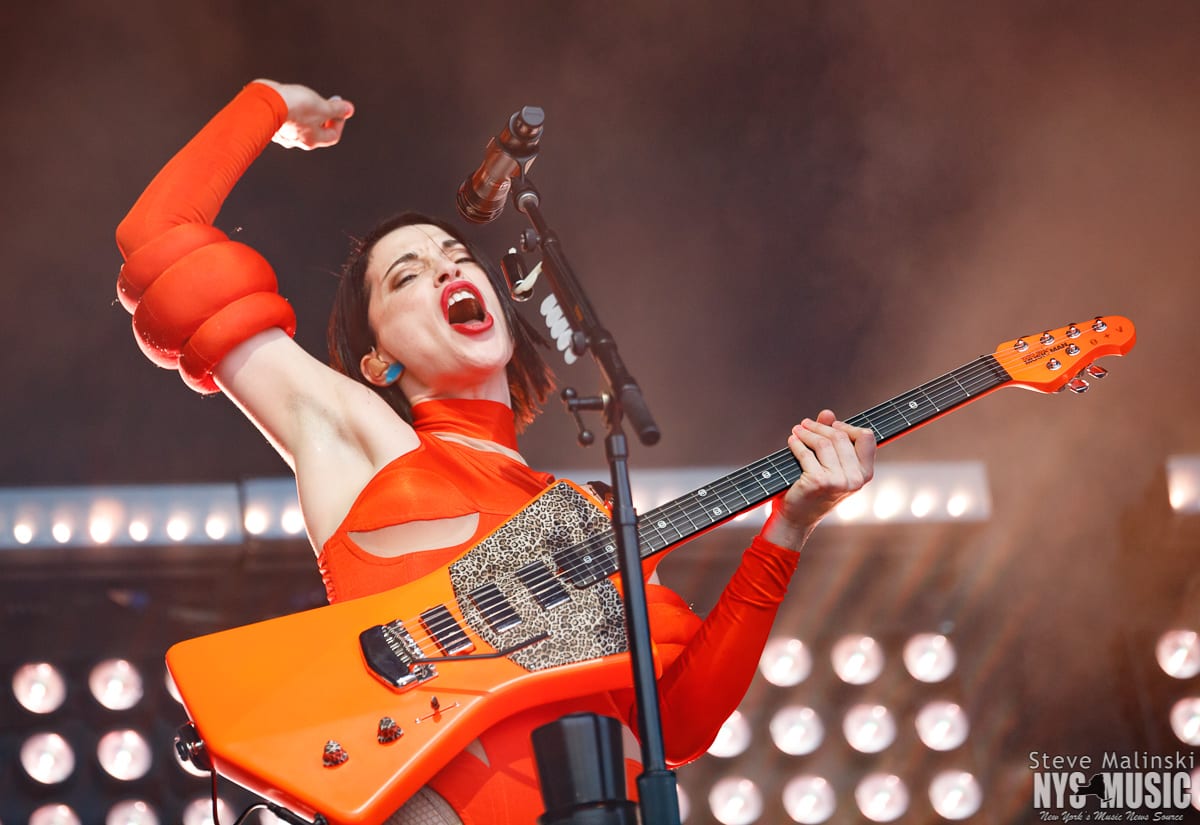
    Since Lil Wayne was not playing the Panorama stage, what felt like the entire festival came out for St. Vincent’s intense performance. Although she was a quite few slots away from headlining Saturday’s show, she came on stage like a queen who owned the festival. You can spot a dominant person when you see one and St. Vincent is the epitome of a strong female rocker. She had the crowd eating out of the palm of her hand the entire performance with goddess-like fineness and master musicianship, both as a singer and guitar player. Each movement she made drove the crowd wild, and her ability to boil an explosion of cheers with a single stare demonstrated how short of a lease she kept her fans on.

    The high energy, visually engaging set concluded with a passionate tribute to New York; a city she’s proud to call home. The fitting tribute was one of many, as throughout the weekend artists paid their respect to the city. Unlike other major tour destinations, New York has an energy like no other and it is felt between both the band and the audience. The thrilling anxiousness of playing the Big Apple often brings out the best in artists since they feel the need to deliver a top performance for such a diverse and electric crowd; a theme which was present all weekend.

    Panorama

    SZA especially felt the need to impress as she followed St. Vincent’s set and sought to blow away the New York crowd as redemption for not delivering a top performance the last time she visited. Clearly excited to be on stage, she ran around as she poured out her soul and made innocent jokes in between songs. Her stage presence was youthful and full of play, but it was clear she was no amateur by the way she controlled both the crowd and her dynamic voice.

    As the first and only male headliner to take the stage, Gucci Mane decided to take his sweet time coming out. His hype man continuously teased the crowd, asking them if they were ready for his appearance, however, after five or six times and no Gucci Mane the crowd began to become skeptical while still cheering just in case. Whether the lack of Gucci Mane for nearly half his time slot was intentional or not, it certainly drove the crowd into a frenzy, which only enhanced the energy of the crowd when he finally took the stage and delivered a pumped up set for the eager audience.

    The night was capped off with potentially the most anticipated act of the festival, Janet Jackson, who delivered a career-spanning set of twists and turns that had the crowd eating out of the palm of her hand. Every aspect of Jackson’s set was clearly meticulously choreographed to extract the highest level of satisfaction she could draw from the audience. Dancing around the stage like a youthful pop singer, Jackson declared to New York that she still has the goods and flaunted them in a way that converted any doubtful listeners. The crowd responded with high praise, as she ended the first full day of Panorama in pop-goddess style.

    Sunday

    After a whirlwind of music genres and eccentric female leads on Saturday, Panorama concluded its final day with a bang on Sunday. The day began as a high energy punk fest with Downtown Boys promoting a rebellious, anti-establishment message to get the blood flowing in the growing, youthful crowd. Shannon and the Clams followed, and for those who had never heard of the psychedelic, surf-rock/doo-wop group they were sure to put them on the radar following their jubilant 1:30 p.m. set. Blending multiple-types of music to create a familiar, yet entirely distinct sound of their own, Shannon and the Clams treated early arrivals to a set of non-stop fun music which drew as much joy out of the band as it did the audience. Vocally and musically the band hit all the right notes to ensure continuous dancing, applause, and smiles in the growing audience.

    The festival continued all day with options for attendants to enjoy DJ sets, art exhibits, and an array of music from many different genres. From the high energy DJ Haram to the laid back Chicano Batman to the soul driven Rex Orange County, fans had a chance to experience any kind music they’d like, and even experiment with music they might not have seen if they weren’t at the festival. One of the most wonderful aspects of Panorama was the idea that you could wander around, see new things, hear new music, and experience it all within the confines of a peaceful and friendly space with thousands of others doing the same. At the heart of it, that is why New York is the perfect place for a music festival as large as Panorama; there are very few other places in the country where people can be themselves, try new things, and enter a world of their own imagination without the slightest thought of being judged or even noticed for their behavior.

    As the day continued, it felt much more like a Saturday rather than a Sunday, with world class headliners performing and the lack of music due to cancellation on Friday only reinforcing the thought. Sunday seemed to gather the largest crowd, a mixed group of older and younger music lovers who each had a chance to hear something they’d never heard. For many of the younger fans, the biggest surprise came in David Byrne’s set. Many kids in the crowd didn’t know who he was, but by the time he began “Burning Down The House,” they realized they were clearly in the presence of greatness.

    David Byrne is a magnificent performer, who takes every opportunity he’s got to flex his creativity. Playing a set of fresh, new songs from his latest album mixed in with Talking Heads classics, he dazzled the audience with choreographed dances, a band of mobile musicians who constantly marched up and down the stage, and strange props and lights. Many of his new songs sounded like they could have been released in the early ’80s, and the overall set had a dystopian theme which was a clear message from Byrne about the current state of the world and where we are going as a society. There wasn’t a single cool down throughout the performance and those who weren’t sweating from the sun were now sweating from the non-stop dancing.

    Fleet Foxes were the perfect act to follow Byrne with their entire set feeling like a dreamy cool down. Fans knew exactly what they were getting in for when they arrived at the Pavilion stage for the Fleet Foxes’ set as blankets were draped over the lawn as far as the eye could see. People enjoyed the euphoric music on their backs staring at the clouds or swaying in their seats with their eyes glued to the stage. The band’s incredibly full sound hugged your soul as grand harmonies, campfire chords, and even a small orchestra barreled from the glowing stage.

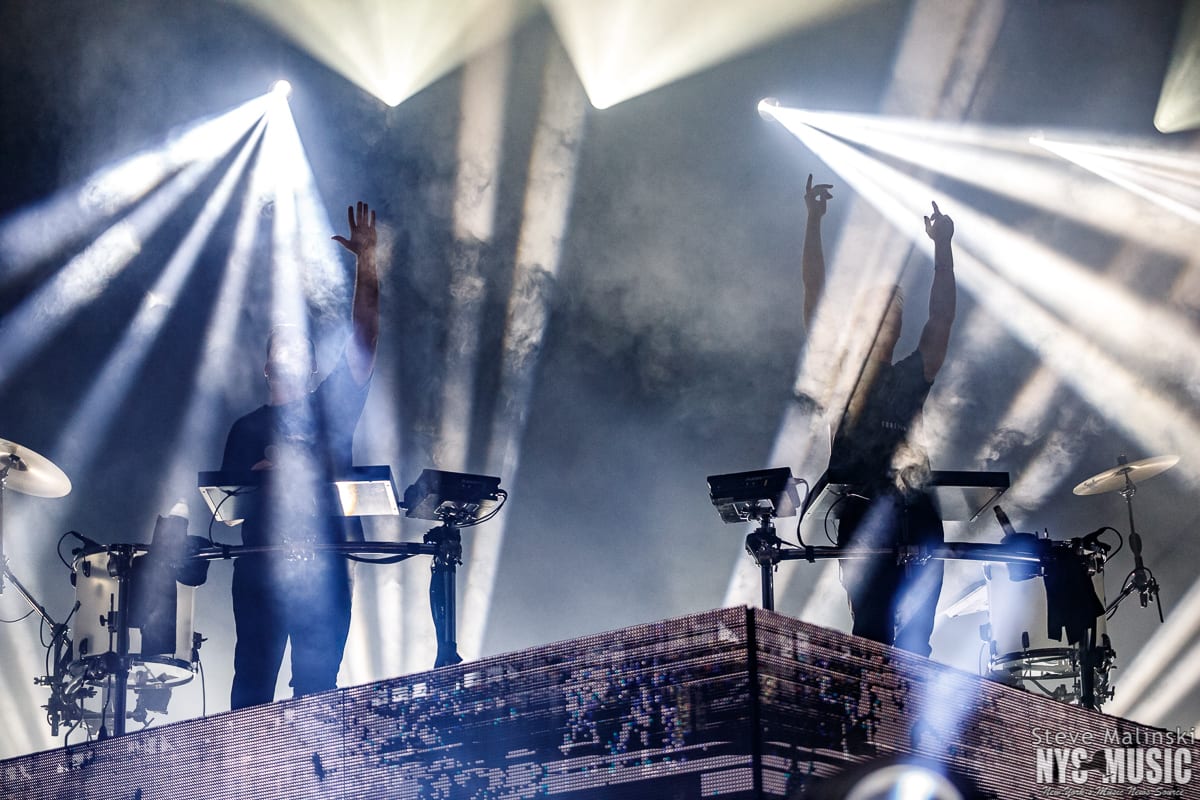
    The Fleet Foxes were the last of the night’s tranquil sets with performances by The XX and ODESZA following. The XX were honored to be playing their last show of their two year and 138-show tour at Panorama, which sparked heavy emotions from the musicians as they emptied their tanks with a heartfelt performance filled with highs, lows, and gut-wrenching vocals. ODESZA provided a different take across the lawn as the high energy EDM set shook the ground and the bodies of everyone from the pit to the back of the grass while alluring, colorful lights churned through the sky all the way to Astoria. The light show drastically enhanced the set as it followed the music and heavy bass, demanding the audience to keep their eye on the stage though the entire set.

    Panorama ended on about the highest note they could with The Killers (from Las Vegas, as they like to point out) rocking the core of Randall’s Island. The band played a set of hits spanning through their entire career and turned the muddy lawn into a gigantic sing-a-long party as everyone in the crowd seemed to know the lyrics to at least a few songs. From across the lawn, those who wanted to zone out and dance had a chance to at Nora En Pure’s set, which featured an array of impressive lights and high energy beats. Festival goers left happy and full of life as they made their way off the grounds and back into reality, but not without the memories of the fun they had that weekend.

  • Directing the Flock: An Interview with Pigeons Playing Ping Pong’s Drummer Alex Petropulos

    Pigeons Playing Ping Pong is one of the jam scene’s hardest touring acts. With a stacked summer lineup of shows and festivals and a fall tour which expands to mid-December, it seems the band cannot sit still (which is great for us). In the midst of the madness of Great South Bay Music Festival I had a chance to sit down and talk to Pigeon’s drummer Alex Petropulos to discuss their album Pizazz, their nonstop touring schedule, and what makes the band tick.

    Ryan Randazzo (RR): In October you released Pizazz. What was the recording process like compared to other albums you’ve done, and how have you matured as a band since the last one?

    Alex Petropulos (AP): We’re so happy with how Pizazz turned out. We recorded it at Right Way Studios in Baltimore, and worked with a great engineer named Steve Wright. We’ve worked with him on prior albums, but this is the first studio album I’m personally on. I’ve been in the band for a good four years now, however, because of the timing when I came in, Pizazz turned out to be the first album that I played on, which was just thrilling for me. Before Pigeons I used to do a ton of session stuff, where you’d just be hired to play on an album, and I just enjoyed playing in the studio.
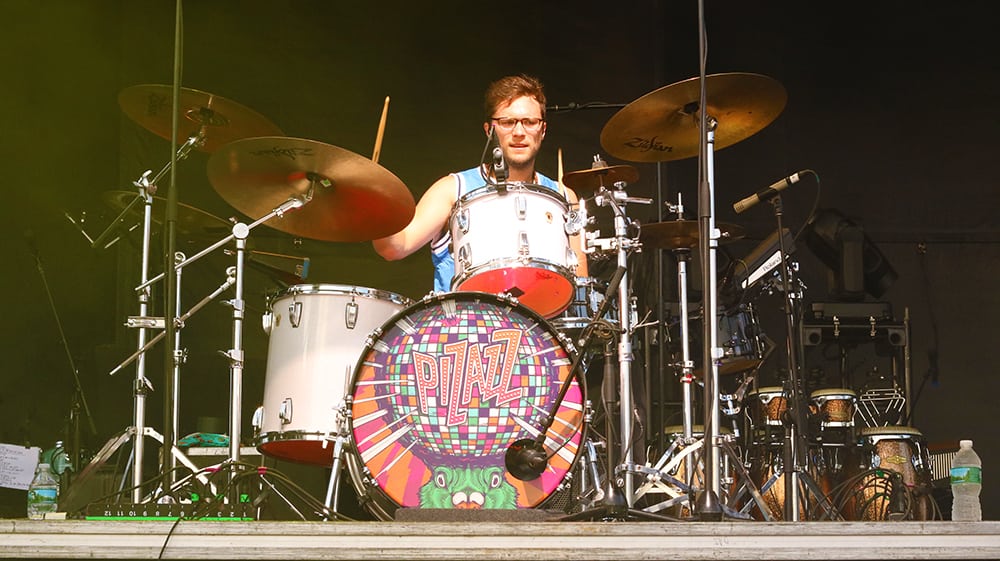
    Alex PetropulosPigeons and this scene is all about the live performance, so it’s a little different for us to go into the studio. Our main goal was to polish these songs that might be new to some people, that we’ve been kind of working on and carving out for years. We’ve been trying to create a nice studio sound, and try to capture our live sound because realistically that’s what we want. That’s our scene, that’s how we bring in most of our fans, with the all improv, high energy feel of the show- which can be tough to capture on an album, but we are so pumped. We think it’s our best album, we’ve gotten great reactions. I love it, it’s got a great funk sound, but still has those classic funk and rock undertones to it. Just the general vibe, I think it’s a good mix for our sound.

    As far as the songs themselves, some were newer. We’re always changing songs and setlists are always different, so it was a good mix of newer songs and songs that we’ve had on our plate for a while that we’ve been morphing over time. That’s another great thing- just seeing how we can tune in songs as time goes, which I think we do pretty well.

    RR: You play a lot of festivals, but also do  an extensive tour, how does your festival sets compare to a normal Pigeons show?

    AP: I love how we’re able to do the hardcore, stringent night to night touring, but in the summer, it is mostly festivals. It is a different vibe, but in a good way. It’s good to kind of switch that vibe up because festivals are often an hour to two hour set, and we kind of alter our minds for them. Our main touring shows we usually play two sets and an encore, and get to play for a long time with the ability to experiment and improv for a while, take a bunch of risks. With certain festival sets you have less time or are in a location where you might not know how the audience is since they might not know anything about us. Like if we play a pop festival, like Bonnaroo, we always try to stay true to our show. We never try to change the show because we think the crowd will be different, but it is something you always have to keep in your mind. If it’s a more family environment we play songs that cater slightly to that while also not straying from our true show. Festivals you get a lot of new ears which is good. I like the balance of it all. In the winter and fall you’re on the go every night, and the summer is still busy but different. We get to see other bands and hang out with them.

    At jam festivals when artists are done playing they’re not just leaving, everyone’s hanging out. We’re music fans too, and that’s the biggest thing for us with festivals. We’re fans just as much as anything. When we go to festivals, just like fans, we’re checking the lineup, checking the schedule to see when we play and who we can go see. We meet up with bands who you talk to on the road, but only get to see them when you’re playing with them.  It not only brings great shows together, but also brings the musicians together to hang and communicate, which is always great.

    RR: Your fanbase calls themselves “the flock,” as you’ve grown over the last few years, how have you noticed the fanbase has changed with you?

    AP: “The flock” is technically the Facebook band group page, but we like to consider any Pigeon fan a member of the flock. It’s constantly growing, and constantly blows our mind. We have fans, for their own pleasure, who will help us out. They post poll questions, do roll calls for shows, get together flock group meetings before shows. It’s great. The community is amazing. It keeps everyone on our toes. They’re our fans who we do see night to night more and more as we’ve gotten bigger. It’s amazing you see the same fan night to night as the tour goes, and one big thing about that, in a good way, is it keeps us on their toes musically. We’ve never once repeated a setlist, which is something we like to keep up, but at the same time it also forces us to keep writing and making new music as opposed to just newer jams. When you see the same person every night, you think “oh wow, we’ve got to mix things up.” We love writing music and are always trying to push more, and the constant support from the fans also pushes us to write more music, and create more for them. We know how on top of it they are, listening to every live show, and it’s awesome. We feed each other. The fan group will hopefully keep growing as we go, but we’re also growing for them at the same time. We have such a great following we’re so appreciative to the flock.

    RR: Where do you think most of your fans come from?

    AP: I would say definitely the live show. Festivals are huge for us because it’s easy to just check things out. There are a lot of festivals in the scene where you don’t know every band, and that’s a cool thing. Festivals are always great for getting new ears, but we’re also always working hard and touring too. We’re constantly touring. We used to play up to 200 shows a year, but now it’s probably around 125. Connecting with the fans live during the show is big for us. We like to incorporate the fans, make eye contact, point people out during the show, make people laugh, and engage with fans during the show. I think that attracts other fans around. One thing I’ve always thought was good with our show was finding a good balance between crowd interaction and the fun, silliness on stage, but also balancing with a great show. I think we’ve been able to do that, and I think we also have a relatable show.

    I love weird music, but we have a sound where even if you don’t know who we are and you’re at a club or something, you hear our kind of punchy dance beats, you’re hopefully gonna start moving your head. I think our relatable, fun in funk style appeals to a lot of people who are just trying to have a good time and listen to good music. It’s definitely all based around the live aspect for sure. It’s crazy, we’ll play a big show in our hometown, [Washington] D.C. or Baltimore, then we’ll go out west to some place we’ve never been, like San Francisco where we just went for the first time, and there were just as many people. It kind of blows your mind. You wonder if there will be people, then its packed and you think “this is just like a hometown show.” It constantly blows my mind how the flock seems to keep growing.

    RR: As you’ve been learning a lot the last few years, what is the biggest thing you’ve learned in that time? What would you tell yourself five years ago that would be most beneficial now?

    AP: I’ve always played music growing up, but never on this level. I’ve always dreamed about seeing a show at Red Rocks, let alone be playing one. The biggest thing I’ve learned, which I was lucky to have learned growing up, is to embrace every moment and constantly have the perspective of “wow, I’m able to do this for a living.” You have to take every day. It’s a lot of hard work and a lot of hard travel and you can get frustrated, but then you get days like this where you get to the site, look around and think “wow, this is work today.” I get to hang out and see my buddies by the water, play an hour set, see Umphrey’s McGee and Papadosio. We’re always looking on the bright side. We’re always trying to embrace what’s around. Things can catch up with you if you’re just waiting for the show. We love playing so much, but we also love the ride. We love going out before shows and finding good food and cool people. It’s much more a community vibe than you would think. It’s a grind, but it’s a great grind.

    RR: Who’s your biggest influence as a drummer?

    AP: As far as the classic guys, drummers like Steve Gadd who played with Stuff, and so many studio guys like Vinny Colaiuta, who played with Zappa and Sting. I love the old guys who revolutionized their own style and just pushed the limits, even just with their grooves. Gadd can sit by his kit for an hour and just groove, and respect that just as much as some crazy fast drummer. As far as new guys there are so many great drummers out there, especially in our scene. Kris Myers from Umphrey’s is incredible. His endurance has always impressed me so much. They can get at it for three hours every night, and he’s just roaring back there. Guys like Adam Deitch from Lettuce. Just hard workers. You hang out with them and they’re chill, cool guys, but they’re also real hustlers. I respect the hustlers and the guys with passion that are always trying to get better. Dave Dicenso is probably my favorite drummer ever. He’s played with a bunch of acts and I got to study with him growing up a little bit, and he’s like a guru master. He’s probably my biggest inspiration when it comes to drumming.

    It’s hard to choose, there are so many great drummers. I also love finding drummers who I don’t love necessarily for the music, for example Justin Bieber’s drummer Devon Taylor. I don’t listen to Justin Bieber’s music, but he is still one of my favorite drummers of all time because I can watch him play, and whatever he’s playing you can tell by the style and feel, he loves it and is pushing it to the limits. I love finding drummers that I don’t necessarily relate to the artist they’re playing with, but you can still see their passion.

    RR: Do you have any personal goals that you’d like to achieve with the band within the new few years?

    AP: I’d love if we played a headlining set on the summit of Mount Everest. I think with how technology is progressing we can make this happen. We were thinking of some sort of bubble apparatus that we’re gonna put right on the peak of Everest, and try and control the climate so we have a good show. There will probably be at least 10 people there. That and the space station. We’re working on Everest and NASA right now.

    RR: What is the biggest challenge you’ve had to work on personally as a musician, or as a band?

    AP: As far as the band, I was pretty lucky. I always grew up playing shows where no one was there, but as for Pigeons, I came in where the band was already well established and generating a decent amount of momentum and success. Not with Pigeons, but when I was younger the biggest thing was just appreciating the grind. There were shows where you’d put your heart and soul into it, giving everything you’ve got, posting flyers, and then you’ve got three or four people there. We’ve all played empty shows. It can be disheartening, but just playing is great. You know it’s just a stepping stone, and you’re gonna get through it.

    With Pigeons we’re lucky enough that we’re constantly shocked with our crowd turnouts. We’re past a certain point. There are still new markets, but we’re getting past speed bumps, or slower markets. We’ve returned to some that might have been slower in the past, but now they’re raging. It’s great to see that progression. Having the patience is a big thing. It’s such a crazy schedule you have to be patient, and just keep grinding and know that it’ll be worth it if you truly believe in it. All the guys in the band believe in what we’re doing, and it’s helped us get to where we are. Keeping that motivation and always trying to get better is so important. We know too that even if things are going great now, its up to us to keep getting better and progressing. As our fan base grows, we have to grow too musically, and it’s something we take pride in doing. Patience and perspective are the keys.

    RR: Do you have any pre or post show rituals you do?

    AP: When we’re on tour and get back to the bus, we like to unwind with Kung-Fu movies. It sounds weird, but we’ll play songs to it. We’ll put on funk music that we’ve never heard, and just play movies and it oddly lines up pretty well.

    Pre-show everyone’s just prepping. We’ll do a little team meeting before we go on then our sound man will give our infamous “bird call” through the radio, and that’s when the show begins.

    RR: You guys have so much energy every show, how do you keep it up so consistently every night?

    AP: Everyone’s able to get in this great mindset. I grew up playing a lot of sports, and music isn’t sports, but before a game player’s get in their headspace. We do the same; we prep in different ways. We all have a good understanding that our battle days and show days are long days of work, but when it comes down to the actual show, the show is almost the quick part. At festivals we know we only have an hour or two to get out there and show the fans what we’re about. We don’t want to look back and think “I could have been a bit more into it.” Everyone knows that right when you step on that stage we’re committed, and that set time is the entire time we have to throw it all out there. There are days when we’re tired and have been doing a lot of travel, but it just washes away right when we take that first step on stage. You just get amped. It’s hard not to get excited when you walk into a setting where everyone’s cheering for you. It’s just fun watching people dance, go nuts with their friends, and throwing their arms up for peaks. Energy is constantly feeding back and fourth between the crowd and the audience. You’re riding a high, and it’s just an adrenaline rush. You come off stage and sometimes the set feels like it was ten seconds long because it was just a blur. It’s important to never take a set for granted, that’s for sure.

    RR: Do you have any big plans for next year?

    AP: We book a long way ahead of time, so we’re looking forward to a long next year, which is in the works. Seeing the tours grow in little ways, like going to a city and being bumped up a venue, is always really exciting. We’ve got a great group that helps us book our show and a great team. You can feel the momentum. Shows are getting bigger and we know that. It’s something we keep pushing, and we’re always keeping busy. We love seeing new places and trying out places we’ve never been to, but also returning to a venue that we know is gonna rage. We’re constantly working to grow and trying new things. We love jam festivals, but also stepping outside of our box by playing festivals like Bonnaroo or Euphoria, which aren’t jam band festivals anymore, but if all goes well that’s how we know we’ll get new ears. We love the mix of the jam community and trying to expand to new things, try new crowds, and new styles. Even with our writing, we’re always trying to progress that. With the position we’re in we’ve got to keep moving forward, and we can’t just think that we’re good because things are going well. That just means we have to work harder.

    RR: What’s the most exciting thing that’s happened to you since joining the band?

    AP: This actually just happened. Jay Blakesberg, amazing photographer, we love Jay and we’ve gotten pretty close to him, and we’ve been able to work with him a good amount. Last weekend we saw him a couple of times, once at High Sierra Music Festival, and I was wearing my Primus Pork Soda shirt with the album cover. He saw me and said “Alex, nice shirt. That’s a photo of mine, I took that album cover,” so he told me all about it. I thought it was funny because I’d been wearing that shirt for years and didn’t know he took the photo. Then a couple days later we’re at Red Rocks and I’m wearing a Bill Walton Celtics jersey; one of the greatest basketball players ever who’s also a big Grateful Dead fan. Jay came up to me and said “Alex, nice shirt. I know Bill Walton really well I’m gonna see him tomorrow and tell him you wore that shirt.” I was like “what is it with the clothes I wear with Jay Blakeserg?” So, I was freaking out about it, then later we got an email from Jay because he took a photo of us in front of the crowd and I had my Walton jersey on.  He sent it to Bill and Bill sent a response to forward along to us saying that he loved the picture and thank you so much. It was just unreal. Growing up I was always a big basketball guy, and the Celtics and Bill Walton are guys on your Mount Rushmore of players. I’d never thought he’d be thinking about me, so that gave me goosebumps.

    RR: What advice would you have for young musicians?

    AP: One thing I always tell young musicians, and I know I keep harping on it, is the grind and perspective. Particularly with drums, when you’re a young kid taking drum lessons, you want to get behind that kit and just start wailing, but the first couple years of drum lessons are just the snare drum and technique. Same with any instrument. There are kids that will start because they see their idols ripping, and they don’t realize it takes years and years to get to the point of being able to do that. But once you do get over that hump, then it’s just pure fun. It’s still fun to do all that stuff, but it’s stuff you have to work on. It’s repetitive and not as flashy, but once you get over that initial hump of learning the basics, as with anything, that’s when you can train and push yourself to try and do new stuff. You have to do it the right way. Some kids will skip lessons and just go nuts and try and learn. Obviously, do what you want that’s fun, but as far as the real road to learning and being a musician it’s important to keep grinding those first few years and I promise it only gets more fun and opens up more doors from there.

  • Great South Bay Music Festival Brings Musical Diversity to Long Island

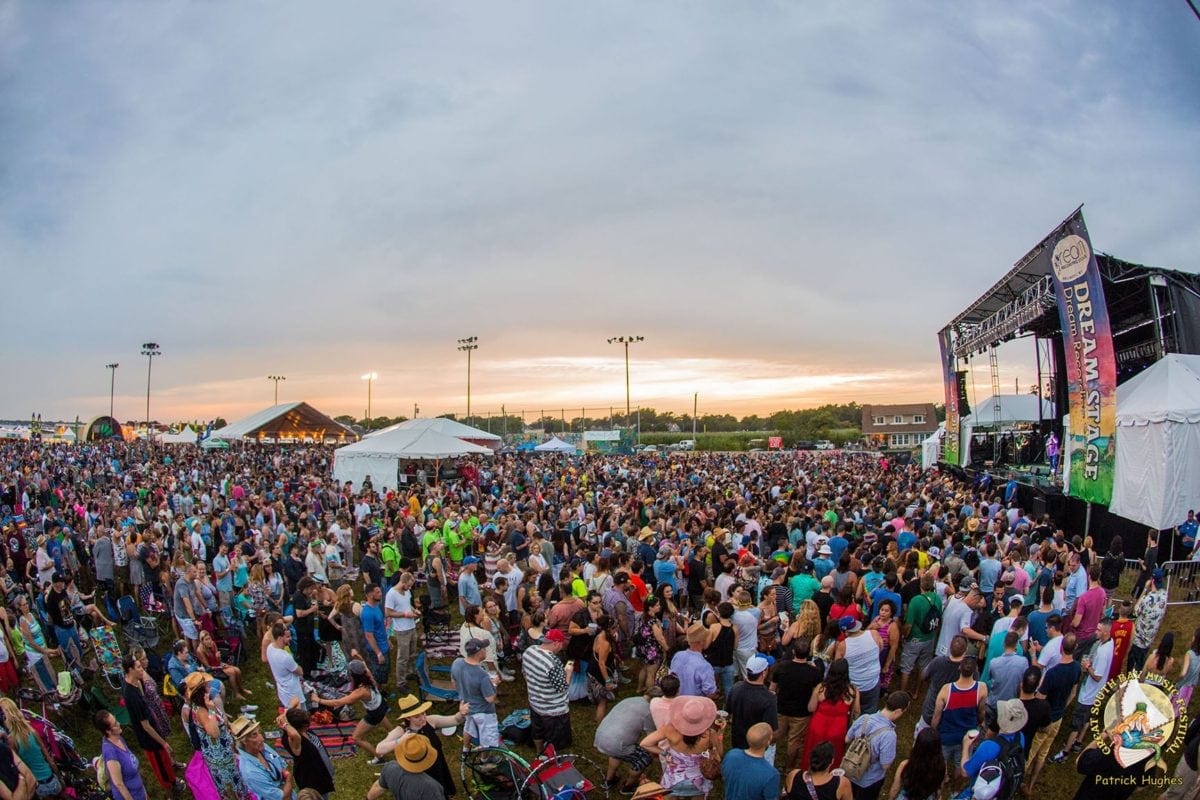
    The Long Island music scene is incredibly fertile and diverse. It is rare to have an event that brings everyone together in one place, from the hardcore kids out east to the classic rock loving dads from Glen Cove, to celebrate music, art, and unity. Great South Bay Music Festival achieved this in strides with their incredibly colorful lineup of popular acts ranging from Sublime with Rome to Electric Hot Tuna. Located directly on the water of the south shore of the island at Shorefront Park in Patchogue, NY from July 12-15, the festival grounds is the optimal place to see live music on a hot Long Island summer day.

    Great South Bay Music Festival
    Festival Guide

    Unlike other festivals around the nation which focus in on one single genre of music, Great South Bay is a family-oriented festival that mixes up the genre of music played each day to give everyone a chance to enjoy themselves. Music lovers who attended each day went through a journey of seeing hardcore/punk bands on Thursday night to ska/reggae groups on Friday night to jam bands on Saturday night with blues/classic rock acts capping off the weekend on Sunday night.

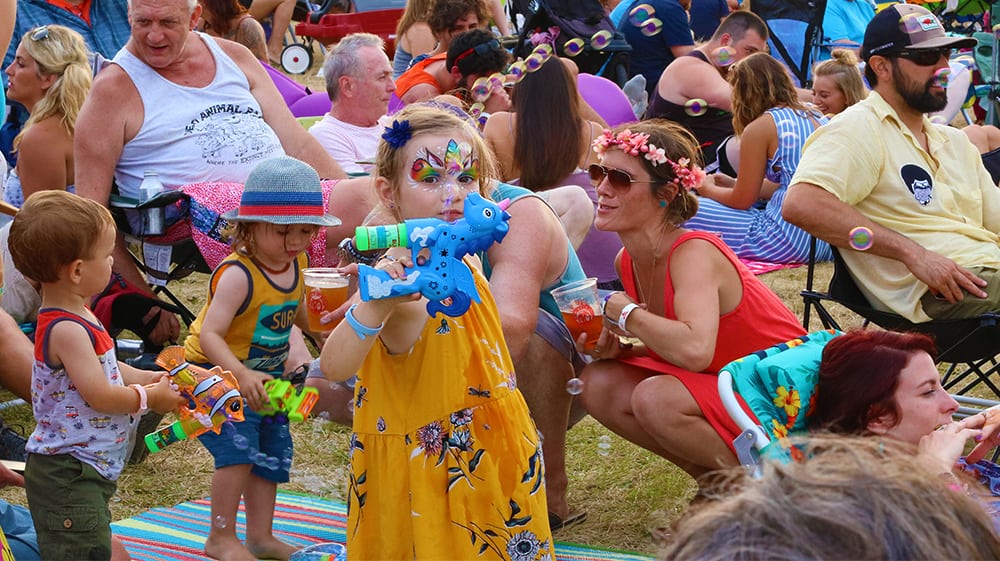
    The overall vibe of the festival was incredibly relaxed, despite how many people attended, and festival goers had the option to sit back on the grass in their lawn chairs and blankets or head up front to stand in the pit if they wanted to get closer to the music. Because of how drastically the music changed from night to night, the crowd tended to change with it, creating a different feel for each day of the festival.

    Jim Faith, the man responsible for putting the event together, started Great South Bay Music Festival to create a Long Island music festival which would keep the spirit of music alive, positively change people’s lives, and create a space safe for people of all races and ethnicities to come together and celebrate different kinds of music. His goal is to inspire people to listen to new music as well turn younger folks onto legendary artists they might not have heard. The festival is not designed to be an over the top production, but rather a place to bring people together and get to the heart and soul of the community- which it certainly achieved.

    Great South Bay Music Festival
    Happy Festival Goers

    Thursday, July 12:

    The first night of music kicked off with a bang with an assortment of punk and hardcore groups who played to an energetic crowd of generally younger fans. When Get Up Kids took the main stage at 6:10 pm, the crowd was antsy and ready to go. The 90’s rock/emo band got the crowd going with an injection of high energy punk-esque songs which kept up the entire set and established the first big mosh pit in front of the stage of the night, but certainly not the last.

    Great South Bay Music Festival
    Eddie Breckenridge of Thrice

    Thrice followed at 7:30 to the excitement of many attendants, and picked up exactly where Get Up Kids left off.  The veteran alternative rock band’s heavy riffs incited headbanging, fist pumps and mosh pits in the crowd close to the stage, while those who were hanging back danced to themselves. Thrice was a treat to many festival goers as they had recently released new music and came back from a three-year hiatus, so it was many fans first time seeing them since they returned. An incredibly polished, hard rocking band, their set was played with such precision it sounded as though it was recorded in a studio.

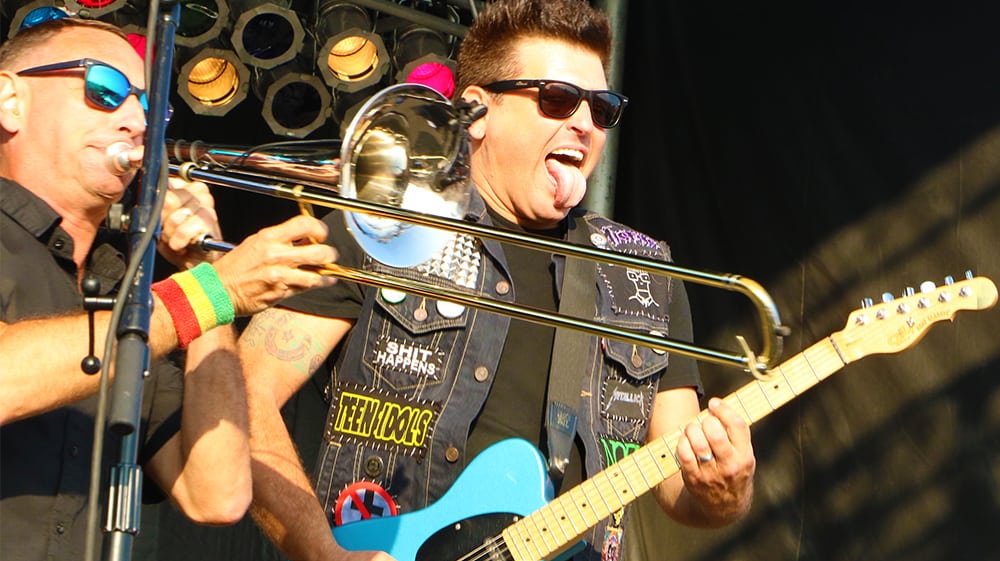
    A half hour after Thrice finished their set, the headliners of the night, The Front Bottoms, took the stage and treated the crowd to an energetic hour and ten minute set of twists and turns. Playing with the “Legendary Uptown Horns,” the set featured an animated setlist of melodic arrangements. The band sounded like a mix of Mumford and Sons and Streetlight Manifesto, and produced incredibly positive and vibrant music. By the end of the set there were people jumping, crowd surfers bouncing, and heads banging: a magnificent end to the first night of the festival, which would set the stage for the next three nights.

    Great South Bay Music Festival
    Front Bottoms

    Friday, July 13:

    Friday night was all about the ska and reggae scenes, and featured an impressive assortment of some of the nation’s top touring acts for the genre. The crowd began to fill up after 6 pm as they made their way over to the festival grounds after work, and included a very diverse crowd of fans old and young.

    Great South Bay Music Festival
    Less Than Jake

    Less Than Jake started their set right on time at 6:30 and jumped right into a fast-paced, rocking ska song to the crowd’s delight. The band seemed to be in a great mood as they played a set of many of their hits from their most recent albums to older crowd favorites, and played around heavily with crowd participation. In between songs they made jokes, brought people up on stage to dance, and even had a beer chug off with people from the crowd who they brought on stage. They had the crowd in the palm of their hands as they encouraged sing-a-longs, jumping in unison, and moshing. While they were very playful they were also an incredibly tight band who clearly had been playing together for a long time.

    Great South Bay Music Festival
    Dirty Heads

    The Dirty Heads followed at 8 pm as the smell of marijuana filled the air in anticipation. The Dirty Heads are a great, chill summer band, and the beach is the ideal place to catch one of their sets. The band played a very diverse setlist from hip-hop beats and rapping to slow, bouncing reggae tunes which saw the massive crowd swaying in harmony like the waves of the sea behind them. Everyone sang along when they played their hits, and Rome even came out to perform a song he’d recorded with them for one of their earlier albums, to the crowd’s delight.

    The appearance by Rome in the Dirty Heads’ set was only a taste of what was to come, as Sublime with Rome followed in the headlining spot. The band got the crowd going right away with a few classic Sublime songs, each featuring an echo of the crowd singing along. The band was able to emulate the sound of the original Sublime lineup with ease, while at the same time staying fresh with many of their new songs. Some of their new songs sounded like something from a vintage Sublime album, while others strayed genres a bit and became much heavier. Overall the night was exactly what the crowd came for as they left smiling and hazy.

    Sublime With Rome

    Saturday, July 14:

    Saturday’s show featured an array of artists from the jam scene, ranging from cover bands to some of the top touring acts of the scene. JGB Featuring Melvin Seals brought heat with a set of Jerry Garcia music that would make Jerry proud. Seals still has the chops he had while playing with Jerry, and put together a band of world class musicians to keep the spirit alive. The set mirrored that of a ‘90s JGB show with original Garcia tracks and some of his favorite covers played with emotion and soul. Each member of the band came to play, and every note played was treated with dignity and respect, whether it was a fast-paced rocker or classic ballad.

    Photo of The Great South Bay Music Festival courtesy of their website.

    Papadosio followed and began their set with a jam on middle-eastern chord progressions, which piqued the interest of the crowd. Their hour long set featured mild twisting space-funk, dangerous peaks, and breezy, floating jams which exploded like the waves on the nearby jetty. Although the band normally plays indoor shows or late night time slots, having them play in the afternoon was a treat because despite the lack of light show, the crowd was able to see that the band was dancing on stage and as into the set as the audience, which only pushed the music further.

    Pigeons Playing Ping Pong

    With the crowd loose and ready to jam, Pigeons Playing Ping Pong took the stage at 7:30 and impressed the crowd with a show that they played like it was their last. The upbeat funk-rockers explored different areas of jam music from ‘70’s disco-esque grooves to dark, gritty jams. The entire crowd grooved along as the non-stop set kept everyone dancing and on their toes for what they would play next. At the end of their set the crowd didn’t seem to want them to leave, as they didn’t want to either, and gave the band an ovation which was heard a town over.

    The half hour time slot in between bands gave festival goers a chance to sit down and collect themselves before they were thrown back into the madness with a dynamic set by jam band giants Umphreys McGee. Umphreys McGee quickly dove into a high-energy rocker, each note played with sharp precision. For the first time that evening, it was dark enough for a band to incorporate a light show, and it did not disappoint as the lights added another layer to the improvisational machine on stage. The band shined effortlessly through difficult progressions and raging peaks with an incredibly fun set of music. The band left the stage before their time slot ended only to come back and deliver a rendition of Pink Floyd’s “Shine On You Crazy Diamond” that sounded like a crisp studio recording of the song until they put their own spin on the jam which amused and exhilarated the attentive audience.

    Umphrey’s Mcgee

    Sunday, July 15:

    The final day of the festival seemed to attract the largest crowd, as well as the oldest crowd. From Thursday to Sunday the average age of the crowd seemed to jump nearly a decade, with the old boys coming in and finishing things off right. The Devon Allman Project featured impressive guitar work and blues jamming by sons of the original Allman Brothers Band, Devon Allman (Greg Allman’s son) and Duane Betts (Dickey Bett’s son). Looking the carry on the family musical tradition, the band did not disappoint and put a fresh spin on bluesy, rocking tunes. Some might have thought that the band was only there because of the last names of the performers, but had their names been John Doe the band would have been incredibly impressive with their set of high quality musicianship.

    Festival Goers, Old and Young

    Little Feat came next to the crowd’s excitement, and the classic rock legends played a set full of fun and hits. The large band of musicians played with incredible gusto, and communicated with each other musically on stage as if they were speaking a language the crowd instinctively knew. Their soulful singing and silky jams showed that they are a band worth continuing to see as they segued from song to song with their eyes closed.

    After a short break, Electric Hot Tuna took the stage to an ovation unmatched by any other of the weekend. Practically ignoring the applause, they dove into a sneaky, haunting blues jam featuring impressive guitar licks and full band modulations with ease. Each song featured a notable jam of its own right, and the versatile rockers changed genres on the turn of a dime with each song. The sound was ideal as the bass was up in the mix, which is exactly what you want when Jack Casady is on stage.

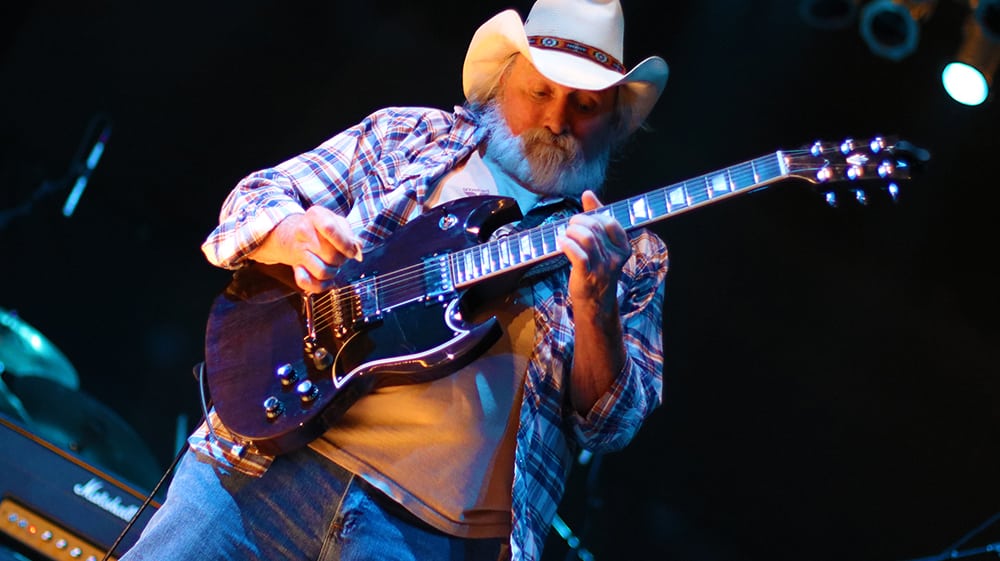
    Dickey Betts Band

    After Electric Hot Tuna’s set, the crowd was antsy to hear the final headliner of the night, Allman Brothers Band guitar player and founder Dickey Betts take the stage with Dickey Betts Band, however they were forced to wait an additional half hour due to sound issues. The crowd was overjoyed when the band finally took the stage and jumped right into the Allman Brothers material Betts wrote. Betts was a bit rusty throughout the set, but still reached many highs on well-known Allman Brothers Band solos, and the crowd was happy to hear the music they grew up with.

    Overall the festival was a great success, with attendants raving about the music they had just seen as they made their way to the parking lot on the final night. With sunlight and a cool ocean breezes, you couldn’t ask for a better weekend as people from all walks of life joined together to celebrate love and music.

  • Flashback: Phish’s Clifford Ball, August 16-18, 1996

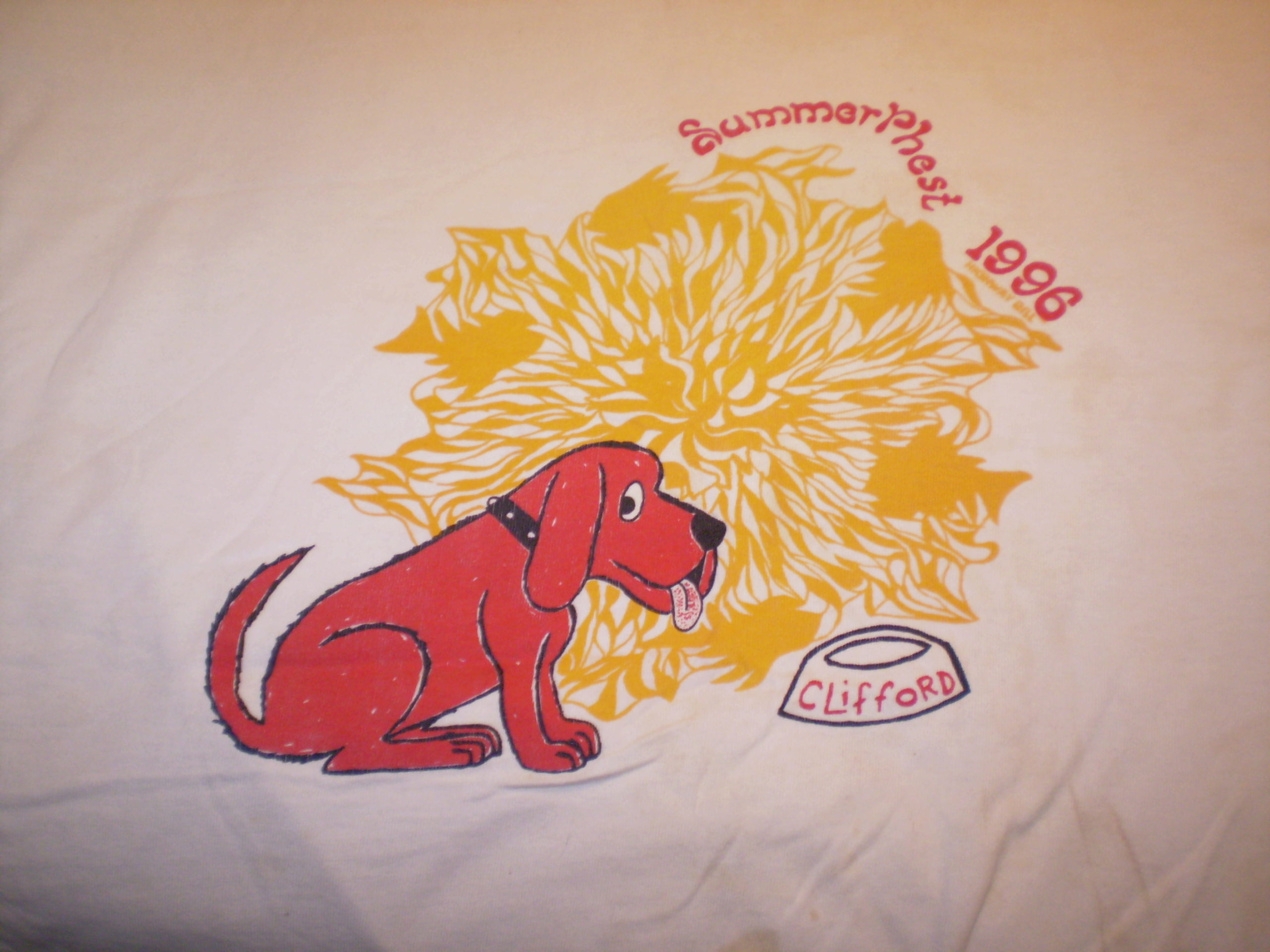
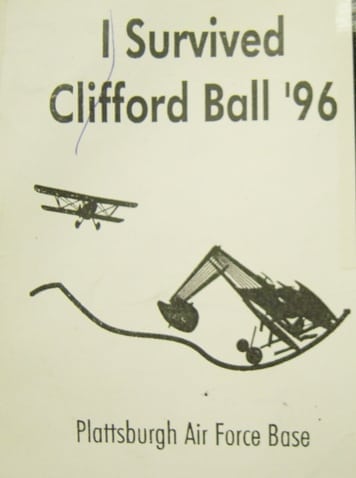
    In the summer of 1996 an estimated 70,000 to 85,000 Phish fans drove to a former Air Force Base in Plattsburgh, NY to attend an event that would forever change the landscape of modern music festivals and add yet another dimension to Phish’s already polarizing live music experience: The Clifford Ball. Fans camped out from August 16-18 to see Phish performed three sets of music and an encore on each of the two show days, as well as a secret jam, the Flatbed Jam, at 3:30 a.m. on the night of the first show. The audience was four times the size of the county the festival took place in, Clinton County, and for that one weekend Plattsburgh became New York’s ninth largest city.

    The Clifford Ball was the first festival Phish had ever thrown, and since then they have kept the tradition going with their upcoming festival, Curveball, as their eleventh installment. Going in, fans had no idea what to expect, and most were completely astonished by the experience they had that weekend. In addition to the music, attendants were treated to flights overhead by bombers, gliders, and other aerial vehicles, carnival rides, wandering jugglers, fireworks, a classical violin quartet, a blues quartet, guitar soloists, a choral quintet, a full orchestra, movies in the camping area, a full village built on a hill, a vast array of food and drink vendors, a general store, trampolinists, a aerialist swinging on ropes, and scattered art installments. The carnival vibe filled fans with glee and wonder, and those who attended still say it was one of the most stupendous experiences of their lives. For those interested in watching the festival in its entirety, Phish released a massive seven DVD box set in March 2009. Below is a look back on experiences had at the festival by friends of NYS Music and Phish.net.

    Anticipation and Arrival

    John Demeter, Contributor to The Phish Companion, Third Edition: “Oddly enough, we didn’t really expect some Dionysian party, beyond what we were accustomed to (see what I did there?). There were literally a million other places we could go camping that are better than a shitty closed airfield in Plattsburgh. We were expecting to hang out during the days, entertain ourselves, and then see Phish outside the construct of a regular venue. The baseline expectation was Sugarbush from the prior year, which was really nothing but rows of tents in the ski area parking lots.

    We had no idea what “festival” in that sense meant at the time. We were calling it “the camp out” right up to the show. We didn’t even consider that there’d be vending, art installations, gliders, and trampoline skiers and such.”

    Phish Clifford Ball


    Todd Wimer: “I was beyond stoked when I opened up my mailbox, took out the latest Doniac Schvice, and saw the Clifford Ball announcement. This was how I got Phish news back then, not months in advance via rumor gurus like Attyaloew. Coming off of the New Year’s ’95 run, with 12/1, 12/15, and 12/31/95 being the most recent shows I had seen, I was obsessed with Phish at the time, so the timing was pretty ideal. My high school crew all felt the same way and it was an understood thing that we’d make it up to the festival no matter what.

    [Going in] the enthusiasm everywhere was palpable. Phish felt like this big inside joke at the time, and the festival was astounding in that we all looked around and acknowledged that a lot of people were in on the joke. And that was fine, because I love being around Phish people, so the more the merrier (barring tough-ticket shows and scalpers who have since learned to capitalize on this rabid fandom.) My first few shows in ’93 and ’94, the crowd was a lot of white-cap collegiate dudebrahs and nerdy guys with glasses who looked like they played D&D. The wook element was there at those shows, but not as present until after Jerry died the previous summer.”

    Russell Howze: “[My initial] reaction was excitement. I knew it would be large, but it was an incredibly large crowd there. I did not expect the art and creativity that happened when the band was not playing, and was also amazed at how many different subcultures were there for the music/party/scene. I expected a huge police presence (the Grateful Dead’s horrible tour/riots/gate crashing were still fresh), but there were only about four mounted, pot-friendly, Texas sheriffs. The gathering of all those people, with no real authority present made for a laid back good time.”

    Phish Clifford Ball
    shirt design by Tripp

    Dan Hewins: ”I was in Vermont at a friend’s house about three hours from Plattsburgh. We (three of us) decided to leave on Thursday about 11 o’clock. We thought we’d beat the traffic by arriving at two and that there should be some people there since the gates opened at noon. Well the surprises began immediately upon entry. There were so many people already there, the lots were filling, and the camping areas were already fully inhabited. The place was booming when we got there so we quickly closed up the car and began moving about the masses. We took a walk to get our bearings and see what we could see. All I could think for a while was, Damn. All this for one band? We explored, danced some by the DJ bus, and explored more.”

    John Lockerby: “I had been seeing Phish for two years at that point (five shows) but wasn’t the “true” fan as many others tried to be. I was there for the party. Really, it could of been a Dave Matthews Band fest and probably would of gone. I don’t remember much of the drive there except the closer we got the more we knew we were in the right place. Getting up to the gates there was a huge line to get in, of course, but not like the lines you see today.”

    https://www.youtube.com/watch?v=1lOhpm-ru6c

    The Festival Scene

    Marco Esquandolas*: ”The Clifford Ball was also my first show. Honestly one of the biggest memories that sticks out to this day, non-musically speaking, was just the fact that I managed to find everyone I was looking for, in that pre-cell phone era. Near my campsite there was this big corkboard wall where hundreds and hundreds of people had posted things hoping other folks would see their messages and connect. I picked up a paper plate off the ground and wrote a Sharpie message on it telling my best friend where my tent was – magically he saw that note amongst all the others and found me…. nearly miraculous!”

    Mark Larezzo: “I remember it as a giant chaotic mess and total 24 hour party. That and it was CROWDED. I saw the first set on the second day from so far away that the only thing I could make out on the stage was a tiny bright green dot that was Mike.”

    clifford ball
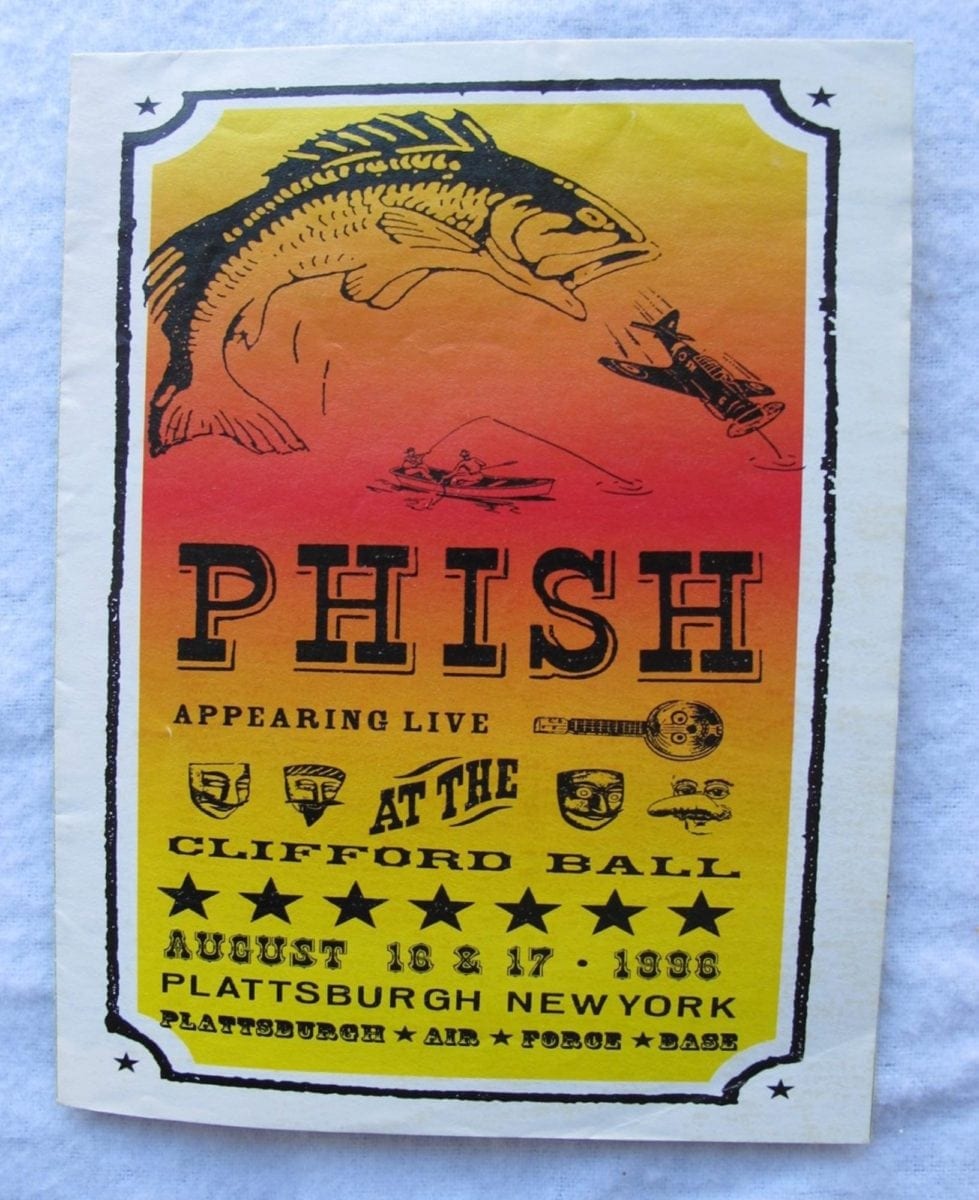
    Poster by Star City Art. An unofficial Clifford Ball print commemorating the 1996 event. The imagery is inspired by aviation and some sort of pageantry of old entertainment balls, which inspired the vision of the event. The font and stars around the propeller are inspired by the 76ers logo.

    Russell Howze: “Folks weren’t really into wearing the costumes back then, but my friend made me a crazy costume to wear (fish-themed fabric, like a Scottish kilt/sash). I also brought a tuxedo and walked around like I was a butler during one of the daytime sets. The stares and drunken drink orders were priceless. The memory I still love is: While chilling under a shade structure on one of the night set breaks (I think it was during a set break), a guy walked in with a flashlight on a tripod. He set it up, turned it on, checked his focus, and then threw a brilliant hand shadow show up on the shade tent’s white-fabric roof. I just had to roll over on my back to watch it, and when he finished, dozens of folks gave him a round of thunderous applause.”

    Todd Wimer: “There was a big movie screen in the campground that was showing Simpsons episodes. Drum circles. Many many grasshoppers. Mounties. I’ll tell you some fun that we didn’t have at the campground: the flatbed jam! We were fast asleep and when it passed by, twenty feet away from our tent, we slept right through it. I think there were newspapers being printed daily and circulated on site and we read about the flatbed jam or someone told us about it and we were just confused. ‘Whattaya mean? Where was the stage? Was the truck moving?’ I thought they were trolling us.”

    Dan Hewins: “There was a town square replete with Barber Shop, Ball Court, Ball Diner, some kind of chapel, General Store, and a statue of Clifford Ball himself in the center. On the outskirts was an artist area where people were making, building, painting, and creating. There was another building that contained giant asphalt balls. One was about five feet in diameter and some of the others were a bit smaller, but they were all painted like a street. Outside of that building there was a guy standing in front of a huge log about three feet in diameter. He was chopping at it with a hatchet, a tiny hatchet, he was making very slow progress. There was a theme here and if you can guess what it was you win. It was Clifford Ball. Ball was the theme. Artists were sculpting and decorating balls of all types. Inside on of the buildings in the square there were plaques up on the walls with words: orb, sphere, dance, globe, testis, bullet. I got orb, globe, sphere, and dance but I wasn’t sure what testis was.

    Jim Pollock was in a tent signing art that he had done. There was a special deal, if you were wearing a shirt he designed you got a dollar off a purchase. I bought a three dollar sticker for two bucks. There was a music tent too, there was a saxophone quartet, that’s all I remember. There also was a place to “confess to Phish.” It was attached to the chapel. It was a small room with a mic and a podium that you would sit behind and “confess” in front of a camera. Hmmm. The barber that I mentioned before gives haircuts too. He only cuts one hair though. I found him giving a haircut to a camera crew guy’s fuzzy microphone. I chose the hair that he should cut and then presented the cut hair to the guy holding the mic. So basically, Clifford Ball square was cool.”

    The Music

    Tela Esquandolas*: “Clearly there were so many musical highlights in retrospect. At the time the Phish I knew best was A Live One and the studio albums up to that point, so a good deal of nuance was lost on me at the time, but what I will never forget is the “Chalkdust Torture” opener. The opening notes sent a wave of goosebumps over my body – the roar of the crowd only increased them… I was there… I had finally arrived… this was it! Still to this day if I play that “Chalkdust” or watch the video of that opener, I get goosebumps – it was the true beginning of my obsession with their music.”

    Phish Clifford Ball

    John Demeter: “Seeing Mike’s outfit when he took the stage on day two was among the funniest things in the world. The sound was phenomenal. One hundred bigger and better than anything I could imagine. (Having never experienced the wall of sound. Or heard of it at that point, for that matter. But I had been to plenty of other arena and stadium shows. No comparison.) I can still hear the end “Life On Mars”, the perfect articulation of all those notes across the massive field. I didn’t even know the song at the time, but the sound system permanently etched it in my memory.

    Todd Wimer: “Musically, I remember the opener because my best friend and I were up against the rail and had to wait a long-ass time for them to go on, and the bigness of the “Chalkdust Torture” opener made it all worthwhile. The band were obviously thrilled and so were we. It was loud, and everyone was unabashedly pumped. I also remember the sort of acoustic set that they played I think the second set of that night, just because that was when we needed to bail from the rail, so we could go piss and get some water and nourishment, and that the timing for that interlude set seemed perfect as we kicked back and had some chicken fingers.

    Other highlights were the 2001, the ferocious “Antelope”  with… the UVM ski team on trampolines? Or the chick swinging around on the rope? And also, the “Harpua” encore on the last night. I recall the band being a little bit miffed at something during this, and ever since then my friends and I had assumed it was a miscue. I think the glider with the sparkling trails was supposed to be doing its thing after Trey’s narration but had gotten the timing wrong and released the luminescent sky writing early so the very end of the festival was kind of …curious. And my impression was that people who had an absolute blast for the whole weekend weren’t thrilled with the ending. We were only slightly confused, but definitely not unappreciative!”

    Russell Howze: “”Brother” stood out. Ben and Jerry sang horribly on that one and it was hilarious. The “Tweezer” circus spectacle was fun. The flatbed truck jam was amazing, and the highlight of the weekend. I still wish I could’ve kept running along the truck longer than I did (it was a long day and they weren’t stopping).”

    Phish Clifford Ball

    John Lockerby: “The “Chalkdust Torture” was the perfect way to open the festival. The energy was indescribable. You can see from Trey’s face how much fun the band was having. I don’t think they knew what they were in for. Whenever I hear the “Chalkdust” riff I think of Jeff and me running down the runway. I think I was pissed at the encore. Not that “Amazing Grace” isn’t a fun tune, it’s just not what I drove all day to see.
    We missed the late night set. I guess the truck didn’t drive by us. I didn’t bring a tent, so I slept in my car. (It was a hatchback though so there was plenty of room for me.) Maybe that’s why I missed it.
    [The second day was the] best concert of our lives, but once again, we were bummed out by the encore. I mean it was only half the song. Luckily, I didn’t know “Harpua” at the time, so I had no idea what was missing.”

    Leaving/Final Thoughts

    John Demeter: “The end of the festival was abrupt and very confusing. I fully expected that some massive cosmic energy had manifested over that spot and some great energetic event would occur. But they didn’t even finish the song, really. I am still confused.

    Leaving was disgusting. An absolute embarrassment of waste trash garbage people ditching perfectly good stuff. Gross. Figured more of us knew approximately what “leave no trace” meant.”

    Mark Larezzo: “I remember it being a mess in the camping area and musically amazing. I am thankful I was so young because there is no way I would survive it now. The only other festival I have been to is Magnaball and it was 100 times more civilized but not quite as exhilarating as the Clifford Ball.”

    Todd Wimer: “I mean, only for a band like Phish can ‘making it big’ be something beyond selling out Madison Square Garden. Yes, that was amazing. But being a sort of indie band and building a tent city from the ground up by luring 70k people all the way up to Plattsburgh, that was awesome. And we all felt it. One of my lasting takeaways from the Ball was that I forever wondered if and when they would release the video footage of the shows. We saw the camera crew on stage for the whole weekend and kept speculating about why they were filming it. Years later (15?) when they announced the 5.1 mix and the DVD set I was almost as excited as when I first heard about the festival.

    I saw three festivals during 1.0 and two so far during 3.0 (Can’t wait for Curveball!) I lump together the ’97 and ’98 festivals, I guess because they were held at the same spot; and I do the same with the two previous Watkins fests. But The Clifford Ball was its own thing, and stands out for being so huge, timed perfectly, 100% FOR the fans, and very positive. And now that I read that back, I think those positives apply to ’11 and ’15 as well, but in ’96 we didn’t know what to expect or that it would be as special as it was. “

    Phish Clifford Ball
    courtesy of PhanArt

    Russell Howze: “Looking back, the Clifford Ball was a fun event. Compared to the disastrous Coventry (the only other festival I’ve attended), it was a perfect slice of rock n roll heaven. Being at the first Phish festival means to me that I really don’t have to go to another Phish festival. I left CB exhausted, but it was worth the effort.”

    Nala C. Egapal: “The atmosphere was so incredibly warm and welcoming. I recall such a large amount of vehicles but I feel like traffic (getting in and out) was not a problem. One of my biggest memories was watching Trey on the screen almost lost staring at the “Mr. Sausage” booth and those words coming out…”Mr. Sausage” I had never been to a festival before, but this opened my eyes to how awesome they could be. There was so much to explore, people on shakedown, the giant art pieces, people getting lost within themselves playing devil sticks, etc… The weather was hot and clear from what I remember, and nights were perfect. I did not see the set the band played on the flatbed trailer but remember hearing about it the next day. My favorite set was definitely set 1 just because of the energy level, my but favorite song was either “Makisupa Policeman” or “Chalkdust Torture.” One cannot forget Ben and Jerry singing.”

    Darren Barcomb: “I had seen the Grateful Dead in 1994 and 1995 in Highgate, Vermont, and can say that the Clifford Ball definitely established Phsh as the premier festival group in the post-Grateful Dead era. The Plattsburgh airbase was a perfect spot for a 70,000+ person weekend performance but I do recall issues with heavy traffic and high demand for food/water. Overall, it was a well received show by those in attendance and is still discussed in Plattsburgh routinely 22 years later. I’m not sure if the local community loved the event, but those in attendance enjoyed a historic weekend.”

    *not their real names

    https://www.youtube.com/watch?v=80RVVQq0sD4
  • Trey Anastasio Band Brings Hot Summer Jams To Central Park Summerstage

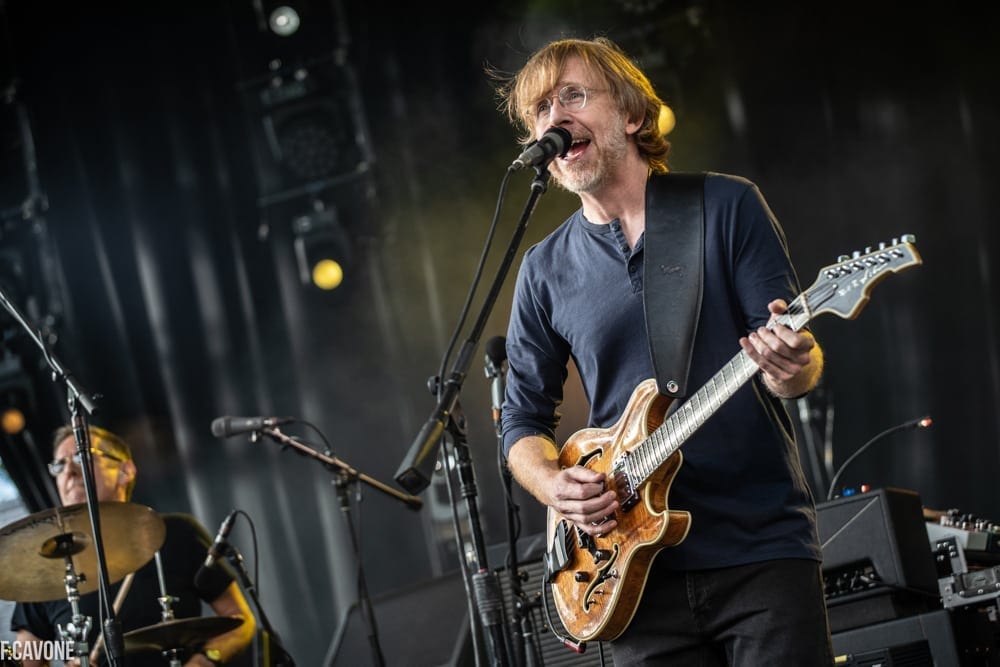
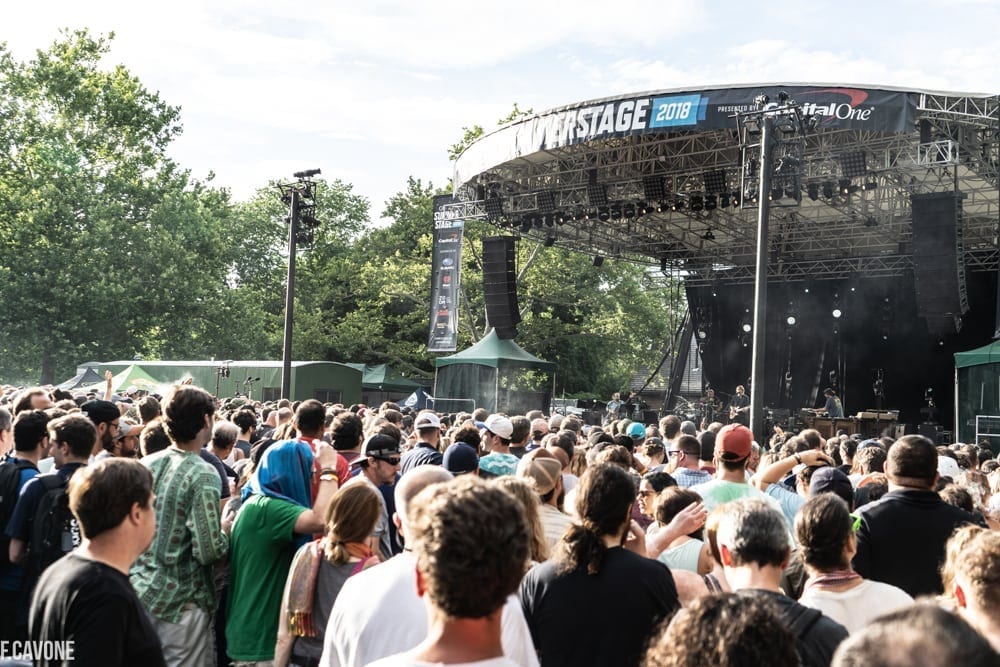
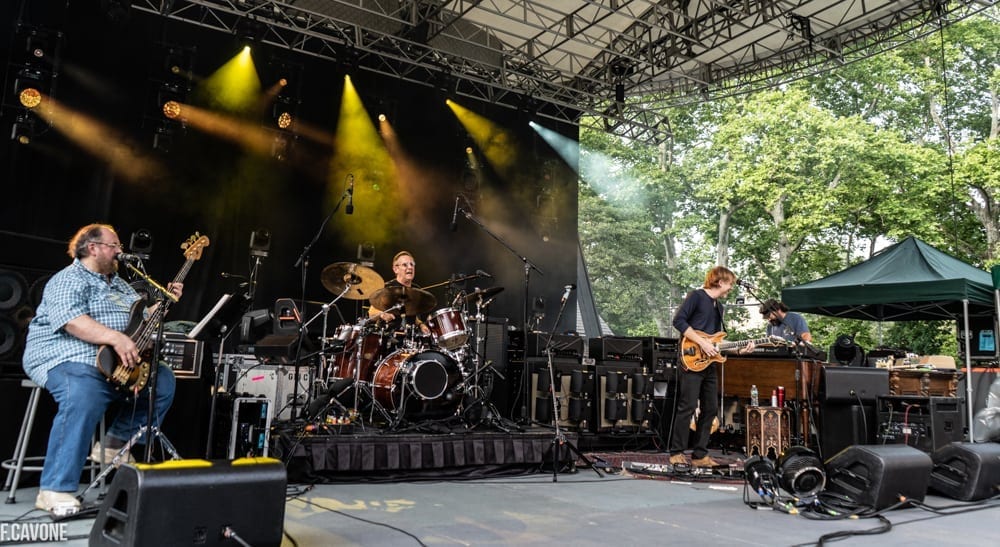
    On July 6, 2018 the Trey Anastasio Trio (with Ray Paczkowski) made their 2018 New York debut at the Central Park Summerstage to a small gathering of fans that felt more like a friendly summer barbecue than a major concert in the middle of Manhattan. If Madison Square Garden is Phish’s house, then that makes Central Park Trey’s backyard, and the pre-show vibe in the park was reflective of that as the intimate vibe of the venue gave the feeling that people were visiting their old friend, Trey, for his annual Fourth of July bash. Originally billed as Trey Anastasio Trio show, the lineup was changed at the last minute to feature to the Classic TAB roster with the return of keyboardist Ray Paczkowski following the removal of a brain tumor earlier this year.

    trey anastasio summerstage

    The show got started with an airy ‘Blaze On’ opener which featured a loose jam and more open space then Phish’s version of the song. The band took their time developing the groove, and established a light, summer vibe early on which they would carry with them throughout the first set. TAB’s ‘Cayman Review’ followed and kept the breezy vibe going as the crowd began to fill in and people began to loosen up. Paczkowski’s first solo of the night was received with a warm cheer from the crowd, who was clearly overjoyed with his presence that evening, as was the rest of the band based on the smiles exchanged on stage. The ‘Everything’s Right’ that followed featured Trey’s first taste of darkness of the evening as the band developed a spinning groove around his sludgy, building jam. The mysteriousness nature of the jam gave the feeling of early cave paintings; dark, yet stripped down art that draws the mind in and keeps it wondering.

    ‘Heavy Things’ brought back the summer vibe as the band delivered a standard, bouncing version of the song before the band started their second big extended jam of the first set, ‘Gotta Jibboo.’ The Jibboo featured a patient, yet playful jam which featured bassist Tony Markellis finding his way deep into the pocket as Trey and Ray went back and fourth on fills. They eventually built the solo to a relatively aggressive Jibboo peak before flawlessly synchronizing the ending of the jam to the final verse. The ‘Party Time’ that followed was high energy and appropriate, as the entire set felt like a big summer party. Following the song, Trey joked with the crowd stating that ‘Party Time’ was written by his favorite songwriter of all time, a man who also wrote the great ‘Ass Handed’, the one and only Jon Fishman.

    trey anastasio summerstage

    ‘Miss You’ came next and gave the band a chance to catch their breath as Trey delivered an incredibly passionate rendition of the song. The band did a great job of capturing the vibe of the song while Trey delivered a heartfelt solo, which had the crowd hanging on his every note. They brought the energy back up for the set closer, ‘Sand,’ as Trey had a mission to close the set out with a bang. The jam resembled fractals as Trey expanded outward on multiple ideas and drummer Russ Lawton laid down tribal beats. The rising energy of the song built the jam to the strongest peak of the first set just before smoothly slipping into the final refrain as if nothing happened when the band exited for set break.

    While the first set was all about breezy summer vibes, the second set showed the band exploding through space. They returned to the stage with a strong rendition of ‘No Men In No Man’s Land’ to start the second set, which seemed like a much more stripped down version of the song as compared to Phish’s. The loose structure lead to a spacy jam featuring Trey messing around with his pedals to create a wormhole effect over the crowd. Paczkowski’s slippery solo alongside Trey’s spacy tone gave the song a buttery vibe, with just enough darkness mixed in to make you forget what they were playing. Once the band reached an appropriate peak, they kept the ambient vibe going with delay-heavy ‘Ghost.’ The ‘Ghost’ creeped along with all four members adding their own flavor, taking their time it as if they were providing ominous music for a midnight riverboat ride through the jungle. They eventually built the energy up to a high point, and ended the song on a strong, guitar-oriented peak.

    The ‘Camel Walk’ that followed may have been the biggest surprise of the evening, as Trey reworked the song to make it more upbeat and funky than Phish’s version. Trey was clearly having fun throughout the entire song as he delivered playful fills, an increased tempo, and a swinging jam. Played with the energy of a 1992 ‘Poor Heart,’ Trey showed us that his fingers are still just as nimble than ever. They brought the set back into the shadows with a rendition of ‘Dark and Down’ that can only be described as euphoric. As the band peaked on a delicate, soaring jam, the sun dropped perfectly between two buildings to the west of the park. It felt like Trey was waiting to play the song until he was ready to bid the day goodbye, and the cotton candy sky above the trees in the park was exactly what he was waiting for.

    trey anastasio summerstage

    Continuing with the spacy theme of the set, they dropped into the fun-loving ‘Soul Planet’ once the night settled in. The crowd truly was “spinning through space” as Trey played around with his pedals to create a funky, spaced out energy that breathed positivity. The song reached a lively peak with Trey shooting laser beams around the park, before dropping back into the darkness with a very strong ‘Steam.’ Like other songs this evening, TAB left much more open space in the song structure of ‘Steam’ which gave the song a very different feel than that of a Phish show. While Trey did show off a bit with his fills, the verses were more interesting not for the notes that were played, but for those that weren’t. They eventually built the jam into an almost disturbing, alien spaceship peak with the crowd hanging on for their lives as they cannonballed through an asteroid field of light and sound before coming together for a clean ending of the song, which acted as the band’s final visit to deep space.

    The ‘Undermind’ that followed brought funky energy back up, and the fun-loving, breezy jam was reminiscent of the first set. The final, and arguably strongest, peak of the second set came in it’s closer, ‘Push On ‘Til The Day.’ The dark funk kept the crowd enticed, as Trey played like a madman ripping through the final solo. There were multiple times where the band could have finished, and everyone would have been happy, but the band was obviously having the times of their lives and had no plans to stop as they built an almost uncomfortable amount of tension out of the jam. The euphoric release of the jam had the crowd yelling for more as they band took their bows and exited the stage.

    Trey came out by himself for the first part of the encore, as he worked through beautiful renditions of ‘Waste,’ ‘Strange Design,’ and ‘More.’ The crowd was absolutely silent and respectful for Trey’s playing, to the point that you could hear lightning bugs zip by your ears in between notes. The ‘Waste’ was particularly magical as you could hear Trey’s voice get raspy while he teared up singing it. The crowd sang along quietly enough to hear Trey, but loud enough for the park to hum its melody. After ‘Waste’ he told a story of how he could see the building where he took his first guitar lessons and thanked his parents for the opportunity to make his dreams come true. It was truly an intimate moment between Trey and the crowd, one that anyone in attendance will not soon forget.

    Following the trio of acoustic songs, the rest of the band came back out to properly close out the night in the park. They shuffled through a sludgy ‘Alaska’ with Trey creating muddy effect with his pedals before closing out the night with the TAB classic ‘First Tube.’ The blissful instrumental featured a high energy solo and gorgeous peak which left the crowd wanting more. Overall you couldn’t ask for a more perfect evening in the park, and with how rehearsed and confident Trey seemed, there is much to look forward to for the rest of the summer.

    Trey Anastasio Trio 7/6/2018 Setlist via Phish.net:

    Set 1: Blaze On, Cayman Review, Everything’s Right, Heavy Things, Gotta Jibboo, Party Time, Miss You, Sand

    Set 2: No Men In No Man’s Land, Ghost, Camel Walk, Dark and Down, Soul Planet, Steam, Undermind, Push On ‘Til the Day

    Encore: Waste [1], Strange Design[1], More[1], Alaska, First Tube

  • New York Series: Irving Berlin ‘God Bless America’

    Regardless of your political views, there is a general consensus among Americans that they love and support this great country and the ideals on which it was founded. Before nearly every sporting event, each person in attendance stands in solidarity and pays their respect to the flag and what it represents. They forget about their political positions for a brief moment and are silent as they listen to anyone from a pop singer to a youth choir give it everything they’ve got to deliver their most passionate ode to America.

    Depending on the game you’re attending, you’ll either hear “The National Anthem,” “God Bless America” or both songs sang as tribute to the men and women who serve in our military. Ironically, and unbeknownst to most in attendance, Irving Berlin’s 1918 patriotic song “God Bless America” was originally written as a “peace song” opposing the first world war, and later changed to a song in support of our troops.

    For a short time in the United States, nearly all published music came from a short group of blocks in the middle of Manhattan. The early 19th century saw a boom in songwriting and music publishing companies unlike the world had ever seen, and that area of New York was referred to as Tin Pan Alley.

    Songwriters from all over would swarm to the area to have a chance to write piano sheet music sold around the country or hits for Vaudeville or Broadway shows. The cream would rise to the crop and make a name for themselves, with no one more popular than Irving Berlin, a Russian immigrant who moved to the United States at the age of five.

    Tin Pan Alley in New York City, home to songwriters and music publishing companies
    Tin Pan Alley, then and now

    In 1918, while away from his piano in Manhattan and serving in the US Army at Camp Upton in Yaphank, NY, Irving wrote the first version of “God Bless America” in an attempt to write the perfect peaceful song that would help unite the world and inspire men to live in harmony, much like notable songwriters Bob Dylan and John Lennon years later. However, after a few versions, he decided that he wasn’t in love with the music and that peace songs were all that were flooding the market at the time, so he decided to put a pin in it for a while.

    Having come from Jewish descent and already living through one world war, in 1938, Irving decided take another look at “God Bless America” in response to Hitler’s unsettling rise in Europe.

    “I had to make one or two changes in the lyrics,” Irving said,” and they in turn led me to a slight change and improvement in the melody, one line in particular. The original ran: ‘Stand beside her and guide her to the right with a light from above.’ In 1918, the phrase ‘to the right’ had no political significance, as it has now. So, for obvious reasons, I changed the phrase to ‘Through the night with a light from above.’”

    Irving wrote the first version of "God Bless America" in an attempt to write the perfect peaceful song that would help unite the world and inspire men to live in harmony.
    Irving Berlin

    With the new revisions, the song took off instantly and was even hailed as the new national anthem to many. It was debuted to the public on Armistice Day in 1938 by Kate Smith on her radio show and was quickly spread around the country. In 1940, both Democrats and Republicans adopted the song as their theme, and the peaceful song was beginning to achieve exactly what Irving had intended – though it never did on a global level.

    Post-World War II, the song began to gain popularity at sporting events around the country. The trend originally started in Philadelphia at Philadelphia Flyers home games, often sung for good luck and to pay respect for the men and women who served in our country. It was also used at political rallies, schools and concerts across the country.

    Today “God Bless America” is not sang as wide spread at sporting events as it used to be, but the song is still heard on occasion to honor our troops. Some sporting teams will sing the song in place of “The National Anthem” and it is not uncommon for Canadian teams to also use the song in its place when honoring our country. The buildings in Tin Pan Alley where the song was full composed still exist today, however, they are no longer filled with clanking pianos and hopeful singers. There is currently a push to have some of the buildings on Tin Pan Alley preserved so the area is not built up like midtown, but as of recently no significant changes have been made from either side.

    ‘God Bless America’ Lyrics:

    God bless America
    Land that I love
    Stand beside her and guide her
    Thru the night with a light from above

    From the mountains, to the prairies
    To the oceans white with foam
    God bless America
    My home, sweet home
    God bless America
    My home, sweet home

  • Hearing Aide: Pass Away ‘The Hell I’ve Always Seen’

    There comes a point in everyone’s life where their innocence is stripped, and they realize many of the sad realities of our society. Many people turn the other way to how dysfunctional American society can be and enjoy their lives in delicate ignorance, while others stare reality in the face and yell. When Mike Ireland and Kellen Robson of I Am The Avalanche and Eric Fairchild of Crime In Stereo came together as Pass Away to cut their latest album, The Hell I’ve Always Seen, that is exactly what they did. The album reflects the artists’ deepest fears and anxieties about growing up and living in our culture, and shows a more mature side to aging punk rockers.

    With heavy guitar riffs and crashing symbols, The Hell I’ve Always Seen is anything but light. However, through all the cryptic lyrics and punk rock growls, there is a glimmer of hope within the music. The lyrics reflect the darkness in the songwriter, while the upbeat, delightfully bright melodies express emerging joy throughout. Through the entire album, the singer seems to struggle with growing older in American society and what it means to conform to a mainstream life. He is depressed about and cannot accept melting into society’s mold, however, the music infers there is still happiness in his life.The Hell I’ve Always Seen

    The album does not represent teenage angst, as so many other punk rock albums do, but rather a group of matured musicians thinking profoundly about what it’s all about. Filled with regret, fear, and anxiety about life, it draws from those feelings everyone seems to have and asks if that’s what it’s all for. More and more people are forced to be cogs in a giant machine, just growing tired as society slowly drains us, and people don’t tend to ask, “Why?” The Hell I’ve Always Seen questions the reasoning for our societies decline, how we ended up where we are, and what is next, although not always in the most joyful way.

    Key Tracks: NOLA, Minus the Care, Brooklyn Sky

  • New York Series: Jennifer Lopez ‘Jenny From The Block’

    The early 2000’s was an interesting time for popular music. The era of pop boy bands and girl groups was beginning to end and plenty of artists washed their hands of the scene and cashed out, leaving a gap for solo artists and emerging pop singers. Jennifer Lopez (J. Lo) is one artist who took advantage of the changing landscape and released a plethora of hits in a short time in the early 2000’s. If you weren’t living in a cave in 2002, the chances are at some point you had J. Lo’s infamous hit ‘Jenny From The Block’ stuck in your head. In the incredibly catchy pop tune, J. Lo explains to the public that although she may be rich and famous, she is still the same tough girl from the Bronx she always was.

    Before she was a famous TV actress on “In Living Color” or an international pop star, Jennifer Lopez lived a (more) simple life in a small apartment in the Puerto Rican Bronx neighborhood of Castle Hill with her parents and sisters. The low income neighborhood was dangerous at times and you often had to keep your guard up, which influenced Lopez to develop a skill set of “street smarts,” something she’s carried with her throughout her entire career.

    jennifer lopez

    Lopez wrote the 2002 hit ‘Jenny from the Block’ to inform the public that she was not just another pop star, but rather a relatable person who worked hard to get to where she was. She discusses her roots, how she is still truly just a neighborhood girl at heart, and focuses on the fact that she is a real person and not just some out of touch pop star. She feels attacked for her fame and fortune (“Nothin’ phony, don’t hate on me”), and as if people don’t respect her because she was able to get out of the vicious cycle of living in the low-income neighborhood she grew up in for the rest of her life.

    jenny from the blockAlthough Lopez may have nice rings (‘the rocks that I got’) and a large mansion, she still relates to people who live in the Bronx area in which she grew up. She feels it is important to constantly remind the listener of where she is from and uses the song to honor her origins. Many artists get big and never return to their hometown, or deny they are even from it in some cases, so by going the opposite route J. Lo separates herself from other pop stars and attempts to be more relatable. It gives young listeners hope that, although they may be from a bad area and the future looks bleak, there is a way to break out and follow your dreams.

    Although the Bronx neighborhood of Castle Hill got some good free press from the pop star, the area is still similar to the way J. Lo left it. There is a significant income gap from block to block, which sometimes causes tension among the residents and can create an unsafe environment. Although Lopez uses her music as a platform to discuss her roots, many residents of Castle Hill feel as though they are being exploited by her and that she does not do anything for the area other than sing about it. While she may not be doing as much as residents would like, there is no denying her story brings hope for anyone who wants to get out and follow their dreams just as J. Lo did.

    ‘Jenny From The Block’ Lyrics 

    Children grow and women producing
    Men go working
    Some go stealing
    Everyone’s got to make a living

    L O X
    J. Lo
    We off the block this year
    Went from a low to a lot this year
    Everybody mad at the rocks that I wear
    I know where I’m goin’ and I know where I’m from
    You hear LOX in the air
    Yea, we’re at the airport out DBlock
    Where everybody air-forced-out
    With a new white T.U. fresh
    Nothin’ phony with us, make the money, get the mansion, bring the homies with us

    Don’t be fooled by the rocks that I got
    I’m still, I’m still Jenny from the block
    Used to have a little, now I have a lot
    No matter where I go, I know where I came from (South-Side Bronx!)
    Don’t be fooled by the rocks that I got
    I’m still, I’m still Jenny from the block
    Used to have a little, now I have a lot
    No matter where I go, I know where I came from (South-Side Bronx!)

    From In Living Color to movie scripts
    To On the 6 to J. Lo to this headline clips
    I stayed grounded as the amounts roll in
    I’m real, I thought I told you
    I’m real, even on Oprah
    That’s just me
    Nothin phony, don’t hate on me
    What you get is what you see

    Don’t be fooled by the rocks that I got
    I’m still, I’m still Jenny from the block
    Used to have a little, now I have a lot
    No matter where I go, I know where I came from (South-Side Bronx!)
    Don’t be fooled by the rocks that I got
    I’m still, I’m still Jenny from the block
    Used to have a little, now I have a lot
    No matter where I go, I know where I came from (South-Side Bronx!)

    I’m down to earth like this
    Rockin this business
    I’ve grown up so much
    I’m in control and loving it
    Rumors got me laughing, kid
    Love my life and my public
    Put God first
    And can’t forget to stay real
    To me it’s like breathing

    Don’t be fooled by the rocks that I got
    I’m still, I’m still Jenny from the block
    Used to have a little, now I have a lot
    No matter where I go, I know where I came from (South-Side Bronx!)
    Don’t be fooled by the rocks that I got
    I’m still, I’m still Jenny from the block
    Used to have a little, now I have a lot
    No matter where I go, I know where I came from (South-Side Bronx!)

    It take hard work to cash checks
    So don’t be fooled by the rocks that I got they assets
    You get back what you put out
    Even if you take the good route
    Can’t count the hood out
    After a while, you know who to blend with
    Just keep it real with the ones came in with
    Best thing to do is stay low, LOX and J.Lo
    Act like they don’t, but they know
    They can’t get a penny from the block ,
    At the end of the day she’s still Jenny from the block.

    Don’t be fooled by the rocks that I got
    I’m still, I’m still Jenny from the block
    Used to have a little, now I have a lot
    No matter where I go, I know where I came from (South-Side Bronx!)
    Don’t be fooled by the rocks that I got
    I’m still, I’m still Jenny from the block
    Used to have a little, now I have a lot
    No matter where I go, I know where I came from (South-Side Bronx!)
    Don’t be fooled by the rocks that I got
    I’m still, I’m still Jenny from the block
    Used to have a little, now I have a lot
    No matter where I go, I know where I came from (South-Side Bronx!)
    Don’t be fooled by the rocks that I got
    I’m still, I’m still Jenny from the block
    Used to have a little, now I have a lot
    No matter where I go, I know where I came from (South-Side Bronx!)

Built in Breakdance