Author: Gabe Birkby

  • Hearing Aide: Lord Electro ‘Reinvigorator’

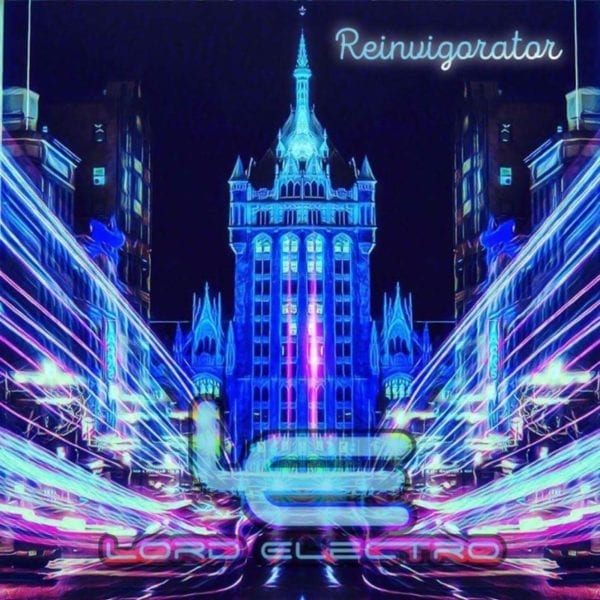
    The marriage of electronic and improv-based music was inevitable from the start. The malleability of overtones provides a great platform for on-stage audibles. A lot of groups have used the modern synths to their advantage, although any music hobbyist who has played a synth can vouch for its complexity. Being able to find a good sound that is purely one’s own sound is difficult given the almost infinite parameters contained in modern synths. More so, being able to control those tones on the fly, whether in studio or on stage, is equally hard. Lord Electro, a budding electronic band from Albany, figures out a way to make their synth stand out as a staple lead tone by creating rich rhythmic grooves which fit like a puzzle piece underneath competent key lines with various changing characteristics. Their recent 10-track album, Reinvigorator, gives listeners a lot digest in terms of not only the content of each song, but the emotional arc the whole album follows.

    Dan Gerken, Steve Mink and Jordan LeFleur make up Lord Electro, a trio that fills out a sound of a much larger outfit. One of their main catches, if you’re able to catch them live, is that they are an all-organic electronic group. The album reflects their ambition to remain an organic band. You can feel the chemistry on every track, with different parts within each composition lining up in sync to a level that sounds rehearsed but not computerized. Just about every piece on the album is a true dance track, staying in that sweet bpm range of 120-140. The seventh track, “Broken Glass,” features a more frenzied bass and drum line. The bass lines up almost perfectly with the bass drum accents to give the line a lot of weight, while the key parts mesh one piece providing the chord structure and rhythm while the other lead-synth part drives the melody and development of the song. This is a formula followed throughout much of the album. While this could be redundant, Lord Electro does a great job of varying even just the smallest pieces on a composition to keep it interesting.

    A couple of the songs feature vocals too, whereas the rest is mainly instrumental with some background samples of different speeches or monologues related to the song. The vocal performances add a lot of texture to the album. While sparse, they are powerful and rich, relaying lyrical content that doesn’t delve too deep and provides more of a musing or reflection related to the song. On the eighth song, “Why Wait,” the vocals mirror the emotion of the tune, delivering an empowering message. The album follows a nice transitional arc too, with some tracks acting as a kind of anchor for the true sound and other tracks experimenting around that sound. This provides great variety, with every song feeling like a hard refresh. The ups and downs are in the grittiness of the bass line, or the beautiful melody of a synth lead.

    Key Tracks: Reinvigorator, Butterfly, Why Wait
  • Hearing Aide: Animal Sounds ‘Ennui’

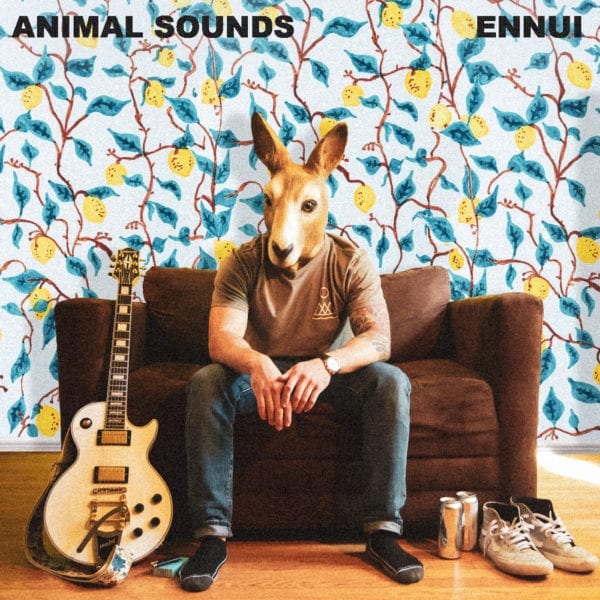
    Animal Sounds EnnuiHaving originally started as a funk-based instrumental group, Animal Sounds is debuting their record Ennui, that will soon define them as one of the indie powerhouse bands that call Western New York their home. The five-piece group released an all instrumental EP back in 2015 titled Fling Mingus which had well written guitar duos and harmonically vibrant compositions that didn’t get too complex, making for an easy and interesting listen. A couple years later, the band released a single titled “Ghost” which had lyrics- marking a change in the group’s direction. Composed of Erik Gordon (vocals), Shawn Brogan (guitar), Alex Brophy (guitar), Angel Figueroa (bass/keys), and Theo Schirmuhly (drums), Animal Sounds presents a versatile and eclectic sound that doesn’t veer far from their roots while also solidifying the band’s progression into a vocally driven sound with intriguing instrumentals. While this new release, Ennui, can take a very strong cue from the group’s main influences, there’s enough in this 8-track album to warrant a close look at how well the band is able to execute these sounds and create a product that oozes the stylings of some big-name alt rock/indie groups.

    A major highlight of the album are the guitar performances. The clean lead duos are reminiscent of Minus the Bear, with both guitars playing melodic parts that mesh as one voice. This is apparent right from the get-go, with the second track “Hesitation” starting off with a conversation between the two guitars, one just slightly grittier than the other so as to differentiate the voices enough. Schirmuhly’s drums do a great job to accent both the bass and guitar lines. On the seventh song, “Wanderlust”, the hi-hat accentuates beats in a way that makes different parts of the guitar line pop out, while the bass drum syncs with the bass to achieve a really big lower end without the frequencies getting muddied in the mix. The bass overall keeps a steady groove in each song, never becoming too flashy but also not becoming redundant or droney. It leaves room for the guitars to shine and will even jump in on a well composed trio part like in “Antelope”.

    The vocals are very strong from top to bottom. Gordon weaves his way through already melodically layered songs, finding open spots to color the music with his own melody. The lyrics seem to ride on one theme- a dissolution with the current state of one’s being and how growing into adulthood amplifies those feelings. It’s a darker lyrical focus, which matches the melancholy mood of the songs well. The harmonies are a big stand-out, with numerous vocal parts being layered to create atmospheric backdrops to mesh with the ethereal guitars. The group displays a lot of chemistry, and strong song structuring.

    One thing that comes out a bit much are the sounds from the group’s influences. A few of the tracks instrumentally sound very similar to a Tame Impala song, sometimes Minus the Bear. Despite these parallels, the songs are well written and do a very good job of nailing down the timbres and subtleties those groups use in their music- an achievement regardless. Animal Sounds has a lot of chemistry, and it’d be interesting to hear a bit less of the influences and more of the unique sound the band can bring to the table. The group puts on a very strong live show too, covering tunes that are complete departures from their influences and making them their own. If you enjoy the album, get out to one of Animal Sound’s shows in the WNY area!

    Key Tracks: Hesitation, Wanderlust, Kid Dankë Schon

  • Younger Then Performs to Hometown Crowd for Album Release

    Younger Than perform in Hometown at Buffalo Iron Works

    Autumn has finally put summer to rest in Buffalo. The trees are a muted mixture of red, orange, and yellow and the air is crisp as you walk into Buffalo Iron Works. A crowd of excited attendees awaited Buffalo local indie-rock group Younger Then to take the stage in the wake of the release of their most recent album, Bad Life. Younger Then traveled out to Nashville to record at Blackbird Studio, a world-class establishment with a reputation for recording some of the world’s best rock groups. It had been a long time coming, and fans were prepped and ready to go, with about half the house already filled by 8pm to catch the opening acts.

    Buffalo has such a deep collection of indie bands. Supporting the night were Cooler and Feverbox. Cooler has been making noise lately as they continue to play their monthly Wednesday night residency at Mr. Goodbar in Buffalo. Feverbox has been frequenting regional festivals and running the gamut of local venues. Both bands put on exciting sets, with music totally in line with what the crowd had come for. The bill was crafted to great effect, giving the entire flow of performances a nice consistency. Cooler’s emo stylings pull from the early pop-emo greats from the 2000’s, while also hearkening to the kind of alt-driven Midwestern emo that offers a bit more grit. Feverbox checked all the boxes for an on-the-rise indie rock group. The band had good stage presence and original tunes, putting on the kind of set one would expect to see at a SXSW showcase.

    The support set the scene for veteran group Younger Then to take the stage. The venue was packed in, with people opting to stay indoors for the entire set as opposed to standing on the patio- an effect of the brisk fall temperatures. Iron Works was on-point with the light shows as always. The mix of subtle fog painted by combinations of colors set the scene for the band to walk onstage to a big welcome cheer from their supporters. While the cold was effective in forcing people inside, Younger Then’s performance was more than encapsulating to keep people inside. The group played selections from their older discography, and mixed them in with live versions of tunes from their new release, Bad Life.

    The group had great stage presence, only amplified by the playfulness of the lights. Guitarist Austin Dorr was a ham on the stage, stepping up to meet fans near the stage barrier as he walked up in front of the stage monitors during his solo parts. Zack Dupuis voiced his and the band’s gratitude for the support, and eventually organized the crowd to sing the chorus of one of their new songs. The audience responded in kind, singing full voiced back to the band. Drums and bass were on point, with a tight sync between the two accentuated by the thick live mix at the venue. Michael Wirth held down rhythm guitar, playing around with timbre to liven or darken the mood of a given song.

    Younger Than performs‘Bad Life’ itself was a very pristine listen (review here), while the live performance was a lot grittier. As a result of the mix, Younger Then’s music had a slightly harder edge live than the recordings. The raw feel of the performance was a good contrast and comparison to their studio work. The group provides two different feeling experiences with the recorded album compared to their live set. The group also had a good feel for what the audience was hearing, each member laying back or coming forward appropriately for the best live-sound effect. No one overshadowed or stole the show. Younger Then had great chemistry between the members and the audience. In a successful night, Younger Then released their newest album, Bad Life and put on a great show for music fans in Buffalo.
  • Hearing Aide: Younger Then ‘Bad Life’

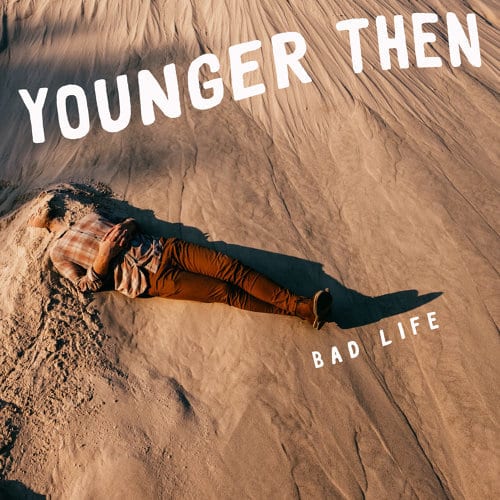
    For a band that doesn’t have unlimited funds, recording in a studio can be nerve wracking. Every minute that passes represents a dollar gone, and the expectation to nail down a cohesive album with tight performances is exponentially higher. Buffalo local indie rock band Younger Then knew the stakes were high when they walked into Nashville based Blackbird Studio- the same studio that recorded albums for the likes of Kings of Leon and Lynard Skynard. With a short time period, and uncertainty surrounding the loss of a bass player, Younger Then rolled up their sleeves and got to work. The product is an expertly produced, 11-track roller coaster of an album that dropped October 12 via Standby Records.
    Their second release, Bad Life, is both a continuation and improvement from their first release. The growth of the band as a unit is evident. The songs are well written and, despite the high-pressure situation in the studio, Younger Then is able to capitalize on the world class studio production and deliver 11 catchy songs in an immersive, exploratory album. Michael Wirth (bass/guitar) provides a strong rhythmic foundation on both bass and guitar that Jeremy Shields (drums) builds upon in a big way. Austin Dorr (guitar) writes lead lines that interplay with Zack Dupuis’ soaring vocals. These elements together, plus the clean production, makes for a big sound with a lot of clarity.

    It was an unexpected surprise to hear the amount of experimentation in each tune. The group is very good at expanding the role of the guitar, finding different tones and timbres to accentuate the mood of a song. The fourth track, “Sarah Told Them,” has a set of reverb-washed guitars and a spacious synth. These mesh to create a beautiful canvas for Dupuis to paint on with his musings on finding one’s way. The song has a steady build and emotes the lyrical content well. This track, while harmonically verdant, doesn’t lean as hard on raw energy as much as a few other tracks.

    The first tune, “All in All”, kicks the album off with a high-energy wind sprint of a song. The sound is huge, and Shields sets the precedence early on that his drums will be a commanding presence throughout the album. The drums are a major highlight from beginning to end. Lightning fills and huge toms round out a massive sounding kit, while Shields is simultaneously able to gently work the hi-hat to give the rhythm a big dynamic range. The bass stays in the pocket for the most part, save for a feature on “Wishing Tree”, but this works with how high-octane the drums are. The interplay between the two services the song more than the individual parts.

    A common theme throughout the whole work is how well each part plays to the larger picture. Analyzing the pieces is somewhat trivial- ‘Bad Life’ doesn’t take many theoretical risks and the instrumentals are simple for the most part. Typically this would be a knock, but with how the songs are written it works great to create a cohesive song, as opposed to a stand-out single instrument performance. The layering of uniquely effected guitars along with Dupuis’ consistently well-executed vocals fit like a glove along with the pocket-bass and the blistering drums. There are points where you’ll be listening in on a single instrument only to be pulled away by something just as interesting coming from your other earbud. Some of the spacious guitar lines sound like something from a deep-cut The 1975 song (like in track 9, “Luna”). These are contrasted at various points in the album by more clean guitars with tremolo and chorus to widen the sound. There’s so much to catch within the confines of each song, every one having replay value.

    Lyrically, there is an arc that the narrator creates. It centers around feeling displaced and unwanted. Further listening will shed more light on the exact meaning of each word and phrase, but for the most part the arc is uplifting yet realistic. It’s not fairy-tale happy and not whiny. It sits in a firm position of realism, acting as another reflection of the maturation of the band’s writing style. On top of this, the melodies themselves outside of the lyrics are sticky. The verses ride easy, and the chorus parts yield ear-worm hooks that’ll get stuck in your head for days. The structures are simple, making the album very accessible and easy to learn as a listener who no doubt will want to sing along. This way, when you catch them live, you’ll be able to sing along with their new tunes! Add ‘Bad Life’ to your fall and winter playlists and be on the lookout for these guys as they begin to branch out of the area and into the larger industry!

    Key Tracks: Sarah Told Them, Bad Life, All in All

  • Hearing Aide: Doug Berns Band ‘Outlier’

    Doug Berns Band release debut albumBrooklyn trio, the Doug Berns Band, are quietly meshing together key elements of rock to create a sound that is both accessible and flashy. The group is fronted by bassist, singer and songwriter Doug Berns (EMEFE, The YeahTones), and features Sean Salant (AwakenTheShadow, Nova Lantern) on guitar and Coleman Bartels on drums. The group is releasing their debut album, Outlier, on October 18th, the same night as their release party at Rockwood Music Hall in NYC. In light of the upcoming release, NYS Music had the pleasure of checking the album out early. At the bottom of this review, the group is premiering their newest music video for their single, “Outlier”, the title track of the album. The nine track album is high octane from start to finish. It meshes the stylings of heavier groups like Metallica, lighter grunge like Alice in Chains, and an element of prog rock with soaring vocals and ripping guitar solos. The group demonstrates their technical ability in a slew of tight performances that highlight each member’s grasp on their intended sound.

    While the Doug Berns Band describes themselves as impressionistic rockers, it is tough to label them in this way. The album doesn’t take too many risks in terms of mood and timbre, but rather leans on catchy instrumental hooks and sticky vocal lines laid over heavy, well-executed instrumentals. Berns’ vocals float over top of thick distorted guitars in a way similar to how LaBrie’s (Dream Theater) vocals are the cherry on top of his band’s instrumental as opposed to being the main focal point. In the second track, “It Gets To You”, Berns shows off his falsetto, and establishes his presence in the mix without standing out too much. The melody is written well, and does a good job of leaving room for the guitar to fill space between phrases. This is especially potent in the fifth song “Mainline”, where the lyrics drive the narrative a bit more and the guitar provides great support to the song as a whole instead of pushing to stand out.

    The bass’ presence in the album deserves a big shout out, as Berns keeps a solid foundation when needed and doubles up with the guitar to add weight to certain lines. The guitar often runs off on its own to great success. The blazing and technically proficient solos are a big stand out. While Salant’s guitar is coated in dirt more often than not, there are a few points (namely in “Hell”) where the clean tones stand out just as much as the gritty lead tones- a nod to Salant’s ability to navigate modes within a key and color the solos so they stand out melodically from the rest of the backing instrumentals. The eighth song, “Ready Player One” features a specifically heavy solo, and covers a ton of harmonic ground. The drums remain pretty true to the genre and breathe an air of familiarity into each song. This might entail keeping the pulse while the guitar plays more complex rhythmic, palm muted riffs (like in the second track “It Gets To You”) or just holding the line on the odd-time parts of songs (like in “Meet Me”). This isn’t to take away the energy Bartels adds with his lightning fills. He shows flashes of his chops, but tends more frequently towards servicing the song as a whole which adds to the flow of the entire work.

    This album offers a good look at a band who is taking pieces from their predecessors and melding them to create a unique amalgamation of elements. In a way, this is impressionistic in itself without having to reach too far into the avant-garde. While the instrumentations are more traditional, the compositions and well-crafted structures allow the band to show their experimental side and give the listener some music theory fodder. Outlier is an accessible and exciting listen, a nice treat to hear for fans of heavier rock.

    Key Tracks: Outlier, Mainline, Ready Player One

  • Hearing Aide: Idle Bloom ‘Flood the Dial’

    Idle Bloom

    Based out of Nashville, TN, Idle Bloom is an indie-rock quartet whose name has been popping up since their first release, Little Deaths in 2017. Since then, the group has covered ground from Tennessee to Chicago, and now they’re taking the larger NY area with their most recent tour. On top of touring more seriously, the band also sounds more matured in their most recent release, Flood the DialThey build on their prowess for creating uniquely structured songs and excel in experimenting with so many facets of how a guitar can function in a song. Big power chords and traditional rock-guitar stylings still pop up in the album, but not nearly as much as the arpeggiated chordal interplay between two jangly guitars that breathe an air of dream-pop into each track. This experimentation mixed with familiarity pays off in a big way for the band, as they create a musically consistent album that doesn’t lose its luster with each passing song. Olivia Scibelli’s melodic style of crooning places her voice in the spotlight for much of the album, with hers and Gavin Schriver’s guitars taking over in the spaces between vocal lines. These voices float over top of a strong foundation created by Katie Banyay’s steady bass, and a rocket drummer, Weston Sparks, who’s use and placement of fills adds density to the mix. Idle Bloom successfully takes cues from noisier rock groups like Dinosaur Jr. and Pixies, and meshes them with the more pop-sensible songs from groups like Tigers Jaw and Crying.

    Idle Bloom does a really good job of not only maintaining a consistently unique sound through the album, but also build the energy throughout. The first track, “Wasted Time”, offers some jangly guitar interplay mixed in stereo to cover space as it immediately becomes clear that the group is adept at writing more mellowed out songs without sacrificing variety. Sparks keeps a heavier pulse with huge cymbal rides and a specifically thick sounding set of toms. While maintaining its teeth, the song has a nice flow and hook. It doesn’t amp up the energy to 11, leaving room for later on. The build continues through the next few tracks, giving more in terms of stacked harmonies and counterpoint guitars. The bass stays in the pocket and supplements the kick drum really well.

    The third song, “Sleeping In” even introduces a synth that carries over into more songs, and acts as a good transitional voice between songs. It’s hard not to notice how well Scibellie’s lyrics come across not only in flow but also in content. “Sleeping In” emotes a feeling of depression, steeped in the musings of a millennial coming to terms with the current state of the world and opting to keep trying as opposed to sleeping forever. The following track “Exposure” reflects on the heavier topic of sexual abuse/assault and cover-ups- commentary on an age old issue brought to light in modern times. The song is juxtaposed with the bubblier backing track, giving the narrator an edge of empowerment in their situation despite the seriousness of the topic.

    In the ninth track, “Empath”, Banyay and Sparks link up to create a punchy, exciting rhythm part that the guitars are able to accentuate with chucked funk chords and short harmonized lead lines. The melody, namely guitars and vocals, do a good job here of only coming forward when needed. The Steely Dan styled guitar duo on this and the sixth song, “Rewired”, came as pleasant surprises and showcase the versatility of the band. It felt like the band took the kind of American Football/Midwest emo guitar voicings and jazzed them up. This speaks to their ability to color thematically similar songs in a way that differentiates them and adds upon each of the prior tracks.

    The final song, “Contact”, acts as a great closer and culminates with just about every element that made the album such a fun listen. The post-rock experimentation of guitar tones and their function, the harmonized vocals, and a really punchy drum line all trade off the center stage. This is the most dynamic song on the album, and likely the most melodically colorful. From top to bottom, Flood the Dial is an exciting listen. Idle Bloom will be going on tour this fall, making stops at a few NYS locations. Check them out in a city near you, and be sure to stream the album here!

    Key Tracks: Contact, Empath, Wasted Time

    Upcoming Shows:

    October 5th – Ypsilanti, MI @ The Late Station

    October 6th – Cleveland, OH @ @ Happy Dog

    October 7 – Rochester, NY @ Bug Jar

    October 8th – Saratoga Springs, NY @ Desperate Annie’s

    October 10th – Brooklyn, NY @ Secret Project Robot

    October 11th – Philadelphia, PA @ No Face Studios

    October 12th – Baltimore, MD @ The Undercroft

    October 13th – Raleigh, NC @ The Wicked Witch

    October 14th – Johnson City, TN @ The Hideaway

  • Hearing Aide: The Upstart Crows ‘The Upstart Crows’

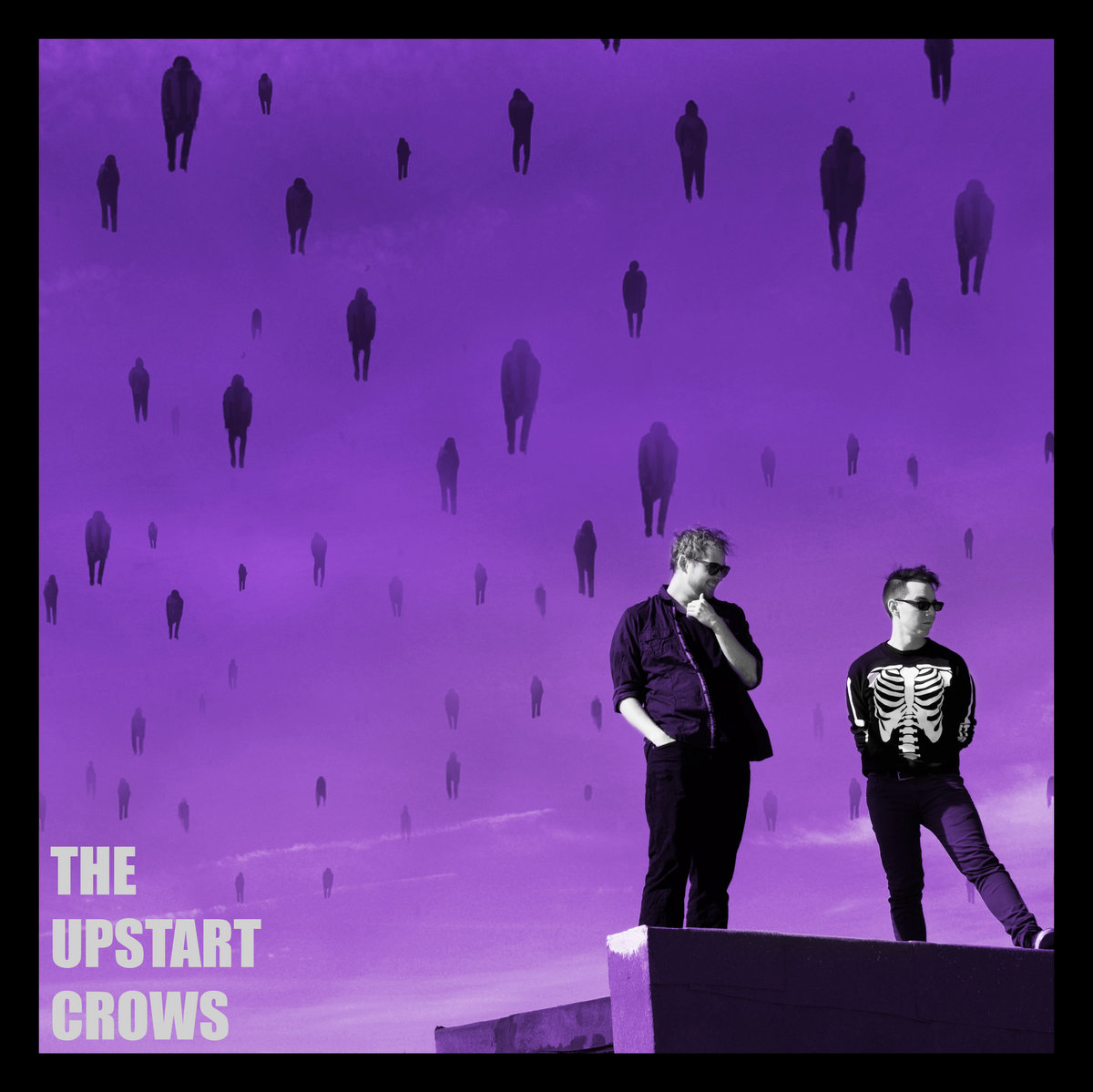
    The Upstart CrowsMoving out from a small college town music scene into one of the world’s largest and most diverse arts cities is daunting. For The Upstart Crows, fitting in means being different. So, when they moved from a small college town in New Hampshire into the Big Apple, they were able to settle right in. Late in August the band released their first album; a combination of punk, honkey tonk, and a vaudeville styled theatrical influence. The self-titled album, The Upstart Crows, is a grab bag of these various influences that the band draws from. The two piece group, comprised of Jon Adams (vocals/guitar) and Forest DeCoste (drums/bass), recorded at Proper Pop Studios in Brooklyn, NY. The band seized the opportunity to layer on elements that their two-member setup has handcuffed them from doing; the band plays as a guitar and drum duo typically. The addition of bass and some other backing instruments gives every song more dimension and enabled the group to hash out the ideas a bit more. Despite this, the album does feel a little meandering, focusing on the lyrical theme of sadness but not staying true in terms of genre and flow. The album remains an interesting listen despite the scattershot and shows how well the duo can formulate a song with consistently catchy melodies and tight performances.
    The album opens a little heavier with “Bad Medicine”, the first single The Upstart Crows put out in anticipation of the album. The song feels similar to an early 2000’s era emo tune, without the over-saturated production. The bass line fits well with the drum beat and provides a solid foundation for the rich guitar chords to lay out the progressions. The guitar ultimately leads the bass, with both instruments locking together in such a way you’d expect to hear in a song written by a smaller crew of people. The song is fun, heavy, and not overbearing. Adam’s vocals immediately stand out as theatrical and exciting. A few songs follow this formula of heavier instrumentals and grittier vocals. One vocal performance, from “Lying and Crying”, has Adam’s singing with a distortion on his vocals. This works really well with his higher tenor voice, commanding the listener’s attention. The end of this song also has an octave-matched guitar solo that adds some meat and more development to the melody.

    While the heavier songs provide good energy to the album, The Upstart Crows do really well in their more pop-oriented songs. Adam’s vocals shine in track 7, “Heart to California”. A more bubbly song with an indie/alt vibe, the band takes a catchy hook and layers on a lot of fun percussive parts and some group vocal refrains. Similar to a song you’d hear from The Dear Hunter, this offers a view of the band that would be interesting to hear more of. “What Did I Say” gives a similar vibe, keeping the song fresh with catchy hooks and a honkey-tonk feel. Adam’s vocals float above the instrumental like Ben Folds or Tom Chaplin (Keane). The mix gives the song a heavier feel without pumping the distortion of muddying the vocals. Like a few other songs on the album, this one had a seamless transition from the previous track. The band makes portions of the album feel like they were recorded one after the other without break, which yields a cool effect.

    From the heavy distorted wash of instruments, to a more jangly and organic songs, this album does not get boring. While the rocky flow and genre mixing can be a drawback at points, the ability to write consistently catchy hooks and execute performances that are tight make this album fun to listen to. The Upstart Crows cover a wide spectrum of genres in this album, and it’d be interesting to hear an album (or two) that focus on a steadier narrative and true genre. With this first release, the band has started to establish a theatrical alt-rock sound that can be refined to great effect. Check out the album, and if you’re in the NYC area don’t hesitate to catch a live set! You’ll get something a little different than the album, and that’s a great reason to catch a live set.

    Key Tracks: Heart to California, What Did I Say, Bad Medicine

    https://soundcloud.com/user-362945912/bad-medicine

  • Hearing Aide: Groovestick ‘Mosaic’

    Mosaic carves out a unique jazz-funk sound in the vein of Head Hunters while injecting subtle pop melodies, making the album as accessible as it is complex. Original member Dan Gerken (guitar/bass/vocals) has assembled a power house of a group with Chris Carballeira on keyboard/vocals and Dave Berger on drums. A fun mixture of richly dynamic songs gives Groovestick a few staple releases, as well as 10 tracks of dance-able tunes drawing influences from funk pioneers all over the board.

    Right from the start, any funky human can tell that the album is going to be a pleasure to listen to. “Balloons” sets the scene with a laid back groove with a great hook and a theme of soulful guitar solos and organ majesty is conveyed immediately. Groovestick takes a handful of sticky riffs a step further than offering a single hook and elaborates on that by casting out a collection of ear worms within each song. They tastefully add in elements of prog rock by developing and layering on new ideas and hooks for the listener to latch on to. It is vital to be able to keep the song interesting to the audience in this style and genre, and Groovestick shows they definitely learned how to engage people with a song by playing live and getting that feedback. The key here for the band is that they were able to transfer the atmosphere of a live show onto an album. They do really well to keep the songs fun, and are able to showcase their jam-ability; no doubt a product of their intensive work on stage and in numerous musical projects.

    The second and sixth tracks (“Mischief”, “Nola”) show the band foremost instrumentally, as they’re able to keep the vibe of the opening track going without needing any words. Groovestick takes a wordless tune and still emotes the feeling of each piece through their skillful improvising. There are a few instrumental tracks on the album overall, with one standout being “Crablegs.” Gerken’s bass lines match seamlessly with Carballeria’s left-hand work on the organ to great effect. One major point on the album that stands out is the way these two are able to sync so well together to hold a groove. Berger is able to lay out quick yet spacious drum beats to hold the groove down, giving each song a flash of jazzed taste. There is a lot of play with dynamic range as well, namely in “Scrumptious” where the band seamlessly breaks the song down to almost nothing before coming back into set the mood for the next song, “Inkblot.”

    A highlight track on Mosaic is definitely “Inkblot.” It’s possible to write an entire review on this one song with how many dimensions the band is able to mesh together. From jazz, to funk, to even ska (!), this song covers so many bases while still being….a song! The band is able to navigate the line between these genres and fuse them together. As a whole, the album has a similar feeling to this song in that the transitions between each song gives the album a nice instrumental and dynamic arc. Switching between vocalized and instrumental pieces while maintaining a consistent theme and feel added a lot to the listening experience and gave a nod to the deep knowledge the band possesses in their musical experience.

    All of the performances are very tight, with everything from rumbling and climbing bass solos, to ripping guitar leads and magnificently executed key-lines, with the drums never faltering in the groove foundation. This was a very fun listen! Definitely check out Groovestick’s release and go out to see them live if they come to town. It’s going to be interesting to hear some of these songs live with how much they make me want to dance in my seat.

    Album release party is 9/29 at Parish Public House!

    Key Tracks: Inkblot, Crablegs, Mischief

  • Hearing Aide: PEAK ‘Electric Bouquet’

    PEAK Electric BouquetPEAK combine the characteristic flair that a weathered live band brings to the table, along with the instrumental prowess and focus needed to capitalize on recording a studio album with an all-star engineer. Produced by Dave Brandwein (Turkuaz), this thirteen-track epic is aptly named Electric Bouquet for its variety of styles and poetic narrative arc. Vocalist and guitarist Jeremy Hilliard weaves a tale of existential breakdown and regrowth of a relatable narrator. Packaged along with a stellar instrumental backdrop, this album checks the necessary boxes for a song cycle washed in arresting psychedelic musings and jams. The band consists of singer-songwriter and guitarist Jeremy Hilliard, percussionist Dale Paddyfote, bass player Eric Thachuk, and organ/keys player Otis Williams. This album offers a staple sound that PEAK can use to differentiate themselves from an ever-growing list of funk/rock bands.

    Electric Bouquet highlights many aspects of the band’s dynamic approach to songwriting; from the poetic use of narrative to the transitions between songs that create the flow and feel of the album as a whole. From funk, to psychedelia, to folk, Hilliard is deft in his writing and grouping of the songs. The first track, “Barometric Pressure (Here Comes The Rain)” starts off with a heavy hand alongside a drum and bass groove akin to Bowie’s “Let’s Dance.” PEAK wears their funk influence on their sleeve for much of this album, showcasing the ability of the band to lock in on a groove and develop its melodic nuances until the song “peaks” (no pun intended), often with a grand guitar solo. Many of the tracks are built around a bit of a blank canvas that the group paints with aesthetic guitar layering, big Bonham-like drums, and new interesting rhythmic features (like the congas in track 11 “Nothing New Under the Sun”). Thachuk (bass) and Paddyfote (drums) have great chemistry throughout, matching the bass and drum parts to give each song a strong backbone while organist Williams brings color and flavor to the instrumentals, yielding room for Hilliard’s full-toned guitar solos to blast through the mix.

    As the album progresses, there’s a feeling of resolve in the lyrics with an emphasis on coming to grips with the predictable yet arduous nature of life and growing up. It feels like a coming of age story, referencing passing time and transitions from night to day, while simultaneously showing present growth of the narrator. Thematically, the album stays interesting. Instrumentally, the album not only conserves its appeal throughout while taking the listener on a psychedelic funk rock adventure, but also develops and changes as the songs roll on. There’s a gradual departure from the darker and heavier type of psychedelia early on (“Win Some, Lose Some”, “On the Grind”), to a more Grateful Dead or The Band folk rock/Americana feel (“Ballad of Wiley Jones”, “Mama’s Got A Lot of Love”). I would absolutely recommend giving this album a listen. From the production, to the actual performance of each song, it was a treat to look at each one of these baker’s dozens of tunes.

    Stream PEAK’s music here!

    Key Tracks: Barometric Pressure (Here Comes The Rain), Ride Through the Night, Feel Like Moving

    https://www.youtube.com/watch?v=s_WUa7wZXLI

  • Hearing Aide: Amy Helm ‘This Too Shall Light’

    Amy Helm releases new albumAmy Helm’s album This Too Shall Light comes out Friday, September 21 on Yep Roc Records. Produced by Grammy-award winning producer Joe Henry, this 10-track album delivers on illuminating a whole different side of Helm’s already unique songwriting style. Amy Helm left the comfort of her home in Woodstock, NY to record in Los Angeles at Union Recording Studios over a span of just four days. Along with a cast of stellar musicians and collaborators, Helm was able to pull together a collection of original songs and some covers to create a sonically vibrant album, guided by her rich vocal reflections, on the cyclic essence of life. While her past work was a bit more raw production wise, this album makes great use of stacked gospel harmonies while maintaining the fidelity of the instrumentals. Each song offers a steady build, but each also occupies a different level on the dynamic spectrum keeping the motion of the songs interesting.

    Something that stands out when the album is looked at as a whole is the organic feel of each recording. While the production is not pristine, it effectively acts as a nod to the authentic nature of the music, as well as the authenticity of Helm herself. She and her band went into the studio for four days without having really rehearsed the songs, giving the performances a feeling similar to that of Astral Weeks by Van Morrison. This experimentation, and the overall leap out of the comfort zone, payed off big for Helm in a genre mixture where authenticity breeds emotion. One song that stuck out was her original piece, “Odetta.” It sums up a lot of what the album is about musically; the loose interplay between the guitar and piano along with a percussive sync between the bass and subtle drum line give the song a steady pulse and interesting variety of melodic lines. Stacked on this are wonderfully produced and performed gospel harmonies. Helm’s pristine transitions from full-voiced resonance to her elegant lead voice are stunning. Her dynamic range is huge, and she’s able to emote the lyrics by the difference in her tonality. From her note attack to how she slowly fades out her lines, her control is apparent.

    Amy Helm was able to carve out a fresh sound on a few covers, and offered a couple tribute songs to her father, Levon Helm (The Band). One of these tributes, a cover of the hymn “Gloryland,” showcased just how well these featured vocalists (Allison Russel, JT Nero, Adam Minkoff, and Doyle Bramhall II) can lock in with Helm and each other to create bright and vivid harmonies which sound like one big voice singing together. From the album’s beginning to end, the harmonies shine through the mix of just about every song and give them a characteristic gospel taste. Whereas the instruments tend to keep it on the loose side, these harmonies are air-tight without being overproduced – they were mixed in stereo to great effect. While the album doesn’t feature too much original material, Helm is able to make the covers interesting in a manner different than the originals. Specifically, in “Freedom for the Stallion” (Allen Toussaint’), Helm’s cover is steeped in gospel influence, and her vocals give the song new character, as she breathes a different perspective into the strong set of lyrics. She and the band are able to do this effectively throughout the album. It would be great to see more original work, but this is understandable since the timeline was so short, and that shortened timeline was a gamble that ultimately paid off. Overall, both the covers and original compositions that are on this album are wonderful and show signs of things to come as Amy Helm continues to build her discography.

    Key Tracks: Odetta, Gloryland, Freedom for the Stallion