 Don’t judge a book by it’s cover, so they say. But what about an album? In the case of the self-titled album from The Tins, a trio out of Buffalo, you’d do okay making judgment without listening to a note. But you definitely should… listen that is.
At passing glance the cover is just a painting of the band’s members, keyboard player and vocalist Mike Santillo, drummer and vocalist Dave Muntner, and guitarist and vocalist Adam Stanley. But to any readers of Rolling Stone magazine in the ’90s, the style will feel quite familiar. That’s because it’s the work of Philip Burke, whose art donned the magazine’s covers for nearly a decade. Burke is also from Buffalo, as is the album’s producer, the Goo Goo Dolls’ Robby Takac. So The Tins have the backing of some historical talent in their hometown.
Burke’s cover, familiar as it is, is sprinkled with bold surprises. Bright and unnatural color combinations jump out of the frame, figures that seemed normal at first glance ooze with distortion on further examination, and hidden shapes emerge from nowhere the longer you stare.
Likewise, the music inside the package, familiar at first, is packed with surprising twists and turns and exciting splashes of color that push it past the ordinary. The rock trio lays out interesting enough rock tunes at their base, with bits of psychedelia, new wave and folk mixed in, and just the right amount of melody and hook to reel the listener in closer. That’s when the colors and shapes start to pop, turning the interesting into the exciting.
Santillo’s keys carry the first pair of songs. Immediately, a bubbling and floating organ joins Muntner’s driving beat on “Hear Me Out,” then returns with an 8-bit sounding flurry near the song’s end. His sound gets crunchier and a bit reminiscent of Genesis next in “Oh My God.” Stanley’s guitar picks up the next two, with a catchy Death Cab for Cutie-esque head bobber in “Sundried Mind” and the ’80s-style rocker “Jigsaw Queen” that bursts with colorful zigs and zags throughout. Bruce Springsteen’s classic “State Trooper” gets updated with a dark underbelly of keyboard swirls and an exhilarating post-scream rock out. “A Minute of Your Time” seems standard at first, but slows to reveal a watery guitar jam, and later again opening up to a suspenseful building finish. “Mountain Song” is what it says, a mountain of a song, a straight up power rocker with loud crunching guitars, pounding drums and big three-part harmonies. But it, too, is not without surprises, as it repeatedly dips into atmospheric interludes.
What does it all mean?! According to Stanley, the songs stand as a singular unit, “about feeling stuck, the need for freedom and escape.” But more importantly, it’s about making people dance. “What good is this if you can’t groove to it, you know?” The Tins‘ eight tracks clock in at a bit over 30 minutes. Perfectly situated to throw it on repeat, surely cracking with new discoveries on each listen.
The album drops this Friday, June 1 when the band will celebrate with a release show at the Lockhouse in Buffalo, followed by a summer tour that will bring them all over the northeast. See the full dates below.
Key Tracks: Jigsaw Queen, Sundried Mind, State Trooper

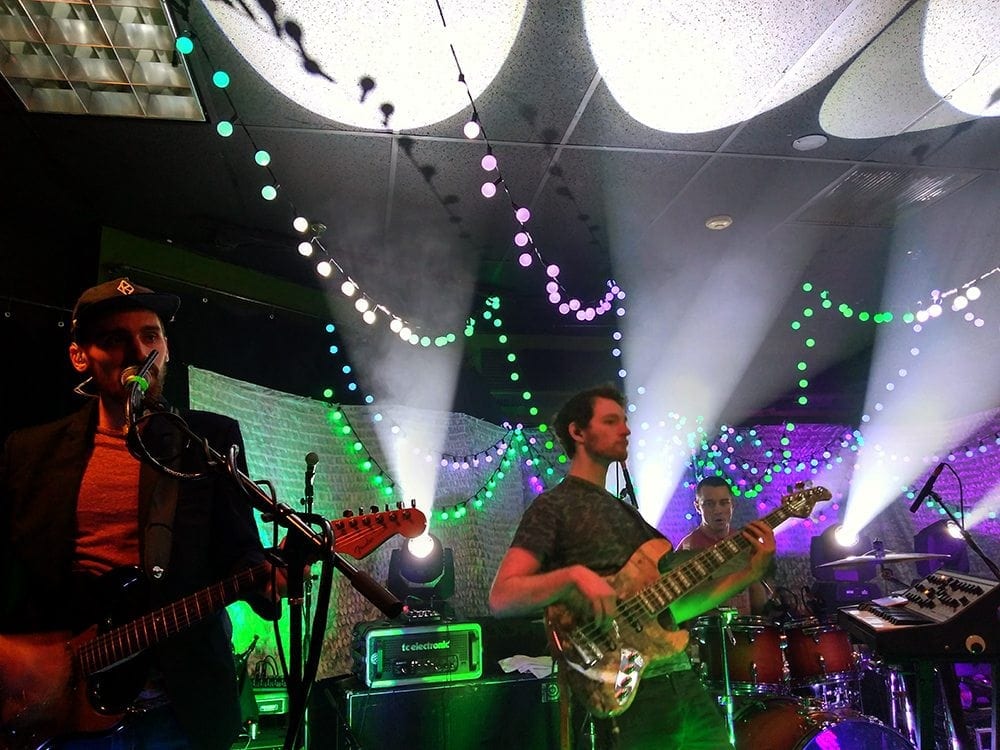
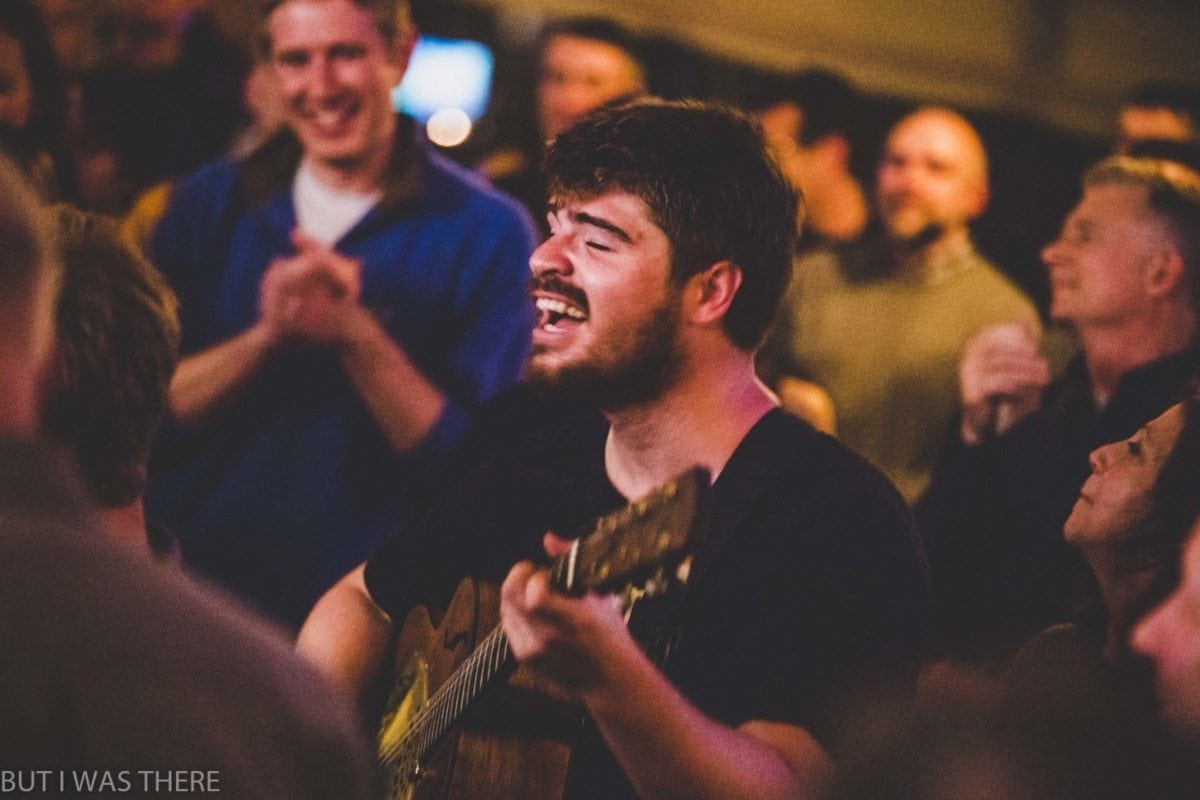 More than midway through their show, lead vocalist and guitar slinger Marty O’Reilly apologized that they weren’t playing straightforward folk music. Of course, no apology was necessary. The crowd had already been moved to multiple standing ovations and were visibly having a hard time containing their gyrations to the confines of their seats. No apology was necessary, regardless, because their music was their music and no one in the room was there to judge its purity. While the promoter’s name may be Honest Folk, the ‘folk’ could just as well refer to the people, not the genre. That is, the people who book the shows, the people who support the shows, the people who attend the shows and the people who play the shows, honest folk one and all.
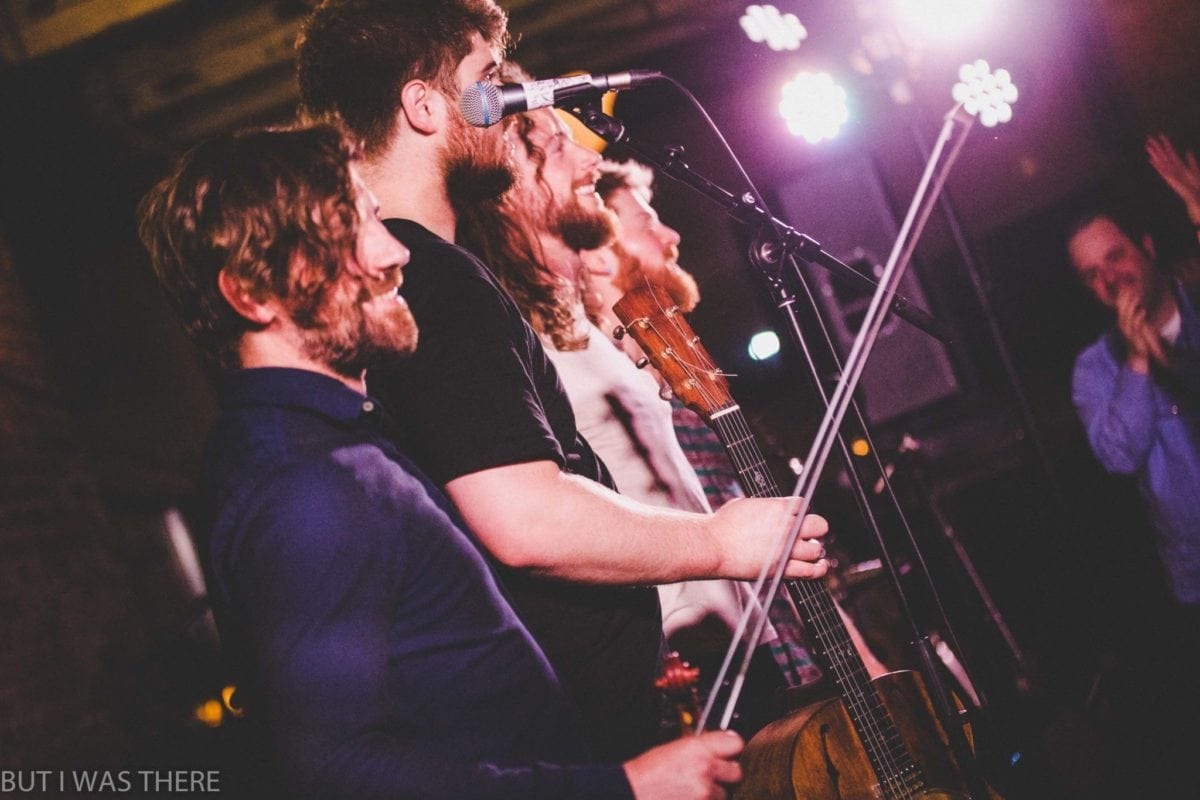 The band is touring behind their recently released album Stereoscope, a labor of love that was years in the making, featuring songs conceived of from a cabin in picturesque Santa Cruz, California. O’Reilly’s emotional and weathered voice could evoke those landscapes on new ones like “Stereoscope,” “Ghost” and “Let the Wind In,” though they were being played on a drearily rainy and cold day in Rochester, New York. The cozy and dimly lit brick confines of Good Luck made for just as perfect a setting for the rich tapestries being constructed between the finger picked guitars and vibrantly ethereal fiddle. Goff’s drums, which meandered between intricately understated and invigoratingly punctuated, and Berry’s bass boomed and moaned at all the right junctures. They weren’t afraid to let the music take control of the band. The reins were loose and the tunes stretched their legs, arriving at some rather brilliant moments, delighting the band and audience alike.


