Tag: protest music

  • Interview: Roan Yellowthorn (Jackie McLean) on her influences and the power of a song

    Jackie McLean, daughter of singer-songwriter Don McLean, best know for his song “American Pie,” is the front woman of Roan Yellowthorn. She adopted this alter ego when returning to music after taking time to complete a university degree.

    She began to gain media attention as a result of her distinct voice and poetic lyrics on her first self-titled EP in 2016. Roan Yellowthorn is expected to release a new album by the end of 2017 displaying the same outspoken singer/songwriter qualities people loved so much on her first EP. In the meantime, NYS Music had the privilege of speaking with Jackie McLean about Roan Yellowthorn’s past releases and some of her biggest influences.
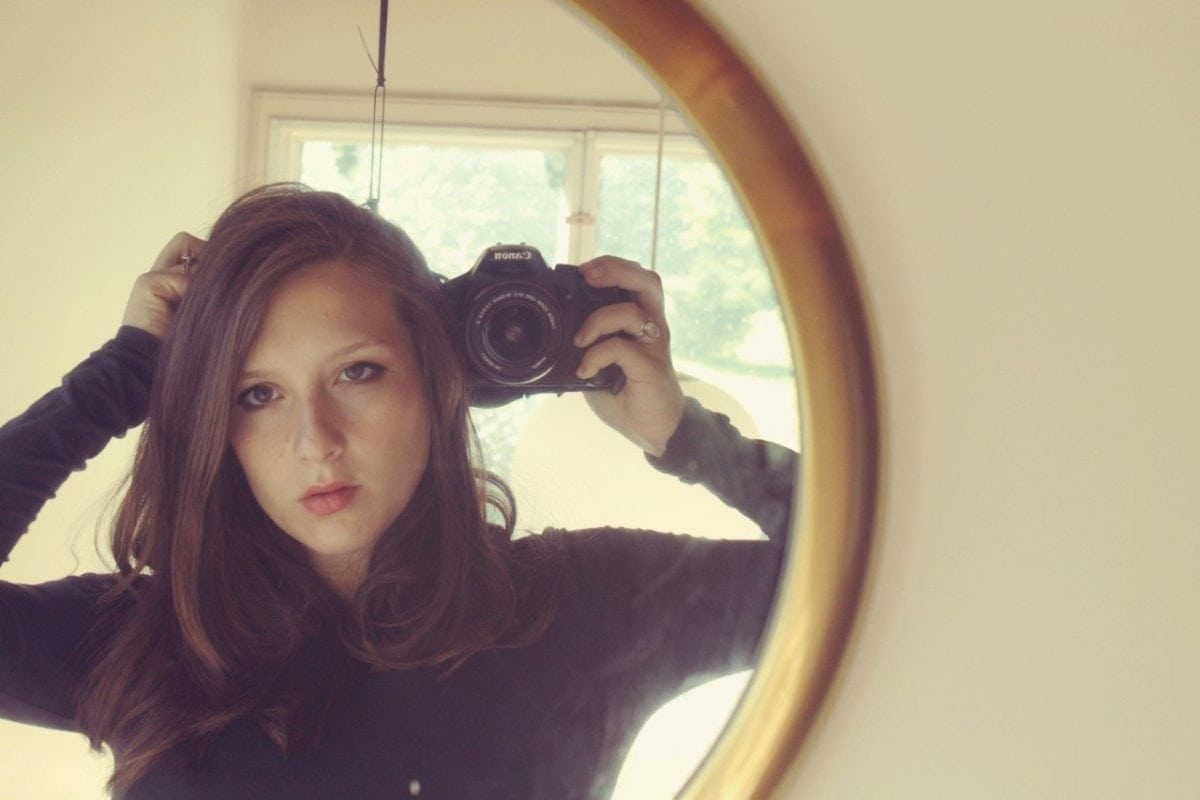
    Roan Yellowthorn Jackie McLean

    Sammy Steiner: Given that “Child in Chief” is a political protest song, how did you hope it would impact your audience and society at large?

    Jackie McLean: I initially wrote “Child in Chief” for myself as a kind of therapy tool to help me process all of the negative feelings I had around the outcome of the election and the entire climate leading up to it. I also hoped that I could give a voice to the fear and anxiety that a lot of other people felt in the wake of the election. I wanted to honor my own feelings of discomfort and apprehension in an artistic and articulate way and, through doing that, I hoped to be able in some way to bring people together in solidarity and resistance. A good song can do that.

    I think music is such a powerful medium because it can convey many things at once. A good song has many layers and a lot of nuance and I love the opportunity to embed artistry into a message. I feel like it was the perfect medium for me to express my emotions and feelings of political dissent.

    SS: Did your father’s (Don McLean) singer/songwriter career influence any aspects of your artistry and if so, how?

    JM: Yes, I think my dad’s career has had a large impact on both my artistic and personal development. On one hand, seeing his job probably normalized for me the idea of having a career in the arts. That’s been valuable. It feels natural to me on some level to have art be my profession. On the other hand, my father’s fame as a musician has inhibited me in some ways- maybe making me feel like I can’t compete or that any success I find is not my own. Those fears have at times contributed to hindering me from becoming confident as an artist and a person. So I’d say it’s a complex issue and there have been benefits and challenges. But it’s all good now. I’ve had to find myself, the same as everyone else, and I like where I am.

  • This Week in Protest Music: Debbie Harry, Las Cafeteras and NY Fashion Week

    Winding down African-American history month, The Crows Nest looks at the top protest albums from black artists that you should know, Gothamist looks at NYC Protest songs in their detailed history and Vogue looks at how protest music took over Fashion Week in NYC this month.

    Nelson Jancaterino and Wyatt Edmondson, two singer/songwriters from Montgomery, AL have two different perspectives and paths with their music. Nelson performs protest music that addresses both sides, recalling folk music as a root of protest music:

    “I feel like with the current political climate, not just in America but around the world, there needs to be a new revival of folk music. You had such a big folk genre, such a big folk influence in the ‘50s and ‘60s, and it just kind of died off. Now there’s a void that needs to be filled by people who have something to say.”

    https://www.youtube.com/watch?v=KmRywKktSsw

    The children of immigrants, Las Cafeteras take roots music and remix it while telling modern day stories. The band “wanted to engage people’s imaginations about the future of this country. Everyone knows what’s wrong, but not many know what to do. We hope to push people to think about themselves as presidents of their homes, schools, workplaces and to create the kind of country they would like to see starting from the local and moving outward.” Listen to “If I was President.” below.

    Klezmer music has roots as protest music, as described by Asher Putnam of Bella’s Bartok.

    Columbia, South Carolina’s Free Times spoke with local musicians on the influence of the age of trump on protest music.

    Forbidden Folk, part of the Folk Alliance International conference in Kansas ended last week, with about 1,000 musicians and singers gathered for five days of music, song and mingling with promoters, critics, agents and disc jockeys for a maniacal, magical feast of music that ran almost 24 hours a day.

    Blondie’s Debbie Harry feels that protest music is on the rise: “I don’t want to go backwards in time; I don’t think isolationism is a good thing at this time in history. I think he’s an idiot. “I don’t like the idea of promoting fear to gain popularity. It’s so ugly.” She believes music has a part to play in voicing protest against him, although “no one has written an anthem yet”.

    This playlist by Vijay Iyer looks at the roots of Protest music in jazz.

    And if you were curious if protest music was relegated just to American, here’s a little something from Nigeria, where Timaya’s ‘Pity 4 Us’ “is a clear representation of the mood in the country, and seeks positive changes in the state of affairs.”

  • This Week in Protest Music – Gorillaz, Frank Turner and Carole King

    Artists of all genres and popularity take part in this American tradition, one that we at NYS Music hold dear. Our series “This Week in Protest Music” arrives at a time when there should not be silence from the media and amplify the voices of the people who strive to be heard, in particular those who are amplified by musicians. Dissent is patriotic.

    This week we have the first new song from Gorillaz in six years, Frank Turner’s “The Sand in the Gears”, an ode to protesting, with lyrics beginning “Can’t I spend the next four years at a punk show?” and ending “Let’s be the sand in the gears for the next four years,” Carole King’s re-released “One Small Voice,” reaffirming the role of the individual voice, and Radney Foster’s “All That I Require,” singing about the rise of fascism in politics today.

    Most recently, Bruce Springsteen performed in Australia on Friday, performing “American Land”, and saying “America is a land of immigrants, this is fundamentally un-American. This is a song about immigrants.”

Built in Breakdance