Ever wonder where your city measures up when it comes to the music scene? Value Penguin, a company which compiles information for consumers, compared 200 US cities using more than a dozen variables from reputable sources to create a list of best places for music lovers. Six cities in New York State are in the top 30%: Albany, Rochester, Binghamton, New York, Buffalo, and Syracuse.


The top 10 cities in the nation are: Nashville, Honolulu, Seattle, Madison WI, Austin TX, Albany, Tuscon, Rochester, Pittsburgh, and San Francisco. Binghamton came in at No. 20, New York City at No. 26, Buffalo/Niagara Falls at No. 43, and Syracuse at No. 56.
Cities were rated in three categories: Bands, Crowds, and Intangibles. For bands, factors included the number of musicians and bands per capita, the number of recording studios and labels, and the average hourly wage. The crowd category included information about venues, music-related stores, and number of radio stations. The intangible category was a catch-all for miscellaneous info on weather, public transportation, music schools, and closing time for bars, all of which may impact the quality of the music-going experience. Data was pulled from government sources such as the US Census Bureau, Bureau of Labor Statistics, and Department of Commerce. Additional information came from sites such as Music School Central, USA Today, Songwriter Universe, and Fodors. The information spanned the years 2014-2016.
The Albany area took a high position, thanks in part to venues like Palace Theater, Cohoes Music Hall, The Hollow Bar and Kitchen, Madison Theater, Troy Music Hall, Dinosaur Bar-B-Que, Proctors Theater, The Massry Center for the Arts, Times Union Center, EMPAC and many more.
Rochester was not far behind, known by music lovers for the Eastman School of Music, Eastman Theater, Blue Cross Arena, The Bug Jar, The International Jazz Festival, The Record Archive and The House of Guitars, to name a few.
You can see the complete list and view the data sources at Value Penguin.

 Born in Knoxville, TN in 1947, Hampton founded the avant-jazz Hampton Grease Band in Atlanta, recording the 1971 album Music to Eat for Columbia Records. This album garnered the title, “Second worst selling record in Columbia history” upon its release, but in a retrospective review of the reissue, The Vinyl District describes the album as:
 Baked Potatoes
 Managing Director of the Carrier Dome, Peter Sala, told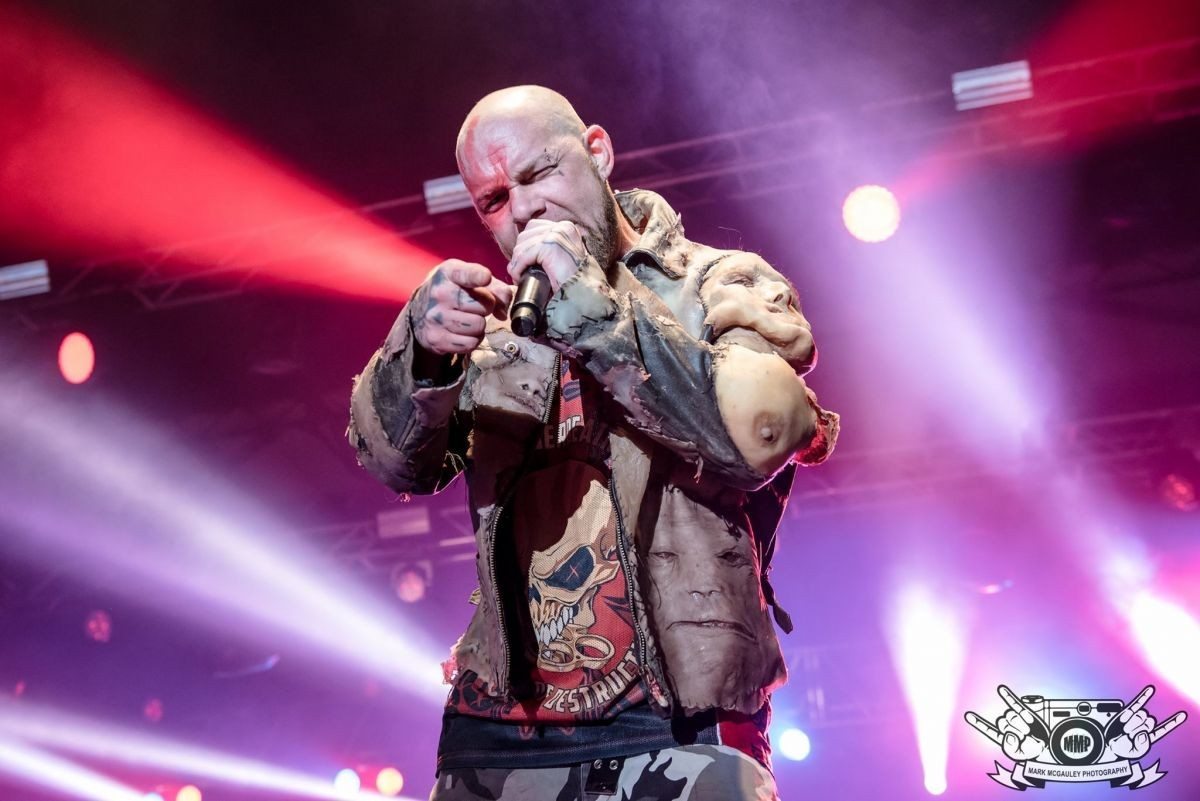
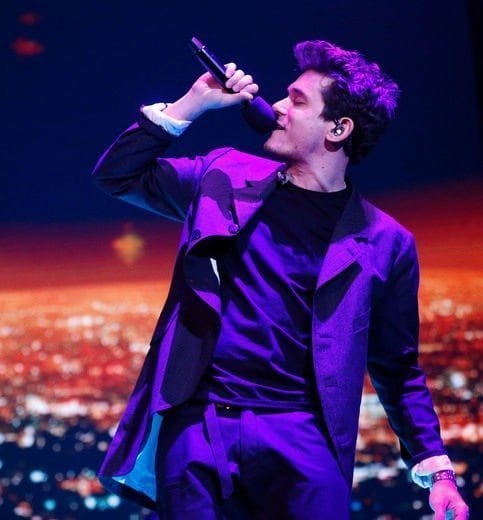 The format of his concert included five chapters to help guide the audience through the show, which featured songs from his entire repertoire of music. The sets consisted of a digital backdrop that projected different scenes for each song. Mayer began by playing a set with his full band stretching as far back as his 2006 Continuum era to open the show with “Belief” and later playing “I Don’t Trust Myself (With Loving You).” During this first chapter, in addition to live debuting “Helpless,” Mayer stepped away from his sidekick guitar with a microphone in hand to engage with his audience during “Moving On and Getting Over.” He decided to play the hook back multiple times varying the speed and melody while breaking out unusual dance moves rarely seen in his live performances.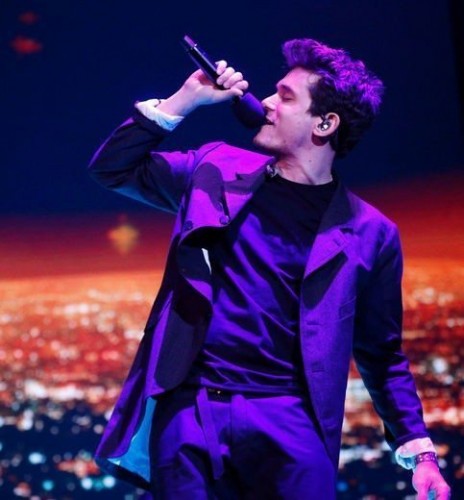
 Every concert on this tour also features songs from John Mayer Trio (JM3) during which Mayer excitedly invites the legendary bass player Pino Paladino and drummer Steve Jordan to perform alongside him. The trio reunited on stage to play both original JM3 songs and covers from the greats such as Chuck Berry and Jimi Hendrix. Each show on this tour features well-known, new and obscure tracks from Mayer’s vast musical library.
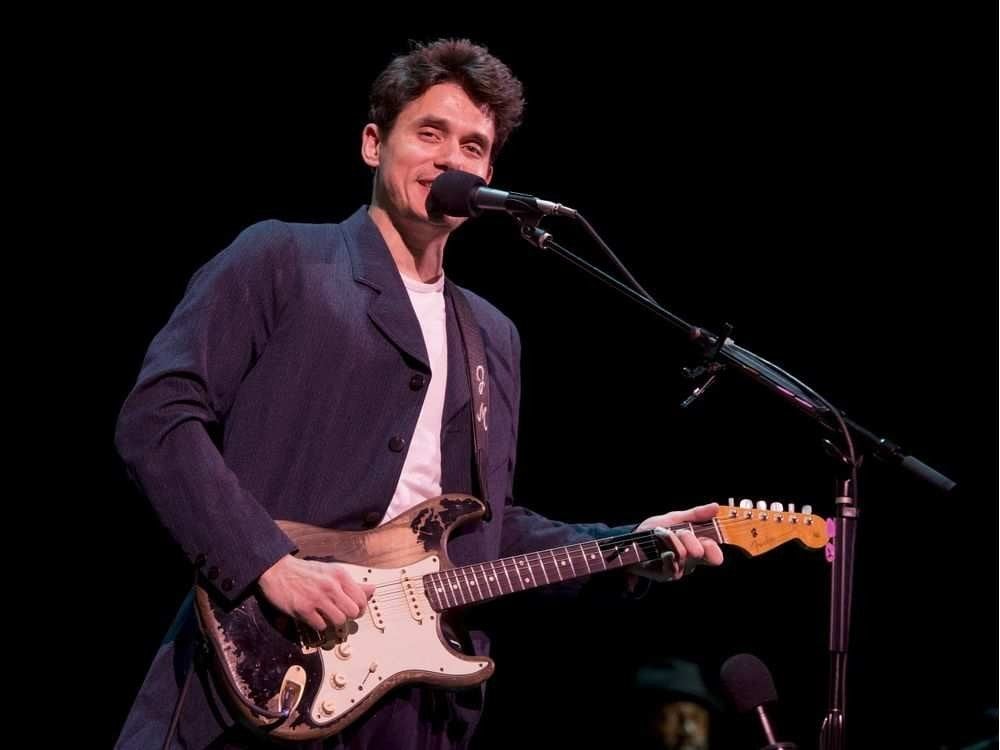 For this final chapter, the entire stage set was transformed into a blank white page except for the word ‘Epilogue’ which flashed on the screen. Mayer appeared alone on stage sitting at a white piano which he used to accompany himself for the final song, “You’re Gonna Live Forever in Me.” At the conclusion of the song, he walked through a stage door in the middle of the white screen that was not visible to the audience, leaving one to wonder if his passage through this door is meant to symbolize his continual Search for Everything.
 Brit Floyd