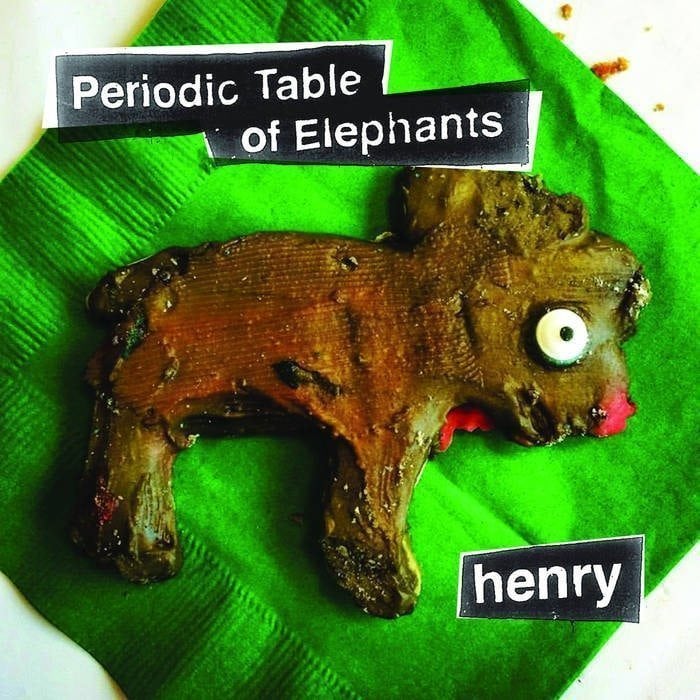
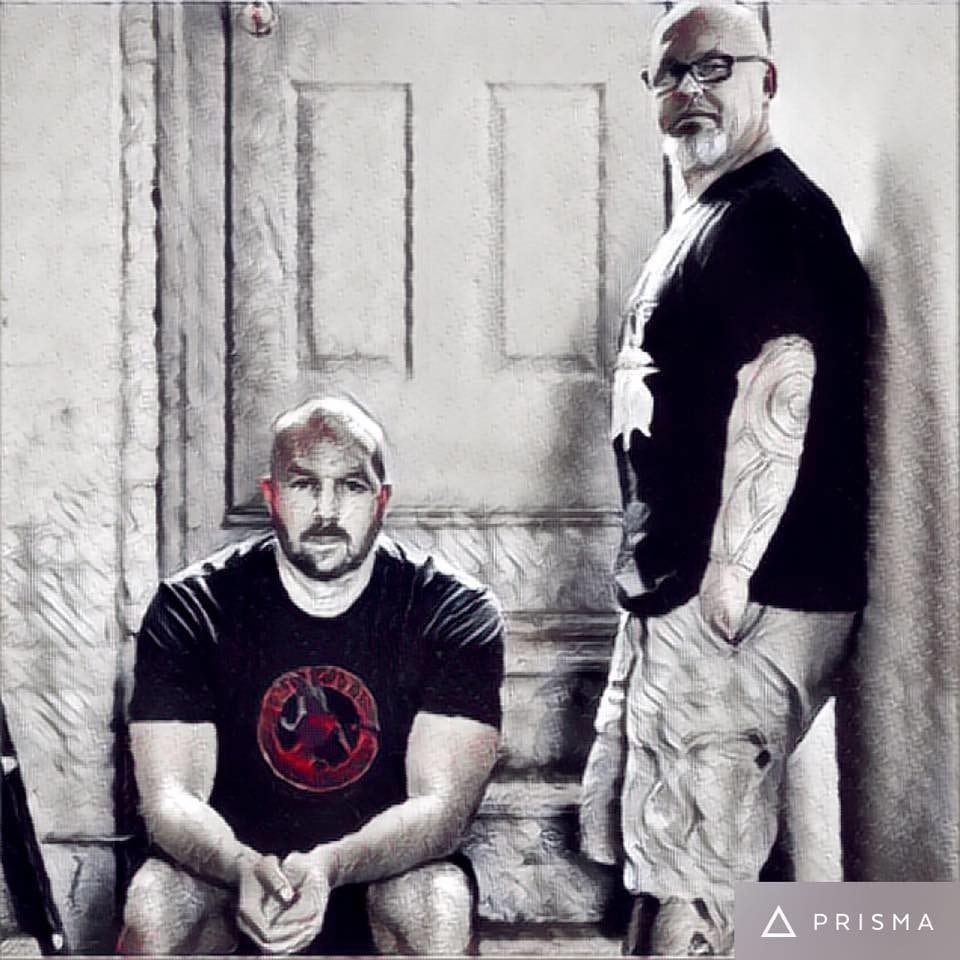
If there ever was a formula behind the iconic music of the 90s, many would say it would be “Guys with instruments & vocals” + “Guttural feelings” + “Garage.” While rock is not as dominant on today’s airwaves, some artists such as Rochester, NY’s Periodic Table of Elephants keep this classic formula alive and well. With Jason Pariseau on vocals and guitar and Sean McGinnis on drums, the Periodic Table of Elephants (PToE for short) puts together a rough guttural punch-your-boss-in-the-face sound sure to cause a riot at a pub or dive bar. As of a few months ago, PToE released their first EP titled Henry.
While PToE sights influences such as Green Day, Biffy Clyro and Blink 182, the vocals on this EP remind me of Smashing Pumpkins and instrumentals remind me of Canadian rock duo Death From Above 1979. What I mean by this is that Jason Pariseau chooses a guitar tone with a lot of bass in it to compensate for lack of a bass player, while Death From Above 1979 utilizes a bass guitar with various distortion pedals which yields a similar sound in lieu of a guitarist. Overall the production on the four-song EP was delightfully under-produced. Too often do you see up-and-coming bands using excessive production to polish their albums to the point where it no longer sounds organic. While this may boil down to preference, many purists prefer when drums hits aren’t 75 percent sound replaced.
In terms of the songs themselves on the Henry EP, the lyrics while straightforward, do the job in terms of connecting with the listener’s gut. The track “Better Off Dead” is the mosher’s anthem when played at a local show. The lyrics literally capture the intent of rage in the song with a lyrical pattern of coming back to a statement of physical action, each time increasing in violence. For example, things escalate from “I’m gonna punch you in the face” to “I’m gonna punch you in the throat” to “I’m gonna punch you in the dick”…ouch… Not the most poetic lyrics but the song was meant make an audience go wild. Out of the four songs on the EP, three of them are in your face and are very grungy while “Pile of Bones” is the one that breaks up that sound with something a bit softer and lyrically deeper. This is the track on the EP where PToE puts it all together in my opinion. It seems like Jason and Sean channeled their inner Foo Fighters on this track.
The Henry EP is a good start for Period Table of Elephants. As with any band’s first EP, this is the band trying to establish their identity and sound. The rough-around-the-edges feel will appeal to angsty millennials and Gen Xers looking for something that relates to their high school and college days. On the same token, this particular sound won’t appeal to those looking for mainstream appeal. With that being said, this EP is a tribute to the spirit of 90s alt rock…that RATM mantra of “F*ck you I won’t do what you tell me.”
St. Phillips Escalator is on the verge of releasing their long-anticipated sophomore album, The Derelict Sound. What’s more – it’s coming out on vinyl on Record Store Day. NYS Music met up with members of the Rochester-based rock band at Record Archive. It was easy to spot guitarist/vocalist Ryan Moore, with his signature newsboy cap and long sideburns, chatting with drummer Zachary Koch in the Archive’s Backroom Lounge. Friends since childhood, Moore, Koch, and bassist Noel Wilfeard were just out of their teens when they recorded their debut album Endless Trip with the help of members of garage rock revivalists The Chesterfield Kings. The 2015 EP Elevation was highly praised, with the one criticism that it was too short and left a reviewer wanting more. Now they’re just about ready to deliver.
Photo: John Myers
Paula Cummings: Tell me about your single “New Age.” Why did you choose this as your first release off the new album?
Ryan Moore: We have a heavier psychedelic sound to the other songs and this one was a little catchy. It’s one of my favorite songs on the album, I think.
Zachary Koch: We wrote it starting with the beat – it was an early Doors’ first record kind of beat – and based it around that with minor chords. It just came together. But the style definitely references them (The Doors).
PC: The single comes from the sessions for The Derelict Sound. How did you choose the album title?
ZK: We just sat down and had a talk one day when we were making some plans. We were really trying to think of what would represent the record. We’ve been together for years now and we reference music from different eras – modern and vintage – but it’s not understood by many people when they first hear it. It’s a derelict sound, an unused kind of overlooked sound… dusted.
PC: What was the writing process like compared to your previous works, the first album a decade ago and the EP two years ago?
ZK: As far as the way we write the songs, I don’t think it’s changed much since the beginning. Maybe somebody has a fully baked song or if it’s just a riff then we’ll work it out at practice.
RM: We usually know if a song works for our sound right away. We only just give it a couple tries with some because it’s like beating a dead horse with some. We’re like, “That would have been great but we know it wouldn’t work.”
ZK: We build on it together. It’s a collaborative process. Sometimes a single idea comes to the group and we know it works right away. We’ll get inspired with a song first and then play with it. We always had the power trio and blues thing happening, and on this we tried to bring it more into the psych genre.
RM: I would say this is a little bit darker.
ZK: The songs fit together well. We had 13 songs, but we cut it down to ten because some of them just didn’t fit that vision. They’re still good songs but just didn’t fit the feel we wanted for this one.
PC: How has your music matured over the years?
ZK: We have more life experience, so the content is different from our first record. We were just coming out of our teens. And now there’s more life experience. I have some political lyric writing. Ryan’s lived in New York and so has Noel, so we all have different life experience that go into the writing. I think the music process has been the same, but maybe back then it was a little unhinged, like “Let’s write and play” without having an idea first. It was fun. It’s always fun, but there’s more goal-setting. But the writing process, that’s the same. It’s always just fun at the heart of it all.
PC: You have this energy that comes across well in live shows. How did you try to capture that in the studio?
RM: The guy we collaborated with suggested we record it live. So what we did was we went to this place in Geneseo, Tempermental Recording. It’s this big old church and it’s really awesome. All of the tracks for the whole thing we recorded together. There wasn’t anybody separate.
ZK: That was the key. It was not just a live record, but the bass, drums, and guitar the core of it we played together because it’s the only way we could draw that energy. We tried before to record separately.
RM: It’s just not the same.
ZK: And allowing the big space… We need to play louder, so we don’t feel like we’re holding back. That space allowed us to be loud.
RM: Yeah, that was amazing. I think it was just one of the best experiences that we’ve had.
PC: That was my next question, how did the space enhance the acoustics?
RM: The guy who owns the church, he’s an insane collector, so it’s just full of guitars, and organs and pianos and drums and all those things are in the room, vibrating and making a sound as we’re recording, too. It’s really cool.
ZK: Even recording into the night that helped set the tone because it got dark in there.
PC: And in a space like that, you’re going to have a big, cavernous sound.
ZK: We used that to our advantage.
RM: And he had tons of cool gear that we were able to use. Echo on the vocals and vintage amps. But mostly we used our own stuff.
PC: Who did you work with, and how did they influence what you produced?
RM: Alex Patrick did the recording and the mixing. And when we were out of that studio Mike Brown (owner of Tempermental Recordings) hung out and gave us feedback.
ZK: He’s like-minded.
RM: We never met him before. We were renting the space from him, and he was just hanging out and interjecting. He came up with cool ideas.
ZK: Yeah, he’s really talented. He’s a guitarist and writer, so it was nice to get his perspective on things. It helped.
RM: Then Brian Moore mastered our tracks out at Red Booth Studios in Rochester.
ZK: Really helpful people, gifted. They have that patience I would never have to be able to engineer and mix. I just like playing.
RM: I just appreciate it so much.
PC: Which tracks are you most proud of and why?
RM: I really love “New Age.” I think that came out awesome.
ZK: I really like this track five. It’s called “Find My Way.” It closes out the first half of what will be the vinyl. And I think that it’s a different direction for us. It still fits, but in my mind it’s more of a modern song. It has a type of beat that’s different than what we’ve done. It’s this driving type of beat – you’ll see – but that’s one of my favorites from the record. Generally, a lot of our songs in the past have been four minutes. We get to solo a lot in this one.
RM: That song and the last song are kind of long, dark psychedelic songs. And I think the first song is one of my favorites, too, “Sleepy Silver Train Haze.” That’s just kind of a dark brooding psychedelic tune that feels a little sad.
PC: Is this your first vinyl? How does this fit the aesthetic of what you do and what you’re about?
RM: It fits perfectly.
ZK: It’s everything. We’ve collected, we were raised on it.
RM: We’re just huge record fans and I think it’s pained us to not have anything on vinyl yet. That’s one of the reasons why it took so long to come out. We were looking to find the right partner and in the end we did everything ourselves. We were going to wait as long as it took to make sure it was released on vinyl.
ZK: Vinyl gives the opportunity for the album artwork to shine. Ryan is an incredibly gifted graphic designer. He has a wonderful friend, a very generous friend, John Myers, who shot the cover for us and Ryan put it all together. That’s something that’s missing with a digital outlet. You can’t hold it and you can’t see the art that goes into it as well. But yeah, I play records every single day and to finally have one of our own is what we’ve always been going for. For our last EP Ryan and Noel were in NYC so we didn’t have as much time to get it all in line for vinyl.
PC: What are you listening to on vinyl?
ZK: We still listen to all formats. We just appreciate it the most and it sounds the best. But some of our favorite vinyl?
RM: My collection? I have some of my favorite old blues records like Mississippi Fred McDowell and the Blues Bakers. Cool rare blues records are some of my favorites. Then on top of that 13th Floor Elevators, The Seeds and some of the stuff that influences our band. It all sort of comes together.
ZK: And when I’m really sitting down and listening I really love to put on either Neil Young or The Byrds. I like listening to folk records on vinyl. I think it’s really befitting.
RM: We also started collecting some newer, modern psych bands on vinyl too. Morgan Delt, Black Angels. Anything that’s good sounds better on vinyl.
PC: Tell me about the album cover.
RM: We really had this idea that I really wanted this to be an out of focus picture of us, like a really blurry, just weird picture. I didn’t want just another portrait of the band. People either know us or they don’t, and I don’t care to have our mugs pegged on it.
ZK: And the photographer was able to do that without any special effects.
RM: We were just playing around. It was fun to go through a whole set of photos. We went picked the blurriest one that had a cool vibe. It’s got a cool grain and strange colors to it as well. And then I put just a small psychedelic treatment to it, kind of small off to the corner, kind of nondescript.
ZK: We never really had a set logo, and that little badge in the corner is kind-of new.
PC: You guys have been together half of your lives. What are some of the challenges you’ve had to overcome to do this?
RM: I think it’s because we were friends first. I think we became friends in junior high.
ZK: I think it’s been an advantage.
RM: I think that us looking out for each other and keeping each other in mind…
ZK: Feeling comfortable enough to share what turns out to be a really terrible song or a great song, but not being afraid of what you’re bringing to the table.
RM: Respect for one another.
ZK: When we play, we’re just hanging out. So we get to hang out with each other as friends but also as a band. It’s beneficial.
RM: Sometimes it gets tough though when you have to get work done, and you just want to have a beer and catch up.
PC: So you mentioned that Ryan and Noel lived out in New York City for a bit and you had to make that work long-distance.
RM: Yeah, that was tough. We weren’t as active during that period. But it also opened up some different opportunities because I met a lot of people in New York and we were playing a lot of gigs in Brooklyn and Manhattan.
ZK: And then we could just stay at Ryan’s.
RM: Yeah, it was easier then than it is now because we had a home base.
ZK: And then we rented an hour studio to practice in New York.
RM: We were still playing shows actively, but I think creation was the harder thing to do.
ZK: We would send things online, but we couldn’t really test them out.
RM: That was obviously the hardest part…
ZK: The productivity in the studio.
RM: But something about us being together for so long, we could book a show in New York or Rochester, practice once – or not – and play the show and it still sounds good.
Follow St. Phillip’s Escalator for news about upcoming show dates, news, and links to purchase the album.
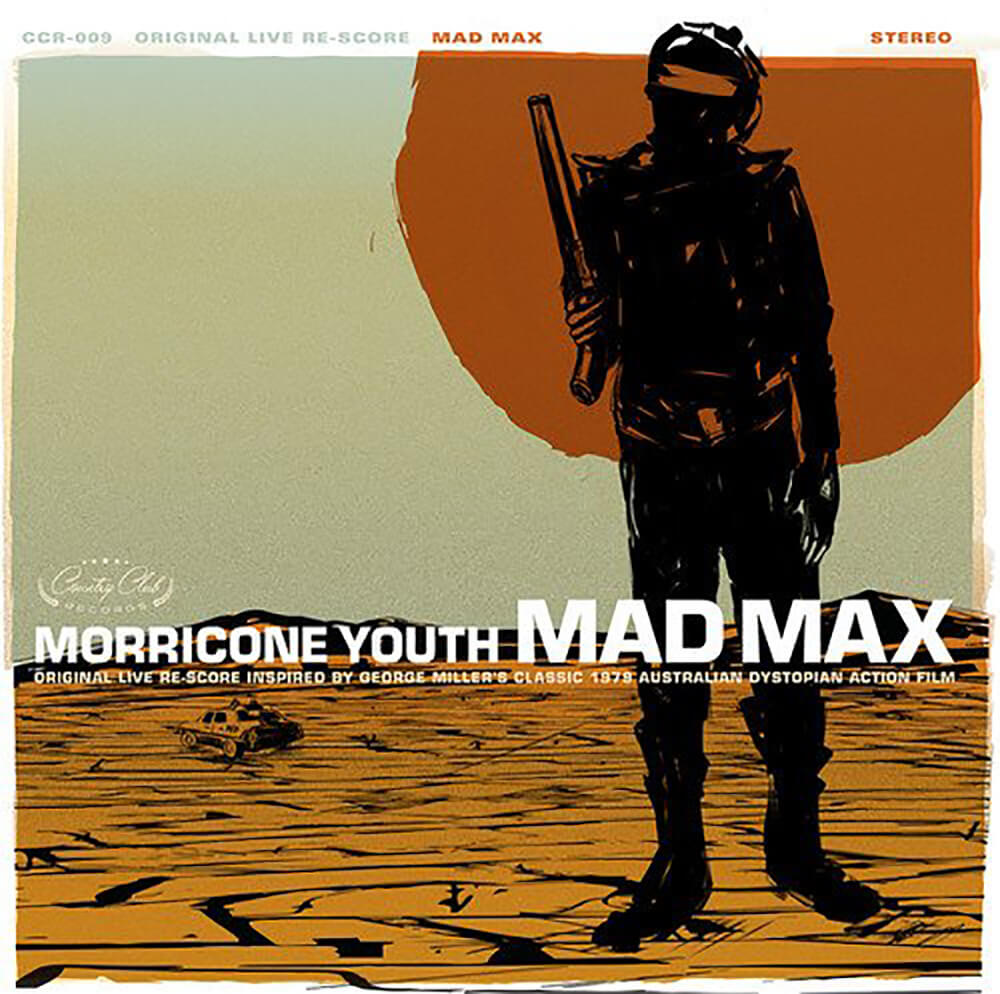
Morricone Youth is an odd music collective no matter which way you look at them. Formed in Brooklyn and having been performing together since 1999, the group focuses mainly on writing soundtracks for already existing silent and midnight movies. A total of 15 have been done so far, includeing Eraserhead, The Battleship Potemkin, Enter the Dragon, Foxy Brown, the original Nosferatu, Fantastic Planet, The Lodger: A Story of the London Fog, Night of the Living Dead, and the work I’ll be reviewing here, the original 1979 Mad Max.
How Morricone Youth’s shows usually work is the movie the soundtrack’s for will play, without sound of course, as the band plays their music over it instead. The only image I could find of the band playing live, one in granulated black and white, had the members in the frame wearing Michael Myers type masks. Now, aside from playing live, Morricone Youth is recording all the soundtracks they’ve composed so far, with Mad Max being their latest release.
The first thing you need to get out of your mind, and I reiterate, is no, this is not a direct recreation of the original Mad Max score. This is their own interpretation based on their varying styles. I myself have only seen this film once, so my knowledge of events the music is supposed to correspond to is limited.
The opening number, “Halls of Justice,” begins with a somber violin with electronic bleeps and blorps, along with distorted vocals where the only lines I could make out for sure had to do with the Interceptor, Max’s car. So when it flows into “Mad Goose,” after another synth buildup, the chase from the beginning of the movie is in full swing, complimented with surf guitar and clanking keyboards. You certainly feel like you’ve been taken along for a ride.
Much like a soundtrack should do, it weaves in and out with your emotions. “Clunes Town,” “Jessie,” and “Johnny the Boy” are supposed to the down points, where the audience is meant to catch their breath and catch up with the side characters, like Max’s wife and child. There are also bits of cheesy saxophone and trumpet in there to make this feel authentically from the late 70’s, early 80’s (though not as cheesy as in “Beyond Thunderdome”). Meanwhile, tracks like “Revenge of the MFP,” “Nightrider,” and “Toecutter,” are downright villain songs. Which makes sense since they’re named after the various villains in the movie, with loud blaring instruments and melodies filled with tragedy, mayhem, and the urge to fight the nearest person to you.
When the last song, “Bad Max (End Credits)” finally comes around, with a general melancholy sound from all the instruments, you feel as worn out as Max at this point, where he finally gets his revenge and leaves civilization behind for the outback. You feel just as worn out as Max at this point, longing for peace. If this album taught me anything, it’s that I should really re-watch the Mad Max movies. I remember enjoying all of them and I haven’t gone back to them since I saw Fury Road in theaters. Then I can determine for myself if this music actually does fit the parts they’re supposed to.
Key Tracks: Mad Goose, Nightrider, Bad Max (End Credits)
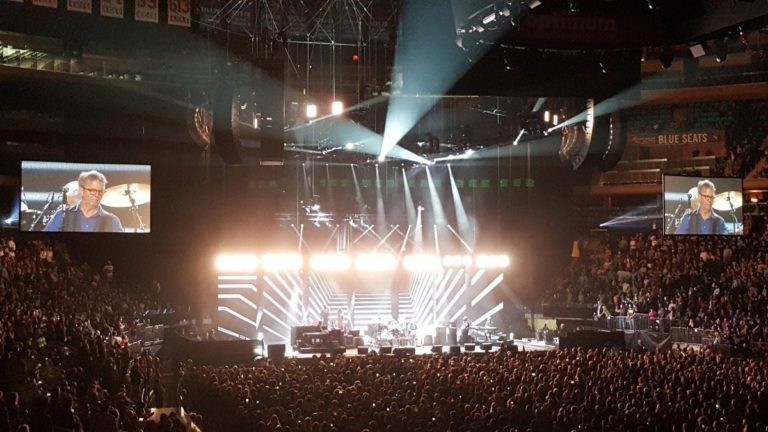
With the spirit of Chuck Berry present, church was assembled on Sunday, March 19 at Madison Square Garden, with the legendary Eric Clapton presiding. Over three and a half hours, Clapton performed songs from across his 50 year catalog, particularly the covers he popularized that brought him fame over his career which served as a tribute to legends he has admired, called a friend or, in many cases, both.
Opening the show was Jimmy Vaughn, brother of Stevie Ray, who performed a 30 minute set that began with Wilson Pickett’s “Midnight Hour” and was capped off by “Tra La La.” Gary Clark, Jr. followed, and shortly after “Travis County” he noted, “That last one would not have been possible without the influence of Chuck Berry,” the founder of rock n roll who passed away a day earlier. Highlights included “Our Love” off Clark Jr.’s The Story of Sonny Boy Slim, which had a painful yearning that only the blues can alleviate, and his signature “Bright Lights Big City.”
As Eric Clapton arrived to the stage, the room illuminated with projections behind him. “Key to the Highway” and “Badge” kicked off the night with Sharon White and Michelle John on backing vocals. Clapton wore a blue shirt and black vest as he led the band through nearly two hours of surefire rock n’ roll, including “I Shot the Sheriff,” his cover that skyrocketed Bob Marley to fame in 1974.
Clapton took a seat for a handful of acoustic songs, including “Driftin’ Blues,” “Nobody Knows You When You’re Down and Out,” “Tears in Heaven” and “Layla,” all the while exhibiting that pained look singing the blues requires you to have. After each song, Clapton gave that short, quick “Thank You” to the audience, a truncated comment that has almost never changed in cadence or elocution and was the extent of his banter with the audience this evening.
A beautiful “Wonderful Tonight” preceded “Crossroads” and “Queen of Spades,” both tunes by Robert Johnson, the eldest of blues legends, the latter of which found Clapton the most dialed in of the night. Longtime friend and guitarist JJ Cale’s “Cocaine” closed the set with Chris Stainton going to town on the piano. The two song encore featured “Sunshine of Your Love,” the lone Cream song of the night which was as powerful as ever, and “Before You Accuse Me,” with Vaughn and Clark, Jr. each taking solos and rousing the sell out crowd once again.
Be thankful that bluesmen live long lives, for we have a combined century of living legends in Eric Clapton and Jimmy Vaughn and many more years of Gary Clark, Jr. keeping the tradition of the blues alive.
Setlist: Key to the Highway, Badge, I’m Your Hoochie Coochie Man, I Shot the Sheriff, Driftin’ Blues*, Nobody Knows You When You’re Down and Out*, Tears in Heaven*, Layla*, Somebody’s Knocking, Wonderful Tonight, Crossroads, Little Queen of Spades, Cocaine Encore: Sunshine of Your Love, Before You Accuse Me^
* acoustic
^with Gary Clark, Jr. and Jimmy Vaughn
Although the first days of spring are upon us, winter still holds its cold grasp in New York. With warm weather just within reach, its’s easy to daydream of warm summer breezes, barbeque, ice cold brews and outdoor music. Could anything go better with this fantasy than the sweet sounds of a fiddle? Perhaps a mandolin? Or better yet, some fast paced banjo pickin’?
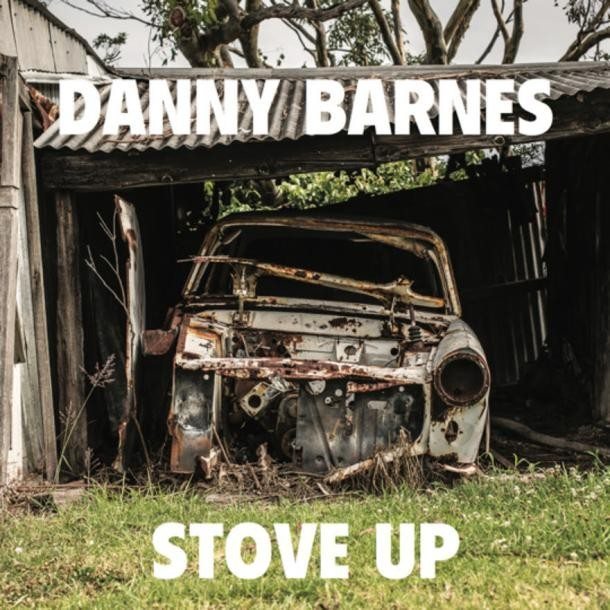
Just in time to usher in the better temperatures is Stove Up, the first acoustic bluegrass banjo album by Danny Barnes. The album serves as homage to the late and great Don Stover, and includes an all-star backup band featuring producer and guitarist Nick Forster, mandolinist Chris Henry, fiddler Jason Carter and bassist Mike Bub.
With 45 years under his belt, Barnes is no stranger to the five-string community. He has received accolades from all the greats and in 2015 he received The Prize for Excellence in Banjo from Steve Martin.
The 17-track album produced in Boulder, CO is an old-timey exploration of musical precision and grit. Barnes’s abilities are jaw dropping and are perfectly paired with Carter’s fiddle genius. The album includes several Barnes-Charter duets including “John Hardy” and “Bill Cheatum.” While 90 percent of the album is instrumental, “Charlie” and a twangy reinterpretation of the Rolling Stones’ “Factory Girl” allow the bluegrass legend to flex his pipes, not just his strings. “Get it While You Can,” provides more ominous tones, like the soundtrack to a “whodunit” in a dusty saloon.
Originally a Stover compilation, “Rockwood Deer Chase” features an intro like a train pulling out of the station, that then releases a steamy whistle before gaining full momentum and speed. “Steel Guitar Rag” slows down this pace – a bit more delicate and classically western.
The entire album sounds like a boot stomping, smile inducing summertime throw down between friends. It’s the day dream catalyst to warm country nights so many of us are yearning for.
Key Tracks: “Isotope 709,” “Rockwood Deer Chase,” and “Flint Hill Special.”
Buffalo’s best kept secret is about to break out. Super American has been wowing the local music scene with its youthful energy and optimism. With two music videos out now and a debut album hitting the market on April 7, these boys are poised to top the indie pop scene.
Photo by Andy DeLuca
The core of Super American is Matt Cox and Pat Feeley, with friends helping to fill out on drums and guitar. NYS Music interviewed Cox to learn more about Super American’s peppy tunes, clever phrases and… pineapples?
Paula Cummings: Let’s start with the one burning question that’s on everyone’s mind: what’s up with the Year of the Pineapple?
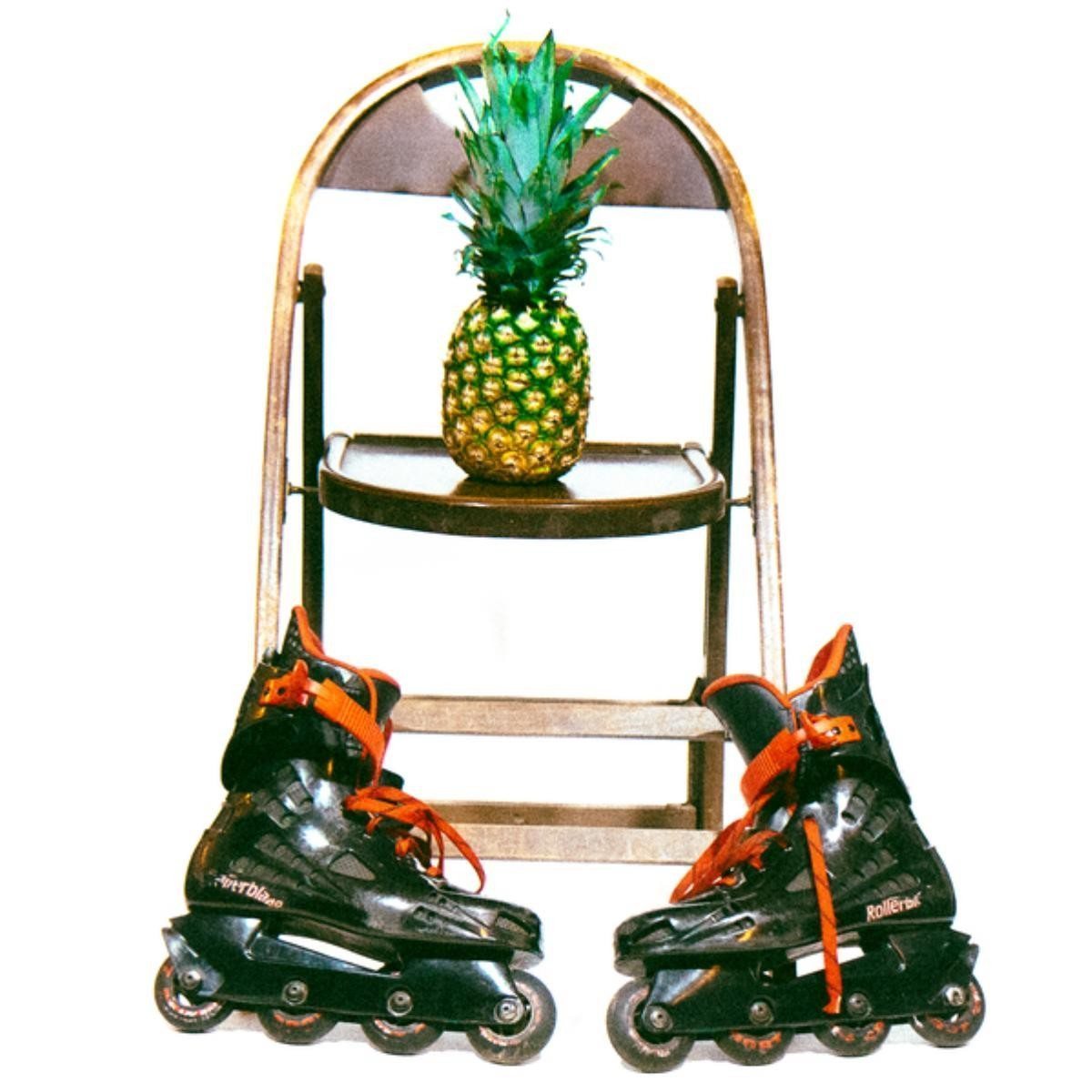
Matt Cox: Before we started taking all the photos of our friends at shows, we all referred to the Year of the Pineapple as this sense of optimism for the upcoming year. When the year started, we didn’t have much of a choice, because we laid the foundation that this is the year of the pineapple. It’s a fun way to start the year.
PC: So people are bringing pineapples to the shows. What are you doing with all of them?
MC: When people do bring them to the shows, I’m not sure what they do with it. I typically leave it or I’ll pass it along. The last time we brought one out someone asked for it, so they take it and it makes its way to the bar or wherever it’s going.
PC: Tell me a little about how Super American started.
MC: We were working on songs about this time last year. We’ve been friends, Pat had in bands separately from myself and vice versa. It was something we talked about working on music together. We got together about this time last year and we haven’t looked back.
PC: So you guys were in separate projects, but ran in the same circles in Buffalo.
MC: Yeah, it’s a tight-knit community. We recorded our album through the spring of last year, we wrote it over the winter. We played a few shows in the summer. That’s when we gained the attention of Joe from the label, and put things on hold til the end of the year. And now we are going to release the album on April 7.
PC: I’m looking forward to it. Going back to the community, you’ve been working with Andy DeLuca. What was it like working with him for the music videos and promotional photos?
MC: Working with Andy, I personally grew up with Andy around the corner. He was a friend, and he was someone who inspired me at a young age. So I got to learn how to make music from Andy and learned how to be creative from Andy. Some of my best jokes were stolen from Andy, and at one point we were roommates. He just moved to the city, but seeing what he’s been able to do in a short period of time is awesome. When you have an opportunity to work with someone like that you let it happen, and you don’t take any second for granted, because he could obviously be spending his time elsewhere at this point. So we’re lucky to have him as part of our team.
PC: I think he’s captured your aesthetic – that retro feel-good throw-back to an earlier, simpler time.
MC: Definitely. When we made the video [for “Sloppy Jazz“] we didn’t have too much of a plan ahead of time. We just had an idea. We just went at it. And you just get out of the way of someone that talented who has a vision. He did an awesome job. The video he did was amazing.
PC: Did he also direct the video for “Congratulations?”
MC: He did. That was actually Pat’s idea. The stand still lyric video, which was cool. And Andy said where to sit and things like that, and he did the lyrics. We actually recorded those videos on the same day.
PC: On your band profile, you identify your genre as “Poolhouse Rock.”
MC: We were spending a lot of time this past winter in a suburb of Buffalo, in East Aurora. We’d go there every weekend just to get out of the city. There was a lot going on in the city. Sometimes it’s a bit repetitive and there are a lot of distractions. So we would go to East Aurora to get inspired, and not even just to write music. Our friend had a pool house that was potentially available to rent. So Poolhouse Rock is something Pat came up with. It’s about defining music, and removing yourself (from the label of a genre) to hear it objectively. So Poolhouse Rock works for Super American.
PC: How would you describe your music?
MC: We made a lot of effort to capture that same energy that we had in past bands that were a bit louder and more aggressive in an audible sense. So the energy, but a little easier to listen to. We made an effort to try and step up as musicians in this batch of songs we recorded, and I really hope we accomplished that.
PC: What I like about the album is that it’s pop and it’s fun, but it’s got a message to it.
MC: I’d say it’s a very friendly record. We wrote the songs all together. Our good friend Fred Cimato, who played in a band called Cute is What We Aim For for a number of years, really helped us when we were writing songs and arrangement and recording the album. Fred is intelligent when it comes to songwriting and producing. And Rob Grabowski, our drummer at the time, had a part in it. So it was a lot of heads put together for all the songs on the record. Our friends Fred and Rob recorded with us and were on the videos. Rob has moved to NYC and Fred is always down to help if needed. Now it’s Pat, myself, Steve Gardner, and Elliot Douglas.
PC: Where did you record the album?
MC: We were actually very fortunate in that aspect. We have a studio called CGR Studio that’s owned and operated by Robby Takac of the Goo Goo Dolls. It’s been around many years. Rob’s done a good job renovating the studio. He’s had people like James Taylor come here to record parts of his album and people such as Lil Wayne. That’s the reputation CRG has. We’re very lucky to have a place to make something like that. We recorded with Jay Zubricky, who’s a producer here in Buffalo. He engineered it, mixed it and produced it.
PC: What led to the signing with Take This To Heart Records?
MC: We were looking at putting it out with a label. We were looking for a team approach. Joe (the owner of Take This To Heart Records) was very nice to us. We have the same goals. He’s been getting us exposure on playlists. Working with Joe has been great so far.
PC: What are your band goals for the year of the pineapple?
MC: To live up to the standard of the year of the pineapple. And continue to grow as a band and as artists and grow as people. And if we’re able to do that then I think that those things our band looks forward to like touring and playing shows will take care of themselves.
PC: Anything else you’d like to add?
MC: I would suggest that people listen to the Del Paxton record. I highly recommend it.
Photo by Andy DeLuca
Disposable and pineapple-themed Super American t-shirts are available to preorder on Take This to Heart Records.
Upcoming Shows:
4/8 – Buffalo, NY @ Waiting Room
4/14 – New York, NY @ TBA
5/24 – Brooklyn, NY @ Shea Stadium
5/25 – Philadelphia, PA @ Alternative Underground
5/26 – Washington, DC @ Electric Maid
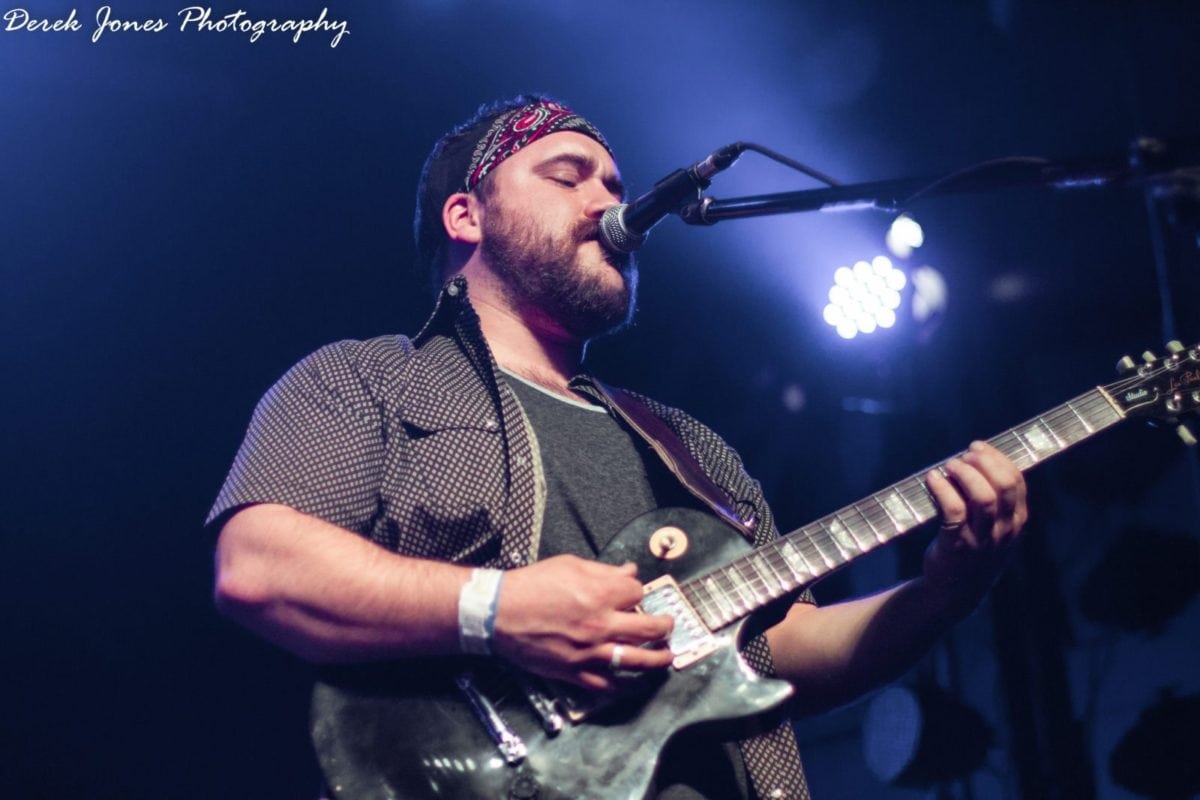
On March 18, Boogie Low took the stage at the Westcott Theater in Syracuse, NY for the release of their highly anticipated, self-titled debut album. With Matthew West (lead guitar/vocals), Loudon Smith (rhythm guitar/vocals), Tommy Dennis (bass guitar), and Brandon Au (drums/percussion). The energy was electric as you walked through the doors with Syracuse natives Barroom Philosophers, who kicked the night off with a set filled with groove heavy funk/rock tunes.
If one observation from the night was made, it was that the crowd came to dance. Boogie Low opened their set with “Eldin,” a fan favorite, and cheers rang out as they began jamming through their reggae influenced brand of jam rock. Each song was met with enthusiastic cheers from their loyal fan base, and it was clear why so many people braved the cold for this event.
Vocalist Loudon Smith emphatically thanked the fans for the continued support they’ve showed and was genuinely grateful to experience such a positive response from the crowd. Boogie Low jammed for nearly two hours, playing favorites like “Mckenna” and “Walk On,” and also introduced live for the first time ever “Dirt Nap” from their new album. They also invited David Koegel of Barroom Philosophers on stage to add his exceptional vocals to “Shadows” which sent the crowd into a dancing frenzy, and the night came to an end with an encore of Grateful Dead’s “Love Light,” leaving the audience longing for more.
This was an event that won’t be forgotten, and the positive vibes and energy radiated off the crowd as they emptied into the cold Syracuse night. If you are a fan of reggae and rock acid fusion I strongly suggest making it to one of Boogie Low’s upcoming shows, where you can purchase their new album “Boogie Low.” It will also soon be available on Spotify and iTunes. You can catch Boogie Low at JP’s Tavern in Baldwinsville NY on March 25 and Funk ‘n Waffles in downtown Syracuse on April 21. Get your tickets for their show on April 21 with Mosaic Foundation here.
Setlist: Eldin Back 2 Nothing Amie Mckenna Dirt Nap Roots, Walk On, Tommy’s, Better Way, Miss Bliss, Better Days, Land Ho, Trust Ourselves, Colas in the Sky, Mystic River, Shadows, Mexico
When BIG Something arrived on the scene back in 2009, their name made it apparent they knew what the future had in store for them. Fast forward eight years later and the funky, electronic, alternative rockers have gone nowhere but up, managing to keep climbing the ladder of fame. Continuously bringing the high-energy jams to east coast music festivals, the group crafted their own annual fest in Mebane, North Carolina: The Big What. After three studio albums, the six-piece hailing from NC decided 2017 was the year to put forth their newest endeavor titled Tumbleweed, the namesake of their December 2016 teaser single. If Tumbleweed is any accurate indication, 2017 is already shaping up to be huge for them.
In anticipation of their then-impending album, the group decided to launch “Tumbleweed,” paired with a quite jarring narrative, giving fans a spoonful of what was to come in the following weeks. The name “Tumbleweed” references the main character of the track who finds himself endlessly wandering through the depths of a post-apocalyptic desert. If that’s not enough of a concept, he’s hallucinating on peyote, too–quite a trip. The album’s narrative is centered on his lonesome and dark destination and his will to survive and keep movin’ on.
Released on February 24, 2017 and recorded at Echo Mountain Studios in Asheville, NC, the album blew into the speakers of many, proving to be an apt addition to their album lineup: 2010’s Stories From the Middle of Nowhere, 2013’s self titled venture and their penultimate release in 2014, Truth Serum, in addition to a number of live releases. The 8-track album covers a lot of ground, taking a step away from the group’s more lighthearted, carefree and fun tone, bringing it down to a darker realm of sonic trips through barren desserts. Of course, some tracks held true to an upbeat feel but for this runaround, the group decided they’d convey a heavier temperament while flying through a variety of genres.
The title track, acting as the first glimpse of the album produced by Grammy-nominated John Custer, leaves listeners feeling as if they’re the ones left deserted on the cracked earth beneath a heavily beating sun. The opening notes alone spark an instant curiosity and yearning to hear more. The lyrics, “Cactus tripping/eclipse the sun/mind or mirage/are you having fun?”and synthy keys conjure up psychedelic inspiration and provoke deep thought with airy guitar solos to match.
This is quickly juxtaposed by “Song for Us,” the second track on the album. Desolate emotions are exchanged for happier, reggae tunes solidifying the fact that the listener is on their own unique journey through Tumbleweed, one they must come out of in their own way, as they bounce between lighter and darker moods. Allowing an ending guitar solo to smoothly transition into “Passenger,” the track begins to grab at bluegrassy (think String Cheese Incident), western influences and spirals further into the theme of wandering in darkness.
“Blue Dream” follows, introducing a jammier, space rock sound to the album that has yet to be seen. Regardless of being instrumental in its entirety, the track demands your attention. Contributing to the southern rock theme and tying in psychedelia, this track mirrors the album artwork nicely, which displays major sci-fi nods with images of UFOs and alien life. “UFOs are Real” brings a bit of kitschy lyrical fun with groovy bass lines, an added horn section and a quick ability to force you on your feet to dance. The penultimate track, ironically titled “In the Middle,” brings some Californian vibes with surfer rock mentality through its vocals. Wrapping up the 2017 release, “Waves” proves to be a fitting closing track, offering a powerhouse of a crescendo that softens into reminiscent tunes from the album’s opening track. Listeners are seemingly looped and dropped off at the beginning of their own desert trip, left to reflect on the highs and lows the last eight songs challenged them with.
Tumbleweed is a gripping, innovative release chock-full of imagery, creative instrumentation and solid production, which gave Nick MacDaniels (vocals, guitar), Doug Marshall (bass), Josh Kagel(keys, trumpet), Casey Cranford (saxophone, EWI), Jesse Hensle (lead guitar), and Ben Vinograd (drums) the opportunity to shine in their respective areas and display their utmost dynamism, both in the studio and on stage. Although unmistakably dark, the album grounds the listener and helps them come to terms with the fact that we are all just tiny ants on this humongous globe in space, dragging ourselves through the scorched earth beneath our feet. It’s up to us to keep going.
It was a night of pure psychedelic/prog rock heaven at The Hollow in Albany on Saturday, March 18 as the musical explorations of Ampevene, Felix Martin and NYC-based headliner Consider the Source took the stage to an enthusiastic crowd of the band’s faithful fans.
First to take the stage was Ampevene, a locally based quartet founded by guitarist Gabe Stallman. The band’s roster includes Mack Hogan on bass, Darryl Kniffen on drums/percussion, and Ava Smith on keyboards. Their sound is a self-described eclectic mix of free form frenzy, jagged riffs, and hypnotic rhythms. Ampevene was formed in 2013 and since it’s inception has played Albany’s coveted Lark Street festival in 2015. They also have produced three EPs, the latest of which is entitled Rometheu which the band chose as the opener for the show. It was one of the only times throughout the night they blended lyrics with the incredible instrumental skills of the band. One of the high points of the hour long set in my opinion was the use of imaginative sounds that were crafted by talented keyboardist Ava Smith. They provided a beautiful sonic layer that enhanced the psychedelic musical experience that Ampevene created early in the evening.
After a brief break in the action the musical journey continued with the talent of Venezuelan guitarist Felix Martin whose claim to fame is being able to simultaneously play two guitars at once. His website describes his amazing skill in this way, “Felix uses his self-designed 14 and 16-string guitars, which are two regular guitars in one, in a way never seen or heard before.” Felix and his band which is comprised of bassist Killian Duarte and drummer Victor Carracedo are currently wrapping up their 10 date tour with Consider The Source while promoting their newly released album Mechanical Nations.
Felix and his band started their show with “Carnat,” which showcased the slap style guitar playing Felix is renowned for on an instrument that looks like it was cooked up in Frankenstein’s lab. Two separate guitars attached together at the neck in a most unnatural way, but yet yields wondrous results at the hands of guitar virtuoso Martin. Up next was newly released “Bom,” which illustrated how tight the band plays as an ensemble ever pleasing the crowd with it’s upbeat hypnotic tempo. Midway through the show bassist Killian Duarte aptly stated to the energized audience “Let’s keep things heavy and proggy” and they did not disappoint. The tone of the show was aggressive with the three piece creating a wall of sound that was reminiscent to Primus, featuring lots of chest cavity pumping bass with head bouncing percussion.
Last on the bill were headliners Consider the Source, the NYC power trio, whose credits since their formation in 2004 include playing Burning Man, Gathering of the Vibes, Catskill Chill, and numerous other nationally renowned music festivals took the stage. CTS is comprised of Gabriel Marin on fretless doubleneck guitar, bassist John Ferrara, and drummer/percussionist Jeff Mann. Consider The Source’s music showcases a Middle Eastern flair and features pieces with hypnotic melodies such as set opener “Aquarians.” The sonic landscape that filled the room took the audience on a mystical journey into unchartered territory with pieces such as “Closer To Home” and “Abdiel.” The enthusiastic crowd seemed transported to the desert with female spectators breaking out in impromptu belly dancing reminiscent of some ancient Bedouin tribe. The musical menagerie that is Consider The Source is deceiving in its sound, with multi-layered and complex rhythms; it easily feels like these sonic sculptures could have been created by a band twice its size. The craftsmanship and camaraderie of the band was obvious and while CTS was playing early in the set, both previous opening frontmen Gabe Stallman from Ampevene and Felix Martin stood by appreciatively taking in the show in the nearby wings along side the captivated audience.
Consider the Source’s next local performance will be on May 5 at the Putnam Den in Saratoga Springs. They will also be featured at this year’s Disc Jam festival June 8th- 11 in Stephentown NY.
Felix Martin Setlist: Carnat, Bom, Bom Continues, Eight Moon Headress, Nomadic Tree, Santos, Barquisimetal, Flashback
Consider The Source Setlist: Aquarians, Many Words of Disapproval, Keep Your Pimp Hand Strong, Closer To Home, Abdiel (Second 1/2), (Good Point) Wandering Bear, A Monument To Compromise, Blue Steel
Last Monday, we started with an field of 64 original bands from across New York State – some you’ve heard of, and some you might not know about. These bands were recommended for inclusion in our field of 64 by NYS Music staff, contributors and readers and we brought in bands from every corner of New York State, from Long Island to Buffalo, The Catskills to the North Country and all points in between.
NYS Music March Madness 2017 is a great way to discover a new and upcoming band in your area and show your support and love for bands you see often. We focus once again this year on the bands who are on the cusp of greatness. There was only room for 64 but we made some great choices and picked a wide array of genres to bring to you this year. Here are the elite bands that have made it through to Round 4:
Voting begins at Noon on Thursday, March 23 and ends at Midnight on Saturday, March 25. The Final Four begins next Monday!
We’d like to thank our regional sponsors The Hollow Bar and Kitchen, Nietzsche’s Buffalo, The Downtown Barn and Castle Studio. These small businesses represent the best of what New York State has to offer and celebrate music while inviting local and touring bands to perform for growing local scenes across the state.
 While PToE sights influences such as Green Day, Biffy Clyro and Blink 182, the vocals on this EP remind me of Smashing Pumpkins and instrumentals remind me of Canadian rock duo Death From Above 1979. What I mean by this is that Jason Pariseau chooses a guitar tone with a lot of bass in it to compensate for lack of a bass player, while Death From Above 1979 utilizes a bass guitar with various distortion pedals which yields a similar sound in lieu of a guitarist. Overall the production on the four-song EP was delightfully under-produced. Too often do you see up-and-coming bands using excessive production to polish their albums to the point where it no longer sounds organic. While this may boil down to preference, many purists prefer when drums hits aren’t 75 percent sound replaced.
 The Henry EP is a good start for Period Table of Elephants. As with any band’s first EP, this is the band trying to establish their identity and sound. The rough-around-the-edges feel will appeal to angsty millennials and Gen Xers looking for something that relates to their high school and college days. On the same token, this particular sound won’t appeal to those looking for mainstream appeal. With that being said, this EP is a tribute to the spirit of 90s alt rock…that RATM mantra of “F*ck you I won’t do what you tell me.”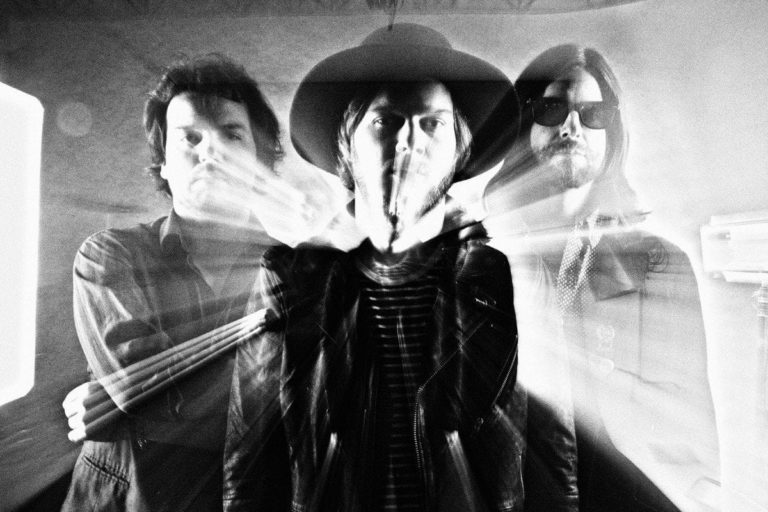
 Morricone Youth is an odd music collective no matter which way you look at them. Formed in Brooklyn and having been performing together since 1999, the group focuses mainly on writing soundtracks for already existing silent and midnight movies. A total of 15 have been done so far, includeing Eraserhead, The Battleship Potemkin, Enter the Dragon, Foxy Brown, the original
  Clapton took a seat for a handful of acoustic songs, including “Driftin’ Blues,” “Nobody Knows You When You’re Down and Out,” “Tears in Heaven” and “Layla,” all the while exhibiting that pained look singing the blues requires you to have. After each song, Clapton gave that short, quick “Thank You” to the audience, a truncated comment that has almost never changed in cadence or elocution and was the extent of his banter with the audience this evening.
 Setlist: Key to the Highway, Badge, I’m Your Hoochie Coochie Man, I Shot the Sheriff, Driftin’ Blues*, Nobody Knows You When You’re Down and Out*, Tears in Heaven*, Layla*, Somebody’s Knocking, Wonderful Tonight, Crossroads, Little Queen of Spades, Cocaine
 Although the first days of spring are upon us, winter still holds its cold grasp in New York. With warm weather just within reach, its’s easy to daydream of warm summer breezes, barbeque, ice cold brews and


 If one observation from the night was made, it was that the crowd came to dance. Boogie Low opened their set with “Eldin,” a fan favorite, and cheers rang out as they began jamming through their reggae influenced brand of jam rock. Each song was met with enthusiastic cheers from their loyal fan base, and it was clear why so many people braved the cold for this event.
 When
When 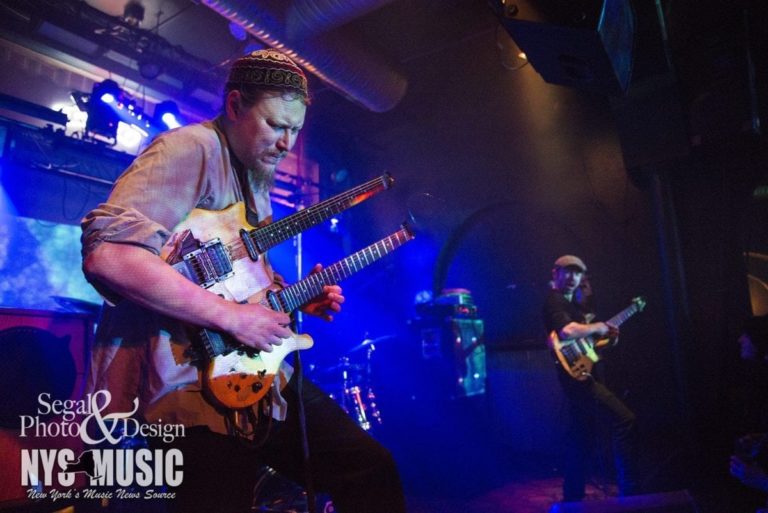 First to take the stage was Ampevene, a locally based quartet founded by guitarist Gabe Stallman. The band’s roster includes Mack Hogan on bass, Darryl Kniffen on drums/percussion, and Ava Smith on keyboards. Their sound is a self-described eclectic mix of free form frenzy, jagged riffs, and hypnotic rhythms. Ampevene was formed in 2013 and since it’s inception has played Albany’s coveted Lark Street festival in 2015. They also have produced three EPs, the latest of which is entitled Rometheu which the band chose as the opener for the show. It was one of the only times throughout the night they blended lyrics with the incredible instrumental skills of the band. One of the high points of the hour long set in my opinion was the use of imaginative sounds that were crafted by talented keyboardist Ava Smith. They provided a beautiful sonic layer that enhanced the psychedelic musical experience that Ampevene created early in the evening.