June 2 & 3, Strange Machines will host the very first Strange Days Festival at The Stone Church in Newmarket, NH. The guys are bringing a jam-heavy lineup to one of their favorite venues. An intimate Friday night includes an opening set from Litz and the first of many from the Strange Train. Saturday is an all day affair that ends with a double dose from the hosts, including a Doors tribute set. Single-day passes are available and a two-day pass is only $20 and worth every penny. Check out the event on Facebook and catch the band as they head south this week on a short tour before playing at Domefest this weekend.
Category: Features
-
The Historical and Religious Origins of Shakedown Street
When roaming the lots before or after a Phish show, everyone is tempted to, or did, pick something up for themselves as a sort of keepsake or memento of that show. Buying that shirt, sticker, poster, glass piece or whatever happened to catch your eye at that one moment – that item was something that you got to remember the show by, something to remember that band or to say that you had been there. We, the Phish fans of the 80’s, 90’s and 00’s were not the first to do this. Most would certainly (and safely) say that the Grateful Dead had the first lots of this nature, with Shakedown Street.
However, the Grateful Dead had a concept started around them that created a way to mark where you had been, coupled with a small scale barter/market economy. I knew it had to go further back, this ritual of buying things to show you had been somewhere. I have always considered that to be one of the first and foremost reasons you buy a souvenir at a concert – to show people that you have been somewhere and that you have traveled great distances (great being a relative term) to see a band/act you care about.

All these items contained in this book that were sold in the lots and at shows and online, these are the items people bought to show that they had been at a certain venue, a certain tour or a certain show. Mainly, it was to show that they loved the band Phish and purchasing advertisement was necessary to spread this happy word. While the logo was the most recognizable, having those shirts with the John Deere Antelope, Piper/Pepsi or IBM/YEM combination made those who knew what the shirt was all about nod their head and you knew you could connect with someone on that level without even saying anything.
The connections that were made varied in intensity, but at least a connection was there that existed outside, inside, and alongside the band. These are the connections that go back hundreds and probably over a couple thousand years through the annals of history, specifically, religious history. While this was not something I thought was at the root of what was shakin’ on Shakedown Street, it immediately made great sense simply based on going to concerts. Whether it was migrating to them in loose groups or alone and following with such fervency and devotion, it would be passé to not tie Phish shows and the overall experience to that of a religious pilgrimage. In fact, the early presence of souvenirs was common, serving as an effort to show where you had been in Christianity and Buddhism as well as other religious beliefs. In religion, we find the root of what many have taken as a basic fundamental in going to concerts and seeing bands – the root of the concert souvenir.

Live music is in many ways a religion. Just as with the Liturgy of the Word and the Liturgy of the Eucharist in the Catholic Church, the live music experience is one in the same. For example, before services you get dressed up, more or less, and drive to the place of worship (the venue) for your hour or two where you become enlightened and expect to feel whole again. This venue has a stage (altar) at one end and a view so that it might be seen by all. New Orleans’ own Tipitina’s resembles a church from the moment you walk in and see a face in the stained glass above the stage – clearly a God of some sort to whom this house was erected. This is not of blasphemy but just idolization of those who the utmost respect is given to for the effort put into such a craft. You mingle beforehand, seeing people and friends you have come to know, and enjoy the company of others before heading inside and taking your seat. Just as with religion, music invites everyone, although sometimes there are limits on who can participate in these rituals (age limits, akin to becoming a full member of the community) but, nonetheless, you become part of the community every time. Even if you are on the road and traveling, you typically find a friendly face to welcome you to the center of worship.
As the band plays, or the preacher speaks, the Liturgy of the Word takes place. The fan, the follower of the words is the Liturgy of the Eucharist: their body changes, their blood changes, and they become something new, and whole again, every time. The fervent fans feel this the most and the more you grow, the more you attend; likewise, the more you live it, the more you love it, and vice versa. You change every time you allow the music and the words to do so. Religion has music strewn throughout it while music has religion embedded in its existence.

While reading this, you will notice that it is entirely a historical perspective of pilgrimages throughout history with some alluding to the present. This is simply drawn from my view of the history that I researched for this article as well as the time spent on tour and at various festivals over the past decade. There are similarities to be drawn and the purpose of this reading is to use it as a window to the state of our once and future musical pilgrimages. Also, the instances, locations, and examples used are simply in the spirit of brevity as this topic could be served with an even greater deal of focus, as seen in the books that were used to research this topic. Only select examples are used in order to provide you with a way of tying the past and present together by using specific instances and areas of focus while giving a broad overview of the nature of pilgrimages, votives, mementos, and the religious roots of what we have come to know simply as ‘touring.’
Live Music and the relationship with Religion through pilgrimages, votives, missionary and revival preaching, and cultural phenomenon.
In examining the major world religions, the common element that is unequivocal and unarguable is the presence of a form of pilgrimage. When conducting a pilgrimage, those from all religious walks of life, from the common lay person to the holy man and woman, are embarking on a journey of spiritual enlightenment, redemption, and worship.

Islam and Hajj
Muslims are some of the most devout religious believers in the history of civilization. Part of this devotion rests in the five pillars of the Islamic religion: belief in Allah, fasting during the month of Ramadan, giving alms to the poor, praying five times a day facing towards Mecca, and making a pilgrimage to the holy city of Mecca (in present day Saudi Arabia) once in your life. The latter is typically called Hajj, which literally means ‘to set out for a place’. This is a yearly ritual performed by thousands of Muslims as a sign of spiritual reawakening and an overall religiously uplifting experience. Any Muslim who is able to make the trip, believes in Islam, has their freedom, has reached adulthood and is of a sane mind, can undertake Hajj.
Hajj is one of the most solemn times in the life of a Muslim as it is performed alone while wearing traditional white robes and performing rituals over the course of a trip to Mecca in present day Saudi Arabia. Hajj was instituted by Abraham to serve as a focal meeting place for all believers in the One God, Allah. Thus, he made Mecca the center of the worldwide Islamic movement. The process of the journey prepares the individual spiritually and mentally for the once in a lifetime experience. A renewal of self occurs at this time, through prayer and meditation and circumambulation of the Ka’aba stone. The followers wear simple clothes: nothing on their feet, no perfume and hair unbrushed. Overall, there is no adornment whatsoever. The purpose of this is to bring the pilgrim closer to God and towards the ultimate purpose of Hajj, which is a spiritual bond with Islam and all its teachings, a bond that is different for each pilgrim.
Hajj was not always like this, as it became corrupt for a time, such that one would be able to consider it ‘Mardi Gras in Mecca.’ The pilgrimage turned into an annual carnival, almost a social event that one sought to attend just to say they had been rather than to go for the intended purpose. Poets and clowns would go to boast about their tribes. Wealth was spread around so as to flaunt the haves over the have-nots. Animals were slaughtered with singing and revelry as part of the festivities. Allah and the original purpose of Hajj had all but disappeared.
One could think of a degradation of the scene at Phish shows in recent years* populated by those who went for the scene, the drugs, and the party atmosphere, not realizing that the original purpose of the concert was the music. (*ed note: ‘recent years’ refers to 2000-2004)

Some saw this and sought to do something about it, even in the days of the Grateful Dead. Back then, when fans were getting out of control, some were not even regarded as fans by the mere fact that they came for everything but the concert, sometimes not even going in to the show.
Such is the similarity to the era of corruption of Hajj. Steps needed to be taken by the Saudi Arabian government in the 1930’s to ensure that the original purpose and demeanor of the Hajj experience was retained and not degraded. Woodstock 1999 was a festival that was created in the spirit of carrying on the tradition of the original 1969 festival, but the spirit was not present by any means. Capitalism and greed had taken over the name Woodstock with $4 bottles of water, $10 frozen pizzas, and corners cut on facilities and overall layout. This led to the infamous riots of that Sunday night. Having been at this shame of a festival, it was apparent that something needed to change and in recent years, especially since the inception of Bonnaroo in 2002, the experience of embarking on a pilgrimage for music was centered on the music and kept in that manner. The result in recent years has been a slew of successful festivals that do not seek to impose restrictions on those who attend, nor do they detract from the original intent of the festival, – the music.
The evolution of Islam’s Hajj
Imagine if the scene started as it did, but the lots got so out of control, no one came for the music, just the scene, the partying, the drugs, and the community went to shit. That is what happened to the Hajj over time. With a powerful decree and governance as to how people should conduct themselves for such a religious purpose, things returned to the original intent. Now if the scene had some sort of control acted upon it to return the focus to the music, there would be a direct correlation to that of Islam and the Hajj. No control was really enforced and the occasional police presence didn’t show people that they should be there for the music. A band decree would have been that final step although it never occurred, so we just watched out for one another. This is a step that only goes so far before the majority lose the meaning that was behind the whole thing to begin with. Hiatus does seem to have some semblance of this era, but that is something that is best left to other explorations and discussions.
Christianity and Saint Shrines
The concept of present day pilgrimage in Christianity does have some semblance of what it once did in the early years and first millennium of the Catholic Church. Many Christians find it a pilgrimage to travel to Rome and visiting St. Peter’s Square and seeing the Pope on his balcony. Others may travel to the Holy Land for such a spiritual enlightenment, however, one wound not find this to be a requirement for full admission to a religion such as Christianity. The topic of pilgrimages has roots going further back in time with religions and belief systems such as Islam and Buddhism. Pilgrimages had an effect of providing a spiritual cleansing, absolution from sins and transgressions, forgiveness, healing of all sorts, and protection from ailments both human and otherwise. One could easily see the relation there is to going on Phish tour or any band one enjoys in earnest. When preparing for a tour, knowing the dates months in advance, a time of preparation ensues, including making plans with others, getting finances in order, making sure that clothes, gear, and necessary equipment are procured, and that a method of travel is available as well. While on a tour and in the months and weeks following, the feeling that pervades tour-goers is that of a spiritual cleansing. It is a healing process and an escape from life that healed anything that may have been broken. It’s an answer that had been found in the form of travel and music and grown from a tradition of travel and religion.
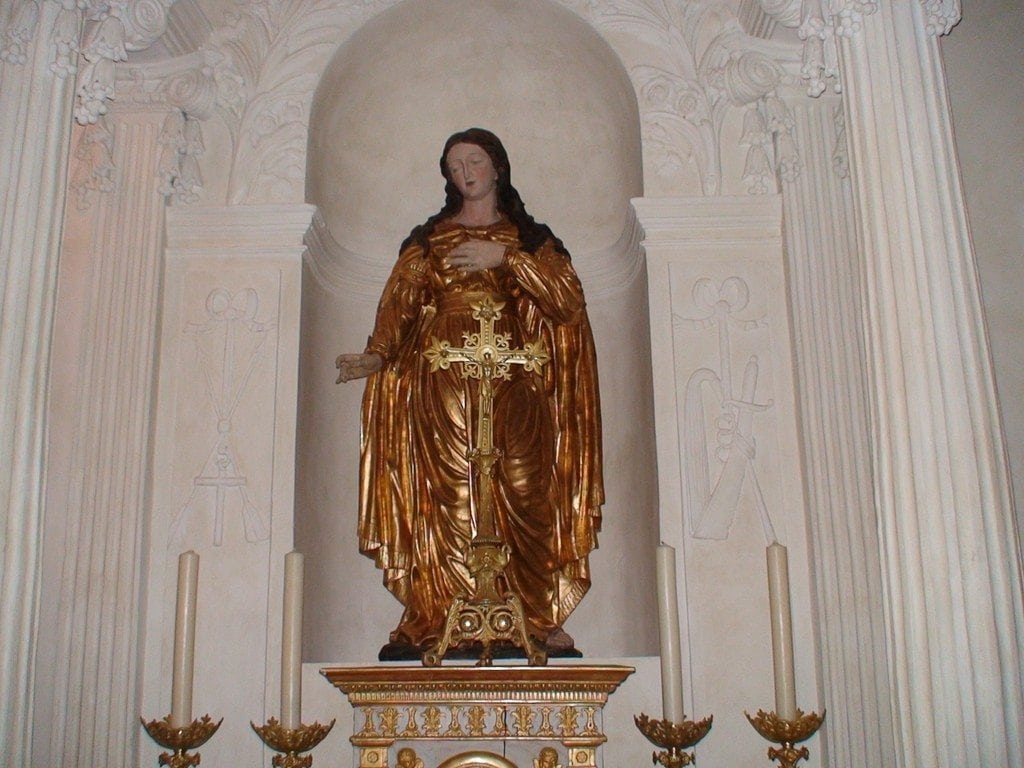
Prior to the 1400’s and predominantly in the first millennium, relics were the key element for the pilgrimage or the site/shrine itself. Relics of a particular saint or even of Christ or Mary were quite common, even though authenticity took a leap of faith. Relics that were claimed to have existed at different points of this era in Medieval times include rope that was used to bind Christ’s hands to the whipping post; fragments of the crown of thorns; a piece of the true cross, and vials of Christ’s blood.
Of course, all of these relics take a degree of faith to believe that they the one and true item that they say they are. One who was in the presence of a relic would need to be mindful of the religiosity of the substance. If you mocked or denied the true nature of the relic, reports say that you were inclined to have dumbness, disease, madness, and even death brought upon you. This is where cults emerged around certain items that were dedicated to these relics were born. It was thought that God might work through these particular items of religious interest, but the groups were generally condemned by the Church as going against the teachings of the Church. The papacy viewed these relics as tantamount to heresy for it was faith and faith alone that led Catholics to worship and not tangible alternatives that may distract followers from the true calling and form of worship that was taught to be within a Church’s walls.
Statues of saints were soon built to impress his or her presence on pilgrims as well as inhabitants of remote villages where they were constructed. One example was that of St. Foy, a child martyr from the year 303 whose statue and shrine were in Auvergne in Central France. Her statue would be paraded around whenever a region was threatened. In epidemic ravaged areas, monks would walk around the statue while clashing symbols together and blowing horns as they toured the countrysides with the statue. Locals would gather in an atmosphere of extreme religious fervor expecting cures, but at the least, redeeming their faith and seemingly alleviating any emptiness that was contained within them.
In the 9th and 10th centuries, a series of invasions by the Vikings, Arabs, and Magyars destroyed saint shrines all over Europe. Even pilgrimages to Rome became quite dangerous and there were sometimes few monasteries that were available for refuge along the way. By the 11th century, the major Catholic centers of Europe at that time, Italy, France, and England, had new shrines ”springing up like mushrooms after rain, sometimes taking firm root, sometimes provoking a brief support of enthusiasm, before falling back into oblivion.”
Even without being paraded around, shrines and images of saints were thought to have the conscious spirit of the being contained within the statue or other depiction of them. A stained glass image of St. Thomas in Canterbury, England shows him appearing to a man who visits his shrine. This is a representation of the ostensible belief that many Christians had in images of their saints.
The Church was not opposed to its members going on pilgrimages to these shrines and so, over time, the relics of a saint would occasionally be contained within the statue and increased veneration numbers. St. Foy’s statue was encrusted with precious stones resembling your average Hindu goddess. Contained within her statue and others of equal caliber were said to be actual parts of the saint’s physical being. These pieces of bone, vials of blood, the head, tufts of hair or other important relic would be added to the statue of its patron and made with silver, gold or another metal.
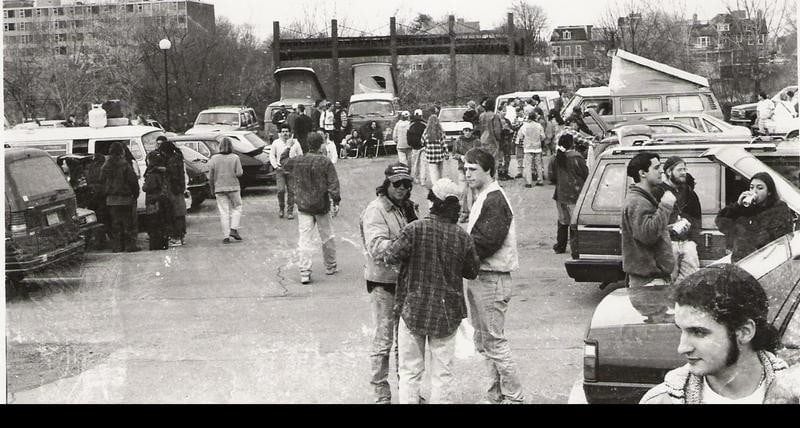
Pilgrimages to holy shrines or holy sites were done out of personal choice, but occasionally the church would assign a pilgrimage as a penance for transgressions and other sins against the church. These pilgrimages were not just for your average sinner though, they were for all sinners: murderers, rapists, those who committed incest, zoophiles, women of loose morals, monks, clergy, Kings (Henry II of England as part of his penance for the death of Sir Thomas Becket) and even Holy Roman Emperors (Otto III) were all given pilgrimages of varying lengths as penance depending on their sins. Some pilgrimages were local and could be done over a matter of months. Others involved trips to Rome and longer trips to the holy land and throughout Europe, sometimes assigned naked and typically barefoot, in the same manner as the time of Jesus.
Shrines can be used as a security blanket for the final years of one’s life. A King of France, Robert the Pious, toured nine shrines before his death in 1031. His biographer noted that he hoped “to evade the awful sentence of the day of judgment” through his tours. In a way, a cleansing was possible by visiting these shrines on a pilgrimage for it was believed that those who went on a pilgrimage had a better chance of getting into heaven.
One site of interest is that of the River Jordan which was frequented not only for its ties to the life of Christ but also for its healing powers. Upon reaching the River Jordan, one would be able to swim where Jesus swam and imitate a recorded instance of Christ’s life. (Although it may seem like blasphemy, it is done with great respect.) Although not a widespread problem today, it was a healing site for leprosy according to the Bible. As early as the 1480s, individuals would come with bottles of water to take samples home with them both as a memento and for the healing powers that were contained within the water.
Pilgrimages in old times were done on foot and rarely on horse as walking was the most virtuous method of traveling and something one could easily apply in following the traditions of Jesus. The typical traveler would travel barefoot, wearing only a simple tunic or shawl, and with very little money. “Companions set out for Rome rich in the abundance of their poverty.” These ‘companions’ have a remarkable relation to those who toured with any band from the 1960’s, particularly The Grateful Dead, and even to present day. The vast numbers of those who went on tours could be associated with pilgrims by going with little or no money, but simply a destination in mind. Finding their happiness in a lack of want for nothing but finding themselves and having fun was their spiritual purpose and destination. This connotation was typically a negative one for if you were associated with those individuals that were the poster-children for touring, a guilt by association comment could be heard somewhere, somehow, and your identity was secured with theirs. However, in looking at the historical perspective of those who would take their trip barefoot in basic clothes and with little money we were, and still are, all surrounded by those who were more humble seeking a higher spiritual end than others and this blended with their reputation. Indeed, to be grouped with these individuals was much more of a compliment than an insult in many ways. Guilt by association was really spirituality by association. It was a welcome connection and still is.
Shrine Badges
While there were pilgrimages that were conducted in medieval times to saint shrines all across Europe, there became an increasingly availability of someone selling a token or votive that noted you had made said pilgrimage. The original intent of the pilgrimage was not necessarily to obtain this memento, but in the end, it came to signify every aspect of the trip and effort made to receive the saint’s blessings. Later on, it could be worn to signify where you had been as well as the nature of your beliefs. Even as one travels up a road to Buddhist temples throughout Japan, the sides of the road are lined with small stands where one can buy a souvenir to remember the journey.
Pilgrimages are not reserved to greater Eurasia, however, and one can simply look across the Atlantic to Mexico where the third largest pilgrimage site in the world is located, behind only the Vatican and Mecca (numbers 1 and 2, respectively). Guadalupe is the location of a shroud that is said to have the image of the Virgin Mary as she appeared to a Juan Diego Cuauhtlatoatzin in December 1531. On a walk from his village into the city, he saw a vision of the Virgin Mary who told him to build a church where she saw him. However, when Juan Diego told the Bishop about this he did not believe what he had heard and asked for proof of this appearance. The Virgin appeared to Juan Diego again and told him to gather flowers from a hill even though it was winter and flowers were not in season. He found Spanish Roses and when he presented them to the bishop an image of the Virgin Mary appeared on his robe and remained imprinted there. Still to this day, the original Basilica, as well as the larger and more modern Basilica of our Lady of Guadalupe, are standing outside Mexico City and the image of the Virgin is revered and viewed by millions each year.

Upon a recent trip to Mexico City, I went on a tour of Guadalupe and in the short hour I was there, the presence and history of pilgrimages and the purchasing of votives as a proof that you had been to a certain holy site was as present today as they were over one thousand years ago. Guadalupe is dear to the hearts of Catholics worldwide, but especially that of Mexicans. In turn, upon visiting the shrine, many are praying, kneeling, and crying out for forgiveness or healing of one form or another. However, what was next upon saying your blessings and having a possible renewal of faith come about? The answer was just out the door and to the left – the gift shop. While this is a modern day recounting of a visit to Guadalupe, marketing and helping to fund the church is as old as the Catholic Church itself. Upon approaching the gift shop, I noticed that the walls are covered with images and depictions and various representations of the Virgin of Guadalupe. Instinctively, I began to consider what I would buy and for whom? I had pictures and needed only perhaps a small prayer card to hang on a corkboard but what else? There were paintings, drawings, wooden etchings, postcards, rosaries, shirts, hats, candies, children’s toys, and various depictions of Juan Diego. It was truly a market for one to buy a memorial of where they had been to show to others and to serve as a reminder for that individual.
Exactly how and when votives came about are unclear, but the purpose of them has been constant throughout history – to show people where you have been and to remind you of where you have been. When a fifty-something in Middle America wears a ‘Chicago 1983’ tour shirt while mowing the lawn, a statement of great magnitude is made about him. For one, you are well aware that he probably saw Chicago on tour in 1983 and, for that matter; he is a fan of the band to some degree. Even more so, this fifty-something wants you to know that he is proud to be a fan of the band or he is highlighting a comical point of his past when he saw the band on a goof. Whatever the reason he wears it, he makes a statement about himself and his personal preferences for music. The same can be inferred about the presumed Yankee fan in the Jeter #2 jersey, a Red Sox fan in the ‘Yankee’s suck’ t-shirt or the quite possible Syracuse Orange fan sporting a ‘Real Men Wear Orange’ shirt. The roots of buying items to reflect personal preferences and beliefs, as well as previous travels, go far back to medieval times and are apparent even today.
Across the Ocean
As Europe and its children stretched across an ocean to the Americas, religion, in all its forms, came with them from devoted to radical, extreme to faithful, and everything in between. Religious freedom was sought by many who flocked to America and religions were practiced freely as there was no governmental oversight in such an untouched wilderness of liberty.
Early in American history, from the 1730s-1740s, a period that was later known as the 1st Great Awakening took place in which religion took on a more personal aspect of an individual’s life. Protestant churches and beliefs became widespread, particularly throughout New England. Christianity was brought to the slaves, challenged authority, and brought about debate between those who looked at religion as a part of life but not as deeply personal as these revivalists took it to mean. This Great Awakening focused mainly on people who were already church members, with elements of changing rituals, devotion and self-awareness, creating a more solid foundation that would be built upon in years to come.
Less than a century later, the 2nd Great Awakening took place in the 1820s and into the 1830s, and this time there was a greater missionary effort involved. Indians were seen as those “needing to see the light” and convert to a belief system that would guarantee their soul would not forever burn in hell. These ideas, of course, were fully believed by those who grew out of churches 100 years prior. They felt as though they were sincerely doing the Lord’s work, leading to a massive amount of attempts at not only missions being created, but conversions and spreading of the good word.
This era of revivals was not limited to converting non-Christians, but also to promoting massive gatherings for religious service with many preachers and attracting pilgrims from sparsely populated areas who were lonely and limited in their gregarious nature. At these events, there was a grand amount of participation as few would be able to just sit around and eat and not find something to keep them motivated to share in the festivities. There were anywhere from a few hundred to a few thousand people singing and dancing as well as having religious epiphanies. This led to the word about these events spreading and attracting those that wished for something like this in their life.
Similarly, music festivals of all types have had similar ways of attracting people to gatherings as well as the effects upon individuals. Anyone who has attended can confirm that the festival is, typically, in a remote location, forcing the individual to go out of his or her way to attend the event. The goings on at festivals keep everyone active with few finding themselves out of place even if they were brought because they had little else to do. Singing and dancing are just as common as they were almost two centuries ago as are the multiple preachers/musicians in attendance.

Both of these first Great Awakenings were of great importance to American history and culture and, even more so, to the new tradition of finding a core value and belief and setting out to spread the word to those around. Take music as a corollary to this concept of spreading religion. In the 20th century, plenty of bands would find their way spreading across the country, touring, giving people a taste of their music, and returning months or even years later with perhaps new songs and new things to sing/preach about and, in the process, creating a following of devoted fans. From there, the bands took on a higher status as more than just musicians, but as something that inspired and gave hope to those who came out to hear them. It even led to the followers of these bands bringing others along to concerts so that they too might hear the good sound and be ‘saved’. The roots of this come from America’s earliest roots, thanks to the efforts of those Europeans who brought such fervency in religion to this new world with them.
Just like pilgrims, the concept of votives made the trip across the Atlantic as well. As you will see, when the 3rd Great Awakening took place in the late 1800’s, the use of votives changed over time. Since they were so fundamental to worshiping, their presence grew, both in worship, as well as the capitalistic tendency to buy souvenirs as proof of journeys undertaken. These two elements, religion and economics, were two things that almost combined with each other, unnoticed to those who followed these beliefs so greatly.
Back in the Middle Ages, a pilgrimage to a holy shrine where you could buy something as a memory of the trip was thought of as a journey to a place of healing and therapy could be sought there, in a spiritual sense. Now, when you went to a mass gathering, or attended a revival as was common in the late 1800’s and early 1900’s, you would find individuals selling everything from a small cross to a memento that could signify that the purchaser had not only been in the congregation, but had enough money to afford to prove it by purchasing the item. This is not the era of t-shirts, stickers, and posters but instead programs were sold telling you who would be speaking and preaching at what time as well as countless other items including clothing, bibles, and rosaries.
Fast-forward to the early 1900’s and entertainment had begun to creep into the heart of America. In following the tradition of touring the country, soon traveling acts of music and comedy would travel and stop in various towns if just for a night or even a week. Vaudeville is the root of American entertainment and music. Directly from this era comes the propensity for fans to not only attend a show as frequently as they could but also to get souvenirs at each show they went to starting with the infamous ‘Playbill’, still around today at plays and shows throughout the country. When a performance had a long run, a special program was printed up to promote the show as well as being on sale at the show itself. Some souvenir programs were printed on parchment and other times satin or even silk. Soon this led to lavish programs being created, adding to the individuality of each run of shows and beckoning fans to come out and see the show. This helped to pay for the program thereby increasing revenue for the promoter. These programs are of great importance not only to the individual who initially purchased it, but also for historians. These programs documented a complete tour conducted by a theatrical company as well as allowing for an immediate, as well as present-day, chronological historical sample.
While Vaudeville was the predominant form of entertainment in the early 20th century, movies and radio soon became the main form of entertainment. People would sit with their ears glued to their radio to hear an ‘Amos n’ Andy’ show or one of President Franklin D. Roosevelt’s ‘Fireside chats’ during the era of the Great Depression. At this time there was great uncertainty and job loss, as well as rampant poverty as the world fell to the mercy of a catastrophic depression. With a decrease in the availability of cash on hand, there was a decline and disappearance of memorabilia and items that one could consider votives from this era. However, this would all change in the years following the end of World War II as music had become a broadening part of American culture and daily life allowing for the blues, jazz, gospel, and rock n’ roll to increase their listening audience through the radio, as well as by touring around the country. The groundwork laid by everyone from Ray Charles to Louis Armstrong to Buddy Holly would set the stage for the re-emergence of a religiously rooted culture that had been dormant since the early Renaissance and was about to be recreated on a grand scale through the emergence of one of the greatest and most influential rock bands in history, The Grateful Dead.

The emergence of The Grateful Dead in American music history augmented a grass roots music culture that was spawned in the early-mid 1960’s. Once the band had generated a following that was somewhere along the lines of a peaceful cult with no membership fee melded with that of a traveling circus/freak show, the limits were soon boundless. An economy would be generated around this tightly knit community. While this seems to be nothing more than trivial, one of the first signs of an organized society is that of a hierarchy – the band, the crew, the groupies, the fans, and an economy.
The latter evolved greatly over time, as all good things do. At first, the basics would be offered like food and drink which anyone could buy quantities of and sell on tour and at shows, if only to maintain a zero sum balance and make it from Point A to Point B to Points C-Z without any great stress. Of course drugs were in this mix, but no economy can survive on drugs alone. Try surviving on nothing but aspirin, coffee, and beer. (On second thought, don’t.) The economy of Grateful Dead fans evolved into something as large as the band itself. From town to town, show to show, and venue to venue, fans followed the band as all pilgrims follow what they seek (or at least the keepers of something greater that took time to seek) and in their midst, a culture was created. This was something unseen before in modern American, let alone, world history.
Markets
The common thread through these early forms of pilgrimage is the presence and concept of markets, which create a microcosm of economy in a small, centralized location where profit is most likely to be found, with both a barter and monetary basis. These vendors and entrepreneurs fall into one of two categories:
- Those who are of purely religious and holy backgrounds, hoping to add an element of remembrance to a pilgrim’s trip by selling them a small token to represent their travels, including votives to bring into the shrine to leave as an offering.
- Those who make an effort to make money off those who are focused on religion, in essence, duping them into purchasing things, while not sharing in or understanding fully the deeper meaning and purpose that these pilgrims have in making this spiritual journey.
There are also those vendors who are wise to target the more immediate needs of these pilgrims by selling food and drink while they are making their pilgrimage, although these individuals still fall into the two categories mentioned earlier, a mixture of both the secular (sacred) and the profane. The fundamental conclusion is that a small economy was grown around shrines to meet and serve the needs of the pilgrims. Without interest in saint shrines, there would be no vendors; conversely, with shrines comes an economy of necessity.
By the early 1980s, the term ‘Shakedown Street’ was created in reference to the select areas of the parking lots where fans would group together to peddle their wares, as there is safety in numbers and there is no sense setting up shop where people aren’t. The lyrics to the Grateful Dead’s ‘Shakedown Street’ define exactly what it was: a place that might not seem to be bustling with anything that might interest you, but if you look around there is surely something that you might like. In other words, don’t judge a book by its cover. Check it out; you never know.
Nothin’ shakin’ on Shakedown street, used to be the heart of town
Don’t tell me this town ain’t got no heart, You just gotta poke around
You say you’ve seen this town clear through, (Well, well, well – you can never tell)
Nothin’ here that could interest you, (Well, well, well – you can never tell)
It’s not because you missed out, on the thing we had to start
(Garcia/Hunter)While the roots of Shakedown Street evolved out of the small barter economy that was created in the 1960’s among folk and other music acts of the that era, shows at the Oakland Auditorium in the late 1970’s and early 1980’s were the dawn of what fans are familiar with today, in a sense. Fans from that era might look at the lot scene today and see something vastly different than what they had both pre and post show in their time. As with all things, they change and those who grow old view change with chagrin and look back with delight at the “good ol’ days.” As the band toured, the fans sold everything from the aforementioned drugs to food and beer to clothing. The seminal tie-dye shirts became the identification of a Deadhead or a hippie in general.

By the tours of 1987 and 1988, coinciding with the Dylan/Dead tour, and coupled with the release of the widely popular album In the Dark, featuring the Top 10 hit “Touch of Gray,” plenty of new fans came to the scene. The fandom of the Grateful Dead had expanded to the point where the shows not only sold out, but also brought about hundreds and even thousands of fans to the venues in hopes of getting into the show or at least getting to experience the scene outside. Even though you couldn’t hear the music, you were in good company and could have a blast just hanging out with friends and making new ones in the lots.
As the Grateful Dead entered the last decade of the 20th Century, the fans changed their demographic while still yet retaining the defining characteristics of the following the Grateful Dead has over the years. The torch was passed from show to show and tour to tour as new fans picked up the habits and trades of the old ones. Fans who were still in diapers when the Grateful Dead were doing their first acid tests were now the predominant fans on the lot. While the general crowd did not vary much, the 1990’s had more middle-class fans following the band around, something that can be explained with the aforesaid popularity of the Dead on the radio, as well as the fading possibility of traveling the country on a concert tour. There were few, if any, other touring acts like the Grateful Dead, and there was no successor in sight.
It would take only a short time before the Grateful Dead would have an heir-apparent. The emergence of Phish in the early 1990’s as a dominating touring band had a rabid fan following that could only be compared to the Dead. As Phish started to dabble in playing amphitheaters in 1992 with Santana and the Horde festival, the stage would be set to follow in the footsteps of the culture that the Grateful Dead helped spawn. With the passing of Jerry Garcia in August 1995, the band soon broke up and many who were used to little else but living summers touring and enjoying a release that could only be spawned by live music had to assess their situation.
Further Festival, Ratdog, and Phil and Friends filled that gap but only after a requisite time of mourning for both band members and fans. Phish attracted a fair share of Grateful Dead fans who found themselves suddenly sans band and not having achieved and experienced what they had hoped to in their time of touring. For each, what you hope to experience is different. This explains why some see one show, some see 20, and some 100 – to each his/her own. In the summer of 1996 and 1997, Phish had large festivals in remote parts of the Northeast (The Clifford Ball and The Great Went) that brought together nearly 180,000 people between the two. From here, the Phish lots were a re-creation of the Dead lots. While the times change, so does the market and products on the market. Heady beers, heavier drugs (particularly ecstasy and cocaine), and wider selections of food and drink were offered. Fans opened up businesses to go on tour selling food from a wagon and providing fans with what they needed while waiting in hopeful anticipation for the show to start.
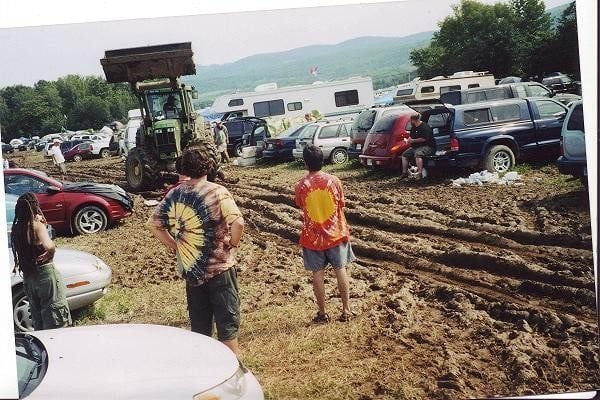 From the late 1990s to the end of Phish’s career in 2004 at Coventry, the lots continued to evolve and branch out to other tours. Fans saw that there was a nearly 52-week touring calendar with only a couple weeks off after New Years Eve and an occasional break between touring action. Whether going on tour year round with occasional stops at a home base to rest and refuel or staying at home and hitting off shows at leisure while creating an Internet site to supplement your income, the touring community met head on with the new world wide web of music fans and customers. Music, shirts, posters, paraphernalia, art, and opinions: soon the economy that grew and matured with the Grateful Dead would expand to Phish fans in a more widespread manner than one could ever have hoped for, let alone imagined. When technology and music mix, good things always come about.
Conclusion
Modern history has proven time and time again that when people are presented with something or someone that they care deeply about and can form a group effort and attention towards this, they will do so with fervency and vigor that is not seen elsewhere in human interests. With both music and religion, a central unifying theme brings together individuals from various walks and ways of life. Each has the base purpose of appreciating what has been given to them and, in many cases, sharing this appreciation with others. The need for human interaction and gatherings leads to the various examples of pilgrimages that have been undertaken throughout the last 2000 years. As time progresses, evidence shows that the efforts each individual puts forth into showing their faith resulted in the creation of items that showed where they had been, serving as a status symbol of sorts and defining that person amongst their peers.
As the Allman Brothers sang about a revival in the air, religion does as well, with major gatherings and telecasts by Rev. Billy Graham, megachurch sermons led by Joel Osteen, and others who tend to the religious throughout this country. Live music will reach popularity levels that only religion has held for the last 5,500 years and perhaps eventually host the predominant gregarious gathering of people over time. Both come from the same traditions and experiences and are intertwined throughout their history.
By the latter half of the 20th century, music has taken on a religious form that has made it the centerpiece of an individual’s daily life. From iPods to Bonnaroos and music videos to YouTube, each person who goes looking for music can find it in innumerable forms. However, those who seek music in a live setting and who make it a point to find the experience and raw nature of music as it is being created are carrying on a two-millennia old tradition of worship, pilgrimage, and advertising that guide their lives.
This article was originally published in PhanArt: The Art of the Fans of Phish, February 2009
-
Eddie Angel Comes back Home, and brings The E Street Band’s Garry Tallent for a Show in Troy
Rensselaer native Eddie Angel is coming back home, and he’s bringing along a guest.
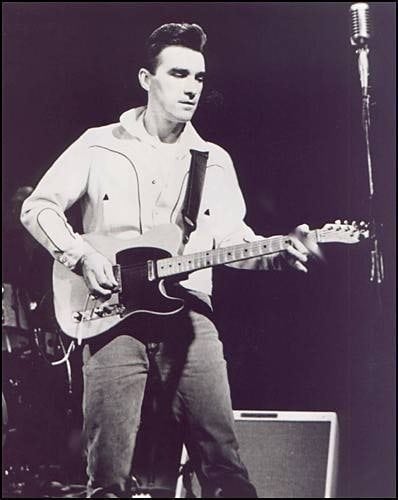 The former Star Spangled Washboard Band guitarist has not been a stranger to the Capital District since he moved down to Nashville in 1984. When he’s not performing with his band, the Los Straitjackets, he still gets together with Johnny Rabb to tour regularly as members of The Neanderthals. But, Angel’s recent plans don’t involve getting pre-historic on a local audience. He will, however, be tipped a hand to his familiar rockabilly roots during a May 9 performance at The Hanger in Troy.
Angel is currently touring with Garry Tallent, a Rock and Roll Hall of Famer and the only founding member of The E Street Band (sans Bruce Springsteen) still performing. It’s Tallent’s first solo tour since he started playing along with those kids from Asbury Park 46 years ago. And, he does so in support of the release of his Break Time LP.
“Fans always wonder what it is I do between E Street Band tours: This is my answer,” Tallent told Backstreets Magazine, a quarterly periodical exclusive to news on Springsteen. The E Street Band has long been associated with Springsteen since the 1973 release of Greetings from Asbury Park, N.J.
Break Time is the E Street bassist’s first solo album, on the label he co-owns, D’Ville Record Group. Initially available only on vinyl and digital download, a CD edition is to be released later this month. The 12-track release serves as an anthology of American rock and roll in several different forms: from Cajun to honky-tonk, rockabilly, and rhythm and blues.
“They’re my songs,” said Tallent, “and I chose the ones that fit the mold of the album that I was trying to do, which is my tribute to the ‘50s. That’s always been my favorite era of music.
“It’s not a Bruce Springsteen record.”
Angel co-produced the album at Tallent’s Moon Dog Studios in Nashville. They are joined on the album by Johnny Cash’s bassist Davie Roe, and the versatile Fats Kaplin on fiddle, mandolin, and banjo. Also appearing on the album is Jimmy Lester on drums, Dave Roe on standup bass, Randy Leago on accordion and Kevin Mckendree on piano. It should be noted that E Street band mate Nils Lofgren sings harmonies on one of the tracks, too.
Tallent has spent nearly half a century playing alongside Springsteen. In those years, there have been a handful of E Street Band members who have stepped out on their own to make a name for themselves. Before his death in 2011, Clarence Clemons released several solo albums, and was featured with Aretha Franklin, the Grateful Dead, and Jackson Browne, with whom he charted a hit single “You’re a Friend of Mine” in 1985. Most recently Steve Van Zandt appeared prominently as an actor in the hit cable series “Sopranos.” Despite his band mate’s successes, Tallent has only now struck out on his own.
And, Angel is right along with him.
At first glance, one can’t see how a Jersey boy and a Rensselaer kid managed to cross paths. But, it’s a friendship that goes back more than 20 years. Angel said it’s based upon a mutual love for good ol’ rock and roll.
“We’re both fans of ‘50s rock and roll,” said Angel, who can recall his first love for music involving The Beatles and its 1964 release of “I Want to Hold Your Hand.” “But, this is the first time we’ve done something like this. It’s the first time Garry’s ever done a solo tour. When he called me up a few years ago… he asked me if I could help him produce and play on it, I was really thrilled. I was very flattered that he would think of me. Because, he could ask anyone, you know?”
Break Time is Tallent’s interpretation of rock and roll’s roots. It’s not Top 40, and not alternative. Tallent and his band play a sound that is steeped in rock’s primordial soup that produced Chuck Berry, Buddy Holly and Lee Dorsey. Despite it not fitting into your typical radio format of today, it’s still very popular.
“It’s like asking why blues is still popular today,” said Angel. “There’s no time limit on it. When I hear on the radio, Chuck Berry or Jerry Lee Lewis, that never sounds dated. When I hear a Madonna song, it sounds dated. Something from the ‘90s? It sounds dated. So, I think there’s something classic in that music. A timelessness.”
Just a few days prior to the launch of the tour, Angel said he was looking forward to coming back home to the Capital District. Though Nashville was where he struck out to pursue his music career more than 30 years ago, he said he still won’t see it in the same way he does Rensselaer.
“It’s a great city but it’ll never be home,” said Angel. “My dream is when we become empty nesters, we’ll come visit in the summer. We won’t ever move back. We can’t afford New York state taxes.”
This article was originally published by The Spot 518. is property of Spotlight Newspapers in Albany, N.Y., and appears as a special to NYS Music. TheSpot518 and NYS Music work in partnership to provide readers with in-depth coverage on the local music scene in the Capital District and New York state, respectively. For more, visit TheSpot518.com.
-
Hollis Brown in the Kitchen
Hollis Brown markets itself as an American rock band which, lately, is the best way to describe groups that lean towards the origins of rock and roll — a little bit of blues, a little bit of soul and a splash of funk.
Listen to Hollis Brown’s latest single, “Run Right To You,” off its October release Velvet Elk, and you’ll hear nothing that resembles the fabricated sound of Top 40 radio, or anything that would remind you of their home. The band takes its name from Bob Dylan’s “Ballad of Hollis Brown,” which opens with “He lived on the outside of town.” Vocalist Mike Montali said the homage pays respect to what he perceives to be the song’s message of redemption and rebirth. He and band co-founder Jonathan Bonilla call Queens home. Along with drummer Andrew Zehnal, from Cleveland, keyboardist Adam Bock, from St. Louis, and bass player Brian Courage, from Long Island, they play a sound that’s more in place at a roadhouse in rural America than your coffeehouse in neighboring Brooklyn.
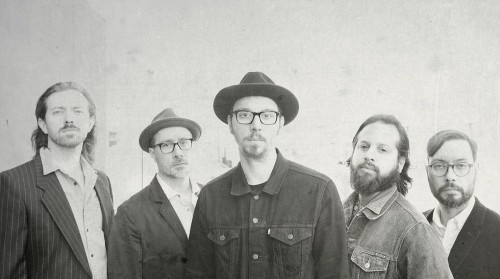
“We somehow fit in though,” said Montali, who admits the roots-edge sound of Hollis Brown clashes against any dance scene perceived to come out of Manhattan or Long Island. “New York, historically, has had a lot of great bands come out from all different styles and great songwriting. So eclectic, that it’s hard to really define.’
“In particular with the New York scene, and the press, we’re outsiders for sure, in a way,” he said. The perception, however, is only reality to those expecting a band with “a couple of iPads and some synth.”
“We do really well in New York,” said Montali. “It’s home, and it’s been good to us.”
Since forming in 2009, Hollis Brown has attached its name to Lou Reed, Bo Diddley and the Counting Crows. Its 2013 debut album Ride On The Train, garnered song and video premieres from Rolling Stone, Paste and American Songwriter, along with placement in several movie trailers and an online ad campaign for Abercrombie & Fitch. Following a Reed tribute concert in New York City, Alive Naturalsound asked the band to record a tribute to the Velvet Underground’s Loaded as a limited-edition vinyl release for Record Store Day 2014. Hollis Brown Gets Loaded took on a life of its own, with airplay on influential radio stations, resulting in a full CD and digital release.
Locals who didn’t catch Hollis Brown’s music through the above likely caught on when the band tagged along with Counting Crows and Citizen Cope when the three played the Saratoga Performing Arts Center in the summer of 2015. Still relative no-names, the band that sounds nothing like New Amsterdam garnered the admiration of Crows’ frontman Adam Duritz. Duritz, who updates Twitter more often than President Trump, constantly expressed praise towards Montali and his crew.
“I think that’s pretty rare for a guy with his level of success,” said Montali of Duritz. “He’s a fan first. He always has been, more than a musician, himself. He loves music and he loves the process of seeing bands starting out in their hometowns to become national acts. … We’re fortunate that we got on his radar and made good friends with him.”
Flash forward to 2017, Hollis Brown will tour across the country with stops at Mountain Jam, Karoondinha Festival and more. “Steady Ground” is a featured-exclusive on Amazon’s playlist Amazon Acoustics. The band’s vinyl EP, Cluster of Pearls, was chosen as one of the 300 select releases throughout the world for Record Store Day last year. “Cluster of Pearls” followed the 2015 release 3 Shots, which featured Diddley’s collaboration “Rain Dance,” and the duet “Highway 1” with acclaimed alt-country songstress Nikki Lane.
This article was originally published by The Spot 518. is property of Spotlight Newspapers in Albany, N.Y., and appears as a special to NYS Music. TheSpot518 and NYS Music work in partnership to provide readers with in-depth coverage on the local music scene in the Capital District and New York state, respectively. For more, visit TheSpot518.com.
-
PA Line Folk-ed Up Buffalo Iron Works
PA Line is a five-piece band hailing from Buffalo. Forming just two years ago, they are yet another band on the rise in the plump music scene in our beautiful Queen city. The band consists of Trevor Stribing (vocals, guitar, percussion), Pat Brown (banjo), Adam Nicpon (mandolin), Alyssa Wainwright (violin, vocals) and Lucas Honig (bass, vocals).
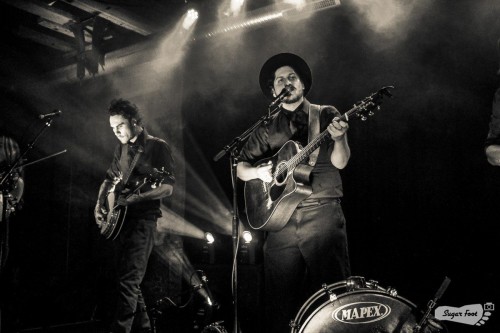
The 2016 Western New York Music Awards winners of both Best Folk Band and Best Indie Band lived up to those credentials for their third ever performance at Buffalo Iron Works. Their set provided high energy and the band seemed to feed off of the crowd’s positive reaction. Filming was completed for their first official music video throughout the duration of their set at Iron Works. Stay tuned to NYS Music for when that drops.
PA Line will be announcing some upcoming tour dates in the very near future. The band had this to say: “All of us at PA Line love performing and when the crowd has great energy, we really feed off that. Its a priceless feeling when everyone at the show is just having fun and good energy is in the air. With that being said the fans were absolutely amazing last night, definitely a night we wont forget.”
Setlist: Breathe, Time, Baby Don’t Go, Scream Out, Open, Shadows, Shut Up, The King, Liar, Escape
Encore: The End
-
Hearing Aide: Yoko Miwa newest album ‘Pathways’
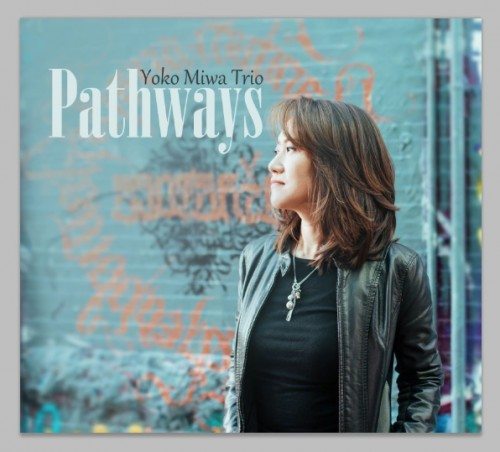
Without a word, after reviewing jazz pianist Yoko Miwa and her longstanding trio’s newest album Pathways waltz you from the dance floor to the back alley with hints of everything from standards to show tunes and a few surprising renditions in between.
Released by Ocean Blue Tear Music on May 12, the album features pianist Yoko Miwa, Bassist Will Slater (with Brad Barrett stepping in for one track), and drummer Scott Goulding (Miwa’s husband). A highly affable experience featuring three seasoned and spectacularly attuned musicians, Pathways is a timeless album that goes down smooth from start to finish.
Things get rolling with a rare reprisal of Bill Evans Trio Bassist Marc Johnson’s “Log O’Rythm” which is also joined by another one of Johnson’s songs, “After You” on Pathways. Miwa also borrows from a page of Joni Mitchell’s songbook with a rendition of “Court and Spark.”
“Lickety Split” takes listeners on a spin across the dance floor with fast-paced crescendos, spiraling into spontaneous jazz riffs. Like a rollercoaster ride, the song has peaks and valleys, with appropriately placed drum and bass solos building anticipation which Miwa rises to meet.
Pathways’ finale, a heartfelt rendition of the Beatle’s “Dear Prudence” could not be a more appropriate ending to a gorgeous piece of musicianship. A perfect blend of simplicity and beauty, the eight-plus minute track unfolds gradually and deliberately, with some sections of improvisation dispersed among this familiar classic.
Yahama Pianos Artist, JVC Victor Entertainment recording artist, and an assistant professor at the Berklee College of Music, Miwa came from Japan to Boston to attend Berklee in the late-1990s on a full scholarship and never left. With more than a decade and a half together, the jazz threesome holds down weekly residencies at several renowned Boston venues. This is Miwa’s sixth album. Give it a listen and let Pathways bring pure beauty into your world.
Key tracks: Lickety Split, Dear Prudence
-
The 5th Annual Susquehanna Breakdown: Affordable Scranton Bluegrass
What can you do with $50 in Scranton, PA this weekend? How about two days of incredible bluegrass, folk, and funk? The 5th Annual Susquehanna Breakdown begins Friday, May 19 with local act, The Dishonest Fiddlers taking the stage at 6:30pm followed by most Deadhead’s favorite one-man band, Keller Williams, at 8pm. Members of Northeastern Pennsylvania’s own Cabinetwill be joining Williams on stage for the 9:30pm “Keller & Cabinet” set which is sure to be full of surprises. Cabinet will then take over the stage at 10:45 for the first of three weekend sets.
When Susquehanna Breakdown was founded in 2013 by Cabinet and Live Nation Entertainment, their aim was to shine a light on the regional artists, farmers and craft vendors of Scranton, PA. Over the years the festival has added bigger names and larger crowds to their Montage Mountain home, yet the tight-knit friendly vibe, cheap ticket price, and local sponsorship has remained. While Cabinet continues to be at the nucleus of the event, bluegrass juggernauts, Greensky Bluegrass, have taken over 2017’s headlining slot at 9pm on Saturday night. Other sets to check out on Saturday include Binghamton, New York’s Driftwood at 12:30pm, a daytime acoustic set from Cabinet at 2:15pm, the soulful folkie Wood Brothers at 4pm and Billy Strings tearing things up at 8pm!
The full schedule is posted and as in years past, the festival organizers have set the separate stage times so that attendees are able to catch a glimpse of every band with little to no overlap. And did we mention the late night acts? The funky West Coast trio, Organ Freeman, will be taking over the party on Friday night and the traveling powerhouse, Turkuaz, will be sending Breakdowners home after one more Saturday night set. Sandwiched in between all this funkiness is Tom Hamilton’s Breakdown All Stars at 11pm on the second day which will be full of festival-wide collaborations.
The Northeastern festival season is now upon us and this showcase might be the best bang for your buck you will find this year. Whether you plan to attend on Saturday only or camp for both nights on the pavilion lawn, there is plenty to do and hear at this year’s Breakdown. An eclectic collection of acts from around the country sharing the space with local bands and vendors makes this the perfect practice run for the rest of the summer’s events. The Susquehanna Breakdown shares the same space as Montage Mountain’s larger summer extravaganza, The Peach Festival, but at a fraction of the cost. While Scranton locals may consider Peach to be the big brother of the mountain’s two jam-heavy festivals, the Breakdown just hit another growth spurt and is ready to rival its older sibling in 2017.
NYS Music had the chance to sit down with The Dishonest Fiddlers founder, Dave Brown to discover what makes “The Electric City” the perfect place for a breakdown…
Ben Boivin: What is the concept behind The Dishonest Fiddlers and where did you first come up with this unique idea to play with different artists at every show?
Dave Brown: Well, I played solo prior to forming the band and I still enjoy the solo sets very much but the band has given my music a chance to take a different shape and myself a chance to play with and learn from a lot of different musicians along the way.
BB: What is your connection with Cabinet, the band that founded the Breakdown?
DB: Well my introduction to Cabinet came maybe 4 or 5 years ago in Scranton. I ordered lunch from Pizza by Pappa’s, and JP [Biondo] delivered it. I was not expecting him, nor was I expecting the pizza to have several bites out of it either. JP agreed to let me take a few bites of the next pizza he had to deliver, and after playing a few tunes I agreed we were square. Since then I started picking up my orders from Pappa’s and listening to Cabinet. Lately I’ve been fortunate enough to have Todd Kopec, from Cabinet, playing fiddle with us and he’ll be on stage with me at the Breakdown too.
BB: I know that you are on the road all summer and visiting many different festivals. What do you feel is so special about the Susquehanna Breakdown?
DB: The Breakdown has really evolved into something a lot of people really look forward too. I’ve met people from all over the country at the Susquehanna Breakdown over the years. I was a spectator at the first one and its definitely special to have the opportunity to be playing this year. It’s also nice that our family and friends have a chance to be there and share the day with us
BB: What is the band you are most looking forward to seeing at this festival?
DB: I recently had a show with Driftwood and I got a copy of their new album so I’m looking forward to hearing some of those tunes again. I’m also interested in hearing Billy Strings for the first time.
BB: What would you like to see for The Dishonest Fiddlers?
DB: Well tours and new albums all sound great but mainly I want to keep having fun and keep writing music. If I can manage to keep enough air in my tires and the lights on at home, the rest will fall in place.
Tickets for the Susquehanna Breakdown can be purchased at the festival or via Ticketmaster while supplies last.
-
Hearing Aide: Matisyahu ‘Undercurrent’
Matisyahu may have found a unique niche in the Jewish reggae and hip hop scenes, and with the 2017 release of his sixth studio album Undercurrent, his religious convictions are woven into a stream of consciousness that flows between genres throughout the album. The album was described in a recent press release stating, “The vulnerability felt throughout the lyrical narrative comes from acceptance in uncertainty. “Step out into the Light” sets the tone for the record, as Matisyahu delves into a musical reframing of the Jewish philosophical differences between the constant of faith and the immediacy of trust.”
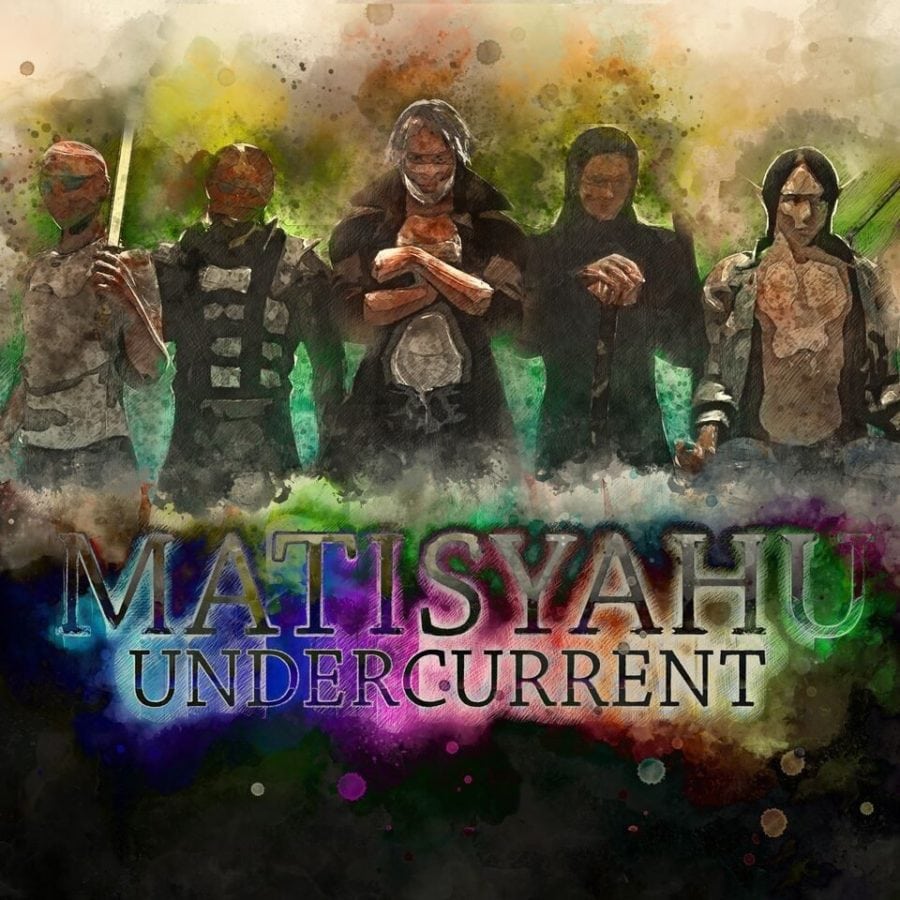 Matisyahu completed the album with a team of esteemed collaborators including some who have a long history working with Matisyahu on past projects. Aaron Dugan (guitarist), Stu Brooks (bassist), Joe Tomino (drums), Tim Keiper (drums) Cyro Baptista (percussion) and Big Yuki (keys) serve as the vehicle through which Marisyahu delivers his rhythmic remarks.
Undercurrent serves as the musical checkpoint along Matisyahu’s continued journey of seeking greater truth within himself and the world around him. “Step out into the Light” opens the album with a modern hip hop vibe. Matisyahu quickly entangles the album with religion, mentioning a dreidel in the first few lines. The lyrics are at times ambiguous but flow well. Matisyahu offers some seemingly deep philosophical musings but leaves it to the listener to fully unpack their meaning
“Coming up Empty,” is more heavily produced than much of Matisyahu’s work and may catch fans off guard. “Blue Sky Playground” is heavy on the hip hop and is the first song on the album worth a head bob or two. Halfway through, the nasty hip hop groove fades to a mellow jam which rounds out the eight-minute track. “Forest of Faith” is easygoing and pleasant on the ears with instrumentation that sounds like a tropical xylophone. “Head Right” tricks the listener into thinking its a heavy rock tune, but quickly morphs into a hip hop/reggae hybrid and flips back and forth to the rock realm. “Driftin” concludes the eight-track album with a song that could almost be split into tow separate tracks. The first half serves as a low key hip hop track akin to Dirty Heads before the last seven minutes resort to minimalist instrumentation with Matisyahu displaying his beatboxing ability. This album will certainly keep listeners on their toes.
Key Tracks: Blue Sky Playground, Forest of Faith, Head Right
-
State Champs Sell Out Hometown Show

Albany natives State Champs truly came around the world and back after selling out their hometown venue in Clifton Park, N.Y. With a full house, State Champs performed to the best of their ability for their friends and loved ones on Saturday.
On May 13, State Champs alongside Against The Current, With Confidence and Don Broco sold out Upstate Concert Hall on their second to last night of their headlining tour.
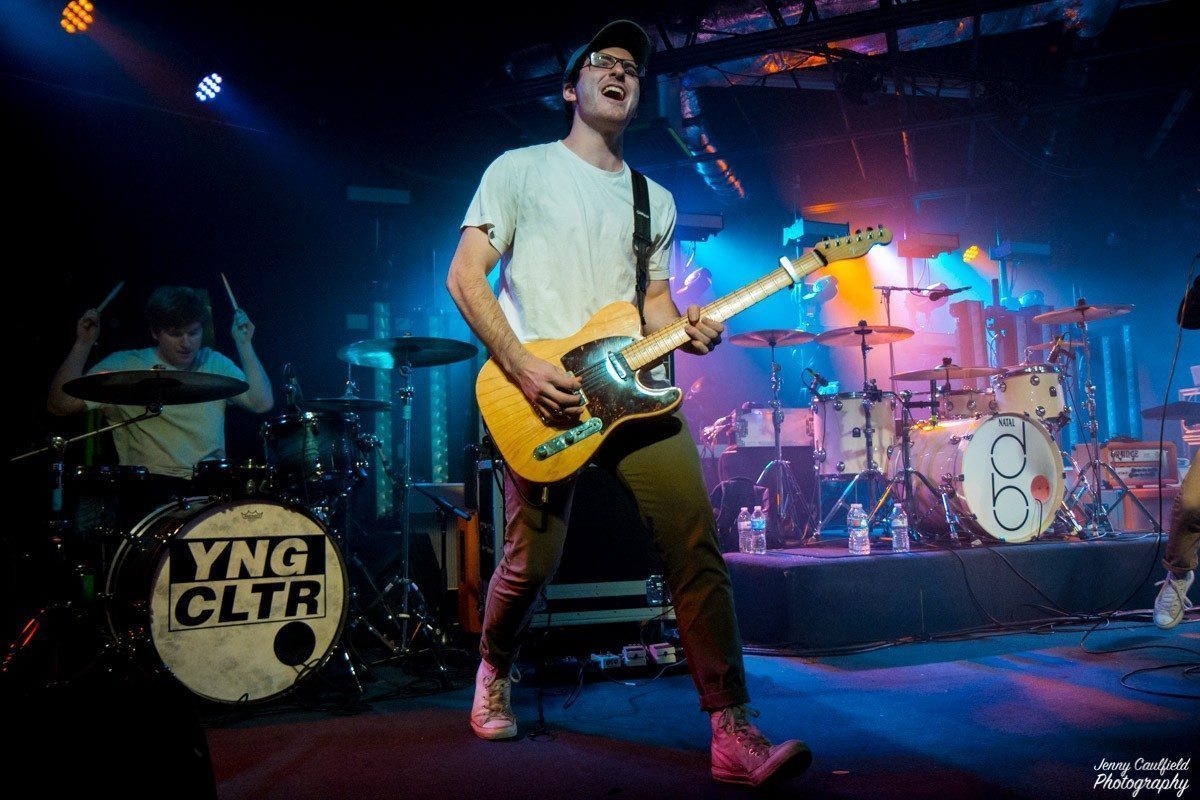
The night kicked off with Young Culture, another band from Albany, N.Y. Even from the start, they got everyone’s attention by performing their song, “Bedroom Floor” which features Derek DiScanio of State Champs. The support from fans of Young Culture led into the next band on the lineup, Don Broco.
The England-based rock group kicked off the night with their fantastic stage presence, and unique sound. Frontman Rob Damiani made sure to jump into the audience for their hit single, “You Wanna Know,” which took the audience by storm.
Don Broco, which sound like a heavier version of The 1975 as a comparison, had a perfect vibe to bring to this tour. With their outstanding energy and audience engagement, Don Broco left an impression on fans with their catchy pop-sounding choruses with rock undertones. With their unique vibe and style, had it been any other night of the tour, Don Broco have the ability to be the band to steal the show.
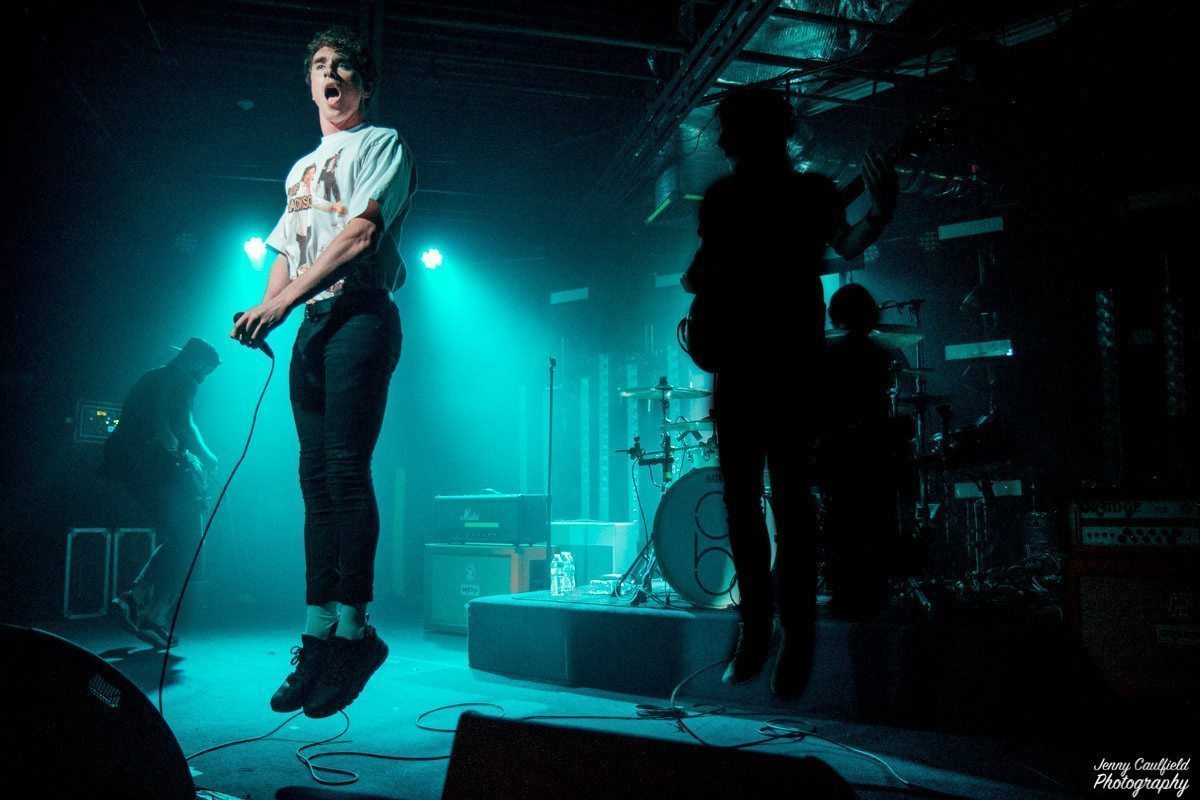
Intense pop-punk group With Confidence picked the pace back up with their engaging and impressive vocals and energy. Opening their set with their hit song, “Voldemort,” the crowd immediately reacted accordingly to their performance. Fans were jumping and screaming the words to the song, and trying to get as close to the stage as they could. Due to the importance of this date of the tour, With Confidence dedicated their performance of “London Lights” to State Champs. “This goes out to anyone who knows someone who’s stepped on their fucking heart,” said vocalist Jayden Seeley as they led into their performance.

With the crowd starting to get sweaty from all of the activity, the night shifted to pop group Against The Current to steal the stage. Frontman Chrissy Costanza immediately jumped on stage grabbing everyone’s attention. Despite being on the road for over a month, you would not have been able to tell from Costanza’s performance. Her vocals were great for a live performance with the amount of jumping and running around she does with her time on stage.
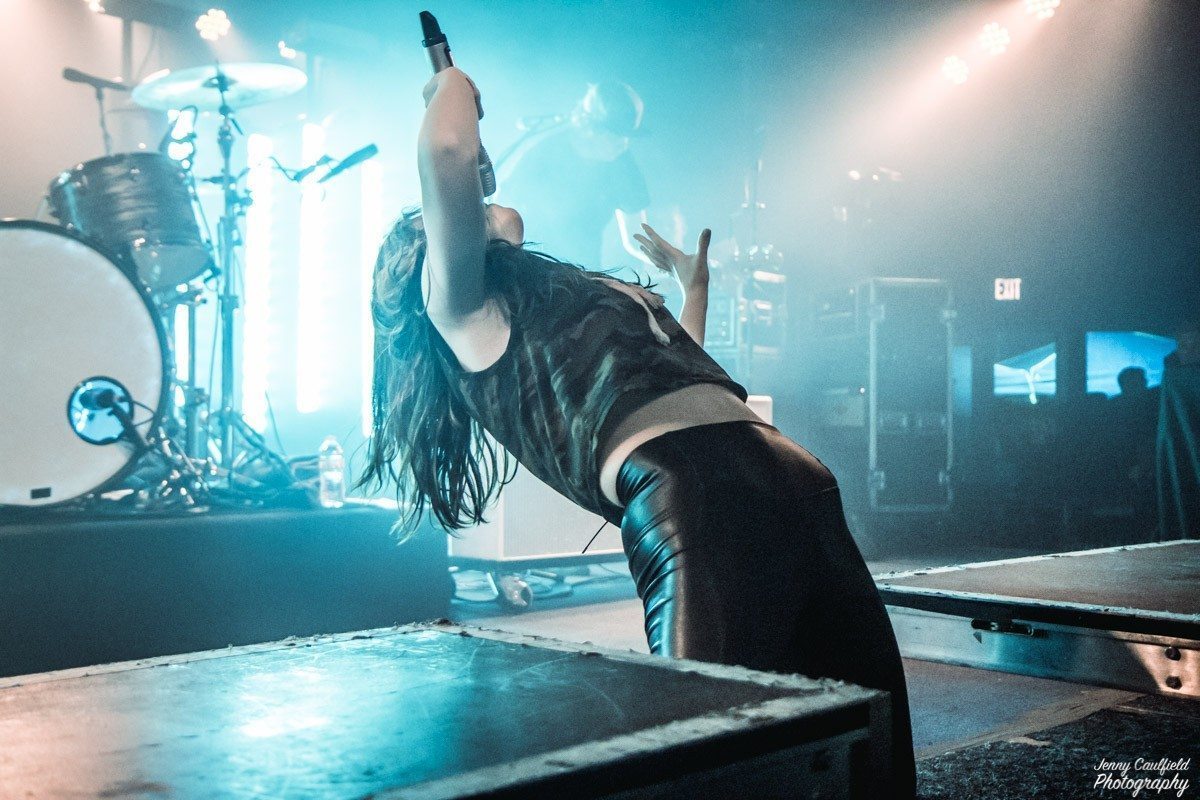
Although some of her high notes could have used a bigger breathe for a cleaner note, this can be forgiven from her non-stop intensive energy song-after-song. The band also worked to get the crowd ready for State Champs by having screaming contests with fans. Perhaps their strongest performance of the night was their song “Runaway.”
When the time came for State Champs to take the stage, the energy inside the venue shifted. There is something absolutely incredible when you feel the energy and excitement of the friends and family of the members of State Champs cheering along in support.
“It was truly special for us to play in our hometown at Upstate Concert Hall,” said guitarist Tyler Szalkowski. “We grew up going to shows there when we were teenagers so to now come back as a headliner and sell it out was astounding,” he said.
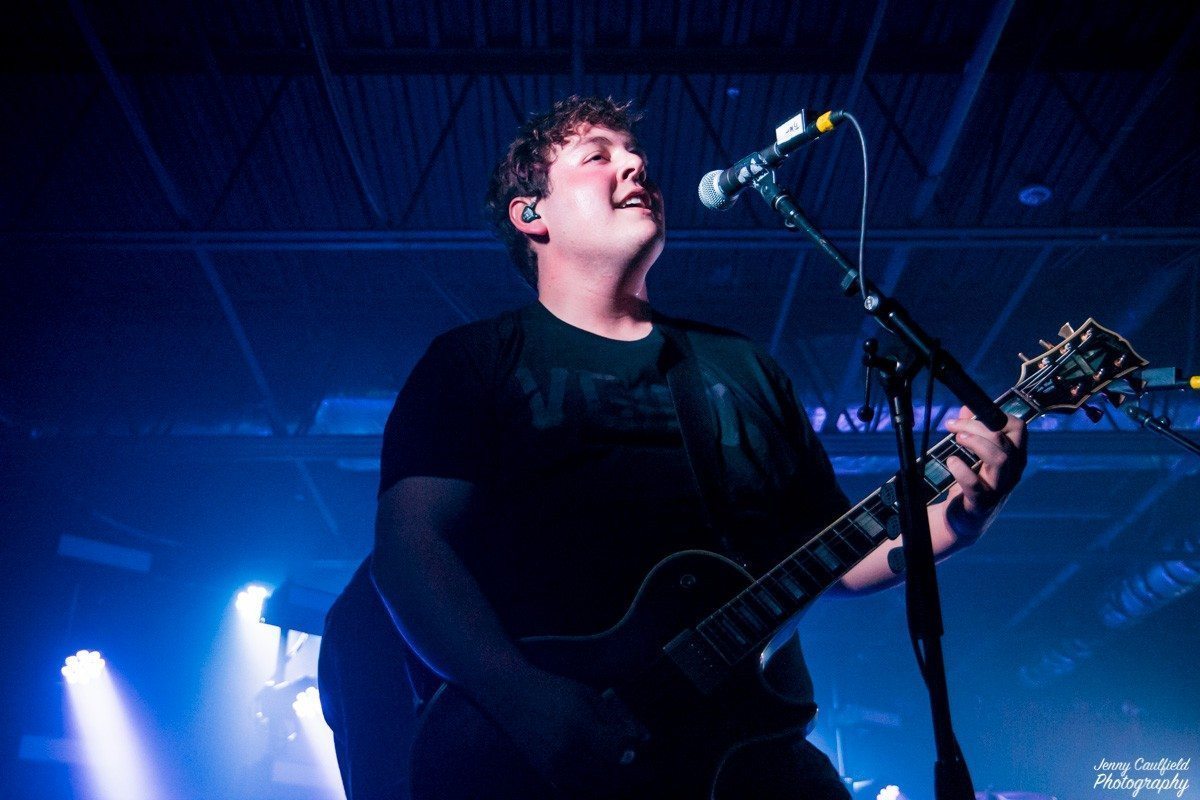
State Champs opened their set with a popular older hit of theirs, “Remedy.” Fans immediately made their way to the front of the venue in droves crowd surfing on top of each other to make contact with State Champs.
With their first performance at Upstate Concert Hall this year, the feeling of love and support from seeing friends and family in the audience made the vibe for this hometown State Champs show indescribable.
“The night was made even more special by all of our friends and family being there alongside us,” said Szalkowski.
With the new release of the deluxe edition of Around The World And Back, State Champs were able to use their tour to debut performing their new song, “Slow Burn” which was received well by the audience.

Along with performing their newer material, you could tell there was support from longtime fans at the show due to the amount of activity from performing an older State Champs song during the show. Their performance of “Deadly Conversation” led to not a single person still inside the venue. Uncommon for State Champs, on this tour they performed one of their earlier acoustic hits, “Stick Around,” followed by a single from their new album, “Around The World And Back.” Their performance of the ballad featured Costanza from Against The Current, and had every fan in the audience singing along. “We used to sneak into this venue when we were too young to get in,” said frontman DiScanio.
If you have the chance to see a band perform in their hometown venue, you have to take that opportunity. With the nature of State Champs intense energetic performances, this style is only magnified while performing for their friends and family back home.
[ngg_images gallery_ids=”699″ display_type=”photocrati-nextgen_pro_slideshow”]
[ngg_images gallery_ids=”698″ display_type=”photocrati-nextgen_pro_slideshow”][ngg_images gallery_ids=”697″ display_type=”photocrati-nextgen_pro_slideshow”][ngg_images gallery_ids=”696″ display_type=”photocrati-nextgen_pro_slideshow”][ngg_images gallery_ids=”695″ display_type=”photocrati-nextgen_pro_slideshow”]
-
Balance and Composure ‘Afterparty’ Breaks Out for Night 2 at Monty Hall
Reflection: Who did I really see? What turned out as a spontaneous, nearly three hour drive from New York’s capital region to Jersey City to catch Doylestown, PA natives Balance and Composure for a low key night of alternative rock, grunge and some newfound shoegazey material, quickly turned into what can be described as a Balance and Composure after party, an appropriate nod to a popular track on their latest album. I’ve been to my fair share of B&C shows and lets just say this one does not conventionally belong among the rest.

Queens of Jean and From Indian Lakes opened up the second Monty Hall gig of the weekend on April 23 before the three groups took the reigns of their US. Spring 2017 tour. Frontman Jon Simmons took to the stage to prep for the set ahead–along with two other non-band members, which quickly generated buzz among the loitering fans. Simmons guitarist Andy Slaymaker and drummer Bailey Van Ellis, took their respective spots on stage, however, guitarist Erik Petersen and bassist Matt Warner were nowhere to be seen.
Taking a glance around the tightly packed venue, it was evident that the calmer and probably older Balance and Composure veterans sat toward the back while the younger crowd channeled their energy and pushed their bodies to the forefront of the room. The two unknown members turned out to be members of the Doylestown, PA group on hiatus, Superheaven, bringing an evident “pop punkier” sound throughout the set.
Without lineup explanation or further ado, Simmons briefly addressed the crowd, thanking everyone for coming out for night two at Monty Hall in Jersey City– a place they’ve yet to play or “even knew existed.” It was clear Balance and Composure 2.0 was ready to kick things off for a night of fun, even with the unconventional or unexpected lineup. Making cryptic jokes and spewing one-off phrases and interjections throughout the show such as “well, let’s uh have some fun tonight” and “the band and I have taken a consensus…” I wasn’t sure if I had walked into the alternative rocker’s edition of The Twilight Zone or if Ashton Kutcher reprised Punk’d just for me, but confusion danced in the air as did I. Although not the run of the mill B&C show, there was only one thing to do– embrace it. (I later found out that Erik and Matt are in the midst of planning their own weddings. Congrats, guys!)
The group’s third and most recent studio album, Light We Made, stirred up some fan controversy and genre expectations. With the help of producer Will Yip, they took a leap away from the grunge and angst given off on their debut album Separation and implemented auto tune and electronic drumming. Their sophomore release, The Things We Think We’re Missing, blended said genres with more wistful sounds and whimsical lyrics until their third album completely strayed away from their original angered disposition. Diving into Light We Made’s inaugural track for the opener, “Midnight Zone,” Simmons’ threw his hands in the air and began to groove, as the crowd followed. He began to sing through a mic which crafted his voice into the exact way it sounded on the album, certainly Kanye West-style auto tune, but airy and intriguing all at once.
“Spinning” came next, further conjuring fans to dance and get movin’ before TTWTWM’s “Tiny Raindrop” and “When I Come Undone.” “Void” awakened the violent finger pointing, mosh veterans and long-time fans of the band, conjuring nostalgia and angst from their very first studio album which segued nicely into “Fade,” another heavy hitter. “For A Walk” definitely sits in its own category, as it uses mainly electronic sounds and beats and only makes sense it was delivered to the Monty Hall crowd during the band’s most electronic set to date. “Postcard” was fun to see in a live setting, as Bailey originally tracked the song with electronic drums. If you’ve ever heard of Balance and Composure, you know “Quake,” which was instantly proven as all sang along and rocked their heads to the classic fan-favorite. Next, the group executed “Run From Me,” giving fans another opportunity to hear their latest Record Store Day project before a bust out of the calming and emotionally charged “Stonehands.” “Notice Me” found the most audience praise and participation as the ending lyrics and title were shouted loudly in repetitive unison with Simmons.
“Afterparty” came next to accurately sum up the night’s theme. With a group of what seemed to be intoxicated high school girls screaming “well that was fun!” rap music blaring over venue speakers between sets, the makeshift lineup and the care-free, party mentality that Simmons displayed, it truly felt like the song’s namesake. A penultimate deliverance of “Reflection” and a final encore of “I Tore You Apart in My Head” found all fans pushing directly to the front. Whether you entered the Balance and Composure fandom at the grungy, ground level, jumped in during TTWTWM’s experimentation or just came into their new-found electronic explorations, all fans found themselves layered against one another for the final track of the night.
I’m not sure if it was the atypical line-up, or the self-preparation before the show that shaped this one of a kind experience, but toss all factors together into a neat package and the hour and ten minute set proved to be quite a unique one– and one I’ll never forget. Balance and Composure never fails to deliver.
Setlist: Midnight Zone, Spinning, Tiny Raindrop, When I Come Undone, Void, Fade, For A Walk, Postcard, Quake, Run From Me, Stonehands, Notice Me, Afterparty, Reflection, I Tore You Apart in My Head