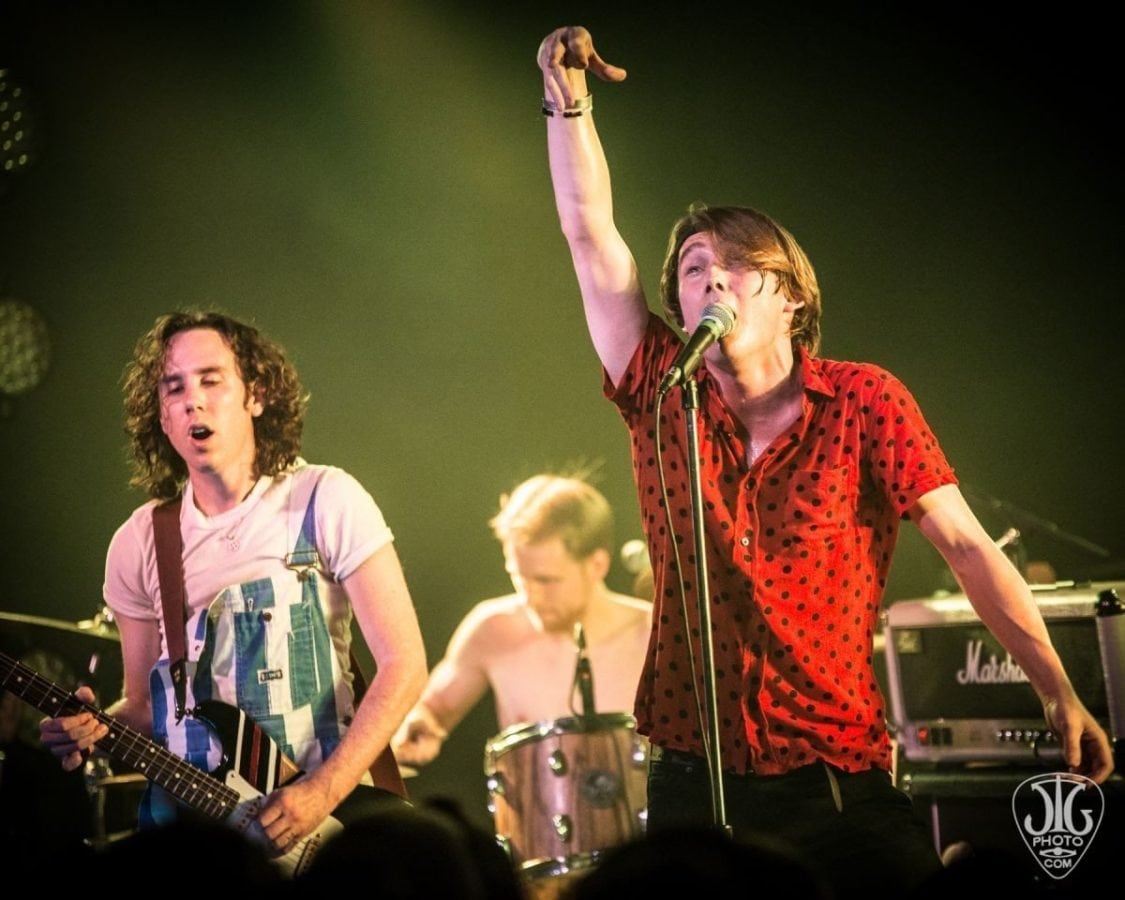
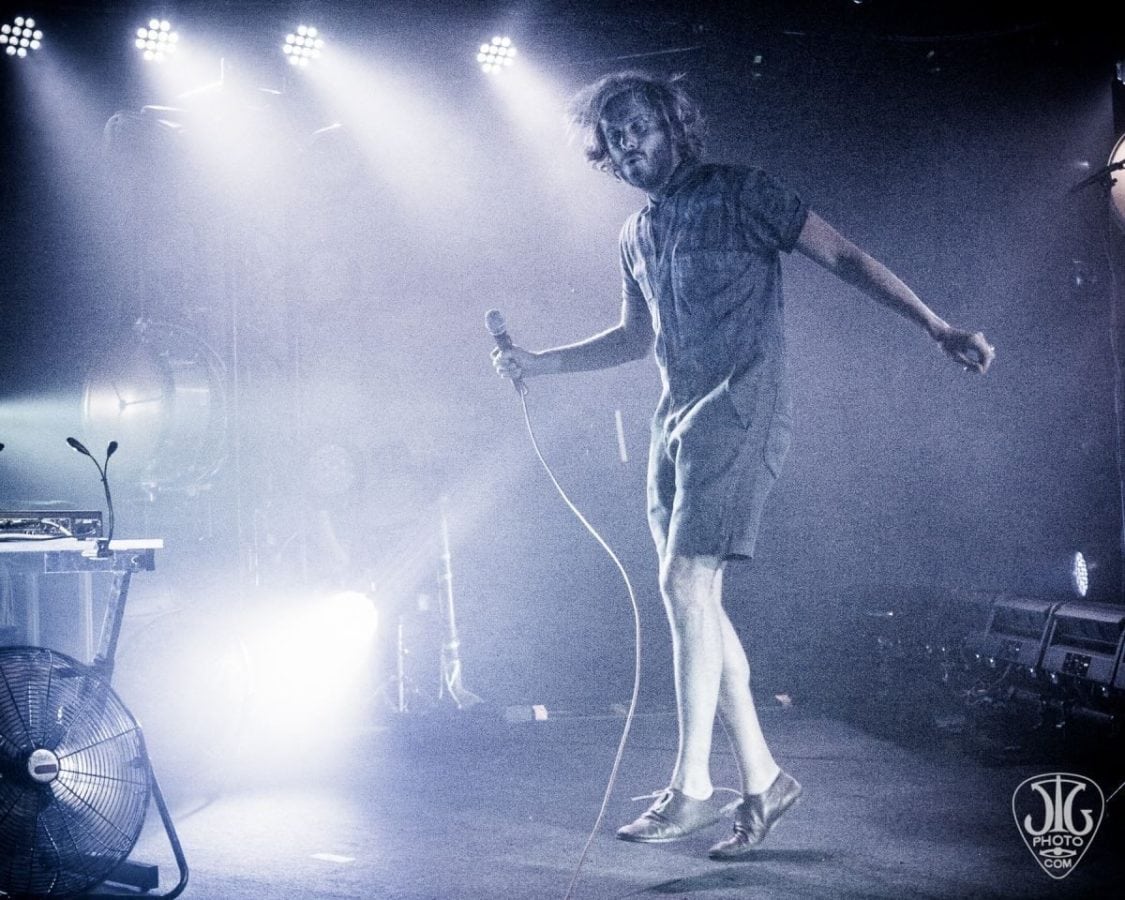
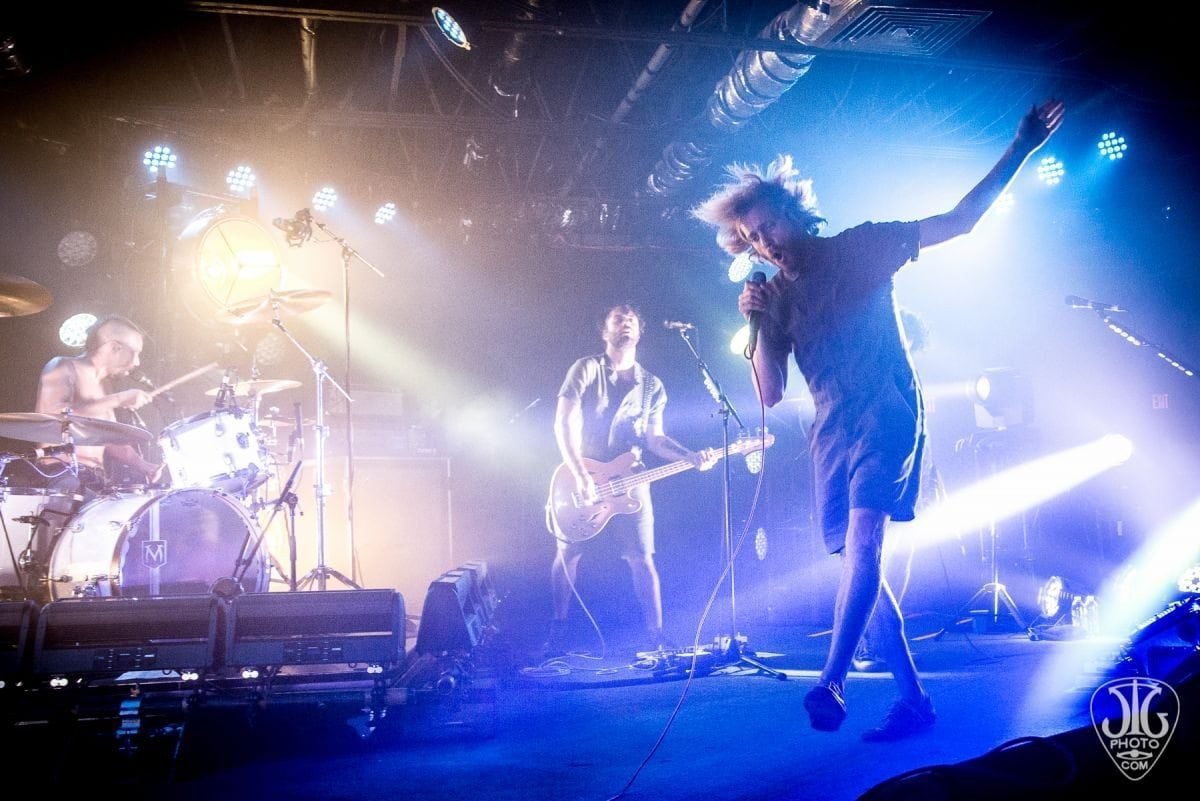
On Saturday, October 22, Brooklyn Comes Alive, an indoor festival that debuted in 2015, will return with performances from 50 artists showcased across three venues – Brooklyn Bowl, Music Hall of Williamsburg and The Hall at MP, each a 10 minute walk from the others. Solo sets, unique acts and familiar and new supergroups will perform throughout the day from 12pm-12am.
Update 8/18: The first supergroup for the event, Breaking Biscuits, featuring both members of Break Science and Marc Brownstein and Aron Magner of the Disco Biscuits, has been announced.
Be sure to grab advanced tickets now to secure your spot at one of the most momentous musical occassions of the year! For those seeking to be fully immersed in the Brooklyn Comes Alive experience, consider purchasing VIP tickets, which grant access to the Brooklyn Bowl “Artist Lounge” as well as access to private VIP viewing areas at Music Hall of Williamsburg and The Hall at MP.
Members of The Disco Biscuits, String Cheese Incident, Ratdog, Lettuce, Trey Anastasio Band, The Nth Power, Dopapod, Gov’t Mule and many more will take part in the day long marathon of music. Musicians are encouraged to create their own groups and concepts, and bring together new collaborations with a spirit of community.
Music starts at noon on October 22 at The Hall at MP, with a brunch inside The Hall and at the adjoining restaurant MP Taverna. Brooklyn Bowl and Music Hall of Williamsburg will open up in the early evening, with all three venues remaining open all night long.
Note: both The Hall at MP and Music Hall of Williamsburg are 18+ venues, while the Brooklyn Bowl is strictly 21+. If you are between the ages of 18 and 21, you are welcome to purchase a ticket, however you will not be allowed access to the Brooklyn Bowl.
The night was dirty, loud, revolutionary, beer-soaked and pleasantly dark. I’m not only describing the inside of indie Brooklyn’s sacred sanctuary, Shea Stadium, but also the band behind the interior madness, Evolfo. As the band entered the stage, their UFO style of music was introduced to the crowd with a thunderous instrumental intro highlighting everything from the keyboard and bass to the drums and horn section.
One of their newer installments, “Bloody, Bloody Knife,” had a familiar, almost White Stripes meets 60’s punk sound and included a guitar solo by Matt Gibbs. During the solo, his hair completely covered his face while he melted our faces. The crowd favorite, “Mechanicals,” created an infectious dance party with a late night lounge feel. The whirling keyboard effect used by Rafferty Swink sounded like something Dr. Dre may steal for his next album while Matt Gibbs’ creative lyrics were politely screamed in a Shakespearean manner. As soon as it feels like the song couldn’t get anymore genre blending, the bursting horns march their way into the room like an impromptu parade down Bourbon Street. Gibbs gave the crowd a minute to catch our breath as he highlighted how ecstatic the group was to play in such an iconic, underground sonic space.
After boogieing through “Love Like a Freak,” Evolfo kept the most recent songs coming with “Rat City.” Imagine David Bowie’s “Suffragette City” played with a faster tempo by a psychedelic garage band like The 13th Floor Elevators, but with just the perfect amount of brass to shackle it to the ground. Next up was “Let’s Carry On” which saw bass player Ronnie Lanzilotta stomping back and forth like an air guitarist on Red Bull. His energy was so intense he cosmically summoned one of the members from the opening act, Mobile Steam Unit, to jump on stage and rage with him equally as hard. The momentum spread like the Zika virus and before you knew the entire crowd was infected; one of the highlights of the hour long set.
Judging by the “Herbie and the Headhunters” t-shirt worn by their bearded saxophonist, Jared Yee, this gnarly crew were no strangers to the realm of funk. They have no shame in fronting as a “funk band” even though they consider themselves “garage-soul.” One of the best tunes that display their thrilling, chilling funk talent is “Wild Man” which Evolfo played with delightfully terrifying precision. I had a moment to speak about the visually freaky yet addicting music video for “Wild Man” with Gibbs before the set, inquiring about the first music video regarding any correlation to the imagery in the video compared to what he thinks about while on stage. He replied:
“Well some things in the video do quite literally have a place in our show. Some of the outfits and the demon mask and other small things have made their way onto the stage over the years. And then, of course, I hope that we portray some of that raw animal magnetism. I would love for real life to be as crazy as “Wild Man.” If we’re in the zone and we’re getting the energy from the audience I believe we can really live up to that fun with reckless abandon. As far as what’s on my mind while I play, I pretty much always wish I could pour some ambrosia on the audience and make them turn into animals. That would be ideal.”
After the “Wild Man” lit up the room with aerobic weirdness, they were ready to give us what we wanted, the title track to the newly announced EP, Last of the Acid Cowboys. The lyrics are coming from a place of pure spacey madness. Swink’s keyboard is projecting a surfin’ synthesizer sound while he sings in an eerily familiar Jim Morrison tone. If this song doesn’t wind up on the next Quentin Tarantino soundtrack, someone isn’t doing enough research.
Gibbs shed some details about the new EP and it was time for one more classic Evolfo tune for the brass-aholics in the crowd. Loaded with sexual innuendos, tantalizing bass lines and mod soul-funk, the climax during “You Light Me Up” is definitely the horn (or horny, sorry, I had to) section. Their time on stage was short and sweet, but the memory of that performance will last a long time, even for the fans in the booziest of states.
Musical evolution has been as much a staple of New York City as pizza, or more recently, Pokemon Go. Much like the global sensation of walking around with a smart phone and searching for rare creatures from a different dimension, a new species of music is evolving right before us. Label it whatever you want, but for those of us lucky enough to discover the rare Evolfo at Shea Stadium on a Wednesday night, we have a new band that is about to morph. After the release of their new EP, a tour is sure to follow and if they continue to put on shows with that sort of allure and creativity, I gotta catch em’ all.
As the crowd eagerly anticipates tonight’s concert at the Lakeview Amphitheater for the Counting Crows and Rob Thomas, lead singer, Adam Duritz took a few moments while getting ready for the tour this spring to speak with NYS Music on fame, music, his band, and Woodstock 99.
Kathy Stockbridge: Hi Adam, how are you?
Adam Duritz: Hi Kathy, I’m great, it’s a beautiful day today.
KS: Yes, it absolutely is. I want to thank you for taking the time to talk with our readers today, I know you are a very busy man. Most know that you are a musician, but you are also a film and music producer as well. You wear a lot of hats. Is there any one particular hat you prefer over the others?
AD: I just really like playing with the band. I’ve done a lot of different things, and mostly because it was necessary at that moment. Honestly I don’t think I would ever do another movie again, that was exhausting. I just did it because my friends had written a script and I wanted to help them get it made. Mostly, I just play in a band, that’s what I like.
KS: Well that’s good because you are good at it, and we enjoy it so it’s a win/win for everyone here. In past interviews I’ve seen and heard, many people think that “Mr. Jones” was your breakout song as it it went up the charts so fast. But it actually was your performance on Saturday Night Live of “Round Here” that actually catapulted you into the limelight. Talk to us a little about that take off, and was it everything you expected when it happened?
AD: No, but it never is. Because there is no way for you to ever conceive what that’s going to be like. Whatever picture you might have or imagination about fame or fortune of that sort of thing, where guys are suddenly listening to your music and you are the center of culture for that second, yeah there’s no way. In fact whatever ideas you ever have about what’s that’s like, are nothing like what it’s actually like. It’s so weird.
KS: It’s almost like the first time you ever hear your song on the radio, you never forget where you were. I’m sure it really a cool experience though.
AD: Yah, that’s a really cool experience. I very vividly remember that. It was just very clean, very simple, and FUN. Like the first time I heard us on the radio I was like “that’s just really cool”. But becoming famous all of a sudden having a sudden wash of success is nothing like anything you’ve ever experienced before in life. Like hearing your song on the radio is like really cool, but it’s like feeling appreciation from someone in some other way. And that’s happened before (feeling appreciation), people have told you something was good and you’ve gotten a compliment so it’s like a bigger.. better version of something you’ve experienced before. Getting famous and having that mass cultural thing is like nothing else in life. There is no way to understand before you hit that, how weird that is. It’s just really strange and bizarre. We had been touring for awhile at that point. People had made a mistake thinking that “Mr. Jones” was new, but it had been out for awhile. “Mr. Jones” had been on the radio, the record wasn’t even in the top 200. The video came out and we were touring, and we had not been doing our first headline shows yet. We had been opening for Kracker. We really hadn’t toured as a headliner at all. Then we played Saturday Night Live, and played “Round Here” and the whole world changed. Our record jumped forty spots a week for five weeks. We were at like 213, then we were at 170 something, 130, 90 something, 50 something, 12, 6, 2, and then stayed at 2 for like the next two years. It was just weird. It happened so suddenly, and it was such a weird surprise.
KS: That song has a special meaning to you I’m sure, but then even more so as it was the one that helped you get your music out there to everyone.
AD: Yeah, and not just for me too, but for our fans in a way. Because “Mr. Jones” is a really great pop song, I love that song, but “Round Here” it shows the breathe of what we really do. Like what we do live and how its kinda the scope of our music. “Mr. Jones” doesn’t, so when we played it on TV, that’s why it blew us up because a single is one thing, but a band that moves you, a band that makes you feel something, expansive and big and moving like “Round Here” does, apparently knocked people out that day because our lives all changed after that.
KS: Did you know automatically this would be the one you would sing?
AD: On Saturday Night Live? Yeah we knew. But it was a huge fight. It was a mess. Like we had been getting offers for months. The Letterman show had been offering for us to come play on there. But they kept making all these caveats like it had to be Adam with the Late Night Band; okay it can be Adam with guitar player and our band, it can be Counting Crows, but with Paul, and we were just waiting for someone to offer us an opportunity so that we could just play. And then SNL came along and they were through more months of arguments about what we were going to play, and came to an agreement that we would play “Round Here” first, then “Mr. Jones” later, and then we wouldn’t have to cut anything. Then we got there that week and started rehearsals for the show and they sprung on us that they had changed their mind and that we were going to play “Mr. Jones” first and that we were going to have to edit both songs. So it was just a huge fight all week. It was kinda a nightmare. Like I was sure that “Round Here” was the song to play for our first big exposure. They didn’t want it any more and it was a mess, and it was a huge fight all week. Then they finally caved about an hour before the show.
KS: Good thing you stood your ground there.
AD: I think they were so pissed that they never had us back again.
KS: Their loss. “Round Here” was written off the top of your head, from what I understand. You were able to write it in one sitting. In an interview I with Charlie Gillingham, he said that “(Durwitz) has a way of coming up the amazing complex literary lyrics off the top of your head. And that there are lines in these songs, hundreds of them where he says something that really matters that is just so well said.” That’s amazing to me. When writing songs do you find that these songs take on a life of their own or does it write itself in a way with you?
AD: No, its a little of both. It’s not like I wrote the song off the top of my head, it’s a Himalayan song, my band before Counting Crows. “Round Here” is from that band. We were playing along and we were recording, on a cassette tape, our rehearsal. So it was probably 20 minutes of us singing on there and a lot of the song was already in there, so I edited it down. I used to do that a lot. Where I would say things off the top of my head, listen to it, then go back and pull things off it, and edit it down into a song. That I used to do an awful lot of. But I don’t write as much that way anymore. Probably because we don’t rehearse as much any more, as we all live in different places now. So I tend to write more by myself or with the other guys. Yeah, I used to write a lot that way. But it wasn’t like I would play for five minutes and then there’s “Round Here.” It’s more like there’s 20 to 30 minutes of music on a tape and I pull from it and then craft it into a song. A lot of it was there, but it was heavily edited down.
KS: Has writing been something you’ve always done? Was it a creative outlet for you?
AD: I didn’t really start writing songs till I was about, well the first song I wrote music and lyrics was the fall term of my freshman year in college. Before that, I hadn’t really done it. But after that, I did nothing else. For years at a time. I just used to write all day, every day.
KS: Well you are very talented and it comes out in your lyrics and music. You once described the difficulties you experienced when you guys were recording August and Everything After. You were developing your roles within the band and the sound and brand during those sessions. You knew in your mind what you wanted to achieve in the finished product and took charge. If you had a chance to go back would you do anything differently while recording that first album?
AD: I’d be less of an asshole. The thing of it is, it’s hard to like…I have skill sets now for being a band leader that I didn’t have then. I had no idea how to do that. It wasn’t a brand, I just knew there was something better than what we were doing. We were playing a kind of music that sounded like a sort of style of the time. It kinda sounded like late model Roxy, which is cool. We sounded like a bunch of sounds that were big at the time, that we were trying to sound like. And I just wanted us to sound like us! I was like, strip it down and find out what we were. I felt like that was what it was necessary, and in order to do that I had to take away to just play simple instruments for a bit. We ended up using lots and lots of weird sounds over the years. But at that moment I just wanted us to stop trying to sound like something and just figure out what we sounded like when we stood in a circle and played together. I felt like there was something much more long term, much more rewarding, and much like a deeper vein to mind, than what we were doing. But the thing is, I was brand new to doing this. And brand new being a band leader, and not very good at it. People always talk about how they love playing music, or anything you do in life that you enjoy like a hobby, then talk about it becoming work it’s a negative. Because all of a sudden you’re fighting over things that you used to enjoy. But that’s what work is. Work is when you take something you used to do for fun and you turn it into something you really really good at. And a lot of people can’t get past that point because they don’t like when their hobby starts to be work. Because it’s a big transition to get from one to the other, ya know. And you have to fight about things, where you used to just have fun. I just wasn’t very good at that so there was a point on that first album where we were having a lot of pressure of making a first record and I’m making everybody ditch the instruments and the effects they are using that they are comfortable with and stripping them all away and saying just play. That made it hard on everybody. I was pretty sure of what I was doing, but not very good at doing it. I was hard on everybody. I was harsher than I needed to be and I was so insecure about it. Everyone in the band tried to quit during that album. At some point during it, every single one of us decided to quit the band. It was really hard. The one thing I would change, is the one thing you can’t really change. I would like to know what I know now, then. I could be better at it, but you only get that knowledge doing it. In life the one thing you can’t go back and change, is the shit you learned, because that’s how you learn it.
KS: Exactly. I’m with you on that. As you wrote more albums, of course it got easier for you and as you grew as a band in the business you developed a reputation as an amazing live band. Your band mates are one of the most cohesive groups that I’ve ever heard. And nothing is more apparent than as you play live and improvise on stage. Which is amazing to me. You once said that “playing is really important but listening is more important.” Do you think this is why you all meld so well on stage because you listen to each other and pick up these cues?
AD: Yes, I think so. And also I think we’re not afraid to get it wrong. We have a confidence that there is no “wrong.” What you are suppose to do up there on stage, is try stuff. To play, feel it, and try stuff. I think it’s a live experience. I think when you are so worried about being perfect all the time it makes you really stiff in those moments and I think we’ve kinda gotten over, and not so worried about being perfect. We try to be really good, but we’re willing to experiment and if something goes wrong, it goes wrong and it’s not the end of the day. If we have a train wreck, I don’t mind stopping the song, pointing out the guy that screwed up, laughing at him and then starting it over again. It happens sometimes, things go wrong. It’s real life. The other night we were playing a show at a festival outside of Austin, like last Friday. I went back to the piano to play “Long December,” I sit down and was talking with the audience, and I start playing and right before I played the song I changed the cap on my mic. So when I do that, I signal my monitor guy and he turns off the mic so that when I’m unscrewing the cap, it won’t make a bunch of noise. You have to do that (change the cap) because you sweat and it soaks into it and you have to change them every now and then. So I changed it and he turns the sound off, screwed it back in, and then go back to the piano to play “Long December.” So when I go to sing he had forgotten to turn the mic back on. So I just stopped the song, laughed at him, he turned it back on, we joked round for a second, then we counted it back in. Truth is, that stuff happens. It’s just human stuff. He’s just doing 90 things at once, he’s setting up someones else’s monitors, flicks my thing off, and then forgets to flick it back on. You can get uptight about stuff like that, or you can realize it just happens. So you just keep playing.
KS: When audiences see that stuff happen, it helps them relate to you I think. They have you up on a pedestal, then when life happens, and they see your human side, they can relate more with you as you are just like them. Mistakes happen.
AD: I think that’s true. It’s an interesting by product of it. Fact of the matter is, it is all real. We’re a bunch of guys on stage playing, and we’re trying to not do the same thing every night exactly the same way. And so, stuff happens. It’s just real life. It just happens to be on stage, and we just happen to have microphones. It’s the same as the rest of our day in a way and everyone’s real life.
KS: In 1999 you came to my hometown and played the Woodstock here. Can you share thoughts of that eventful concert there?
AD: They are not really good remembrances.
KS: I know. At times I wonder if we should get a do over or should we just cut our losses and just call it a day? SMH over here.
AD: I think that was one of the worst ways of honoring one of the best places in the history of rock and roll that I can ever possibly imagine. Woodstock is deservedly one of the most important place names in the history of music. It really is, and totally deservedly so. But those guys, that year, ended up charging like $7 for waters, on a concrete pad, on a day that was 100 degrees outside. Having the port-a-potties not properly maintained, and the poor fans that are dehydrating like crazy can’t buy water because it’s so expensive, and there was a 40 yard pool of urine and shit. People rioted. Let me tell you something about that. And they blamed the bands. Not the people, the promoters blamed the bands. But we wanted to play a night slot at Woodstock, I know this is true because they came back and said we want you to play before sundown because all the night slots we want to have as many aggro bands as possible. They wanted to have it as wild and as intense as possible at night. So we are only putting the loudest bands on at night. They put Limp Bizkit on, the Red Hot Chili Peppers and who ever else. After a certain hour, they were only really aggro bands. Which meant that’s exactly what you are going to get at the end every day. So when they set that up that way, all the bands did was be themselves. I saw the Limp Bizkit show, they played a great show that day. But they are an inciting band. So if you want to have people out in the sun all day and not give them water, and then put Limp Bizkit on, it’s going to become a mosh pit.
KS: Our town is quite embarrassed by the whole thing. It’s one thing to be famous, another to be notorious. So sorry you had bad memories of Rome.
AD: I don’t think that’s peoples memory of Woodstock. Many have probably forgotten that part. When you think of Woodstock, you think of the original, just not that year. Some stages were like triage. There were people like on stretchers. People were getting like so hurt. We saw like women getting their clothes torn off them in the audience. It was just so chaotic and so much anger in the crowd. It just wasn’t well run.
KS: Well we hope to welcome you back to Central NY this August at the Lakeview, and hope to change that bitter taste you have in your memory with some good ones. You will be touring this summer with Rob Thomas. Have you ever played together before?
AD: Yeah, but we’ve never toured together before. We’ve known each other for such a long time. There were times we would be in the same city and get up on stage and sign “Momma Don’t Let Your Babies Grow Up to Be Cowboys” together. One time I had a European tour and they had a European Tour that started a couple weeks before mine, so I just went over early to be with Rob and the guys in Italy. I just spent a week getting drunk and hanging out with them in Italy going on interviews with them before my tour started. Just because it was fun. I’m really looking forward to this because I haven’t seen Rob much the last ten years. So it will be nice to see each other again.
KS: It will be an epic tour and we can’t wait to have you guys come through. Final question for ya. If I had never heard a Counting Crows song before, which one would you tell me to listen to to get a feel and encompass what you guys are all about?
AD: “Pallasides Park.”
KS: Okay. That’s a very interesting choice. That is a great video too. Where did the concept for that come from?
AD: It was all Bill Fishman. I asked him to change a few things, but basically it was his concept from hearing the song and wanting to do it. There were a lot of submissions for who wanted to direct that, but it was clear to me the moment he sent his in. He was the guy. He just had the grasp on it.
KS: So his visual concept met yours?
AD: His visual concept met my emotional concept. I didn’t have a visual concept. I knew how I wanted it to feel, and I felt like he really captured that.
KS: Well thank you again Adam for taking the time to talk to our readers and we look forward to welcoming both you and Rob Thomas back to Central New York once again.
As the interview ended, the old proverbial ‘don’t’ ask a question you’re not certain of the answer’ came to mind. Not quite sure how I expected Adam to answer the Woodstock 99 question, however his insight from a stage view was enlightening to this journalist. Was actually embarrassed all over again for my community wishing there was a way one could rectify this catastrophic event in the minds of all that participated and attended. Perhaps some things are best left alone. Note to self, do not ask about Woodstock 99.
I found the lead singer extremely easy mannered as our conversation began. Although I sensed a reservation in his tone in the beginning of the interview, I felt his guard come down as I kept my questions on topic. I know readers want a personal insight into stars and their lives, however some things that personal are just that, personal. Perhaps I should be that type of journalist, delving into topics that readers want answers to but are encroaching, but then again, I want to know about his music, how it makes him feel, how he wants to grow and share with his fan base, not his past dating history. So I left that line of questioning to those other rags you can read in the line at the grocery checkout as I was preparing to talk with him. If he wanted to speak of those topics, I would gladly be an outlet, but we were there to discuss his music.
As our interview quickly exceeded our allotted time, we were interrupted and asked to wrap up questions to keep him on schedule by his publicist. It felt like this conversation could continue another day. I had so many other questions I wanted to ask him. Questions about acts he’s toured with, artists he’s recorded with, and then so many other topics that come from those conversations. I got a sense that Adam could be a person’s best of friends. His concern with having to take charge as band leader in the beginning, and his recognition on how he handled it was endearing to me. His willingness to work on projects to help out friends, even when it’s not his cup of tea. Then the shear compassion of the audience at Woodstock 99 left me with an insight to his character and peak under that cloak of mystery these interviews often leave you with. Sometimes not asking questions, gives you more of an insight I think into the character of person than asking them and having a wall come up. Adam was so likable, so real, so intelligent. His first answer to my hello, pointing out the beautiful sunny day he (and I) were experiencing here in NY state, immediately made him real to me. As our conversation went along it truly appeared that he was happily reliving the moments with me as he shared his story with our readers. His simplistic answer said it all. “Mostly, I just play in a band, that’s what I like.”
Being a live band, this photo-journalist looks forward to covering his show and experiencing these improvisational moments on stage with those he considers friends; his band mates and audience. The live experience is what drew us in from that initial emotional rendition of “Round Here.” This heart is what I want to see tonight.
Tour Dates Fri Aug 12 Syracuse, NY Lakeview Amphitheatre Sat Aug 13 Niagara Falls, NY Seneca Niagara Casino* Mon Aug 15 Saratoga Springs, NY Saratoga Performing Arts Center Tue Aug 16 Brooklyn, NY The Amphitheater at Coney Island Boardwalk
Thu Aug 18 Bethlehem, PA Sands Bethlehem Events Center
Sat Aug 20 Cincinnati, OH Riverbend Music Center
Sun Aug 21 Indianapolis, IN Klipsch Music Center*
Tue Aug 23 Detroit, MI DTE Energy Music Theatre*
Wed Aug 24 Chicago, IL FirstMerit Bank Pavilion at Northerly Island
Fri Aug 26 Toronto, ON Molson Canadian Amphitheatre
Sat Sep 3 Woodinville, WA Chateau Ste. Michelle
Sun Sep 4 Ridgefield, WA Sunlight Supply Amphitheater
Thu Sep 8 Los Angeles, CA Greek Theatre
Sat Sep 10 Mountain View, CA Shoreline Amphitheatre
Sun Sep 11 Reno, NV Grand Theatre at Grand Sierra Resort
Tue Sep 13 Phoenix, AZ Ak-Chin Pavilion*
Wed Sep 14 San Diego, CA Cal Coast Credit Union Open Air Theatre at SDSU
Fri Sep 16 Indio, CA Fantasy Springs Resort Casino
Sat Sep 17 Las Vegas, NV Downtown Las Vegas Events Center*
Mon Sep 19 Denver, CO Red Rocks Amphitheatre*
Thu Sep 22 Albuquerque, NM Sands Casino Amphitheater
Sat Sep 24 Allen, TX Allen Event Center
Sun Sep 25 Houston, TX Cynthia Woods Mitchell Pavilion presented by Huntsman
Tue Sep 27 Kansas City, MO Starlight Theatre
Wed Sep 28 St. Louis, MO Hollywood Casino Amphitheatre*
Fri Sep 30 Nashville, TN Ascend Amphitheater
North Adams Mass sits in the nook of the Berkshires, a quaint college town known for its art, culture and its museums. Mass MOCA, (MOCA being short for Museum of Contemporary Art) hosts hundreds of displays as well as musical events. On June 11, The National was one of these and they made the museum theirs for the day.
Known for a melodic somber sound, The National, found a way to take this feel and turn it into a rock show with emotions and waves of feeling – a rare find with bands of this genre. By digging deep into their whole catalog, the audience never knew what to expect, a tactic that left us with a phenomenal feeling. Opening up with the Trouble Will Find Me hit, “Don’t Swallow the Cap,’” the band knew they had the audience in their hands from the get go. After a few more rocking tunes the band slowed things down with the Grateful Dead classic, “Peggy-O,” citing that even though the dead didn’t write the song they still played it a lot so this is their homage to the Dead. This comes off the heels of the highly anticipated Day of the Dead – an album, four years in the making, featuring 59 tracks of Dead covers and over sixty artist.
They kept things slow for the next two songs and then they treated the crowd by playing three new songs in a row. This is most likely a preview for an album that may see light sometime next year. If at first you don’t succeed, try, try again… and again. This was the case when the band dug into their catalog again to bust out “Slow Show.” When they finally got it down, it was one of the highlights of the show. The passion that singer Matt Berninger sang with was second to none. These guys are rock stars.
“About Today,” from the Cherry Tree EP, was a song that many wouldn’t anticipate would be good live. It’s a slow song which Berninger sings, slowly, almost a whisper “ How close am I, to losing you?” What made the song that much more enjoyable was their ability to captivate an audience with a song that rightfully so can put you to sleep. They kept the energy going and closed out the set with “Fake Empire” off the Boxer LP this song left the crowd wanting more, and more is what they received. The National came out with a four song encore ending with High Violets “Vanderlye Crybaby Geeks,” a sing along song during which the band played acoustic which was totally genius.
In a show rife with slow and sad songs, the band was able to keep the crowd at attention and not drifting off into oblivion.
For any festival to survive – let alone thrive – for 10 years is an impressive feat. Bonnaroo and Coachella are two names that immediately pop into mind, but now it’s time to add Backwoods Pondfest to that list.
This past weekend at Twin Ponds Campsite in Peru, N.Y., Pondfest, which is put on by northern New York band Lucid, celebrated its 10th birthday by throwing a truly cohesive party melding the fun of camping in the middle of the forest with live music.
The lineup mixed the best that the Adirondacks has to offer, with some of the bigger acts of the festival circuit. Lucid, a band straight from the heart of the Adirondacks, has been a staple of the weekend since inception, and while this year was the same, it was also very different. Last year, the band announced it was taking a long break, but not officially breaking up and would continue to play events like Pondfest.
And just to put any rumors to bed, bassist Chris Shacklett gave me a brief interview on Saturday afternoon to discuss the state of the band. First off, Lucid is not breaking up.
“We are totally shifting our focus,” Shacklett said. “Instead of continuing to hemorrhage money, we are being smarter about what we do. There’s not going to be much in the way of touring anymore, but we’re going to do more things like this (Pondfest).”
Along with Lucid, the other headliners were Melvin Seals and JGB, Pink Talking Fish (is Bowie), the Blind Owl Band and Twiddle’s guitarist Mihali Savoulidis and his ‘Frends’, who brought the surprise of a Twiddle set. NYS Music contributor Chelsea Wright was in attendance and gives us a first hand account of how it went down:
“I received a message from Lowell, letting me know that there would be a special surprise Thursday night. I made the last minute decision to travel the two hours from Vermont for the ‘Mihali & Frends’ show, knowing that if Lowell promised a surprise, it was bound to be extra special. Having seen Mihali & Frends the weekend prior as a part of Twiddle’s first major event, Tumble Down, I knew that some amazing collaborations were going to happen – at his sold out Higher Ground show, he brought together musicians from Nahko & Medicine For The People, Twiddle, and the Kitchen Dwellers for two full hours of incredible jams.
Arriving just on time, I approached the stage and Mihali was just getting it started by inviting a few good Frends up to join him. It was like revolving doors, including some of my favorite musicians; Ryan Dempsey on keys, Jamie Armstrong on Sax, Joshua West on drums, to Kevin Sabourin on guitar and vocals. At one point Brad Hester from Annie in The Water came up and had a back and forth match on a kazoo, with Jamie’s sax. Then they switched it up to Chris Shacklett on bass, Lowell Wurster on percussion and vocals, the beautiful Meadow on vocals, and then the big surprise of a total shift into a set by Twiddle. After Twiddle finished, Mihali remained, and invited members of Capital Zen up to join him. It was an all-around party, with special moments that no one could have anticipated.”
Arriving on Friday, I was greeted by multiple ambulances and state police cars with lights flashing all over. I was not allowed to enter for nearly two hours as the entrance was blocked for any cars getting in or out.
When pressed for a reason, a State Police officer said, “We’re here because of some overdoses. Make sure you’re safe when you go in.”
Derek Haviland, the press and marketing man for the festival, said there weren’t any overdoses in the sense that you’d think of, but rather that someone had simply imbibed a bit too much and just needed a little help. He hinted at a bit of an overreaction by local first responders.
“Little towns like this aren’t really used to stuff like this, so I think they just took any and every precaution while they were here,” Haviland said, adding that the individual was fine by the following morning. “We are safety first; we took all the right precautions.”
With my delayed arrival killing any chance at seeing Hayley Jane and the Primates, Bella’s Bartok, Thunder Body and Lucid, I arrived just as Melvin Seals was taking the stage. The longtime keyboardist for Jerry Garcia had a nice groove going for “Cats Under the Stars,” before starting right up into a Grateful Dead regular, “Sugaree.” “Strugglin’ Man,” “Rhapsody in Red” and “Money Honey” perfectly captured the essence of a JGB show, with swirling, noodly guitar and the big church organ sound. “Sisters and Brothers” and “Deal” were my personal favorites, with the latter coaxing an uproarious applause from the crowd of beards, sun dresses and dreadlocks.
Right after, on the Woods Stage, Syracuse hip-hop trio Sophistafunk took the audience on a positive mental trip with lyrics of encouragement, happiness and elation.
Spiritual Rez then started the late night sets and there seemed to be a large congregation of fans in attendance mainly to see this band. After a set with some sit-ins, Rez gave way to Tweed on the Woods Stage at around 2:25 a.m.
Tweed could be categorized as a jamtronic act, but I thought the set was more dreamy than anything else. Because of the downpour, I made the decision to hear the set from my tent which was about 300 feet from the stage. I drifted right off into blissful slumber.
Waking up in the woods when the weather is hot but still pleasant, is everything I want in a festival morning. This morning was special as some of my favorite live acts were slated to perform. Making my way backstage to interview some folks, I bumped into Formula 5’s bassist and the young Gregg Allman-lookalike James Woods, who was energized and pumped for the band’s set later that afternoon.
After grabbing a sausage, egg and cheese, two coffees and water (thanks to my editor), I made my way to catch some of Doomf#@k, a band with some of the Lucid guys. I can only describe this act as a talented, humorous joke band.
The Honey Smugglers were slated to perform on the smaller stage, but because the members of The Brummy Brothers, scheduled to perform on the main stage later, got into a car accident and were unable to make the trek, the Smugglers were asked to move from their slot and play on the main stage later.
Formula 5 comprises young men from the Adirondacks, led by guitarist Joe Davis who totes a red Gibson SG, a guitar he loves with all his heart.
“This thing is a beauty,” he said before loading in his gear.
F5’s set consisted of some of the tightest jamming I have ever heard from the group. Matt Richards, who recently took over keyboard duties, displayed the energy and enthusiasm he brings to the band. Woods and Davis are a natural team, with Davis typically weaving his speedy licks around Woods’ boisterous bass lines.
Mister F’s insane pace and tempo made them perfect for the late afternoon slot before Lucid and The Blind Owl Band satiated the crowd’s thirst for jams, before leading into Pink Talking Fish’s set in honor of David Bowie. The band weaved in songs from Bowie, Phish, Talking Heads and Pink Floyd seamlessly while guitarist Dave Brunyak shredded uncontrollably.
Gang of Thieves, The Nth Power and Subsoil finished off the music with abandon and there wasn’t an unhappy soul in attendance.
With 10 years under the belt, Pondfest shows no signs of slowing down, even a bit. Attendees often speak of the weekend as “going home” to see their friends and make new ones. With a great philosophy and positive outlook, Pondfest stands to be around and rocking the Adirondacks for years to come.
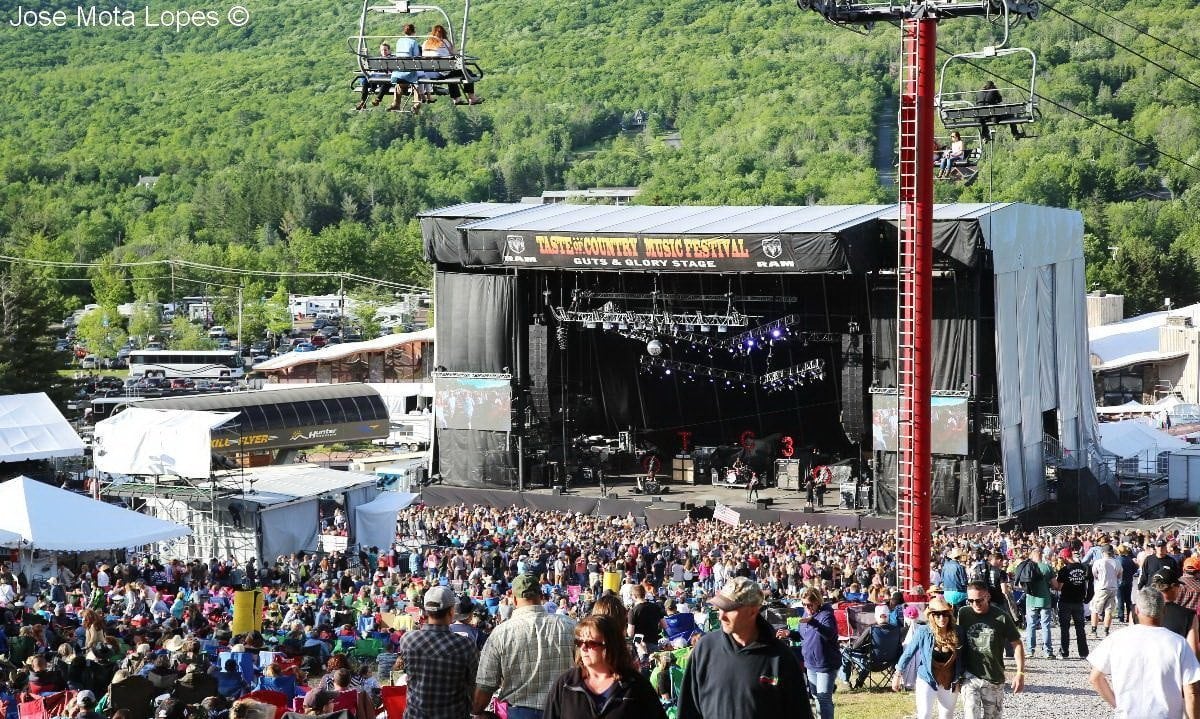
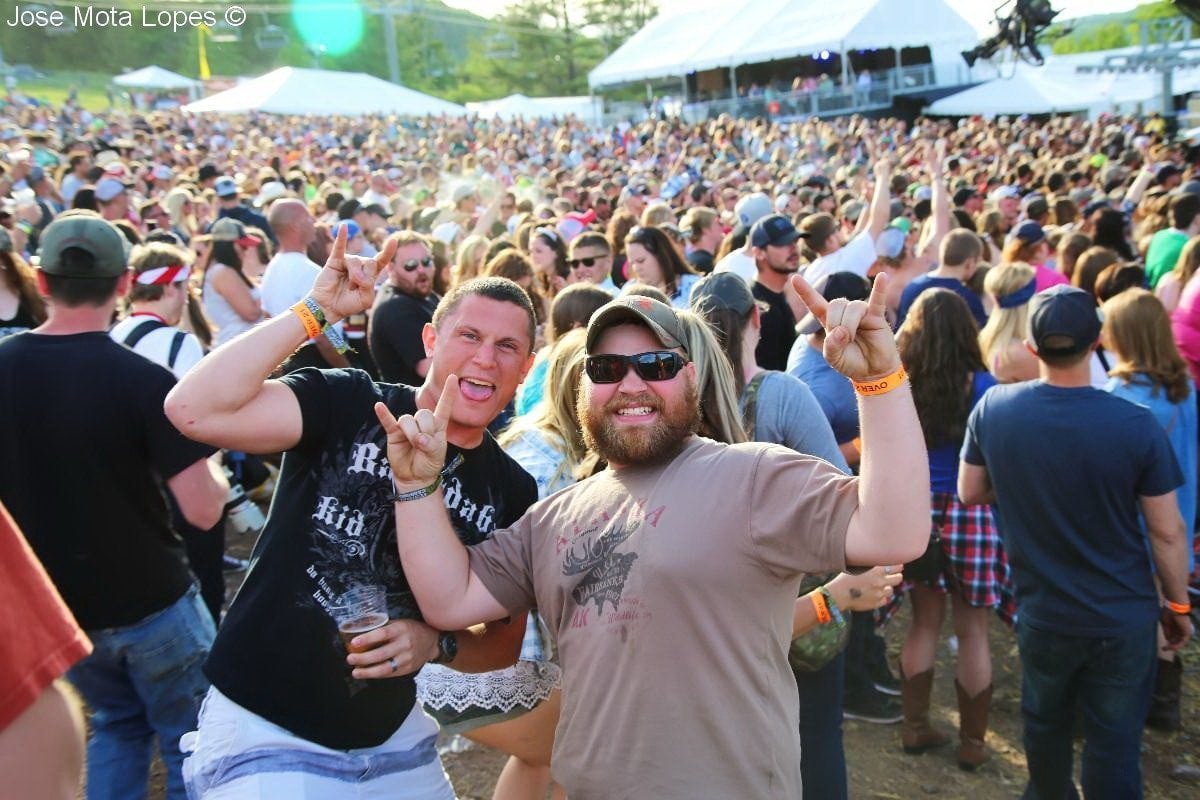
I had never been to a country music festival until I attended the 2016 Taste Of Country Music Festival, and I honestly did not know what to expect. The yearly festival was held June 10, 11 and 12 on Hunter Mountain in Hunter, NY. Driving into Hunter, NY, I had to double check my GPS to make sure that I was in the right place. I was fairly surprised that mega country stars like Kenny Chesney, Jake Owen and rock star Kid Rock, artists who usually sold out stadiums such as Ford Field and Gillette stadium with capacities of over 60,000 people would play a small mountain town with a population of just over 2700 people. But the small town, usually known for it’s superb winter skiing, with its amazing mountain views, ended up being a great choice for the fourth annual Taste of Country Festival, which set a new attendance record with over 53,000 fans over the weekend.
The festival split it’s acts between two stages, the main stage, named The Dodge Ram Guts and Glory Stage which featured the festival’s bigger acts, including the headliners, and the Bud Light Stage, which featured up and coming country artists. This provided three days of back to back country music, with a touch of rock to keep things interesting, and kept this reporter running back and forth between the stages to try to catch most of the action. The first day of the festival was headlined by Kid Rock, and featured Big & Rich, The Cadillac Three, Logan Brill, Annie Bosko, Jana Kramer as well as Dylan Jakobsen.
Annie Bosko, was the only artist to be featured on both the main Ram Stage and later in the day, the Bud Light Stage. Bosko is an American Idol alumni, and has paid her dues singing backup vocals for the likes of Adele and Darius Rucker. She was named by Rolling Stone Magazine as “One Of 10 New Country Artists You Need To Know: Summer 2015.” She has powerful voice and backs it up with a bold on stage attitude. I was especially impressed by her single “Crooked Halo.”
The Cadillac Three took the Ram Stage at 6pm. The Cadillac Three or TC3 as they are also known, launched their first album in 2012, and are currently on tour with Florida Georgia Line. Each member had long hair and wore a baseball cap over it. Their look, sound and love for the South, reminded me of a modern Lynyrd Skynyrd. The group told the crowd about the first time they played a show in New York, a few years ago and were worried about how their brand of country would be accepted this far north, but then realized that there were more rednecks up here than in the South.
Up next was Logan Brill on the Bud Light Stage. Logan released her first album in 2013, but has been preforming in front of crowds in Tennessee since she was 11. I was impressed with the diversity of her music, she was able to transition from the blues, to country and pop without missing a beat. Her experience showed in the emotion and soul that she brought to her performances. I especially loved her heartfelt single, “World Still Round”.
Once Logan finished her show, I rushed back to the Ram Guts and Glory Stage for Big and Rich, who broke out to the country music scene in 2004 with their mega hit “Save a Horse (Ride a Cowboy)”, and have been making country music history since. Including a CMA, ACM and CMT nomination and two platinum albums. The crowd definitely responded to them and seemed to sing along to most of their songs. Their on stage, fun loving energy animated the crowd who seemed to enjoy every minute of it.
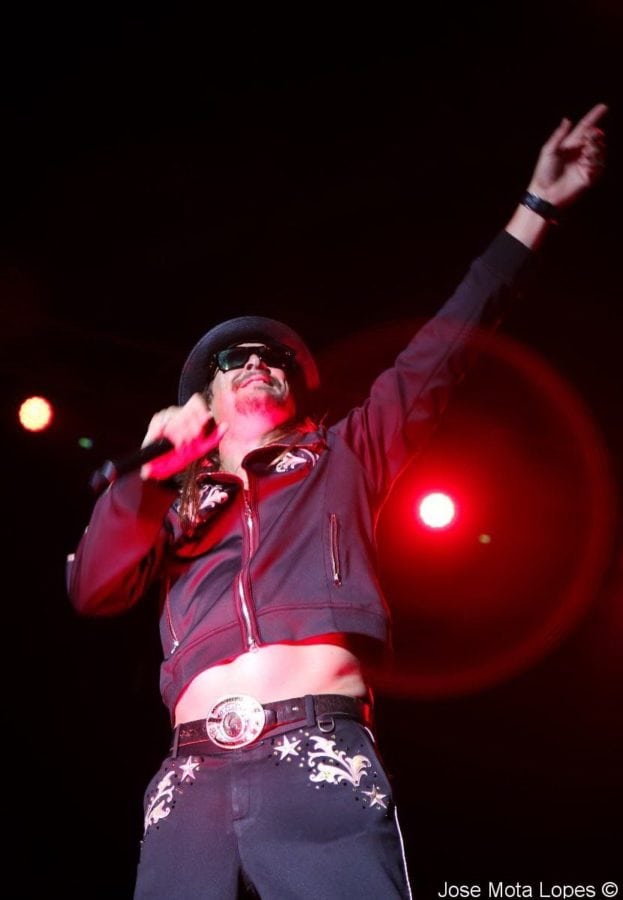
Last but definitely not least, Kid Rock took the stage around 10 o’ clock to end the night with a bang, both literally and figuratively. Kid Rock is one of the few artists to successfully be able to mix rock, rap, and a touch of country. He released his first album in 1990, a second in 1993 and his third album in 1996, but it wasn’t until 1998 when he released his fourth album, Devil Without A Cause that he found success. His 1998 album sold over 10,000,000 copies and ensured that he would become a household name. His appearance was met with screams and cheers. At one point during his performance, with a grin, Rock lamented to the crowd that he had no idea why he kept “getting booked at all of these country festivals.”
Perhaps it was because, although he did not technically sing country music, he definitely embodied what southern rock was all about, and that his modern cowboy persona fit perfectly in a country festival. Rock showcased his musical talent during his show by jumping between being the lead singer, to the drummer, to playing the piano, to playing the guitar, to playing DJ by scratching on the turn tables, while at the same time pouring himself a glass of Jim Beam. The show even included a row of moving, mechanical flame throwers behind Rock and a few loud bangs at the perfect moments in various songs. This put an amazingly explosive end to had already been an amazing first day at the TOC festival.
Utica Music and Arts Festival will not return fall, as reported initially by Utica Observer Dispatch. The city-wide weekend long event each September featured dozens of bands from across the country playing at venues throughout the city.
The two-day festival grew over the last 8 years, and made the event affordable to attendees – $10 granted you entrance to participating bars and other venues, including art galleries. Local business owners shared their thoughts on the lack of UMAF returning this fall.
“It’s a lot of work,” festival founder Joe Sweet said. “I just feel so beat up by the end – so physically and emotionally tired that I just need a rest. … It’s grown bigger than me. So before I get too buried, I just want to let it breathe and see what grows out of it instead of just keep pushing and pushing.”
“I would love to partner up with someone who could fill that space that the festival needs as it grows,” Sweet said, noting his 7- and 8-year-old children and his business also have kept him busy. “We know we can keep packing bars and that’s awesome, but I want to grow it more than that.”
“I think it was something that people began to expect each year,” Schram said. “Hopefully, someone else will step up and bring it back next year. While there are plenty of music options in town, this event brought everyone together and introduced the city to a lot of bands and artists from outside the area, which is rare to see outside of the The DEV.”Tim Schram, owner of The DEV.
AWOLNATION ‘sailed’ into Upstate Concert Hall on Wednesday, July 13, energizing the audience despite the imposing heat.
Kicking off the evening were L.A. natives Irontom. With flamboyant gestures and high energy, the band quickly engaged the audience and became the highlight of the three sets of the evening. Irontom consists of guitarist Zach Irons, singer Harry Hayes, bassist Dane Sandborg, drummer Dylan Williams, and Daniel Saslow on keys. Lead singer Hayes was fascinating to watch as he gestured and mimed his way through the band’s set, almost reminiscent of Cage the Elephant’s Matt Shultz.
Unfortunately for the audience, Irontom’s set was over too soon, as time constraints forced them to end before their last song. Irontom has released a compilation album of their 2012-2014 recordings. Check out their upcoming tour dates.
Following Irontom was San Francisco’s Finish Ticket, who just recently opened for Fitz and The Tantrums at UCH on June 23. While less energetic than Irontom (lead singer Brendan Hoye frequently cited the heat), Finish Ticket is reminiscent of Walk the Moon. The highlight of their set was a cover of the Killer’s “When You Were Young,” sounding perhaps better than the original.
Finally, AWOLNATION took the stage around 10pm. Consisting of front man Aaron Bruno, Kenny Carkeet on keyboards and guitar, Isaac Carpenter on drums, and bassist Marc Walloch, AWOLNATION combines electronica and rock to create a unique sound. Their second album, Run, was released in March 2015.
Opening with “Run,” the band covered the majority of the tracks from their sophomore album, while also throwing in highlights from their debut. The crowd covered all of the floor at UCH, with little room left to spare. As the night went on, the temperature rose as condensation dripped from the ceiling.
AWOLNATION didn’t let the heat slow them down, powering through “Hollow Moon,” “Not Your Fault” and “Jail Break,” joined by Irontom’s guitarist Zach Irons (replacing AWOLNATION’s Drew Stewart who left the band in September 2015), and with Irontom’s drummer Dylan Williams on one song.
The band was thankful to be there and appreciative of their audience, frequently checking in with the crowd, telling people to look out for each other, and often remarking that their music “is for everyone.”
Highlights of their set include a drum solo, the appearance of inflatable shark pool toys in the audience (which one crowd surfer climbed atop), and “Dreamers” during the encore.
The band closed the evening with a medley of “Now I Can See You” and crowd favorite “Sail.”
Setlist: Run, Hollow Moon, People, Not Your Fault, Jailbreak, Soul Wars, Windows, Kill Your Heroes, Woman Woman, All I Need, Like People, Like Plastic, Drum Solo / Burn It Down, I’m on Fire, I Am, Dreamers, Sail
Tune in below for an interview with AWOLNATION’s Aaron Bruno and Keller of WEQX, prior to their UCH appearance
The Felice Brothers album, Life in the Dark, to be released on June 24, is a great example of how to be a relevant folk band. Many bands feel they need to discuss the good ole days or life out on the farm, but the Felice Brothers largely steer clear of this theme, and are able to get their message across just fine. They define as indie-Folk, if that’s even a thing.
Songs like the opener, “Aerosol Ball”, “Plunder” and “Sally” are rocking tunes reminiscent of shows like Happy Days. Not many bands would try and pull this sound off – mixing the rock n’ roll of the 1950s under lyrics about issues of today is just, well, nifty.
“Jack at the Asylum” and Life in the Dark” are two examples of a slower side of the Brothers. In “Asylum”, Ian Felice howls “America” with what would seems like his last breath while “Life in the Park” preaches a different, very morbid message. At the end of the song chanting that “we live and we die and we don’t know why”, there seems no place for such a line, but maybe, since the album was named after this song, there is a reason its on here.
“Diamond Bell” is the only song that has a new age folk vibe. It is the story of a girl who seemingly goes on a murder spree across the country and he loves her anyway: more of the same story that’s been told a million time. My deepest apologies if this “Diamond Bell” did enter your life and cause such a ruckus, but it seems far fetched and when all is said and done it didn’t add very much value as the album is strong enough on its own. The style that fans have grown to love shines through this album. People who think folk is a dead art need to listen to “Life in the Dark”, by The Felice Brothers.
Key Tracks: Jack at the Asylum, Life in the Park, Plunder
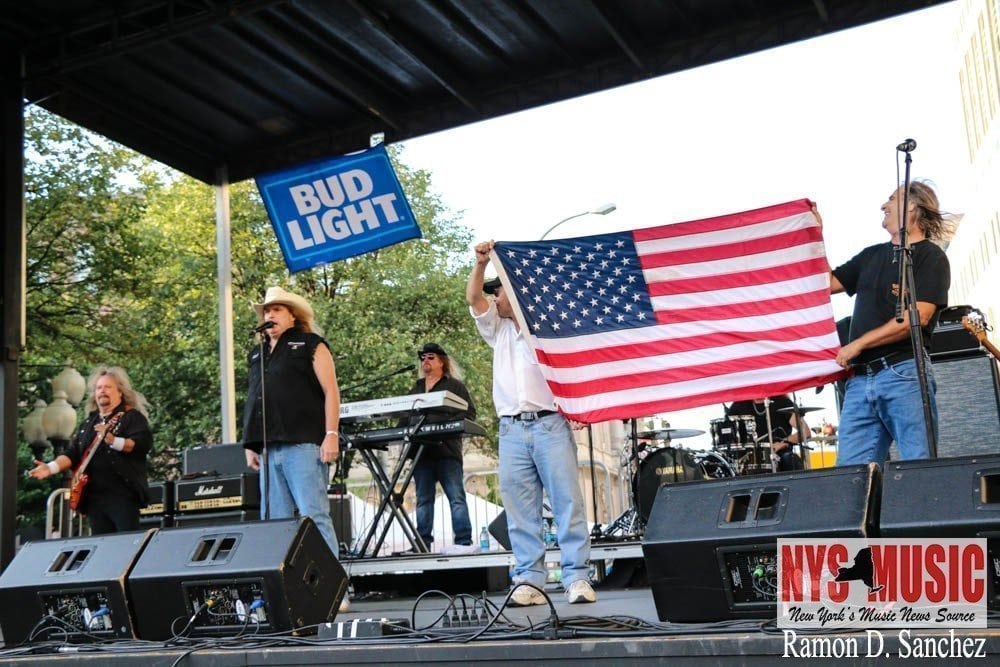
Tumbleweed Highway and Molly Hatchet performed in Albany at Alive @ 5 on August 4. The two bands gave a performance that rocked the hearts of all attending. The crowd roared with patriotism and pride as they listened to the sweet riffs and vocals of the southern rock bands. It put a great end to the Alive @ 5 free concert series for Summer 2016.


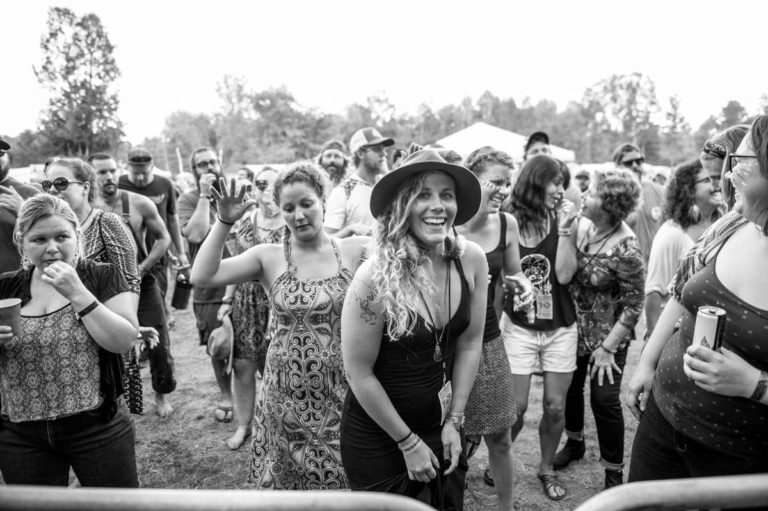 The lineup mixed the best that the Adirondacks has to offer, with some of the bigger acts of the festival circuit. Lucid, a band straight from the heart of the Adirondacks, has been a staple of the weekend since inception, and while this year was the same, it was also very different. Last year, the band announced it was taking a long break, but not officially breaking up and would continue to play events like Pondfest.
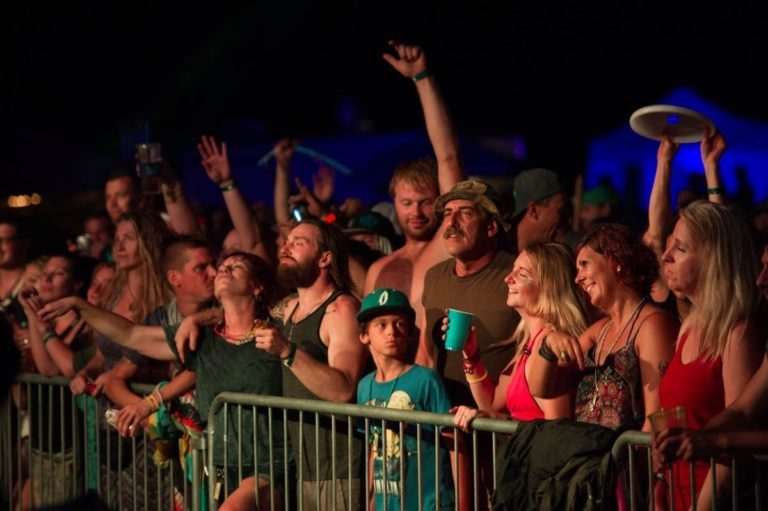 Along with Lucid, the other headliners were Melvin Seals and JGB, Pink Talking Fish (is Bowie), the Blind Owl Band and Twiddle’s guitarist Mihali Savoulidis and his ‘Frends’, who brought the surprise of a Twiddle set. NYS Music contributor Chelsea Wright was in attendance and gives us a first hand account of how it went down:
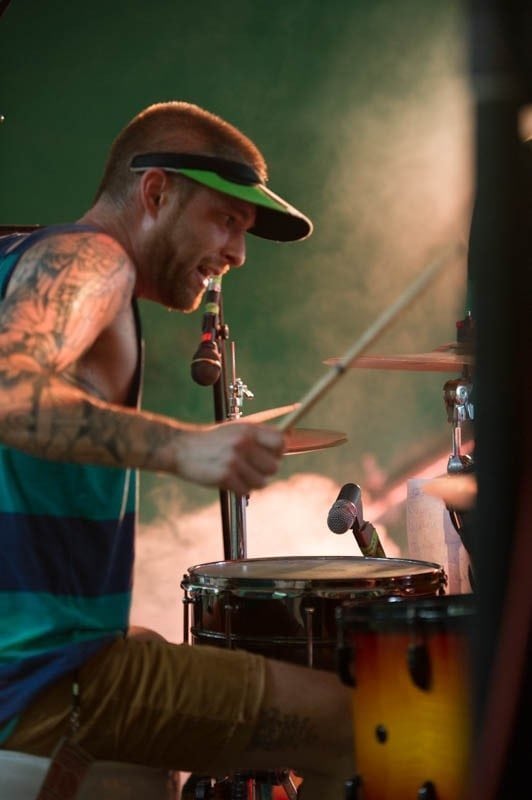 Arriving just on time, I approached the stage and Mihali was just getting it started by inviting a few good Frends up to join him. It was like revolving doors, including some of my favorite musicians; Ryan Dempsey on keys, Jamie Armstrong on Sax, Joshua West on drums, to Kevin Sabourin on guitar and vocals. At one point Brad Hester from Annie in The Water came up and had a back and forth match on a kazoo, with Jamie’s sax. Then they switched it up to Chris Shacklett on bass, Lowell Wurster on percussion and vocals, the beautiful Meadow on vocals, and then the big surprise of a total shift into a set by Twiddle. After Twiddle finished, Mihali remained, and invited members of Capital Zen up to join him. It was an all-around party, with special moments that no one could have anticipated.”
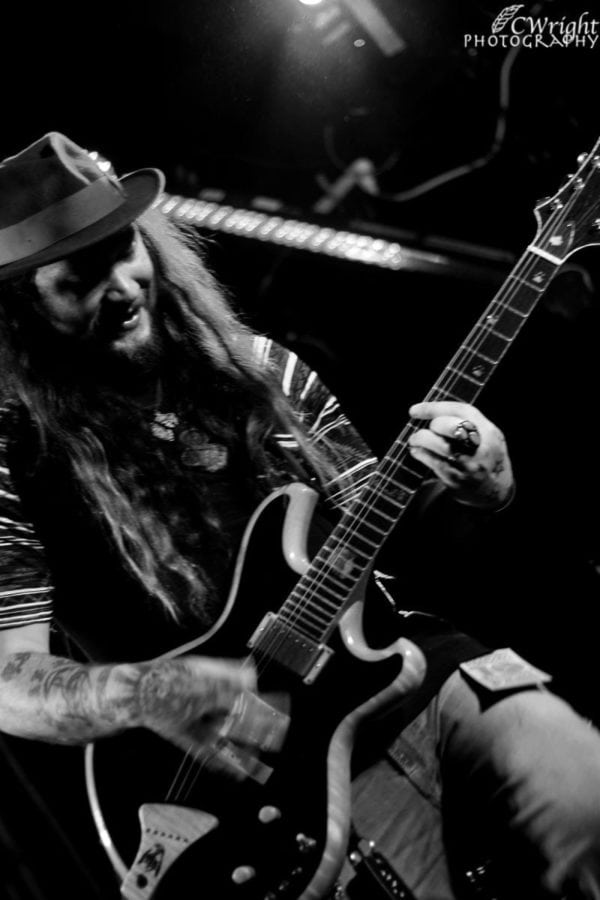 “Little towns like this aren’t really used to stuff like this, so I think they just took any and every precaution while they were here,” Haviland said, adding that the individual was fine by the following morning. “We are safety first; we took all the right precautions.”
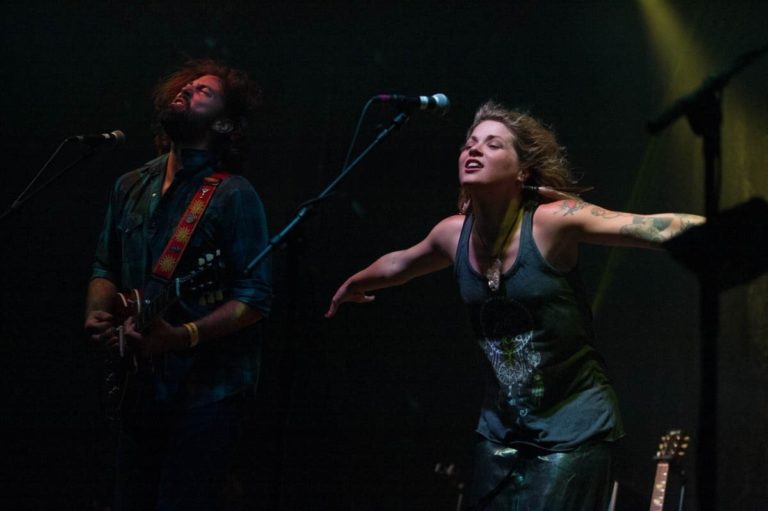 Right after, on the Woods Stage, Syracuse hip-hop trio Sophistafunk took the audience on a positive mental trip with lyrics of encouragement, happiness and elation.
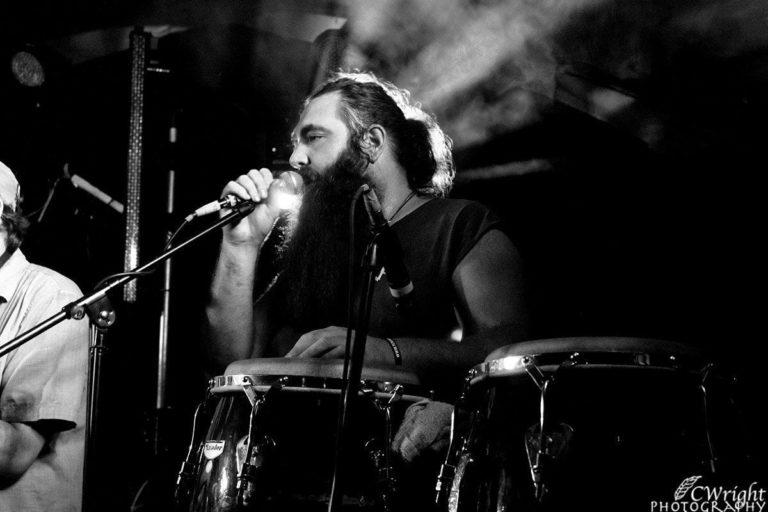 After grabbing a sausage, egg and cheese, two coffees and water (thanks to my editor), I made my way to catch some of Doomf#@k, a band with some of the Lucid guys. I can only describe this act as a talented, humorous joke band.
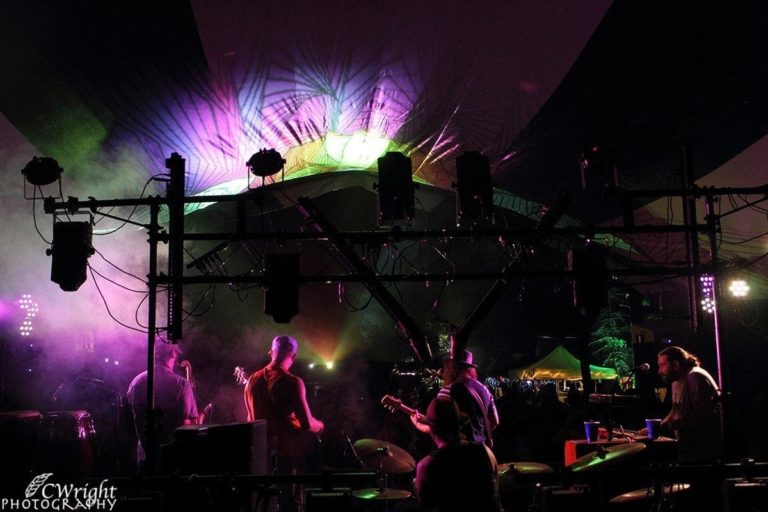 F5’s set consisted of some of the tightest jamming I have ever heard from the group. Matt Richards, who recently took over keyboard duties, displayed the energy and enthusiasm he brings to the band. Woods and Davis are a natural team, with Davis typically weaving his speedy licks around Woods’ boisterous bass lines.
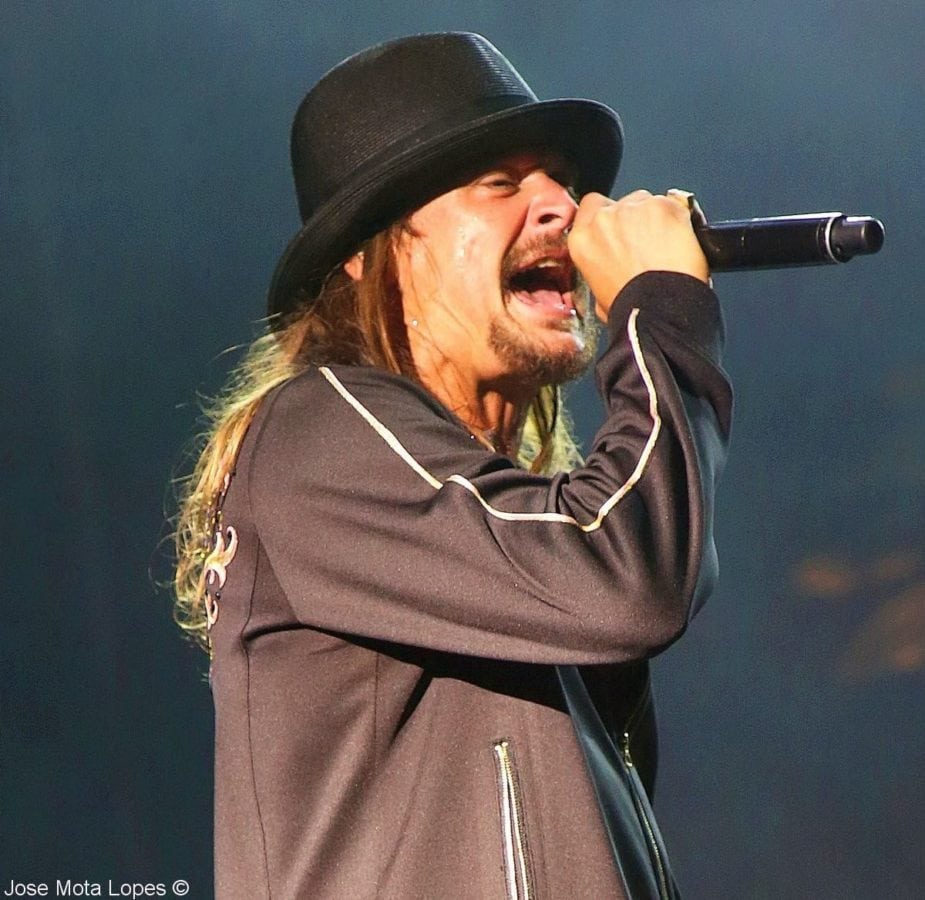 The festival split it’s acts between two stages, the main stage, named The Dodge Ram Guts and Glory Stage which featured the festival’s bigger acts, including the headliners, and the Bud Light Stage, which featured up and coming country artists. This provided three days of back to back country music, with a touch of rock to keep things interesting, and kept this reporter running back and forth between the stages to try to catch most of the action. The first day of the festival was headlined by Kid Rock, and featured Big & Rich, The Cadillac Three, Logan Brill, Annie Bosko, Jana Kramer as well as Dylan Jakobsen.
 The Cadillac Three
 Once Logan finished her show, I rushed back to the Ram Guts and Glory Stage for
  Last but definitely not least,