Category: Troy

  • Del McCoury and David Grisman Celebrate 50 Years of Del & Dawg at EMPAC

    A standing ovation welcomed Del McCoury and David Grisman to the stage shortly after 8pm on December 10. The duo best known as Del & Dawg began their 50th anniversary show on the same RPI campus with “Feast Here Tonight,” a tune by the Monroe Brothers that nodded to Bill Monroe’s connection to both Grisman and McCoury and the genre of which they are elder statesmen. Using only one microphone, the crisp sound made it seem as though you were standing next to them. Even the applause sounded remarkable.
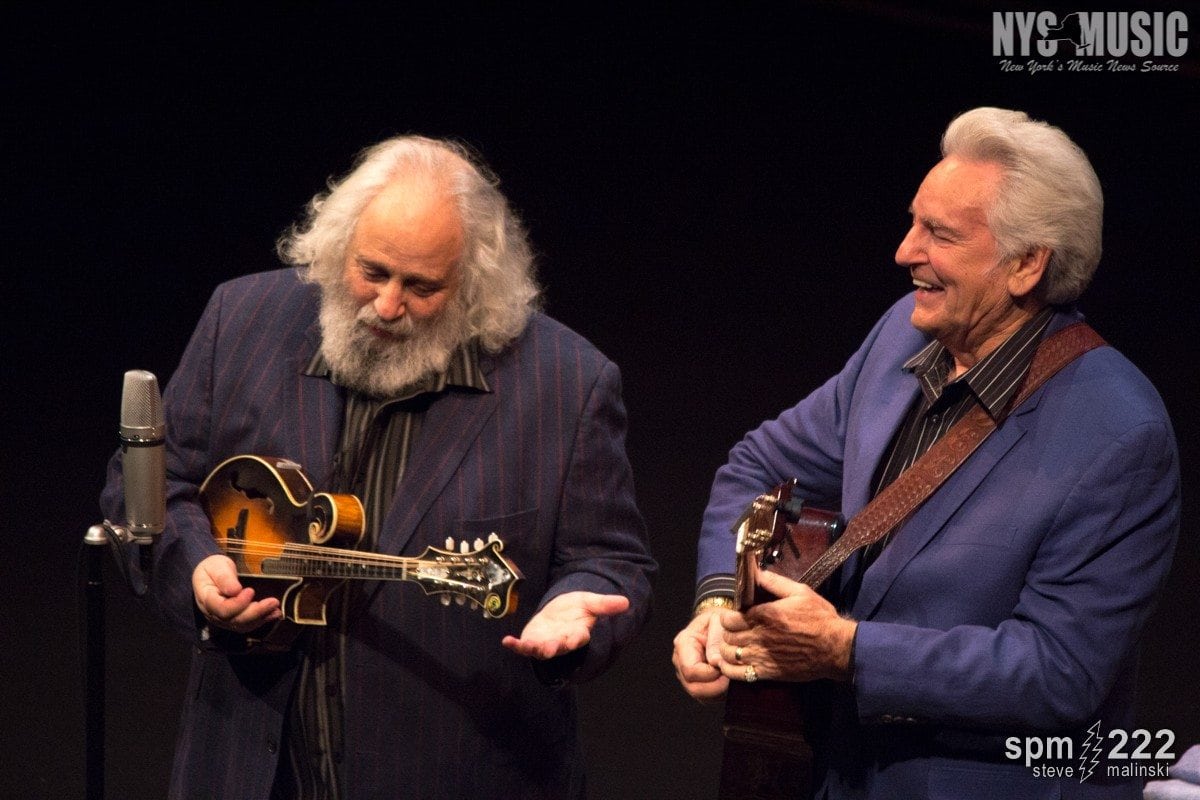
    Del McCoury and David GrismanThe Capital Region of New York is fortunate to have some of the best sounding venues in the country, where the audience and artist can mutually appreciate immaculate acoustics. The Experimental Media and Performing Arts Center (EMPAC) on the campus of Rensselaer Polytechnic Institute in Troy joins The Egg, Troy Music Hall and Picotte Recital Hall as premiere venues with impeccable sound which aids in bringing an exceptional variety of music to the Capital Region.

    The pair took turns introducing the other. Grisman said it was “Great to be back in Troy with this young man,” while McCoury presented his counterpart as “The founder of Dawg music.” The reflection of their instruments bounced off the walls of the spacious room as they swayed and stepped back and forth to the microphone. “East Virginia Blues,” a humorous song of longing sung by both the Carter Family and Stanley Brothers felt like stepping into 1940s Appalachia. “Toy Heart,” a Bill Monroe original, elicited banter from Del and David who gave a free history lesson on the original Blue Grass Boys who first performed in 1946. A former Blue Grass boy himself, Del started out playing banjo, but Monroe got him to switch to acoustic and start singing, much to our delight 50 years later.

    Some banjo humor preceded the instrumental “G-Run Blues,” followed Ralph Stanley’s “Man of Constant Sorrow,” as did “Tennessee Waltz,” considered by Grisman to be “a piece of musical substance” and also the state song of Tennessee that preceded the current title holder, “Rocky Top,” somewhat to Grisman’s dismay. To end the first set, the two performed “The Country Boy Rock n Roll,” a song that was seen at the time as a push back to Elvis Presley and Jerry Lee Lewis.

    Del and Dawg returned to the stage, discussing the circumstances of their first show in 1966. A 4-piece needed a guitar player, and Del McCoury drove up to play with Grisman, the late Winny Winston on banjo and his brother Jerry McCoury on bass. Jerry then joined the pair on stage, followed by Chris Warner on banjo, collectively referring to themselves as The Bluegrass Survivors. “I Wonder Where You Are Tonight,” a Hank Snow song dating to the 1940s, began the set, followed by Del singing lead on “Dark Hollow,” one of the most familiar tunes of the night. Jerry McCoury sang lead on “Send me Your Address From Heaven,” with a voice akin to Del’s, pun intended.

    Prior to “We can’t be Darlins Anymore,” Grisman pointed out the duality of bluegrass music, describing lyrics as focusing on “them tragic things of life – unrequited love, death, incarceration, suicide” and the melodies as “very uplifting, the antidote to the lyrics.” Grisman’s summation of bluegrass: “If you don’t listen to the words, it’s very uplifting.”

    Dawg humor was on display with “I’m my own Grandpa,” as was Del’s ‘High and Lonesome sound’ on “The Prisoner’s Song,” followed by a somber and beautiful “White Dove.” Del gave thanks to the crowd, saying “We enjoyed having a reunion,” and wrapping up the night with Jimmy Martin’s “Hit Parade of Love” and an encore of “Lonesome Road.”

    The history of the music performed this evening exceeded the 50 years the two have performed together. Music dating back to the 1920’s provided a century of bluegrass from which to cull a celebratory performance for this pair of musicians whose influence and knowledge runs deep through the veins of bluegrass music.

    Setlist:

    Set 1: Feast Here Tonight, Shackles & Chains, East Virginia Blues, G-Run Blues, Toy Heart, Man of Constant Sorrow, Tennessee Waltz, Snow Dove, Del & Dawg, Country Boy Rock n Roll

    Set 2: I Wonder Where You are Tonight, Send Me Your Address From Heaven, Dark Hollow, Shenandoah Breakdown, We Can’t be Darlins Anymore, He’s His Own Grandpa, The Prisoner’s Song, Fanny Hill, Walk the Dog, The White Dove, Hit Parade of Love

    Encore: Lonesome Road

    Special thanks to Guthrie/Bell Productions for bringing an historic show to EMPAC, and Del and David, and their wives Jean and Tracy for chatting with fans at the merch table after the show.
  • Interview: Del and Dawg Return to RPI to Celebrate 50 Years of Music

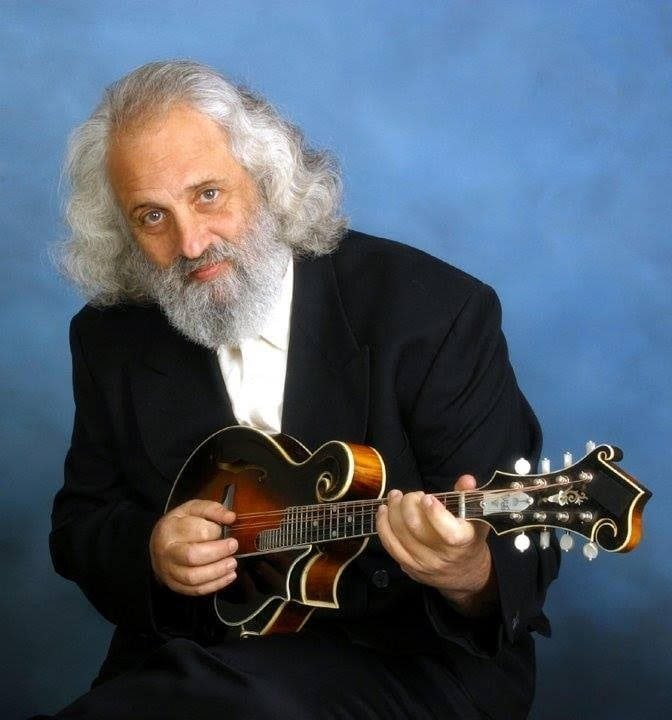
    David Grisman, the Dawg of Del & Dawg

    The roots of bluegrass travel from Appalachia through Kentucky in the 1940s, but the origin of one of the most famous duos in bluegrass history is found in New York. On Saturday, December 10, Del McCoury and David Grisman, better known as Del and Dawg will reunite to celebrate 50 years of music. They’ll do so on the campus of Rensselaer Polytechnic Institute, just as they did that first time back in 1966. Del and David will be joined on this very special evening at EMPAC by Jerry McCoury and Chris Warner.

    Mandolinist David ‘Dawg’ Grisman, a nickname coined by Jerry Garcia, has combined bluegrass and jazz throughout a career of acoustic prowess. Grisman studied English at NYU and lived in Greenwich Village where the folk scene proliferated in the early 1960s. David learned to play mandolin in a style befitting the father of bluegrass music, Bill Monroe. One of Monroe’s Bluegrass Boys, McCoury switched from banjo to guitar, making the pairing with Grisman have a deeper connection in the music.

    Grisman spoke to NYS Music from his Northern California home, discussing the origins of Del and Dawg, bluegrass today and the influence of Jerry Garcia on his mandolin playing.

    Pete Mason: The performance at RPI on December 10th is the 50th anniversary of your first show with Del. How does it feel to bring your history together full circle? Any memories of that show?

    David Grisman: It feels just great to have maintained such a fruitful musical and personal relationship for this long. I still remember the excitement and energy of that first gig together, which was captured on tape and released in part on my album, Early Dawg. I was offered the princely sum of $200 to put a bluegrass band together and was able to obtain the services of Del and his bass-playing brother Jerry, with whom I played in Red Allen’s band. My good friend and banjo whiz, the late Winnie Winston, completed that first ensemble. Later that year (1966) at the 2nd Bluegrass Festival in Fincastle, Virginia, Del asked me to play a set with him. That band included Chris Warner on banjo. Del and I have invited Jerry McCoury and Chris Warner to join us for the second half of this show for a special Bluegrass 50th year reunion set. We’re calling the band The Bluegrass Survivors! We’ll also be playing the next night at the Birchmere in Alexandria, Va.

    PM: How was bluegrass received in the mid-1960s in New York?

    DG: Bluegrass was always exciting for New York audiences, then and now. Of course, now there’s a wider audience. But it always was very special for me, particularly when people like Ralph Rinzler, Mike Seeger, John Cohen and Israel G. Young started promoting concerts with bands like Bill Monroe and his Bluegrass Boys and the Stanley Brothers.

    PM: What are some of the highlights of the last 50 years of playing music with Del?

    DG: Playing with Del is always special, but one highlight was the tour we did in 1989 as the David Grisman Bluegrass Experience where Del and his band (featuring his sons Ronnie and Rob and two fiddle players) joined me for a two-week tour to promote my LP, Home is Where the Heart Is. Another high point was producing the Mandolin Extravaganza project with Ronnie McCoury, which featured eight bluegrass mandolin masters in various combinations, all backed by Del’s masterful rhythm guitar.

    PM: What is the first instance where you knew there was a musical chemistry between you?

    DG: I reckon it was the first note we ever played — long ago.

    Del and DawgPM: How did playing with Jerry Garcia influence your mandolin playing?

    DG: Playing with Jerry opened me up to exploring a lot of possibilities that existed within our many common musical sensibilities. We had both drunk from the same musical well for many years and playing together later in our careers was a great musical and personal experience for me.

    PM: You have seen 50 years of bluegrass music, from the beginning of the familiar genre. How have you observed its evolution?

    DG: Well to be perfectly honest, I wasn’t there at the beginning which Del & I both agree occurred when Earl Scruggs joined Bill Monroe’s band in 1946 (which already included Lester Flatt and Chubby Wise). I didn’t discover bluegrass music until 1960, but fortunately the original architects of the music were still in their prime and playing. I did get to play with many of them, including Bill Monroe, Earl Scruggs, Ralph Stanley, Red Smiley, Mac Wiseman and Red Allen, who gave me my first “hard-core” bluegrass job. I’m currently working on a project with one of my heroes, the great mandolin master, Jesse McReynolds. Bluegrass has of course “evolved”, taking on many influences that Bill Monroe probably wouldn’t have approved of. In a way it’s become diluted and in my opinion, commercialized by the music business, as have many other genres. I still like the more traditional bands like Del’s. Having said that, I think there are many young musicians who are playing incredible music these days, from Chris Thile and the Punch Brothers to Sierra Hull. I just wouldn’t call it bluegrass. That’s why I called my own music Dawg because I don’t feel it is bluegrass as defined by the creators of that genre.

    PM: What is it like to have not only a stage relationship with Del, but to also have sons Monroe Grisman and Ronnie McCoury born a month apart?

    DG: Our children are a great source of inspiration. Monroe Grisman is a wonderful musician and singer, but was always in the rock world. He now plays in a very popular band in Marin County, California — Petty Theft. My daughter Gillian (head of production for George Lucas’ Edutopia project) is also musical and even played a gig with John Sebastian’s jug band on washboard bass! My son Samson is a great bass player who currently plays with Lee Ann Womack and the Bryan Sutton Band, as well as my own Bluegrass Experience. My stepson, John R., has been developing into a fine mandolinist and my wife Tracy has subbed for Sam on bass and also plays guitar and fiddle. Of course Del’s sons Ronnie and Rob are fantastic award winning bluegrass musicians and will certainly carry on the McCoury legacy. I know that Del and I are both proud dads and we’ve talked about doing a father & son project someday.

    Tickets for Saturday’s Del and Dawg show are available through EMPAC.

    Watch Del and Dawg from Oriental Theater in Denver below.

  • ‘Deep Listening’ Pioneer and Experimental Music Composer Pauline Oliveros Passes Away at 84

    Pauline Oliveros, experimental composer, electronic music innovator, accordionist, pioneer of the Deep Listening philosophy and Distinguished Research Professor of Music at Rensselaer Polytechnic Institute, passed away Thanksgiving Day at the age of 84.

    Pauline Oliveros composerDuring my own time as a student at RPI studying soil mechanics and structural analysis of steel and concrete I somehow found the time to add an electronic arts minor to my transcript. I had heard of a class called ‘Deep Listening’ and it seemed to this then-junior engineering student like a curious subject to help round out the arts minor. It wasn’t until my senior year – when it was too late to reconfigure course schedules – that I had a taste of this subject when my advanced computer music class sat in on a session happening two floors above in West Hall.
    Near one side of the room a dozen or so students was Pauline Oliveros, deeply immersed in the multi-channel surround soundscape created with her cherry red accordion and numerous effects processing. Seeing the focus of those students in a music setting unfamiliar to me was incredible and proved an importance to her course.

    Oliveros was interested in music from a young age, learning accordion from her mother in Texas at age nine and learning the French horn and tuba later on. Her education took her through music programs at the University of Houston and San Francisco State College where she obtained a Bachelor of Fine Arts degree in composition. She remained in academia for several years, teaching at Mills College and UCSD. In 1981 she left UCSD to come to the Hudson Valley, where a less restrictive creative environment allowed her to further explore performance and composition where she later founded the Deep Listening Institute.

    She introduced herself to the idea of deep listening in the early 1950s when she got her first tape recorder. “I immediately recorded from my apartment window in San Francisco,” she recalls in a 2012 interview on WRPI in Troy, NY. “I listened as I recorded but when I listened back to the tape I heard things that I hadn’t heard when I recorded. So, I realized that I hadn’t really been listening. Since then my mantra has been listen to everything all the time and remind yourself when you’re not.”

    The term “Deep Listening” hadn’t been coined for many years after her early experiments with tape recordings and work with the San Francisco Tape Music Center, though the ideas and teachings were there in Oliveros’ early academic career in experimental music and composition. “Deep Listening” as a term was a coincidence of pun associated with recordings made in the Dan Harpole underground cistern in Washington State in 1988 with two of her musical partners Stuart Dempster and Panaiotis who then donned the name for the group of Deep Listening Band.

    Deep listening, in brief, is about treating listening as an active rather than passive process, a process that takes some effort. “Deep Listening is listening in every possible way to everything possible to hear no matter what you are doing,” Oliveros described. “Such intense listening includes the sounds of daily life, of nature, or one’s own thoughts as well as musical sounds. Deep Listening represents a heightened state of awareness and connects to all that there is.” That philosophy has led her to have a profound influence on music through improvisation, meditation, and use of electronic music.

    Oliveros’ extensive fifty-year career as a leader in avante-garde and experimental music included numerous recordings under her own name and with the Deep Listening Band. Along with these recordings, Oliveros has many publications, videos and has given many lectures and workshops out of the classroom setting. She received several awards in her career, including the most recent biennial John Cage Award in 2012, given by the Foundation for Contemporary Arts in New York City to individuals who have made outstanding achievements in contemporary performing arts.

    From 2001 until her passing, Oliveros had been teaching Deep Listening and conducting research at RPI in Troy. Her collaborative research at the university included the Adaptive Use Musical Instrument (AUMI) – a development of adaptive musical instruments through computer interfaces for those with mobility restrictions – and others including artificial intelligence programming for improvised music and data science research with the university’s School of Science.

    In 2012 a celebration of Oliveros’ 80th birthday was held at the university’s Experimental Media and Performing Arts Center (EMPAC). Oliveros, along with the Deep Listening Band, gave a performance utilizing computer simulations, developed by architecture acoustics professor Jonas Braasch, of the acoustics of the cistern in which the band recorded in 1988, implemented using technology within the theater.

    While Oliveros had an extensive career as a composer and performer, many people who have worked with her have been remembering her as a compassionate mentor, brilliant until her passing. Former student Blair Neal recalls of her impact, “Technology was never at the core of [class] discussions though, it was always the power of the human and how we communicated and listened to each other. That kind of teaching is something I try to carry with me always.” Another former student, Alex Bulazel shares simple words of gratitude, “Pauline was always an inspiration to her students, reminding them of the importance of creativity, artistic self-expression, humor, and most importantly, listening.”

  • Del & Dawg Come to RPI

    Del McCoury and David Grisman – Del & Dawg – will perform a show at Rensselaer Polytechnic Institute (RPI) in December.

    Del and Dawg
    Del and Dawg – Jason Charme photography

    Fifty years ago, Del McCoury and David Grisman played their first ever show together at Rensselaer Polytechnic Institute back in 1966. They return to RPI at EMPAC on Dec. 10 to share music and stories celebrating their 50 years together.

    McCoury and Grisman, affectionately known together as Del and Dawg, have each become bluegrass legends in their own right. McCoury had his start playing banjo for Bill Monroe in the early 1960s. He went on to form his own band, serving as an influence for many acts, including Phish and the String Cheese Incident. In 2008, he started his own bluegrass and folk music festival, DelFest, which has been held every year since in Cumberland, MD.

    Grisman got his start as a member of the Even Dozen Jug Band. He went on to form a close friendship and well-known musical partnership with Jerry Garcia. He still performs regularly with the David Grisman Quintet and the David Grisman Bluegrass Experience.

    Tickets for the Del & Dawg show range from $36 to $59. They go on sale this Friday, Sept. 16 at 9 a.m.

  • Gang of Thieves Tour Stops in Utica and Troy

    Gang of Thieves will head out on an extensive tour of the Northeast and South with stops at several New York music festivals and shows in Utica and Troy.

    gang of thieves tourBurlington, Vermont-based rockers Gang of Thieves’s spring and summer tour will take them to several stops in New York as well as neighboring states. It brings them back to Lukin’s in Utica on Thursday, May 26. After a tour of North Carolina and South Carolina through the first half of June, they return to the Northeast. They’re back in New York on June 18 to play the River Street Festival in Troy, and they’ll come back to Troy on Aug. 12 for a show on the Captain JP Cruise Line.

    Gang of Thieves has several stops in nearby locations in the Northeast including their tour opener on May 20 at Harlow’s Pub in Peterborough, New Hampshire and the following night, May 21, at the Magic Hat Artifactory in South Burlington, Vermont. Following their tour of the South, they return with a show at the Kingdom Taproom in St. Johnsbury, Vermont on June 11. They play the Middle East in Cambridge, Massachusetts on Friday, June 17. A return to Vermont sees them at the Eat More Kale Festival in Montpelier on June 25 before heading to Manchester, Connecticut on July 1 to play the Hungry Tiger. Beer and music lovers will find them at the Stowe Brewers Festival on July 29 in Stowe, Vermont.

    They’re making full rounds of the area festivals including Strangecreek on May 27; Buffalove on July 30; the Organic Smiles Festival in Middletown, Connecticut on Aug. 5; Backwoods Pondfest on Aug. 6; and Mazzstock in Marlboro on Aug. 27.

    Gang of Thieves tour dates:
    May 20 – Harlow’s Pub, Peterborough, NH
    May 21 – Magic Hat Artifactory, South Burlington, VT
    May 26 – Lukin’s, Utica, NY
    May 27 – StrangeCreek Campout, Greenfield, MA
    May 29 – Wicked Weed Brewing, Asheville, NC
    May 31 – Independent Public Alehouse, Greenville, SC
    June 1 – Charleston Pour House, Charleston, SC
    June 2 – Visulite Theatre, Charlotte, NC
    June 3 – The Pour House Music Hall, Raleigh, NC
    June 4 – Bulls Tavern, Winston-Salem, NC
    June 11 – Kingdom Taproom, St. Johnsbury, VT
    June 17 – Middle East, Cambridge, MA
    June 18 – River Street Festival, Troy, NY
    June 25 – Eat More Kale Festival, Montpelier, VT
    July 1 – Hungry Tiger, Manchester, CT
    July 29 – Stowe Brewers Festival, Stowe, VT
    July 30 – Buffalove Music Festival, Westfield, NY
    August 5 – Organic Smiles Festival, Middletown, CT
    August 6 – Backwoods Pondfest, Peru, NY
    August 12 – Captain JP Cruise Line, Troy NY
    August 27 – Mazzstock, Marlboro, NY

    [embedyt] http://www.youtube.com/watch?v=PCn1NfcMBK8[/embedyt]

  • The Show Goes On: WRPI’s Steve Daub Bids Farewell to ‘Stormy Monday Blues’ This Week

    It’s a Monday night in Troy, and radio host Steve Daub shuffles into the WRPI studios with a small duffel bag of CDs in hand, ready to pick through some of the new local and national blues records on the shelf. At the top of the 8 o’clock hour, his distinct voice carries the words, “You’re listening to Stormy Monday Blues on WRPI-Troy,” over the intro riff of the blues tune of the same name. This Monday, he will give that intro on the radio one more time.

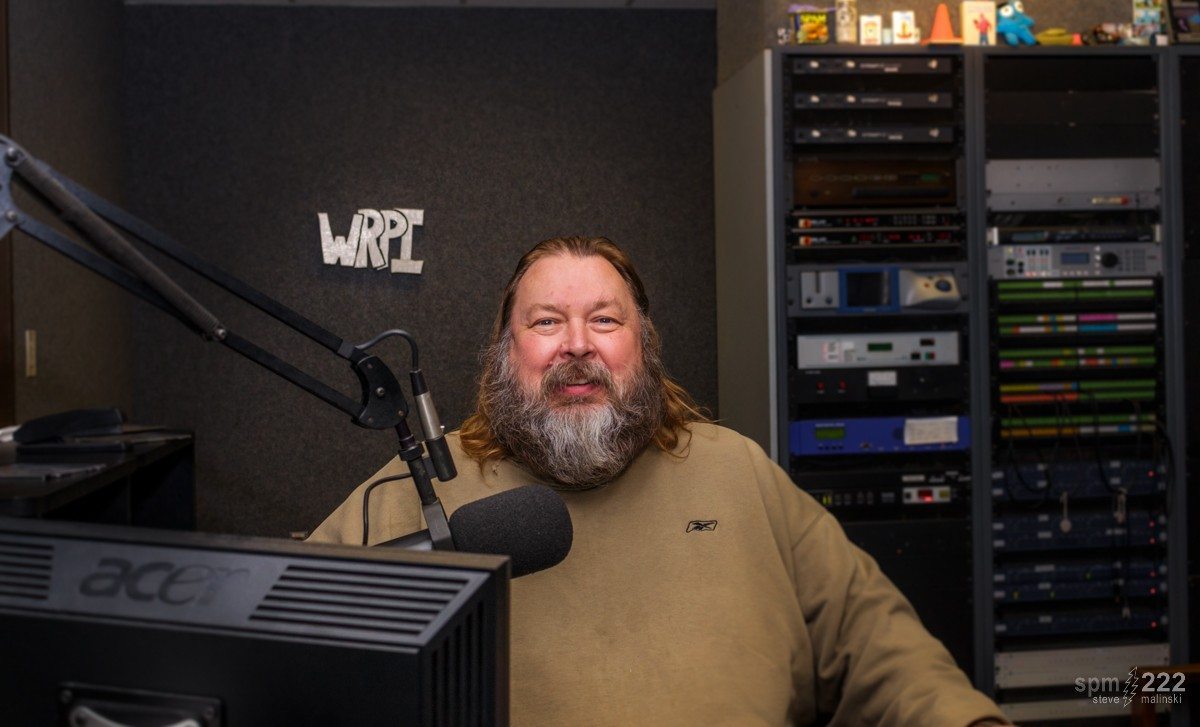
    SMalinski - Steve Daub - WRPI-1

    Steve Daub in the studio, May 2016

    Underneath the stadium-style lecture halls of the Darrin Communications Center at Rensselaer Polytechnic Institute resides the university’s radio station. WRPI pumps out music and programming with all sorts of content from the whacky musings of Harmando in the morning to the Capital District EDM staple of DJ Scooter’s “The Sounds of Now” on Friday nights. In between sits many other notable programs, including Steve Daub’s “Stormy Monday Blues.”

    Daub began officially hosting the program in April 2000 after co-hosting it with former host Bill Burdick on a few occasions. Just over 16 years later, “Stormy Monday Blues” will again be passed on in a similar fashion. The program was started in the early 1980s by Jim Barrett (River Street Beat Shop, Troy) as a spin-off of his long-running program, “Kaleidoscope,” which currently airs on WVCR at Siena College. Since then, some of the hosts include Dave Thomas, former Smithsonian post-doctoral associate Kip Lornell, and Bill Burdick.

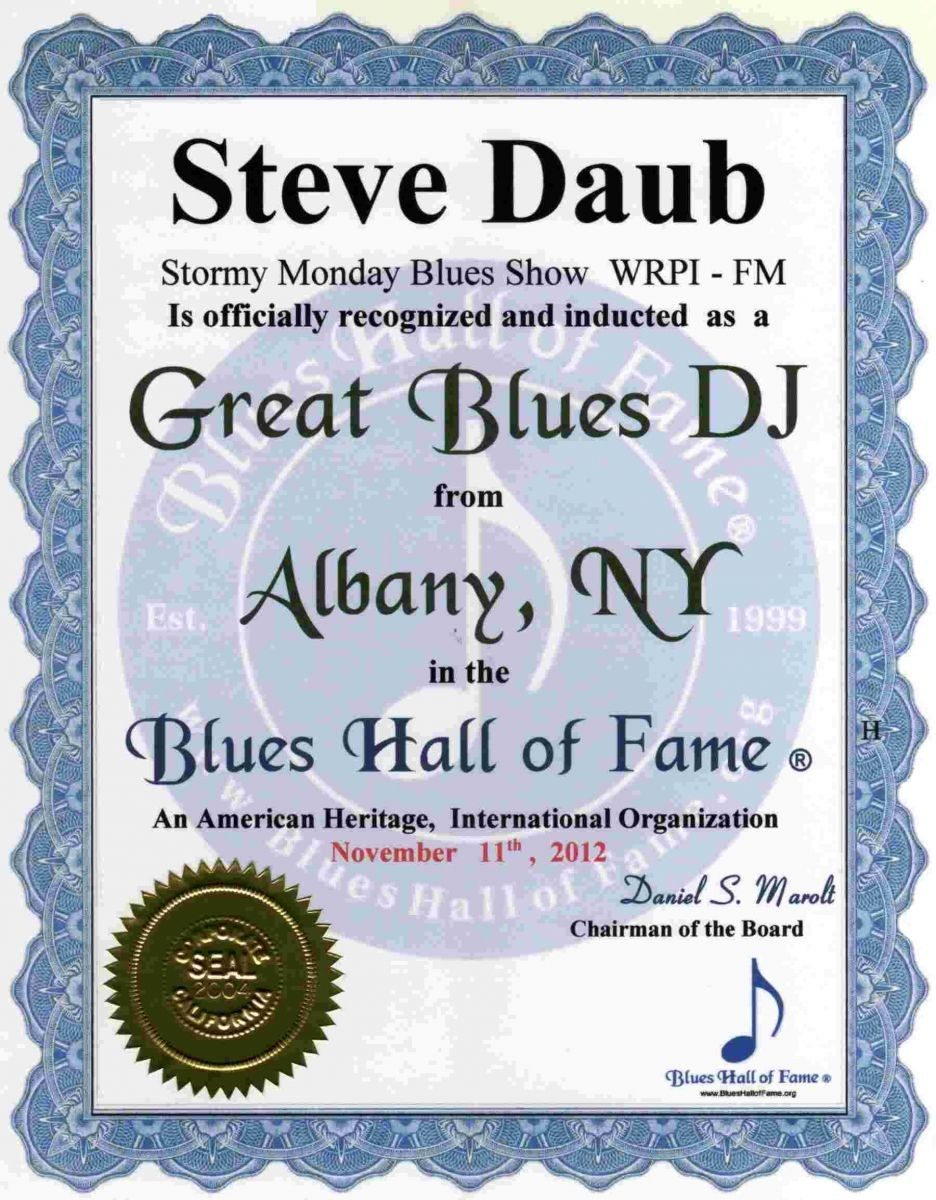
    A mainstay of “Stormy Monday Blues” over the past few years has been frequent, live in-studio performances and interviews with local blues artists, some such as Rhett Tyler and Professor Louie & The Crowmatix taking residency status. On top of being a prominent figure in advocating for the patronage of live, local blues performances, this lead to Daub’s November 2012 induction into the NY Blues Hall of Fame.

    Steve_Daub_Great_Blues_DJ_Albany_11-11-12WEB

    Soon after Daub’s concurrent retirement from his professional career comes a relocation that will make him unable to make it to the studios to keep doing the show, but he is leaving it in good hands. Regular listeners of the program have become familiar with the new voice of the show over the past few months.

    Though Daub is leaving “Stormy Monday Blues” this week, he by no means will part ways with music. While he wraps up some odds and ends around the Capital District through part of the summer, he plans on filling in some air time on WRPI, perhaps making an encore appearance on “Stormy Monday Blues.” He is looking forward to splitting more of his time between New York and New Orleans to take in the rich music scene and culture of the city where he already makes an annual pilgrimage for the New Orleans Jazz Festival, and he may look to pick up some on-air time in the Crescent City at Tulane University or the renowned jazz and blues station WWOZ.

    SMalinski - Professor Louie - Paramount Hudson Valley-1Prof. Louie, a frequent “Stormy Monday Blues” guest, performing at Paramount Hudson Valley in Peekskill, Oct. 29 2015
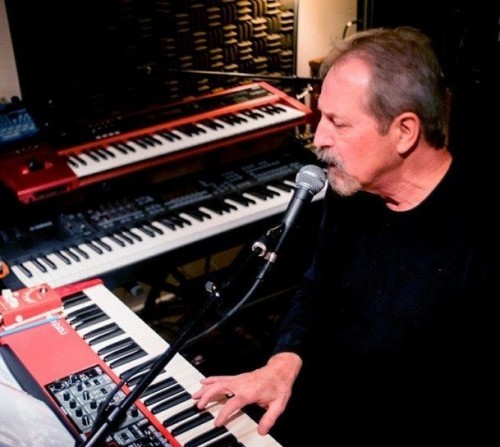
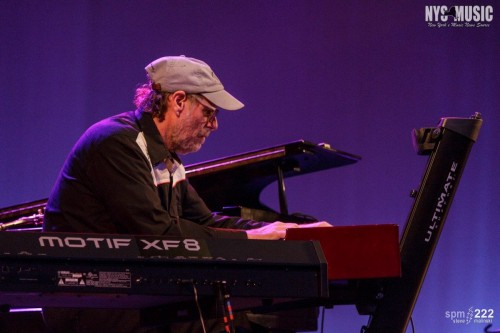
    An inductee of the New York Blues Hall of Fame as a musician (February 2015), Sonny Speed has a wealth of knowledge of the blues, which he will bring with him as the new host of “Stormy Monday Blues.” As an accomplished musician and record producer, Speed has opened for some big names including the Zombies, Cactus, Leslie West, Leon Russell and Toby Walker, among others. On top of that, he has shared the stage with Joe Louis Walker, the Drifters, Murali Coryell, Taz Cru and Chubby Checker to name a few. Speed has been getting acclimated to the radio environment as a co-host with Daub for the past handful of months.

    Sonny Speed WRPISonny Speed at the keyboards

    It wasn’t entirely a chance encounter that brought Speed to the WRPI studios. Daub and Speed have worked together in the past judging blues events, meeting at Caffe Lena in Saratoga Springs.

    As Sonny recalls:

    I was hosting the Capital District Blues Network jam at Caffe Lena some time this past December. Steve was there watching the acoustic jam and later that night he called me to the back room and says ‘I want to talk to you about something. I’m going to be retiring and I’d like you to take over my show. I think you’ve got a good fit with what I’m doing there.’ He didn’t want to go to just anybody who didn’t have a depth in the blues.

    Speed owns Sun Spot Studio in Saratoga Springs and has produced more than 75 albums, so hosting a radio program that incorporates live sessions will be a natural fit for him.

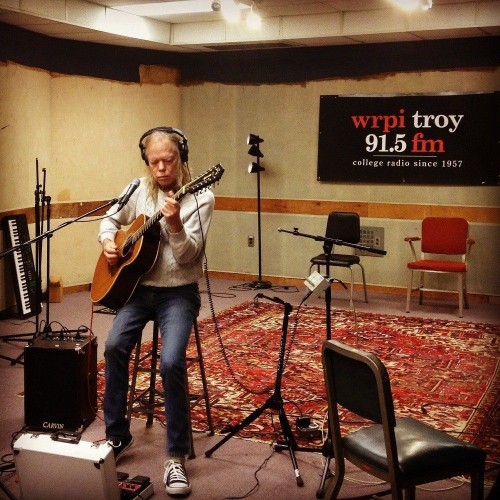
    Rhett Tyler WRPIRhett Tyler performing on “Stormy Monday Blues,” Nov. 23, 2015
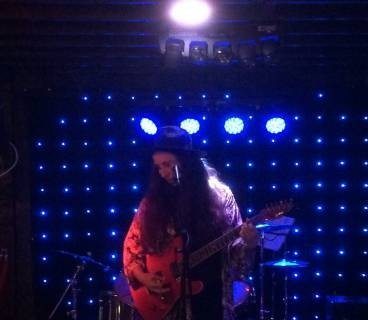
    Speed lists several big-name blues artists as his favorites starting with Toby Walker, Albert Collins, Buddy Guy, Keb’ Mo’, and New York-based artists Slam Allen and Joe Louis Walker. Though he has a similar taste in the blues to Daub, Speed is looking forward to presenting his own take on the genre while bringing in new and returning live studio guests and continuing his own music activism to get people out to see live music.

    Although “Stormy Monday Blues” will just be CDs from the studio this Monday,  be sure to tune in as Steve Daub signs onto the show one last time to share some memories and words of thanks before drifting into the night as Sonny takes over to finish the rest of that evening’s show.

    Catch “Stormy Monday Blues” as it continues every Monday with Sonny Speed from 8 to 10 p.m. on WRPI, broadcasting to the Capital District at 91.5fm and worldwide at wrpi.org.

  • New York Minute: Troy Native Niki Lee Returns to Scene

    niki-leeNicole Suto aka “Niki Lee” is an indie singer/songwriter living in Troy, NY who is returning to the live music scene after taking a hiatus to have and raise a child. Her first show in a self-admitted long while will be this Friday, April 1 at the Dinosaur BBQ. She opens up for fellow Lansingburgh natives, The Lawn Sausages, at 9 p.m. The show is free.
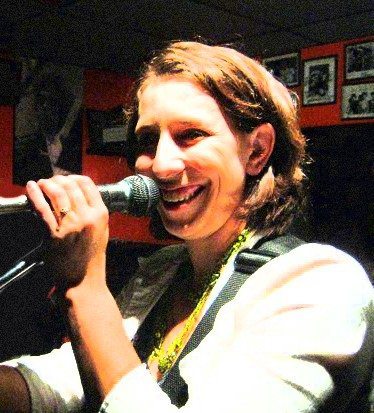
    With the help of her friends Gary Levitt and Erica Quitzow of New Paltz, she recorded five tracks found on Reverbnation. She plays the guitar and loops her own backup vocals. “Accelerate” is a fun tune that shows off her playful, rocker side and incorporates the organ. Her sound is similar to Liz Phair and other 90s female musicians in the similar genre. Her style however is unique. Instead of your typical chord progressions, Niki often slaps the strings to create both percussion and notes.

    “Faith” represents a darker side of Niki. This expression of negative emotion is something she says drives her to write music. Her live performances are a balance of both upbeat positive songs and those that are melancholy.

    While performing live is something she intends to do, her real goal is to continue to write, produce and record music.

    We recently chatted with Niki about her music and living in Troy.

    niki lee

    After listening to your tracks on Reverbnation, we kind of get a Liz Phair vibe. Is that what has influenced you?

    I first started really heavy in the singer, songwriter, kind of folksy vein, listening to Ani DiFranco, Suzanne Vega, really growing up with the 10,000 Maniacs, Natalie Merchant stuff. But I think it was really PJ Harvey who kind of hooked me into the electric guitar, not just playing acoustic. Then Liz Phair – I think I’ve probably listened to Exile in Guyville like a million times. I probably can sing the whole album from beginning to end, so yes, that’s a definite influence for me.

    What inspires you?

    I feel like a lot of the music that I’m playing now has been inspired by relationships, questioning the world about why things are the way they are and how you have an emotional reaction to that. A lot of my songs, I write when I feel upset about things so it’s very hard for me to write upbeat songs. When I’m happy, I’m not in the writing kind of mood, it’s so hard to write a happy song. But I know people don’t want to just hear bitching and moaning when they see me perform so I’ve worked in some positive ones as well.

    So your show on April 1 will be the first one in a while, and a hometown show?

    I’m opening up for the Lawn Sausages. A lot of us are from Lansingburgh, born and raised there. So it’s a lot of old time friends. I haven’t really played a gig in a long time and one of the members of the Lawn Sausages put this gig up so I asked if I could open for them. It’s going to be a very hometown, packed crowd. It will be a special gig because all my friends and family from years and years, being a Troy native.

    I’ve traveled a lot, I’ve lived and played in San Francisco and New York City but I had to come back home. Something about being home it’s hard to get away from sometimes.

    Do you have a favorite spot to hang out in Troy?

    I really enjoy going down to the Farmer’s Market. It’s one of the best and the fact that it’s all year round is really great. My daughter loves Famous Lunch – we like greasy food in our family.

    So I understand you had friends from New Paltz help you with your recordings. Did you go down there to do it?

    Yeah. Gary Levitt and Erica Quitzow who I met in San Francisco but were from New York. After we all moved back I reached out to them because they are just amazing engineers and musicians. I asked them if they could record a few songs for me. I had done a few recordings in the past but never ones I felt proud of. I felt OK about them but they just didn’t represent how I wanted my songs to sound in a studio recording. These guys really nailed it. I like Imogen Heap and Tori Amos, people who pull in a lot of different elements and layered harmonies into their music. Unfortunately I can’t recreate that on stage so it will be kind of like a PJ Harvey four-track demos kind of feel at the show (laughs). I like pushing the boundaries of the singer-songwriter into the different musical sounds that you can play with and layer. It’s one of my favorite things about the music that I’m drawn to.

    What else do you like to do when not songwriting or recording?

    I work for the state as a budget analyst. I really like spreadsheets! (laughs) I do a lot of work with spreadsheets, tracking or spending. It’s nice because it’s really easy, it either adds up or it doesn’t. Plus, I don’t make the decisions of how it’s being spent In my free time I am a 4H Club co-leader for a dog training club call the Clover Paws. It’s something I do with my daughter. We have two dogs, so when I’m not making music or taking care of my daughter, I’m playing with my dogs.

  • Albany Symphony Orchestra 2016-2017 Season Features Yo Yo Ma

    The Albany Symphony Orchestra announced their 2016-2017 season, and it’s a big one with special guests Yo Yo Ma and anniversary celebrations.

    albany symphony yo yo maCelebrating the 25th anniversary of Grammy Award-winning musical director David Alan Miller, the Albany Symphony Orchestra has a big season lined up for their 87th year, including a performance with special guest cellist Yo Yo Ma and six world premiers. Miller’s strong devotion to music education, dynamic presence on the podium and dedication to the music of our time have brought a new level of success to the orchestra. The new season is designed to celebrate the collaboration between Miller and the musicians.

    The 2016-2017 season will also feature a number of special guest musicians in addition to Yo Yo Ma’s visit on Dec. 8. From the press release:

    The gala opening concert will feature soprano Saili Oak and pianist Natasha Paremski. In January, Tchaikovsky’s Piano Concerto No.1 will be performed by the great Russian virtuoso, Ilya Rashkovskiy. Other artists making their first appearance with the Albany Symphony include oboist Kathleen Needleman, violist Richard O’Neill, and guest conductor Karina Canellakis. In addition, there will be soloists from the Bard College Conservatory for the Mozart & Bach weekend. Several outstanding guest artists will participate in the American Music Festival in May, including the radiant violinist Chee-Yun and legendary Indian Folk-Clarinetist Shankar Tucker. 

    The season runs from October through June, with an opening night gala on Sept. 24. Season subscriptions are available, though they do not include the Evening with Yo Yo Ma. However, subscribers will have early access to purchase those tickets.

    2016-2017 Season:
    Opening Night Gala- Ravel & Sibelius
    Saturday, September 24, 2016: 7:30PM
    Palace Theatre
    David Alan Miller, Conductor
    Saili Oak, Soprano
    Natasha Paremski, Piano
    Reena Esmail: “Aria” for Soprano and Orchestra
    Ravel: Piano Concerto in G
    Sibelius: Symphony No. 5

    Peer Gynt
    Saturday, October 22, 2016: 7:30PM
    Sunday, October 23, 2016: 3:00PM
    Troy Savings Bank Music Hall
    David Alan Miller, Conductor
    Katherine Needleman, Oboe
    Reznicek: Donna Diana Overture
    Leroy Anderson: Three Pieces
    Rouse: Oboe Concerto
    Grieg: Peer Gynt, Suite No. 1
    Tchaikovsky: Francesca da Rimini

    Water Music & Schumann
    Saturday, November 19, 2016: 7:30PM
    Sunday November 20, 2016: 3:00PM
    Troy Savings Bank Music Hall
    David Alan Miller, Conductor
    Richard O’Neill, Viola
    Handel: Selections from “The Water Music”
    Theofanidis: Viola Concerto
    Bermel: “A Shout, A Whisper, and a Trace”
    Schumann: Symphony No. 4

    An Evening with Yo-Yo Ma
    (Non-Subscription Series, but first access to season subscribers)
    Thursday, December 8, 2016: 7:30PM
    Palace Theatre
    David Alan Miller, Conductor
    Yo-Yo Ma, Cello
    Wagner: Prelude to “Die Meistersinger”
    Dvorak: Serenade for Strings
    Conor Brown: New Work (World Premiere)
    Elgar: Cello Concerto

    Tchaikovsky’s First Piano Concerto
    Saturday, January 7, 2017: 7:30PM
    Palace Theatre
    David Alan Miller, Conductor
    Ilya Rashkovskiy, Piano
    Barber: The School for Scandal Overture
    Tchaikovsky: Piano Concerto No. 1
    Corigliano: Symphony No. 1, “Of Rage and Remembrance”

    Brahms’ Fourth
    Saturday, February 18, 2017: 7:30PM
    Palace Theatre
    Karina Canellakis, Guest Conductor
    Higdon: Dance Cards
    Beethoven: Triple Concerto
    Brahms: Symphony No. 4 in E minor

    Mozart & Bach
    Saturday, March 4, 2017: 7:30PM
    Sunday, March 5, 2017: 3:00PM
    Troy Savings Bank Music Hall
    David Alan Miller, Conductor
    Soloists from the Vocal Division of Bard College-Conservatory
    Mozart: Symphony No, 40 in G minor
    Torke: Three Concertinos for Solo Instruments and Orchestra (World Premiere)
    Bach: Cantata No. 78 “Jesu, der du meine Seele”

    Beethoven’s 9th
    Saturday, April 8, 2017: 7:30PM
    Palace Theatre
    David Alan Miller, Conductor
    Albany Pro Musica Tower: Fanfare for the Uncommon Woman, No. 6
    Tsontakis: 25th Anniversary Commission (World Premiere)
    Beethoven: Symphony No. 9 in D minor (“Choral”)

    American Music Festival
    Saturday, May 21, 2017: 7:30PM
    EMPAC
    David Alan Miller, Conductor
    Chee-Yun, Violin
    Shankar Tucker, Clarinet
    Harbison: Partita for Orchestra
    Theofanidis: Violin Concerto
    Reena Esmail: Clarinet Concerto (World Premiere)
    Mellon Young Composer: New Work (World Premiere)

    Additional Subscriber Specials:
    Roscoe: An American Grand Opera, by Evan Mack (Concert Premiere)
    Saturday, October 15, 2016: 7:30PM
    Palace Theatre
    David Alan Miller, Conductor
    A new opera composed by Capital Region resident and Skidmore College Professor Evan Mack, based on the novel of the same name by Pulitzer Prize winning author William Kennedy.

    Magic of Christmas
    December 4, 2016: 3:00PM
    Palace Theatre
    David Alan Miller, Conductor

    American Music Festival
    May 18-21, 2017
    A weekend of innovative new works by living American composers, artistic happenings, and special events across Troy, including performances by the Albany Symphony and the Dogs of Desire.

    [embedyt] http://www.youtube.com/watch?v=FbspIl7-5V8[/embedyt]