Broca’s Area, Connecticut’s 2015 best new band and best R&B/soul/funk group, is on tour and ravaging cities up and down the East Coast this summer. Major stops included in their travels are Funk ‘N Waffles Downtown in Syracuse, City Beer Hall in Albany and Rockwood Music Hall in New York City.
Photo Credit – Coley
This four-piece future soul band hails from Hartford and features a fresh mix of R&B, soul and hip-hop with a multi-dimensional twist of jazz. Mary Corso leads this ensemble with her deeply warm vocals reminiscent of the classic school of neo-soul. Tying the rhythm section together is Leo Catricola on bass guitar and Steve Cusano on drums with Mike Carabello on keyboards and synths.
For select shows, Broca’s Area has invited other artists to share the stage with them, including Thunder Body, Jimkata and Midnight Snack. Fans and music enthusiasts can find more information on their website along with some music, photos and official videos.
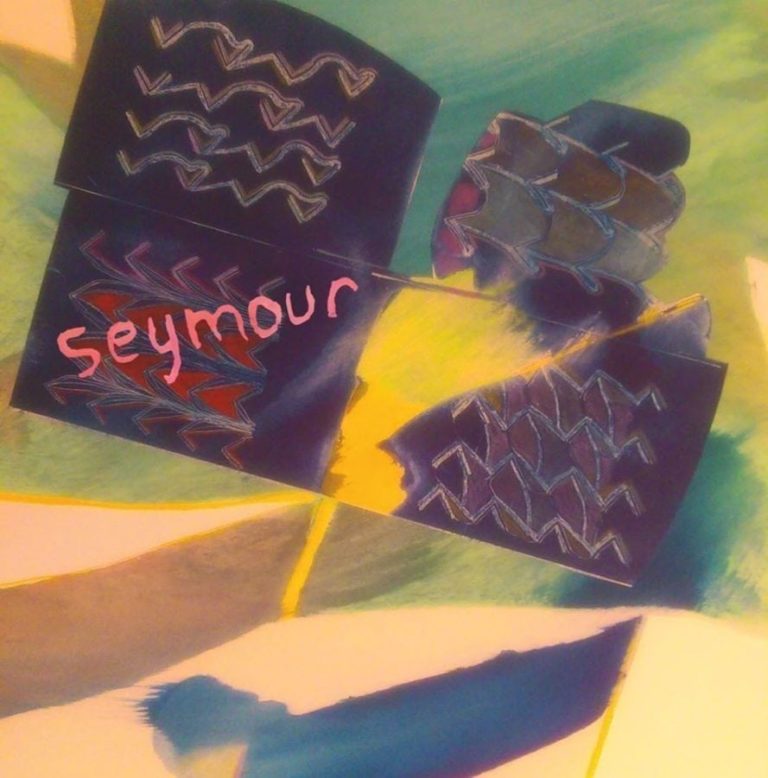
Anyone whose life revolves around music, seeks out new ear candy as often as possible. The most difficult thing is to find something that really piques your interest, especially a complete album. During my third listen through the new self-titled album by Seymour, my interest was certainly piqued.
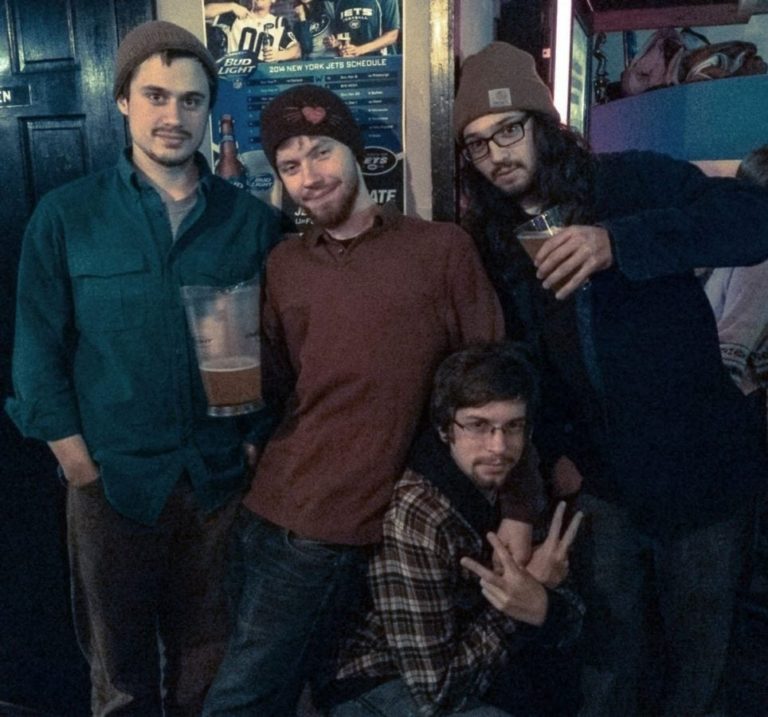
In a recent phone conversation with Steve Geary (rhythm guitar, bass, vocals), who co-founded the band with Avery Maracek (rhythm guitar, bass, vocals), I was able to learn quite a bit about the up-and-coming band from New Paltz. Steve and Avery met their bandmates, John Morrison (lead guitar) and Brandon Bera (drums), while they all attended SUNY New Paltz. As is common among college friends, they all hail from different places around New York State; Steve and John grew up in the Capital Region, Avery is from Western NY and Brandon is from the Westchester area.
They came together and melded their influences, which range from Avery’s exposure to jazz guitar via his father, to Steve’s adoration of ’90s indie rock and mixed it all with John and Brandon’s love of jam bands. The final product? A mixed sound of Weezer and Fountains of Wayne (circa Utopia Parkway) pumped into your ears from headphones, reminding you of your teenage years. Steve explained that he and Avery share the songwriting duties. He feels that with both of them writing they are able to create a symbiotic relationship, which generates a more than gratifying result.
When you press play to listen to the new album, you are instantly hit with the meta tune “Seymour,” their self-titled song off of their latest release. Although this is their first full-length album, these boys have an arrangement that shows just how much work they’ve put into the last two years since forming April 2014. While listening through the record, other earworms present themselves; the somber love song “Bleeding Heart” shows how there isn’t just surface feelings built into Seymour’s music, and this depth is further accentuated in their short but introspective song, “Tethered.” As mentioned before, this first Seymour album is truly easy to listen to on repeat.
To check out Seymour’s new self-titled album, you can visit their Bandcamp page. Also, be sure to check out their Facebook page and website. You can also catch them live at their upcoming show at Bearsville Theater in Woodstock, NY, on June 18.
During Sunday night of the first-ever Rock ‘N Derby, Megadeth frontman Dave Mustaine asked the crowd for a moment of silence for late drummer Nick Menza. “I don’t know if you know this or not, but Nick went to heavy metal heaven last night,” he said, before leading the group into “Trust.” Watch the homage to the former bandmate in the video below.
On May 21, Menza, 51, died onstage during a performance with his current band, OHM, at the Baked Potato in Los Angeles. According to an official statement, Menza collapsed three songs into the set, and attempts to revive him were unsuccessful; it was later reported that he suffered a massive heart attack and was pronounced dead on arrival at the hospital.
The late heavy metal drummer was with Megadeth during the group’s peak commercial success in the 1990s. Nick Menza contributed his signature drumming style to the albums Rust in Peace (1990), Countdown to Extinction (1992), Youthanasia (1994) and Cryptic Warnings (1997).
After news of Menza’s passing became known, the Twittersphere and other social media channels were abuzz with expressions of sympathy from former bandmates Mustaine, David Ellefson, Marty Friedman and Chris Poland, among other rockers like Steve Lukather (Toto) and author J. Marshall Craig who was working with Menza on his memoir. In the excerpt below from Megadeth’s Facebook page (see the full post above), Mustaine explained his personal relationship with the former bandmate:
…As a player, Nick had a very powerful jazzy flair, unpredictable and always entertaining. And as great a drummer as he was, the time spent with him as a person, a bandmate, and a friend was even more fun. There were several times we discussed him coming back to the band, but for various reasons it never came together. We’ve been in touch all along, he had come out to our shows recently, and he had remained a great friend, a true professional and a larger than life personality…”
Before Megadeth played the May 22 show at the Schaghticoke Fairgrounds during Rock N’ Derby, Mustaine announced plans to honor Menza through an all-alumni benefit concert in California on the Albany rock station Q103, according to Loudwire. Stay tuned for updates on this Megadeth band members reunion show.
Clutch is one of the headliners for the Rock ‘N Derby Festival, taking place in Schaghticoke May 20-22 and is currently on tour with Lamb of God and Corrosion of Conformity. NYS Music recently had a chance to sit down with the man who keeps the beat for the venerable Clutch, Jean-Paul Gaster.
When you’re in high school, you probably have a group of friends that you swear you’ll be tight with until the end of days. Perhaps that group of friends forms a band in someone’s garage or your parents’ basement. An oath is taken among yourselves that you’ll always be a band, no matter what.
Odds are, that high school band probably doesn’t make it through graduation. Sometimes though, it does. All of a sudden, 25-26 years later, you look out in front of you during a show at say, Upstate Concert Hall, and see one of the guys you made that pact with oh-so-long ago, accompanying you in the rhythm section of one of rock’s longest running lineups.
If your name is Jean-Paul Gaster, and you play drums in the Frederick, MD based band Clutch, that buddy you’re looking at is your high school pal and band mate, bassist Dan Maines.
Clutch’s foundation can be traced back to the halls of Seneca Valley High School in Germantown, MD, where the members of the band met. Gaster, Maines and guitarist Tim Sult got together to form Clutch in 1991. Original vocalist Roger Smalls left the band shortly after formation and was replaced by another friend, Neil Fallon. The band has been going strong ever since.
Gaster is a drummer’s drummer and a student of the instrument. We spoke at length about Clutch’s longevity and influence; the value of side projects; the festival scene and drumming as a mental exercise.
Mike Kohli: One of the things I’ve noticed with you guys – I’ve seen you perform a few times over the past couple years – is the way you interact with each other. I know you’re all friends from high school. Is that something that comes naturally? Do you just kind of give each other a look onstage and go with it? How’s the onstage chemistry work?
Jean-Paul Gaster: Yeah, there’s definitely a lot of unspoken dialog going on up there. I think it just comes with playing with the same guys for so long. I think musicians do that in general . I think we’re in a unique situation because we’ve been doing it for so long. Even in the writing process, we might play for 45 minutes and there might not be a whole lot of verbal communication, sometimes none at all. But we manage to put these ideas together with sort of pointing and grunts.
MK: Kind of a universal language…
MK: When I go to shows – I’m into a lot of different types of music- but typically when I go to a show, I watch the drummer. Now, I’m by no stretch of the imagination, a drummer. I do play a mean steering wheel though.
When I caught your show with Corrosion of Conformity in Clifton Park a few months ago, watching your style, it’s got a jazzy feel to it, kind of like Bill Ward of Sabbath, Ginger Baker of Cream. You mentioned them before as big influences on you. Have you had any formal jazz training or did you teach yourself how to play?
JPG: Early on, I took a few lessons, but I never really practiced. It wasn’t until I was about 23 when I started studying with a man named Walter Salb (Click the link for a short documentary on Salb). He was a professional teacher/instructor/player in and around Washington, D.C. for many many years. He actually started playing professionally in 1946, so he was definitely from the big band/swing era.
I learned a tremendous amount of stuff from him. A lot of it was thinking about jazz and what it means to play jazz. But i think more than that, he really taught me to be a musician and to be prepared for any musical situation. He wanted his students to be able to do any kind of gig and to play that music with authority and confidence. Those kinds of lessons had a really lasting impact on me. I miss that guy. He passed away about ten years ago.
MK: I’m sorry to hear that. Sounds like he was a really big influence on you.
JPG: Yeah, he definitely was. He lived life to the fullest all the way to the end; I will say that.
MK: I’m kind of into the jamband scene, stuff like Phish and moe., those types of groups. Sometimes I’ll come across people who for whatever reason, still don’t know who Clutch is. Why that is, I don’t know. You guys have been around for such a long time and have been a big influence on a lot of bands. You’re solid, a solid rock and roll band.
However, one thing I’ve noticed about you guys, you don’t fit neatly into any one mold. You’re not a metal band. You’re not a classic rock band. You came about during the grunge era, but you don’t fit into that category. You’re kind of in-categorizable. So when I try to describe Clutch to people who haven’t heard of you guys, I tell them you’re kind of a jamband. Your setlists aren’t always the same. You do stretch stuff out. You throw some improv in there. Have you ever been involved with any of the bands in the jamband scene? Say Warren Haynes or Govt Mule…
JPG: We like those bands a lot. I’m a huge fan of the Allman Brothers, Govt Mule. Warren Haynes’ playing, I think, is just incredible. You know, a few years ago we spent a lot of time trying to break into that scene a little bit. In retrospect, I think we were still, for those folks, I think there was a little too much for them. Maybe a little too much music coming at them. So, yeah, definitely familiar with that scene. Would love to play with some bands in that scene. I think that maybe that they weren’t really ready for us at the time. But stuff changes. And hopefully we’ll be able to get our music out to some of that scene.
I think the coolest part of being in this band is that we’re able to pull from so many different genres. We’ve played with so many different kinds of bands through the years. When you come to a Clutch show, it’s really a mishmash of different kinds of music fans. And I’m very proud of that. And I think that has a lot to do with the longevity of the band and the band’s ability to draw like we do. These days, pretty much all over the world.
MK: That’s exactly what I see when I go to the shows. There are guys who look like me, just a regular everyday joe, there’s college-aged people, there’s the stereotypical headbanger looking guys…It’s really a testament to what you guys do. You can draw all different types of people.
JPG: It’s a beautiful thing.
MK: Working with Neil…when I listen to Clutch, I envision Neil’s voice, his vocal style, as another instrument in the band. But also, his lyrical style, it’s almost percussive, the way he delivers the lyrics. So he’s almost like a multi-instrumentalist in that way. How does it play with you? Do you guys get together and work lyrics out so that they have that percussive style?
JPG: I’ll say this. Neil writes all of the lyrics, which in this band is a great thing. Because, speaking for myself, my lyrics would suck (laughter). I think the last time I tried to write lyrics it was sometime in high school and it wasn’t good.
So, we are well aware of Neil’s virtuosity and talent. I think he’s probably the most talented lyricist in rock and roll today. It has to do with being able to pull from so many different sources. Much like the way we put together our music. I think a lot of bands spend a lot of time asking, “Is this our band? Is this the kind of music our band can play?” The great thing about Clutch, you can literally go up there and play whatever you want whether it’s in a live situation or getting together to write new songs. There are no rules. So in that respect, I think we’re very fortunate.
Neil Fallon of Clutch
Speaking directly to the rhythmical feel of Neil’s lyrics, I think a lot of it has come directly from hip hop. Early on, Chuck D from Public Enemy was a big influence on him. We listened to a lot of hip hop as a band in the early and mid 90s. That had a lot to do with it for sure. And as a drummer, I react to whatever is happening rhythmically within the band more so than in a melodic sense so I’m listening for those things. On Psychic Warfare for instance, I paid particularly close attention to the way Neil syncopated his lyrics and how they were swung. That gave me a lot of inspiration as to how to play that part, how to best support that vocal.
MK: That whole hip hop thing, that’s really what came across to me. His vocal style is hard driving as well as hip hop. You summed it up perfectly.
MK: Any plans for anymore Bakerton Group stuff? (The Bakerton Group is a Clutch side project that works primarily as an instrumental outfit, incorporating elements of blues and other sounds outside the typical Clutch sound.)
JPG: No immediate plans. I will say, we did have a request from someone to record one of the Bakerton Group songs. We certainly said, “Of course. Go for it!” That was an interesting request. We haven’t had that in a while. The Bakerton Group project gives us the opportunity to play a little bit differently than we do in Clutch. Mainly because it’s mostly instrumental stuff. It’s sort of a laboratory for us.
Having said that, we’ve been so busy with Clutch stuff, we really haven’t had much time to do it. We did Earth Rocker, and there was a tremendous amount of momentum that came off of that record and that’s really flowed right into Psychic Warfare. And I know we’re going to be really busy on Psychic Warfare for at least another year.
MK: That’s terrific. You guys deserve to be busy. I pre-ordered Psychic Warfare on vinyl and when it was delayed and delayed, I ran out to the nearest store and bought the CD on release day. I had it on repeat for like four days straight. I really soaked it up. It’s definitely my favorite album of 2015, to say the least.
JPG: Wow, thank you.
MK: Festival season is heating up. Do you enjoy the festival circuit?
JPG: Festivals are fun because you get to play with a lot of bands that you normally wouldn’t play with. And more importantly, there are lot of folks there who don’t necessarily know about Clutch who will be given the opportunity to check us out.
MK: Do you get to mingle a lot with other bands when you play festivals?
JPG: Sure. Sometimes you run into old friends. Sometimes you make new friends. It’s always a good time. And it’s nice to be outside and not so much in a rock venue. It’s a different kind of environment, when you spend 6 or 7 nights a week in the dark theaters and clubs, it’s nice to get outdoors.
MK: Is King Hobo (another Gaster side project with the motto: “Get funky or get out.”) still a thing? I know it has to be tough to get together with Per Wiberg (keyboardist) from Opeth and Thomas Andersson from Kamchatka. Do you still work on stuff with those guys?
JPG: Sure. There’s some new stuff in the works with those guys. That was an incredible time to be able to go over there (The band recorded at Wiberg’s home in Sweden in 2005.) and record with Thomas and Per. I try to do as much of that as I can.
You know, with every side project, at the end of the day, all that energy ultimately comes back and makes Clutch a better thing. Every time you play with somebody new you’re going to learn something. There’s gonna be some energy there that you pick up on that’s gonna eventually translate back to your day gig, which for us, is Clutch.
MK: Do you do stuff over the Internet? Throw a few tracks in Dropbox and go back and forth with it?
JPG: Yeah, we definitely do that kind of thing. It’s great to be able to take advantage of the technology available to us. We weren’t able to do that 10-15 years ago.
MK: What do you listen to when you’re just going about your day?
JPG: I listen to all kinds of stuff. I’ve been listening a lot recently to Miles Davis’ Live at the Cellar Door. It’s the complete recordings that he eventually edited down to make Bitches Brew. Jack DeJohnette is on that record. Dave Holland is on that record. Just last night I was listening to Robert Palmer’s Sneaking Sally Through the Alley. That’s an incredibly funky record. He’s got the Meters as his backing band on that record.
MK: Yeah, yeah, that’s quite different than the Palmer who became a hit in the 80s.
JPG: I very much enjoy that recording. Really I listen to pretty much anything. The blues – Muddy Waters, B.B. King. Reggae stuff. Bob Marley and Augustus Pablo. I like dub a lot. I will say these days, I don’t listen to a lot of loud rock and roll. I do on occasion. I find myself always trying to pull influence from other stuff. And I think that’s what makes the rock and roll better.
MK: Your drum kit, I’ve noticed, is a lot of vintage equipment. Is that all you play?
JPG: I have vintage kits. I have newer kits as well. But I will say, the newer kits I have, and I’m speaking specifically about my Gretsch USA Custom kit. Really, it’s the same drum and the same design that they’ve been making for 50-60 years. There’s a lot of modern stuff out there that’s great, that sounds good.
I prefer to go with that older style tone. I don’t muffle my drums much at all. Playing a drum that’s wide open, that’s not muffled in anyway is much more difficult than playing one that’s muffled or has pillows in the bass drum. And the sound that you get out of a drum that’s wide open like that has a lot of possibility. You can get to a lot of different sounds, a lot of different dynamics depending how you hit that drum, how you address that drum in the context of what the music is.
I find that vintage drums or drums in the style of vintage drums, give me a little bit more tonal color to work with. I don’t play a big kit. I have a bass drum, two tom toms, a snare drum and a couple cymbals and that’s about it. I look to my drums to give me a lot of options. And I feel like with drums like that, they really respond to how you tune them and how you play them ultimately.
MK: Rumor has it, you’ve been known to practice on your drum pad for eight hours at a time while on the bus…
JPG: (laughter) Eight hours may be a little bit more than what really happens. I will say that when I’m out on the road, i have a practice kit and a couple of drum pads. And when you’re out there, that’s what you do 24 hours a day.
So when I wake up i think, “What do i need to do to make this the best show it can be?” I think about the drums all day long. Before sound check I try to warm up. After sound check I’ll typically get something to eat and then I’ll hit that practice kit until showtime. I’m there sometimes for three or four hours, but the time moves quickly.
Practice for me is not a tedious thing. I had an interviewer say to me one time, “I hear that you practice very often.” And i explained to him, “Sure, I’ll practice three or four hours a day sometimes.” He says, “Well, doesn’t that get boring?” (laughs) I said, “Only if you find practice boring.” I don’t. I find it to be very meditative.
There are points in the practice routine where you really reach a mental state in which time is irrelevant and you’re only considering the concept in front of you and how it relates to other stuff that you’re doing. I get a lot of enjoyment out of that. A lot of relaxation. So much of what we do now is mental. What I mean by that is, drumming has become more mental than physical for me. So, many of the exercises I’m working on are not really how fast can you hit the pad or how quickly can you play paradiddles. I’m really trying to deconstruct stuff. I’m trying to get inside the drums, subdivide things into what I haven’t done before. It’s a very mental thing for me.
MK: Well, that’s good to know. I get tired just watching you.
(laughter)
MK: I don’t want to take up too much more of your time, just one more thing: A buddy of mine, who went to the show with me back in October, wanted me to mention something to you. He’s been home brewing for a while and is on the verge of opening a brewery here in our town. He said, “If Clutch plays opening night of the brewery, I will close the doors the next day. It cannot be topped.”
(laughter)
You guys wanna call his bluff?
JPG: (laughter) Ha ha, no. But we’ll take some of his beer.
MK: Nice. OK, I’ll let him know.
MK: Thanks for taking time to speak with NYS Music. Good luck with the rest of the tour and keep on rockin’.
“We’re not going to have any of that sitting down shit,” announced Cage the Elephant’s guitarist, Brad Shultz, during the band’s May 11 show at the Palace Theatre. Staying true to this promise, the Kentucky rock band delivered a stand-up spirited and dynamic two-hour performance — with frontman Matt Schultz constantly careening around the stage — that literally kept the crowd on its feet.
Originally planned for the Times Union Center, the concert was moved to the Palace Theatre earlier this month, and ticket holders were granted general admission seating in the floor and balcony sections of the historic Albany venue.
The night began with the Oklahoma-based indie group, Broncho, who is expected to release a new album, Double Vanity, on June 10. Portugal. The Man followed with an energetic performance that primed the crowd with excited anticipation for the night’s headliner; stand-out highlights include “Modern Jesus,” “Purple Yellow Red and Blue” and a familiar melody heard toward the set’s end that teased the Beatles “I Want You (She’s So Heavy).”
Cage the Elephant opened with “Cry Baby” from their most recent album, Tell Me I’m Pretty (2015), and soon after played “Spiderhead” off of the Grammy-nominated Melophobia (2013). The audience sang along to every word of “Spiderhead,” as Matt Shultz danced and strutted across the stage. His energy was relentless throughout the night, as the lights flashed in sync with the beat of the drums and reached to the balcony with colorful designs.
Toward the middle of their set, they played the crowd-pleasing hits “Trouble” and “Ain’t No Rest for the Wicked.” As the night progressed, individuals attempted crowd surfing or jumped on stage themselves to join the band. This didn’t seem entirely discouraged by security, or the band themselves; throughout it all, Matt Schultz displayed unyielding stamina that never slowed down or stopped. They closed the show with the popular tune “Come A Little Closer,” before performing a three-song encore.
Coming back before the encore, Brad Schultz led the audience in a sing-along for touring guitarist Nick Bockrath’s birthday. This was followed by more group singing during “Cigarette Daydreams” with the lead singer holding his microphone stand out to the audience, and again for “Shake Me Down.” As the evening came to a close, more and more individuals jumped on and off stage.
For the last song of the evening, Matt Schultz remarked, “let’s see how many of you we can fit on this stage,” which led to a surge of audience members in floor seating to rush the stage. A mass of people joined the band, dancing along, as Matt and the rest of the gang became nearly indistinguishable among the crowd, while closing with “Teeth.”
Cage the Elephant delivered an unyielding, frenzied performance. Despite sporadic issues with the sound, it will remain as a memorable concert moment, particularly due to lead singer Matt Shultz’s resilience and energy throughout the Wednesday evening Palace Theatre performance.
Set list: Cry Baby, In One Ear, Spiderhead, Take It or Leave It, Aberdeen, Too Late to Say Goodbye, Cold Cold Cold, Trouble, Ain’t No Rest for the Wicked, Mess Around, Punchin’ Bag, Telescope, Back Against the Wall, It’s Just Forever, Come A Little Closer
A couple years ago, few knew of Holly Bowling. The unassuming Phish fan — a classically trained pianist with a love of improvisational music — was just going about her life. And that life would be changed on July 31, 2013, when Phish dropped a 37-minute “Tweezer” opus in Lake Tahoe.
How are the two connected? Well, Bowling decided to transcribe the improvised jam note-for-note and arrange it for the piano. Her YouTube video has been viewed more than 65,000 times, and spawned her album Distillation of a Dream, which is full of Phish songs reimagined for the piano.
Fast forward to the present, and Bowling has some time under her belt on the road, taking her act of just herself and a piano across the country. On May 12, Holly Bowling headlined the Massry Center for the Arts on the College of Saint Rose campus in Albany, becoming the first person ever to perform at the venue twice in one season. (Side note: This is the second time in a week I was lucky enough to see her live. She played a benefit at Garcia’s at the Capitol Theater ahead of Twiddle’s headlining show last Saturday.)
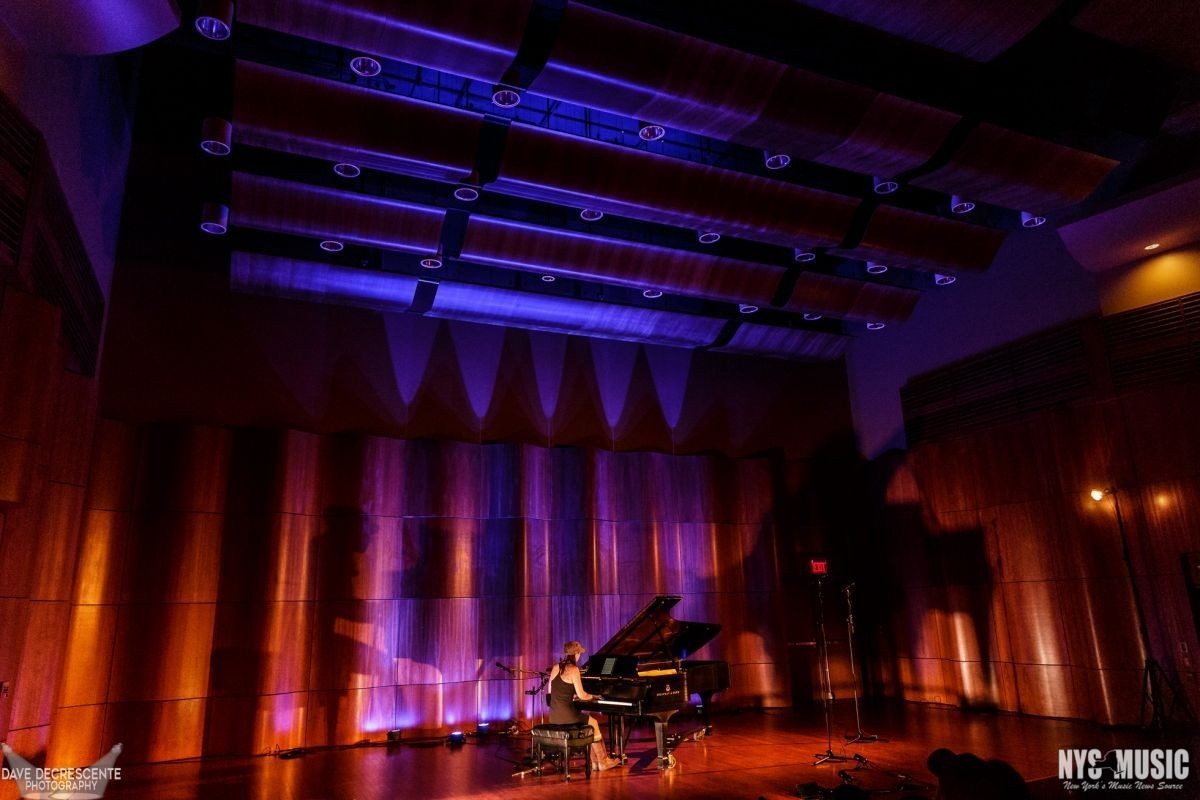
To a crowd of enthusiasts in a space with room to move, Bowling jumped right into Phish’s “Pebbles and Marbles,” with her form-fitting black dress a near perfect compliment to St. Rose’s black baby grand piano. With an iPad affixed inches from her eyes, Bowling locked in with the focus of a baseball player at bat down by a run in the bottom of the ninth inning.
Aside from the lights, which were provided by Buffalo’s Craig Freudenthal, and the songs, Bowling’s show couldn’t be any more different than what Phish does dozens of times each year. At one point, the green lights providing the backdrop appeared to look like the outside of Hampton Coliseum, a place Phish fans know well.
“Train Song” was next, before Bowling explained that recently, she’s been transcribing Grateful Dead songs. On that note began my all-time favorite song ever written by anyone, the Phil Lesh-penned “Unbroken Chain.” “Theme From the Bottom,” a passionate “Wharf Rat,” “Roggae” and June 18, 1974’s “Eyes of the World”>”China Doll” closed out the hour-long set.
The second set began with “A Song I Heard the Ocean Sing” from Phish’s run at Saratoga Performing Arts Center in June, 2004, which featured a prominent “Piper” tease. To everyone’s delight, Bowling ripped into the entire “Terrapin Station” suite, which took us to the close of the second set. “Slave to the Traffic Light” was a fitting encore to a wonderfully unique experience.
But wait — Bowling wasn’t done. Just after announcing she’s working on a new album of Grateful Dead transcriptions, Bowling played a second encore of Phish’s “Taste,” a regular in her setlist. The crowd erupted in applause and Bowling flashed her overly thankful smile, sending everyone out the door in baited exhilaration.
If you get the opportunity to see Bowling, you should not pass it up. Phish fans tend to be supremely passionate about their band, but Bowling has taken that fanaticism to another level with her performances and dedication.
American Beauty changed my life when I was 14. I have a multi-colored 13-point lightning bolt encompassing a New York Yankees logo tattooed on my left shoulder. I have spent, now, more than half my life chasing “Don’t Ease Me In” with any of the countless bands featuring Grateful Dead band members since 2000. Sometimes I joke that I put one of Phil Lesh’s kids through college with the amount of money I have spent seeing him.
The number of complaints I have with the amount and quality of Dead music I have been lucky enough to catch is the same number of championships the Boston Red Sox won between 1919 and 2003: 0. I’ve witnessed the living members reunite for a show billed as Deadheads for Obama in 2008; I followed almost the entire 2009 tour; Furthur was one of the best jammy treats of the modern era; lastly, seeing Lesh and Anastasio, by far my two favorite musicians currently on this Earth, perform together nearly 20 times has been beyond elating.
All of this is wonderful, as the spirit of the Grateful Dead has carried on in so many ways — as I’ve bragged about above — but there’s something missing that just about any head in my 2003 high school graduating class will admit: None of us were lucky enough to experience the band with its leader and commander, Jerry Garcia. Sure, some can say they saw the man himself, but being 5 doesn’t allow much to the memory of the full band. Garcia, who died in 1995, was such a force and leader of the band, that no one in my age group can really say they have seen the Grateful Dead.
Enter Dark Star Orchestra, a group of highly talented and devoted musicians who have made a nice living out being THE Dead tribute band.
Tribute band. A lot of people might write it off simply because it’s not the real thing.
Except in this case, DSO is the best Dead band going. Their sound is spot on. If they’re recreating February 22, 1974, they capture the hazy, lazy sound of that era. If it’s a mid-1980s show, Dark Star nails down the speedy, more up-tempo sound the Dead had.
Simply put, you cannot get the true sound and essence of the Grateful Dead today anywhere more than a Dark Star Orchestra show.
On November 22, 2009, I was standing at a urinal in Syracuse, N.Y., at a Phish concert. I looked to my right and did a double take.
“No f—— way! Fake Jerry!” I said, getting a completely genuine grin in return. Peeing next to me was John Kadlecik, original DSO lead guitarist who had recently left the band to play with Lesh and Bob Weir in Furthur. The journalist in me immediately came out, as I asked him blunt questions about leaving to go play with Dead members. He was incredibly nice and said something that has stuck with me ever since.
“I have never played with a more dedicated group of musicians than [the DSO] guys,” he said, adding that they do not skip even a minute detail in bringing, what appears effortlessly, the highest quality show to everyone in attendance.
I have vivid memories of ringing in 2009 with the band at the Ram’s Head in Baltimore. Noodling my way through the crowd, I kept my eyes closed and did not have to pretend any further than that, that I was at a Grateful Dead show. I was 9 when Garcia died, and I oftentimes say that I would give up every single concert experience I have ever had simply to see the Dead with their leader just one time. The phrase, “there’s nothing like a Grateful Dead show” might be the most pure musical statement ever made, according to the numerous people I have interviewed on the topic who have seen the band.
Let’s not get confused here — I am not telling you that DSO today is the equivalent of the Grateful Dead from 1965-1995.
I’m telling you that, in a Garcia-free world, the members of DSO are keeping alive something that so many people hold so close: The Grateful Dead experience. With my eyes closed, I feel like I am hearing what I missed out on.
It’s why I continue to see DSO upward of 10 times per year. Tonight, at the Egg in Albany, Dark Star Orchestra is performing. I get to be anxious at work all day, debating with myself if they’re going to possibly play one of my favorite concerts, or if they will concoct their own setlist.
I get to text my friends in anticipation. I get to see friends I don’t get to see very often these days.
Time has flown. It’s been half a year since we last spoke with Holly Bowling, who has been traversing the country performing the music of Phish, The Grateful Dead and more through her classical transcriptions of music from the two, and stops at the Massry Center on May 12.
Since October, Bowling has found herself at two major festivals – Jamcruise, AURA, and performances in New Orleans during Jazz Fest, and is now amid a tour of the Northeast, with stops in Burlington (a birthday show at Higher Ground, May 11), New York City (a midnight set at Blue Note Jazz Club, May 13), and Syracuse (Westcott Theater, May 14).
Holly’s live show has evolved and developed quite a bit over the past six months as she has incorporated more Grateful Dead songs into her shows. Bowling says she “loves how the two catalogs can meld together and allow for an expanded range of musical styles and emotions.”
Beginning last fall, when a show at the the Winery in Pittsburgh, PA, sold out, she quickly added a second show, but wanted something unique for the second night, and decided upon a show not strictly of Phish but also of Grateful Dead songs. Bowling says this is part of what she has found gives her “freedom to improvise into uncharted territory, take risks and see where it leads to, bringing the music to new areas and provide room to grow in the spirit of both of the two bands improvisational histories.”
As a result of this catalog expansion, later this year, Holly will release an album of Grateful Dead songs arranged for classical piano, in a manner similar to her 2015 debut album Distillation of a Dream. Fresh out of the studio weeks ago before last weeks’ New Orleans Jazz Fest and her Northeast Spring Tour, the album’s music is slated to be quite different with a larger focus on improvisation, allowing more space for Holly’s own style of improv to come through, as opposed to Distillation where the songs were much more tightly arranged, closer to the original compositions. “There is a really interesting parallel between the two albums and the mix of the bands and freedom of the songs. It will be interesting to see how that develops in live shows as well as the album,” said Bowling.
2016 began with Jamcruise 14, a first for Bowling both as a fan and performer. “The thing that really blew me away how it’s a multi-day music festival where each band who plays is still there for multiple days; it is unparalleled and special, on the water and in the tropics, it’s all pretty magical. The opportunity for connection and community when everyone is there really sets it apart.”
Bowling recently performed at New Orleans Jazz Fest, having attended as a fan and now for the first time as a performer. A performance at The Little Gem Saloon, was ideal for Bowling: an emerging artists showcase for bands from New Orleans and other areas around the country who shared the bill together. With pianos upstairs and down, Bowling remarked that Little Gem “you have my heart.” Her show at Howling Wolf in the Den, a small room off to the side, was performed in between sets of Turkuaz (covering The Band) and Jazz is Phish (which followed ‘Thankful for Amy,’ a tribute to Amy Winehouse fronted by Elise Testone) “This was a super fun gig to play because the energy was super high. I came on at 2 am and the town and energy were electric and had the best energy going. Turkuaz was a tough act to follow, but I find it easy to get fired up by others and playing music is always a nice segue. I was already in that happy musical head space when I went out for my set.”
Now in the Northeast, Bowling will offer a different show at The Massry Center than last October, factoring in Phish, The Grateful Dead and and “more improvisation, as the show concept has developed and as she’s gotten more comfortable with the music.” The Massry Center, frequently a venue for jazz and classical music, is a premier performance space and with Bowling in the room, the show can push the envelope in terms of the music people are typically seeing. “Bringing in different music to venues that is counter to what type of music typically appears there creates a hybrid of the two musical worlds that I love seeing music in.”
Expect a unique and memorable show on May 12. Tickets are $20 or $10 for students.
Twenty One Pilots will play the Times Union Center in Albany on January 25, 2017 as a part of their Emotional Roadshow world tour.
The Twenty One Pilots tour begins in Cincinnati and continues throughout North America. It has already sold out two shows at Madison Square Garden in addition to two nights in Boston.
Twenty One Pilots have garnered much success recently with their hit “Stressed Out,” which has spent months on the Billboard Top 40 chart and won iHeartRadio’s award for Alternative Rock Song of the Year. They’ve also recently received nominations for the 2016 Billboard Music Awards.
Tickets go on sale beginning May 13 at noon, and pricing begins at $46.50. In addition to Albany, they will also play Brooklyn on Jan. 20.
JANUARY
17 Providence, RI Dunkin Donuts Center
18 Bridgeport, CT Webster Bank Arena 20 Brooklyn, NY Barclays Center
21 Newark, NJ Prudential Center
22 Charlottesville, VA John Paul Jones Arena
24 Allentown, PA PPL Center 25 Albany, NY Times Union Center
27 Pittsburgh, PA Consol Energy Center
28 Chicago, IL United Center
29 Moline, IL iWireless Center
31 Madison, WI Alliant Energy Center Memorial Coliseum
FEBRUARY
1 Omaha, NE CenturyLink Center
3 Wichita, KS INTRUST Bank Arena
4 Sioux Falls, SD Denny Sanford Premier Center
7 Bozeman, MT Brick Breeden Fieldhouse
8 Boise, ID Taco Bell Arena
10 San Jose, CA SAP Center
11 Sacramento, CA Golden 1 Center
14 Fresno, CA Save Mart Center
15 Anaheim, CA HONDA Center*
18 Las Vegas, NV Mandalay Bay Events Center
19 Tucson, AZ The Tucson Arena
21 Tulsa, OK BOK Center
22 Dallas, TX American Airlines Center
24 Birmingham, AL BJCC Arena
25 Greensboro, NC Greensboro Coliseum Complex
26 North Charleston, SC North Charleston Coliseum
28 Tampa, FL Amalie Arena
MARCH
2 New Orleans, LA Smoothie King Center
3 North Little Rock, AR Verizon Arena
4 Memphis, TN FedEx Forum
5 Louisville, KY KFC Yum! Center
24 Wellington, NZ TSB Bank Arena
25 Auckland, NZ Vector Arena
27 Brisbane, AU Entertainment Centre
29 Adelaide, AU Entertainment Centre
31 Melbourne, AU Rod Laver Arena
Close your eyes and picture the first thing that comes to mind when you hear the words “music festival.” It’s a safe bet that you’re picturing an outdoor stage, maybe a few. Maybe there’s an accompanying camping area with tents as far as the eye can see. And there’s definitely food and merchant vendors lining the parameter of the grounds. Now erase those images from your mind, because the Move Music Festival in Albany, NY is nothing like this.
Yes, the fifth annual festival held April 22 – 24 featured 100 artists in myriad genres ranging from bluegrass to funk and on to reggae. But with 10 venues in locations across “SmAlbany,” ticket holders have free range in the city with the added comfort of knowing they have their own bed to look forward to at the end of the night.
While some venues did feature outdoor stages under tents, the majority of acts at this Indian ledge Music Group production made home to indoor stages at small to moderate sized bars.
More than live music performances, Move not only gives exposure to regional talent but it provides musicians with insight on how to conduct their careers in today’s independent music scene. In addition to live performances, artist are able to participate in interactive panels with industry professionals to help with the development, management and progression of their music careers.
With so many acts and venues, the Move Music Festival is best experienced firsthand, but below you can re-visit some of the acts that rocked Albany in April.

 In a recent phone conversation with Steve Geary (rhythm guitar, bass, vocals), who co-founded the band with Avery Maracek (rhythm guitar, bass, vocals), I was able to learn quite a bit about the up-and-coming band from
  When you press play to listen to the new album, you are instantly hit with the meta tune “Seymour,” their self-titled song off of their latest release. Although this is their first full-length album, these boys have an arrangement that shows just how much work they’ve put into the last two years since forming April 2014. While listening through the record, other earworms present themselves; the somber love song “Bleeding Heart” shows how there isn’t just surface feelings built into Seymour’s music, and this depth is further accentuated in their short but introspective song, “Tethered.” As mentioned before, this first Seymour album is truly easy to listen to on repeat.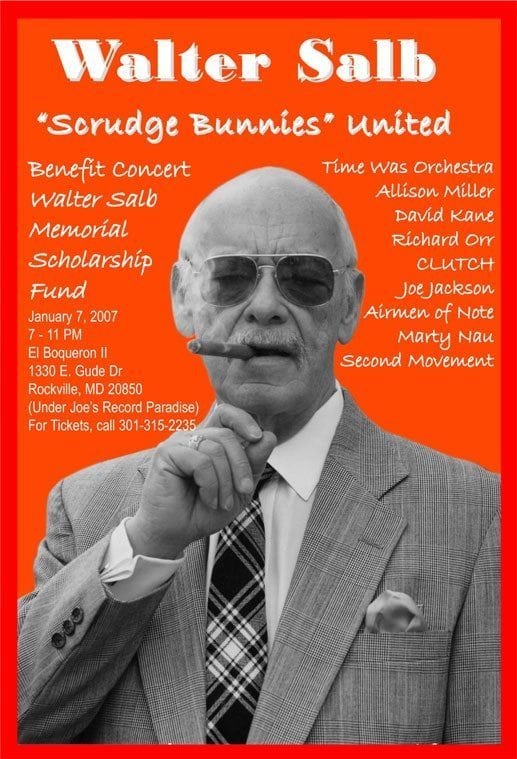



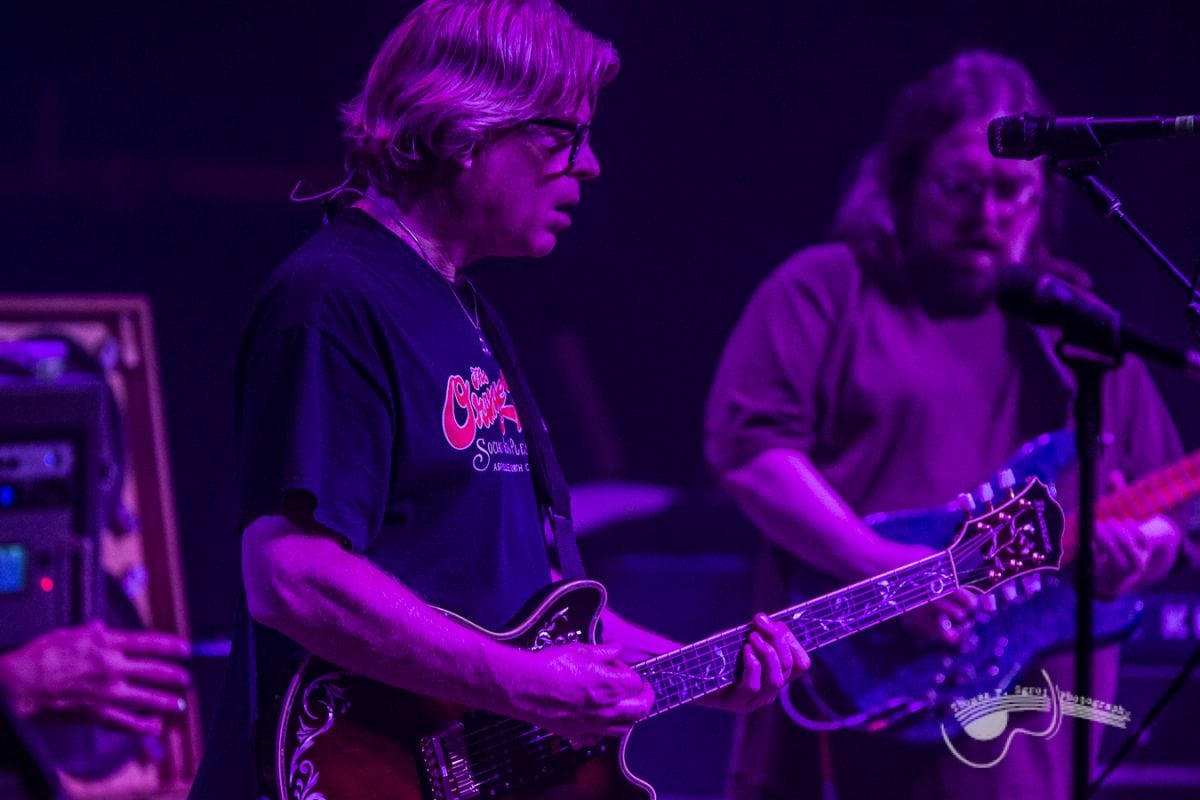 The number of complaints I have with the amount and quality of Dead music I have been lucky enough to catch is the same number of championships the Boston Red Sox won between 1919 and 2003: 0. I’ve witnessed the living members reunite for a show billed as Deadheads for Obama in 2008; I followed almost the entire 2009 tour; Furthur was one of the best jammy treats of the modern era; lastly, seeing Lesh and Anastasio, by far my two favorite musicians currently on this Earth, perform together nearly 20 times has been beyond elating.
 Holly’s live show has evolved and developed quite a bit over the past six months as she has incorporated more Grateful Dead songs into her shows. Bowling says she “loves how the two catalogs can meld together and allow for an expanded range of musical styles and emotions.”
 Twenty One Pilots have garnered much success recently with their hit “Stressed Out,” which has spent months on the Billboard Top 40 chart and won iHeartRadio’s award for Alternative Rock Song of the Year. They’ve also recently received nominations for the 2016 Billboard Music Awards.
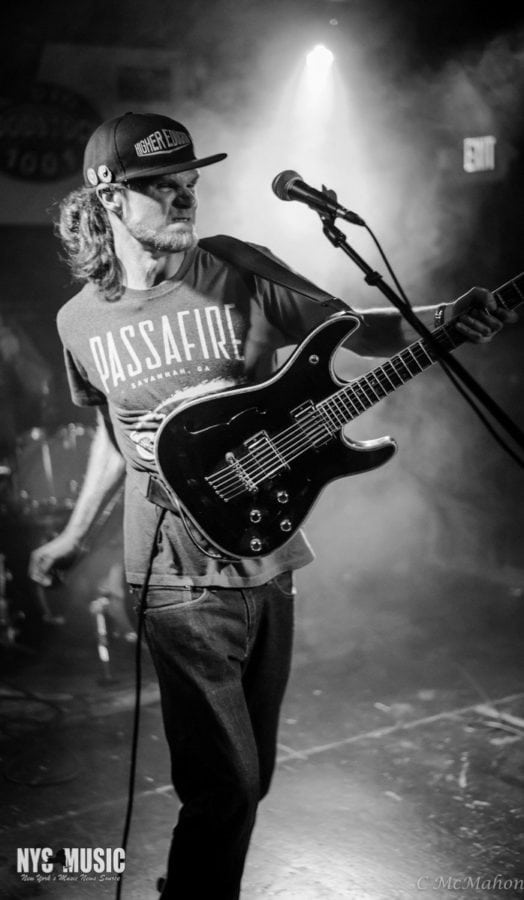 Yes, the fifth annual festival held April 22 – 24 featured 100 artists in myriad genres ranging from bluegrass to funk and on to reggae. But with 10 venues in locations across “SmAlbany,” ticket holders have free range in the city with the added comfort of knowing they have their own bed to look forward to at the end of the night.