Category: Obituaries

  • George Michael, Pop Icon, Dead at 53

    The year 2016 has been a particularly rough one in many respects. The music world has lost legends such as David Bowie, Prince, Leonard Cohen and Leon Russell. On Christmas Day, pop icon George Michael was found in his bed, a victim of heart failure at the age of 53.

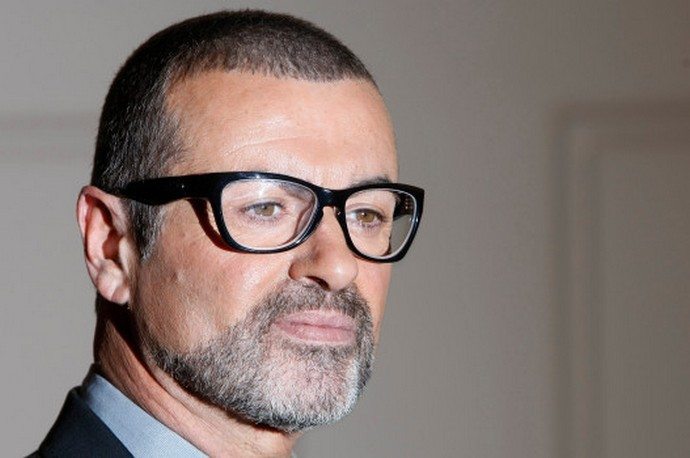
    george michael

    Michael’s publicist, Connie Filipello issued a statement about his death Sunday:

    It is with great sadness that we can confirm our beloved son, brother and friend George passed away peacefully at home over the Christmas period. The family would ask that their privacy be respected at this difficult and emotional time. There will be no further comment at this stage.

    Michael was born Georgios Kyriacos Panayiotou in London in 1963. His rise to fame began in the mid-80s with the Brit-pop duo Wham!, formed with his school friend Andrew Ridgeley. Wham! had a hit in both England and the U.S. with “Wake Me Up Before You Go-Go.” The video was in heavy rotation on MTV and was influential not only in the music world but the fashion world as well. The over-sized shirts with slogans such as “Choose Life” became ubiquitous around U.S. high schools in 1984.

    Michael and Ridgeley split in 1986 following a farewell concert at Wembley Stadium. His first solo album Faith was released in 1987 and launched Michael into superstar status. The lead single from the album, “I Want Your Sex” featured risqué lyrics that radio made radio leery. Despite this, the single rose to No. 2 on the Billboard charts that year. Faith went on to sell 10 million copies in the U.S. and spawned three No. 1 hits in “Father Figure,” “Monkey” and “One More Try.”

    In later years, Michael faced legal battles with his label as well as with law enforcement. He was arrested in the men’s room in Beverly Hills in 1998 on a charge of lewd behavior. Following that arrest, he came out as gay. The struggles with his sexuality and the efforts in hiding it led to bouts of depression for Michael. He became a vocal advocate for AIDS causes and gay rights.

    While his musical output waned in the 2000s, he was still able to sell tickets to stadium shows. He performed with Paul McCartney at the Live 8 show in 2005 and released his final album, Symphonica, a set of standards and originals performed with an orchestra.

    Michael was an uncomfortable star. His public persona exuded a confident performer but his inner feelings were a complex mix of doubt and struggle. Through it all, his musicianship radiated among many.

    His friend, Elton John provided the following expression of sadness alongside a picture of the two together on Instagram:

    https://www.instagram.com/p/BOdVz_XFmD-/?hl=en

  • Greg Lake, Prog Pioneer, Dies at 69

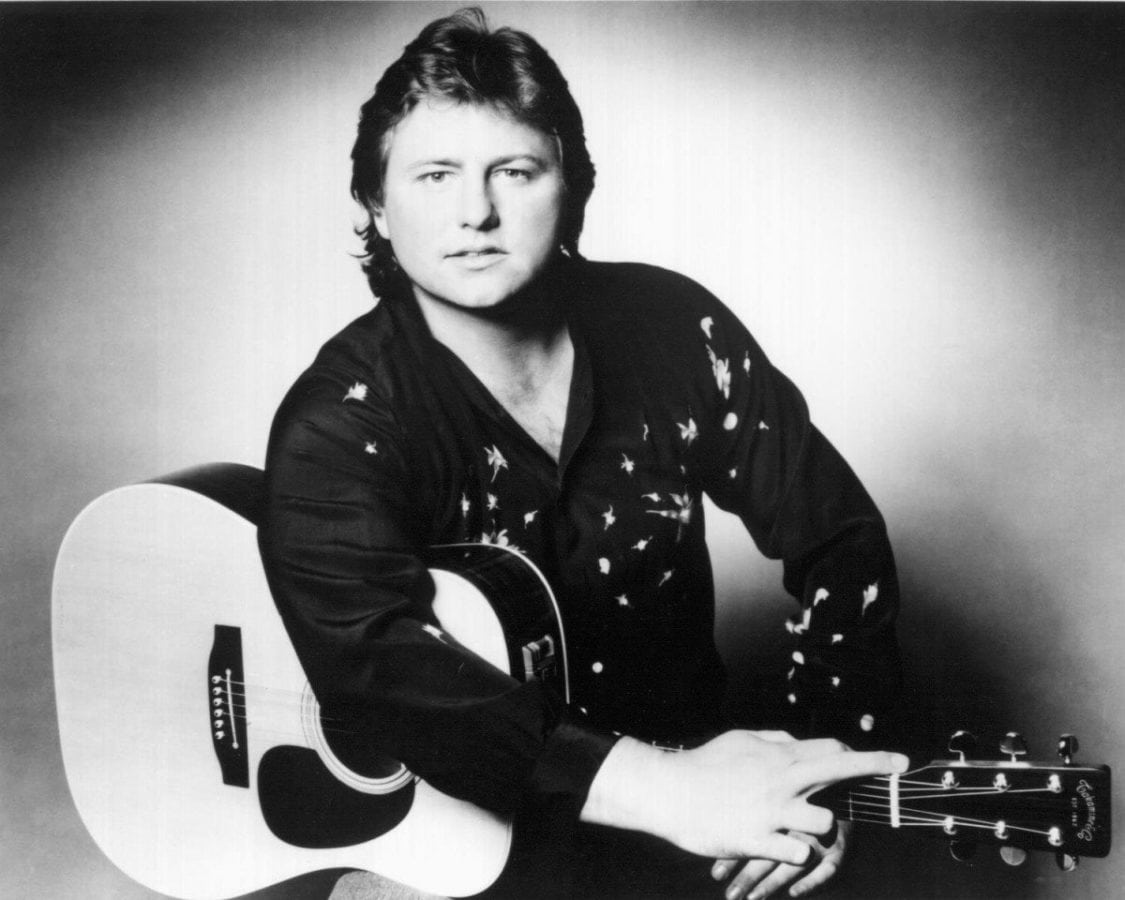
    Greg Lake, founder of progressive rock pioneers King Crimson and founding member of Emerson, Lake and Palmer has died at the age of 69.

    greg lakeLake, a founding member of both King Crimson and Emerson, Lake and Palmer, was one of the progenitors of the progressive rock movement in the late 1960s through the mid 1970s. His vocal style propelled ELP to FM radio stardom in the U.S. on songs such as “Lucky Man” and his solo Christmas song “I Believe in Father Christmas,” a constant on FM radio this time of year.

    Bandmate, and lone surviving member of ELP (Keith Emerson passed earlier this year.), drummer Carl Palmer told the Los Angeles Times:

    We have a lot to thank him for. If you look at the musical landscape of Emerson, Lake & Palmer, he wrote most of the songs that got played on American radio. What he brought was a uniqueness that the music business didn’t have at that time. We weren’t an out-and-out rock band, and we didn’t play the blues. He was a choir-boy kind of singer, a very angelic sounding voice.

    ELP carried popular rock music beyond the blues-based sounds that had been coming from British bands such as the Rolling Stones and the Faces, creating a more theatrical and symphonic style of rock music based in the sounds of classical musicians such as Mussorgsky, Bach, Copland and Bartok.

    Lake balanced the bombastic keyboard work of Emerson with acoustic songs such as “Lucky Man,” a song he wrote at the age of 12, and “From the Beginning.” He recorded his first solo piece in 1975, the perennial Christmas favorite, “I Believe in Father Christmas,” but continued recording with ELP until their break up in 1979.

    greg lakeLake’s career began in 1965 as a member of Unit Four and Time Checks, cover bands that gave him exposure in the Dorset, UK scene. His time in Unit Four led to a relationship with Robert Fripp, who recruited Lake to sing and play bass for his new band, King Crimson.

    Lake performed on King Crimson’s seminal debut In the Court of the Crimson King and the follow-up In the Wake of Poseidon before parting ways after striking up a friendship with The Nice’s Emerson in 1970. The two recruited drummer Palmer from The Crazy World of Arthur Brown to form what became the prog-rock supergroup ELP.

    Lake was born Nov. 10, 1947 in Bournemouth, England, to an engineer father and housewife mother. He is survived by his wife, Regina and their daughter, Natasha.

  • ‘Deep Listening’ Pioneer and Experimental Music Composer Pauline Oliveros Passes Away at 84

    Pauline Oliveros, experimental composer, electronic music innovator, accordionist, pioneer of the Deep Listening philosophy and Distinguished Research Professor of Music at Rensselaer Polytechnic Institute, passed away Thanksgiving Day at the age of 84.

    Pauline Oliveros composerDuring my own time as a student at RPI studying soil mechanics and structural analysis of steel and concrete I somehow found the time to add an electronic arts minor to my transcript. I had heard of a class called ‘Deep Listening’ and it seemed to this then-junior engineering student like a curious subject to help round out the arts minor. It wasn’t until my senior year – when it was too late to reconfigure course schedules – that I had a taste of this subject when my advanced computer music class sat in on a session happening two floors above in West Hall.

    Near one side of the room a dozen or so students was Pauline Oliveros, deeply immersed in the multi-channel surround soundscape created with her cherry red accordion and numerous effects processing. Seeing the focus of those students in a music setting unfamiliar to me was incredible and proved an importance to her course.

    Oliveros was interested in music from a young age, learning accordion from her mother in Texas at age nine and learning the French horn and tuba later on. Her education took her through music programs at the University of Houston and San Francisco State College where she obtained a Bachelor of Fine Arts degree in composition. She remained in academia for several years, teaching at Mills College and UCSD. In 1981 she left UCSD to come to the Hudson Valley, where a less restrictive creative environment allowed her to further explore performance and composition where she later founded the Deep Listening Institute.

    She introduced herself to the idea of deep listening in the early 1950s when she got her first tape recorder. “I immediately recorded from my apartment window in San Francisco,” she recalls in a 2012 interview on WRPI in Troy, NY. “I listened as I recorded but when I listened back to the tape I heard things that I hadn’t heard when I recorded. So, I realized that I hadn’t really been listening. Since then my mantra has been listen to everything all the time and remind yourself when you’re not.”

    The term “Deep Listening” hadn’t been coined for many years after her early experiments with tape recordings and work with the San Francisco Tape Music Center, though the ideas and teachings were there in Oliveros’ early academic career in experimental music and composition. “Deep Listening” as a term was a coincidence of pun associated with recordings made in the Dan Harpole underground cistern in Washington State in 1988 with two of her musical partners Stuart Dempster and Panaiotis who then donned the name for the group of Deep Listening Band.

    Deep listening, in brief, is about treating listening as an active rather than passive process, a process that takes some effort. “Deep Listening is listening in every possible way to everything possible to hear no matter what you are doing,” Oliveros described. “Such intense listening includes the sounds of daily life, of nature, or one’s own thoughts as well as musical sounds. Deep Listening represents a heightened state of awareness and connects to all that there is.” That philosophy has led her to have a profound influence on music through improvisation, meditation, and use of electronic music.

    Oliveros’ extensive fifty-year career as a leader in avante-garde and experimental music included numerous recordings under her own name and with the Deep Listening Band. Along with these recordings, Oliveros has many publications, videos and has given many lectures and workshops out of the classroom setting. She received several awards in her career, including the most recent biennial John Cage Award in 2012, given by the Foundation for Contemporary Arts in New York City to individuals who have made outstanding achievements in contemporary performing arts.

    From 2001 until her passing, Oliveros had been teaching Deep Listening and conducting research at RPI in Troy. Her collaborative research at the university included the Adaptive Use Musical Instrument (AUMI) – a development of adaptive musical instruments through computer interfaces for those with mobility restrictions – and others including artificial intelligence programming for improvised music and data science research with the university’s School of Science.

    In 2012 a celebration of Oliveros’ 80th birthday was held at the university’s Experimental Media and Performing Arts Center (EMPAC). Oliveros, along with the Deep Listening Band, gave a performance utilizing computer simulations, developed by architecture acoustics professor Jonas Braasch, of the acoustics of the cistern in which the band recorded in 1988, implemented using technology within the theater.

    While Oliveros had an extensive career as a composer and performer, many people who have worked with her have been remembering her as a compassionate mentor, brilliant until her passing. Former student Blair Neal recalls of her impact, “Technology was never at the core of [class] discussions though, it was always the power of the human and how we communicated and listened to each other. That kind of teaching is something I try to carry with me always.” Another former student, Alex Bulazel shares simple words of gratitude, “Pauline was always an inspiration to her students, reminding them of the importance of creativity, artistic self-expression, humor, and most importantly, listening.”

  • High Energy Soul Singer Sharon Jones Dies at 60

    Soul Singer Sharon Jones, known for her powerful voice and kinetic stage presence, passed away on Friday at age 60, after a courageous battle with pancreatic cancer. She was surrounded by members of the Dap-Kings and loved ones, according to her publicist.

    sharon jones Cancer did not slow down Ms. Jones, who was first diagnosed in 2013 and continued recording or touring while undergoing chemotherapy. A documentary on her life, MISS SHARON JONES! was released this summer to great acclaim.
    Sharon Jones found success in her 40s, after being rebuffed by major labels who considered her, “too short, too fat, too black and too old,” as recounted in “I’m Still Here,” released this summer. The song details her life as she moved from the segregated south to New York City and persistence in achieving her goals. While performing with a wedding band Good n Plenty, she met producer/songwriter Gabriel Roth and joined funk label Daptone Records in Brooklyn, led the Dap-Kings on stage and gave high energy performances for audiences since 2002. The group won a 2015 Grammy for Best R&B Album for Give the People What They Want and recorded six albums on the Daptone label.

    Born in Augusta, GA, her mother was forced to give birth in a storage room at a hospital in the segregated Jim Crow south. Jones relocated to Bedford-Stuyvesant in Brooklyn in 1960, attended Brooklyn College and turned her focus to music. She collaborated in her career with Lou Reed, Phish, Michael Bublé and David Byrne, among many others. Radiation and chemotherapy did not slow down Ms. Jones, “I need to dance onstage, I don’t want something that makes me bedridden. I want to live my life to the fullest.”

  • Leon Russell, ‘Master of Space and Time,’ Dies at 74

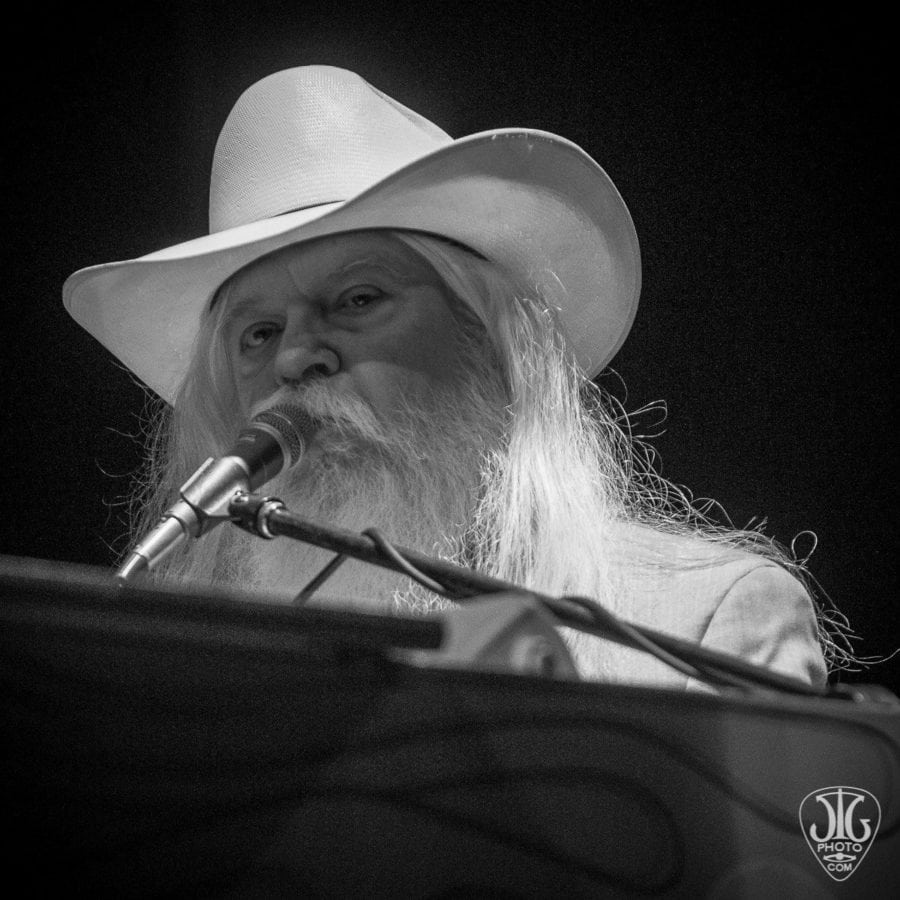
    Leon Russell, the long-haired, top-hatted, mystical Oklahoman who rose to fame as the bandleader for Joe Cocker’s Mad Dogs and Englishmen touring band, died quietly in his sleep Sunday. He was 74. His wife, Jan Bridges released the following statement:

    We thank everyone for their thoughts and prayers during this very, very difficult time. My husband passed in his sleep in our Nashville home. He was recovering from heart surgery in July and looked forward to getting back on the road in January. We appreciate everyone’s love and support.

    Russell, born Claude Russell Bridges, was known as a “musician’s musician,” having performed among rock royalty for decades, often anonymously as an in-demand studio pianist. Elton John, whose 2010 collaboration with Russell, The Union, kicked off a comeback for Russell, mourned his mentor on Instagram.

    leon russellRussell had been suffering from a variety of ailments over the past few years. In 2010, he was hospitalized for a brain fluid leak and heart failure. He suffered a heart attack in July of this year, causing the cancellation of several tour dates. Russell’s last performance was in Nashville July 10.

    In an era of flamboyant musicianship, Leon Russell was king. For a period in the early ’70s, he was a dynamo. He put together a band for Joe Cocker, performed as part of the Delaney and Bonnie and Friends touring band and played a major role in George Harrison’s 1971 benefit Concert for Bangladesh in 1971.

    Russell took an interest in music at a early age. Born in Lawton, OK April 2, 1942, he began playing the piano by the age of four. He began playing nightclubs around Tulsa by the age of 14, able to do so because of Oklahoma’s status as a dry state, forming the band the Starlighters, which also included J.J. Cale.

    leon russellHe moved to Los Angeles at the age of 17, where he became a member of Phil Spector’s infamous “Wrecking Crew,” a loose-knit group of studio musicians responsible for the backing music for Jan and Dean, Sonny and Cher, the Mamas and the Papas, Frank Sinatra, the Monkees and the Beach Boys’ Pet Sounds.
    Ever modest, Russell once described himself as a “jobber,” likening himself to an air conditioner installer in a Rolling Stone interview, “You need air conditioning? You call this guy. People called me to do what I did.” And what he did was legendary. Russell played many instruments with aplomb. Russell meandered among genres like a master.

    In 1975 Bob Dylan had requested Russell to play bass, an instrument he wasn’t particularly deft at playing, on the recording of “Hurricane,” or as Russell described it, “that song about the boxer.” Russell recalls of that session:

    “We did a take — just running it down, I thought. I said, ‘Are you going to do the real thing now?’ Bob said, ‘Why? We’re just going to make the same mis­takes.’”

    Just another ho-hum story in the life of a storied musician.

    Russell’s signature song, “A Song for You” has been recorded by more than 40 artists over the years, including the Carpenters, Willie Nelson, Whitney Houston, Amy Winehouse and Ray Charles, whose performance earned him a Grammy in 1993 for Best Male R&B Performance.

    Russell was inducted into the Rock and Roll Hall of Fame by his friend, Elton John in 2011.

    And when my life is over
    Remember when we were together
    We were alone and I was singing this song for you
    – Leon Russell, “A Song for You”

  • Influential Poet, Musician, Leonard Cohen Dead at 82

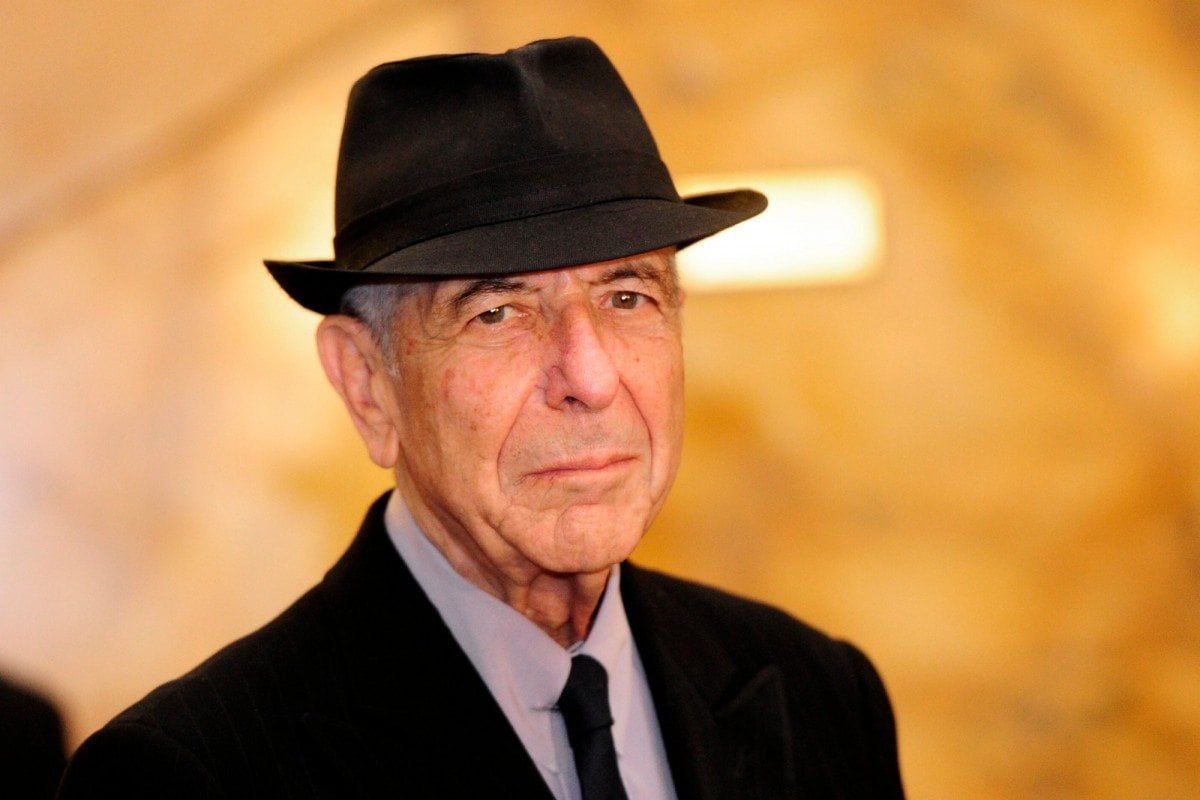
    “If someone could guarantee me that the preliminaries will not be too disagreeable, I look forward to…”  This was Leonard Cohen’s response to a question asked of him in a 2009 interview with the CBC’s Jian Ghomeshi. What he was looking forward to is what ultimately happened Thursday. Poet, novelist, songwriter, Leonard Cohen has died at the age of 82. His death was confirmed on his Facebook page.

    In a statement to Rolling Stone, Adam Cohen, his son and producer issued the following:

    My father passed away peacefully at his home in Los Angeles with the knowledge that he had completed what he felt was one of his greatest records. He was writing up until his last moments with his unique brand of humor.

    The record his son is referring to is the recently released You Want it Darker, an album hailed by the magazine as a “late career triumph.” The album was recorded as Cohen was suffering from back issues that kept him confined to the house. His son created a recording studio in the house the elder Cohen had been sharing with his daughter Lorca. The resulting album is nothing short of a beautiful goodbye.

    leonard cohenCohen’s most famous composition, “Hallelujah,” has been performed by everyone from Bob Dylan to high school choirs. The most renowned version was done by Jeff Buckley nearly a decade after it was first recorded.  The song was recorded for his 1984 album Various Positions, an album seen as not commercial enough by his label. The spiritual ballad has been so ubiquitous since Buckley brought it to the forefront that Cohen himself indicated that maybe there should be a moratorium on performing it. In the coming days, however, it is sure to appear many times over in tribute to its creator.
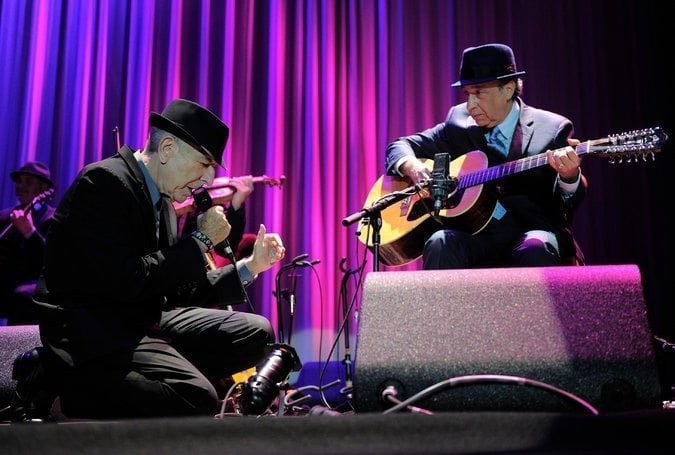
    Cohen began his career as a musician later in life than most of his contemporaries. He was a highly regarded poet and novelist, but was unable to parlay that into a career. So he turned to music in an attempt to make a living through his writing.  His first album, Songs of Leonard Cohen was released in 1967, when he was 33 years old. His song “Suzanne” from his debut, was recorded by Judy Collins as well as many other artists, launching his musical career.

    Known among his fans as “The Godfather of Gloom,” Cohen still possessed a sardonic wit, once suggesting that perhaps his label should give away razor blades with his albums. Despite the grim and somber tone of his work, he influenced not only his contemporaries but a generation of pop musicians to follow. According to the New York Times, his work has been recorded over 2,000 times by everyone from the aforementioned Dylan, Collins and Buckley to Elton John, U2 and R.E.M.

    Cohen was born in Montreal on Sept. 21, 1934 to Nathan and Masha Klonitzky, his father a Polish emigre, his mother the daughter of a Lithuanian Rabbi. His father, a clothier, died when Cohen was nine years old, leaving a trust fund that allowed Cohen to pursue his writing interests.

    He enrolled at McGill University, studying English. Upon graduation, he spent time pursuing a graduate degree with little satisfaction, likening it to “passion without flesh, love without climax.”

    Cohen’s eventual move to the U.S. fostered the musical career he sought. He became a member of Andy Warhol’s inner circle and began to achieve success as a touring musician throughout the ’70s and early ’80s. Always a spiritual, if not necessarily religious man, Cohen chose to retreat to the Mt. Baldy Zen Center in the Los Angeles area in 1994, becoming an ordained Zen Buddhist monk in 1996.

    leonard cohenFollowing his five year retreat, Cohen again returned to the studio in 1999. The result was the 2001 album Ten New Songs. He continued writing, recording and touring through the early years of the 21st century. A bitter legal dispute with his former manager Kelley Lynch, however, left him financially strapped.
    In 2008, he embarked on an extensive tour, mainly out of financial necessity. Between 2008 and 2010, Cohen performed all over the world without rest. Stops on his tour included New Zealand, Canada, Europe and performances at the Glastonbury and Coachella Festivals.

    Cohen often referred to his career as a three-act play. Thursday night, the curtain was drawn on the final act of this legendary career. His final album was released in October and is a fitting cap on the life of a true Renaissance man.

    “He said all men will be sailors then until the sea shall free them”

  • Louisiana Legend Buckwheat Zydeco Dead at 68

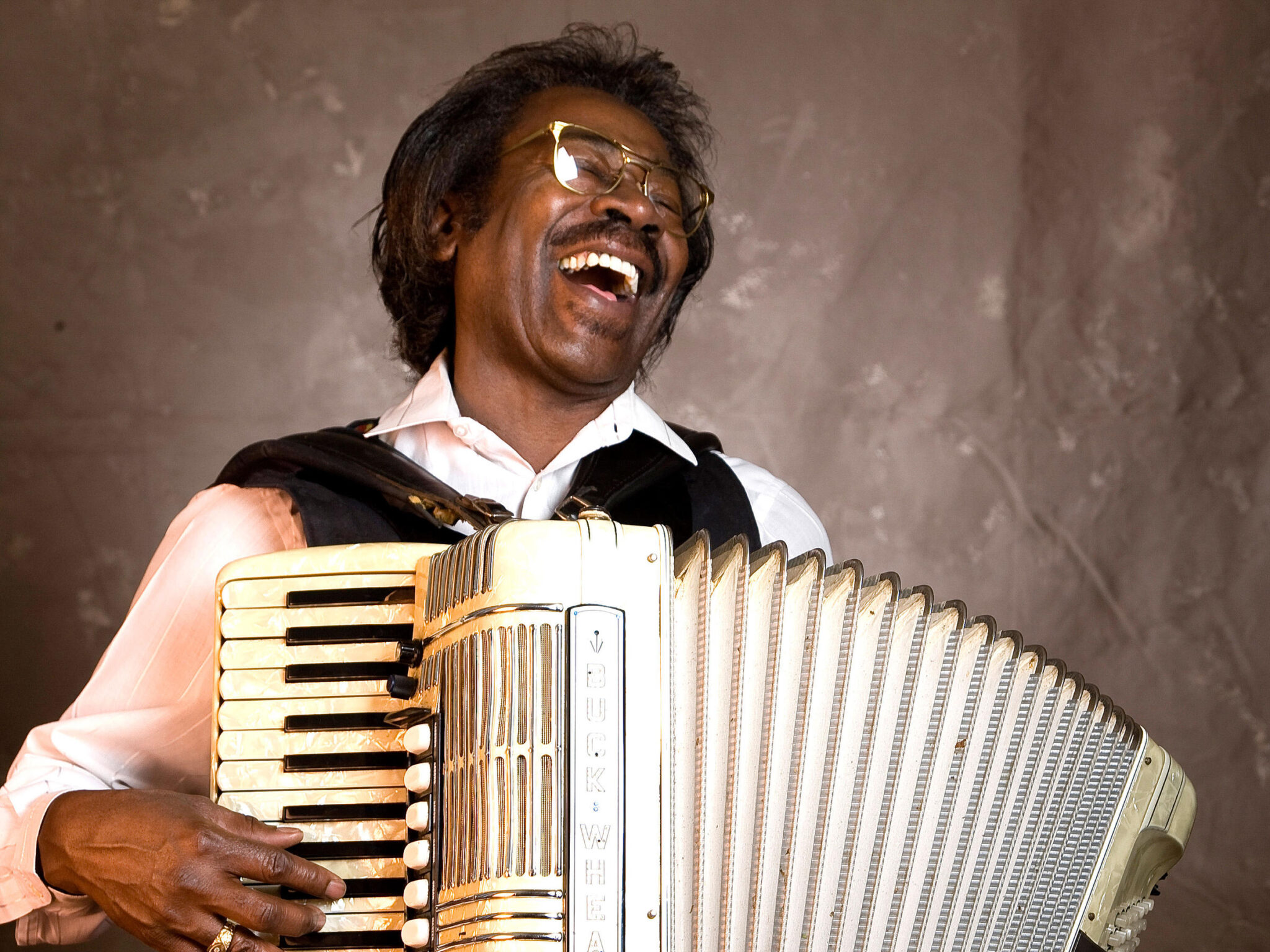
    Stanley “Buckwheat” Dural, Jr., the performer who brought the unique sounds of Louisiana zyedco music to the world, passed away early Saturday morning in Lafayette, LA at the age of 68. Dural had been battling lung cancer since 2013. His long time manager Ted Fox confirmed the death in a Facebook post today.

    Dural, given the nickname “Buckwheat” in his youth due to his hair resembling that of the Little Rascals character, became synonymous with the regional music that he championed. He performed at the closing ceremonies of the 1996 Olympics as well as both of President Bill Clinton’s inaugurations.

    buckwheat zydeco
    Stanley “Buckwheat” Dural Jr. of Buckwheat Zydeco died Saturday morning from lung cancer. He was 68.

    Buckwheat Zydeco performed at the 2015 Syracuse Jazz Fest and provided one of the most entertaining and rollicking sets of the weekend. He had been scheduled to perform at the Earlville Opera House on Sept. 16 but was forced to cancel due to a recurrence of his lung cancer. In announcing the cancellation, Dural stated:

    I hope everyone knows I truly believe ‘the show must go on’ and I’ve always tried to make that happen. But, I’ll need to fight this off first. So I’m sorry to say we will need to cancel or postpone some shows. But, you can’t beat the Wheat! I will be back. Soon. And, you can take that to your best bank.

    Dural was born in Lafayette, LA in 1947. His father, Stanley Dural, Sr., was a farmer and Cajun accordionist. The younger Dural resisted his father’s music at first, gravitating towards playing the organ in the funk band he formed in 1971.

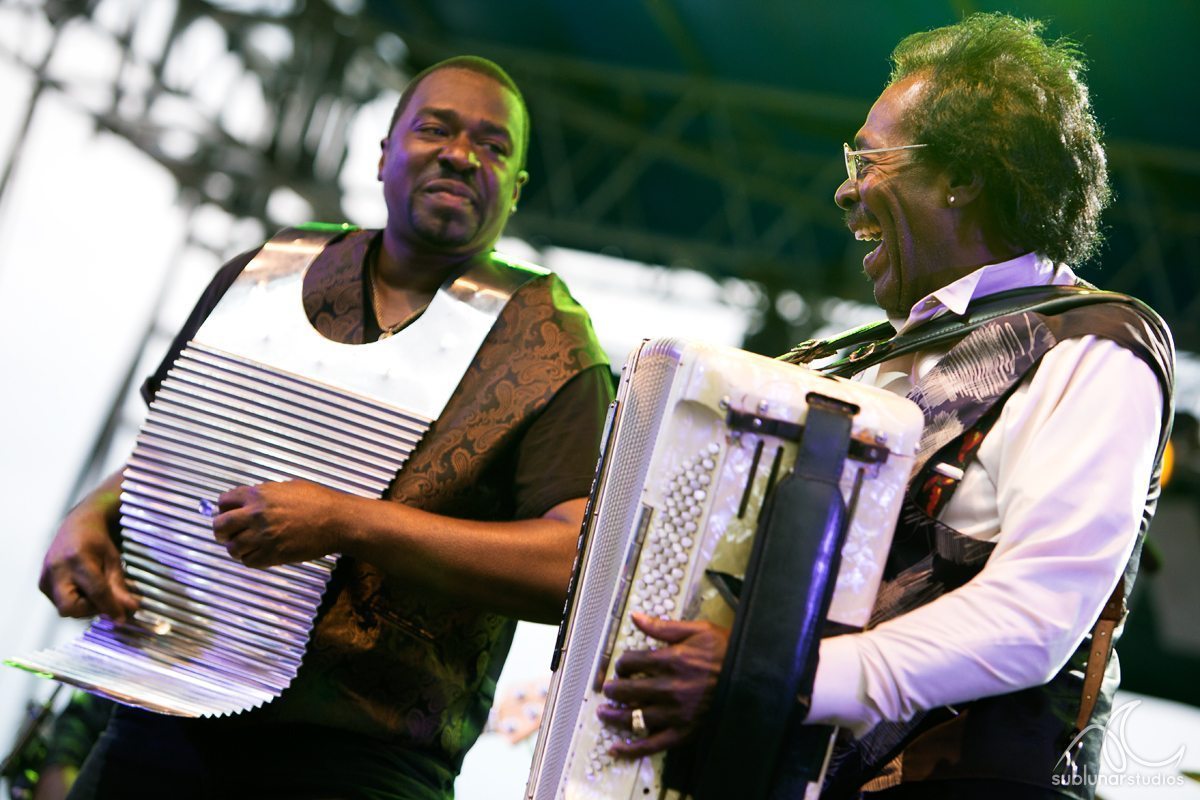
    Syracuse Jazz Festival
    Dural and his son, Sir Reginald, performing at the 2015 Syracuse Jazz Fest

    While performing with famed zydeco bandleader Clifton Chenier in the late ’70s, Dural took up his father’s instrument, eventually venturing out on his own to form Buckwheat Zydeco.

    Dural and his band were the first zydeco band signed to a major label, signing with Island Records in 1987 for the Grammy nominated On a Night Like This. Throughout his career, he performed with Eric Clapton, U2, Ry Cooder, Keith Richards and Robert Plant.

    Dural is survived by his wife, Bernite Dural; two sons, Sir Reginald M. Dural  and Stanley Paul Dural III and three daughters, April Germain Dural, Stacie Durham and Tomorrow Lynn Dural.

  • In Memoriam: Elliot Tiber, Playwright with Key Role in Woodstock

    Woodstock as we know it may not have happened if it were not for Elliot Tiber.

    In July 1969, Michael Lang and Artie Kornfeld of Woodstock Ventures found themselves without a venue for a music festival. Described in detail in Robert Stephen Spitz’s “Barefoot in Babylon,” the town of Wallkill had just revoked their permit, and Lang and Kornfeld turned to Sullivan County for an alternate location. Elliot Tiber happened upon the news that they were in search of a location, and while the backyard of the family’s El Monaco Hotel in White Lake, NY would not suffice, the farmland belonging to his friend Max Yasgur was available.

    More importantly, Tiber was the President of the local Chamber of Commerce, and had a permit in hand for an arts festival that summer, an annual event held at the motel. But Woodstock would be well beyond what Tiber could have expected when he first met Michael Lang.

    Elliot Tiber passed away on August 3 in Boca Raton, FL from complications from a stroke. He was 81.

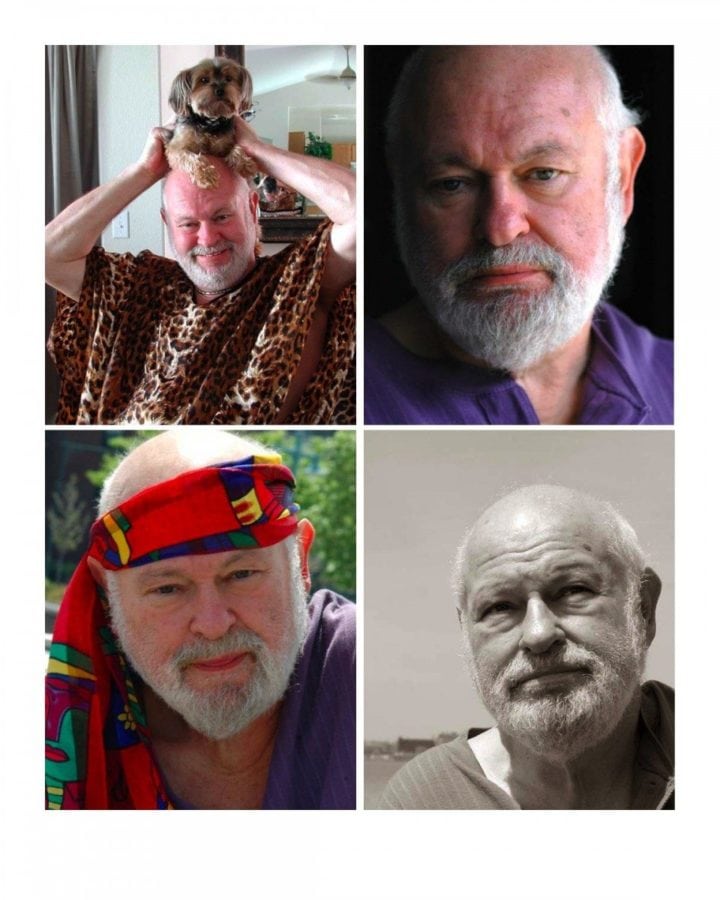
    elliot tiberBorn in Bensonhurst on April 15, 1935, Tiber was a graduate of Hunter College, attended the Pratt Institute and taught creative writing at New School University, fine art at Hunter College, and art design history at the New York Institute of Technology.
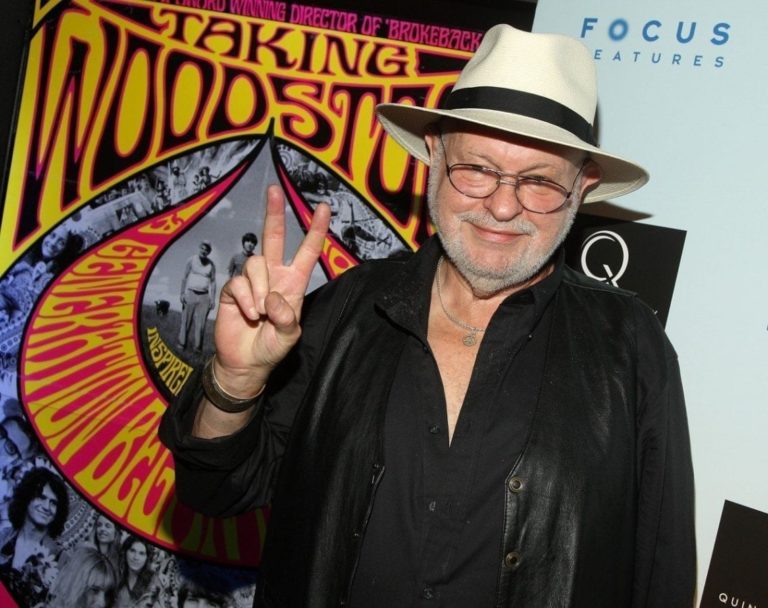
    A gay rights activist and playwright, Tiber wrote the screenplay for the 1976 film “Rue Haute”, which was nominated for Best Foreign Language Film (Belguim) at the Oscars the next year. He was a critical component to the original Woodstock, sharing his life story, and detailed recollection of August, 1969 in Taking Woodstock, later a 2009 movie of the same name by Ang Lee. Tiber wrote also wrote two memoirs, Knock on Woodstock and After Woodstock.

    His book Taking Woodstock is part journey through growing up in Brooklyn during the school year and heading to White Lake to the El Monaco Hotel his family ran in the summer. This was following the heyday of the Catskills, and business was far from optimal. Back at home, Elliot came of age during the Stonewall Riots in Greenwich Village, leading him to come out while at the center of the largest music gathering in history at that point.

    elliot tiberTiber told Publishers Weekly in 2011 “Coming out in the summer of 1969 was the most dangerous yet liberating thing that ever happened to me.”
    The second half of “Taking Woodstock” focuses on Elliot and the small arts festivals he held in town each summer, and as head of the local Chamber of Commerce, he held a permit that Woodstock Ventures would later use to shift their festival from the planned location in Wallkill, NY to Bethel, NY.

    Michael Lang said to the New York Times: “Elliot was part of the magic of Woodstock. Without his phone call bringing me to Bethel, Woodstock might never have happened, and for that I am eternally grateful.”

    Mr. Tiber told The Miami Herald “When I talk about Woodstock, or when I talk to my friends, it’s like time hasn’t passed … Then yesterday I got out of the shower and thought, ‘My God, I look like my mother.’”

  • Composter and Bassist Rob Wasserman Passes Away at 64

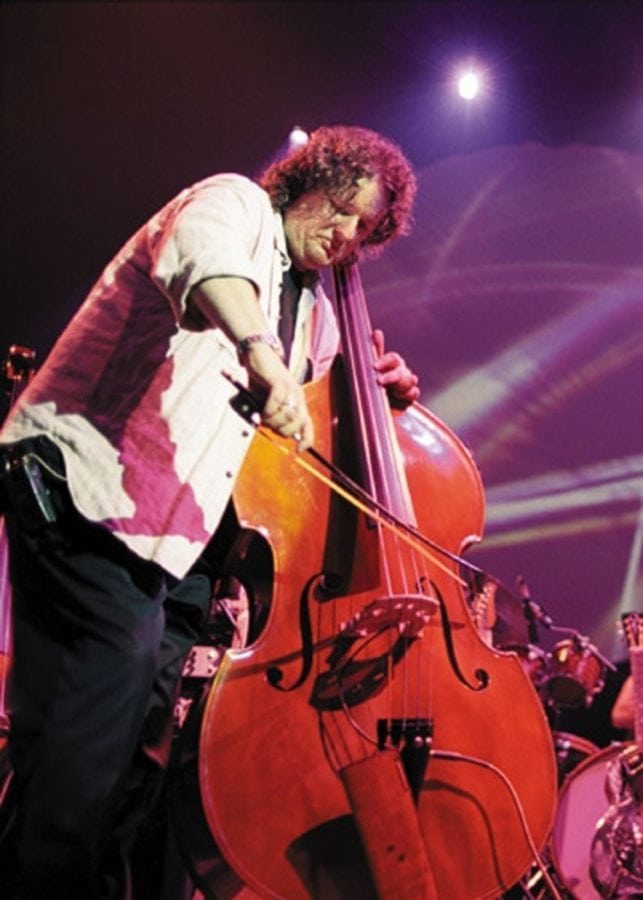
    Rob Wasserman, Grammy award winning bassist and composer, known for playing with artists such as Ani di Franco, Lou Reed, and Bob Weir, has passed away at the age of 64.

    rob wassermanMere hours after Weir announced via Facebook that Wasserman was hospitalized and facing a health struggle, a second post followed confirming his passing. Weir posted, “I’m devastated to pass along that Rob Wasserman lost his struggle today, and we have lost a beautiful friend and artist. I can still hear the sound of his bow playing those strings unamplified and pure. It’s one of the most glorious sounds I’ve ever heard, and the music and warmth he gave us will live on in the hearts of everyone he touched.”

    Wasserman attended the San Francisco Conservatory of Music, studying composing and the double bass, though he began playing violin as a teenager. He was known for his trilogy of albums: Solo, Duets, and Trios. In the latter two albums, Wasserman worked with Jerry Garcia, Elvis Costello, and Lou Reed, among numerous others.

    Wasserman is perhaps best known for founding RatDog with Bob Weir after the death of Jerry Garcia in 1995. Previous to RatDog, Wasserman and Weir toured for several years as Scaring the Children. RatDog toured until 2014, performing Dead covers and some original songs. They released one studio album, Evening Moods, in 2000.

    Wasserman’s most recent album was Cosmic Farm in 2005.

    [embedyt] http://www.youtube.com/watch?v=lTBcXDBKuBA[/embedyt]

  • Bernie Worrell Passes Away at 72

    Bernie Worrell, keyboardist for Parliament/Funkadelic and the Talking Heads, passed away yesterday at the age of 72.

    Bernie Worrell
    Bernie Worrell at Backwoods Pondfest, 2013. Photo by Pete Mason

    In a post on Facebook, Worrell’s wife, Judie, posted “Bernie transitioned Home to The Great Spirit. Rest in peace, my love — you definitely made the world a better place. Till we meet again, vaya con Dios.” This news came nearly six months following her announcement of his stage 4 lung cancer diagnosis.

    Born G. Bernard Worrell, Jr. in Long Branch, New Jersey in 1944 and raised in Plainfield, New Jersey, Worrell began taking piano lessons at age three and wrote his first concerto at eight. He studied at the Juilliard School and went on to receive a degree from the New England Conservatory of Music in 1967. The school awarded him an honorary Doctor of Music degree in May.

    Worrell, also known as the “Wizard of Woo,” was best known for his work with Parliament/Funkadelic, to which he is credited with giving the futuristic sound through the expert use of the Moog synthesizer. As one of the longest standing members of the band, he was among the 15 members inducted into the Rock and Roll Hall of Fame. He became a de facto member of the Talking Heads through much of the ’80s, appearing on their studio album Speaking in Tongues and the much-heralded live album and concert film Stop Making Sense. More recently, he had formed the Bernie Worrell Orchestra, which featured a rotating lineup of musicians performing originals and songs from his past work with Parliament/Funkadelic and the Talking Heads.

    [embedyt] http://www.youtube.com/watch?v=puDTZAlCv4A[/embedyt]