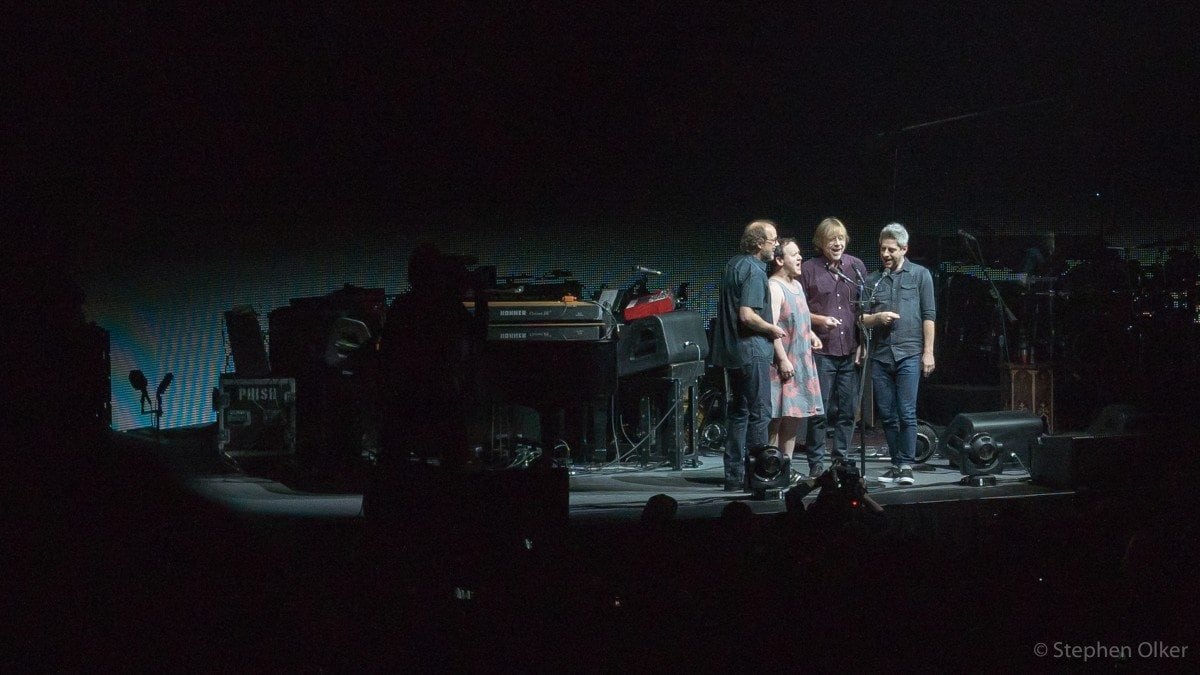
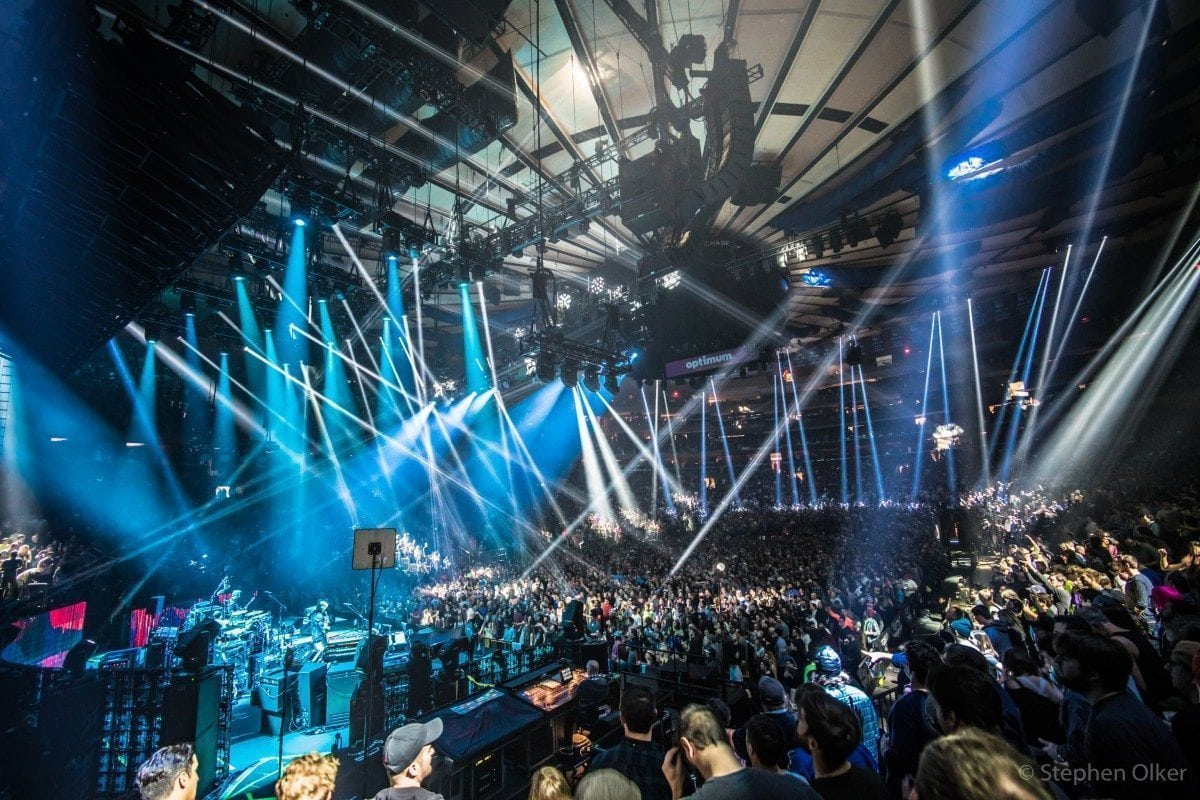
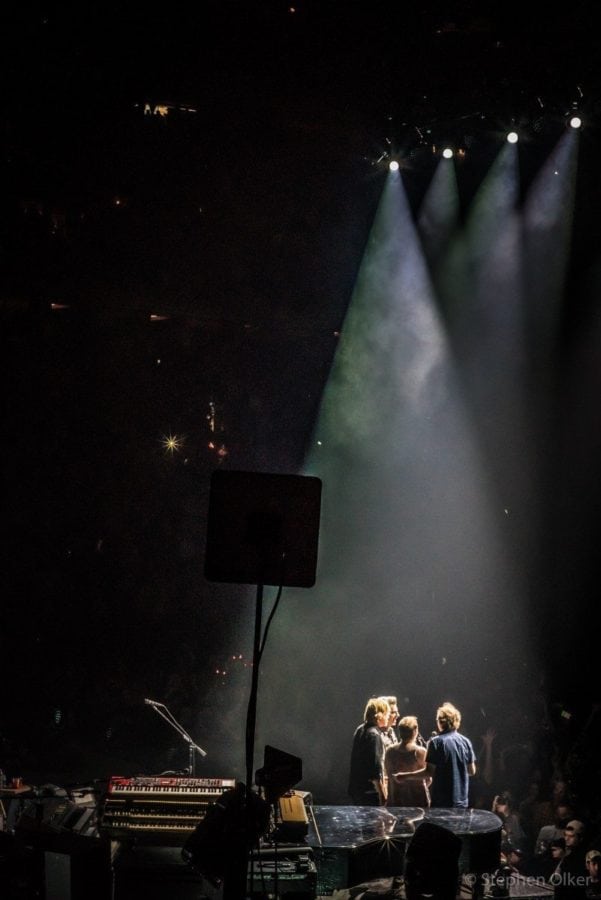
In a sea of tourists, NYC inhabitants and phans with one phinger in the air hoping to score a miracle ticket for less than their internal organs, Madison Square Garden welcomed all walks of life back through its doors on December 30, 2016 for night three of Phish and their annual four-night NYE run.
The third night was most certainly a charm, as the foursome wholeheartedly delivered with their highly anticipated NYE gigs, bringing a juggernaut of material both new and old to the forefront of their explosive jams. The penultimate gig kept up with tradition of openers from both the 28th and 29th, kicking off with an acapella rendition of “Carolina,” leaving a sardine-packed and immensely energetic MSG crowd silent and still. Following the 28th’s acapella opener of “The Star Spangled Banner” and the 29th’s “Sweet Adeline,” “Carolina” found Trey, Mike, Page and Jon digging deep in their archives and offering their first bust out of the night–having not played the tune since 2003 at Greensboro Coliseum.
Phish “Blazed On,’ through the second set with crowd-favorite “The Moma Dance,” “Gumbo” and a fitting choice of “Cities” which had the whole building hypnotized on foot. ‘The Old Home Place,” eased into a “Bathtub Gin” scorcher, complete with arena rock vibes, dense jams and enchanting licks.
“Things People Do” served as the first “Big Boat” performance of the run, before launching into “My Friend, My Friend.” The first in a triad of Joy tracks sprinkled throughout the night, came fully equipped with face-melting jams and moody red and black lighting. The next track found every phan in the house shouting “Wilson” across a sea of wide eyes and color spectrum donut lights. A light-hearted “Sugar Shack” delighted the audience as the night’s second track hailing from Joy, before a fully-welcomed “You Enjoy Myself.” Complete with trampoline bounces and all, YEM closed out a magnificent first set for a thankful MSG crowd.
The second set magic quickly rolled out with a funky take on “Tweezer” which led into The Who’s 1969 Tommy track, “Sparks.” A crowd sing-a-long was incited on “Ghost,” until the Joy trifecta came to an end with “Light,” as things dove into a lengthy, swampy “Party Time” jam. Ease washed over the crowd with a soft take on “Wading in the Velvet Sea” just ahead of closing out the second set with another cover, The Osborne Brother’s “Rocky Top.”
Played last time in New York for a SPAC crowd, Phish encored with The Velvet Underground’s “Rock n’ Roll.” It felt more appropriately placed this time, however, in the city that front man Lou Reed often based his music on. A transcendent segue led into a fiercely received “Tweezer Reprise,” which closed night three with energy spiking through the roof.
Between page’s keyboard kinetics, phishman’s double down drumming, gordon bumpin’ bass slaps and trey’s fireworks across the fretboard, phish left little to the imagination. The beloved jam band has so far proven that they can cap off a year filled with an abysmal onslaught of celebrity deaths, political turmoil and environmental concern, making you forget all of the madness if only for a few hours. Tomorrow will end the NYE run and after three nights of unforgettable music at the world’s most famous arena.
Phish, December 30, 2016, Madison Square Garden, NY, NY
Set 1: Carolina, Blaze On, The Moma Dance > Gumbo > Cities, The Old Home Place, Bathtub Gin, Things People Do, My Friend, My Friend, Wilson, Sugar Shack, You Enjoy Myself
Set 2: Tweezer > Sparks > Ghost > Light -> Party Time Jam, Wading in the Velvet Sea > Rocky Top
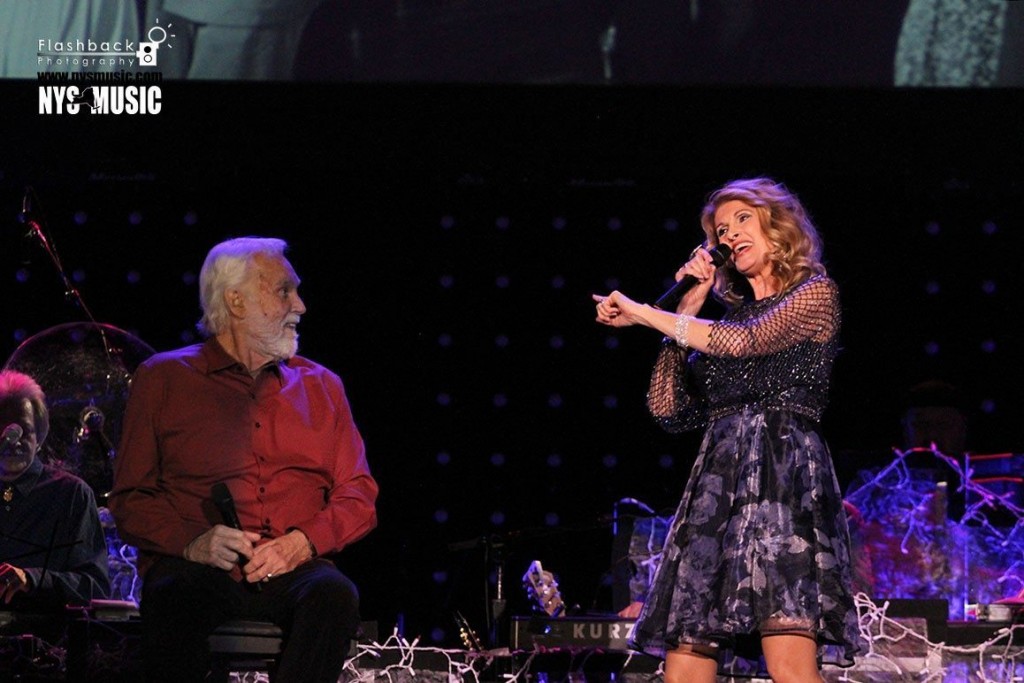
It was bittersweet to say the least as Kenny Rogers took to the stage at The Turning Stone Casino December 20, 2016 for his final holiday show here in Central New York. Welcomed by a sold out crowd, Kenny Rogers made his entrance to his tried and true hit “Ruby” where he encourages the audience to participate at the chorus, however they always seem to miss their cues. You would think after all the these years, the audience would get the words right and sing on cue, however it was not meant to be this final show as well.
For this final performance he was once again joined by the lovely Linda Davis. Linda has joined Kenny for his Christmas shows for a few years now, and they are the perfect pairing on stage as they sing both carols, their hits, and covers of some of the greats.
Kenny’s wit and sincerity comes through as he talks with his audience. Joking around about his recent knee surgery, he wonders how his doctor can claim this is “age appropriate” when he runs into Mick Jagger at Glastonbury who is jumping all around on stage. Maybe he states, “it’s age appropriate for Americans.” Well that thought quickly went to the wayside when he returned home and immediately ran into Willie Nelson. His ability to laugh at himself, and put his audience at ease is one thing we will miss most about Kenny Rogers.
Then there’s the music. Kenny Rogers was one of the first to cross over and make his mark on both the country charts and pop charts with songs such as “The Gambler,” “Islands in the Stream,” and “Lady” to name a few. Then there were the well known collaborations. His best known friend and collaborator is the legendary Dolly Parton, their chemistry and love and admiration is one fans will never forget. He also has sung with Dottie West and Ronnie Milsap, and who can forget his part in “We Are The World.” This multi talented performer has sung doo-wap, pop, country, and even dabbled on screen for years. He has entertained us for years and loved by all.
A little known fact about Kenny Rogers, and one I was able to talk to him about recently, is his love and passion for photography. He is an amazing photographer capturing remarkable stills of several artists such as Elizabeth Taylor, Michael Jackson, and so many others, and his landscapes will take your breath away. Something he took up while on the road, he wanted to do something worthwhile in his down time so he took up capturing the amazing places he was visiting and performing. In the works we will soon be able to see his newest book of landscapes, some of which he’s taken while on tour and others while on vacations with his wife and twin sons.
This show was a definite celebration of music, of fans, and a thank you to all those who have supported Rogers over the years in his career both on stage and screen. We will certainly miss him, and thank him for all he’s given to us over the years. It is now time for this cowboy to ride off into the sunset and spend some quality time with his wife and children. It’s now time to ‘fold em.’
Setlist: Ruby, Don’t Take Your Love to Town (Johnny Darrell cover), Video Walkin’ My Baby Back Home, (Broadway Syncopators cover), PlaIt’s Only a Paper Moon, (Harold Arlen cover), Through the Years / You Decorated My Life / She Believes in Me, Something’s Burning, Just Dropped In (To See What Condition My Condition Was In) (Mickey Newbury cover), Love Lifted Me, But You Know I Love You (Kenny Rogers & The First Edition), It’s The Most Andy Williams song), Let It Snow! Let It Snow! Let It Snow! (Vaughn Monroe cover), Baby It’s Cold Outside (Frank Loesser cover), I’ll Be Home for Christmas (Bing Crosby cover), O Holy Night (Adolphe Adam cover), Go Tell It on the Mountain (John Wesley Work cover), Joy of The Lord, Mary Did you Know, The Light, Lucille, Coward of the County, Love Will Turn You Around, We’ve Got Tonight (Bob Seger cover), The Gambler (Don Schlitz cover), Lady, Islands in the Stream (Bee Gees cover), You Can’t Make Old Friends, and Blaze of Glory
Phish opened their annual 4-night New Year’s run in grand fashion last night at Madison Square Garden. For night one, perhaps picking up on the palpable political tension this year has brought us, an a capella rendition of “The Star Spangled Banner” served as a somewhat fitting opener.
With a raucous Garden crowd now energized, “Stealing Time From the Faulty Plan” followed, allowing guitarist Trey Anastasio to shine early with some fierce guitar licks. The first of three first set covers (not including our national anthem) then appeared in the form of “Lonesome Cowboy Bill,” a song prominently featured on the band’s cover of the The Velvet Underground album Loaded done in 1998 for their musical costume. This fun, semi-bustout of a cover then gave way to “Free” which picked up the energy level in the building significantly and seemed to have everyone dancing in unison for the first time all night.
However, the pace settled back down again afterwards as “Train Song” and “Prince Caspian” followed, two songs featured on the now 20-year-old album Billy Breathes. “Roggae” kept the mellow first set vibe in full gear, allowing lighting director Chris Kuroda to show off some new lighting techniques in addition to some old favorites. A cover of the blues classic “Funky Bitch” then followed, highlighted by tremendous vocal and bass work from Mike Gordon. “Halfway to the Moon,” a song penned by keyboardist Page McConnell, gave him a chance to take center stage before another bust out of a cover in the form of a beautifully melodic “Corrina.” The first set wouldn’t be complete without one last jam and chance to stretch out a little and “Stash” fit the bill perfectly for that before a standard first set “Cavern” closer ended an enjoyable yet fairly laid back first set.
The second set that followed was anything but laid back as a three-headed monster of musical mayhem kicked things off. A top notch rendition of “Wolfman’s Brother” started the proceedings and saw the four musicians in perfect harmony with one another. Then, although it may not have been up to the epic level of the previous version played in Vegas a few a months ago, the “Golden Age” that followed was not that far off and featured some of the most inspired interplay of the evening which eventually led into a seamless segue into the classic arena rocker “Simple.” This three-song section of the evening was, by far, the highlight of the night, prompting one show goer to call it “her new best friend.”;
After a typically splendid “Simple” outro jam, the band picked things back up with an uptempo number in “Chalkdust Torture” that, once again, seemed to have the entire arena moving as one. The “Martian Monster” that followed was anything but typical as sound effects delivered by McConnell and steadfast drumming by Jon Fishman soon gave way to a full on “Tweezer” outro jam that took everyone by surprise and even had Anastasio integrating “your trip is short” lyrics sung to the tune of “Tweezer.” Phish playing around both musically and lyrically is when they’re at their best and this was no exception. “Wingsuit” then followed as the requisite breather song to slow things down a little before a fairly standard run through of “Possum” closed a ferociously enjoyable set of music. One last cover in “Good Times, Bad Times” served as the encore, undoubtedly sending everyone on their way ecstatic from a great night of music with, presumably, three even better ones to follow.
SET 1: The Star Spangled Banner, Stealing Time From the Faulty Plan, Lonesome Cowboy Bill > Free, Train Song, Prince Caspian, Roggae, Funky Bitch, Halfway to the Moon, Corinna, Stash, Cavern
SET 2: Wolfman’s Brother, Golden Age -> Simple > Chalk Dust Torture, Martian Monster -> Tweezer Reprise Jam -> Martian Monster, Wingsuit > Possum
ENCORE: Good Times Bad Times
Setlist courtesy of Phish.net
Phish is halfway through their 4 shows at Madison Square Garden and we’re looking at one of the best holiday runs in recent memory. Starting off each of the last two nights with an acapella number (“Sweet Adeline” on the December 29, 2016, “The Star Spangled Banner” on the 28th), bust outs galore (“Lonesome Cowboy Bill,” “Kung,” “Secret Smile”) and powerhouse jams that are sending us into 2017 with a head full of steam.
The 29th featured an intense “Peaches en Regalia” post-“Adeline” that dropped into a strong “Mike’s Song,” and while many were itching for the elusive second jam in “Mike’s,” the vibe was interrupted by “Secret Smile,” the first since 2013. “Smile” cast a lull before “Weekapaug Groove” and “Roses are Free” provided a needed jolt of energy, “Theme from the Bottom” > “Split Open and Melt” was a fantastic pairing to cap a well rounded set.
Opening the second set with “Down with Disease,” Phish launched into an expansive jam with an awkward shift into a blissful “What’s the Use?,” followed by “Fuego” which grew into a “Meatstick” that was well jammed. “20 Years Later” gave up its jam for “Kung” which slowly drifted into “Makisupa Policeman” with a “vaping” keyword from Fishman. A perfectly placed “Harry Hood” ended the set with incredible bliss and joy throughout the audience, especially this guy and ended with a “Julius” encore that literally had the venue bouncing with joy.
Phish, December 29, 2016, Madison Square Garden, NY, NY
SET 1: Sweet Adeline, Peaches en Regalia > Mike’s Song > Secret Smile > Weekapaug Groove, Roses Are Free, Poor Heart, 46 Days, Brian and Robert, Beauty of a Broken Heart, Theme From the Bottom > Split Open and Melt
SET 2: Down with Disease[1] -> What’s the Use? > Fuego > Meatstick, Twenty Years Later -> Kung -> Twenty Years Later > Makisupa Policeman, Harry Hood
If you like a folk, jamgrass & newgrass cocktail then you’ll love Grassroots Rebels recently released album, Ad Vitam Meliorem—which is “Towards a Better Life” in Latin.
Ad Vitam Meliorem is a 14-track compilation of Grassroots Rebel’s original songs, mostly self-recorded in the first eight years of their time together as a band, with two tracks on the album that are new songs recorded at Blue Sky Recording Studio. Grassroots Rebels are a duo comprised of Jim Bonville and Jeff Tehan, but some of the songs on the album include their former bandmate, Jeff Lockmer, on bass. Bonville plays guitar, banjo, vocals and harmonica, while Tehan provides the mandolin and guitar.
The title track, “Ad Vitam Meliorem,” is the opener on the album and it’s my favorite piece; it is a slow melody that is coupled with yearning, poetic lyrics on the theme of letting go; like “you thought you had nothing, but it’s all right in your soul/ once you stop trying to find the things you cannot know/ you learn to love, when you learn how to let go.” The next track, “Here It Comes” features a great interplay between the light picking melody and Bonville’s strong, raspy vocals delivering a catchy tune, while also exhibiting his vocal range on the chorus. Some of the songs on the album evoked a feel of the Irish, and I was reminded of The Pogues when listening to songs like “Broken Soul,” “Salt of Our Tears” and “Sin and Gasoline.” The other songs were a range between rock and newgrass, creating a great compilation of musical experimentation and adventure.
Grassroots Rebels hail from the outskirts of Albany, NY, and perform locally at establishments such as, The Low Beat, The Hollow, Parish Public House, Madison Theater, etc. Their next show is set for December 30, for an Eve of New Years Eve party at The Hollow.
For more information and tickets, visit Grassroots Rebels’ Facebook Page. If you’d like a copy of Ad Vitam Meliorem, visit here.
Key tracks: Ad Vitam Meliorem, Here It Comes, Weight of the World
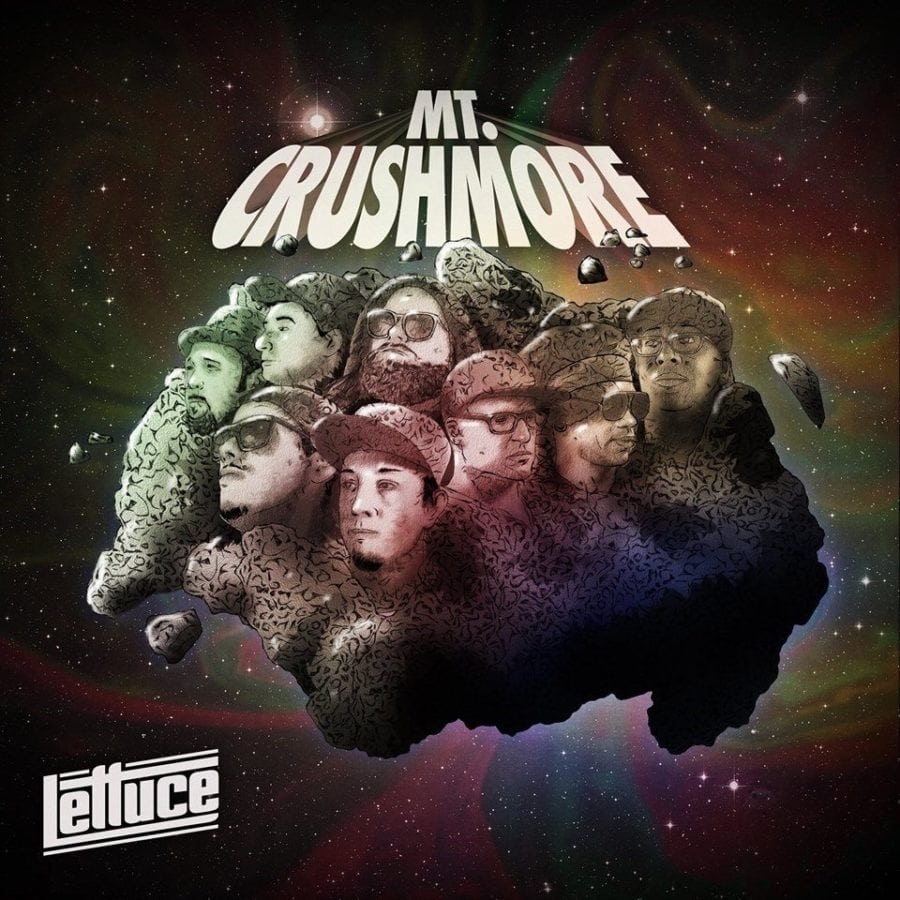
Last month, the jam scene’s funk favorites, Lettuce, released a new EP, titled Mt. Crushmore. While still holding down their exclusivity and unique take on the genre, it is largely more background music than it is dance fuel like we’ve seen from full albums like Rage and Fly.
The likely reason for this is that the 7-track EP contains tracks that didn’t make the cut for “Crush,” (Crush…Mt. Crushmore…you get it). Although it’s not to say these tracks are sub-par by any means. They still demonstrate the band’s ability to lay down groovable tracks, but with perhaps a more hip-hop feel. Many of the tracks would add powerful, yet sophisticated instrumentals for a progressive lyricist.
Mt. Crushmore starts off with its title track and what is hands-down the most epic sounding piece to date. Adam Deitch’s rhythmic drumming combined with Eric Bloom’s authoritative trumpet alarm could be the soundtrack to a military march – if that army was ascending upon enemy territory on an alien planet. A choir of female vocals only adds to the celestial impression.
Other female vocals appear later in the album but with full-on lyrics, a feature that is atypical for Lettuce. “The Love You Left Behind” featuring Alecia Chakour is a nice mix of funk and gospel music to keep you interested.
The EP includes “’Lude, Pt. 5” and “’Lude, Pt. 6,” two quick tracks that sound like intros or filler music. They are a continuation of the series that began on the previous album, “Crush.”
In “116th St.” Erick “Jesus” Coomes drops the signature Lettuce bass thud, the foundation and appeal of their sound. “Ransome” also brings the beloved funk, with a quick rhythm making it the dance tune of the EP.
Listeners should keep in mind that “Mt. Crushmore” is not an album, but an EP, short for “extended play.” And that’s exactly what it feels like – an extension of “Crush.” Absolutely worth a listen if you enjoy Lettuce, but would be largely underwhelming as a standalone album compared to the rest of their catalog.
Key Tracks: Mt. Crushmore, Ransome, The Love You Left Behind
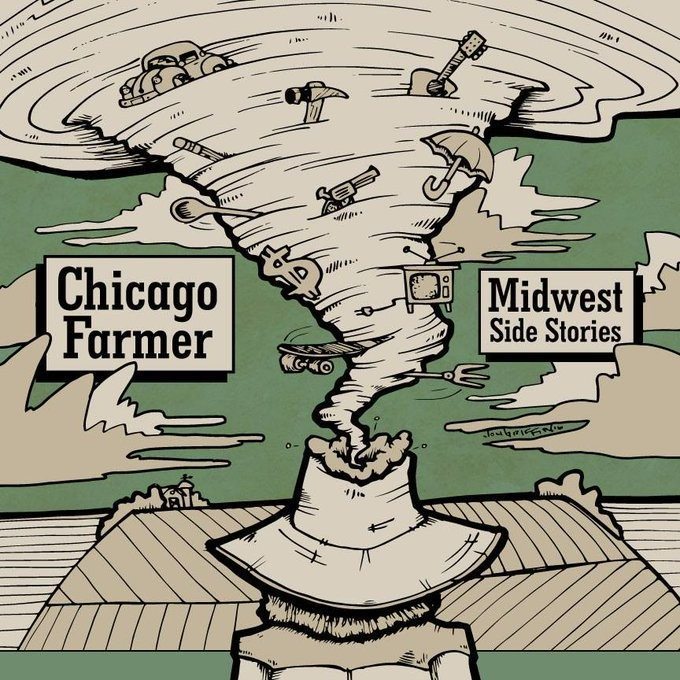
Chicago Farmer recently released his seventh studio album, Midwest Side Stories, which debuted on September 30, 2016 on his Chicago Farmer record label. It’s the follow-up to 2013’s Backenforth, IL. Chicago Farmer is the nom de plume of Illinois-based folk artist Cody Diekhoff, who has spent the last decade barnstorming bars and theatres across his native Midwest, traveling far and wide, through dim towns and bright cities alike, to perform for a growing legion of appreciative fans. Diekhoff was born in tiny Delevan, IL, has spent significant time in Chicago, and currently calls Bloomington, IL home. It’s these localities, which are largely defined by the sordid power dynamics surrounding them, that make up the backdrop for his blue-collar ballads.
Distilled to its essence, Midwest Side Stories is a concept album, one centered around the workingclass struggles of the people of Tazewell County, Illinois. The concept, while in league with Sufjan Stevens’ Illinois, is less sprawling, more localized, and reads sort of like Sherwood Anderson’s short-story collection Winesburg, Ohio, yet its themes are more aligned with those of another famous Illinoisian, the poet and folk singer, Carl Sandburg.
The opening track, “Umbrella,” a seemingly autobiographical take on the life of a folksinger with a rainy day plight and a ticket to ride, acts as an overture, setting the stage for the strugglers that Chicago Farmer will routinely call into the limelight over the course of the album. The track takes its name from a simile built into the first verse, which provides an inside look at the inspiration behind the songs, while also detailing the apparent relationship between the folksinger and his subject. The first-person narrator sings:
I went searching for some kind of meaning
Like words looking for a page
Came up empty and full of worry
That nothing could cover the pain
And these songs and stories
Began unfolding like an umbrella in the rain.
I want to write you a sad, sad song
That I hope will make you smile
And we could pass it along
We’re only here for a little while.
The track also sets in motion the album’s most resonant message: that storytelling is important, and that it’s equally important how one goes about it. Here, Chicago Farmer delivers a well-constructed acoustic guitar tune that’s tinged with electric honky-tonk guitar fills, and hinges on his shaky and crisp, rich as honey vocal performance, complete with emotional tension, brief yodeling, and a crafted message. And while there’s some slick lines in “Umbrella,” such as “we’ve been trying to find our way through the darkness of our minds,” we also see the traces of Chicago Farmer’s major weakness as a songwriter, that there’s a disturbing lack of particularity, personality, and local detail in these folk tales, while there’s an abundance of flat lines and forced rhymes that advance the story by length alone.
One song in and I’m totally going for Chicago Farmer’s voice, as it’s reminiscent of Ryan Adams during the Cardinals era, while the song itself sounds more like something from Kentuckian Stoll Vaughan’s catalogue, but I’m definitely not sold on the lyrics.
When the second song, “The Revolving Door,” hits, it’s high drama from the jump. Shrill, Neil Young inspired harmonica tears through the song like a factory whistle, while the ominous bass and drums lugs a gurney of carnage out of what seems a folk music netherland, some gruesome place from which the Byrds’ “Lover of the Bayou” once emerged, and from whence Chicago Farmer’s authoritarian boss figure comes, wielding a trembling falsetto warble like a razor, his voice haunted with the spirit of Will Oldham and bent on corporate enforcement.
After the first verse, the song breaks suddenly into a bewitched surf-hued anthem that takes up the point of view of a worker caught in this exchange, who’s prideful in repeating “I’m a worker / Not a number,” yet fully aware that the boss dictates he always get “back in line.” Finally, the song increases in tempo and intensity, building up to the climactic moment, in which the blazing harmonica returns, as does the voice of the boss figure, who informs the worker, “saddened to tell you, sir / you don’t work here anymore / pack your things and your feelings / and head on towards the door.” And while the title seems to allude to “revolving door” politics, the song is essentially about the binary bind of incorporated power and its grip on a vulnerable labor force.
Two songs in and Chicago Farmer has me captivated by his voice, impressed by the careful structures inherent in his songwriting, and excited about the range so far displayed.
The next three songs, “Rocco and Susie,” “Skateboard Song,” and “Two Sides of the Story” provide the album’s most on-the-nose references to Tazewell County. “Rocco and Susie” is a stripped down, bluegrass-tinted ballad featuring acoustic guitar, tambourine, and backing vocals. There’s a slow setup as the song unfolds. The couple described, at first, “seem like your typical neighbors / [whose] children were somewhat behaved,” but, ultimately, the family succumbs to the sordid afflictions facing Tazewell County: the stock market crash, factory job loss fallout, crystal meth addiction and production, police intervention, and the dissolution of their family. While Rocco and Susie at least have names to which one can connect, they serve merely as stock pieces, with all evidence of their personalities and the sweat of their struggle erased, in what reads as basically a reductive critique of a changing economy, from which the only thesis adduced from the ordeal is simply that one should “stick to smoking grass and drinking beer.”
“Skateboard Song” gives another passing glance at some of the participants in the local goings-on in Tazewell County, this time from the view of a first person skater riding through town; however, the characters involved in the story are warped by the lighthearted, uptempo, musical-theater style satire Chicago Farmer employs in critiquing smalltown social ills and the misguided laws meant to curb them. Every authority in town, from the signs to the cops to the judge, has only this to say, “skateboarding is bad,” which is always followed with why don’t you “take up guns” or “do some harder drugs,” or some other such miscreant behavior, and only a pop-punkish jingle by which to convey it. While the idea of making a powerful metaphor out of the skateboard has great promise, the execution is tepid, and listeners are left with a less than revolutionary assault on the powers that be.
“Two Sides of the Story” is a John Prine-esque portrait of the small town heartbreak and struggle that seems to typify the experience Chicago Farmer presents to his audience. It’s another stripped down acoustic guitar tune, with piano and harmonica accompaniment, and featuring Chicago Farmer’s twangy vocals. From his point of view, middle America is a place divided exponentially in twos, where the politicians are feckless liars and misinformation abounds, where the media is a gluttonous machine and working-class reality its fodder, where living’s dying and dying living.
And here Chicago Farmer uses his highly developed sense of songcraft to portray a growing chasm dividing Americans along intangible lines. In the chorus, he sings “there’s two sides to every story, there’s two sides of every town / the side of town that tells the story and the side where the story went down,” which calls attention to the gap between product and producer that outlines the larger conflict at stake. He adds depth to this stance throughout the song, stringing together artful, impactful lyrics that diagnose the worsening situation while adding some political punch. Take for example this stanza that highlights the gulf between the words and actions of politicians:
There was a lawmaker whose laws never made any sense
So he started making promises on both sides of the fence
Double-crossed his fingers every other time he smiled
Shook hands across the country, couldn’t reach across the aisle.
Whereas, Chicago Farmer’s other story songs do well to elicit many concerning issues, they mostly fall in short driving home a moral lesson, however, “Two Sides of the Story” succeeds in convincing the audience that storytelling is important and that it’s even more important to “get your story straight.”
Halfway through and Midwest Side Stories has proven Chicago Farmer’s obvious talents, namely songcraft and singing, but, in comparison with one another, the songs are quite uneven. In fact, “Two Sides of the Story” marks the high point of Midwest Side Stories, but it also marks the point at which the album takes a turn for the worst.
“New Used Car” is an easy listening diddy with an attractive pedal steel part, but the trite subject matter and blithe singing give it the taste of Diet Springsteen in a can, while the feathery lyrics secure this tune’s place as the Americana version of those riding-around-town-in-a-pickup-truck revelries celebrated on pop country radio.
The next tune, “9PM to 5,” is a straightforward country-tinged rock song in the manner of Los Lobos, which describes the life of a graveyard shift worker, but nothing ever develops regarding his situation and it’s difficult to know what Chicago Farmer is trying to invoke here.
An uptempo fiddle-number follows with the Carter Family styled singalong “Farm and Factory,” which details the working backgrounds of the narrator’s family. Chicago Farmer’s aim here seems directed once more at a changing economy, one that used to provide satisfactory jobs for Midwesterners, either on farms or in factories, but has since rendered these institutions defunct, leaving the people in search of opportunity. He sings “thank God for the farm and the factories / thank the devil for the factory farm.” In retelling this brief, mostly detail-less history, however, it appears that Chicago Farmer’s concern is not truly complex economic despair and worn down, hardworking individuals who need a voice lifted on their behalf, but something more aligned with joining his voice in a nostalgic rank and file of troubadours singing work songs.
The album’s penultimate song, “Homework,” continues in making rather obvious social observations, partly in reference to environmental destruction and denial, while placing the blame on a wide, vague swath of the citizenry, for which a cloudily aware, altruistic, and populist “we” becomes “the kid who does everyone else’s homework,” which precludes his half-hearted rallying cry, “we have a chance if we can enhance the number of us who’ll stand.”
Midwest Side Stories concludes with a cover of John Hartford’s “I’m Still Here.” The approach to the song is reminiscent of Houser-era Widespread Panic, with whetted guitar leads, a solo section, a marching drumbeat, and savory vocals. It’s also refreshing to hear lyrics matching the high-stakes political matter at which the originals often obscure or only gesture toward, rather than point at, and it goes a long way in fleshing out the album’s narrator and vision to hear Chicago Farmer howling:
My cigarettes are gone and so’s my money
So are all my nerves and all my teeth
My hair’s falling out, I’m looking funny
My friends are either dead or on relief.
When the last note ceases and the dust settles over Midwest Side Stories, what’s left is a readily accessible and highly entertaining volume of country-fried ballads in the Americana tradition, and while the songwriting is polished and the playing refined, the final product lands somewhere shy of the ambitious summit it sets for itself in the early going. Listeners get merely a glimpse of the broke-and-busted life and times of the folks of Tazewell County, Illinois, as the gritty detail and sludgy realism is mostly omitted, and the characters who appear in these weary tales are not granted the shape of their struggles or the use of their authentic voices, as Chicago Farmer flattens them to fit the contours of his traditional songwriting and the bent of his buttery vocals.
Over the weekend, renowned Port Chester, NY venue The Capitol Theatre featured a double dose of Twiddle with supporting acts both nights. RAQ warmed up the audience as the opener on Friday. Funky, fast beats filled the air as the group busted into their grooves. Keyboardist Todd Stoops laid out thick jams while guitarist Chris Michetti was locked in and drove out crisp notes throughout. Psychedelic undertones meandered around the melodies of their set. RAQ kept things interesting as they took off right out of the gate with a solid, energetic jam before cooling things off with playfully gentle tunes, ensuring that fans coming in from the cold were warmed up properly.
After a brief break, Twiddle took to the stage, opening with “Daydream Farmer,” a tune that was stacked with jammy goodness. Adrian Tramontano of Kung Fu sat in on percussion for the entire evening. Their first set included everything from quick paced tunes, down and out funky vibes and jazzy melodies. Twiddle had a little something for everyone, keeping the crowd energized by the fluidity of music being thrown at them.
Second set was nothing but magical. Surprises peaked in and out, with Ryan Dempsey’s lone piano kicking things off as they flowed into “Indigo Trigger.” “Classical Gas” morphed seamlessly into an unexpected “Carol of the Bells” Christmas song. Stoops came out to join on keys during “The FRENDS Theme” which was sandwiched between “Tiberius.”
The evening closed out with an encore that audiences at any show always jokingly request yet never hear. “Freebird” brought out the lighters in the air around the venue. Todd Stoops, Chris Michetti and Scotty Zwang of RAQ joined the band on stage for this killer finale on night one. Night two was sure to bring out even more musical treats.
Encore video courtesy of William Corcoran:
Saturday night’s show brought Burlington, Vermont based band Madaila to the stage, opening the evening with “Nature.” Their bright white outfits, lined randomly with pink, gold and black striping, wowed the audience when they stepped on stage. This synth-heavy psych pop band that touched upon an 80’s style era sound, and reminiscent of harmony work that hinted of the Bee Gee’s, spilled out energy from the minute they stepped on stage. Guitarist Mark Daly busted into an intense jam that brought the house down during “Secret,” while keyboardist Eric Maier added the spicy musical flavor throughout the entire set. If you’ve never seen this band live, make sure to catch them as they will not disappoint. They are a band to watch in the coming year.
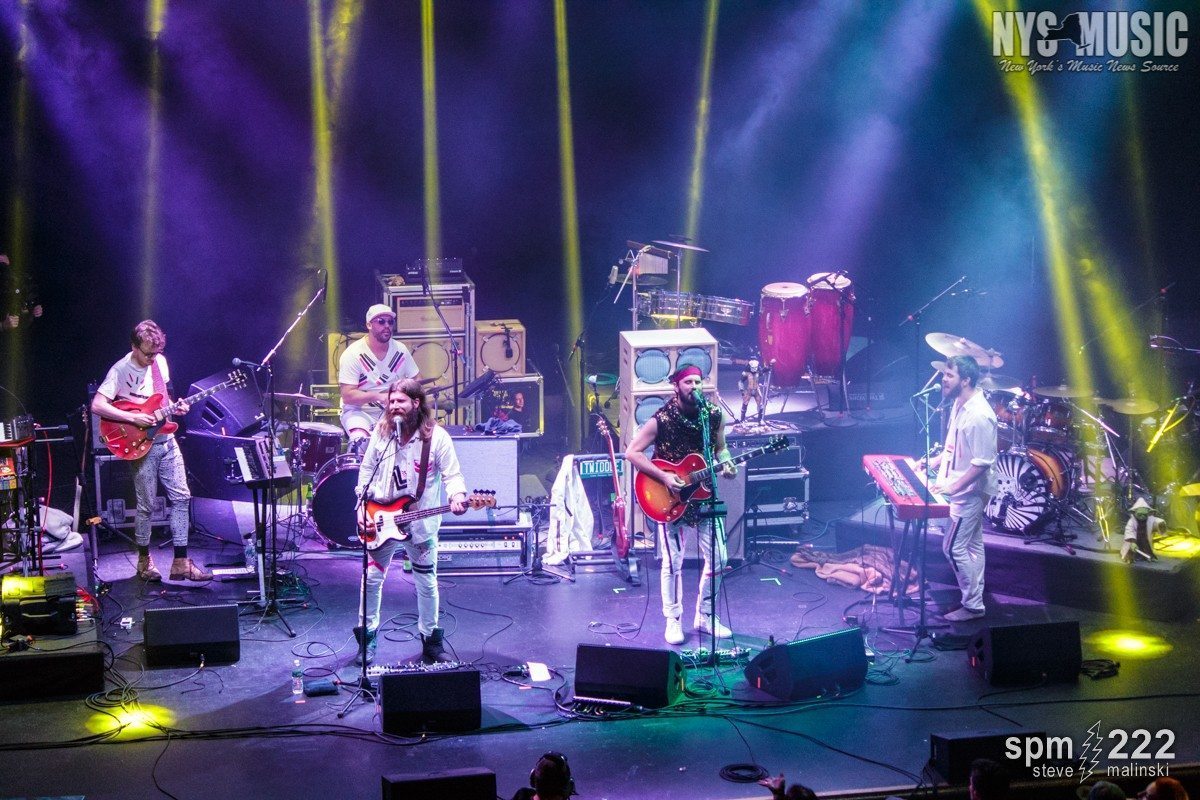
After a quick break, Twiddle took to the stage and busted into “Subconscious Prelude,” taking the tune into a trippy jam mid-song while teasing Papadosio’s “Find Your Cloud.” The group took the crowd on a ride around the tones filled with Dempsey’s heavy keys and Mihali Savoulidis’ intense guitar. A solid backline of in the pocket drums were provided by Brook Jordan, with Tramontano once again supporting on percussion throughout the night.
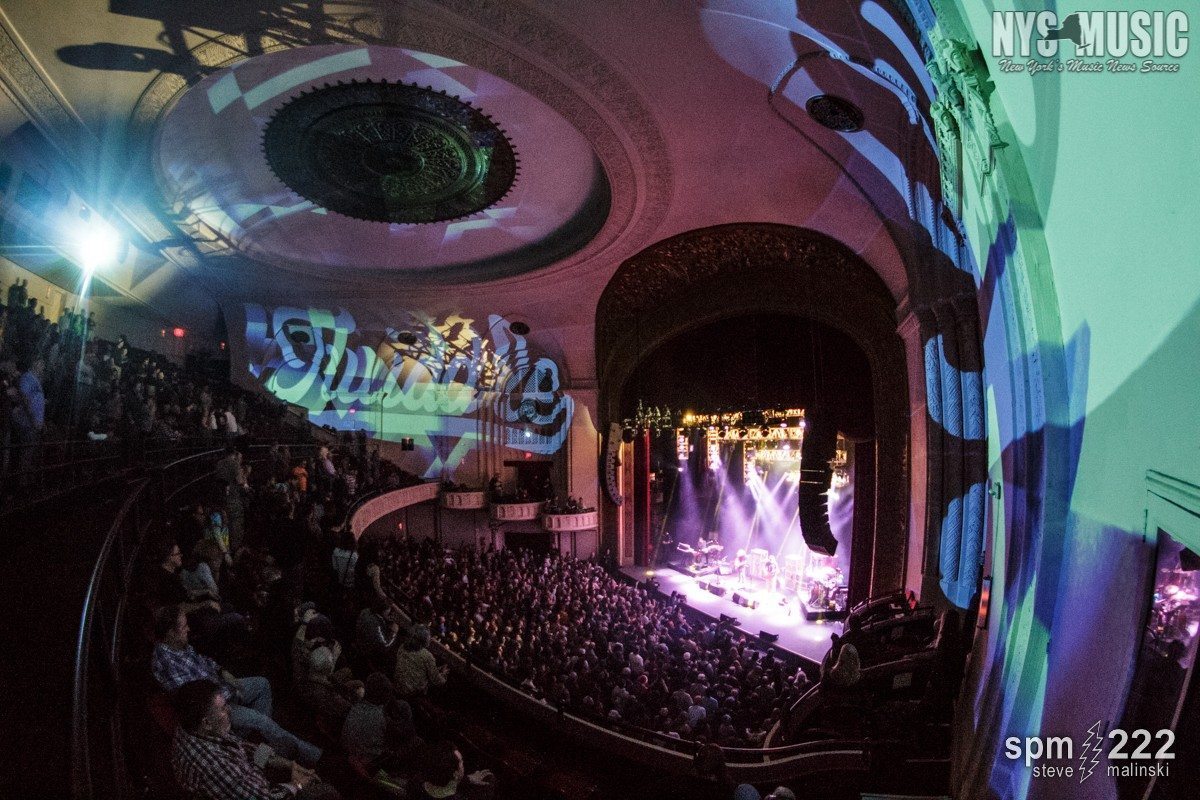
A stretched out “Doinkinbonk!!!” sandwiched “Too Many Puppies” before easing right back into “Doinkinbonk!!!.” Dempsey kicked into high gear, providing a trippy key session during the fast paced tune, rolling the melody right along.The venue roared with cheers from the crowd as driving guitar notes brought the energy to soaring heights. Tasty jams with dancing grooves settled in for the long haul during first set. The crowd was pumped as funky beats flowed in and out during “Latin Tang.” Meanwhile, colorful images splashed around the walls and ceiling of the Capitol, offering visual stimulation that heightened the musical journey during the evening.
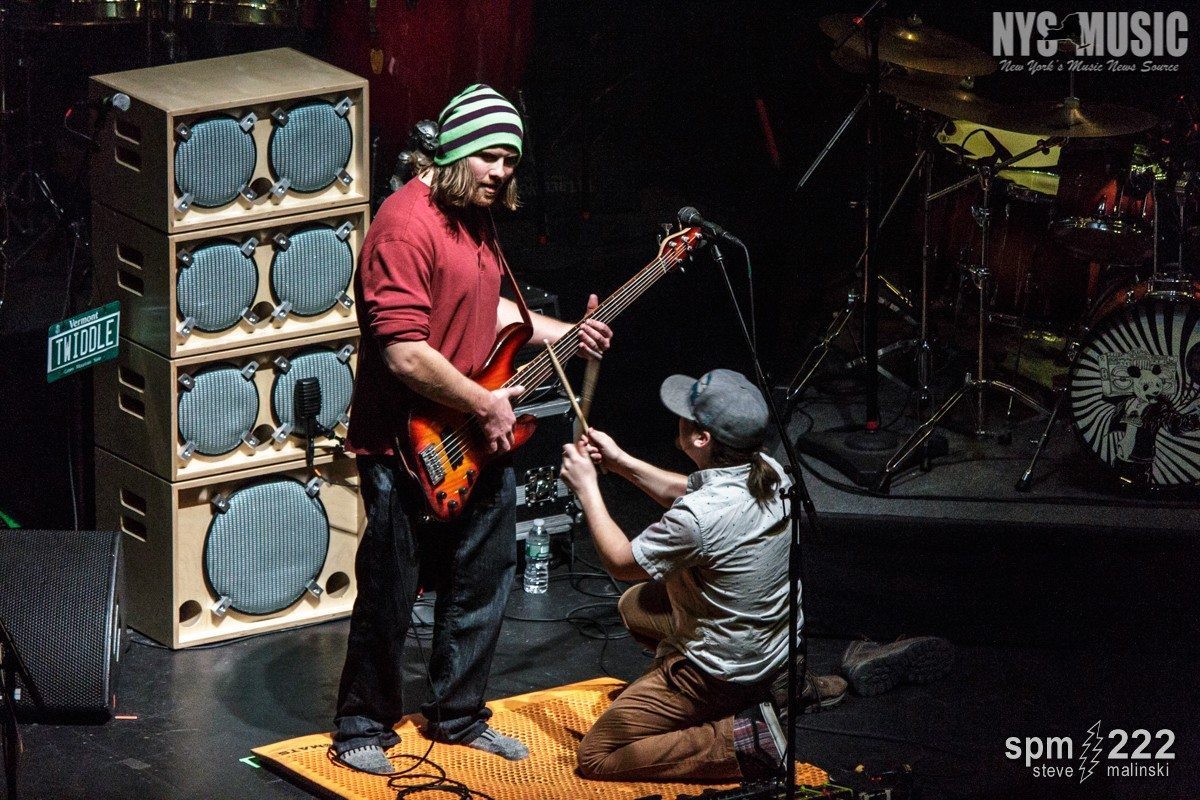
The stage cleared as the drum and percussion section eased into a steamy solo, while Dempsey and bassist Zdenek Grubb literally laid out on the floor, gently adding in bass as the jam progressed. The performance was smoking hot. Guitarist Wiley Griffin, of Teddy Midnight, accompanied the band during a smashing “Complacent Race,” helping to bring set one to a close.
Second set opened with “Cabbage Face.” Dreamy bass bombs burst mid-song during “Mamunes the Faun,” keeping the audience on their feet. The double dose of Twiddle encored with “Beethoven and Greene,” ensuring fans danced off every last bit of energy in their core. Simply put, Twiddle gave the audience everything they had during the two-night run and the fans walked away on a high note with most leaving the venue plastered with beaming smiles from ear to ear.
For more information on Twiddle, please visit their official website.
Video courtesy of William Corcoran:
Twiddle 12/16/16,The Capitol Theatre
Set 1: Daydream Farmer, Beehop>Dr. Remidi’s Melodium#>Beehop, Jamflowman, Moments, Honeyburste
Set 2: Indigo Trigger, Classical Gas@, Tiberius > The FRENDS Theme^ > Tiberius
Encore: Freebird$
# Teased Primus’ “Southbound Pacaderme”
@ Included “Carol of the Bells” jam
^ Featured Todd Stoops on keys (RAQ)
$ Featured Chris Michetti on guitar (RAQ), Todd Stoops on keys (RAQ), and Scotty Zwang on drums (RAQ)
Twiddle 12/17/16, The Capitol Theatre
Set 1: Subconscious Prelude*, Doinkinbonk!!!>Too Many Puppies>Doinkinbonk!!!, Latin Tang, White Light, Complacent Race%
Set 2: Cabbage Face, Gatsby The Great, Mamunes The Faun, Every Soul
Encore: Beethoven and Greene
* Teased Papadosio’s “Find Your Cloud
% Featured Wiley Griffin on guitar (Teddy Midnight)
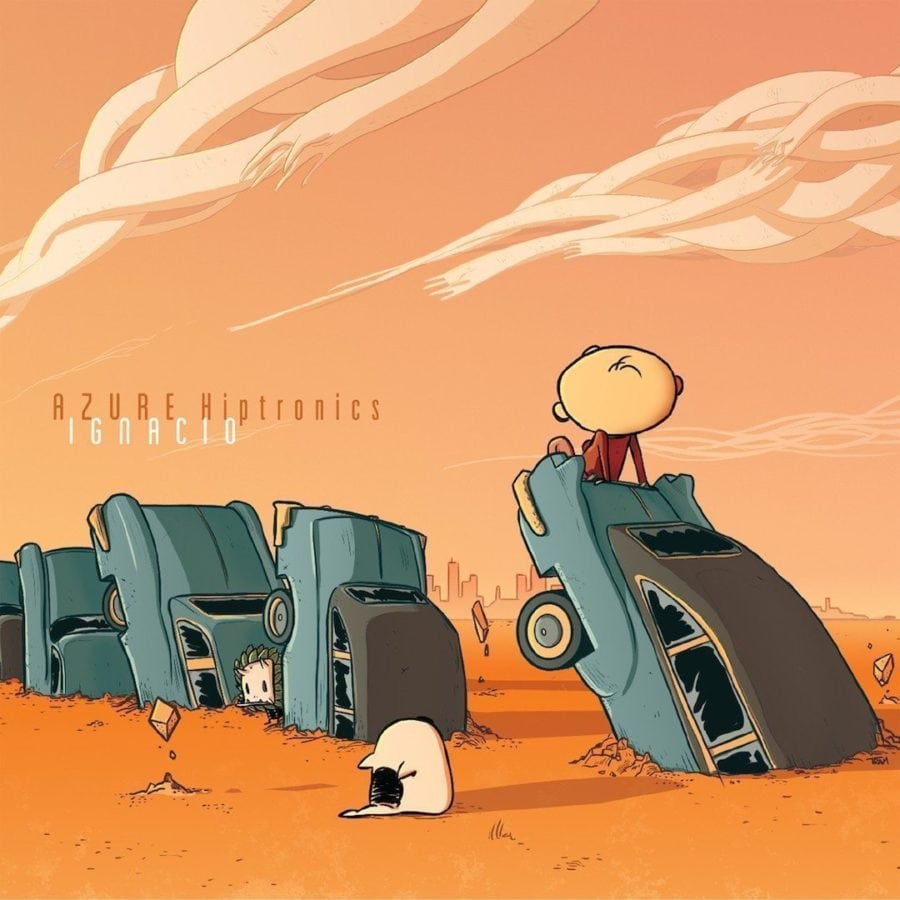
Ignacio, the fourteen-track, third studio album recorded by Netherlands band, Azure Hiptronics, never leaves a moment for boredom. Jam band style – yes, although generic jam band – not even close. Mixed with large synth, bass, guitar, piano, and drum parts, each track is completely different than the last, incorporating different elements than those expected.
Ignacio combines genres and sounds that distinguish Azure Hiptronics from the rest. When listening to the fast paced introduction track, “Thgie Neves,” listeners already know that they have something great in store. Even though it does not take up much time, at nine-seconds, the introduction makes the story start by creating the image of a backwards time-lapse – starting the story from the beginning.
The album tends to roll at a fast pace and then slows down with its various interlude tracks, “Anise Code” and “Interlude.” These pauses create sort of bookmarks that indicate when a new chapter of the story is to begin.
“Airing” and “Saraswati Mantra” split up the story entirely and take listeners to a new place. They separate the past from the future, which allows for a refreshing break in tone from the first half of the album and adds a completely different element to the equation.
Although the chapters that are separated by interludes and pace changes represent different stories, within each section there is not much variation of sound. Yes, there are many levels to this album, however at times it is hard to distinguish one track from the one preceding it. Nevertheless, Ignacio is a must listen for music fans looking for a jam band style with a twist. In any case, this album is sure to take listeners on a journey.
Key Tracks: Work Out Something, Airing, Saraswati Mantra
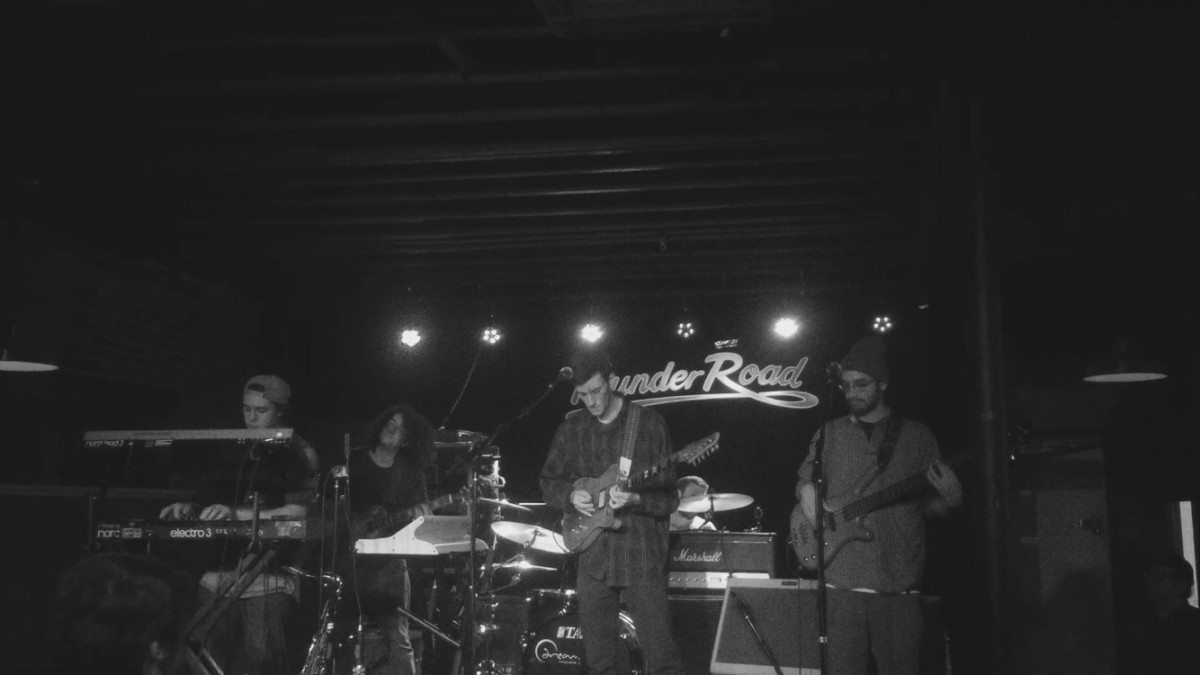
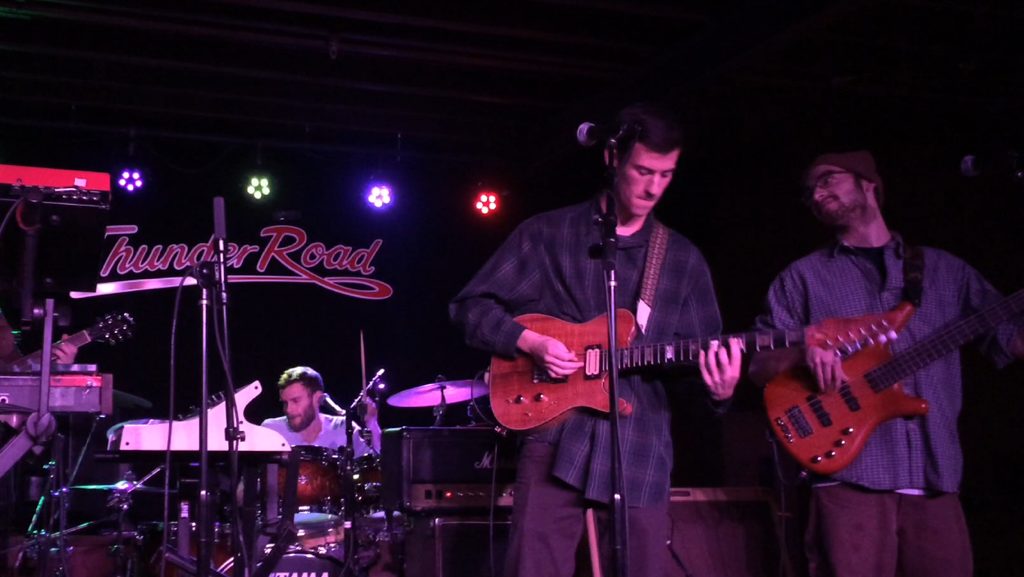
A double header of Vermont jammers treated a Massachusetts crowd to a night of improvisational grooves, saxophone sit-ins and Christmas carol teases in true holiday fashion at Thunder Road Music Club & Rock n’ Roll Bistro. Vermont’s own RAQ, restocked with a reputable drummer in the scene, teamed with an up and coming group, Swimmer, who share roots in the same town of Burlington. Both drew an impressive gathering of fans both local and branching across the Northeast, making it safe to say many left the MA venue newly admitted “swimmers.”
The progressive rock-fusion quintet based out of Burlington, took the reigns early in the night, kicking things off with a kinetic performance that displayed a melting pot of genres over a six-song set list. Carefully crafted, it brought forward original compositions intertwined with covers of some of their largest musical influences, Frank Zappa and Phish. The night found mesmerizing flair from keys player Matt Dolliver, bassist Jack Vignone, guitarists Paul Klein and Joe Agnello, who swapped vocals with man behind the drum kit, Cotter Ellis. Original and innovatively named tracks “5 Seed and Feeble,” “Godmeat” and “Sea Cerebral” truly portrayed the unique sound Swimmer bears to those who have never been introduced to their music–seemingly effortless tight grooves, progressive journeys and charismatic originality.
Highlights of the set instantly point towards Matt Dolliver as he delighted the audience with smooth saxophone performances and Swimmer’s conquering of Frank Zappa’s “Pound for a Brown” > Phish’s “F*ck Your Face” > “The Impossible Engineer,” an original track that ended the set with high-energy and roars of approval.
RAQ certainly came baq and kept the crowd fully captivated throughout a two-set performance. The audience and RAQ members alike were elated with the fact that former Dopapod drummer Scotty Zwang, has completed the final piece in their lineup puzzle–one that has proven to be tossed up in the past and especially interwoven with Kung Fu. Todd Stoops was nothing short of vocal, proudly admitting from behind the keys that Zwang is the “best drummer they’ve ever had” as he corralled multiple rounds of applause throughout the first set, which included “Bootch Magoo,” “Clamslide,” “Bobs Your Uncle,” “Crazy Tonie” and “Gabvonie.” Before heading offstage for a 15 minute reprieve, RAQ incited a sing-a-long on fan-favorite “Walking in Circles.”
Also displayed on two TV’s hanging above head at a full-stocked bar, the second set of the performance found a few dressed in Christmas colored velour and blazers in the holiday spirit as their atmosphere quickly turned into a reggae sound-tracked snowglobe. RAQ dove into Peter Tosh’s “Legalize It” before taking on a string of Christmas classics from “The Little Drummer Boy” and “Joy to the World,” to “Rudolph the Red-nosed Reindeer,” which paired nicely with the “Deck the Halls” ornament and garland decor at Thunder Road. Newly confirmed “swimmer,” Stoops, re-introduced Matt Dolliver to the stage after approaching him in the crowd between set changes. An impromptu sit-in on Men at Work’s “Who Can it Be Now?”ultimately brought down the house.
Swimmer will resume gigs after the holidays with their first 2017 appearances across Clear River Tavern, Showcase Lounge and The Snow Barn in Vermont before heading to Stella Blues in CT. RAQ ended their trifecta of North East comebaq performances, with stops through The Westcott Theatre in Syracuse, a penultimate gig with Twiddle at Port Chester’s Capitol Theatre and last night’s Thunder Road wrap up. Saturday night alone determined that both groups have big moves on the horizon for the upcoming new year.
 The third night was most certainly a charm, as the foursome wholeheartedly delivered with their highly anticipated NYE gigs, bringing a juggernaut of material both new and old to the forefront of their explosive jams. The penultimate gig kept up with tradition of openers from both the 28th and 29th, kicking off with an acapella rendition of “Carolina,” leaving a sardine-packed and immensely energetic MSG crowd silent and still. Following the 28th’s acapella opener of “The Star Spangled Banner” and the 29th’s “Sweet Adeline,” “Carolina” found Trey, Mike, Page and Jon digging deep in their archives and offering their first bust out of the night–having not played the tune since 2003 at Greensboro Coliseum.
 Phish “Blazed On,’ through the second set with crowd-favorite “The Moma Dance,” “Gumbo” and a fitting choice of “Cities” which had the whole building hypnotized on foot. ‘The Old Home Place,” eased into a “Bathtub Gin” scorcher, complete with arena rock vibes, dense jams and enchanting licks.
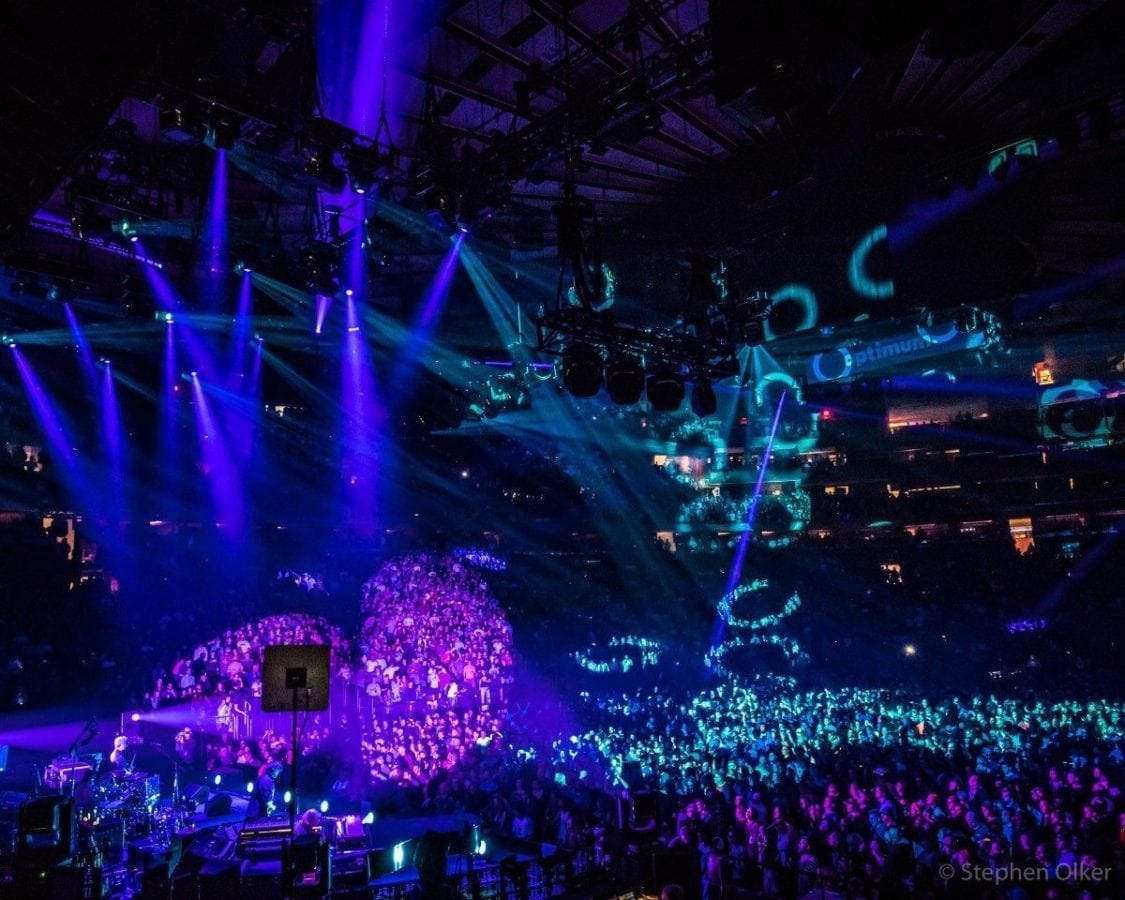 “Things People Do” served as the first “Big Boat” performance of the run, before launching into “My Friend, My Friend.” The first in a triad of Joy tracks sprinkled throughout the night, came fully equipped with face-melting jams and moody red and black lighting. The next track found every phan in the house shouting “Wilson” across a sea of wide eyes and color spectrum donut lights. A light-hearted “Sugar Shack” delighted the audience as the night’s second track hailing from Joy, before a fully-welcomed “You Enjoy Myself.” Complete with trampoline bounces and all, YEM closed out a magnificent first set for a thankful MSG crowd.
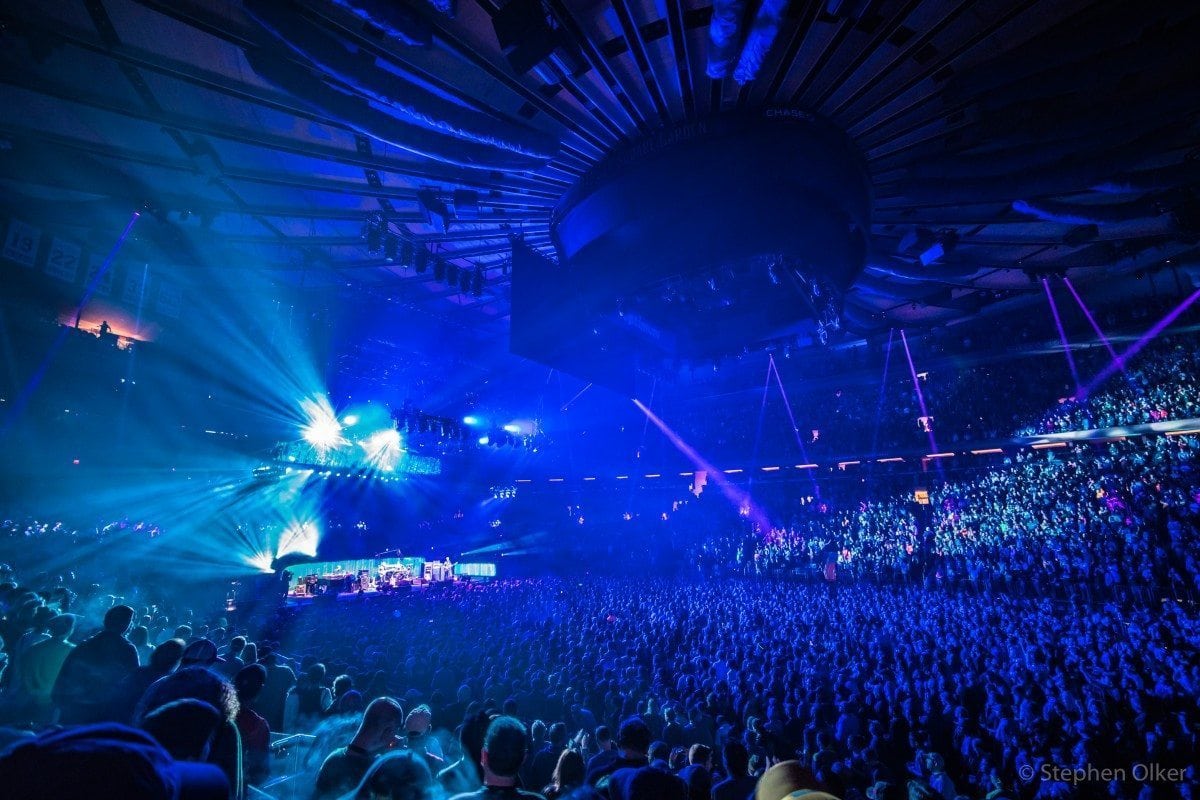 The second set magic quickly rolled out with a funky take on “Tweezer” which led into The Who’s 1969 Tommy track, “Sparks.” A crowd sing-a-long was incited on “Ghost,” until the Joy trifecta came to an end with “Light,” as things dove into a lengthy, swampy “Party Time” jam. Ease washed over the crowd with a soft take on “Wading in the Velvet Sea” just ahead of closing out the second set with another cover, The Osborne Brother’s “Rocky Top.”
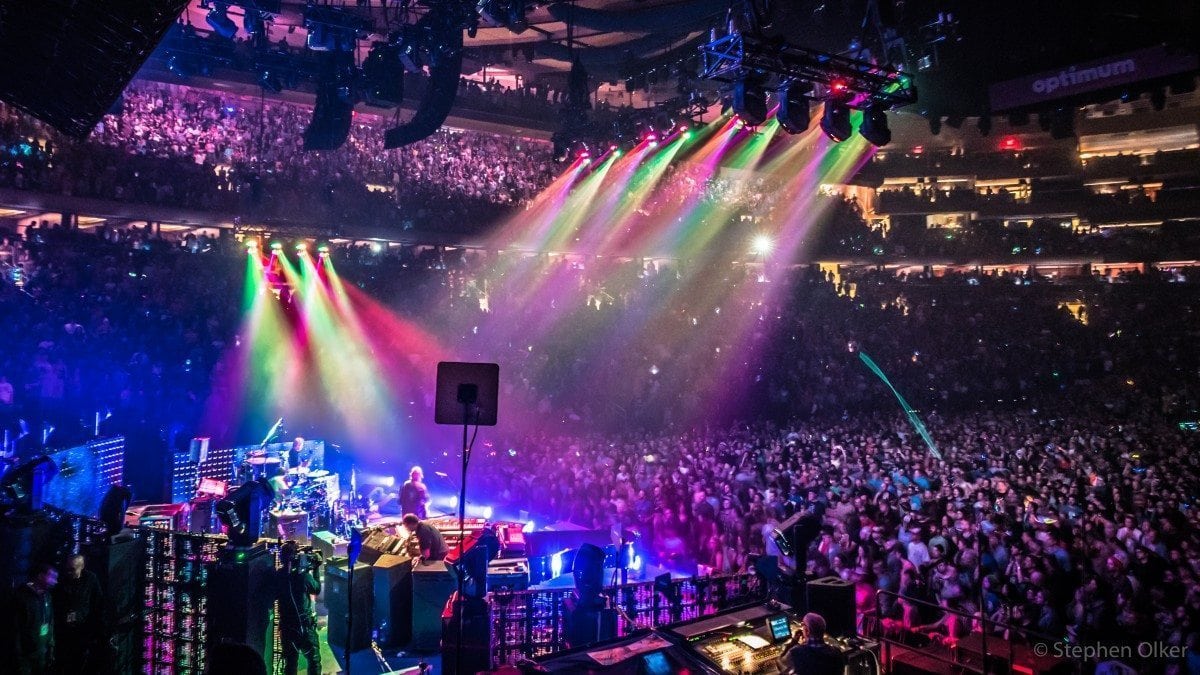 Between page’s keyboard kinetics, phishman’s double down drumming, gordon bumpin’ bass slaps and trey’s fireworks across the fretboard, phish left little to the imagination. The beloved jam band has so far proven that they can cap off a year filled with an abysmal onslaught of celebrity deaths, political turmoil and environmental concern, making you forget all of the madness if only for a few hours.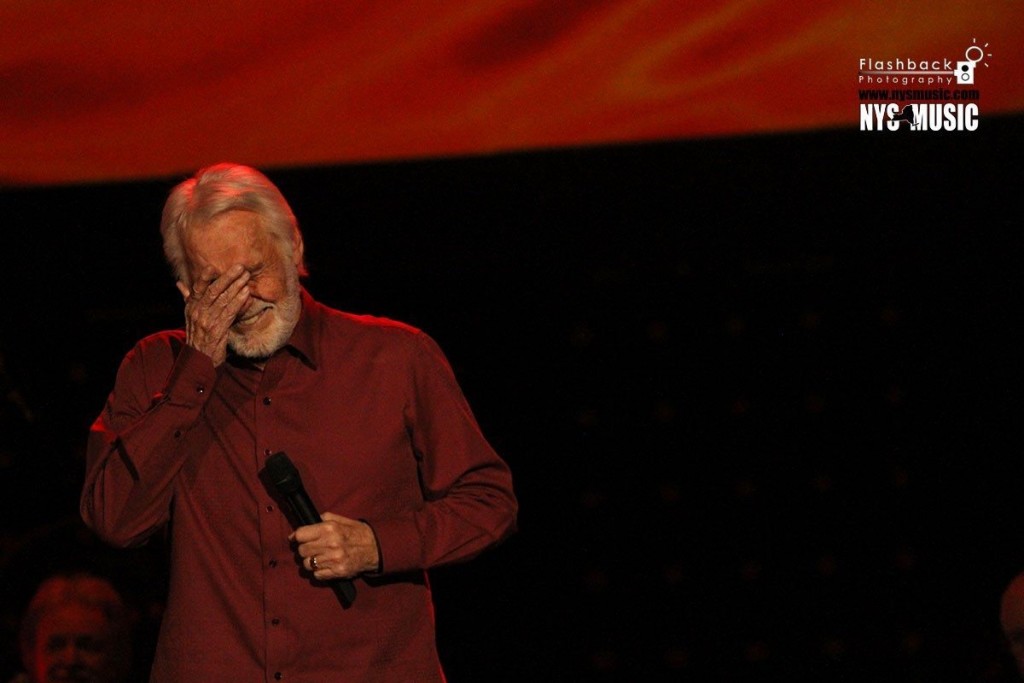
 With a raucous Garden crowd now energized, “Stealing Time From the Faulty Plan” followed, allowing guitarist Trey Anastasio to shine early with some fierce guitar licks. The first of three first set covers (not including our national anthem) then appeared in the form of “Lonesome Cowboy Bill,” a song prominently featured on the band’s cover of the The Velvet Underground album Loaded done in 1998 for their musical costume. This fun, semi-bustout of a cover then gave way to “Free” which picked up the energy level in the building significantly and seemed to have everyone dancing in unison for the first time all night.
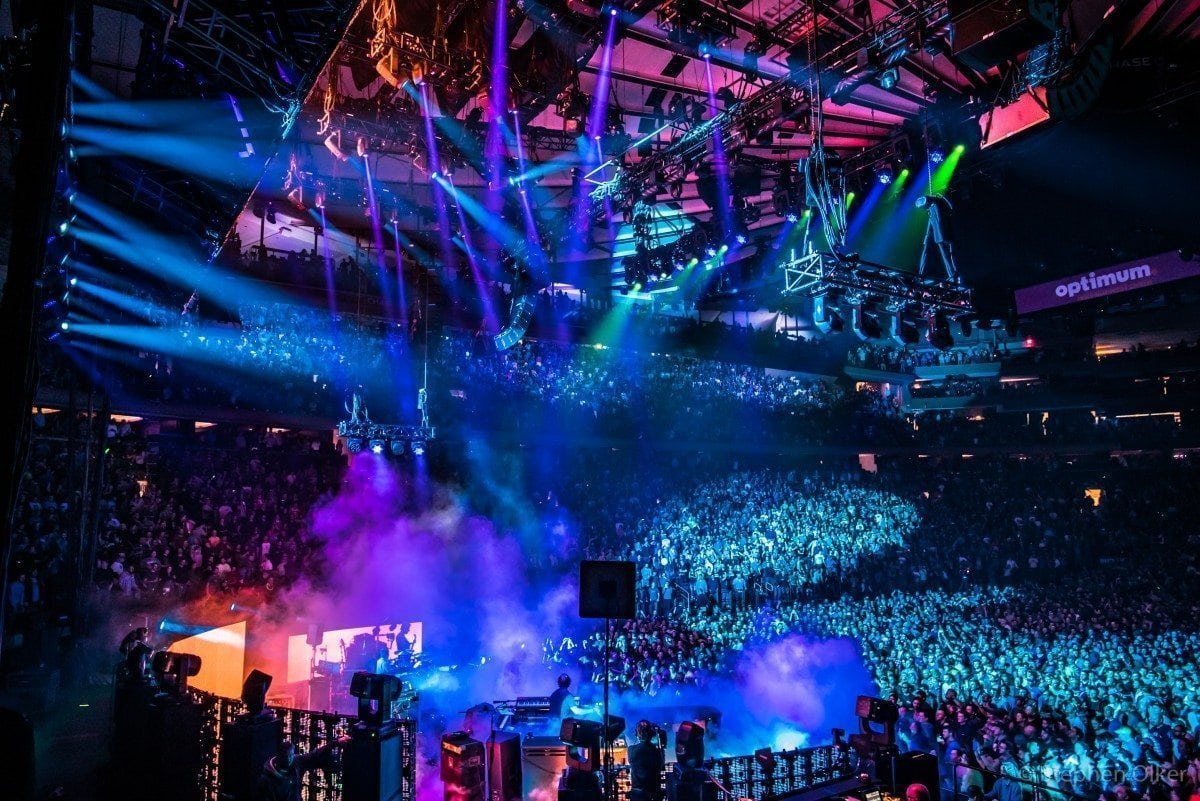 However, the pace settled back down again afterwards as “Train Song” and “Prince Caspian” followed, two songs featured on the now 20-year-old album Billy Breathes. “Roggae” kept the mellow first set vibe in full gear, allowing lighting director Chris Kuroda to show off some new lighting techniques in addition to some old favorites. A cover of the blues classic “Funky Bitch” then followed, highlighted by tremendous vocal and bass work from Mike Gordon. “Halfway to the Moon,” a song penned by keyboardist Page McConnell, gave him a chance to take center stage before another bust out of a cover in the form of a beautifully melodic “Corrina.” The first set wouldn’t be complete without one last jam and chance to stretch out a little and “Stash” fit the bill perfectly for that before a standard first set “Cavern” closer ended an enjoyable yet fairly laid back first set.
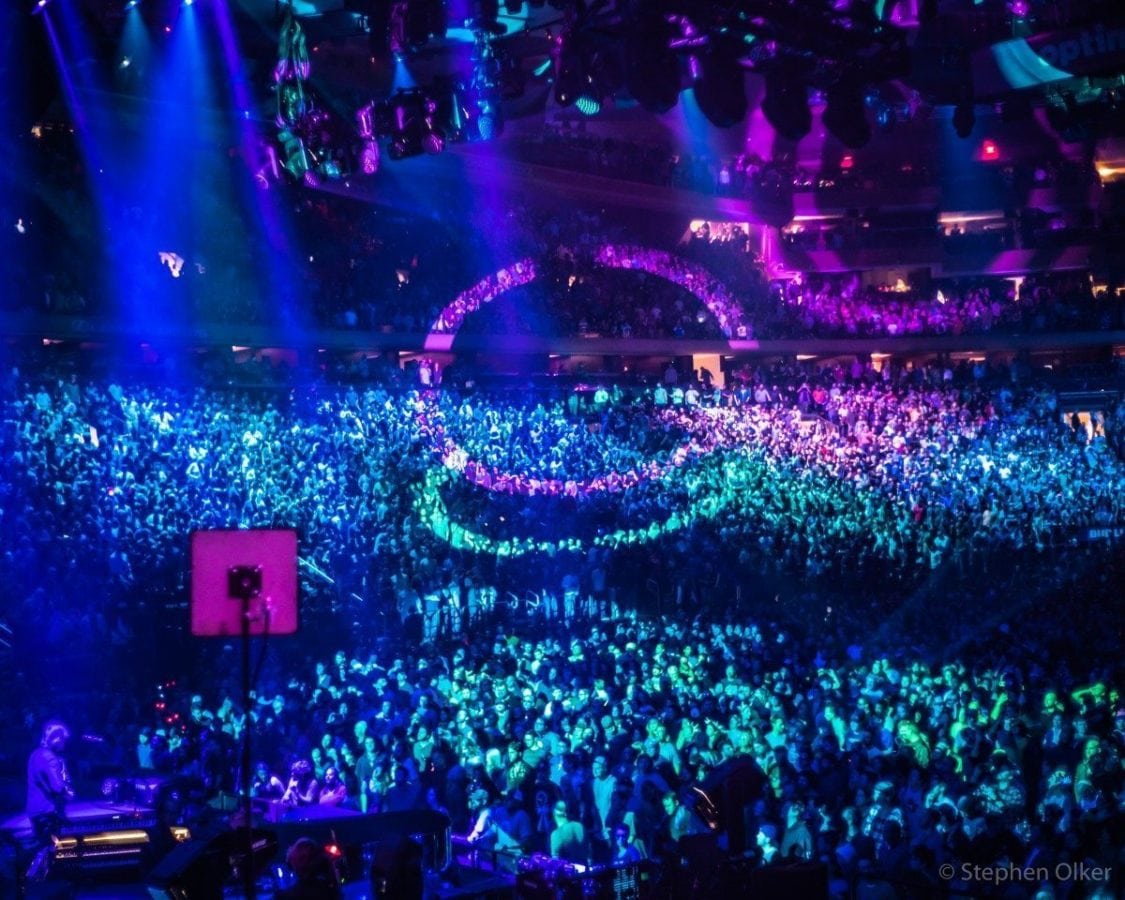 The second set that followed was anything but laid back as a three-headed monster of musical mayhem kicked things off. A top notch rendition of “Wolfman’s Brother” started the proceedings and saw the four musicians in perfect harmony with one another. Then, although it may not have been up to the epic level of the previous version played in Vegas a few a months ago, the “Golden Age” that followed was not that far off and featured some of the most inspired interplay of the evening which eventually led into a seamless segue into the classic arena rocker “Simple.” This three-song section of the evening was, by far, the highlight of the night, prompting one show goer to call it “her new best friend.”;
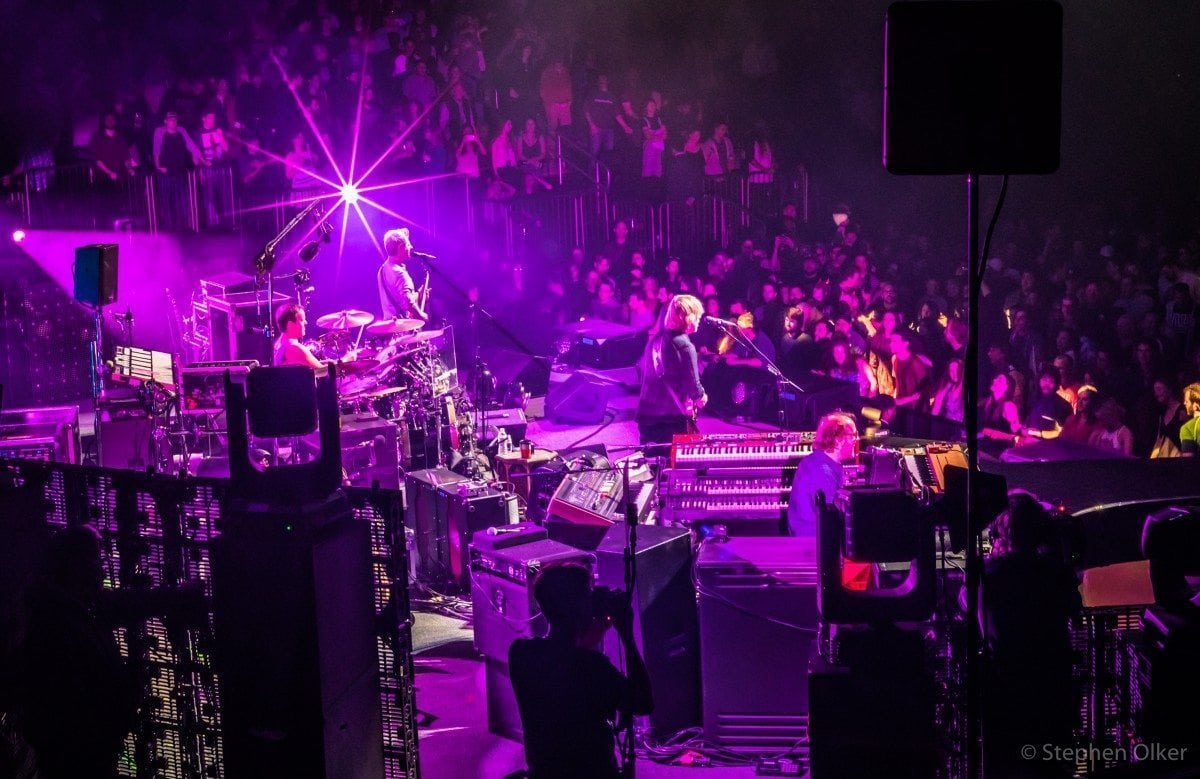 After a typically splendid “Simple” outro jam, the band picked things back up with an uptempo number in “Chalkdust Torture” that, once again, seemed to have the entire arena moving as one. The “Martian Monster” that followed was anything but typical as sound effects delivered by McConnell and steadfast drumming by Jon Fishman soon gave way to a full on “Tweezer” outro jam that took everyone by surprise and even had Anastasio integrating “your trip is short” lyrics sung to the tune of “Tweezer.” Phish playing around both musically and lyrically is when they’re at their best and this was no exception. “Wingsuit” then followed as the requisite breather song to slow things down a little before a fairly standard run through of “Possum” closed a ferociously enjoyable set of music. One last cover in “Good Times, Bad Times” served as the encore, undoubtedly sending everyone on their way ecstatic from a great night of music with, presumably, three even better ones to follow.
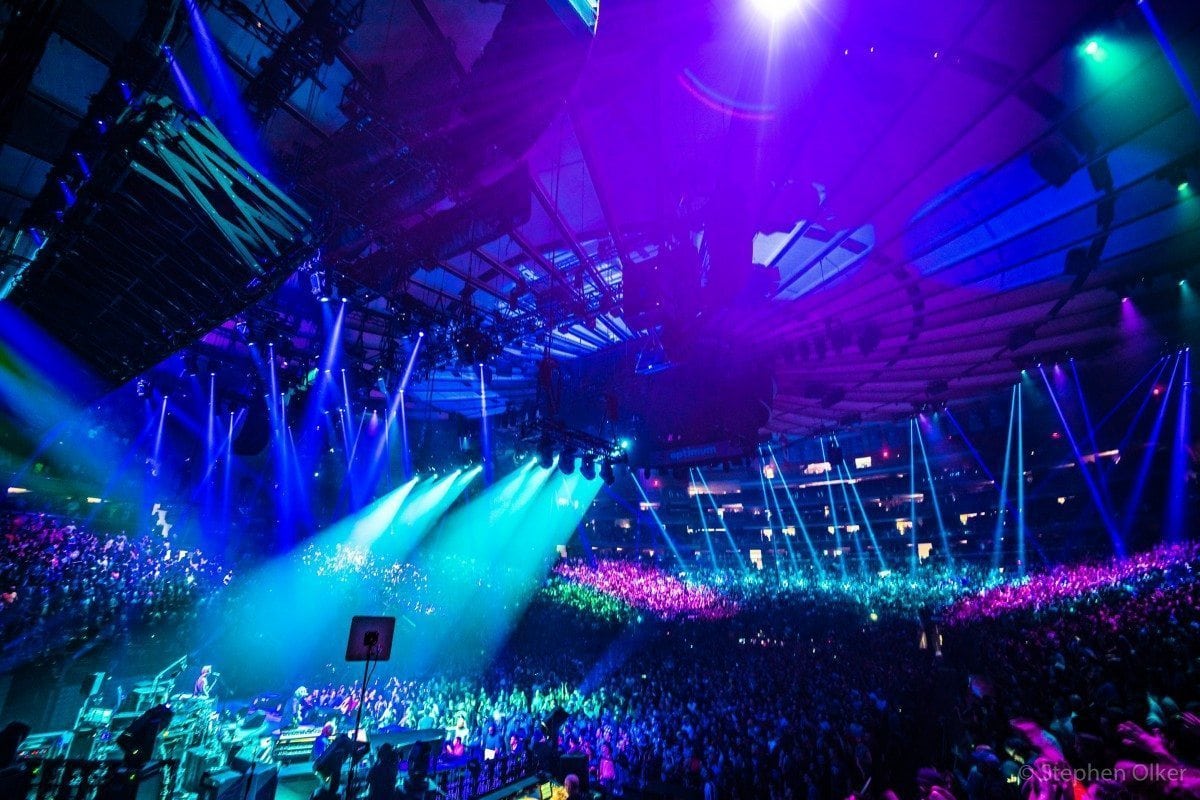 SET 1: The Star Spangled Banner, Stealing Time From the Faulty Plan, Lonesome Cowboy Bill > Free, Train Song, Prince Caspian, Roggae, Funky Bitch, Halfway to the Moon, Corinna, Stash, Cavern
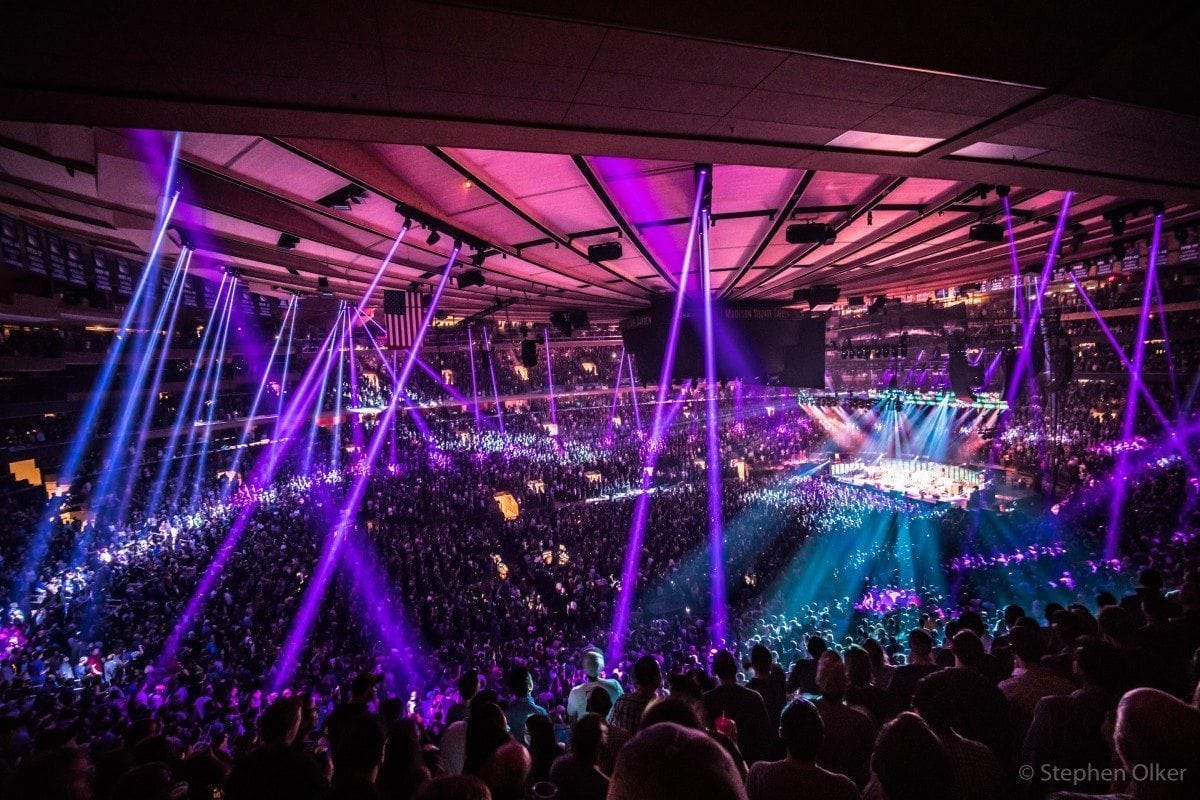 The 29th featured an intense “Peaches en Regalia” post-“Adeline” that dropped into a strong “Mike’s Song,” and while many were itching for the elusive second jam in “Mike’s,” the vibe was interrupted by “Secret Smile,” the first since 2013. “Smile” cast a lull before “Weekapaug Groove” and “Roses are Free” provided a needed jolt of energy, “Theme from the Bottom” > “Split Open and Melt” was a fantastic pairing to cap a well rounded set.
 Opening the second set with “Down with Disease,” Phish launched into an expansive jam with an awkward shift into a blissful “What’s the Use?,” followed by “Fuego” which grew into a “Meatstick” that was well jammed. “20 Years Later” gave up its jam for “Kung” which slowly drifted into “Makisupa Policeman” with a “vaping” keyword from Fishman. A perfectly placed “Harry Hood” ended the set with incredible bliss and joy throughout the audience,
 The likely reason for this is that the 7-track EP contains tracks that didn’t make the cut for “Crush,” (Crush…Mt. Crushmore…you get it). Although it’s not to say these tracks are sub-par by any means. They still demonstrate the band’s ability to lay down groovable tracks, but with perhaps a more hip-hop feel. Many of the tracks would add powerful, yet sophisticated instrumentals for a progressive lyricist.
 Chicago Farmer recently released his seventh studio album, Midwest Side Stories, which debuted on September 30, 2016 on his Chicago Farmer record label. It’s the follow-up to 2013’s Backenforth, IL. Chicago Farmer is the nom de plume of Illinois-based folk artist Cody Diekhoff, who has spent the last decade barnstorming bars and theatres across his native Midwest, traveling far and wide, through dim towns and bright cities alike, to perform for a growing legion of appreciative fans. Diekhoff was born in tiny Delevan, IL, has spent significant time in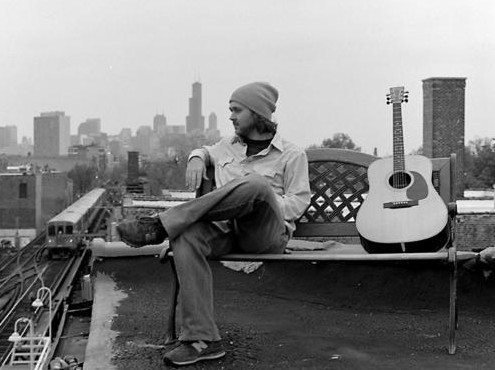


 Ignacio combines genres and sounds that distinguish