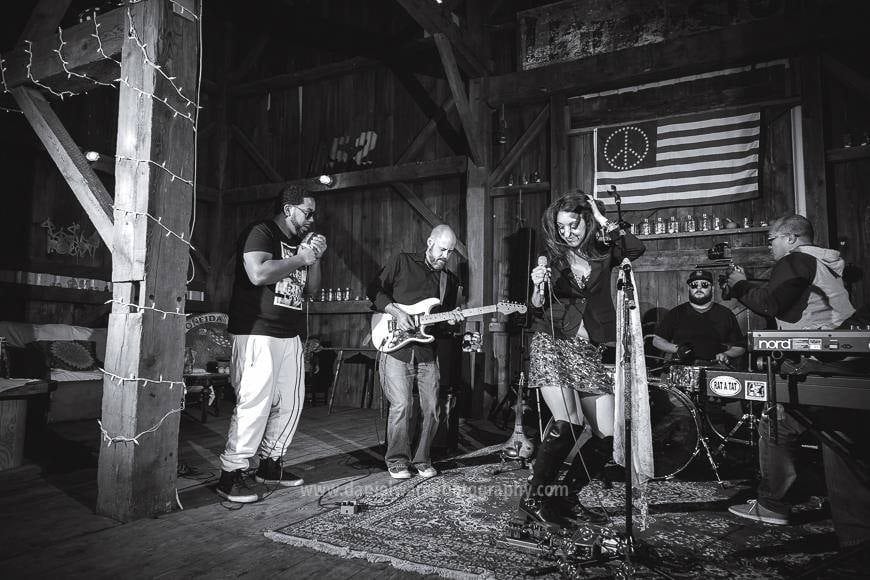
From the lush green wilderness of Gambia to a Chelsea studio, here’s a story behind a 21st century cross-continental roots song by Holy Forest.
Members: Jon Fine (Guitar, Bass, Keys). Ed “Preachermann” Holley, Sparlha Sparlha Swa, Morley, Tata Din Din Jobarteh, I’kyori Swaby, No Surrender and S.T. (Vocals). Tata Din Din Jobarteh, Youssoupha Sidibe (Kora). Morgan Harris (Guitar). Ebon Moss-Bachrach, I’kyori Swaby, Jesse Hofrichter (Keys). Jordan McLean (Trumpet). Martin Perna, Freddy Deboe (Baritone Sax). Stuart Bogie (Tenor Sax). Pierre Davis, Taagen Swaby, Sean Clete, Steven Heet, Sebastian Bauer (Drums). Matt Hauser, Marcus Burrowes (Percussion). Kristine Kruta (Cello).
Have you seen a list of personnel this long and eclectic since Paul Simon’s Graceland?
Recorded over three years in studios across Africa, New York City, Woodstock and San Francisco, Holy Forest is an ensemble is a melting pot of sonic and cultural abilities. And it adds up, too: only people of different religions, ages, ethnicities, nationalities and professional backgrounds can come together to make genre-bending music so whole, so variegated yet so astonishingly coherent. Unlike Graceland, not even one golden Hollywood party is brought into question. No, Holy Forest stays close to the matter in focus: love and distance.
The genesis of Holy Forest takes you back to the lush green wilderness of mangrove swamps of that line River Gambia. Almost four years ago, musician and documentary filmmaker Jon Fine (the force behind Herbie Hancock’s Possibilities and Still Bill) took a trip down to Makasutu Forest, a woodland reserve in West Africa. Over the course of his visit, Fine connected with Tata Din Din Jobarteh, Gambia’s legendary 21-stringed kora player. When Fine heard Tata Din Din’s modernist approach to the strings, he immediately recognized the potential. Holy Forest was born. Since, John Fine has been the primary guardian of the ensemble, fully immersing himself in production, performance, songwriting and collaboration for their self-titled debut. Fine used his career-long knowledge and connections to reach out to a number of critically acclaimed musicians, including members of Antibalas, singer-songwriter Morley, the Grammy nominated kora master, Youssoupha Sidibe and rising Gambian star ST. Among nontraditional musicians Fine tapped were the Brooklyn-based afro-punk band No Surrender, Bay area singer Sparlha Swa, and Harlem’s resident soul singer Ed “Preachermann” Holley.
Photographer/director Andrew Zuckerman, who had been working with Jon for years, allowed Holy Forest’s live band to rehearse in his Chelsea studio. Andrew then brought old friend, musician and music creative David Hoffman into the picture. Because of Hoffman’s connections in the indie-rock world (Hoffman is also the manager of chart-topping indie/alt rock band Joywave), he proposed the idea of an “Africa Calling” remix. Jacob Asher of Joywave (aka Benjamin Bailey) jumped at the opportunity.
The result? Asher doubles down Preachermann’s vocals to add a near-visual depth to the track. He refines the sound unobtrusively, waxing on a resinous layer that doesn’t detract from the soul of the “Africa Calling.” Instead, the DJ and Joywave keyboardist lets the generous, woody warmth of the holy Gambian forest fall through onto a waterbed of trap beats, sealing it for radio and clubs alike.
“Africa Calling” has traveled the world, filtering through the woods aligning narrow coastlines, to the speakers of boutique vinyl shops of East London only to find its way on to BBC Radio 6. Who knows where the destiny of “Africa Calling” lies? All we know is that it’ll continue breaking musical barriers, diving headfirst into Afrofuturism. And Asher’s remix is only another chapter to the Holy Forest story.
Listen to the Jacob Asher remix of “Africa Calling” below:
Joey Pettinato is about to make the biggest deal of his life at 16-years-old.
Pettinato, known by his stage name of “JJ Savage”, is about to sign his first contract with Overit Studios in Albany.
The contract with Overit states that the studio will pay for Pettinato’s various expenses needed for things like recording, mixing and mastering.
“I feel accomplished, I feel blessed, lucky and grateful,“ said Pettinato.
Since he was five-years-old, Pettinato has battled Tourette Syndrome. Despite taking medication, his tics are still recurrent, especially when he’s nervous. “I take medication and it helps a little, but I get some tics especially when I am nervous,” he said.
He doesn’t battle Tourette Syndrome empty handed. Whenever Pettinato picks up his guitar, his symptoms disappear. “When I pick up the guitar, the music totally takes me over and I get no symptoms…it’s amazing,” said Pettinato.
This discovery did not only surprise Pettinato, but also his family. “My dad noticed [the lack of symptoms]. He sat and watched me play and the more he applauded, the more I played,” he said.
A gift from his parents, Pettinato starting playing the guitar at ten-years-old. Loving the instrument, he immediately started taking guitar lessons. “I remember playing for hours,” he said.
Pettinato recalls playing one hour per day when he got his first guitar. “After week two I couldn’t put it down, I played every chance I got,” he said. The first song Pettinato learned in it’s entirety was, “Iron Man”, by Black Sabbath.
Now 16-years-old, Pettinato plays music from home. Being bullied from other students for his tics, Pettinato left public school around sixth grade. He is currently homeschooled.
“I tried to go back in eighth grade which lasted one day, and then again in ninth grade. It lasted a few days, but the kids laughing and making fun of me was too much.”
Although Pettinato has been out of public school for many years, he still is bullied. “I get laughed at by kids my age everywhere I go,” he said.
The bullying Pettinato faced was difficult for him, but only fueled his passion for music. When he was 13-years-old, Pettinato wrote and recorded, “We Are The Brave”, a song against bullying.
“I made 200 copies and gave them to anyone who wanted one free of change, and mailed them everywhere at people’s request,” he said. Pettinato was sold-out of his song in about two weeks, with the farthest recording being sent out to Vietnam.
“It’s nice to know, and it makes me proud I spread the word about anti-bullying all over the world.”
Through his success, Pettinato now has five endorsements from companies like Sinister Guitar Picks, Von York Guitar Strings and Intex Cables. Besides these, Pettinato was recently made a Gibson Artist.
This January, Pettinato attended the National Association of Music Merchants Convention in Anaheim, CA. After playing some guitars at a Gibson booth, he was approached by a Gibson representative who inquired about Pettinato becoming an official Gibson Artist.
“Behind a set of curtains they heard me play and wanted to talk to me the next day,” he said. “On day two I went back, and the AR rep told me they wanted me on the Gibson team.”
Spending most days playing the guitar, Pettinato started his first rock band, Savage Child, at 11-years-old. “We were together for about a year. We opened for local acts at Humpy’s and the Fuller Roadhouse,” he said.
Pettinato is currently a member of the rock bands Obsidian, Backlash and the John Morse Band. His band Obsidian performed last weekend at the Red Buddha Lounge in New Jersey and PJs in Mahopac, Putnam County.
A lot of great bands form in college. The Pixies, for example, formed after guitarists Black Francis and Joey Santiago shared a suite together at U-Mass. By fortunate accident, the two spent hours at a time collectively reveling in the glory of late ’70s punk and David Bowie. Similarly, after actualizing their musical ambitions at Harvard, the members of Galaxie 500 swiftly began practicing with a drum set Damon Krukowski borrowed from classmate Conan O’Brien. Queen’s Brian May and Tim Staffell, too, discovered each other on a noticeboard on the grounds of Imperial College.
Starting a band in college, is by no means, uncommon or unnatural. Being a campus band, however, is a staggering decision, one more impertinent than being a band that merely makes music at college together. Being a campus band entails adhering to the collegiate lifestyle, pandering to the Thursday night red solo cup agenda, often by playing Beyoncé and Zedd covers to a house-full fraternity party. Being a campus band is not akin to writing songs with striking relevance to the collegiate lifestyle (see: “U-Mass,” “Tugboat“). It is not akin to playing a basement house show, wherein indie kids gather around the makeshift stage, acknowledging the band as the main event.
Shiffley
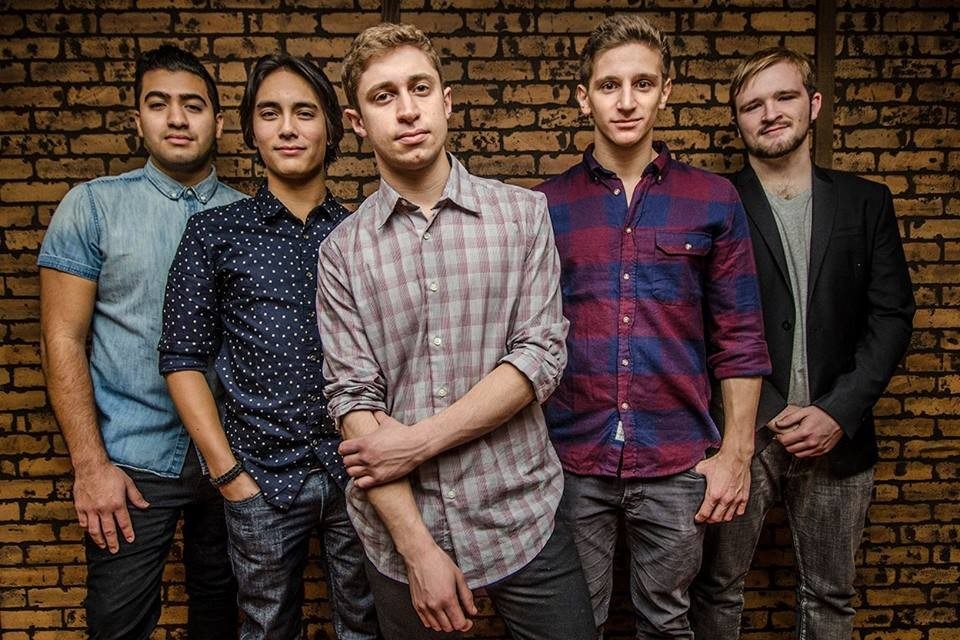
But Shiffley is different. They are, by no means, your average campus band, subsumed under the forgetfulness that follows a night of cheap and hard drinking. Not only did this Long Island band make the best of their Craigslist success story, but they also broke the long pattern of campus bands that came before them. Shiffley, instead, drew from their red solo cup collegiate starpower, collaborating with students that have all sorts of different skills from arts to business. They built their core team from friends at Syracuse University, finding a manager in co-founding member of A Cappella group Otto Tunes, Cormac Dennehy.
“I was a fan that wanted to help out in any way I could. It started out with them hitting me up for help promoting shows and just turned into me helping out with all corners of their camp. One day we just decided to put it in writing,” explained Dennehy, who currently works at talent agency ICM, which tends to clients like Bonnaroo, Coachella, Lollapalooza, SXSW, Lilith Fair, Sasquatch and Summerfest. “Every day I interact with new people in the entertainment industry — and if I can turn them into a viable contact, or at the very least a fan, then you bet your fanny I will do so. It’s also helpful to see how other people operate in a similar space. I have the opportunity to watch seasoned industry pros do what they do, and occasionally, I am able to apply that to my work with Shiffley.”
Shiffley indeed got their footing on campus, playing house show after house show until the concert board took notice and billed them as openers for 21 Pilots. In January 2014, Shiffley was handpicked by Fall Out Boy, Emeli Sande and Austin Mahone as a finalist in CBS’ nationwide Grammy Gig of a Lifetime competition, placing fourth out of 40 finalists. They were also semi-finalists in VH1’s Make A Band Famous competition. After releasing their EP Atomic Robot Man (mixed by Tony Gallis, the man behind several Steely Dan records), Shiffley is back this year with a new single, “Systems,” and an album slated for a July release.
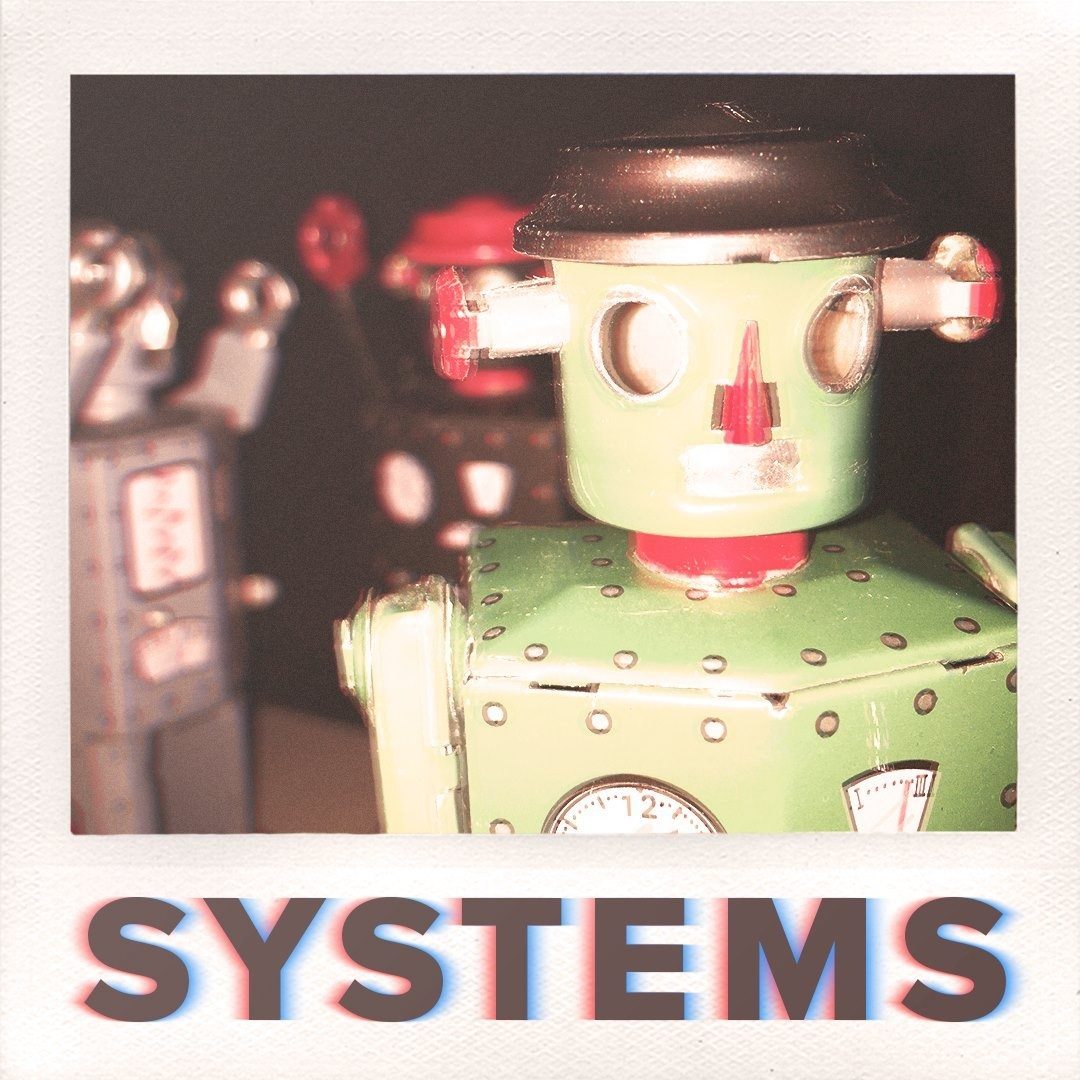
“‘Systems’ is the second part of a two-song story off of the album about a robot that learns how to feel and then instantly regrets the decision,” the band shared over a warm email exchange, after revealing that they got their name from singer Alex Ganes’ illustration of a sleazy salesman. “As a band, we can relate to the idea of being sleazy salesmen of music.” It’s not long before they casually mention that they got their song mixed at Freshly Baked Studios, in exchange for a shout out. Their flagrant audacity is marveling, and it’s brazen barters like this that truly define Shiffley. Shiffley, as a band, lies on the other side of DIY, on the side that is transparently earnest in its outreach for commercial success. And this, in itself, makes the band that much more endearing, and that much more likely to succeed.
The idea behind “Systems” stemmed from spending their Syracuse weekends chasing down parties until the winter dipped into the negatives, thereby surpassing their threshold for the cold: “[Systems] is about the regret. The robot casts off his/her emotions in an effort return to max efficiency. The main hook, ‘Systems are down, it’s getting cold, I’m going home’ is about crossing that threshold and returning to logic at the expense of the fun times.”
Stream “Systems,” the first single off their TBD album slated for a release later this year, below, and follow Shiffley on Facebook and Twitter, videos on YouTube and music on SoundCloud and Spotify.
Shiffley July 2016 Tour Dates: 7/21 – Studio at Webster – NY, NY 7/23 – SUSIEPALOOZA – Deer Park, NY 7/25 – Chapala Blue Beetle Rock Bar – Burtonsville, MD 7/26 – Jammin Java – Vienna, VA
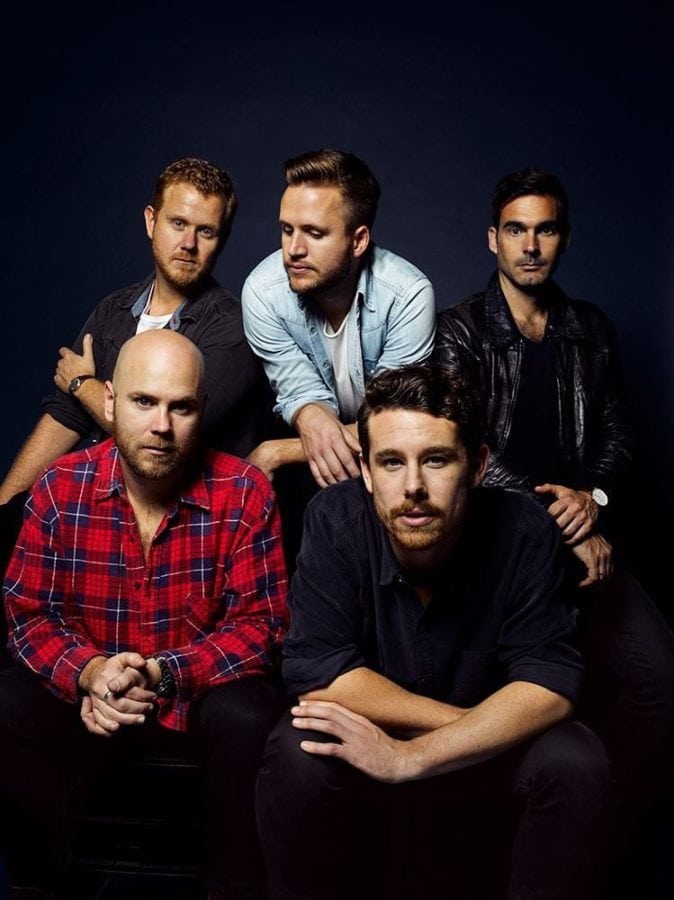
Australian five-piece indie-folk band Boy and Bear will make a pit stop at the Hollow in downtown Albany on Wed., June 8. Venturing from Toronto to Albany and then to Buffalo and New York City, the group will give the Capital District a rare treat to see a band currently on the rise and promoting their third release, Limit of Love.
The band formed in 2009 in Sydney by singer-songwriter Dave Hosking, who quickly teamed up with Killian Gavin (vocals, guitar), Timothy Hart (drums, vocals), Jonathan Hart (vocals, mandolin, keyboards) and David Symes (bass) to release their debut album Moonfire in 2011. The critically acclaimed Moonfire, which was recorded in Nashville, won numerous Australian Recording Industry Association music awards, while Limit of Love was formed at Peter Gabriel‘s Real World Studio in England. Limit of Love remains the band’s greatest attempt at honesty and good old-fashioned recording with zero automation and minimal takes, which is frequently matched and backed up in their live performances.
Sandwiched in between Moonfire and Limit of Love was the band’s grandest release, Harlequin Dream, featuring the hit song “Southern Sun” that prominently featured slide guitar and was noted to be an homage to Australian artist and guitarist Richard Clapton. It was also the tenth most played track on the triple-A radio format in the United States in 2014. Smooth singing Hosking cuts through his lyrics like room temperature butter, making each song seem more heartfelt and emotional. While Limit of Love differs quite a bit from Harlequin Dream, both offer a shining glimpse into the guts and heads that make up Boy and Bear.
WEQX welcomes Boy and Bear to the Hollow in Albany on June 8; doors open at 8 p.m.
Clutch is one of the headliners for the Rock ‘N Derby Festival, taking place in Schaghticoke May 20-22 and is currently on tour with Lamb of God and Corrosion of Conformity. NYS Music recently had a chance to sit down with the man who keeps the beat for the venerable Clutch, Jean-Paul Gaster.
When you’re in high school, you probably have a group of friends that you swear you’ll be tight with until the end of days. Perhaps that group of friends forms a band in someone’s garage or your parents’ basement. An oath is taken among yourselves that you’ll always be a band, no matter what.
Odds are, that high school band probably doesn’t make it through graduation. Sometimes though, it does. All of a sudden, 25-26 years later, you look out in front of you during a show at say, Upstate Concert Hall, and see one of the guys you made that pact with oh-so-long ago, accompanying you in the rhythm section of one of rock’s longest running lineups.
If your name is Jean-Paul Gaster, and you play drums in the Frederick, MD based band Clutch, that buddy you’re looking at is your high school pal and band mate, bassist Dan Maines.
Clutch’s foundation can be traced back to the halls of Seneca Valley High School in Germantown, MD, where the members of the band met. Gaster, Maines and guitarist Tim Sult got together to form Clutch in 1991. Original vocalist Roger Smalls left the band shortly after formation and was replaced by another friend, Neil Fallon. The band has been going strong ever since.
Gaster is a drummer’s drummer and a student of the instrument. We spoke at length about Clutch’s longevity and influence; the value of side projects; the festival scene and drumming as a mental exercise.
Mike Kohli: One of the things I’ve noticed with you guys – I’ve seen you perform a few times over the past couple years – is the way you interact with each other. I know you’re all friends from high school. Is that something that comes naturally? Do you just kind of give each other a look onstage and go with it? How’s the onstage chemistry work?
Jean-Paul Gaster: Yeah, there’s definitely a lot of unspoken dialog going on up there. I think it just comes with playing with the same guys for so long. I think musicians do that in general . I think we’re in a unique situation because we’ve been doing it for so long. Even in the writing process, we might play for 45 minutes and there might not be a whole lot of verbal communication, sometimes none at all. But we manage to put these ideas together with sort of pointing and grunts.
MK: Kind of a universal language…
MK: When I go to shows – I’m into a lot of different types of music- but typically when I go to a show, I watch the drummer. Now, I’m by no stretch of the imagination, a drummer. I do play a mean steering wheel though.
When I caught your show with Corrosion of Conformity in Clifton Park a few months ago, watching your style, it’s got a jazzy feel to it, kind of like Bill Ward of Sabbath, Ginger Baker of Cream. You mentioned them before as big influences on you. Have you had any formal jazz training or did you teach yourself how to play?
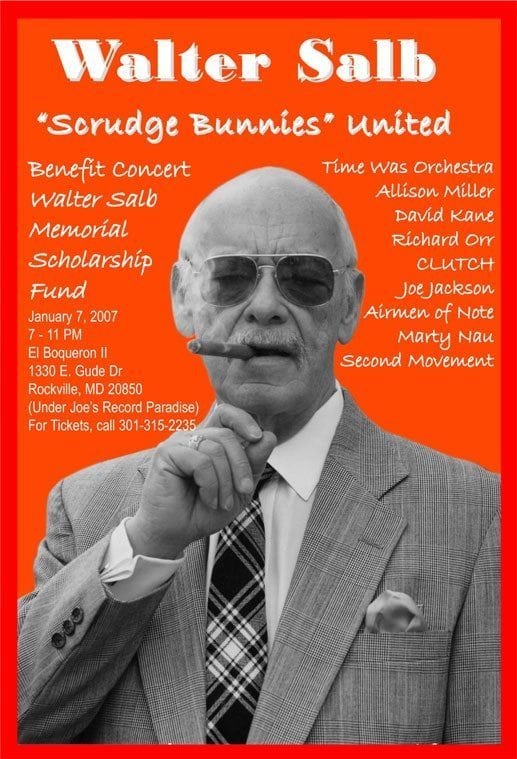
JPG: Early on, I took a few lessons, but I never really practiced. It wasn’t until I was about 23 when I started studying with a man named Walter Salb (Click the link for a short documentary on Salb). He was a professional teacher/instructor/player in and around Washington, D.C. for many many years. He actually started playing professionally in 1946, so he was definitely from the big band/swing era.
I learned a tremendous amount of stuff from him. A lot of it was thinking about jazz and what it means to play jazz. But i think more than that, he really taught me to be a musician and to be prepared for any musical situation. He wanted his students to be able to do any kind of gig and to play that music with authority and confidence. Those kinds of lessons had a really lasting impact on me. I miss that guy. He passed away about ten years ago.
MK: I’m sorry to hear that. Sounds like he was a really big influence on you.
JPG: Yeah, he definitely was. He lived life to the fullest all the way to the end; I will say that.
MK: I’m kind of into the jamband scene, stuff like Phish and moe., those types of groups. Sometimes I’ll come across people who for whatever reason, still don’t know who Clutch is. Why that is, I don’t know. You guys have been around for such a long time and have been a big influence on a lot of bands. You’re solid, a solid rock and roll band.
However, one thing I’ve noticed about you guys, you don’t fit neatly into any one mold. You’re not a metal band. You’re not a classic rock band. You came about during the grunge era, but you don’t fit into that category. You’re kind of in-categorizable. So when I try to describe Clutch to people who haven’t heard of you guys, I tell them you’re kind of a jamband. Your setlists aren’t always the same. You do stretch stuff out. You throw some improv in there. Have you ever been involved with any of the bands in the jamband scene? Say Warren Haynes or Govt Mule…
JPG: We like those bands a lot. I’m a huge fan of the Allman Brothers, Govt Mule. Warren Haynes’ playing, I think, is just incredible. You know, a few years ago we spent a lot of time trying to break into that scene a little bit. In retrospect, I think we were still, for those folks, I think there was a little too much for them. Maybe a little too much music coming at them. So, yeah, definitely familiar with that scene. Would love to play with some bands in that scene. I think that maybe that they weren’t really ready for us at the time. But stuff changes. And hopefully we’ll be able to get our music out to some of that scene.
I think the coolest part of being in this band is that we’re able to pull from so many different genres. We’ve played with so many different kinds of bands through the years. When you come to a Clutch show, it’s really a mishmash of different kinds of music fans. And I’m very proud of that. And I think that has a lot to do with the longevity of the band and the band’s ability to draw like we do. These days, pretty much all over the world.
MK: That’s exactly what I see when I go to the shows. There are guys who look like me, just a regular everyday joe, there’s college-aged people, there’s the stereotypical headbanger looking guys…It’s really a testament to what you guys do. You can draw all different types of people.
JPG: It’s a beautiful thing.
MK: Working with Neil…when I listen to Clutch, I envision Neil’s voice, his vocal style, as another instrument in the band. But also, his lyrical style, it’s almost percussive, the way he delivers the lyrics. So he’s almost like a multi-instrumentalist in that way. How does it play with you? Do you guys get together and work lyrics out so that they have that percussive style?
JPG: I’ll say this. Neil writes all of the lyrics, which in this band is a great thing. Because, speaking for myself, my lyrics would suck (laughter). I think the last time I tried to write lyrics it was sometime in high school and it wasn’t good.
So, we are well aware of Neil’s virtuosity and talent. I think he’s probably the most talented lyricist in rock and roll today. It has to do with being able to pull from so many different sources. Much like the way we put together our music. I think a lot of bands spend a lot of time asking, “Is this our band? Is this the kind of music our band can play?” The great thing about Clutch, you can literally go up there and play whatever you want whether it’s in a live situation or getting together to write new songs. There are no rules. So in that respect, I think we’re very fortunate.
Neil Fallon of Clutch
Speaking directly to the rhythmical feel of Neil’s lyrics, I think a lot of it has come directly from hip hop. Early on, Chuck D from Public Enemy was a big influence on him. We listened to a lot of hip hop as a band in the early and mid 90s. That had a lot to do with it for sure. And as a drummer, I react to whatever is happening rhythmically within the band more so than in a melodic sense so I’m listening for those things. On Psychic Warfare for instance, I paid particularly close attention to the way Neil syncopated his lyrics and how they were swung. That gave me a lot of inspiration as to how to play that part, how to best support that vocal.
MK: That whole hip hop thing, that’s really what came across to me. His vocal style is hard driving as well as hip hop. You summed it up perfectly.
MK: Any plans for anymore Bakerton Group stuff? (The Bakerton Group is a Clutch side project that works primarily as an instrumental outfit, incorporating elements of blues and other sounds outside the typical Clutch sound.)
JPG: No immediate plans. I will say, we did have a request from someone to record one of the Bakerton Group songs. We certainly said, “Of course. Go for it!” That was an interesting request. We haven’t had that in a while. The Bakerton Group project gives us the opportunity to play a little bit differently than we do in Clutch. Mainly because it’s mostly instrumental stuff. It’s sort of a laboratory for us.
Having said that, we’ve been so busy with Clutch stuff, we really haven’t had much time to do it. We did Earth Rocker, and there was a tremendous amount of momentum that came off of that record and that’s really flowed right into Psychic Warfare. And I know we’re going to be really busy on Psychic Warfare for at least another year.
MK: That’s terrific. You guys deserve to be busy. I pre-ordered Psychic Warfare on vinyl and when it was delayed and delayed, I ran out to the nearest store and bought the CD on release day. I had it on repeat for like four days straight. I really soaked it up. It’s definitely my favorite album of 2015, to say the least.
JPG: Wow, thank you.
MK: Festival season is heating up. Do you enjoy the festival circuit?
JPG: Festivals are fun because you get to play with a lot of bands that you normally wouldn’t play with. And more importantly, there are lot of folks there who don’t necessarily know about Clutch who will be given the opportunity to check us out.
MK: Do you get to mingle a lot with other bands when you play festivals?
JPG: Sure. Sometimes you run into old friends. Sometimes you make new friends. It’s always a good time. And it’s nice to be outside and not so much in a rock venue. It’s a different kind of environment, when you spend 6 or 7 nights a week in the dark theaters and clubs, it’s nice to get outdoors.
MK: Is King Hobo (another Gaster side project with the motto: “Get funky or get out.”) still a thing? I know it has to be tough to get together with Per Wiberg (keyboardist) from Opeth and Thomas Andersson from Kamchatka. Do you still work on stuff with those guys?
JPG: Sure. There’s some new stuff in the works with those guys. That was an incredible time to be able to go over there (The band recorded at Wiberg’s home in Sweden in 2005.) and record with Thomas and Per. I try to do as much of that as I can.
You know, with every side project, at the end of the day, all that energy ultimately comes back and makes Clutch a better thing. Every time you play with somebody new you’re going to learn something. There’s gonna be some energy there that you pick up on that’s gonna eventually translate back to your day gig, which for us, is Clutch.
MK: Do you do stuff over the Internet? Throw a few tracks in Dropbox and go back and forth with it?
JPG: Yeah, we definitely do that kind of thing. It’s great to be able to take advantage of the technology available to us. We weren’t able to do that 10-15 years ago.
MK: What do you listen to when you’re just going about your day?
JPG: I listen to all kinds of stuff. I’ve been listening a lot recently to Miles Davis’ Live at the Cellar Door. It’s the complete recordings that he eventually edited down to make Bitches Brew. Jack DeJohnette is on that record. Dave Holland is on that record. Just last night I was listening to Robert Palmer’s Sneaking Sally Through the Alley. That’s an incredibly funky record. He’s got the Meters as his backing band on that record.
MK: Yeah, yeah, that’s quite different than the Palmer who became a hit in the 80s.
JPG: I very much enjoy that recording. Really I listen to pretty much anything. The blues – Muddy Waters, B.B. King. Reggae stuff. Bob Marley and Augustus Pablo. I like dub a lot. I will say these days, I don’t listen to a lot of loud rock and roll. I do on occasion. I find myself always trying to pull influence from other stuff. And I think that’s what makes the rock and roll better.
MK: Your drum kit, I’ve noticed, is a lot of vintage equipment. Is that all you play?
JPG: I have vintage kits. I have newer kits as well. But I will say, the newer kits I have, and I’m speaking specifically about my Gretsch USA Custom kit. Really, it’s the same drum and the same design that they’ve been making for 50-60 years. There’s a lot of modern stuff out there that’s great, that sounds good.
I prefer to go with that older style tone. I don’t muffle my drums much at all. Playing a drum that’s wide open, that’s not muffled in anyway is much more difficult than playing one that’s muffled or has pillows in the bass drum. And the sound that you get out of a drum that’s wide open like that has a lot of possibility. You can get to a lot of different sounds, a lot of different dynamics depending how you hit that drum, how you address that drum in the context of what the music is.
I find that vintage drums or drums in the style of vintage drums, give me a little bit more tonal color to work with. I don’t play a big kit. I have a bass drum, two tom toms, a snare drum and a couple cymbals and that’s about it. I look to my drums to give me a lot of options. And I feel like with drums like that, they really respond to how you tune them and how you play them ultimately.
MK: Rumor has it, you’ve been known to practice on your drum pad for eight hours at a time while on the bus…
JPG: (laughter) Eight hours may be a little bit more than what really happens. I will say that when I’m out on the road, i have a practice kit and a couple of drum pads. And when you’re out there, that’s what you do 24 hours a day.
So when I wake up i think, “What do i need to do to make this the best show it can be?” I think about the drums all day long. Before sound check I try to warm up. After sound check I’ll typically get something to eat and then I’ll hit that practice kit until showtime. I’m there sometimes for three or four hours, but the time moves quickly.
Practice for me is not a tedious thing. I had an interviewer say to me one time, “I hear that you practice very often.” And i explained to him, “Sure, I’ll practice three or four hours a day sometimes.” He says, “Well, doesn’t that get boring?” (laughs) I said, “Only if you find practice boring.” I don’t. I find it to be very meditative.
There are points in the practice routine where you really reach a mental state in which time is irrelevant and you’re only considering the concept in front of you and how it relates to other stuff that you’re doing. I get a lot of enjoyment out of that. A lot of relaxation. So much of what we do now is mental. What I mean by that is, drumming has become more mental than physical for me. So, many of the exercises I’m working on are not really how fast can you hit the pad or how quickly can you play paradiddles. I’m really trying to deconstruct stuff. I’m trying to get inside the drums, subdivide things into what I haven’t done before. It’s a very mental thing for me.
MK: Well, that’s good to know. I get tired just watching you.
(laughter)
MK: I don’t want to take up too much more of your time, just one more thing: A buddy of mine, who went to the show with me back in October, wanted me to mention something to you. He’s been home brewing for a while and is on the verge of opening a brewery here in our town. He said, “If Clutch plays opening night of the brewery, I will close the doors the next day. It cannot be topped.”
(laughter)
You guys wanna call his bluff?
JPG: (laughter) Ha ha, no. But we’ll take some of his beer.
MK: Nice. OK, I’ll let him know.
MK: Thanks for taking time to speak with NYS Music. Good luck with the rest of the tour and keep on rockin’.
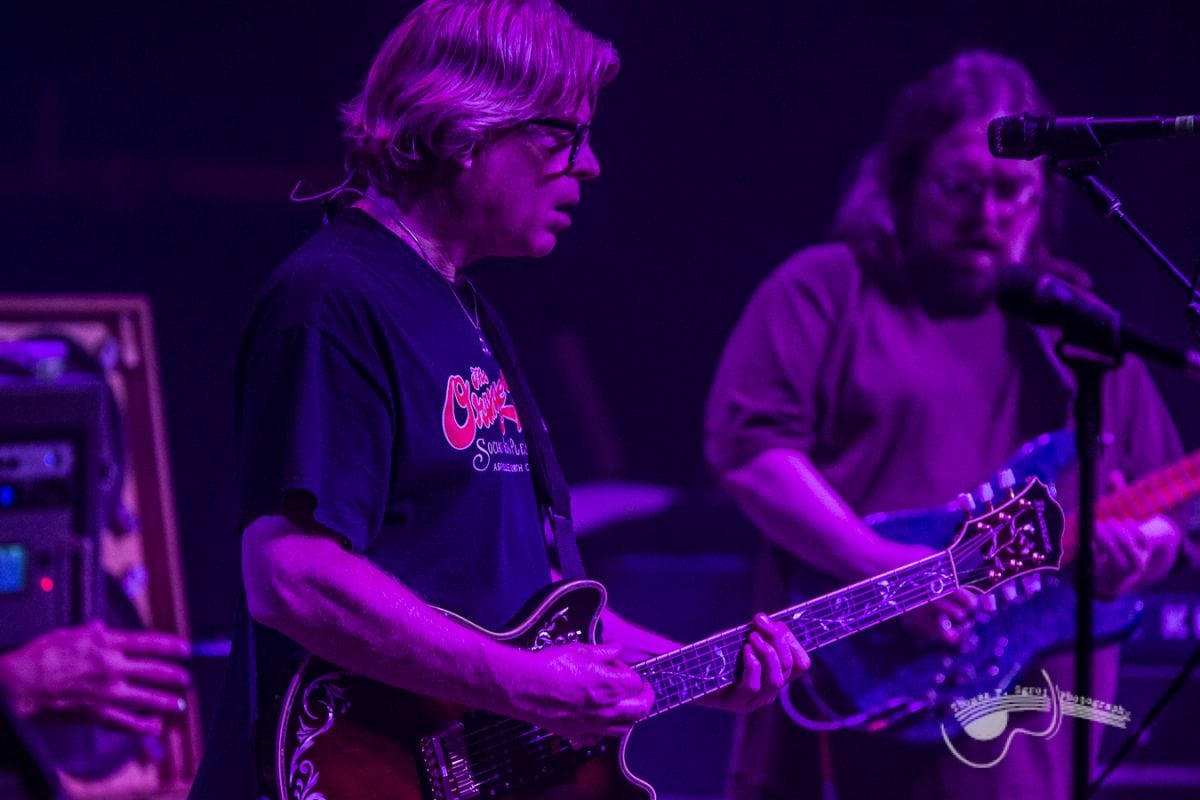
American Beauty changed my life when I was 14. I have a multi-colored 13-point lightning bolt encompassing a New York Yankees logo tattooed on my left shoulder. I have spent, now, more than half my life chasing “Don’t Ease Me In” with any of the countless bands featuring Grateful Dead band members since 2000. Sometimes I joke that I put one of Phil Lesh’s kids through college with the amount of money I have spent seeing him.
The number of complaints I have with the amount and quality of Dead music I have been lucky enough to catch is the same number of championships the Boston Red Sox won between 1919 and 2003: 0. I’ve witnessed the living members reunite for a show billed as Deadheads for Obama in 2008; I followed almost the entire 2009 tour; Furthur was one of the best jammy treats of the modern era; lastly, seeing Lesh and Anastasio, by far my two favorite musicians currently on this Earth, perform together nearly 20 times has been beyond elating.
All of this is wonderful, as the spirit of the Grateful Dead has carried on in so many ways — as I’ve bragged about above — but there’s something missing that just about any head in my 2003 high school graduating class will admit: None of us were lucky enough to experience the band with its leader and commander, Jerry Garcia. Sure, some can say they saw the man himself, but being 5 doesn’t allow much to the memory of the full band. Garcia, who died in 1995, was such a force and leader of the band, that no one in my age group can really say they have seen the Grateful Dead.
Enter Dark Star Orchestra, a group of highly talented and devoted musicians who have made a nice living out being THE Dead tribute band.
Tribute band. A lot of people might write it off simply because it’s not the real thing.
Except in this case, DSO is the best Dead band going. Their sound is spot on. If they’re recreating February 22, 1974, they capture the hazy, lazy sound of that era. If it’s a mid-1980s show, Dark Star nails down the speedy, more up-tempo sound the Dead had.
Simply put, you cannot get the true sound and essence of the Grateful Dead today anywhere more than a Dark Star Orchestra show.
On November 22, 2009, I was standing at a urinal in Syracuse, N.Y., at a Phish concert. I looked to my right and did a double take.
“No f—— way! Fake Jerry!” I said, getting a completely genuine grin in return. Peeing next to me was John Kadlecik, original DSO lead guitarist who had recently left the band to play with Lesh and Bob Weir in Furthur. The journalist in me immediately came out, as I asked him blunt questions about leaving to go play with Dead members. He was incredibly nice and said something that has stuck with me ever since.
“I have never played with a more dedicated group of musicians than [the DSO] guys,” he said, adding that they do not skip even a minute detail in bringing, what appears effortlessly, the highest quality show to everyone in attendance.
I have vivid memories of ringing in 2009 with the band at the Ram’s Head in Baltimore. Noodling my way through the crowd, I kept my eyes closed and did not have to pretend any further than that, that I was at a Grateful Dead show. I was 9 when Garcia died, and I oftentimes say that I would give up every single concert experience I have ever had simply to see the Dead with their leader just one time. The phrase, “there’s nothing like a Grateful Dead show” might be the most pure musical statement ever made, according to the numerous people I have interviewed on the topic who have seen the band.
Let’s not get confused here — I am not telling you that DSO today is the equivalent of the Grateful Dead from 1965-1995.
I’m telling you that, in a Garcia-free world, the members of DSO are keeping alive something that so many people hold so close: The Grateful Dead experience. With my eyes closed, I feel like I am hearing what I missed out on.
It’s why I continue to see DSO upward of 10 times per year. Tonight, at the Egg in Albany, Dark Star Orchestra is performing. I get to be anxious at work all day, debating with myself if they’re going to possibly play one of my favorite concerts, or if they will concoct their own setlist.
I get to text my friends in anticipation. I get to see friends I don’t get to see very often these days.
Every once in a while you come across a voice, a musician, a talent that makes you do take a double take. These are the artists NYS Music can’t wait to share with readers. Seth Costner is our latest to join this crowd.
Seth is not your typical country musician. In a genre that is so eclectic, his traditional country sound is one that as less commercial these days. Currently on the road with The Swon Brothers, NYS Music has had the opportunity to meet and see Seth in person a few times. You get a glimpse of his vocal abilities throughout the show, but it wasn’t until listening to his recent EP, The Easy Part, that you are aware of the vocal extent. His voice has a melodic polished sound that is reminiscent of Vince Gill. His musical talents do not escape the strings or keys as well. He reminds me so much of the legendary musician. He can play so many instruments, and has a voice so versatile that it teeters back and forth from an indie pop sound that you can hear in his first album, From The Ashes to that sound of his latest EP The Easy Part. Key tracks I would defnitely check out are “Winter Feel Warm” and “Good As Gone” on the new EP.
Between being on the road and in the studio, Seth agreed to take a moment to speak with NYS Music about the new EP and introduce himself to everyone.
Kathy Stockbridge: (KS) Hi Seth, thank you so much for talking with NYS Music. For those of our readers who have not had the privilege to meet you and see you perform live…I’m so excited to introduce you. Have you always been involved in music? Was your family a musical family?
Seth Costner: (SC) Thanks for having me! I’ve been singing as long as I can remember, and although my parents aren’t particularly musical (my Mom played a little piano), my grandfather on my Mom’s side was a singer and vaudeville entertainer. He encouraged my singing at a very early age.
KS: Was music a big part of your life in school?
SC: I was home schooled which really gave me some freedom to pursue and emphasize music as a big part of my education. I took a lot of music lessons growing up from some great teachers in my hometown of Gadsden, Alabama.
KS: Who encouraged you the most to pursue your dream in music?
SC: My parents have always been very supportive of whatever my siblings and I wanted to do, and they knew that I wanted to have a career in the music industry one day so they were definitely my biggest encouragers.
KS: Talk to my readers a little about your musical resume…you play and sing. What instruments do you play? As a photographer I find myself drawn to certain cameras I own to create with…is it the same for you when writing/playing music?…do you find yourself at the piano or on the guitar first?
SC: I get bored if I stay on one instrument for too long, so I’ve found myself becoming interested in different instruments at different times in my life. I started out on piano, then moved to guitar in my teenage years. When I got to college I started learning other instruments like banjo, mandolin, drums, bass, harmonica and sax. I write most of my songs on the guitar, but every once in a while I’ll be inspired by the piano and write from there.
KS: What influenced your musical tastes? Events? Musicians? Musical moments?
SC: I’ve always been a musical sponge and have soaked up different things from different genres. Everything from gospel to R&B to country. James Taylor is one of my musical heroes. I’m influenced by great voices and great writers. My influences range from Ronnie Milsap to George Jones to Stevie Wonder. If it makes me feel something then I’m inspired.
KS: Talk to my readers a little about your musical journey to the stage. Did you play small shows in your hometown…did you come straight to Nashville…how did you begin working with The Swon Brothers?
SC: I started out singing in church and playing for my family. I did a number of shows in my hometown, from coffee shops to restaurants, even in the shoe department at a local clothing store once, haha. I moved to Nashville to attend college at Belmont University, and after school began using my abilities as a musician to get different jobs with various country artists. My first real artist gig was playing keyboards for James Otto, and from there I had the opportunity to play with many other artists including Lauren Alaina, The McClymonts, Chase Rice, Mickey Guyton and many others. I met the Swons about two years ago and they immediately became two of my best friends.
KS: I’ve seen the Swon Brothers live performances several times now and love the part where Zach and Colton turn it over to you to sing. Your voice blows me away. Talk to us a little about how you found the time with your touring schedule to create this new EP.
SC: Thank you! It was a very busy year for the guys last year. We were out on the road more than we were in town but I made sure to find time whenever I was in Nashville to write and record. I had the privilege of working with producer Brad Hill on my most recent project. He’s amazing and knew exactly what I wanted it to sound like. I’m hoping to get back into the studio with him again this year and work on a new project!
KS: Share with our readers a little about this EP…the songs..the message/feelings you want it to evoke…when we may see you out there sharing it live.
SC: Well I think it has a little bit of something for everyone on there. From fun party songs like “Beer Pressure” to the title track “The Easy Part”, I hope everyone who hears the EP can find a song they relate to in some way. “The Easy Part” is one of my favorite songs I’ve ever written, and although it’s not necessarily completely autobiographical, it’s very personal to me.
KS: I want to urge my readers to get this EP…it’s amazing and you’ll be grateful you did when he becomes HUGE!!! And that will happen..mark my words!! Where can they buy this?
SC: You can find the EP on most online music platforms. iTunes, Apple Music, Spotify, Amazon and more. My first album “From The Ashes”, is also available online. It’s a little more on the folk side of things, but if you like “The Easy Part” you’ll probably like it as well! Be sure to follow me on Twitter and Instagram for updates!
KS: Can’t wait to see you again up this way!!!
SC: I’ll be playing keys for The Swon Brothers again this year, and we are heading out on the road with Carrie Underwood. …and hope to see y’all at a show this year, be sure to say hi!
I highly recommend checking out Seth’s new EP, and him either at a local gig or on the road this year with The Swon Brothers as they join Carrie Underwood in the near future at the First Niagara Center on May 24th or at Hunter Mountain on June 11th.
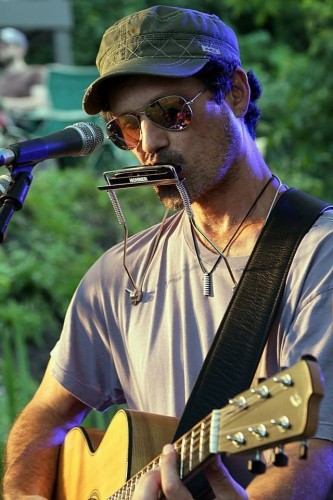
On any given afternoon in Syracuse, it is highly probable Charley Orlando will be spotted leaping nimbly to the stage to adjust sound equipment, prepping for the evening show. The sprightly Funk ‘N’ Waffles talent buyer keeps busy between selecting acts for the downtown Syracuse and university locations. He has become the gatekeeper for a flourishing downtown venue that stands as a go-to destination for music lovers thirsting for a dose of live music.
Aside from his technical dexterity, Orlando is also skilled in the art of compromise, acting as chief liaison between musicians and venues. With decades of experience performing in his own bands and booking acts for other venues, Orlando can empathize with the needs and desires of both parties to cultivate exciting show lineups. Behind every jaw dropping drum solo, contemplative guitar riff and danceworthy jam is a man devoted to elevating the Syracuse music scene.
On a Wednesday afternoon, Orlando took a quick break from his frenzied activity to kick back and discuss his key role at Funk ‘N’ Waffles. Manifesting a calm and collected presence, Orlando’s demeanor in conversation curiously juxtaposed the preceding flourish of activity. He instead channeled energy into exuberant responses, offering a sincerity through dialogue layered with gracious and friendly expression:
Ally Dean: You are the talent buyer for Funk ‘N’ Waffles. What has been your mission since the onset of your role with this venue?
Charley Orlando: To create a mid sized music venue for touring and local acts. To concentrate on a music community and grow it to a healthy point where musicians and venues all work together to prop up the music scene in CNY. Also the venue is designed to do all kinds of events besides music so we love doing community oriented events.
AD: What are your future goals for the venue?
CO: To keep growing the scene and the venue. To bring in bigger and bigger acts to a small intimate venue. To just be the best this place can be.
AD: Funk is a pretty sought after venue in Syracuse so you have plenty of acts soliciting a spot on the stage (I remember you quoted a staggering number of emails since December…) Are there bands on your radar that you have reached out to hoping to bring to the venue in the near future?
CO: We do get an enormous amount of inquiries (22,000+ emails since December of 2014). Really every band is on my radar. I am always looking for the next unique band. There is a lot of “same” going on out there so when I come across something that turns my head I go right for it. There are a number of great bands I have reached out to that will blow the walls off Funk … but I keep them close to my chest until it’s solid. Takes a bit to really dial in a top notch show.
AD: Are there aspects of Funk you would like to see changed, either with the physical venue or with the process for getting bands there?
CO: Funk is ever-evolving and that’s why I love it here. Sam Levey and Adam Gold and I work really well together and are always a step ahead of where we need to be. Kind of a dream team for me. The ideas are always flying and stuff gets done fast when we decide to move forward. Really we all want the same thing: the best venue in CNY.
AD: Pearly Baker’s Best and RUHA are your two current musical endeavors; what are your intentions with those projects?
CO: To have fun playing music. Pearly is a Grateful Dead Tribute Band so it’s pretty easy to get the right gigs and the band is sooooooo good! Everyone really knows The Dead and have seen them play (w/ Jerry Garcia) many times so we have close ties to the music. RUHA is a very unique original project that mixes acoustic guitar, organ, piano and ableton live triggers to fill it out. Great for festivals! Plus I love playing solo and do that quite a bit.
AD: Aaaand to keep things fun … are you feelin’ the Bern?
CO: Maximum Bern! Very into the message! It speaks to me … LOVE! Huh what a concept! April 15 Fuel the Bern’ is at the Palace Theater in Syracuse and April 16 Berning Man is at Anthology in Rochester. Two very important events for people that want change to come about!
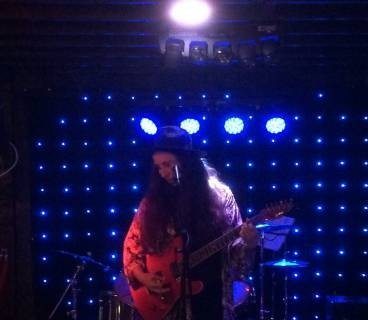
Nicole Suto aka “Niki Lee” is an indie singer/songwriter living in Troy, NY who is returning to the live music scene after taking a hiatus to have and raise a child. Her first show in a self-admitted long while will be this Friday, April 1 at the Dinosaur BBQ. She opens up for fellow Lansingburgh natives, The Lawn Sausages, at 9 p.m. The show is free.
With the help of her friends Gary Levitt and Erica Quitzow of New Paltz, she recorded five tracks found on Reverbnation. She plays the guitar and loops her own backup vocals. “Accelerate” is a fun tune that shows off her playful, rocker side and incorporates the organ. Her sound is similar to Liz Phair and other 90s female musicians in the similar genre. Her style however is unique. Instead of your typical chord progressions, Niki often slaps the strings to create both percussion and notes.
“Faith” represents a darker side of Niki. This expression of negative emotion is something she says drives her to write music. Her live performances are a balance of both upbeat positive songs and those that are melancholy.
While performing live is something she intends to do, her real goal is to continue to write, produce and record music.
We recently chatted with Niki about her music and living in Troy.
After listening to your tracks on Reverbnation, we kind of get a Liz Phair vibe. Is that what has influenced you?
I first started really heavy in the singer, songwriter, kind of folksy vein, listening to Ani DiFranco, Suzanne Vega, really growing up with the 10,000 Maniacs, Natalie Merchant stuff. But I think it was really PJ Harvey who kind of hooked me into the electric guitar, not just playing acoustic. Then Liz Phair – I think I’ve probably listened to Exile in Guyville like a million times. I probably can sing the whole album from beginning to end, so yes, that’s a definite influence for me.
What inspires you?
I feel like a lot of the music that I’m playing now has been inspired by relationships, questioning the world about why things are the way they are and how you have an emotional reaction to that. A lot of my songs, I write when I feel upset about things so it’s very hard for me to write upbeat songs. When I’m happy, I’m not in the writing kind of mood, it’s so hard to write a happy song. But I know people don’t want to just hear bitching and moaning when they see me perform so I’ve worked in some positive ones as well.
So your show on April 1 will be the first one in a while, and a hometown show?
I’m opening up for the Lawn Sausages. A lot of us are from Lansingburgh, born and raised there. So it’s a lot of old time friends. I haven’t really played a gig in a long time and one of the members of the Lawn Sausages put this gig up so I asked if I could open for them. It’s going to be a very hometown, packed crowd. It will be a special gig because all my friends and family from years and years, being a Troy native.
I’ve traveled a lot, I’ve lived and played in San Francisco and New York City but I had to come back home. Something about being home it’s hard to get away from sometimes.
Do you have a favorite spot to hang out in Troy?
I really enjoy going down to the Farmer’s Market. It’s one of the best and the fact that it’s all year round is really great. My daughter loves Famous Lunch – we like greasy food in our family.
So I understand you had friends from New Paltz help you with your recordings. Did you go down there to do it?
Yeah. Gary Levitt and Erica Quitzow who I met in San Francisco but were from New York. After we all moved back I reached out to them because they are just amazing engineers and musicians. I asked them if they could record a few songs for me. I had done a few recordings in the past but never ones I felt proud of. I felt OK about them but they just didn’t represent how I wanted my songs to sound in a studio recording. These guys really nailed it. I like Imogen Heap and Tori Amos, people who pull in a lot of different elements and layered harmonies into their music. Unfortunately I can’t recreate that on stage so it will be kind of like a PJ Harvey four-track demos kind of feel at the show (laughs). I like pushing the boundaries of the singer-songwriter into the different musical sounds that you can play with and layer. It’s one of my favorite things about the music that I’m drawn to.
What else do you like to do when not songwriting or recording?
I work for the state as a budget analyst. I really like spreadsheets! (laughs) I do a lot of work with spreadsheets, tracking or spending. It’s nice because it’s really easy, it either adds up or it doesn’t. Plus, I don’t make the decisions of how it’s being spent In my free time I am a 4H Club co-leader for a dog training club call the Clover Paws. It’s something I do with my daughter. We have two dogs, so when I’m not making music or taking care of my daughter, I’m playing with my dogs.
Jess Novak is young, talented and so full of soul that it’s sometimes tough to remember she’s just a regular girl. A girl who has recorded multiple albums, performed nearly 300 shows, has participated in triathlons, has sung the National Anthem at the Carrier Dome and is an award-winning journalist. Oh, and she’s also done some modeling and has donated some of her time to go in Syracuse schools and enrich the kids with her music. The list goes on and on.
In 2011 and 2012, the New Jersey-born Novak, who is a trained violinist and plays guitar and has a heavenly powerful voice, started jamming with friends in Syracuse while she was the music writer for the Syracuse New Times. In 2013, she met Brian D. Golden, a super talented blues guitarist with a raspy, deep voice whose influences span the entire rock genre.
They soon recorded Bad Habit, Novak’s first solo album, with Mark Nanni (Los Blancos) on keys and Byron Cage on drums. In October of last year, the Duo released Rodeo.
Novak said the Duo is working on its next record, while she is also working on her next solo jaunt.
NYSMusic caught up with the busy singer to talk about everything from the importance of collaboration, to her favorite venue and even fielded a marriage proposal.
Neil Benjamin Jr.: You are having a lot of success both solo and with your various groups (Golden Novak Duo, GNBand, GNTrio). How do you fit in a personal life with an incessant touring schedule?
Jess Novak: Yes! It’s been so exciting watching The Golden Novak Band, Duo and Trio grow in a very short time. I still can’t believe we founded the band in the summer of 2014. The duo (including trio and band shows) is coming in around 270 shows annually and I’ve been doing more solo shows, too. Honestly, I don’t have much of a personal life, but it helps that my best friends are in the band! It also works out because so much of touring is about the time between shows. Golden and I, especially, have seen so much of the East Coast at this point. It’s really amazing. I feel my personal life and love are all mixed up with my passion and livelihood and that can be a great thing. I’m really lucky. … and somehow I still manage to fit in my favorite things – like reading Star Wars novels.
(Click here to see all of Novak’s upcoming schedule.)
NBJ: Tell me about Brian Golden. You two seem to have incredible musical chemistry. Can we get a glimpse of how you two work together?
JN: I was just talking about this with a friend. The beauty of Golden and I is that we are the right combination. I’m a control freak and he is game for anything. I think people struggle for control too often and the key to a good relationship of any kind is allowing things to be. You have to let the other person to be themselves, and furthermore, celebrate them for it. We’re so lucky that our personalities complement one another. I’m also big on all things natural. If something doesn’t click – you can’t force it and I think that’s especially apparent in music. Golden and I clicked from the moment we met. I picked him out as the player I wanted to work with and we have ever since. It was completely natural and continues to be an art of working together to bring out the best in each other. Beyond that – our music is completely dependent on our friendship. If that suffers, the music does, so we work really hard to be good to each other. That’s a great thing and comes through in the performance. I also feel lucky to have found someone I can travel with for 45 days – SOLID – at a time. That’s amazing and rare. The key is most definitely laughter and we do a TON of that. It also doesn’t hurt that he’s the best guitar player I know. I have tremendous respect for him – another key to a great relationship.
NBJ: You’ve become a force in CNY music scene and have worked with so many artists. Do you find it rewarding to work with so many talents?
JN: Collaboration is key. I just heard a quote recently – if you want to go far, go alone. If you want to go further, go together. That is the truth and people will see that from me more than ever this year (exciting things on the way!). I have a whole new project in the works that will involve a completely different group of people and the GNB family grows all the time. You learn something from everyone you meet and work with if you just keep yourself open to it. You can only benefit from working with others even if the experience is negative. I’ve been so lucky to be in different bands and learn different styles – like with Shining Star Band, sitting in on Mark Nanni and The Intention’s jazz night, RESPECT, The Ameribeat Orchestra, Vinyl Albums Live, etc. – and that’s just it. I’ve learned something from every experience and from every person. New relationships mean new ideas, new growth and new possibilities. That’s what it’s all about. It’s the most rewarding thing I do and I improve constantly because of it. It’s also important to stay humble and working with people better than you ALL the time will definitely keep you modest.
NBJ: Tell me some names in the local scene that we may not know yet, but that you think will emerge in the near future.
JN: I really enjoyed Liz Canino’s record, Mercy. I always love hearing from other female musicians. I’m also a big fan of Major Player and Spring Street Family Band. Those guys are troopers and are working so hard to make it happen. I admire that (and they’re fun to dance to).
NBJ: What is your favorite venue to play and why?
JN: Whammy Bar in Calais, VT is like visiting family. I absolutely adore the vibe of that place and everyone there. We actually have a guy sit in with us on a brown paper bag there and it’s amazing. Once we battled – I played the cup and he played the bag. We also had a great time at the Pooler, Georgia World of Beer on this last tour. I closed the night with an acapella version of a Tenacious D song that I’m not sure you can print the title of here. It was amazing. There are great venues and people everywhere – most often where you least expect them.
NBJ: Is Nanni ever going to shave that beard?
JN: Not as long as I have something to say about it! That thing is a work of art! In my opinion – best beard in the world. ….though I may be a little biased.
NBJ: Will you marry me?
JN: You might have to fight a few people for that one 🙂
Here’s a professionally shot video for the remix of the Golden Novak Band’s “Rat a Tat,” which features many of Novak’s friends.
And here’s an inside look at Novak and Golden inside the recording studio in Norwich, complete with interviews and insight on the pair’s songs. (Warning: Golden’s fingers move at warp speed, so don’t blink.)
 Members: Jon Fine (Guitar, Bass, Keys). Ed “Preachermann” Holley, Sparlha Sparlha Swa, Morley, Tata Din Din Jobarteh, I’kyori Swaby, No Surrender and S.T. (Vocals). Tata Din Din Jobarteh, Youssoupha Sidibe (Kora). Morgan Harris (Guitar). Ebon Moss-Bachrach, I’kyori Swaby, Jesse Hofrichter (Keys). Jordan McLean (Trumpet). Martin Perna, Freddy Deboe (Baritone Sax). Stuart Bogie (Tenor Sax). Pierre Davis, Taagen Swaby, Sean Clete, Steven Heet, Sebastian Bauer (Drums). Matt Hauser, Marcus Burrowes (Percussion). Kristine Kruta (Cello).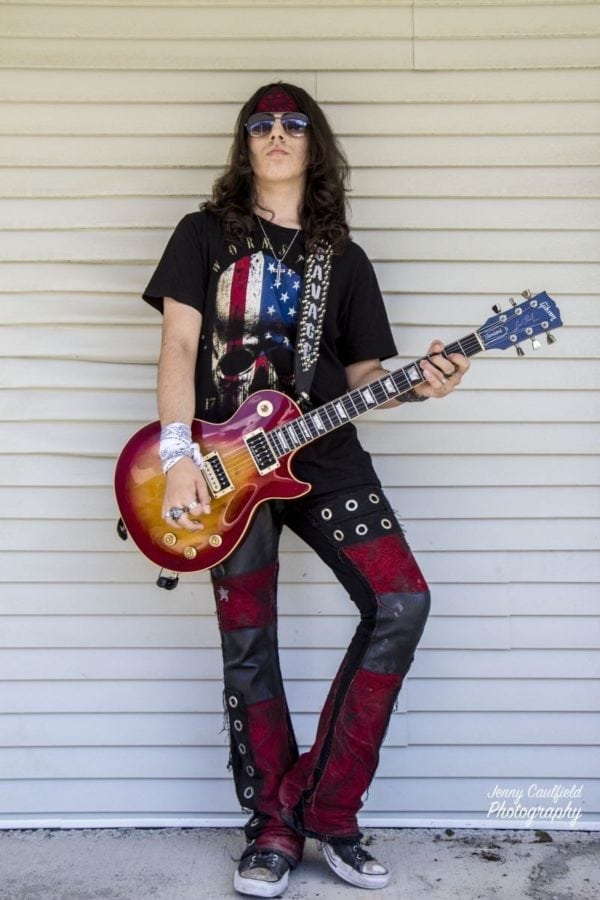

 The number of complaints I have with the amount and quality of Dead music I have been lucky enough to catch is the same number of championships the Boston Red Sox won between 1919 and 2003: 0. I’ve witnessed the living members reunite for a show billed as Deadheads for Obama in 2008; I followed almost the entire 2009 tour; Furthur was one of the best jammy treats of the modern era; lastly, seeing Lesh and Anastasio, by far my two favorite musicians currently on this Earth, perform together nearly 20 times has been beyond elating.
 On any given afternoon in Syracuse, it is highly probable
  Nicole Suto aka “Niki Lee” is an indie singer/songwriter living in