Majesty, introspect and foot-stomping good times. All were on display as the Avett Brothers performed before a Landmark Theatre packed to its gilded ceiling on July 7 in Syracuse.
For two solid hours, the brothers Avett from Mount Pleasant, NC, and their fellow bandmates, exhibited a true appreciation for their audience and exceptional musicianship. A special award should be given to the Avett Brothers‘ road crew for the sheer athleticism required in all the instrument changes throughout the show.
The Avetts’ Appalachian roots are always on display, as evidenced by Scott Avett’s ever-present banjo. However, the band’s sound has evolved since its early millennium beginnings to include elements of punk, rock, soul and pop. This is a band of extreme musical talent, able to jump among genres without losing its core appeal; this is a band finally getting deserved recognition.
The recently released True Sadness, the Avetts’ ninth studio album, topped the Billboardcharts in four separate categories last week (Americana/Folk Albums, Top Rock Albums, Alternative Albums and Top Album Sales). The near sold-out crowd assembled at the Landmark that Thursday evening had obviously done its homework, singing along to the new songs as if they were old friends.
Throughout the night, fans sang and danced and remained respectfully quiet at the appropriate times — and the respect was mutual. Several times Scott Avett expressed his thanks for being allowed to perform.
The crowd rose to its feet early during a raucous version of the band’s latest single “Ain’t No Man” and stayed that way until the final note of the night. Seth Avett brought down the house with a stirring solo take on “Souls Like the Wheels.”
While the brothers stood front and center directing the ensemble, it was impossible to miss the whirling dervishes located stage left. Tania Elizabeth and Joe Kwon won the night, proving highly entertaining while shredding their bows on violin and cello respectively.
The Avett Brothers have traveled a long way from their debut as an unknown Appalachian folk band to one selling out theaters and sheds across the country. The growth within the band has coincided with the growth in its sound; yet it is a sound that is still unmistakably the Avetts.
The band has made its way west on this tour, but will return to New York on Aug. 13 for a date at the Amphitheater at Coney Island.
Setlist: The D Bag Rag, Down With The Shine, Talk On Indolence, Ain’t No Man, Through My Prayers, Distraction #74, Salina, Victims Of Life, Will You Return?, February Seven, Smithsonian, Swept Away, True Sadness, The Perfect Space, I Killed Sally’s Lover, Murder in the City, Souls Like The Wheels, Die Die Die, Shame, Live And Die, Laundry Room, Satan Pulls the Strings, No Hard Feelings
Encore: You Are Mine, Stay a Little Longer, Head Full Of Doubt / Road Full Of Promise
In 2014, Primus drummer Tim “Herb” Alexander suffered a heart attack, resulting in Tool drummer Danny Carey filling in for several dates Primus had scheduled for a tour with its classic lineup while Alexander recovered.
Saturday, Alexander revealed via his Instagram, that he recently had another heart attack:
A photo posted by Tim Alexander (@timalexander65) on
Alexander is currently home and resting according to a follow-up Instagram post Saturday. Primus is next scheduled to play festival dates at Joshua Tree and Sacramento in October.
Primus played Brewery Ommegang in Cooperstown last summer on a tour with Dinosaur, Jr. and Sean Lennon’s Ghost of a Saber Tooth Tiger, a tour that led to the recent Claypool Lennon Delirium album and tour. Below is a fan-shot video of “Southbound Pachyderm” complete with fireworks display.
Fans of guitar virtuoso Joe Satriani will recognize the name, as will any learned bassist. Stu Hamm rose to fame performing with Satriani’s band for a decade, and on June 3, Hamm brings his solo act to the Van Dyck in Schenectady.
Hamm’s tour is a true solo run in support of his latest album, The Book of Lies. In addition to the Schenectady stop, Hamm’s brief stint also includes shows in New York City and Buffalo.
Hamm met Steve Vai while both were students at Berklee in Boston; he met Satriani as a result of his relationship with Vai and rose to fame as a member of his band. Hamm played on Vai’s first solo album, Flex-Able, in 1984 and went on to record with Satriani on his seminal ’80s albums Dreaming #11 and Flying in a Blue Dream.
Throughout his career, Hamm has recorded with such guitar luminaries as Eric Johnson, Michael Schenker, Frank Gambale, Alan Holdsworth and Robert Fripp. Another claim to fame is being named both best rock bassist and jazz bassist in the same year by Guitar Player magazine.
Expect a mix of bass virtuosity and humorous storytelling when Hamm hits the stage. In a statement, Hamm said, “I promise an entertaining evening of music and stories from my 43 years of playing bass with some of our generation’s greatest musicians!”
Check him out a venue near you this month.
Songs and Stories Tour 2016:
6/2 – New Hope, PA – Havana
6/3 – Schenectady, NY – The Van Dyck
6/4 – New York, NY – Spectrum (Masterclass at 2 p.m.)
6/5 – New York, NY – Spectrum (6 p.m. and 8 p.m.)
6/6 – Asbury Park, NJ – The Saint
6/7 – Dunellen, NJ – Roxy and Dukes (Presented by NJ ProgHouse)
6/8 – Buffalo, NY – Sportsmens Tavern
6/9 – Ottawa, ON – Brass Monkey
6/10 – London, ON – London Music Club
6/12 – Detroit, MI – The Token Lounge
6/13 – Newport, KY – The Southgate House Revival
6/14 – Cleveland, OH – Nighttown
6/16 – Charleston, WV – The Empty Glass
6/17 – Pittsburgh, PA – PGH Winery
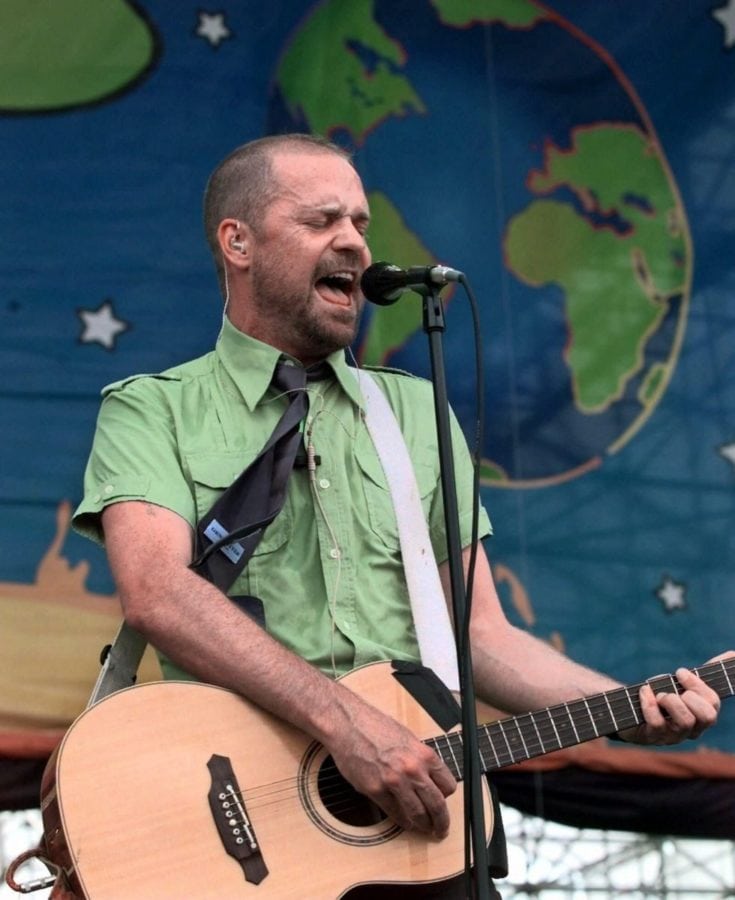
Charismatic Tragically Hip frontman Gord Downie has brain cancer. The news was shared on the band’s website early Tuesday morning. A press conference with more details, is scheduled to be held at Sunnybrook Hospital in Toronto at 11 a.m.
Despite the devastating news, the iconic Canadian band still plans to tour one more time this summer. In the statement, band members said:
This feels like the right thing to do now, for Gord, and for all of us. What we in The Hip receive, each time we play together, is a connection; with each other; with music and it’s magic; and during the shows, a special connection with all of you, our incredible fans.
Further details on the tour should be released later in the week.
According to the announcement, the 52 year-old Downie, who has four kids and is married to Laura Leigh Usher, was diagnosed in December. The band continues, “Since then, obviously, he’s endured a lot of difficult times, and he has been fighting hard. In privacy along with his family, and through all of this, we’ve been standing by him.”
The Tragically Hip can trace its origins to the Kingston, Ontario bar scene in 1983. Downie, along with drummer Johnny Fay, bassist Gord Sinclair and guitarists Rob Baker and Paul Langlois, has served as a Canadian ambassador since the band’s breakout single “New Orleans is Sinking” in 1989, a song that, throughout the years, has served as Downie’s laboratory for improvisation.
While the band never did break it big in the United States, cities along and near the Canadian border have been frequent tour stops for the 14-time Juno Award-winning band. The Hip’s trio of albums in the mid-’90s (Road Apples, Fully Completely and Day For Night) cemented the band’s status as Canadian royalty.
Downie has not only been one of the most charismatic frontmen in rock and roll for almost 30 years, he’s also been a mentor to many Canadian artists. On the band’s lone live album, Live Between Us, Downie introduces the song “Grace, Too” by thanking the opening act: “This one is for the Rheostatics. We are all richer for having seen them tonight.” That hat tip from Downie exposed the Rheostatics to thousands of people who had otherwise not heard of them. This gesture is the epitome of Gord Downie.
The band is set to release its 14th studio album, Man Machine Poem, through Universal Canada on June 14. Two singles have been released thus far with titles that may have foreshadowed today’s announcement,”Tired as Fuck” and “In a World Possessed by the Human Mind.”
Tragically Hip performed in Canandaigua last July 4, playing its Fully Completely album fully and completely.
Click through below and turn up the volume for the Hip’s Woodstock ’99 performance of “Courage (For Hugh MacLennan)”
Clutch is one of the headliners for the Rock ‘N Derby Festival, taking place in Schaghticoke May 20-22 and is currently on tour with Lamb of God and Corrosion of Conformity. NYS Music recently had a chance to sit down with the man who keeps the beat for the venerable Clutch, Jean-Paul Gaster.
When you’re in high school, you probably have a group of friends that you swear you’ll be tight with until the end of days. Perhaps that group of friends forms a band in someone’s garage or your parents’ basement. An oath is taken among yourselves that you’ll always be a band, no matter what.
Odds are, that high school band probably doesn’t make it through graduation. Sometimes though, it does. All of a sudden, 25-26 years later, you look out in front of you during a show at say, Upstate Concert Hall, and see one of the guys you made that pact with oh-so-long ago, accompanying you in the rhythm section of one of rock’s longest running lineups.
If your name is Jean-Paul Gaster, and you play drums in the Frederick, MD based band Clutch, that buddy you’re looking at is your high school pal and band mate, bassist Dan Maines.
Clutch’s foundation can be traced back to the halls of Seneca Valley High School in Germantown, MD, where the members of the band met. Gaster, Maines and guitarist Tim Sult got together to form Clutch in 1991. Original vocalist Roger Smalls left the band shortly after formation and was replaced by another friend, Neil Fallon. The band has been going strong ever since.
Gaster is a drummer’s drummer and a student of the instrument. We spoke at length about Clutch’s longevity and influence; the value of side projects; the festival scene and drumming as a mental exercise.
Mike Kohli: One of the things I’ve noticed with you guys – I’ve seen you perform a few times over the past couple years – is the way you interact with each other. I know you’re all friends from high school. Is that something that comes naturally? Do you just kind of give each other a look onstage and go with it? How’s the onstage chemistry work?
Jean-Paul Gaster: Yeah, there’s definitely a lot of unspoken dialog going on up there. I think it just comes with playing with the same guys for so long. I think musicians do that in general . I think we’re in a unique situation because we’ve been doing it for so long. Even in the writing process, we might play for 45 minutes and there might not be a whole lot of verbal communication, sometimes none at all. But we manage to put these ideas together with sort of pointing and grunts.
MK: Kind of a universal language…
MK: When I go to shows – I’m into a lot of different types of music- but typically when I go to a show, I watch the drummer. Now, I’m by no stretch of the imagination, a drummer. I do play a mean steering wheel though.
When I caught your show with Corrosion of Conformity in Clifton Park a few months ago, watching your style, it’s got a jazzy feel to it, kind of like Bill Ward of Sabbath, Ginger Baker of Cream. You mentioned them before as big influences on you. Have you had any formal jazz training or did you teach yourself how to play?
JPG: Early on, I took a few lessons, but I never really practiced. It wasn’t until I was about 23 when I started studying with a man named Walter Salb (Click the link for a short documentary on Salb). He was a professional teacher/instructor/player in and around Washington, D.C. for many many years. He actually started playing professionally in 1946, so he was definitely from the big band/swing era.
I learned a tremendous amount of stuff from him. A lot of it was thinking about jazz and what it means to play jazz. But i think more than that, he really taught me to be a musician and to be prepared for any musical situation. He wanted his students to be able to do any kind of gig and to play that music with authority and confidence. Those kinds of lessons had a really lasting impact on me. I miss that guy. He passed away about ten years ago.
MK: I’m sorry to hear that. Sounds like he was a really big influence on you.
JPG: Yeah, he definitely was. He lived life to the fullest all the way to the end; I will say that.
MK: I’m kind of into the jamband scene, stuff like Phish and moe., those types of groups. Sometimes I’ll come across people who for whatever reason, still don’t know who Clutch is. Why that is, I don’t know. You guys have been around for such a long time and have been a big influence on a lot of bands. You’re solid, a solid rock and roll band.
However, one thing I’ve noticed about you guys, you don’t fit neatly into any one mold. You’re not a metal band. You’re not a classic rock band. You came about during the grunge era, but you don’t fit into that category. You’re kind of in-categorizable. So when I try to describe Clutch to people who haven’t heard of you guys, I tell them you’re kind of a jamband. Your setlists aren’t always the same. You do stretch stuff out. You throw some improv in there. Have you ever been involved with any of the bands in the jamband scene? Say Warren Haynes or Govt Mule…
JPG: We like those bands a lot. I’m a huge fan of the Allman Brothers, Govt Mule. Warren Haynes’ playing, I think, is just incredible. You know, a few years ago we spent a lot of time trying to break into that scene a little bit. In retrospect, I think we were still, for those folks, I think there was a little too much for them. Maybe a little too much music coming at them. So, yeah, definitely familiar with that scene. Would love to play with some bands in that scene. I think that maybe that they weren’t really ready for us at the time. But stuff changes. And hopefully we’ll be able to get our music out to some of that scene.
I think the coolest part of being in this band is that we’re able to pull from so many different genres. We’ve played with so many different kinds of bands through the years. When you come to a Clutch show, it’s really a mishmash of different kinds of music fans. And I’m very proud of that. And I think that has a lot to do with the longevity of the band and the band’s ability to draw like we do. These days, pretty much all over the world.
MK: That’s exactly what I see when I go to the shows. There are guys who look like me, just a regular everyday joe, there’s college-aged people, there’s the stereotypical headbanger looking guys…It’s really a testament to what you guys do. You can draw all different types of people.
JPG: It’s a beautiful thing.
MK: Working with Neil…when I listen to Clutch, I envision Neil’s voice, his vocal style, as another instrument in the band. But also, his lyrical style, it’s almost percussive, the way he delivers the lyrics. So he’s almost like a multi-instrumentalist in that way. How does it play with you? Do you guys get together and work lyrics out so that they have that percussive style?
JPG: I’ll say this. Neil writes all of the lyrics, which in this band is a great thing. Because, speaking for myself, my lyrics would suck (laughter). I think the last time I tried to write lyrics it was sometime in high school and it wasn’t good.
So, we are well aware of Neil’s virtuosity and talent. I think he’s probably the most talented lyricist in rock and roll today. It has to do with being able to pull from so many different sources. Much like the way we put together our music. I think a lot of bands spend a lot of time asking, “Is this our band? Is this the kind of music our band can play?” The great thing about Clutch, you can literally go up there and play whatever you want whether it’s in a live situation or getting together to write new songs. There are no rules. So in that respect, I think we’re very fortunate.
Neil Fallon of Clutch
Speaking directly to the rhythmical feel of Neil’s lyrics, I think a lot of it has come directly from hip hop. Early on, Chuck D from Public Enemy was a big influence on him. We listened to a lot of hip hop as a band in the early and mid 90s. That had a lot to do with it for sure. And as a drummer, I react to whatever is happening rhythmically within the band more so than in a melodic sense so I’m listening for those things. On Psychic Warfare for instance, I paid particularly close attention to the way Neil syncopated his lyrics and how they were swung. That gave me a lot of inspiration as to how to play that part, how to best support that vocal.
MK: That whole hip hop thing, that’s really what came across to me. His vocal style is hard driving as well as hip hop. You summed it up perfectly.
MK: Any plans for anymore Bakerton Group stuff? (The Bakerton Group is a Clutch side project that works primarily as an instrumental outfit, incorporating elements of blues and other sounds outside the typical Clutch sound.)
JPG: No immediate plans. I will say, we did have a request from someone to record one of the Bakerton Group songs. We certainly said, “Of course. Go for it!” That was an interesting request. We haven’t had that in a while. The Bakerton Group project gives us the opportunity to play a little bit differently than we do in Clutch. Mainly because it’s mostly instrumental stuff. It’s sort of a laboratory for us.
Having said that, we’ve been so busy with Clutch stuff, we really haven’t had much time to do it. We did Earth Rocker, and there was a tremendous amount of momentum that came off of that record and that’s really flowed right into Psychic Warfare. And I know we’re going to be really busy on Psychic Warfare for at least another year.
MK: That’s terrific. You guys deserve to be busy. I pre-ordered Psychic Warfare on vinyl and when it was delayed and delayed, I ran out to the nearest store and bought the CD on release day. I had it on repeat for like four days straight. I really soaked it up. It’s definitely my favorite album of 2015, to say the least.
JPG: Wow, thank you.
MK: Festival season is heating up. Do you enjoy the festival circuit?
JPG: Festivals are fun because you get to play with a lot of bands that you normally wouldn’t play with. And more importantly, there are lot of folks there who don’t necessarily know about Clutch who will be given the opportunity to check us out.
MK: Do you get to mingle a lot with other bands when you play festivals?
JPG: Sure. Sometimes you run into old friends. Sometimes you make new friends. It’s always a good time. And it’s nice to be outside and not so much in a rock venue. It’s a different kind of environment, when you spend 6 or 7 nights a week in the dark theaters and clubs, it’s nice to get outdoors.
MK: Is King Hobo (another Gaster side project with the motto: “Get funky or get out.”) still a thing? I know it has to be tough to get together with Per Wiberg (keyboardist) from Opeth and Thomas Andersson from Kamchatka. Do you still work on stuff with those guys?
JPG: Sure. There’s some new stuff in the works with those guys. That was an incredible time to be able to go over there (The band recorded at Wiberg’s home in Sweden in 2005.) and record with Thomas and Per. I try to do as much of that as I can.
You know, with every side project, at the end of the day, all that energy ultimately comes back and makes Clutch a better thing. Every time you play with somebody new you’re going to learn something. There’s gonna be some energy there that you pick up on that’s gonna eventually translate back to your day gig, which for us, is Clutch.
MK: Do you do stuff over the Internet? Throw a few tracks in Dropbox and go back and forth with it?
JPG: Yeah, we definitely do that kind of thing. It’s great to be able to take advantage of the technology available to us. We weren’t able to do that 10-15 years ago.
MK: What do you listen to when you’re just going about your day?
JPG: I listen to all kinds of stuff. I’ve been listening a lot recently to Miles Davis’ Live at the Cellar Door. It’s the complete recordings that he eventually edited down to make Bitches Brew. Jack DeJohnette is on that record. Dave Holland is on that record. Just last night I was listening to Robert Palmer’s Sneaking Sally Through the Alley. That’s an incredibly funky record. He’s got the Meters as his backing band on that record.
MK: Yeah, yeah, that’s quite different than the Palmer who became a hit in the 80s.
JPG: I very much enjoy that recording. Really I listen to pretty much anything. The blues – Muddy Waters, B.B. King. Reggae stuff. Bob Marley and Augustus Pablo. I like dub a lot. I will say these days, I don’t listen to a lot of loud rock and roll. I do on occasion. I find myself always trying to pull influence from other stuff. And I think that’s what makes the rock and roll better.
MK: Your drum kit, I’ve noticed, is a lot of vintage equipment. Is that all you play?
JPG: I have vintage kits. I have newer kits as well. But I will say, the newer kits I have, and I’m speaking specifically about my Gretsch USA Custom kit. Really, it’s the same drum and the same design that they’ve been making for 50-60 years. There’s a lot of modern stuff out there that’s great, that sounds good.
I prefer to go with that older style tone. I don’t muffle my drums much at all. Playing a drum that’s wide open, that’s not muffled in anyway is much more difficult than playing one that’s muffled or has pillows in the bass drum. And the sound that you get out of a drum that’s wide open like that has a lot of possibility. You can get to a lot of different sounds, a lot of different dynamics depending how you hit that drum, how you address that drum in the context of what the music is.
I find that vintage drums or drums in the style of vintage drums, give me a little bit more tonal color to work with. I don’t play a big kit. I have a bass drum, two tom toms, a snare drum and a couple cymbals and that’s about it. I look to my drums to give me a lot of options. And I feel like with drums like that, they really respond to how you tune them and how you play them ultimately.
MK: Rumor has it, you’ve been known to practice on your drum pad for eight hours at a time while on the bus…
JPG: (laughter) Eight hours may be a little bit more than what really happens. I will say that when I’m out on the road, i have a practice kit and a couple of drum pads. And when you’re out there, that’s what you do 24 hours a day.
So when I wake up i think, “What do i need to do to make this the best show it can be?” I think about the drums all day long. Before sound check I try to warm up. After sound check I’ll typically get something to eat and then I’ll hit that practice kit until showtime. I’m there sometimes for three or four hours, but the time moves quickly.
Practice for me is not a tedious thing. I had an interviewer say to me one time, “I hear that you practice very often.” And i explained to him, “Sure, I’ll practice three or four hours a day sometimes.” He says, “Well, doesn’t that get boring?” (laughs) I said, “Only if you find practice boring.” I don’t. I find it to be very meditative.
There are points in the practice routine where you really reach a mental state in which time is irrelevant and you’re only considering the concept in front of you and how it relates to other stuff that you’re doing. I get a lot of enjoyment out of that. A lot of relaxation. So much of what we do now is mental. What I mean by that is, drumming has become more mental than physical for me. So, many of the exercises I’m working on are not really how fast can you hit the pad or how quickly can you play paradiddles. I’m really trying to deconstruct stuff. I’m trying to get inside the drums, subdivide things into what I haven’t done before. It’s a very mental thing for me.
MK: Well, that’s good to know. I get tired just watching you.
(laughter)
MK: I don’t want to take up too much more of your time, just one more thing: A buddy of mine, who went to the show with me back in October, wanted me to mention something to you. He’s been home brewing for a while and is on the verge of opening a brewery here in our town. He said, “If Clutch plays opening night of the brewery, I will close the doors the next day. It cannot be topped.”
(laughter)
You guys wanna call his bluff?
JPG: (laughter) Ha ha, no. But we’ll take some of his beer.
MK: Nice. OK, I’ll let him know.
MK: Thanks for taking time to speak with NYS Music. Good luck with the rest of the tour and keep on rockin’.
As NYS Music reported in January, New York State Attorney General Eric Schneiderman released a report putting the concert ticketing industry on blast. That report found that at least 54 percent of tickets for the biggest shows were being set aside for privileged pre-sale or industry insiders. The report also found ticketing agencies using bots to purchase tickets to be resold at much higher prices on resale sites.
Last week, the AG’s office announced a settlement has been reached with six ticket brokering companies as a result of this report. This week, Schniederman pressured the major players, including StubHub, Ticketmaster and VividSeats, to level the playing field for the general public looking for tickets to big-ticket shows.
New York Attorney General Eric Schneiderman
New York law requires ticket re-sellers to be licensed in the state and prohibits them from using bots to buy tickets for resale. The six firms found to be in violation of state law that are settling with the state on this issue are TicketToad.com, Flying Falco Entertainment of California (doing business as Avery Tickets), Charm City Entertainment, All Events Utah (all out of state) and two New York-based brokers, Just in Time Tickets and A2Z Tix. All but Charm City were found to have used bots in purchasing tickets.
The settlement among the four brokers has thus far totaled $2.76 million. Charm City skated with a $100,000 settlement, while Flying Falco coughed up the largest settlement at $1,125,000.
Ticketing is a fixed game. The industry’s tactics prevent New Yorkers from getting tickets at affordable prices, or even getting them at all. Now we are calling on the major industry players to take steps to address these issue.
According to the Daily News, ticket brokers are willing to work with the attorney general. StubHub has issued a response: “We are in receipt of the letter and are currently reviewing the AG’s request.”
In his press release, Schneiderman laid the gauntlet:
Our office has zero tolerance for ticket resellers that use illegal bots to scoop up large numbers of tickets for popular events before consumers can obtain them, and then resell those tickets to those very same consumers at a large markup. New Yorkers deserve a fairer ticket marketplace. Our office will continue to enforce New York’s ticket laws by investigating ticket brokers who are breaking our laws, and making them pay for their illegal acts.
Schneiderman is making the effort and succeeding thus far. It only serves the music industry as a whole for ticket brokers to follow suit. True fans have been getting shut out of tickets for their favorite shows for too long and government is finally catching up with the technology that has kept these fans from those tickets.
Fans can support face-value ticket re-sale by using websites like cashortrade.org.
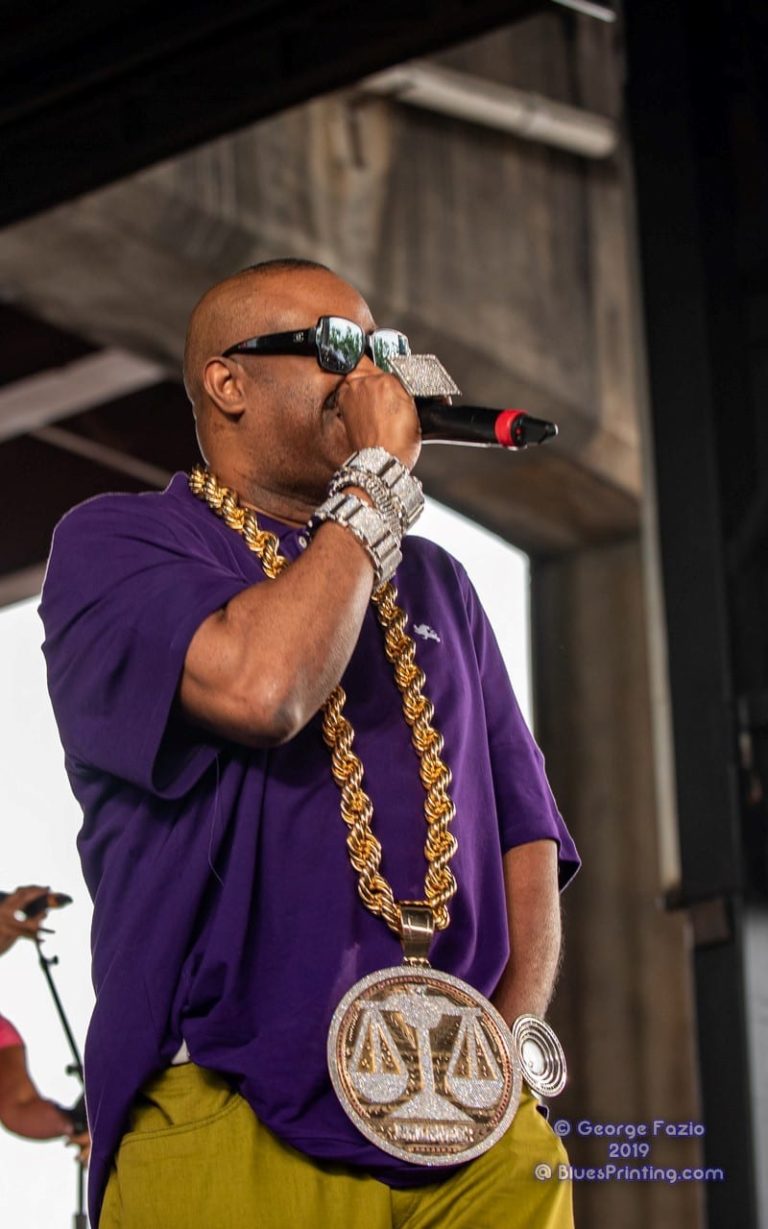
English-born rapper and long-time Bronx resident Ricky “Slick Rick” Martin Lloyd Walters became an American citizen last week in New York after a protracted 23-year battle.
In a statement, Walters said:
I am so proud of this moment – and so honored to finally become an American citizen. This has been a long time coming for me, and I am relieved to finally put this long chapter behind me. I want to thank everyone – my family, friends and fans – who have supported me and stuck by me over these 23 years. I am truly blessed – and stay tuned, I will have more to announce soon.
The rapper rose to fame in the early 1990s on the strength of his storytelling style of rap exhibited on his Def Jam debut The Great Adventures of Slick Rick. The album featured some of Walters’ biggest hits including, “Children’s Story,” “Teenage Love” and “Hey Young World.”
Walters moved to the Bronx from London when he was 11 years old. He quickly became immersed in the hip-hop culture and joined Doug E. Fresh and the Get Fresh Crew as MC Ricky D soon after finishing high school.
The legal battle behind his citizenship began in 1990 when he was sentenced to prison for the self-defense shooting of his cousin, who had been hired and subsequently fired as his bodyguard. A bystander was also injured in the incident. Walters spent five years in prison on charges of attempted murder and residency issues with Immigration and Naturalization Services.
When released from prison, Walters was threatened with deportation, spending several years in and out of prison. New York Gov. David Paterson granted Walters a full pardon in 2008, clearing the path to citizenship.
Walters has been credited as the most successful British-American rapper and also one of the genre’s most sampled artists. He has collaborated with Jay Z, Missy “Misdemeanor” Elliot and Outkast.
Walters has dedicated much of his time to mentoring youth and raising funds for issues impacting under-served communities.
Slick Rick embarks on a short spring tour throughout the Midwest and Southeast on May 7. Dates can be found on his website.
The producers of the Bear Creek Music and Arts Festival have announced a new festival taking place at Mardi Gras World in the New Orleans bayou Sept. 30 and Oct. 1.
The Live Oak, Florida festival ran for eight years at the Spirit of the Suwannee Music Park. The 2015 edition was to have featured a funk heavy lineup, including Galactic, Soulive and Dumpstaphunk but was unfortunately canceled. The new fest promises a menu rich with the traditional sounds of New Orleans and bands similar to past Bear Creek headliners.
Mardi Gras World is located in the New Orleans Warehouse District along the banks of the Mississippi River and offers a view of the New Orleans skyline.
The full website for the fest will be launched soon, along with the initial band lineup.
When you work up a sweat at a show, you know you’ve had a good time. The Easter eve stop of the Spring Fling tour at Rochester’s Main Street Armory made sure the 6500 in attendance did just that. The package tour, headlined by Bowling Green, KY natives, Cage the Elephant along with Silversun Pickups, Foals and Bear Hands, may become one of those hallmark tours mentioned years from now. This show puts together four perfectly complementing artists, all proving the state of rock and roll is alive and quite well, thank you.
https://youtu.be/uBeohY2O2PA
Headliners Cage the Elephant had the sold out crowd eating out of their hands from the opening notes of “Cry Baby.” Lead singer Matt Schultz’s stage presence evokes the spirit of peak Iggy Pop or Mick Jagger. Shortly into the set, his red sport coat and shirt were shed and audience members were surfing the crowd. This is the band the young crowd was here to see and a band sure to make waves in the mainstream if its current live show is any indication.
Like many great bands, Cage the Elephant is best heard in a live setting. Shultz commands your attention and the band is top notch. Particularly impressive was the interaction the audience had with the band during its performance. For an “indie” band, Cage the Elephant surely engages the masses. This was particularly exhibited during Cage’s “Ain’t No Rest for the Wicked” from their 2008 debut. Fans held their hands high in the air while singing along while others made attempts to surf the crowd.
Cage had tough acts to follow on this night. The earlier bands on the bill all delivered solid performances. Veteran Los Angelinos, Silversun Pickups could very well have been the headliners on this tour. The Pickups have been indie rock stalwarts since their debut Carnavas in 2006. Lead singer Brian Aubert and bassist Nikki Monninger have an onstage chemistry akin to an older brother and younger sister. Aubert introduced the new song “Circadian Rhythm (Last Dance)” as Monninger’s first foray into lead vocals. She responded as being nervous putting herself out there but performed the song beautifully, winning over the audience. The Pickups set ended with a raucous version of their first charting song, “Lazy Eye.” Aubert’s vocal were hardly necessary as the crowd sang along word for word. It was a solid ending to a solid performance by one of indie rock’s most versatile bands.
Foals performed early, and while still working to win over the American public, they made it known that they wouldn’t be an opening act for long in the states. These Brits performed a set reminiscent of Joy Division meets the Clash. Lead vocalist Yannis Philippakis has a manic stage presence that makes you take notice. Foals will be making their presence known to the American mainstream in short order.
Brooklyn-based band Bear Hands opened the night. Out of the four bands on the bill, Bear Hands were the most indie of the bunch. Several times throughout the brief yet energetic set, one could imagine Interpol or the Smiths onstage. But Bear Hands absolutely proved their worth on this bill of indie heavyweights. We’ll be hearing more from this band in the future.
The Spring Fling tour has wrapped but Cage the Elephant is continuing to tour. Upcoming in New York is a date with Portugal, the Man and Broncho at the Times Union Center in Albany on May 11. You can also catch them at Summerstge in Central Park on May 16 and 17.
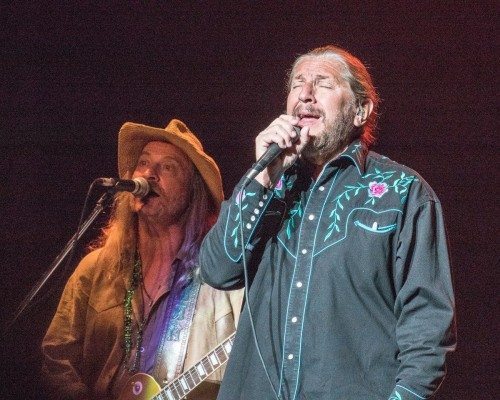
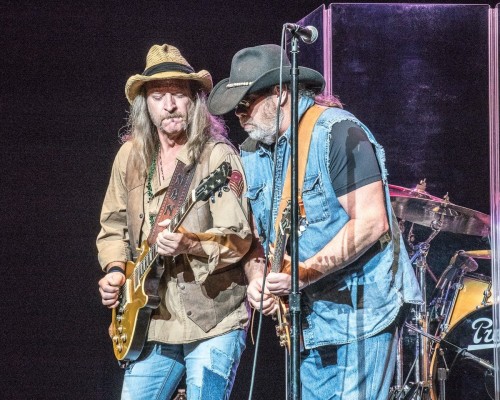
Stepping into Utica’s elegant Stanley Theater is like stepping back in time. Built in 1928 as one of the original movie houses, the look and feel of the building lends itself to nostalgia. Nostalgia was on the minds of many in attendance to catch the Marshall Tucker Band on its Long Hard Drive tour on St. Patrick’s Day.
The Marshall Tucker Band (MTB) is considered one of the forefathers of southern rock. Along with the Allman Brothers Band, Lynryd Skynyrd and the Outlaws, the band helped bring a unique mix of country music and rock to the mainstream with songs like, “Take the Highway” and “Can’t You See,” songs that are still in heavy rotation on classic rock radio. What makes MTB unique among its peers is the inclusion of a flute in its repertoire.
The 2016 edition of the band, fronted by lead singer Doug Gray, the sole remaining member of the band from its salad days, includes Pat Elwood on bass, Marcus Henderson on keyboards, flute, sax and vocals, B.B. Borden on drums, Chris Hicks on guitar and vocals and Rick Willis on guitars and vocals.
The set was slightly delayed as Gray explained that they hadn’t had a chance to do a sound check earlier in the day. That statement proved to be ominously prophetic. The house sound team, Fanelli Sound and Lighting, wasn’t running the boards Thursday night. Their experience mixing bands in the storied theater would have helped this show immensely. The resulting sound issues plagued MTB the remainder of the night.
Gray played the part of story teller throughout the show, often pausing between songs to give the audience a history lesson of how the song was written or particularly noteworthy performances of the song. The patient crowd indulged the singer, applauding during moments of Gray’s mention of his Vietnam service but there were times when he pleaded for their patience as he continued his story.
The band ran through a solid set of newer compositions alongside all its classic songs. The musicians in the band, particularly drummer Borden, were in top form despite the frustrating sound levels. In a moment of pure humble honesty, prior to the performance of “Take the Highway,” Gray admitted to those in attendance that he is no longer the man in the band to sing the song, before introducing Henderson to perform the band’s classic. After a solid flute intro, Henderson ripped into the vocals, making the song his own.
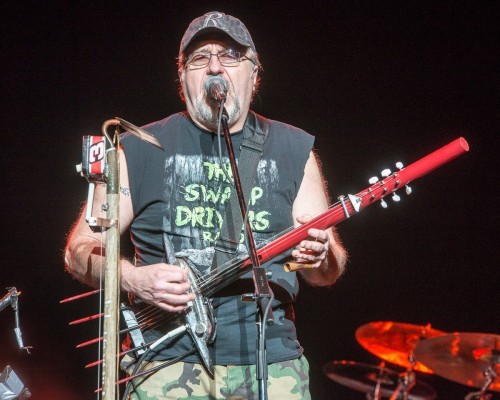
Opening for MTB was Utica-area bluesmen The Swamp Drivers. They brought a large following with them to the Stanley too. A quick glance around the audience showed as many Swamp Drivers shirts as MTB shirts. What sets the Swamp Drivers apart immediately is their odd collection of instruments, all homemade. Guitarist Terry Johnson performed much of the set using a guitar made from a Revereware frying pan, it also made an appearance later on in the hands of MTB guitarist, Hicks during the aforementioned performance of “Take the Highway.” Other unorthodox instruments making an appearance in their set included a one-string hoe, dubbed “Ida,” Phil Diehl’s garbage can drum set, and Tom Guidera’s hybrid cello-bass, a repurposed cello acquired without a neck that has a traditional bass guitar fretboard and headstock built into it.
The Swamp Drivers had the hometown fans dancing in their seats with a bluesy set of originals with sounds reminiscent of ZZ Top or George Throrogood.
The Swamp Drivers were chosen from many local entries to open the show. In an interview with WKTV, Johnson could barely contain his excitement. As a lifelong resident of the area who has always wanted to perform on the Stanley Theater stage and a long time fan of the Marshall Tucker Band, Johnson declared Thursday’s show a double check off his bucket list.
When the Swamp Drivers finished their set, the audience rose for a standing ovation, a dream come true for this time-tested band of New York State Blues Hall of Famers (The band was inducted in 2014).


 Saturday, Alexander revealed via his Instagram, that he recently had another heart attack: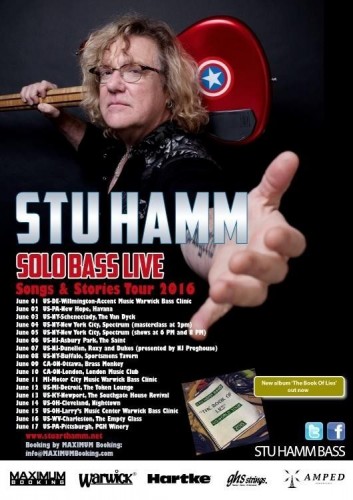
 Despite the devastating news, the iconic Canadian band still plans to tour one more time this summer. In the statement, band members said: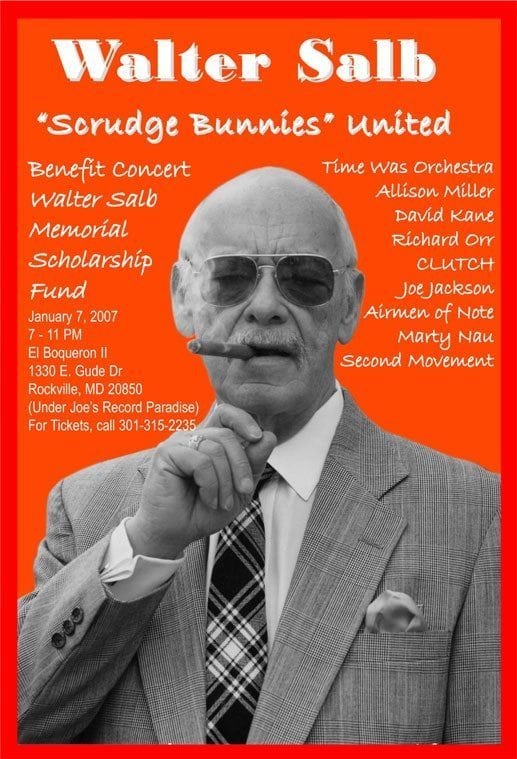


 In a statement, Walters said:
 Cage had tough acts to follow on this night. The earlier bands on the bill all delivered solid performances. Veteran Los Angelinos,