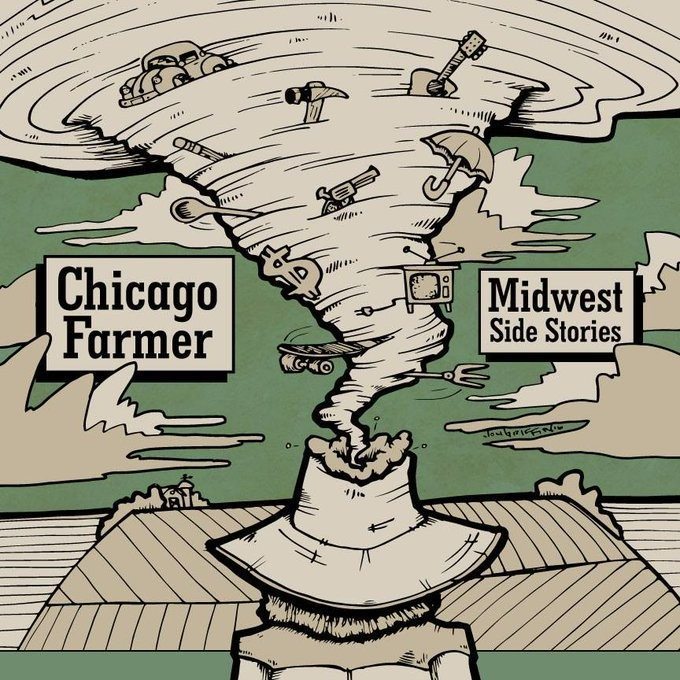
Chicago Farmer recently released his seventh studio album, Midwest Side Stories, which debuted on September 30, 2016 on his Chicago Farmer record label. It’s the follow-up to 2013’s Backenforth, IL. Chicago Farmer is the nom de plume of Illinois-based folk artist Cody Diekhoff, who has spent the last decade barnstorming bars and theatres across his native Midwest, traveling far and wide, through dim towns and bright cities alike, to perform for a growing legion of appreciative fans. Diekhoff was born in tiny Delevan, IL, has spent significant time in Chicago, and currently calls Bloomington, IL home. It’s these localities, which are largely defined by the sordid power dynamics surrounding them, that make up the backdrop for his blue-collar ballads.
Distilled to its essence, Midwest Side Stories is a concept album, one centered around the workingclass struggles of the people of Tazewell County, Illinois. The concept, while in league with Sufjan Stevens’ Illinois, is less sprawling, more localized, and reads sort of like Sherwood Anderson’s short-story collection Winesburg, Ohio, yet its themes are more aligned with those of another famous Illinoisian, the poet and folk singer, Carl Sandburg.
The opening track, “Umbrella,” a seemingly autobiographical take on the life of a folksinger with a rainy day plight and a ticket to ride, acts as an overture, setting the stage for the strugglers that Chicago Farmer will routinely call into the limelight over the course of the album. The track takes its name from a simile built into the first verse, which provides an inside look at the inspiration behind the songs, while also detailing the apparent relationship between the folksinger and his subject. The first-person narrator sings:
I went searching for some kind of meaning
Like words looking for a page
Came up empty and full of worry
That nothing could cover the pain
And these songs and stories
Began unfolding like an umbrella in the rain.
I want to write you a sad, sad song
That I hope will make you smile
And we could pass it along
We’re only here for a little while.
The track also sets in motion the album’s most resonant message: that storytelling is important, and that it’s equally important how one goes about it. Here, Chicago Farmer delivers a well-constructed acoustic guitar tune that’s tinged with electric honky-tonk guitar fills, and hinges on his shaky and crisp, rich as honey vocal performance, complete with emotional tension, brief yodeling, and a crafted message. And while there’s some slick lines in “Umbrella,” such as “we’ve been trying to find our way through the darkness of our minds,” we also see the traces of Chicago Farmer’s major weakness as a songwriter, that there’s a disturbing lack of particularity, personality, and local detail in these folk tales, while there’s an abundance of flat lines and forced rhymes that advance the story by length alone.
One song in and I’m totally going for Chicago Farmer’s voice, as it’s reminiscent of Ryan Adams during the Cardinals era, while the song itself sounds more like something from Kentuckian Stoll Vaughan’s catalogue, but I’m definitely not sold on the lyrics.
When the second song, “The Revolving Door,” hits, it’s high drama from the jump. Shrill, Neil Young inspired harmonica tears through the song like a factory whistle, while the ominous bass and drums lugs a gurney of carnage out of what seems a folk music netherland, some gruesome place from which the Byrds’ “Lover of the Bayou” once emerged, and from whence Chicago Farmer’s authoritarian boss figure comes, wielding a trembling falsetto warble like a razor, his voice haunted with the spirit of Will Oldham and bent on corporate enforcement.
After the first verse, the song breaks suddenly into a bewitched surf-hued anthem that takes up the point of view of a worker caught in this exchange, who’s prideful in repeating “I’m a worker / Not a number,” yet fully aware that the boss dictates he always get “back in line.” Finally, the song increases in tempo and intensity, building up to the climactic moment, in which the blazing harmonica returns, as does the voice of the boss figure, who informs the worker, “saddened to tell you, sir / you don’t work here anymore / pack your things and your feelings / and head on towards the door.” And while the title seems to allude to “revolving door” politics, the song is essentially about the binary bind of incorporated power and its grip on a vulnerable labor force.
Two songs in and Chicago Farmer has me captivated by his voice, impressed by the careful structures inherent in his songwriting, and excited about the range so far displayed.
The next three songs, “Rocco and Susie,” “Skateboard Song,” and “Two Sides of the Story” provide the album’s most on-the-nose references to Tazewell County. “Rocco and Susie” is a stripped down, bluegrass-tinted ballad featuring acoustic guitar, tambourine, and backing vocals. There’s a slow setup as the song unfolds. The couple described, at first, “seem like your typical neighbors / [whose] children were somewhat behaved,” but, ultimately, the family succumbs to the sordid afflictions facing Tazewell County: the stock market crash, factory job loss fallout, crystal meth addiction and production, police intervention, and the dissolution of their family. While Rocco and Susie at least have names to which one can connect, they serve merely as stock pieces, with all evidence of their personalities and the sweat of their struggle erased, in what reads as basically a reductive critique of a changing economy, from which the only thesis adduced from the ordeal is simply that one should “stick to smoking grass and drinking beer.”
“Skateboard Song” gives another passing glance at some of the participants in the local goings-on in Tazewell County, this time from the view of a first person skater riding through town; however, the characters involved in the story are warped by the lighthearted, uptempo, musical-theater style satire Chicago Farmer employs in critiquing smalltown social ills and the misguided laws meant to curb them. Every authority in town, from the signs to the cops to the judge, has only this to say, “skateboarding is bad,” which is always followed with why don’t you “take up guns” or “do some harder drugs,” or some other such miscreant behavior, and only a pop-punkish jingle by which to convey it. While the idea of making a powerful metaphor out of the skateboard has great promise, the execution is tepid, and listeners are left with a less than revolutionary assault on the powers that be.
“Two Sides of the Story” is a John Prine-esque portrait of the small town heartbreak and struggle that seems to typify the experience Chicago Farmer presents to his audience. It’s another stripped down acoustic guitar tune, with piano and harmonica accompaniment, and featuring Chicago Farmer’s twangy vocals. From his point of view, middle America is a place divided exponentially in twos, where the politicians are feckless liars and misinformation abounds, where the media is a gluttonous machine and working-class reality its fodder, where living’s dying and dying living.
And here Chicago Farmer uses his highly developed sense of songcraft to portray a growing chasm dividing Americans along intangible lines. In the chorus, he sings “there’s two sides to every story, there’s two sides of every town / the side of town that tells the story and the side where the story went down,” which calls attention to the gap between product and producer that outlines the larger conflict at stake. He adds depth to this stance throughout the song, stringing together artful, impactful lyrics that diagnose the worsening situation while adding some political punch. Take for example this stanza that highlights the gulf between the words and actions of politicians:
There was a lawmaker whose laws never made any sense
So he started making promises on both sides of the fence
Double-crossed his fingers every other time he smiled
Shook hands across the country, couldn’t reach across the aisle.
Whereas, Chicago Farmer’s other story songs do well to elicit many concerning issues, they mostly fall in short driving home a moral lesson, however, “Two Sides of the Story” succeeds in convincing the audience that storytelling is important and that it’s even more important to “get your story straight.”
Halfway through and Midwest Side Stories has proven Chicago Farmer’s obvious talents, namely songcraft and singing, but, in comparison with one another, the songs are quite uneven. In fact, “Two Sides of the Story” marks the high point of Midwest Side Stories, but it also marks the point at which the album takes a turn for the worst.
“New Used Car” is an easy listening diddy with an attractive pedal steel part, but the trite subject matter and blithe singing give it the taste of Diet Springsteen in a can, while the feathery lyrics secure this tune’s place as the Americana version of those riding-around-town-in-a-pickup-truck revelries celebrated on pop country radio.
The next tune, “9PM to 5,” is a straightforward country-tinged rock song in the manner of Los Lobos, which describes the life of a graveyard shift worker, but nothing ever develops regarding his situation and it’s difficult to know what Chicago Farmer is trying to invoke here.
An uptempo fiddle-number follows with the Carter Family styled singalong “Farm and Factory,” which details the working backgrounds of the narrator’s family. Chicago Farmer’s aim here seems directed once more at a changing economy, one that used to provide satisfactory jobs for Midwesterners, either on farms or in factories, but has since rendered these institutions defunct, leaving the people in search of opportunity. He sings “thank God for the farm and the factories / thank the devil for the factory farm.” In retelling this brief, mostly detail-less history, however, it appears that Chicago Farmer’s concern is not truly complex economic despair and worn down, hardworking individuals who need a voice lifted on their behalf, but something more aligned with joining his voice in a nostalgic rank and file of troubadours singing work songs.
The album’s penultimate song, “Homework,” continues in making rather obvious social observations, partly in reference to environmental destruction and denial, while placing the blame on a wide, vague swath of the citizenry, for which a cloudily aware, altruistic, and populist “we” becomes “the kid who does everyone else’s homework,” which precludes his half-hearted rallying cry, “we have a chance if we can enhance the number of us who’ll stand.”
Midwest Side Stories concludes with a cover of John Hartford’s “I’m Still Here.” The approach to the song is reminiscent of Houser-era Widespread Panic, with whetted guitar leads, a solo section, a marching drumbeat, and savory vocals. It’s also refreshing to hear lyrics matching the high-stakes political matter at which the originals often obscure or only gesture toward, rather than point at, and it goes a long way in fleshing out the album’s narrator and vision to hear Chicago Farmer howling:
My cigarettes are gone and so’s my money
So are all my nerves and all my teeth
My hair’s falling out, I’m looking funny
My friends are either dead or on relief.
When the last note ceases and the dust settles over Midwest Side Stories, what’s left is a readily accessible and highly entertaining volume of country-fried ballads in the Americana tradition, and while the songwriting is polished and the playing refined, the final product lands somewhere shy of the ambitious summit it sets for itself in the early going. Listeners get merely a glimpse of the broke-and-busted life and times of the folks of Tazewell County, Illinois, as the gritty detail and sludgy realism is mostly omitted, and the characters who appear in these weary tales are not granted the shape of their struggles or the use of their authentic voices, as Chicago Farmer flattens them to fit the contours of his traditional songwriting and the bent of his buttery vocals.
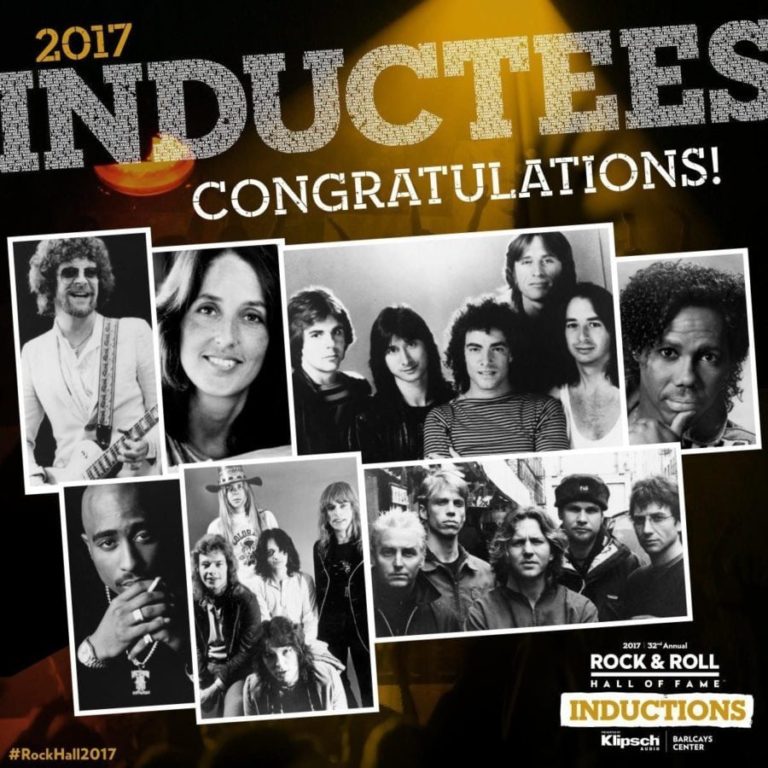
The Rock and Roll Hall of Fame announced today that seven new inductees will be enshrined in 2017, including three New Yorkers among them – Joan Baez, Tupac Shakur, and Nile Rodgers. Rodgers gets the nod for the Hall’s Award for Musical Excellence, as well four classic rock bands, Electric Light Orchestra, Journey, Pearl Jam, and Yes.
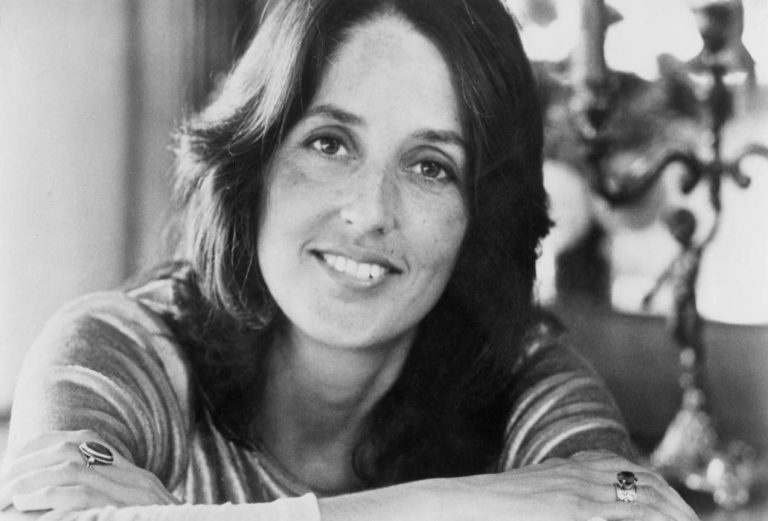
Joan Baez, who is from Staten Island, NY, came to prominence following her performance at the 1959 Newport Folk Festival. While Baez is a talented songwriter in her own right, she is equally well known for enthralling interpretations of classic songs, helping other songwriters, especially Bob Dylan, achieve greater notoriety; and more importantly, Baez remains a longstanding advocate for human and civil rights.
Yes formed in 1968 in London, and despite undergoing many lineup changes, they have persisted in bringing virtuoso prog-rock to adoring fans around the globe for more than forty years. Led by frontman Jon Anderson, guitarist Steve Howe, bassist Chris Squire, drummers Bill Bruford and Alan White, and keyboardist Rick Wakeman, Yes created some of the most iconic music of the prog-rock era, including the hit song “Roundabout” and the epic album Close to the Edge.
Electric Light Orchestra, the brainchild of Jeff Lynne and Roy Wood, began in 1970 in Birmingham, England and went on to sell over fifty million records worldwide. Melding a Beatles-like pop-rock sensibility with grandiose, classically-inclined orchestration became ELO’s hallmark, and led to their success with singles such as “Can’t Get It Out of My Head,” “Evil Woman,” “Strange Magic,” “Livin’ Thing,” “Telephone Line,” and “Mr. Blue Sky.”
Journey entered the rock n’ roll landscape from the psychedelic San Francisco scene in 1973, spearheaded by ex-Santana players Neal Schon and Gregg Rolie; but it was the addition of renowned vocalist Steve Perry, in 1977, that propelled them to rock stardom. Their 1981 album Escape is one of the landmark’s of the stadium rock era and features their international smash hit “Don’t Stop Believin’,” which remains a cultural mainstay today.
Unlike most of this year’s inductees, Pearl Jam did not have to wait long to enter the Hall after becoming eligible. Bassist Jeff Ament, guitarists Stone Gossard and Mike McCready, singer Eddie Vedder, and drummer Matt Cameron came together to launch Pearl Jam from the Seattle grunge scene into the rock n’ roll stratosphere. On the backs of five platinum albums (Ten, Vs., Vitalogy, No Code, and Yield), decades of fan-centric touring, and dozens of indelible collaborations, Pearl Jam stands as one of the most successful bands in rock history.
Tupac Shakur, who was born in East Harlem, NY, is entering the Hall on the strength of his infamous and poetic brand of “west coast” rap. Tupac first broke onto the scene as a member of Digital Underground in 1991, and was murdered at the age of 25 in 1996, but in the five years between he released two albums that went ten times platinum with All Eyez on Me and Greatest Hits, penned two number one hits with “California Love” and “How Do U Want It,” starred in several Hollywood films, and sold over 75 million records.
In addition to the six performers being inducted in 2017, Nile Rodgers, a New York City native, will receive the Award for Musical Excellence. With bassist Bernard Edwards, he formed the iconic disco band CHIC in 1977, which produced the hits “Le Freak” and “Good Times,” on their way to becoming the cornerstone of the Studio 54 dance scene. Then, beginning with Sister Sledge’s “We Are Family” in 1979, Rodgers went on to cultivate a spectacular career as a producer, which saw him work his magic on classic albums for the likes of Diana Ross, David Bowie, INXS, Madonna, the B-52s, Jimmy and Stevie Ray Vaughan, and Daft Punk.
The Rock & Roll Hall of Fame Induction Ceremony, the 32nd annual, will be held at Brooklyn’s Barclay’s Center on Friday, April 7, 2017. Ticket on-sale dates will be announced in January.
Bassist Tony Markellis, best known for his work with the Trey Anastasio Band, The Mamas and the Papas, Paul Butterfield, David Bromberg, and his own group, the jazz ensemble Kilimanjaro, will be playing a host of local shows in the Northeast to close out 2016.
On Sunday, Dec. 4, Markellis will join the Burns Sisters, a folk duo from Binghamton, performing their holiday show at Caffe Lena in Saratoga Springs. Then, on Friday, Dec. 9, he will return to Caffe Lena with Jeanne O’ Connor and the New Standard to treat Saratoga Springs to fresh renditions of classic hits from the 1960s and 70s. Next, performing with moe. drummer Vinnie Amico’s side-project, the progressive newgrass outfit Floodwood, Markellis will travel to Wilkes-Barre, PA for stops at the Jazz Café on Saturday, Dec. 10, and for a private concert on Sunday, Dec. 11.
Markellis returns to New York, rejoining the Burns Sisters for their holiday shows at the Hangar Theater in Ithaca on Friday and Saturday, Dec. 16 and 17, and at Six on the Square in Oxford on Sunday, Dec. 18. Lastly, in bringing 2016 to a close, Markellis will reunite with his longtime running mates in Kilimanjaro for a New Year’s Eve performance at the First Night Burlington festival.
And don’t miss a chance to see Markellis with the Trey Anastasio Band this upcoming spring. New York fans will get first crack at TAB tour with two Capitol Theatre shows on April 14 and 15.
Post-punk sensations The Jesus and Mary Chain have been getting back up to speed of late. In 2014 and 2015 they played several tour dates in the run up to last year’s release of Live from Barrowlands, and now longtime Jesus and Mary Chain handler Alan McGee, of Creation Records, has announced that the band is set to release a new studio album in March 2017 on Warner Brothers Records. In an interview with CBC Music, McGee exclaimed, “they’ve made another album. It’s a big deal! It’s unbelievable.”
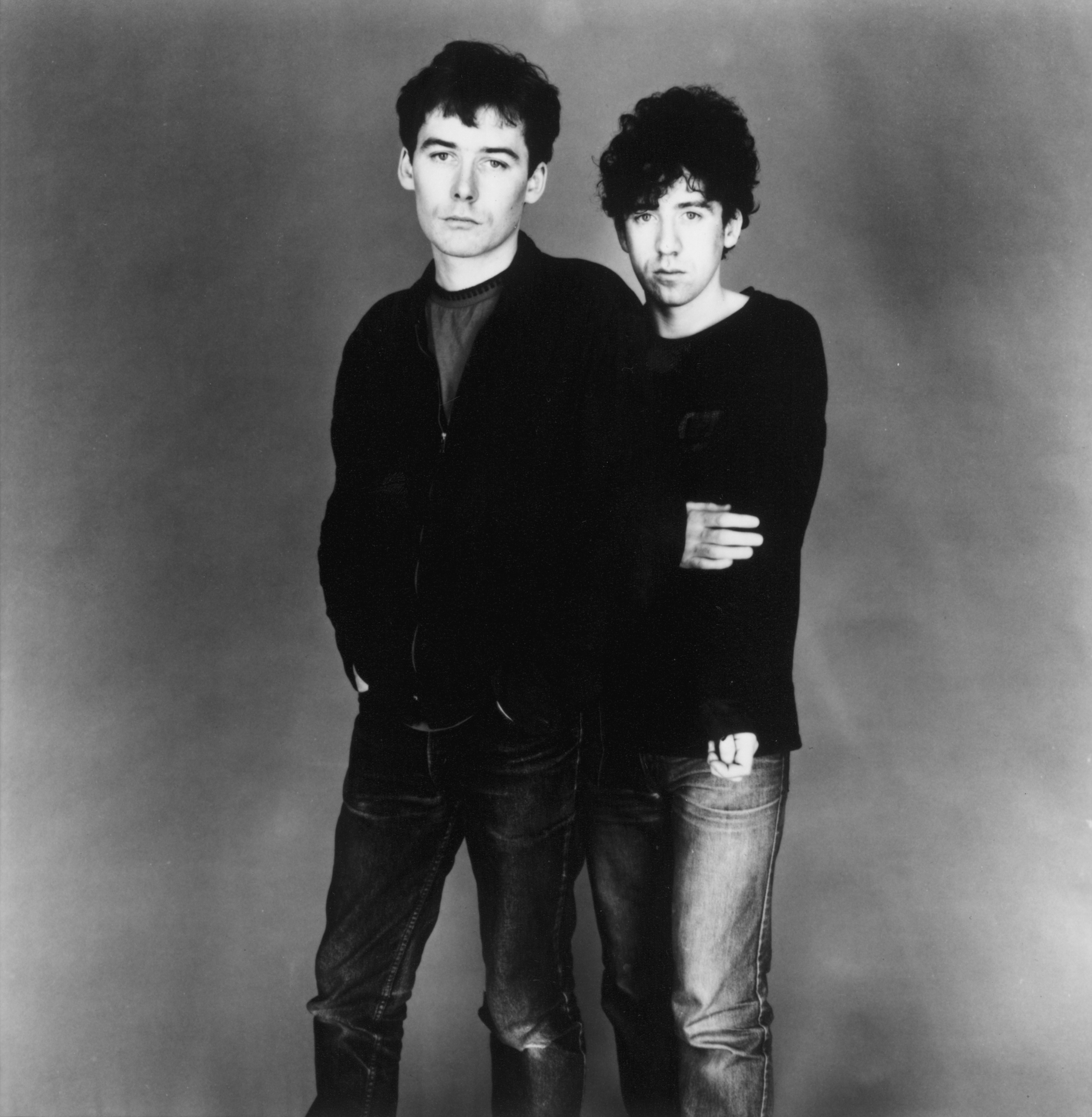
While the Jesus and Mary Chain, led by brothers Jim and William Reid, released a compilation record, 21 Singles, in 2002, the upcoming release will give fans their first dose of new material since 1998’s Munky. Eighteen years is a long time to wait, but this announcement comes as a taste of candy for all the devoted fans who feared this day would never arrive.
No tour dates have been announced in support of the new release as of yet, however, there remain three chances to catch The Jesus and Mary Chain live in the act before the year ends. The brothers Reid, who are now joined by Scott Van Ryper on guitar, Mark Crozer on bass, and Brian Young on drums, will take the stage at the Georgia Theatre in Athens on December 13, 2016, followed by a performance at The Masquerade in Atlanta, GA on December 14, and then a trip to New Orleans for a show at The Joy Theater on December 16.
Click here for further details, including tickets, and check out the official video for “You Trip Me Up,” from 1985’s landmark release Psychocandy.
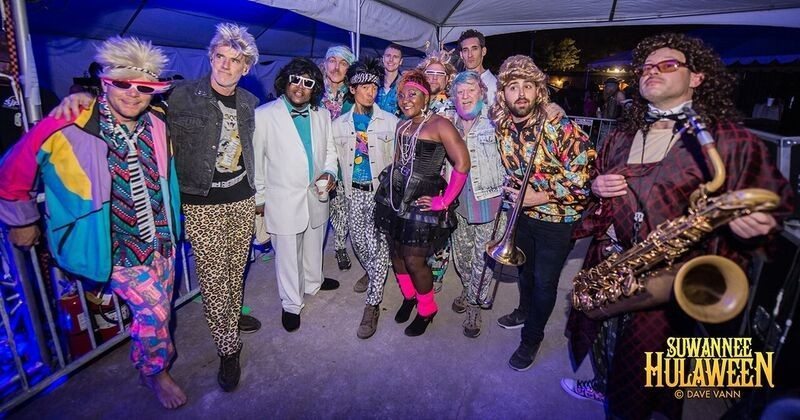
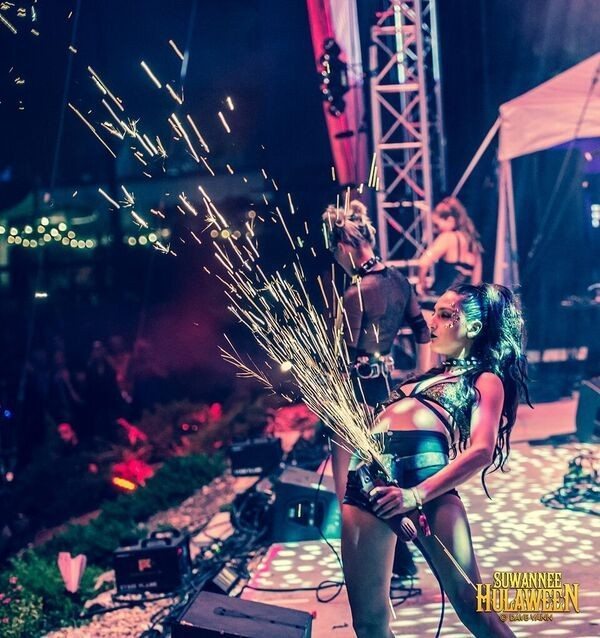
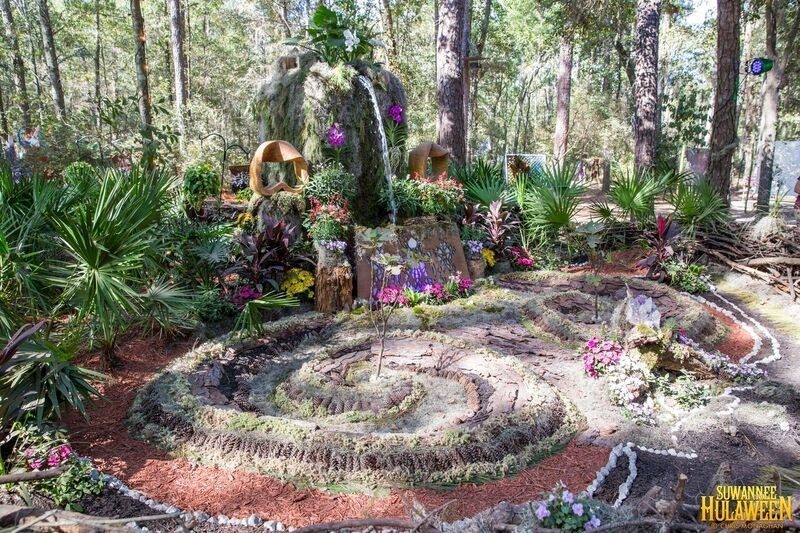
Suwannee Hulaween brought together the most eclectic group of music lovers one could imagine in closing out festival season 2016 with a bang. The folks from Silver Wrapper teamed with Purple Hat Productions to transform The Spirit of Suwannee Music Park into a psychedelic imaginarium complete with mind-boggling art installations, a Ferris wheel, timely pyrotechnics and a silent disco which played host to the wildest weekend-long costume party in the east, featuring a star-studded lineup of the world’s best acts.
Without a doubt, the artists, presenters, producers and park staff created a dazzling festival, spectacular for its out-of-the-box design, lively collaborations, and action-packed schedule. But Suwannee Hulaween has also cultivated an efficient and functioning logistical infrastructure that offered attendees a pleasurable and convenient experience built on a system of freedoms and cooperation which eschewed many of the customary delays, shortcomings and traffic jams commonplace at other high-caliber festivals. The park is set up with multiple entrances, free trollies to and from the stage, several bathhouses with showers, general stores, lake and river access, VIP sections, a wide array of food vendors and craft beer by Lagunitas and dozens of other vendors, all conveniently arranged to give patrons equal and open access to the amenities. In lieu of the strict parking policies at many major events, which force campers to set up in order of arrival, thus making it more difficult to get a camping spot of one’s liking or to set up with late-arriving friends, at Spirit of Suwannee one is free to search the park at leisure to locate and carve out a one-off spot among the many acres of primitive forest or field camping.
The real charm of Hulaween, however, is not the grand masquerade of free spirits in costume, but the down-to-earth people who don the masks, most of whom are every bit as clever and farfetched as their various disguises. Among these dedicated showgoers, it was impossible not to learn some minuscule factoid about an artist, relive some major microcosm of a previous set or gain some fresh perspective on the whole scene just by exchanging stories. And it was indeed refreshing to see so many local and regional fans in full-throated support of one of the premiere venues in the South and equally encouraging to learn that thousands of fans journeyed substantial distances for the get-down. Walking from show to show, stage to stage, one was as likely to cross paths with a new friend from Live Oak, Miami or Tallahassee as one was to encounter an old friend from Oregon, New York or especially Colorado, a state so well represented at Hulaween that it deserves its own shoutout for sending such a huge, good-timing delegation of devoted fans and badass performers including The String Cheese Incident, Big Gigantic, The Motet, Sunsquabi and Grant Farm.
Thursday
The Spirit Lake and Campground stages hosted the pre-party’s first shows. Florida’s own, Grammy-winner, Trae Pierce and the T-Stones, lit the wick on the weekend, treating fans to their fierce style of funk. Meanwhile, Future Vintage delivered a hip-hop set to open the Campground stage. Marco Benevento’s dance rock trio brought out a solid crowd of earlycomers to the Amphitheater, colloquially known to Spirit of Suwannee veterans as the “Mushroom stage.” After three shows, fans had already been exposed to three genres of music, thus setting the tone early as radical genre exploration became an ongoing motif throughout, delighting the audience with shock after surprise in culling notes from the far reaches of artistic possibility.
The next round of shows followed in suit, bringing two more musical perspectives into the mix as Grant Farm, a rocking Americana act with deep bluegrass and country-blues roots, played the Spirit Lake stage while Unlimited Aspect blazed the trail for the EDM acts to follow. Next, two String Cheese Incident SCIde projects took turns prepping the audience for the evening’s headliners. First up, Kyle Hollingsworth let SCI fans sample the funk ahead of SCI’s headlining sets, dropping a full dose of keyboard wizardry on the crowd. Eoto stepped in next, adding Borahm Lee of Break Science on keys and Jake Cinninger of Umphrey’s McGee on guitar, putting the night on the fast track with a crunchy set of improvised jams that left the audience raving and ready for more. Then, the Ohio-based rockers The Werks got in on the action, jolting Suwannee into the right frame of mind with a cover of “Frankenstein” before giving way to the pre-party headliners.
Umphrey’s McGee wasted no time and unleashed a first set loaded with classic cuts and rarities that had to satisfy at least some of the jaded Umphreaks out there chasing songs. Highlights included “Rocker 2,” “Blue Echo,” “Resolution,” “Robot World” and “Wife Soup.” Fruition, the almost acoustic and always soulful grass band, and Florida jam favorites The Heavy Pets kept the people dancing and/or otherwise raging before Umphrey’s returned for a second set of face melting funkmetal. The whole set flowed seamlessly, beginning with the dance track “Bad Friday” which transitioned into the headbanging anthem “Mulche’s Odyssey” that was followed by a raucous rendition of Bowie’s “Let’s Dance.” As the show progressed, people continued to stream in, joining the growing ranks at the Amphitheatre and filling the tightening space with an edgy, intense energy that seemed to feed into the band’s playing which took on a sinister tone and ferocious tenacity. Jake Cinninger’s ninjaesque guitarwork was on full display on “Nothing Too Fancy” which segued into “Speak Up.” Another fan favorite, “Ocean Billy,” allowed Brendan Bayliss to show off his vocal prowess and then went back into the end of “Nothing Too Fancy.” Umphrey’s then wowed fans with the encore by dropping a breakneck version of “Slacker” which went on to segue back into the finish of “Ocean Billy,” leaving fans awestruck, impressed and primed for the weekend. Check out fan shot footage below.
Greensky Bluegrass brought Thursday’s live action to a close with yet another genre-bending set of tunes, twice fitting a “Back Dat Ass Up” jam into their set which also featured a cover of Dire Straits’ “Money For Nothing” as well as fan favorites “Train Junkie” and “Windshield.”
Friday
Friday was easily the busiest day of the festival, offering attendees a more-than-you-can-eat buffet of performances collected from every corner of the musical universe. J4CK D4NK led off the afternoon with a DJ set, the first performance at the Patch stage, then Orlando locals Kaleigh Baker and the Groove Orient broke in the Meadow, Hulaween’s main stage, by effortlessly weaving rootsy grooves and soaring vocals into the placid breeze and pleasant afternoon vibes. Next up on the Meadow stage was the reunion of superband Russo, Benevento and Burbridge, featuring three of the tastiest players on the circuit, all of whom were coming together following deep water dives in the Grateful Dead tank with JRAD and Dead and Company, respectively. The set was essentially a master-level workshop of raw improvisation and complex musical expression.
Friday’s schedule was stacked high with major national touring acts, but organizers left plenty of room for a number of the up-and-coming groups that are well on the way to becoming household names in the near future. Mungion, a guitar-driven band hailing from Chicago, and their Windy City cohorts, the electronic rock group Future Rock, both impressed with sets at the Amphitheatre. The ascendant jamtronica trio Sunsquabi played a highly anticipated set to a packed house at the Spirit Lake stage which then went on to host the futuristic soundscape artist Slow Magic. And while Hulaween gave a plethora of new artists the chance to attract new fans, they had to earn it as many of them were in conflicting time slots. Live hip-hop/RnB group Anderson .Paak and the Free Nationals, master beatmaker and dance engineer Boys Noize and progressive jammers The Fritz all had to compete for their share of the audience in the 11 PM timeslot. But there’s nothing wrong with a little competition, especially since festivalgoers were free to navigate Hulaween’s choose your own adventure-style throwdown with relative ease and a little light walking.
Stashed between the emerging artists and the headliners were four of the tightest, big energy shows of the weekend. Coast-hopping funkateers Karl Denson’s Tiny Universe brought their talents from San Diego to Suwannee, packing the Amphitheatre full of shuffling feet for a mid-afternoon set; then Greensky Bluegrass blazed through a ripping list of bluegrass tunes on the Meadow stage, inviting Kyle Hollingsworth up for “Federico” and Roosevelt Collier up for the closing number, “Ain’t No Bread in the Breadbox;” then Gramatik set up shop at the Patch, hitting listeners with a lowtemp set that had the neighbors chirping all weekend; while Umphrey’s McGee returned to the Amphitheatre for a follow-up and uncorked a furious one-set heater that had the sextet going ham on catalog classics “In the Kitchen,” “Prowler,” “Cemetery Walk II” and “1348,” leaving their devotees waiting in vain for an encore that wasn’t to be.
My Morning Jacket, having already stolen the show, not to mention the hearts of hundreds of concertgoers at festivals all across America this year including Jazz Fest in New Orleans, Austin City Limits, Lockn and the Bridge School Benefit in California, drifted through Suwannee Hulaween on a magic cloud, enlightening and invigorating the massive crowd of animated characters, homemade cartoons and masked ghouls with a subtle, visionary, baleful blend of dark, delicate ballads. The opener, “Wordless Chorus,” set off a harmonious chord that would carryover into the uplifting but foreboding “Compound Fracture.” Then, under the direction of bandleader Jim James, MMJ slipped into more sinister territory on “Evil Urges” and “Lay Low” before caressing the fearful energy away with a moody take on Elton John’s “Rocket Man.” Medicated versions of “Steam Engine,” “State of the Art (A.E.I.O.U.)” and “Tropics” anticipated the resounding, joyous combination of “Circuital” and “Easy.” And, as Jim James led the audience through a singalong of the Commodores’ classic, he bared his hopes for the Hulaween gathering, saying “…I hope you love each other, I hope you tell your friends and your neighbors and your family how much you love them, how much you want us all to be free, to be equal, to treat each other with respect and dignity, everybody, with love, we can never have enough love…” before imploring the people to vote. Cloven-hoofed versions of “Run Through,” “Highly Suspicious” and “Touch Me I’m Going to Scream Pt. II” followed, then, invoking a wretched electoral prescience it turns out, MMJ sent the crowd into hysteria with a cutthroat rendition of Pink Floyd’s “Another Brick in the Wall Pt. II.” They finished the stunning performance with their hit “One Big Holiday.”
All that and no mention so far of the belle of this strange ball, The String Cheese Incident. The energy was tangible stagefront in the buildup before the first SCI set of the weekend. A mob of purple costumed Cheeseheads had the whole Meadow abuzz with anticipation by the time the guys came out, led by Bill Nershi in goggles and glistening turquoise who hit the stage running before quarterbacking a handclapping intro to “So Far From Home.” SCI standards “Rhythm of the Road” and “Dudley’s Kitchen” had the crowd amped before the sixteenth ever performance of “Love is Like a Train.” Lengthy takes on “Betray the Dark” and “Lonesome Fiddle Blues” showed everyone in attendance that the String Cheese Incident has a tendency to set the bar high for themselves, even given the fact that they had six sets yet to go. In true Hulaween fashion, SCI boarded the genre-jumping shuttle and closed their first go-round with Kyle Hollingsworth’s funkrap favorite “Let’s Go Outside.”
The second set started with Michael Kang taking up the fiddle to lead the band through “Hi Ho No Show” and handling lead vocals on “It Is What It Is.” The real story of the set, however, is the three monster jam vehicles that were rolled out in quick succession. “On the Road” clocked in at just under twenty-five minutes while “Shine” and “Howard” both topped the fifteen minute mark. Then, much to the trippers’ delight, the guys encored their wacky mushroom boogie “Johnny Cash.”
Long after the headliners had packed it in, the party raged on. Quixotic threw down a late night set at Spirit Lake, giving partiers all they bargained for and more with their exotic concentrate of drums, violin and EDM, then the Jon Stickley Trio closed it down with one last genre-bending performance of jazz-tinged Americana instrumentals. But the silent disco stayed open as the party animals soldiered on deep into Saturday morning.
Saturday
Much like Friday, Saturday’s lineup offered no respite for the weary and more than enough action to keep the hardiest partiers lit. Nashville rapper MZG fired up the next one at the Spirit Lake stage only hours after the silent disco had cleared out, ushering in another full day of farflung performances. The de facto battle-of-the bands created between the Amphitheater, Patch and Campground stages gave Hulaweeners endless chances to see a broad variety of the most dynamic young acts on the scene, just not all at the same time. Come Back Alice, a fiddle-funk outfit from nearby Sarasota, FL, shared the noon-thirty timeslot with the electronic artist Artifakts; Louis Futon and Marvel Years split the crowd with dueling electronic sets at 2:30; and Manic Focus brought the live band to the Amphitheater while Brooklyn born Snarky Puppy treated an oversized crowd to an artful set of improvised jazz fusion at the Patch. Enjoy footage Snarky Puppy’s set below.
Later in the evening, Rüfüs Du Sol, the chart-topping dance trio from Sydney, Australia, excited fans at the Patch with their sultry vocals, daring leads and exotic beats, while Spirit of Suwannee mainstays Lettuce pumped out the funk for the booty shakers at the Amphitheater, then brought out Alecia Chakour to add her towering vocal talents to “What Do I Have to Do?” and Syl’s Johnson’s “The Love You Left Behind.” The 11:00 time slot hosted simultaneous dance parties sprung from entirely different ethos. Logic laid bare his verbal acumen over a bed of club beats, while frequently engaging the people in amateur-hour stage banter. Then there was STS9, who uttered hardly a word, electing instead to immerse their rabid fan base in deep waves of dope grooves and dense clouds of supersonic subtlety, delivering a relentless set of Tribe favorites, from the opening track “This, Us,” which segued into “When the Dust Settles Reprise,” all the way through the “EHM” encore.
With so many electro-tinted perfomances taking place, the rootsier offerings at the Meadow stage made for a palatable juxtaposition. Iconic picker Larry Keel joined forces with Drew Emmitt, of Leftover Salmon fame, in keeping the grass growing thick and blue, unraveling a set of melancholy mountain music that included covers of Janis Joplin’s “Take Another Piece of My Heart” and Blind Faith’s “Can’t Find My Way Home.” Next up, Brooklyn product Antibalas, an afrobeat jazz ensemble, invigorated listeners with a sunny, swinging show that primed Suwannee for the String Cheese Incident, who then took up residency on the Meadow stage for three full sets.
The revelry began with SCI cutting loose on a relatively new tune, the disco-flavored “Stop, Drop, Roll.” The fellas traded off vocal duties throughout the first set which saw them trot out a pack of fan favorite jam vehicles including “Restless Wind,” “Turn This Thing Around” and “Joyful Sound.” Cheese brought the first round to a close with “Can’t Wait Another Day” which had the audience discombobulated with anticipation for the carefully calculated “Stringier Things” themed set of covers that would follow.
The “Stringier Things” set was an over-the-top production designed to be the climax of the weekend’s festivities. The stage featured the ominous “Stringier Things” text blazoned across the screen, peals of sinister laughter blaring from the speakers, a fireworks display and the whole band in costume, plus SCI invited guest vocalists Rhonda Thomas and Tony White, as well as their friends from the Antibalas horn-section, Martin Perna, Jas Walton, Jordan McLean and Jeff Pierce, to lend a hand on some hits from the 1980s. The show attracted the weekend’s largest crowd and despite a shortage of open space, it was evident that nearly everyone had a costume and an inability to resist the urge to Cheese out. Some of the highlights were “Should I Stay or Should I Go,” The Clash hit central to the first season of the television series Stranger Things, Thomas Dolby’s “She Blinded Me With Science,” GnR’s “Sweet Child O’ Mine,” the B-52s smash hit “Love Shack” and a medley that began with Queen’s “Another One Bites the Dust.” They tricked fans with a “Thriller” tease that segued into “Never Gonna Give You Up,” thus signaling to the Hulaween faithful that they had been Rickrolled, before finishing with the Human League’s “Don’t You Want Me.” Lastly, Cheese encored the only song appropriate to cap off their “Stringier Things” set, the Talking Heads’ anthem “Burning Down the House.”
After a much deserved break, the sextet returned for a third set, jumping immediately back into standard Cheese fare with 2014’s instant classic “Colorado Bluebird Sky” which was followed by a fresh one, with the always smooth Keith Moseley taking the lead vocals on “Sweet Spot.” The next sequence began with “Rivertrance,” then moved into a “Believe>Way Back Home>Miss Brown’s Teahouse” combo complete with a Rubik’s cube jam which saw the audience passing around several giant inflatable Rubik’s cubes, pressing SCI’s authentic improvisational and songwriting chops to the forefront. Another one from 2014’s Song In My Head, “Colliding,” gave the crowd one more well executed jam, then SCI asked their guests back onstage and sent the people into the night on a high note with Stevie Wonder’s “Signed, Sealed, Delivered, I’m Yours.”
While the String Cheese Incident took center stage on Saturday night, organizers did keep the options open for festivalgoers in search of something different. Washed Out threw down a chilly set of ambient jams that won over the crowd at the Spirit Lake stage as did Vancouver-born livetronica band Bob Moses, performing in costume as Guns n’ Moses. And after SCI finished, the Meadow hosted Disclosure’s DJ set. Hailing from Surrey, England, the Grammy-nominated electronic duo kept the heads bobbing late into the night. Meanwhile at Spirit Lake, New Orleans rockers The Revivalists dropped in with one of the strongest performances of the weekend. Their set was funky with a twang, kept up a stomping groove, included original, deliberate lyrics served up in grave rock n’ roll vocals and garnished with two Nine Inch Nails covers, “Closer” and “The Hand That Feeds,” which brought the stew to a hard boil. After The Revivalists, Spirit Lake housed the evening’s final live air performances as Larry Keel and Jon Stickley collaborated for an Americana styled guitar freakout, then South Florida natives Grass is Dead brought it all to a finish with a set of bluegrass-leaning Grateful Dead arrangements.
Sunday
Hulaween’s final day, although a much shorter affair, stayed in sync with its predecessors, providing a bevy of diverse performances across the several stages. The Travelin’ McCourys initiated the early afternoon action on the main stage, bringing their storied bluegrass chops to the Meadow, while El Dub impressed at the Spirit Lake stage with his hip-hop infused one-man band project. Spirit Lake also welcomed a full roster of arists of the rise, including reggae funk rockers Spritual Rez, San Francisco-based electronic artist Illenium and experimental Australian DJ What So Not, all of whom added their efforts to Hulaween’s burgeoning pool of creativity.
Once again, the Patch, Spirit Lake and Campground stages split up the audience with a variety of peak performers. Standouts amongst the numerous options were The Motet, who crafted a designer set of Rocky Mountain funk for the Amphitheatre, while Thriftworks followed the previous night’s fire-domed set with an afternoon jump-off at the Patch. Adding yet another layer to the mosaic, Rebelution administered a dose of roots reggae that had everyone swaying in unison. Meanwhile at the Patch, the Brit-pop duo Oh Wonder stitched yet another genre into the Hulaween quilt, giving fans a taste of their catchy originals. The final round of shows on these secondary stages pitted up-and-coming Chicago electronic duo Louis the Child against newly instated superband The Claypool-Lennon Delirium who mesmerized a hard listening audience with a brooding set of feverish psychedelic sludge, one that included the uncanny pairing of Primus’ “Southbound Pachyderm” with the Beatles’ “Tomorrow Never Knows.”
As they did the two evenings prior, the String Cheese Incident put on their big shoes and held down the Meadow for the bulk of the day. Taking the stage a little earlier for a 3:00 set, the battle-tested jamsters got down to brass tacks once more with “Song In My Head.” On a night when SCI enlisted a number of friends to lend a hand, Tyler Grant of Grant Farm was the first, helping to nail down “Get Tight,” a new tune he co-wrote with SCI bassist Keith Moseley. The first set ended with a blistering “Rain>BollyMunster” pairing that had the battle-weary crowd bouncing like astronauts to Michael Kang’s cosmic fiddle work.
Paying tribute to their bluegrass backstory, SCI invited the whole Travelin’ McCoury gang up for the start of their seventh and final Hulaween humdinger. They led off with the oft-covered Stanley Brothers’ classic “How Mountain Girls Can Love,” dusted off the traditional folk ballad “Shady Grove,” then tackled the Rusty Wier tune “Don’t It Make You Wanna Dance.” More rousing jams and sit-ins followed as Dominic Lalli, of Big Gigantic notoriety, and Joey Porter, from The Motet, joined SCI for a sexy strut through “Freedom Jazz Dance,” then Jeremy Salken, also from Big G, came out for the “Round the Wheel > Percussion” segment before Dom Lalli returned for the String Cheese Incident’s final sendoff, laying down sax on the boundary-defying rager “Beautiful,” a fitting finale as the tune perfectly encapsulated the eclectic Hulaween adventure in one nugget.
After Sunday headliners The Claypool-Lennon Delirium and the String Cheese Incident tore through Hulaween, it was up to festival closers Twiddle and Big Gigantic, featuring the Motet, to clean up the debris. Vermont trailblazers Twiddle packed it in for the final time at the much beloved Spirit Lake stage, opening with “Subconscious Prelude,” a lyrical, piano-led ballad which bled into the saucy reggae-dressed number “Jamflowman.” The alchemic foursome tested their improvisational limits, only walking out five songs for the entire set which also included the uptempo “Doinkinbonk,” guitarist Mihali Savoulidis’ vocal romp “Every Soul” and one of 2016’s trippiest new releases, the no holds barred headbanger “Blunderbuss.”
Meanwhile, over at main stage, Boulder-based livetronica duo Big Gigantic, featuring members the Motet, was busy taking the opposite approach as Twiddle, helicoptering through a dizzying magazine of new material, standard jams and radio hits that had the Meadow breathing hard and screaming for more. Highlights from the set included a combination starting with a remix of Kanye West’s “Get Em High” which moved into the new song “Highly Possible” and was followed by 2014’s “Blue Dream” and a soaring take on Fat Joe and Remy Ma’s “All the Way Up.” Big G also paid homage to SCI’s Rickroll prank by wheeling out Michael Jackson’s “Thriller,” but instead of merely teasing it, they let it ride and added a drum jam to boot. In bringing it to a smashing finish, Big G whipped the audience into a frenzy one last time with new songs “Miss Primetime” and “All of Me,” then closed with the always raucous “Touch the Sky,” sending the cast of Hulaween characters out of the upside down and back into the real world again.
The Swedish Academy announced today that it will award the 2016 Nobel Prize in Literature to Bob Dylan “for having created new poetic expressions within the great American song tradition.” The announcement breaks with convention, as past recipients of the prize have composed primarily in one or more of the traditional genres of fiction, poetry, non-fiction, or drama.
According to the New York Times story by Altar, Chan, and Sisario, “the Nobel comes with a prize of eight million Swedish kronor, or just over $900,000. The literature prize is given for a lifetime of writing rather than for a single work.” Dylan is the first American to receive the honor since Toni Morrison in 1993.
Photo by Kevin Lamarque / Reuters
Dylan is widely recognized as one of the most influential artists of the twentieth and twenty-first centuries, having been inducted in to the Rock and Roll Hall of Fame in 1988, while receiving twelve Grammy awards, an Oscar, a Golden Globe, a special citation from the Pulitzer prize committee, Kennedy Center honors, a National Medal of Arts, and the Presidential Medal of Freedom along the way. With this capstone achievement, Dylan has indubitably fulfilled the destiny many of his fellow musicians ascribed to him long ago. As Jerry Garcia had it, “Dylan gave rock n’ roll the thing I’d wished it had when I was a kid—respectability, some authority. He took it out of the realm of ignorant guys banging away on electric instruments and put it somewhere else altogether.” Though Garcia did not live to see it, we now know that ‘somewhere else altogether’ is to be among the planet’s foremost creators and thinkers in the annals of the Swedish Academy.
Bob Dylan was born as Robert Allen Zimmerman May 24, 1941 in Duluth, MN, and was subsequently raised in nearby Hibbing, MN. At the age of nineteen, he cut out for Greenwich Village with a few songs and a guitar, a wannabe folk singer following in the footsteps of Woody Guthrie. It was during this time, while performing at coffeehouses like the Gaslight Café and the Café Wha? that he honed his songwriting talent, cultivated his creative persona, and whetted his deft delivery to a razor-sharp edge. With the help of famed producer John Hammond, he released his eponymous debut in 1962. Its follow-up, The Freewheelin’ Bob Dylan came out in 1963, and when the folk trio Peter, Paul, and Mary recorded the timeless single “Blowin’ in the Wind,” it skyrocketed to number two on the Billboard charts, thus catapulting Bob Dylan into the American consciousness. In August of 1963, at the age of twenty-two, Dylan, accompanied by Joan Baez, performed “When the Ship Comes In” and “Only a Pawn In Their Game” at the March on Washington for Jobs and Freedom just before Dr. Martin Luther King, Jr. delivered his “I Have a Dream” speech.
Over the course of his decades-long career, Dylan has confounded audiences at every turn. In 1965 he took the Newport Folk Festival by storm, toppling the acoustic expectations of the folk enthusiasts in a blaze of electric guitar-driven guerrilla rock heretofore unknown, declaring “I ain’t gonna work on Maggie’s farm no more,” and taking the whole of pop music with him. In 1966, during the height of a hugely successful foray into electric rock, which saw the release of Bringing It All Back Home, Highway 61 Revisited, and Blonde on Blonde, following a devastating motorcycle crash, he disappeared from the scene altogether, holing up with The Band in Woodstock, NY to work on The Basement Tapes in secrecy, which would not be released until 1975. Of this period, Allen Ginsberg said, “He was writing shorter lines, with every line meaning something. Each line had to advance the story, bring the song forward…There was to be no wasted language, no wasted breath.”
Photo by Billy Name, 1963
More surprises followed in the coming decades, as Dylan went on to record a country album, 1969’s Nashville Skyline, score and star in the 1970 film Pat Garrett & Billy the Kid, and embrace a Christian rock phase, during which he released Slow Train Coming in 1979 and Saved in 1980. And in the years leading up to and following the turn of the millennium, Dylan experienced a profound reemergence as a supremely influential songwriter, albeit in a decidedly more jaded, wise, and curatorial register than that of his younger self’s high-strung psychedelic prophecies. His influence spread for the first time to a younger generation in search of stability in insoluble times, and for the second time for an older generation having grown decidedly jaded, wise, and curatorial themselves. Oh Mercy (1989), Time Out of Mind (1997), Love and Theft (2001), Modern Times (2006), Together Through Life (2009), and The Tempest (2012) form the canon for the latter half of Dylan’s recording career, which he has dutifully supported on his “Never Ending Tour,” which has been going strong since 1988. In keeping with tradition, Dylan has continued to defy expectations over the last few years by releasing a trio of classic cover albums, taking on tunes mostly from the traditional Christmas and Sinatra catalogues.
In addition to a prolific songwriting career, Dylan is a recognized painter, poet, scriptwriter, and memoirist. His drawings and paintings have been exhibited in galleries and museums around the world and featured in his Drawn Blank series, his experimental prose-poetry piece, Tarantula, appeared in 1971, a compilation titled “Writings and Drawings” was released in 1973, and his memoirs, Chronicles, came out in 2004.
In what has been a strange and unsurprising autumn already, the announcement of Bob Dylan, a simple song and dance man, as the newest Nobel laureate in literature comes as yet another strange unsurpise. Strange in that, like most aging institutions, we are here to stand witness to the dissolution of the borders and guidelines that have so far constituted the Nobel prize for literature; yet unsurprising because Bob Dylan’s mystic oral erudition is so worthy and deserving of this honor, despite having immigrated from a genre far, far away. Perhaps Kris Kristofferson, the songwriter, actor, Rhodes scholar, and William Blake expert, offered the best summary of Dylan’s body of work, proclaiming, “His songs take us to another level. He is absolutely a poet. He made songwriting into an art form, and made it worthy of committing your soul to.”
For more information, including tour dates and tickets, check out bobdylan.com, and for a full list of this year’s Nobel laureates visit nobelprize.org.
And if you need “something to open a new door / to show you something you seen before / but overlooked a hundred times or more,” then enjoy Bob Dylan’s spoken word performance, “Last Thoughts on Woody Guthrie,” from 1963.
Pioneering English hard-rockers UFO have announced a spring tour commencing March 9, 2017 at Scout Bar in Houston, TX and concluding April 2, 2017 at Brighton Music Hall in Allston, MA. The tour also includes a two-night stay at the B.B. King Blues Club in New York, NY. UFO will be joined on all dates by fellow New Wave of British Heavy Metal progenitors Saxon along with special guest Jared James Nichols. This will be the first time UFO and Saxon have toured together since the 1980s.
UFO is busy in the studio comleting their 22nd album, the follow-up to 2015’s A Conspiracy of Stars, which is reportedly a collection of covers. The current lineup features original members Phil Mogg (vocals) and Andy Parker (drums), as well as Paul Raymond (keyboard/guitar), Vinnie Moore (guitar), and Rob De Luca (bass).
Here’s live footage from earlier this year of UFO playing their classic “Rock Bottom.”
Let Me Feel Your Power, a new double live album from British metal stalwarts Saxon, is due out October 28, 2016 in the United States on UDR Music. Saxon consists of Biff Byford (vocals), Paul Quinn (guitar), Nigel Glockler (drums), Doug Scarrett (guitar), and Tim “Nibbs” Carter (bass).
Check out Saxon performing “Wheels of Steel” in support of their new live album.
Mar. 9 – Houston, TX – Scout Bar
Mar. 10 – Dallas, TX – Gas Monkey Live
Mar. 11 – San Antonio, TX – Alamo City Music Hall*
Mar. 14 – San Diego, CA – House Of Blues
Mar. 15 – San Francisco, CA – The Independent
Mar. 16 – Los Angeles, CA – Belasco
Mar. 18 – Anaheim, CA – The Grove
Mar. 19 – Las Vegas, NV – House Of Blues
Mar. 21 – Denver, CO – Summit Concert Hall
Mar. 24 – Sioux City, IA – Anthem at Hard Rock Casino
Mar. 26 – St. Charles, IL – Arcada Theater
Mar. 28 – Cleveland, OH – House Of Blues Mar. 29 – New York, NY – B.B. King Blues Club & Grill Mar. 30 – New York, NY – B.B. King Blues Club & Grill
Apr. 1 – Jim Thorpe, PA – Penn’s Peak
Apr. 2 – Allston, MA – Brighton Music Hall
London born and newly naturalized U.S. citizen hip-hop legend Slick Rick will begin his “Coming Home Tour” in the United Kingdom on Friday, November 25, 2016, at Mantra in Manchester. The tour will continue the next night at 02 Forum in London, followed by stops at 02 Academy, Bristol on Sunday the 27th, Birmingham’s 02 Institute on Monday the 28th, and The Sugar Club in Dublin, Ireland on Tuesday the 29th, before concluding in Brighton at the Concorde 2 on Wednesday, November 30. Not only is this a homecoming for the rapper from Mitcham, Surrey, it’s his first ever UK tour. For tickets and tour information, visit Rick’s website.
Slick Rick is known the world over for his glamorous accessorizing, which has often included capes, robes, crowns, extensive jewelery, and his celebrated eyepatch, but truly it’s the lasting cool of his landmark raps that affirms his status as pop pioneer and hip-hop icon. Timeless ballads “La Di Da Di” and “The Show,” have been sampled over 700 times combined, influencing musicians from every generation since their release, including the likes of Miley Cyrus, Beyonce, Kanye West, Nas, TLC, Notorious B.I.G., Snoop Dogg, and the Beastie Boys.
DJ Kaos and the Rickettes will accompany Rick the Ruler on the Coming Home Tour, which comes in wake of a 23-year battle with the United States Immigration Bureau that kept him from traveling abroad. For more on that story, click here.
 Chicago Farmer recently released his seventh studio album, Midwest Side Stories, which debuted on September 30, 2016 on his Chicago Farmer record label. It’s the follow-up to 2013’s Backenforth, IL. Chicago Farmer is the nom de plume of Illinois-based folk artist Cody Diekhoff, who has spent the last decade barnstorming bars and theatres across his native Midwest, traveling far and wide, through dim towns and bright cities alike, to perform for a growing legion of appreciative fans. Diekhoff was born in tiny Delevan, IL, has spent significant time in Chicago, and currently calls Bloomington, IL home. It’s these localities, which are largely defined by the sordid power dynamics surrounding them, that make up the backdrop for his blue-collar ballads.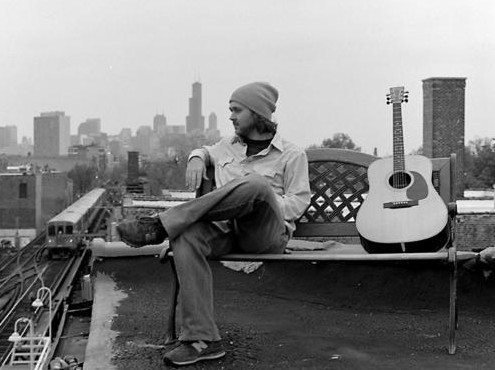
 Joan Baez, who is from Staten Island, NY, came to prominence following her performance at the
  Yes formed in 1968 in London, and despite undergoing many lineup changes, they have persisted in bringing virtuoso prog-rock to adoring fans around the globe for more than forty years. Led by frontman Jon Anderson, guitarist Steve Howe, bassist Chris Squire, drummers Bill Bruford and Alan White, and keyboardist Rick Wakeman, Yes created some of the most iconic music of the prog-rock era, including the hit song “Roundabout” and the epic album Close to the Edge.
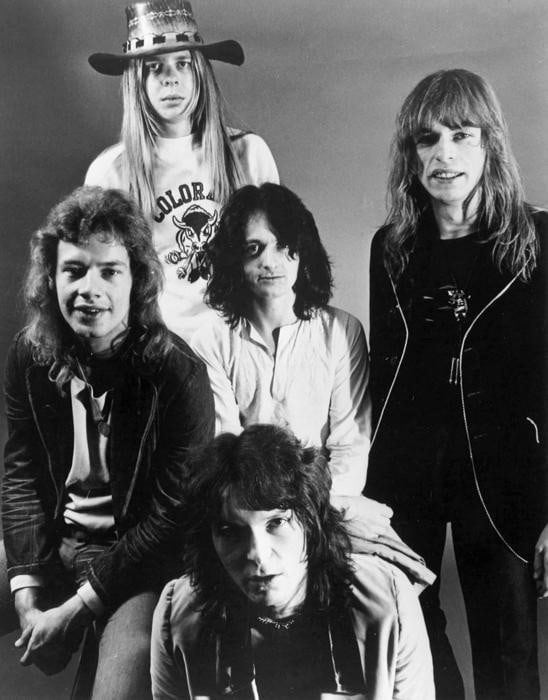 Electric Light Orchestra, the brainchild of Jeff Lynne and Roy Wood, began in 1970 in Birmingham, England and went on to sell over fifty million records worldwide. Melding a Beatles-like pop-rock sensibility with grandiose, classically-inclined orchestration became ELO’s hallmark, and led to their success with singles such as “Can’t Get It Out of My Head,” “Evil Woman,” “Strange Magic,” “Livin’ Thing,” “Telephone Line,” and “Mr. Blue Sky.”
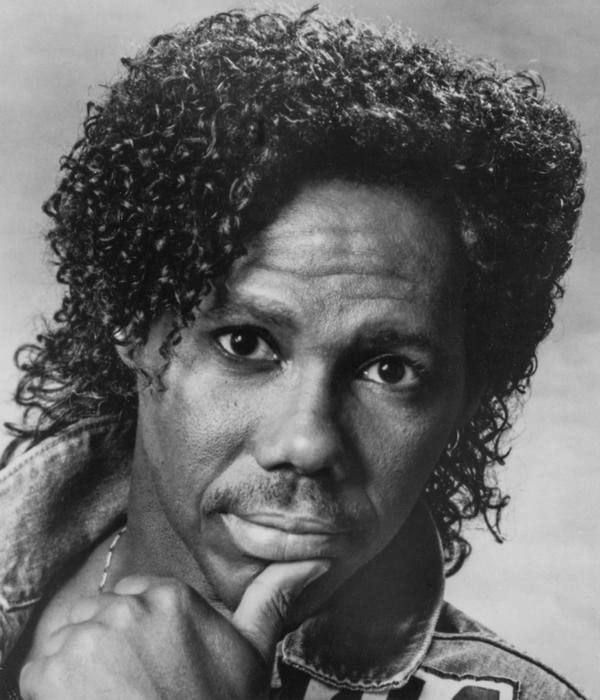 Journey entered the rock n’ roll landscape from the psychedelic San Francisco scene in 1973, spearheaded by ex-Santana players Neal Schon and Gregg Rolie; but it was the addition of renowned vocalist Steve Perry, in 1977, that propelled them to rock stardom. Their 1981 album Escape is one of the landmark’s of the stadium rock era and features their international smash hit “Don’t Stop Believin’,” which remains a cultural mainstay today.
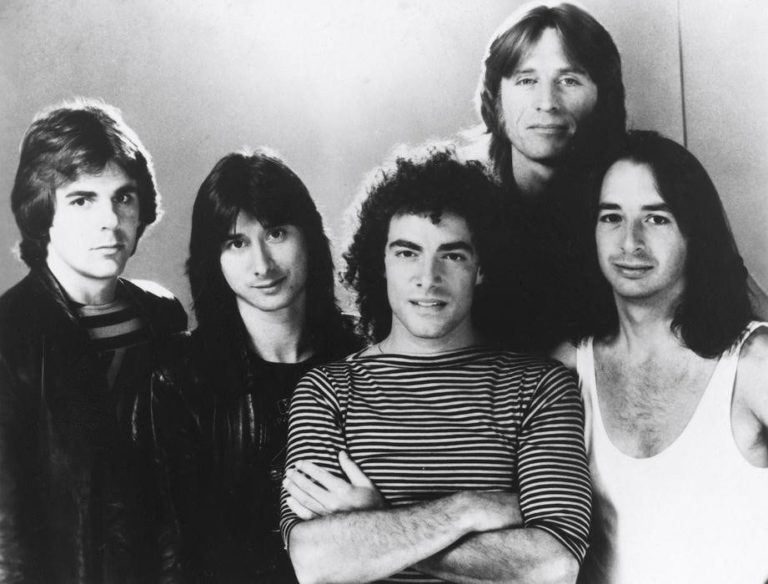 Unlike most of this year’s inductees, Pearl Jam did not have to wait long to enter the Hall after becoming eligible. Bassist Jeff Ament, guitarists Stone Gossard and Mike McCready, singer Eddie Vedder, and drummer Matt Cameron came together to launch Pearl Jam from the Seattle grunge scene into the rock n’ roll stratosphere. On the backs of five platinum albums (Ten, Vs., Vitalogy, No Code, and Yield), decades of fan-centric touring, and dozens of indelible collaborations, Pearl Jam stands as one of the most successful bands in rock history.
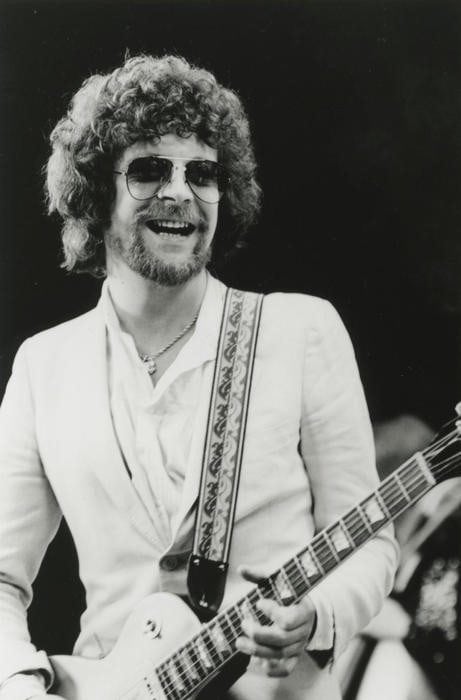 Tupac Shakur, who was born in East Harlem, NY, is entering the Hall on the strength of his infamous and poetic brand of “west coast” rap. Tupac first broke onto the scene as a member of Digital Underground in 1991, and was murdered at the age of 25 in 1996, but in the five years between he released two albums that went ten times platinum with All Eyez on Me and Greatest Hits, penned two number one hits with “California Love” and “How Do U Want It,” starred in several Hollywood films, and sold over 75 million records.
 In addition to the six performers being inducted in 2017, Nile Rodgers, a New York City native, will receive the Award for Musical Excellence. With bassist Bernard Edwards, he formed the iconic disco band CHIC in 1977, which produced the hits “Le Freak” and “Good Times,” on their way to becoming the cornerstone of the Studio 54 dance scene. Then, beginning with Sister Sledge’s “We Are Family” in 1979, Rodgers went on to cultivate a spectacular career as a producer, which saw him work his magic on classic albums for the likes of Diana Ross, David Bowie, INXS, Madonna, the B-52s, Jimmy and Stevie Ray Vaughan, and Daft Punk.
 The Rock & Roll Hall of Fame Induction Ceremony, the 32nd annual, will be held at Brooklyn’s Barclay’s Center on Friday, April 7, 2017. Ticket on-sale dates will be announced in January.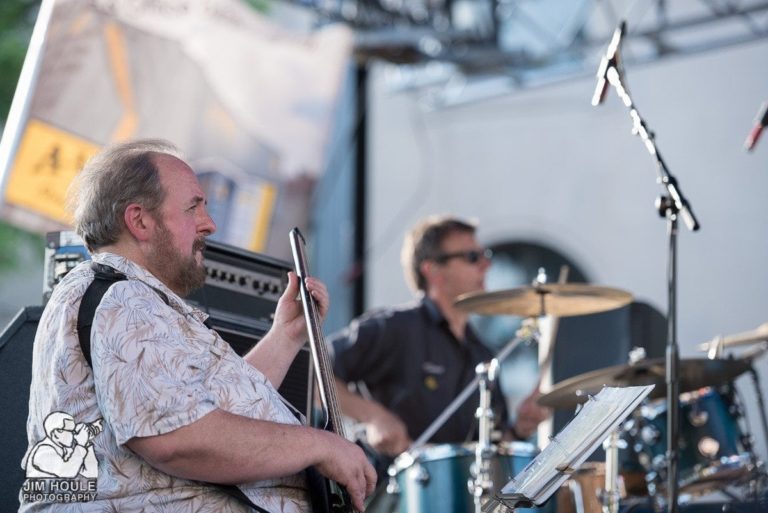
 While the Jesus and Mary Chain, led by brothers Jim and William Reid, released a compilation record, 21 Singles, in 2002, the upcoming release will give fans their first dose of new material since 1998’s Munky. Eighteen years is a long time to wait, but this announcement comes as a taste of candy for all the devoted fans who feared this day would never arrive.
 Without a doubt, the artists, presenters, producers and park staff created a dazzling festival, spectacular for its out-of-the-box design, lively collaborations, and action-packed schedule. But Suwannee Hulaween has also cultivated an efficient and functioning logistical infrastructure that offered attendees a pleasurable and convenient experience built on a system of freedoms and cooperation which eschewed many of the customary delays, shortcomings and traffic jams commonplace at other high-caliber festivals. The park is set up with multiple entrances, free trollies to and from the stage, several bathhouses with showers, general stores, lake and river access, VIP sections, a wide array of food vendors and craft beer by Lagunitas and dozens of other vendors, all conveniently arranged to give patrons equal and open access to the amenities. In lieu of the strict parking policies at many major events, which force campers to set up in order of arrival, thus making it more difficult to get a camping spot of one’s liking or to set up with late-arriving friends, at Spirit of Suwannee one is free to search the park at leisure to locate and carve out a one-off spot among the many acres of primitive forest or field camping.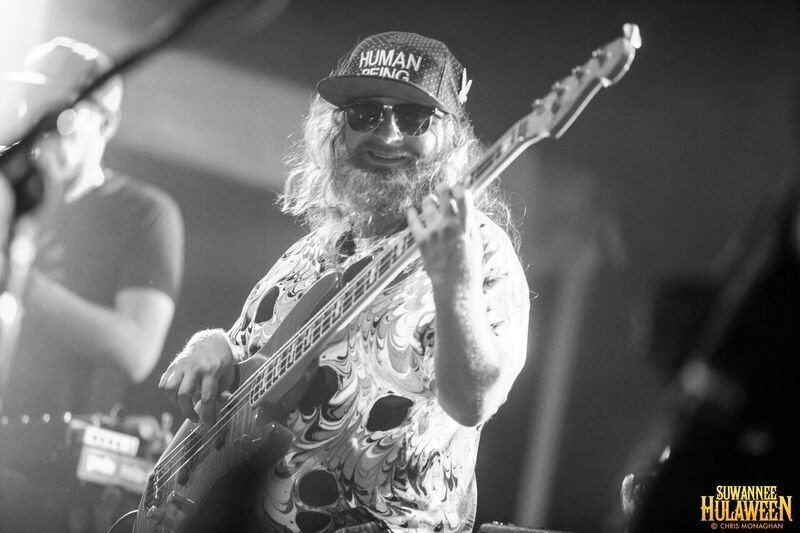



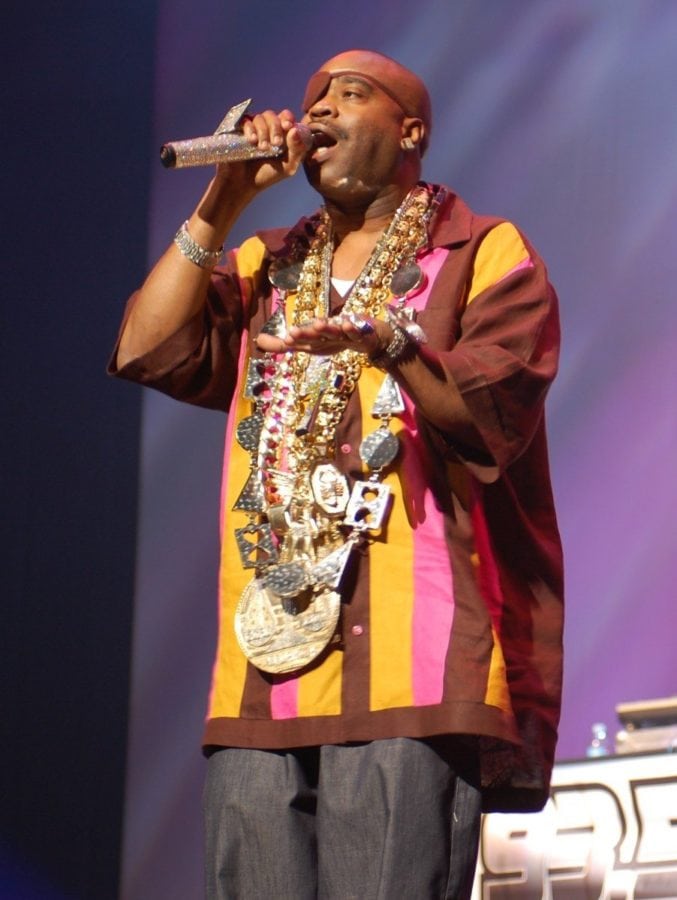 Slick Rick is known the world over for his glamorous accessorizing, which has often included capes, robes, crowns, extensive jewelery, and his celebrated eyepatch, but truly it’s the lasting cool of his landmark raps that affirms his status as pop pioneer and hip-hop icon. Timeless ballads “La Di Da Di” and “The Show,” have been sampled over 700 times combined, influencing musicians from every generation since their release, including the likes of Miley Cyrus, Beyonce, Kanye West, Nas, TLC, Notorious B.I.G., Snoop Dogg, and the Beastie Boys.