Update (Nov. 14): Brick by Brick has released an official music video for “These Streets,” the first single off This World, My Enemy. The video was filmed at The Fuzebox in Albany, capturing the band in live performance mode.
Original article follows below:
Albany hardcore metal band Brick By Brick is set to release a full-length album on Friday the 13th of November. This World, My Enemy features a new vocalist, Ray Mazzola of Full Blown Chaos.
Two tracks from the album have been premiered. “Burden of Life” was recently premiered by Metal Injection yesterday. Guitarist Michael Valente had this to say about the track:
Burden Of Life is the anthem for every blue collar, working class individual that is always one step forward and 2 steps back. Getting brow beaten on a daily basis fuels the rage, angst, and despair witching ourselves.
The first track off the album, “These Streets,” was premiered by Exclaim earlier this month.
They will be playing two shows in support of This World, My Enemy. You can catch them Friday, Nov. 13 at Trickshot Billiards in Clifton Park or Saturday, Nov. 14 at Turn Hall in Adams, Massachusetts.
There aren’t many bands that can immediately hop into the festival circuit and put together a decent following without an album, but somehow The Heard has accomplished just that. The funky Chicago-based seven-piece formed about five years ago when guitarist Taras Horalewskyj moved back home after finishing up his schooling at Berklee College of Music in Boston, MA. Fast forward to today and the band has finally released their debut, self-titled album and it is even better than one would expect who’s either seen them live or stumbled upon some of the amazing clips on YouTube.
The talented cast hit the studio with Orgone’s Sergio Rios producing. They wound up with an 11-song debut that is stellar from start to finish by any measurement. Upon talking with the group, they explained that Sergio had the band track the rhythm section (guitars, keys, drums, and bass) together, live in one room and recorded it to tape. The album reflects not only that spontaneous interplay, but more so than anything a sound that walks a perfect line between the raw energy of a live show and the clarity of a studio recording. You hear each member’s individual contributions, but it’s blended and delivered in a way that feels like you’re front row at their show and can feel their energy.
The album creeps in with a song appropriately titled “The Weight,” featuring a heavy bass line and provides a quick glance as to how these guys can lay down a solid groove. It’s apparent from the start how talented this group is as a whole with a stirring organ solo, rhythmic syncopation between the guitar and drums, and colorful horn melodies.
As the album progresses, we get a chance to hear how the band sounds with vocals added to the mix on the track “Gimme Gimme.” Even though this is the only song with vocals throughout, it doesn’t feel out-of-place. If anything, it’s one of the best on the album and fans can look forward to (hopefully) more since the male voice heard is none other than new keyboardist, Cole DeGenova. We’re also treated to the sweet background harmonies of Orgone’s Adryon DeLeón.
Another standout on the album is “Knight Life.” The groove and intensity slowly builds over the course of the song, before things turn dark around the halfway point. The transition to the heavy bass focus is backed by an eerie organ and a stumbling drum part that pushes the track to a climax before its abrupt ending.
While all but one track are mostly instrumental, the band does a great job at giving songs their proper structure. On “Safari Time” you can feel the verse transition to a pre-chorus before diving into one of the best choruses on the album. The momentum and power it creates is balanced and intensified by the other riffs in the song. The bluesy piano solo is reminiscent of the group’s Chicago heritage and blends beautifully with the funk groove.
For a band’s debut album, one could easily mistake the chemistry and energy The Heard put forth with a seasoned group’s veteran release. The production quality captured and the band’s natural knack for putting together monster groove will leave you with a feeling of hope of where this kind of trajectory will take them. Only time will tell, but for those unlucky folks who haven’t Heard, run over to their SoundCloud page now and stream the album in its entirety.
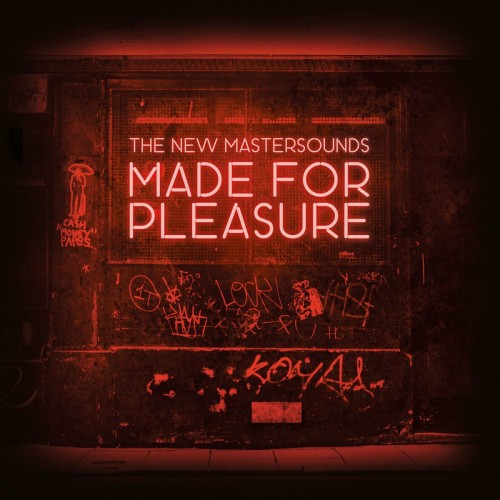
With any genre of music, there are different sub-genres and blending of tastes and styles. Within the loose categorization of funk, there are not many that are as classy, clean, yet fun and inventive as The New Mastersounds. Like a veteran athlete who you expect to always play well, the Mastersounds never disappoint in the live arena or on any of their releases. Earlier this month, the group released their tenth studio album, Made for Pleasure.
The album was produced by guitarist Eddie Roberts and was recorded in New Orleans. The band put together a short video on the making of the album that is available on YouTube, here. The title, as explained by Roberts, defines what the band stands for and why they create the music they do. He says, “We make music for our own pleasure and for other people’s pleasure. It’s about sharing energy with an audience, whether it be live or listening at home.”
Diving in, the band gets right to it on the title track which kicks things off. There’s no extended intro or build up; it feels like a page out of their live show where they trim the fat and provide something you can immediately dance to. The bouncing guitar lick provides a solid ground for both drummer, Simon Allen, and keyboardist, Joe Tatton, to jump off and show their chops. As with any classic NMS tune, this is catchy, but rides a simple and compelling groove. It’s like watching a professional athlete and thinking how easy they make things look.
It’s hard to pick out a few songs to talk about on this when the collection is best digested start to finish with all that they offer. That being said, bassist Pete Shand’s work really shines on the soulful “Enough is Enough.” The addition of the rare vocal appearance fits perfectly and something they should explore more of in future releases. Another highlight with a vocal is “Joy,” which is appropriately titled as it sums up the mood the soulful feel-good riffing expressed musically and in the lyrics. The NMS are really good in this sonic arena and this song’s direction in particular stands out above some of their more laid back work.
In terms of The New Mastersounds instrumental bread and butter, it’s hard to say if the band has ever put together a song as great as “Sitting on my Knees.” The songs subtle approach is contrasted with Eddie Robert’s lead work that aggressively attacks the soft-spoken sonic undertones in perfect harmony. The band collectively reaches this swelling peak where you can feel each member pouring their heart and soul through their hands into the notes and rhythm. It’s like they all want to scream, but without a voice, they do so through their instruments. Robert’s bending and attack beautifully exemplifies the struggle and conflict felt within the song.
“Pho Baby” is another instrumental gem that is as silky smooth as they come. The band has a quiet discussion here with their instruments, each speaking at a different pace, yet collectively producing some interesting lines. The climax of the song before it hits its final resting place touches on some amazing chords and tension produced by Robert’s soloing efforts. It’s all comes together effortlessly it seems for this band. It’s easy to picture them jamming on some chord progressions and finding some beautiful melodies like the close of this song.
All and all, the album is just another example of how this band can do little wrong. They are constantly in touch with their roots and influences while blazing forward into the future in parallel. The effortlessness in which they play can be attributed to their chemistry, but you can truly feel the endless love they poured into this release.
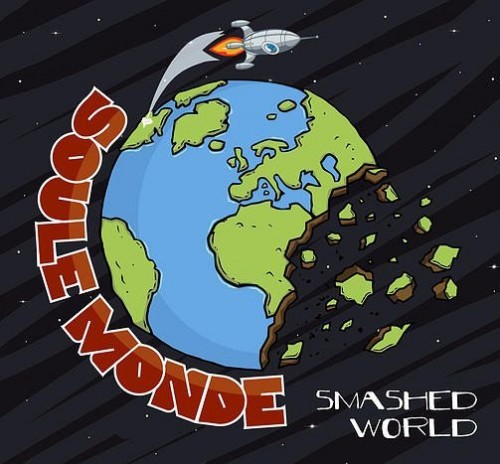
The latest from keyboardist Ray Paczkowski and drummer Russ Lawton‘s funk duo Soule Monde is a short, but well worth your time, EP, Smashed World, with five tracks to cover a wide range of funk.
Smashed World features two live tracks. “Allah Uya” breaks from Soule Monde’s usual drum/organ duo featuring Mihali Savoulidis (Twiddle) on guitar. The song starts out with a light, bouncy feel that gradually gets heavier as the three play it out. “Tango,” the other live track, starts out very organ heavy, reminiscent of Garth Hudson’s organ work with The Band. It then moves into a steady groove with an Eastern European feel to it.
The three studio tracks couldn’t be more different from each other. “Influence” is a jazzy number that features some great interplay between Paczkowski and Lawton with both taking the lead at various points. “Must Be Nice” starts out with a slow funk tempo that gradually evolves into a dirty, danceable groove, keeping that slow funk. Finally, their funky cover of ZZ Top’s “La Grange” closes out the EP.
The theme behind Smashed World, as with much of Soule Monde’s work, is funk and more funk. The close relationship between Paczkowski and Lawton is evident throughout. They are masters at listening to each other and then building off the other’s work. Paczkowski’s organ fills out the sound, giving the songs a full band feel, while Lawton’s drumming is not simply there to keep the rhythm. Fans of funk and jazz would enjoy this EP.
Paczkowski and Lawton are currently on tour with the Trey Anastasio Band. Soule Monde will be opening for Twiddle on New Year’s Eve at Higher Ground in South Burlington, Vermont. Tickets are still available.
Brooklyn based singer-songwriter Sam Kogon and his band mates, featuring Frank Hegyi (drums/percussion), Dan Powell (bass guitar/vocals), Finnegan Shanahan (violin) and Joe Jakubowski (keys/timpani/marimba/glockenspiel/vocals) released their debut album Before You KnewMe mid-September, and have been touring around N.Y. promoting the release. All songs on Before You Knew Me were written by Sam Kogon. It was recorded and produced by Andrew Nerviano at Ishlab Studio in Brooklyn. Having honed in on a slightly whimsical, lazy surf rock sound, Kogon’s style is undeniably similar to Canadian fellow singer-songwriter Mac Demarco.
The album features a slew of love songs, some more overt than others, aside from “Odd,” the mischievous tale of a kid who experiences a violent encounter with a giant squid and is left wondering what would happen were they ever to cross paths again. Kogon’s cr
isp, anguished vocals are complemented by Jakubowski’s own echoed singing, which creates an airy feel to the track. Coupled with slightly haunting organ, the song exudes a rather ghoulish quality well suited for unfolding the account of an elusive sea creature.
The first track on the album, “Before,” describes a life gone to shambles and then redeemed. Kogon’s falsetto is mirrored by Powell’s backing vocals, and accompanied by simple guitar lines, and minimal drum beat and bass. Jakubowski comes in delicately with glockenspiel, and a looming intensity permeates the song, until Shanahan’s violin work kicks in right at the climax. The anticipation of the build releases in a swell of drums dancing with the billowing violin, which is very reminiscent of the erhu, or Chinese violin. Kogon’s vocals reemerge before violin once again swoops in with a quick crescendo, concluding the song in a climactic twizzle of strings and bow.
“I Could Never,” the first single off Before You Knew Me possesses a sauntering ’50s essence from the get go, with Kogon softly howling the lyrics, “I could never say goodbye to you/ and I could never tell a lie to you/ it’s love in your eyes it’s no disguise it’s true/ and I could never rectify hurting you.” Kogon’s crooning leads into a circus instrumental beat which surges forward, complete with glockenspiel, then slowing down for a brief, pensive, stoner rock moment before his crooning resumes for the chorus.
The cheery Beatles-esque track “Plans,” stands apart from the rest of the songs, maintaining a bouncy energy throughout with classic rock influenced guitar. Kogon sings of a love perhaps faded but not yet lost.“Baby Hear Me Out” is definitely the weakest song on the album. With a noticeably muddier quality, vocals and instrumentation seem to clash more than complement each other. Ironically, as the song composition begs for refinement, the lyrics beg a lover for forgiveness and to be taken back. Despite this blemish, the album functions much the same as a grandfather’s vintage suede fedora. Slightly dented but still a joy to wear and worth holding onto. Listen to and buy the album here.
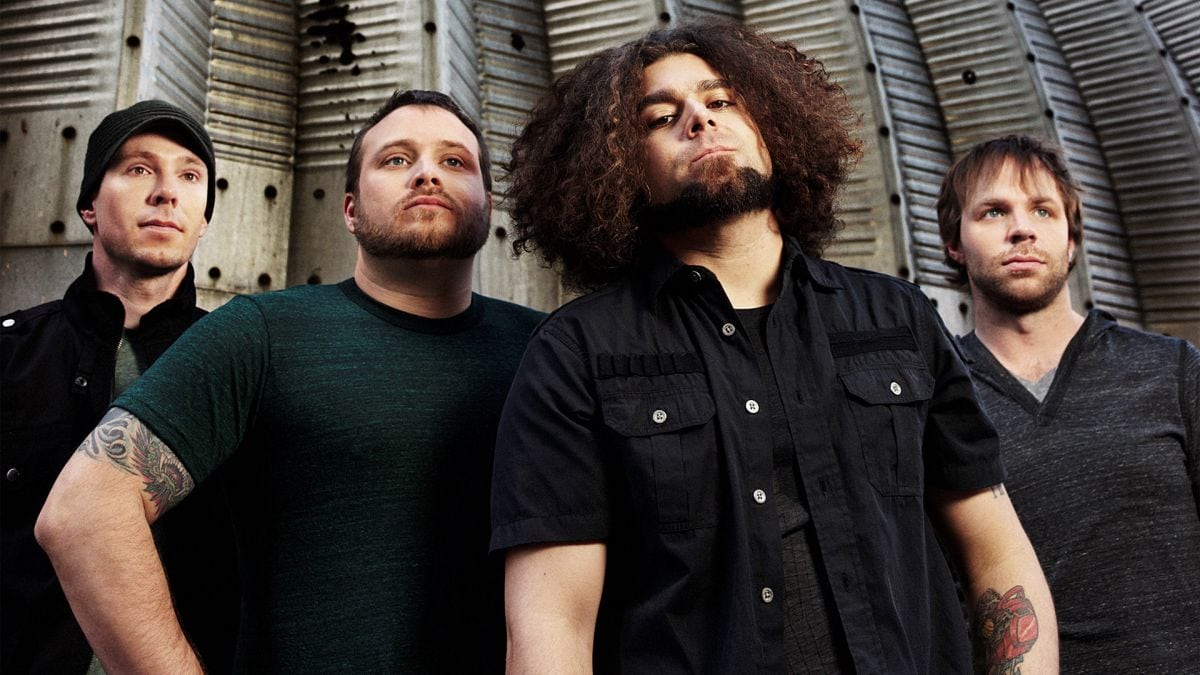
Most bands find it difficult to keep finding new inspiration to put out records that don’t tarnish their legacy. This is especially true when they find themselves recording their ninth studio album which is the situation Coheed and Cambria find themselves with The Color Before the Sun. What’s interesting about this particular record is that it’s the first to not be a part of the overarching story that has been made up of their previous albums. The Color Before the Sun deviates from what has come before it, but not in musical quality. The band is as strong as ever and has put together another solid entry in their catalog.
The album kicks off with a strong and big power pop opener in “Island” which also happens to be one of the standout tracks. The album is definitely split between slower more emotional songs and the big catchy hook driven tracks. I couldn’t help but draw comparisons to Infinity On High era Fall Out Boy for their ability to blend multiple genres of music but retain that pop atmosphere. “Colors” brings things more in line with traditional Coheed sounds where as “Ghost” creates a great emotional midpoint to the album. The way some of the slower songs are structured shows off singer Claudio Sanchez’s voice as well as a little experimentation with the guitars. The band has been known to draw influence from prog music but this album definitely doesn’t go to that well often. This is much more of a straight forward album which isn’t a bad thing at all. The band still gets to show their musical chops but does it in a very pop radio friendly method. Sanchez’s signature higher pitched vocals cut through and he has a few standout moments showing off how much control he has over his voice.
Perhaps the best track on the record is “Atlas.” I can see this becoming a staple of their live show for years to come. Again it brings a big pop hook and gets the record back in an upbeat swing as it heads into its second half. The lead single “You Got Spirit, Kid” reminds me a lot of early My Chemical Romance which is a style of music sorely missed in 2015’s pop landscape. I know I’ve made a few references to Coheed sounding like other bands but make no mistake, this album is 100% them. It’s a testament to how they’re able to take influences from many styles of music and combine them into their own unique sound. They’re a band that when you hear them, you know it’s them. Few bands are able to do that these days and often finding themselves blending into the mix after an album or two. Even less of those bands are able to carve out a legacy and absolutely devoted fan base like Coheed and Cambria.
I have to pay special attention to the album closer, “Peace to the Mountain.” This song builds to a fantastic ending not just for the song itself but for the album as a whole. As the song comes to its finale, horns and strings come into play accompanying the full band. I love when pop and rock bands are able to pull this off. It’s tricky because many times it can come across as forced or even sounding bad as the band wanted to cram too much into one song. This track is an excellent example of the musicianship the band has to offer. The added elements here make this song feel big and important. It’s a great way to finish the record giving that feeling that the ride is now over.
I love the fact they were willing to stray from their bread and butter with the concept albums. I’m sure this allowed the band to feel a little less restricted but at the same time this isn’t a radical departure from what has come before. They’re still the same band. Maybe a little more simplistic in direction but again, that isn’t a negative. Far too often bands are condemned for making a record with a bit more simplicity in mind but many times this forces more creativity to come out. While this isn’t a crazy prog rock masterpiece, it can be just as hard to write a solid timeless pop record. Coheed and Cambria are still writing great songs and can be proud to add another fantastic album to their discography with The Color Before the Sun. If you’re a fan, you’ll want this and if they’re new for you this is a great entry point.
KeyTracks: “Island” “Atlas” “Peace To The Mountain”
It has been three years since ALO last released an album. During that time, the band kept busy working on side projects and sit-ins with other artists. The result of that break is Tangle Of Time, their latest album, which was influenced by those side projects and other musical endeavors.
While Tangle Of Time starts out in a familiar manner, long-time fans of the band might notice a different feel to much of this album. “There Was a Time” starts the album off in a fun, laid back manner. A pair of songs, “Not Old Yet” and “Keep On,” seem to be influenced by Phish bassist Mike Gordon’s solo work. Fans of ALO’s 2002 album Time Expander will enjoy the dancy groove of “The Ticket.” “Simple Times,” a ballad about spending time with loved ones, and “Strange Days,” a folksy number to close out the album, both draw from a country and folk influence. Lyrically, many of the songs on this album speak of various aspects of time, such as reflecting on the past (“A Fire I Kept”) or looking forward to the future (“The Ticket”).
There are a couple low points, but Tangle Of Time is, overall, a fun album. The band is keeping their music fresh by drawing from new influences. Fans will notice the influences of folk, jazz, country, cajun and electronica on this album. It’s always refreshing to see bands and artists change up the styles of music on display in their repertoire. Tangle Of Time is just that.
ALO is currently on tour. Tickets are still available for many of their shows.
Southern “joyfunk” group CBDB recently released their EP The Fame, which melds pop and electronic jam influences to create an often warm and upbeat sound with hints of blues-rock.
Recorded at FAME Studios in Muscle Shoals, Alabama, the four tracks were recorded in one session. The six-piece jamband includes Cy Simonton (guitar & vocals), Kris Gottlieb (guitar & vocals), Glenn Dillard (sax/keys & vocals), Donald Deloach (percussion), Paul Oliver (drums) and David Ray (bass & vocals). The album was produced by CBDB and John Gifford III, mixed and mastered by Don Srygley, with Spencer Coats acting as assistant engineer.
The first number on the EP “Ground Score,” opens with a brisk guitar riff similar to the opening riff in progressive rock group Lee Terrace’s title track “Deep Blue.” Lively guitar makes way for Simonton’s crisp Michael Jackson-esque vocals. His less poppy, southern-infused singing weaves into the instrumental groove, at points almost seeming to compete with the instrumentation, but breaking off halfway through the track to make way for a playful exchange between guitar and saxophone. The rich saxophone evokes the same horn heavy influences carried throughout the theme music of late night comedy show Saturday Night Live.
“Echoes in the Room” provides a fulfilling swell of organ that blends beautifully with blues-rock guitar and Simonton’s lyrics, creating a song that ebbs and flows in intensity, seeming more purposeful than the other more jam-based tracks. The heavier guitar in the beginning of “A1A” sets the stage for what one might expect to be a pretty standard, well-layered jam. Guess again. Simonton’s angsty, whining vocals interject in ways that don’t comfortably blend with the song, leaving this pop/rock conundrum to ooze through the speakers like a giant melty cheese ball.
The FAME EP can be found on cbdbmusic.com, iTunes, Spotify, Apple Music, YouTube, Rhapsody, Google Play, and Pandora.
Many thoughts come to mind when one hears the name Miley Cyrus. Cyrus has made it clear to the world that she is no longer an innocent young girl, and this celebrity never misses an opportunity to stand out in a big way. She dropped an unexpected album on SoundCloud entitled Miley Cyrus & Her Dead Petz at the end of August. The album artwork is pretty striking featuring Miley’s partial face covered in glitter glue and the title in huge pink bubble letters.
The image looks like a still taken from her “Dooo It!” music video, which has upward of 11 million views on Youtube. The 22-year-old is not afraid to be unique with regard to her image; eccentric might be a modest adjective.
This album is quite different from the other albums she’s released, especially because she released the album on a non-paid platform. Perhaps she wanted to distribute content gratis as a way to thank her loyal fans, or maybe it was simply an experimental work she didn’t want in her “real” discography. Furthermore, the album is not marked with the Parental Advisory notice for explicit content for the subject matter and numerous F-bombs, which could be problematic if it weren’t on a free distribution platform.
The instrumentation on the album combines acoustic and non-acoustic instruments, including electronic intergalactic sounds in “Space Boots.” And in “Something About Space Dudes,” the rough acoustic guitar is juxtaposed with electronics, making for a unique mix. It’s definitely apparent that The Flaming Lips helped produce this album with the vocal distortion and various production elements.
Miley has no filter, and she doesn’t seem to care what people know about her, good or bad. She likes to have fun smoking pot and drinking alcohol. The two shortest tracks on the album, “Fuckin Fucked Up” and “I’m so Drunk” respectively indicate the more adult habits, and they are similar to the substance-induced works by The Beatles. The recordings sound as though she is in these altered states.
The subject matter is truly all over the place; she sings about guys and sex, pets she used to have, and space dudes she’s encountered while being high. “Bang My Box” and “Fweaky” are quite dissimilar in style. The former is upbeat and catchy, while the latter is a slow ballad, but her detailed desire for sex is evident in both. There are a few emotional tracks, including one that starts with a little monologue detailing her feelings. “I Get So Scared” is a gorgeous track with a simple guitar part and percussion. She explains how she might not get over her last relationship, and how she wants her new relationship to be similar. She’s pretty transparent with her fans.
“Pablow the Blowfish” is the best track on the album. It’s hilariously emotional as she details how much she misses her pet fish and how difficult it was to see her friends consuming sushi.
Overall, this album is truly a work of art. It’s not focused on one single concept, and has a great variety of song styles. This star is definitely taking a new creative direction that will keep fans interested and looking for more.
I first encountered Beirut midway through a listening session of a good friends of mine’s playlist entitled “When I’m Thinking About The World.” It was the title track of their new album No No No. Immediately I was engulfed in a wave of auditory euphoria. It had everything I wanted in a tune: catchy, yet unique, drums, light chords, and a horn section— a seemingly essential ingredient for a hit in the indie music game. The short and sweet LP is easy on the ears but heavy on the heart.
Zach Condon, the project’s front man, has admitted in numerous interviews that this album is the result of a lot trials and tribulations. Having went through marital and mental troubles, Condon retreated to a simple sound of Full-bodied piano chords paired with quiet vocals. Its low budget style must have made it easy to record as the band was in and out of the studio quickly.
Lyrically, the album is quite spacey, yet it played to my emotion side with ease. I really enjoy the lack of hook-based songs. On my first listen, Condon really kept me guessing on the direction the tracks were taking. That feeling was epitomized in the albums final track “So Allowed”. It was the lovely bow by which Condon packaged No No No.
Although Condon has been taking flack for a so-called “Bland Album”, I think it was anything but. This album is the end result of an emotional journey. So to the fans who expected another album like “The Rip Tide”, the last album from Beirut, I suggest that you take a look at the man behind the music. This is No No No’s Zach Condon, a man who has been in the pits and is ready for a new day.
 There aren’t many bands that can immediately hop into the festival circuit and put together a decent following without an album, but somehow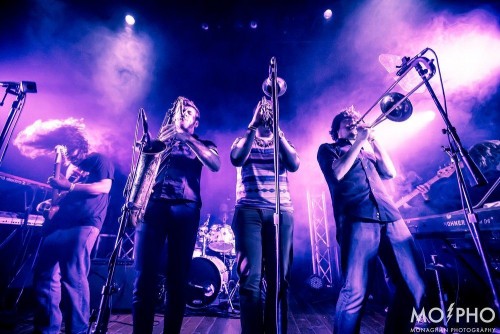
 With any genre of music, there are different sub-genres and blending of tastes and styles. Within the loose categorization of funk, there are not many that are as classy, clean, yet fun and inventive as
 The latest from keyboardist
  /percussion), Dan Powell (bass guitar/vocals), Finnegan Shanahan (violin) and Joe Jakubowski (keys/timpani/marimba/glockenspiel/vocals) released their debut album Before You Knew Me mid-September, and have been touring around N.Y. promoting the release. All songs on Before You Knew Me were written by Sam Kogon. It was recorded and produced by Andrew Nerviano at
  The album kicks off with a strong and big power pop opener in “Island” which also happens to be one of the standout tracks. The album is definitely split between slower more emotional songs and the big catchy hook driven tracks. I couldn’t help but draw comparisons to Infinity On High era Fall Out Boy for their ability to blend multiple genres of music but retain that pop atmosphere. “Colors” brings things more in line with traditional Coheed sounds where as “Ghost” creates a great emotional midpoint to the album. The way some of the slower songs are structured shows off singer Claudio Sanchez’s voice as well as a little experimentation with the guitars. The band has been known to draw influence from prog music but this album definitely doesn’t go to that well often. This is much more of a straight forward album which isn’t a bad thing at all. The band still gets to show their musical chops but does it in a very pop radio friendly method. Sanchez’s signature higher pitched vocals cut through and he has a few standout moments showing off how much control he has over his voice.
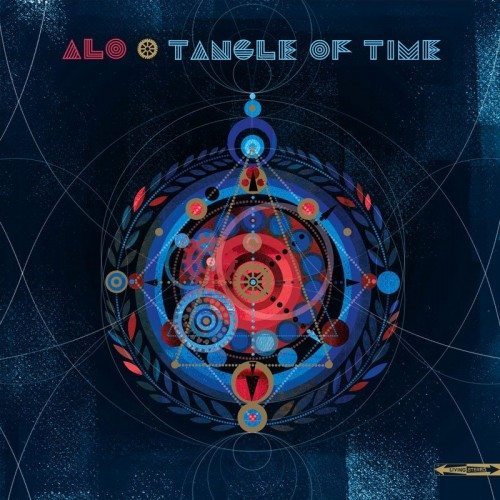 It has been three years since
 Many thoughts come to mind when one hears the name Miley Cyrus. Cyrus has made it clear to the world that she is no longer an innocent young girl, and this celebrity never misses an opportunity to stand out in a big way. She dropped an unexpected album on SoundCloud entitled
 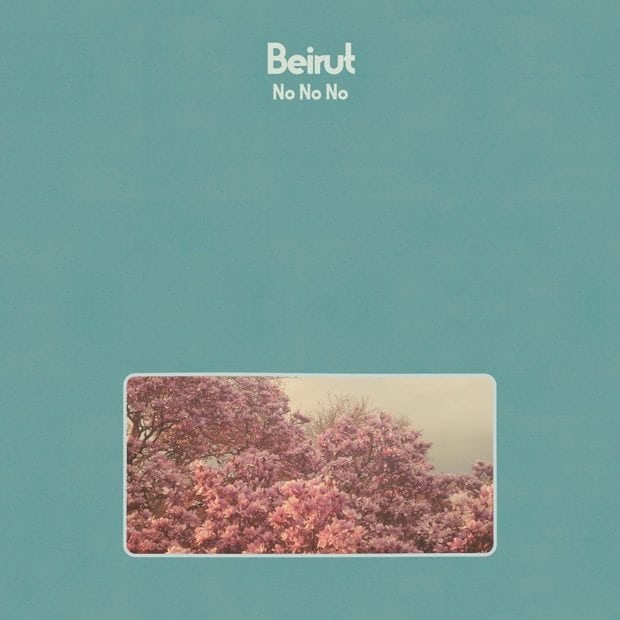 Zach Condon, the project’s front man, has admitted in numerous interviews that this album is the result of a lot