Armed with a litany of impressive backup singers and musicians, Hudson took the stage with much aplomb and more shrieks, catcalls and “woos” than the orchestral feeling building had ever heard. And they were well deserved, as the lovely Hudson showed off her vocal acrobatics, scrumptious menu of hits, and more than enough witty banter to mesmerize any crowd. Heck, even Rochester Mayor Lovely Warren came down to dance.
Hudson currently has no upcoming tour dates planned. Rochester Xerox International Jazzfest ran from June 19-27 2015.
With a packed house, country duo Love and Theft took Syracuse by storm performing several of their hit songs while fans danced and sang word for word. The crowd begged for more throughout the entire show. Afterwards, Stephen Barker Liles and Eric Gunderson both took the time out of the set to share stories and memories with us.
Unlike most shows, the meet and greet was held after the performance. The duo spent so much time with each fan for autographs and photos that we didn’t get out of there until almost 1:30am. Every fan was impressed with their show and more importantly with the fact that these guys were just every day people sharing their love of music with the rest of the world.
Catch their next NY show Aug. 2 at Spiedie Fest and Balloon Rally in NYC.
There’s no doubt that we’ve been having one hell of a year in music. Most recently, we’ve seen artists like Joan Jett & the Blackhearts, Stevie Ray Vaughan, and Bill Withers (finally) becoming inductees into the Rock and Roll Hall of Fame. Leading up this year, we’ve seen big name artists like Taylor Swift pulling their music from online streaming services to crush the myth that “physical sales just don’t sell anymore.” We’ve seen lawsuits changing the recording world and the way we associate artists with earlier musical predecessors.
In the live show atmosphere, we’ve seen many great small music festivals lose the support they need to bring us great music. Luckily, there’s one festival that seems to have left a firm stance in an ever changing music industry, and it’s back for its 20th year to bring us the music that’s so very near and dear to our hearts. Friends, get ready for the Gathering of the Vibes.
Starting as nothing more than a small memorial celebration at SUNY Purchase, “Deadhead Heaven: A Gathering of the Tribe” was created from a batch of devoted, yet mourning fans of the legendary Jerry Garcia: local promoter Bob Kennedy, business guru Ken Hays, and publishers of the fan magazine “Dupree’s Diamond News” Sally Ansorge Mulvey and John Dwork. Their aim was to provide an atmosphere that celebrated the incomparable success of the Grateful Dead, while mourning the loss of a respected, legendary frontman with hope and celebration. As the word spread about the show’s reminiscent and engaging atmosphere, so did the festival itself. Moving to Croton Point Park, NY a year later, it was renamed “Gathering of the Vibes,” named after the devoted fans self-proclamation as the ever present “VibeTribe.” To meet the growing number of attendees, the festival moved the following year to Plattsburgh, NY as the founders searched for an even bigger venue to host a long-term contract. Upon finding Seaside Park in Bridgeport, they immediately jumped on the opportunity, gracing Connecticut with the 1999 and 2000 Gathering of the Vibes Music Festival. It was then that Bob Weir himself played the Vibes stage, alongside his band Ratdog.
With great success always comes great challenge, and renovations needed to be done to Seaside Park as Vibes gained notoriety. For the next six years, the festival hopped over to Red Hook, NY followed by the Indian Lookout Country Club in Mariaville, N.Y. That certainly didn’t stop Dead members stopping in on the fun, however, since Phil Lesh & Friends made a two night cameo appearance in the 2002 festival in Mariaville.
Despite the festival’s continued success in New York, Vibes was able to relocate back to Seaside Park from 2007 onward, with endless support from the Town of Bridgeport as well as the devoted VibeTribe. Today, you can still witness the same spiritual cleansing and celebration of great music that these great pioneers aimed for back in SUNY Purchase. Along with the great artists that graced the stage back in 1996, including Strangefolk, Max Creek, and moe., Gathering of the Vibes has brought in some of the greatest legends in music, including Elvis Costello, Allman Brothers Band, James Brown, Buddy Guy, and Primus, to name a few.
This year, the team at Vibes has thrown us a couple of surprises in their 2015 lineup, including Weezer, Wilco, Ben Harper & The Innocent Criminals, and The Gaslight Anthem. Though you may plan to make your way into a crowd of sweaty, sprightly individuals to jam out to the newbies of the Vibes lineup, make sure you take part in the shows of those who came at the early stages of Vibes, including but not limited to Max Creek, Strangefolk, Warren Haynes, and Deep Banana Blackout.
With so many venue relocations and constant adaptations, Gathering of the Vibes has been no easy wind. With constant support from the beloved VibeTribe, Gathering of the Vibes has been able to withstand the odds and survive as a notable festival, earning ranks on Rolling Stone’s “Summer 2015 Must-See Music Festival.” To join in the 20 year celebration, visit the Gathering of the Vibes official website and get your tickets. While you wait in anticipation for this year’s festival, however, make sure to check out the past performers that graced the Vibes stages, dating back to SUNY Purchase in 1996. The Gathering of the Vibes has certainly beaten many odds and maintained its high reputation, which is certainly worth celebrating, so we’re looking forward to this year as well as many years to come.
The town of Clifton Park will present free performances on summer Wednesday and Sunday nights at Clifton Common on Vischer Ferry Road.
Shows begin at 7 p.m., unless otherwise noted, and will run rain or shine. Lawn chairs are welcome, and alcoholic beverages are not permitted. Check Cliftonpark.org for more info.
June 28 – Clifton Park Community Chorus
July 5 – Red Molly – vocal trio
July 12 – Sirsy – soulful indie pop
July 17-18 – ‘The Little Mermaid” theatre camp (begins at 5 p.m.)
July 17-19, 24-27 – “Anything Goes” presented by the Not So Common Players
Aug. 2 – Neil Diamond Tribute Show – Tom Sadge brings the look, sound, movement and magic to life
Aug. 9 – Big Sky Country, High energy modern country band
Aug. 16 – New York Players – dynamic ensemble featuring outstanding vocals and horns
When Rob Zombie makes an appearance in Upstate New York, fans of all ages flocked to see the hellbilly perform at The Budweiser Summer Stage at Tags, located in Big Flats NY. Tags is a Multifaceted Entertainment Facility and nationally recognized concert venue that’s neatly tucked out of the way and has hosted a wide variety of artists over the years.
Opening for Rob Zombie was Dropclutch, a band out of Binghamton New York. The band consists of Shawn Swartwood on vocals, Brandon Schuldt on drums, Josh Skellet on bass/vocals and Adam Skellett on guitar/vocals. Dropclutch has shared the stage with many headlining artists such as Breaking Benjamin, Seether, Lamb of God, Gwar and Skindred. They were well received and got the crowd worked up in preparation for Zombie to take the stage. Their set list included: The Becoming, Get Up, Pressure Chemical, Burned Between The Lines, My Island, Make Your Move, The Reason Over and Over One Bullet.
The line for Rob Zombie started at the entrance and stretched all the way around the venue. Both parking areas were full with fans of all kinds. The only thing that’s more unique than Zombie himself are the fans, some dressed as their favorite characters from his film “House of 1000 Corpses.” The venue was packed pretty tight with those eager to hear some of their favorite hits and Rob is never one to disappoint. His set’s background featured classic movie monsters. The band members blended into the scene with Rob Zombie’s bassist Piggy D dressed as a vampire while guitarist John 5 sporting a nightmarish looking gas mask. The set list for the evening included: Teenage Nosferatu Pussy, Super-Charger Heaven, Superbeast, Get Up I Feel Like Being A Sex Machine, Living Dead Girl, Dead City Radio and the New Gods of Supertown, A Drum solo by Ginger Fish, More Human Than Human, Sick Bubble-Gum, Pussy Liquor, Meet the Creeper, Never Gonna Stop and Thunder Kiss ’65 with encores being We’re an American Band, The Lords of Salem and Dragula.
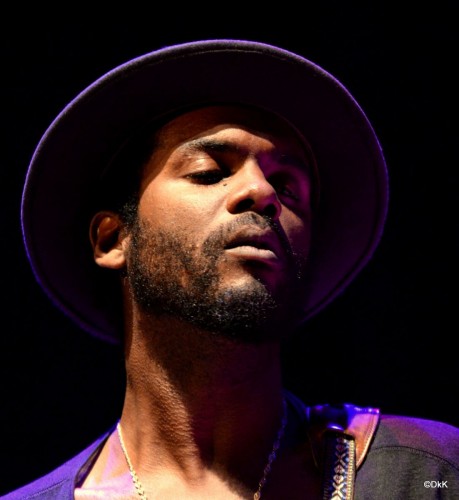
Beth Hart opened the show and sufficiently warmed up the crowd, belting out the blues with her confident and strong voice. The stage must have cooled a little in the changeover though. Clark Jr.’s rhythm guitarist, King Zapata, took the first solo in their set-opening “Bright Lights,” getting the heat at just the right level for Clark to step in and finally take control. From then on, with one or two short exceptions, the stage was owned by Clark, and the temperature continued to rise.
Zapata, standing far off stage left, had a fuzzy organ tone that complemented Clark’s leads well. Bassist Johnny Bradley and drummer Johnny Radelat kept a steady and solid rhythm tucked tight together in the back and center. Clark stood equally far off to the right spreading the four piece well across the Kodak Hall stage. The band seemed a bit disconnected with this setup and perhaps the energy could have been raised with a tighter grouping.
Though, the energy in the crowd more than made up for any possible losses on stage. A huge roar let out at the opening notes of “When My Train Pulls In.” The audience was rewarded with a scorching solo that saw Clark fake a strum to finish before heading right back in to get in just a few more quick licks.
Clark Jr. has two voices with which to play the blues. Not only is he a master at speaking through his guitars, but his singing is also impressive. He showed incredible vocal range on his brand new soulful number, “Hold On.”
Switching between a couple of Fenders and an SG, his guitar voice also showed incredible range from song to song. His solos were played with deep feeling and seared right through you. It was fortunate that things had been preheated properly.
After a somewhat short 75 minute set, the crowd ravenously called for more. People had been creeping out in the aisles throughout the evening, and now descended into the pit, ready to rock out on a couple more tunes. Clark obliged, coming out solo for a one-two punch of new songs “Healing” and “Church” before getting the full band back out for a ripping rendition on Albert King’s “Oh, Pretty Woman.”
Setlist: Bright Lights, Ain’t Messing Round, When My Train Pulls In, Hold On, Our Love, Numb, If Trouble Was Money, Catfish Blues, Don’t Owe You Thing, Please Come Home
During the Grateful Dead’s much anticipated “Fare Thee Well” reunion and farewell concerts at Chicago’s Soldier Field July 3-5, there will be a coinciding art show by PhanArt, titled In All Good Company, the largest exhibition of Grateful Dead art and artists. The art show will feature a newly announced lineup of dozens of artists displaying and selling posters, pins, clothing and photography.
The exhibition, put together by PhanArt, will take place from noon until 6 p.m. Friday, Saturday and Sunday 1 mile from the stadium at the historic Congress Plaza Hotel on 520 South Michigan Ave., near Grant Park. Local Chicago bands Jack Straw and Under the Willow will complement the artistic displays throughout the weekend. In addition, Blank Space Arts will be curating a playlist, providing an audio background to the visual effect of the art.
In All Good Company offers free admission to all visitors and looks to continue the great tradition that PhanArt has had since its inception in 2013. Produced by Pete Mason, PhanArt exhibitions have been held in Atlantic City, New Jersey, Chicago, Las Vegas, and Miami, representing an effort to offer fans a rich variety of original concert art.
Listed below are the artists whose work will be on display at this Grateful Dead art show:
John Warner | Not Fade Away Artworks | Rhoney Stanley | Phil Kutno
Richard Biffle | Move Brightly featuring Tie Dye by Courtenay Pollock
Uncle John’s Outfitters | Good Thoughts Printing | Vintage Dead
Dead Images by Robbi Cohn | Jim Pollock | Mark Serlo | TRiPP
Mountain Family Glass | Sunshine Daydream Hippie Shop | Michael Boyer
Andrew Bryant | Erin Cadigan | Amigos and Us | The Art of Ryan Kerrigan
Kingpin Designs | Jeff Troldahl | Pinsanity | Get Shit Done | Zenster
Morning Dew Tye-Dyes | Eden’s Rose Foundation | Grateful Girls Scarves
Scott Harris Photo | Heady Teddy’s Outfitters | Dr. Wookles
Easy Wind Family Creations | Lot Lifestyle | Pin me Down
Dynamic bassist, vocalist and founding member of Yes, Chris Squire succumbed to leukemia this morning in his Phoenix home. His Yes bandmate, Geoff Downes tweeted earlier this morning, “Utterly devastated beyond words to have to report the sad news of the passing of my dear friend, bandmate and inspiration Chris Squire.”
Squire has long been considered on of the finest and most influential bassists in prog rock history — a key songwriter in his band Yes, Squire was the only member to appear on each and every Yes release.
The band will start a new tour later in the summer with Billy Sherwood handling the bass duties.
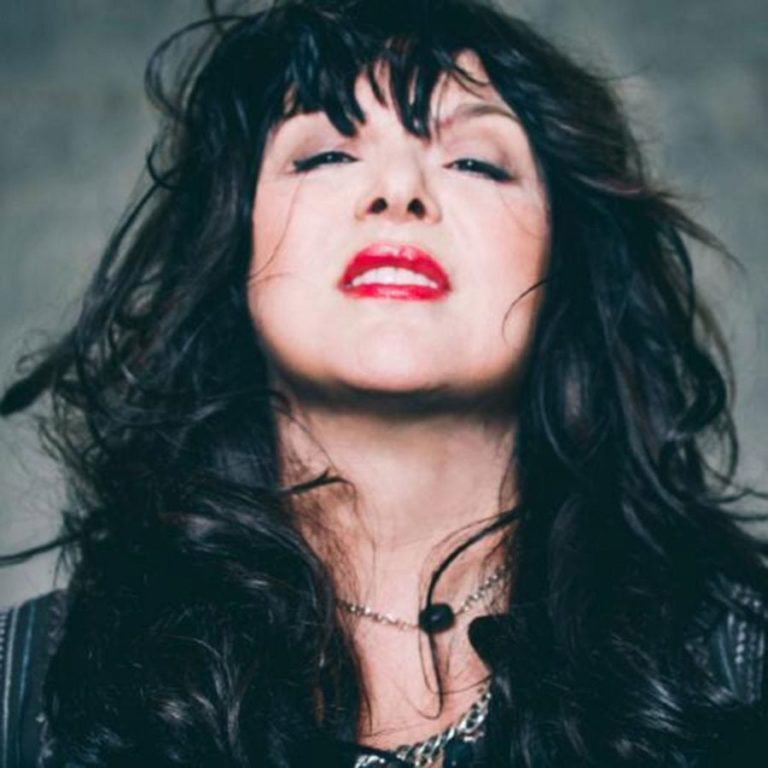
In the photojournalism profession, there are certain things you hope to one day do in your career. Whether it’s covering a favorite band, or capturing the perfect shot, or interviewing someone you’ve revered over the course of their career, we all have that bucket list of wishes. As we get ready to welcome Heart to the Oncenter’s Mulroy Civic Center Theaters, June 30, I recently was able to check off one such accomplishment on my bucket list. Graciously agreeing to speak with our readers, I had the opportunity to interview one of the icons of rock and roll, Ms. Ann Wilson.
Ann Wilson – Heart
Ann and Nancy Wilson are known and revered as trailblazers in a predominately male field of rock and roll. Shattering the glass ceiling and overcoming adversities, Ann and Nancy not only blazed the way, they set rock and roll on fire. Over the years their music has spanned generation after generation, and their longevity can be attributed to their ability to touch their audience no matter what age they are. Recognized once or twice along the way in their successful careers, I found Ann so humbled by it all. Let’s recap a few of those awards: In 2013 they were inducted into the Rock & Roll Hall of Fame and in 2012 they were honored with their Star on the Hollywood Walk of Fame. They have had four GRAMMY nominations over the years as well as the Lifetime Achievement Award from the GRAMMY Foundation Northwest Chapter. They have been awarded the Lifetime Achievement from the VH1 Rock Honors, and the Image Award’s Lifetime Achievement for Excellence in Songwriting from ASCAP. They have exhibits in the Rock & Roll Hall of Fame Museum, the Electronic Music Project Museum, and the Grammy Museum. Needless to say, they’ve made their mark in the industry over their more than 40-year career and along the way grown in the “Hearts” of all their fans; myself included.
As I sat down to speak with Ann Wilson, I had to pinch myself. This was definitely a humbling experience and I wanted to ask the right questions that our readers would want to know. So I took a survey and a few of these questions can be found within.
Kathy Stockbridge (KS): Thank you so much for agreeing to talk with our readers. We are so happy to have Heart coming to the central New York area. You have been one of the most influential women in rock and roll history. You and your sister have made every list possible hailing you as trail blazers in this field. When it come to breaking the glass ceiling as women in a predominately male genre, you forged the way for so many females that wanted to be like you. Being in the forefront who motivated YOU to pursue your dream in music and sculpted your love of rock and roll. Who were some of your earliest influences.
Ann Wilson (AW): You’re welcome. Well one of my really early influences would be someone like Judy Garland. You know, that’s who my mother listened to, but the people that influenced me to do rock and roll were not women, they were all men. They were The Beatles and The Rolling Stones, and people who were being played on the radio back then. Then later on it was Deep Purple, Led Zepplin, and Pink Floyd, and all those people that populated the airwaves back then is what really turned me on, and got me into it.
KS: You mentioned that your mother listened to Judy Garland. I read somewhere that your mother was a very strong woman and could be considered a feminist. How did she encourage you and your sisters when it came to pursuing your career choices?
AW: I think that our mother was pretty suspicious of the music business. She considered it to be the fake and phony tinsel world; a scary world especially for two of her three daughters to enter into. But she wanted us to be happy and wanted us to find a bliss and follow it. Yeah, she was happy about that part. She used to not have any problem with offering up her advice about how to survive in the entertainment industry though, which I always thought was pretty interesting since although she was a smart woman, she had no experience in it. She just saw what happened to Judy Garland and said, watch out, don’t do that.
KS: You had some major obstacles you had to overcome over the years along the way. What were some of those obstacles that came up and you hurdled them with no problems whatsoever.
AW: Haha, hurdle them with no problem? Well that didn’t exist. In the very beginning of course there was a level of sexism that wouldn’t be acceptable today. That was the first hurdle. Then along with that came credibility. “Are women trying to do rock and roll even credible or are they some kind of cartoon character?” That was the biggest hurdle at first. And then after that..all the typical ones like ageism, body image, like all those that people face. Only somewhat amplified because it’s in entertainment. But the thing is if you really love and are focused on what you’re doing and that’s your main focus, than you can always look at that and center on that and some of that stuff can go by without really screwing you up too bad.
KS: Absolutely … kinda like you had to do twice as much as the next male artist to get to where you were.
AW: Yes, but backwards and in high heels, right?
KS: And you did it! Along the way, who was there for you before you were famous that you would say thank you to? The one person that made a difference in your career?
AW: I would have to say my parents. My blood family. Our older sister and my parents were the ones who were most there for us and our friend, Sue Ennis, she was there too. And the original lineup of the Heart band was a tight and committed little unit so we were all there for each other.
KS: You have played with some amazing musicians over the course of your career. What are some of the “stand out” moments, moments that resonate as “ah ha/oh wow” moments for you?
AW: Getting to go into the studio at all and make a record was a big “oh wow”, and the whole thing expanded from just different levels of it. First you play a big club, then you get to play a big outside show, then you might get to open up for someone big in an arena, then you get to headline the arena yourself. As it climbs, there are just bigger levels of “oh wow” I guess. Then there are some moments like you get your first gold album, then you get to star in a rock video, then you have to deal with all those problems we talked about a minute ago. Those are “oh wow” moments too when you say, “okay this is what I signed up for … oh wow.” Then in later years I think moments like being inducted in the Rock & Roll Hall of Fame, that was big. Then playing for the President at the Kennedy Center Honors was very big. That was pretty great, yeah really great.
KS: Did you deal with phobias at all like stage fright in the beginning? I know like for myself, I still have to sometimes take a deep breath and begin as I do an interview such as this with yourself, as I get a bit nervous.
AW: Oh thank you. There were times when I did have fears before going on stage. But after a while both Nancy and I learned that is just really so counterproductive. I mean if you allow yourself to fall into that, really your just looking at yourself. You’re not going out there and putting out and getting into it. So we learned different techniques you know like breathing and just being more mindful about being in the moment. So to answer your question, I rarely have any nerves now before I go on. But I do want to be awake and alive up there. I don’t ever want to be just acting it out or holding it in.
KS: Do you feed off of the audience in that moment?
AW: Oh yes, totally. It’s all about that!! If you feel like they’re not there or they’re drifting, or looking at their cell phones, or yawning, or something you take it personally. And then when they’re there and everybody is up on their feet and loving it, and you see peoples eyes are full of excitement, then it really does affect you. It helps you be excited, and then therefore they’re more excited. They factor a lot.
KS: Not sure if the readers are aware but in the 90s you played a part in the Seattle music movement. Talk to me a bit about those years, the grunge movement, and how you all had a hand in that.
AW: Well, I don’t know if we had a real hand in the grunge movement. I would say that if anything we were involved in the 80s in the big bombastic movement in the 80s which grunge was a reaction to, partially. We did live here then, and when we came in off the road when the 80s were over, we just kinda melted into the music community and made friends with a lot of those guys who were being sought out by the record companies. Suddenly Seattle was the place for the record guys to go and like put on their plaid shirt at the airport and come try and find people. And there were a generation or two down from us who were having a big struggles with singing and drugs. The music community was pretty close at that point and we found ourselves hanging out a lot. There were hard times with people dying and people really fading, and so there was a support system there that was really really cool. We would get up on stage at each others shows locally and there was some really great people involved in that scene. And they didn’t appreciate the title “grunge” either.
KS: I think the movement grew more after the fact. I think in the moment, it was the “hip” thing. But people didn’t appreciate truly it till it was over.
AW: I think that’s probably the way it is with most movements. Like even the hippy movement, when the rest of the world finds out about it, it’s really over. And that’s how it was here.
KS: You folks were playing music for years. You started playing in the late 60s early 70s, during the end of the hippy movement, and then continued through and had such a long lasting career. What do you think your longevity is attributed to? And how do you see your music progressing through those times?
AW: Back in the 60s I was still in high school and at art school so I wasn’t really performing professionally until the mid 70s. But from the mid 70s till now has been nearly 40 years, and it’s just been a time continuum focusing on something I just really love to do. And sort of whitewater rafting the music industry changes.
KS: You’ve stayed true to yourselves and your sound. You’ve not succumbed to the different genres to stay popular. In fact I see you fluctuating between a rock sound and a kinda folky rock sound throughout all the years. I attribute that to your longevity and ongoing popularity over the years and through several generations. My son who is a teenager and he and his friends, they all know who you are. Demonstrating the generational span. But your talents do not end there. You mentioned you were in art school. You recently put out a book where you illustrated the entire book as well as wrote with your sister both that one and your memoirs in Kicking and Dreaming. Was that therapeutic to you to get that all out on paper? What was the motivation for that book?
AW: Yeah, doing that book was a little like being in therapy. We just wanted to “from the horses mouth” tell our side of the story, because there is so much of the story that gets told for us and is sort of misinterpreted. Especially in the early days when there were no women really doing rock, there were a lot of people going that this is how they should be stereotyped. So I think we felt it was important to set the record straight and show what it was like for us. And we worked with Charles Cross who is a great writer, and wrote a great book about Kurt Cobain, and another great one about Jimi Hendrix. He is from here in Seattle so he kinda had a clear understanding of Seattle musicians. A real first hand knowledge of them. So that’s why we chose to work with him.
KS: You also are in the process of putting out a children’s book. Talk to me a little this project and your illustrations in the book. You are extremely talented, you sing, you play, you write, you draw, you do everything!
AW: Well thank you. The book came out of the lyrics to the song “Dog & Butterfly” obviously, but to make a full book out of a set of lyrics you have to expand on it. So that’s what we’ve set out to do is make a bigger story out of the visual of the dog chasing the butterfly, and the metaphor of a person chasing after their dreams. So it’s for the kids, but it’s also for the lucky adult who gets to read the book a hundred times to the child, because having done that myself I know how much I really appreciated the books that my kids loved that I read to them that were well done.
So we’ve tried to do that, and make it a worthwhile story. Has a little moral that if you keep going after something and you keep at it you’re patient, it may come to you. There’s a really good chance of it coming to you.
KS: You do so much, what is your favorite part of the work you do. Do you find that one creative outlet tends to call to you more than another?
AW: My favorite part is singing. The actual act of singing itself. All the stuff that surrounds it, and nothing against interviews I like doing them, but the actual getting out there and being one with the melody and physicality of singing is what I really like the most. It’s spiritual to me, it’s more than just getting up there and screaming. It’s way more than just getting out there to make money or having lifestyle maintenance, ya know. Yeah, yeah that’s my favorite part.
KS: Throughout your entire career you’ve been recognized on the Walk of Fame, The Rock & Roll Hall of Fame, but for all of that that you have been recognized what strikes me as most poignant is all your work with charitable organizations. Talk with me a little about these organizations you feel passionate about and why you lend your name and time to these causes.
AW: Well, if you care about the world and you feel like a participant, I think artists should be participants. If someone comes to you and they say “I’ve got this project and as part of the outreach for awareness we’re doing this album or we’re doing this show,” then that is like nail on the head. That is what I know how to do and that’s what I can give. So that’s why we’ve contributed to different causes in the past; the trafficking, the LGTB’s, and all the different things that we’ve done all are important.
KS: If I were to sum up your career in one paragraph, what would you want your legacy to be?
AW: I think that a really important part of it is, and not to harp on the gender thing constantly, but it’s important that rock music and that art in general not be delegated to one gender or the other. It’s about equality and that’s one of the biggest things that Nancy and I would like people to remember when they look back on us.
KS: If you were to have a sound track of your life, what would you name it?
AW: “Hope and Glory” (which is also the name of her 2007 solo album)
KS: At the end of the day you made so many sacrifices along the way, to you were they worth it? Is there anything you would do differently?
AW: The sacrifices are worth it. Definitely. I think if I had to do anything differently, I probably wouldn’t have gone to so many parties in the 80’s. I think I would have been a little bit more mindful of my physical health. Other than that, it’s really when you go back and see that one thing leads to another, and one decision you makes something happen which makes the next thing happen, I don’t think it’s really important to say “would I change anything?” Because you can’t.
KS: I feel the same way. I think everything we do throughout our lives molds us to who we are and those decisions (at that time) we felt were right. Ms. Wilson it was so nice talking to you. Thank you so much taking the time to speak with us and I look forward to your show in Syracuse. And as a music photojournalist, this was truly a highlight of my career so thank you. And let me thank you as well for forging the way for so many women that have followed you and your sister in rock and roll.
AW: I enjoyed this, thank you. And I really appreciate your thoughtfulness.
So as I hung up the phone I basked in an afterglow of the conversation and all that it held. Ann Wilson was a generous, thoughtful artist that truly loves music and everything about music. I get the impression along the way she had to battle so many adversities, that it caused a certain mistrust with not only those in the industry but media as well. But I bow to her as she hurdled all those difficulties and blazed a new direction of music for women. In the beginning I felt her apprehension in our interview, and I could tell that she was cautiously choosing her words, but as time went on I felt that it became a conversation between us and that perhaps she trusted that my intentions were genuine. I was so humbled by the conversation, and had to seriously pinch myself a time or two to make sure it was actually occurring. Going in to the interview I was a huge fan of hers just by what I knew about her, but after speaking to her I became a big fan of hers as a person. The shear talent this woman possesses in all creative mediums is amazing. I got a sense of gratitude that over the years she’s survived the challenges, and celebrates now that in the end gets to just play the music she loves to the audiences that she so loves. So glad she persevered and came out the other side to enjoy the part that feeds her soul.
I am truly looking forward to celebrating this music and this week with the band that changed the face of rock and roll forever. It’s time to just enjoy the moment and celebrate the music with the queen of Hearts, Ms. Ann Wilson.
If you were looking for a festival with continuous high energy bands, then Buffalove was it. We were greeted with sunny skies on Thursday afternoon, and a buzz in the air from everyone who couldn’t stop talking about what was to come of that first night. Everyone knew it was going to start with a bang, and they couldn’t have been more accurate.
Buffalo’s own Imperial Brown kicked things off on the Pavilion stage, setting a tone that would carry throughout the weekend. With a sold base of funk, reggae, soul and jam, Imperial Brown got the feet moving, and everyone’s excitement could be focused on one thing: dancing.
As Buffalovers made their way across the field to the main stage, you could feel everyone’s energy level soaring. Hometown heroes Aqueous took the stage at 8pm as the sun was setting and it was go time. They eased into their set, building intensity as the hour went on. We could all tell it was just a tease of what was to come. One by one, Dopapod took the stage, with a seamless changeover that left us continuously dancing for hours. Like Aqueous, they eased into their set, but definitely took things up a notch. Aqueous’ Mike Gantzer was the first to step on stage for the birth of Aquapod. And with a blink of an eye, members of both Aqueous and Dopapod were all on stage, getting into one of the strongest starts any festival could ever hope for. If you were a fan of both of these bands before, then this was the penultimate moment. Trading solos with the biggest of smiles, it just kept going. Even when the rain started to fall, the set from top to bottom was any fans dream. The intensity, the happiness of both bands, and the wide-eyes and looks of amazement from the crowd really started Buffalove off right. From there, it just kept going.
For those whose legs could still hold their bodies up after four and a half straight hours of Aqueous and Dopapod, the late night Woods Stage sets kept the intensity going. A beautiful little stage, set on the hill and covered with trees, was the scene of several sets that would leave people dancing until the wee hours of the morning. Sonder and Spacejunk were first up in the woods, with a segue set that rang through the property. Sonder with their jamtronic, groovy set, then Space Junk with a DJ set that got even the weariest of festival goers back on their feet. The Woods Stage would be the scene of serious talent and body-moving sets. Even with the rain continuing on and off all night, the vibe was nothing short of magical.
Friday morning, we were met with cool weather and constant chatter of what we had all witnessed the night before. The question kept being asked, “How can you top that first night?” But yet again, Buffalove delivered. Imperial Brown started it off again on the Pavilion Stage as the crowds began to wake up, stretch their bodies and get some food. Like every band, their dance-worthy set definitely pulled us out of the fog and back into the light.
Friday afternoon hit, and from there it was on again. Beau Sasser’s Escape Plan, led by current Kung Fu keyboardist Beau Sasser, took the Main Stage and came out swinging with their amped-up, soul crushing version of the Grateful Dead’s “New Speedway Boogie.” Mary Corso’s voice was enough to give anyone the chills, as they cruised through a powerful set. Guitarists Danny Mayer and Justin Henricks had some solos that could leave anyone’s jaw on the floor and drummer Kevin Urvalek was cruising by the time they closed with a cover of “Whipping Post.”
Slip Madigan continued the party, with a rhythmic, groove-oriented set on the Pavillion Stage. Then it was time for Funktional Flow to begin their first of three sets over the next 24 hours.
Flow took Main Stage for a 5pm set that only left fans craving more. Their tight, jam-based songs got the excitement level up once again. With covers like “Atlantic City” by Bruce Springsteen and Chicago’s “25 or 6 to 4,” it was very apparent that they can span the genres. Then before you knew it, Albany-based Formula 5 took the Pavilion Stage. For these guys, it was a pre-cursor to their late night segue set with Funktional Flow at the Woods Stage.
Headlining the evening was Kung Fu and Particle, both bringing the hammer down on Saturday evening. Kung Fu, brought the jam-funk to the Main Stage, giving fans a different taste of what they could accomplish with a slightly modified lineup. Sasser soared, with solos that layered and layered, and meshed so well with their new sound. Kung Fu fans were shocked at what the band had become: a funk-heavy jam band. Then it was time for Particle to take the party to the next level. As the disco ball beamed, they played a set that was clearly meant to leave people exhausted from dancing.
Late night Friday was a beast of its own. Funktional Flow came out heavy on the Woods Stage. And if you weren’t keeping an eye on the stage at all times, you wouldn’t have even noticed that one by one, Formula 5 took over. If you had caught their earlier set, this one was completely different in attack. We could all tell they just wanted to get out there and jam as hard as they could. James Woods’ intricate and heavy bass lines and Joe Davis’ cruising guitar licks were almost too much to handle. Before you knew it, Funktional Flow had taken the Woods Stage over yet again. This time, it was one for the books. With a closer like Umphrey’s McGee “All In Time”, we were dancing just as hard as with Kung Fu and Particle, if not harder. The woods were lit up and the buzz around these two bands was heavy. Buffalovers had been treated to one of the most seamless sets of the weekend and all in the wee hours of Saturday morning. Closing out the morning was Buffalo-based Skyepilot, led by powerhouse lead singer Skye Del Re. If you still had the energy, this band kept the party going until the wee hours of 5am. The sun was coming up, and the groove was still ringing through the woods.
With a full weekend of high-energy bands, we were still left with Saturday. From top to bottom, the last day of Buffalove was filled with talent. Even though Skyepilot had just packed up on the Woods Stage, they opened Saturday on the Main Stage. Their strong, fast-paced versions of songs like “Sugaree” was enough to get even the weariest back on their feet for the final day. Buffalove contest winner The Goods hit the Pavilion Stage, with a very apparent reason why they were the winners. With a slightly different flare than the rest of the acts, they added that international/world groove.
The Main Stage on Saturday was filled to the brim with talent, as Blue Rootz and Whiskey Reverb both gave noteworthy sets. Next, it was time for Funktional Flow to give their final of three sets. With a setlist that included heavy originals and crowd-favorite covers like Warren Zevon’s “Lawyers, Guns and Money” and to close it all out, Led Zeppelin’s “Kashmir.” Funktional Flow definitely earned their three sets, and stood on par with the headliners.
To close out the Pavilion Stage and Main Stage, Albany favorites Mister F tag teamed sets with Pink Talking Fish. Mister F did a stripped down set to start, with Andrew Chamberlaine playing a banjitar (banjo/guitar combo) for the first set. If you ran across the mud-filled lawn, you could witness the greatness of Pink Talking Fish, with their full, accurate versions of Pink Floyd, The Talking Heads and Phish. With their first set over, Mister F took the Pavilion Stage. The crowd filtered in fast, and before you knew it, hundreds of people were crowded around for Mister F’s final set. The energy coming off them was undeniable, and anyone who wasn’t a fan before, was now. Even with drummer Matt Pickering sick as a dog, they blasted through their set. With almost all originals, they included one cover that got everyone’s feet moving a little faster, Jamiroquai’s “Canned Heat.”
Sit-in master Scott Hannay of Mister F wasn’t done there. After finishing packing up, he decided to hang out the rest of the night and see what else he could dive into. Pink Talking Fish topped their first set with versions of Phish’s “Possum” and “Tweezer” that had the crowd in full fun mode. Scott Hannay jumped on for “Crosseyed and Painless”, swapping keyboards back and forth with keyboardist Richard James. It was a spectacle, to say the least.
Late night Saturday drove it all home. Grateful Dead tribute band Workingman’s Dead took the Woods Stage around midnight, giving everyone that comfortable, familiar set of Dead music that left everyone with a smile. High energy, fast tempo Grateful Dead is exactly what we needed after all that was Buffalove. If you weren’t completely out of steam, heavy-hitters After Funk closed out the whole festival in the woods with their horns blaring. Scott Hannay managed to sneak in for another sit-in, adding to the already sonic boom that is After Funk. For those resting at their campsites, there was no way you couldn’t perk up hearing this band wail through the night.
Buffalove came through. Co-founder of Buffalive Productions and Founder of Buffalove Cody Conway clearly had one goal in mind: keep the energy as high as possible. Every single band had heads turning and jaws on the ground. There was never a lull, never a band that just played to fill space. Every minute was dance-worthy. If you missed out this year, we can highly recommend you don’t make that mistake next year. Without any problems or unruly attendees, this festival made its mark at North Fork Music Park in Warsaw, NY. The amount of talent coming out of Upstate New York is only paving the road for more incredible shows. Buffalove, you certainly were lovely.
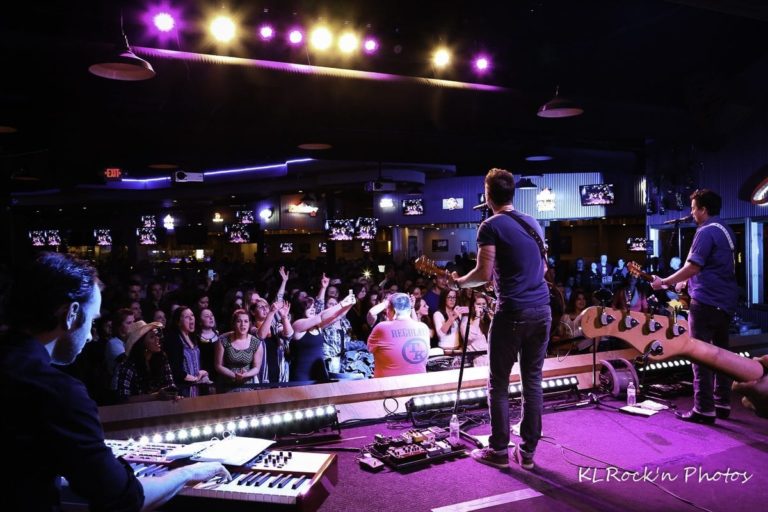 Unlike most shows, the meet and greet was held after the performance. The duo spent so much time with each fan for autographs and photos that we didn’t get out of there until almost 1:30am. Every fan was impressed with their show and more importantly with the fact that these guys were just every day people sharing their love of music with the rest of the world.
 Gathering of the Vibes.
 2015 lineup, including Weezer, Wilco, Ben Harper & The Innocent Criminals, and The Gaslight Anthem. Though you may plan to make your way into a crowd of sweaty, sprightly individuals to jam out to the newbies of the Vibes lineup, make sure you take part in the shows of those who came at the early stages of Vibes, including but not limited to Max Creek, Strangefolk, Warren Haynes, and Deep Banana Blackout.
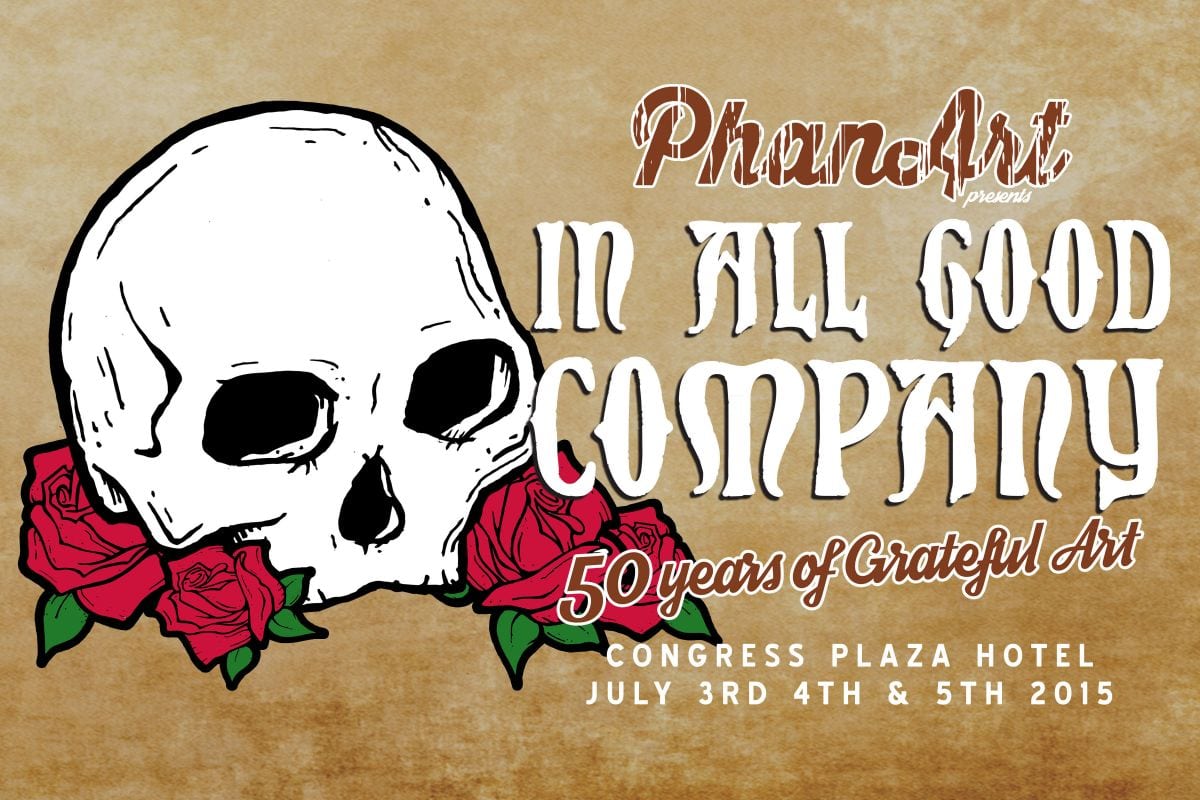 The exhibition, put together by PhanArt, will take place from noon until 6 p.m. Friday, Saturday and Sunday 1 mile from the stadium at the historic Congress Plaza Hotel on 520 South Michigan Ave., near Grant Park. Local Chicago bands Jack Straw and Under the Willow will complement the artistic displays throughout the weekend. In addition, Blank Space Arts will be curating a playlist, providing an audio background to the visual effect of the art.