It’s hard to believe that it was thirty-years ago that Bryan Adam’s fourth studio album, Reckless was released. This certified five times platinum album brought Adams around the world on his original tour in 1984-85. Unhappy with the original version, Bryan Adams actually took a month off in 1984 to recut several of its final tracks, including his duet with touring partner Tina Turner, on “It’s Only Love.” Happy with the final version, this perfectionist found that the final version brought him six songs off this album charting and earning a nomination for a Grammy in 1986 for “It’s Only Love.”
Bryan Adams – Reckless Tour 2015
Fast forward thirty-years, a total of 13 hit albums, raising a family, and a side career in photography, Adams re-releases this album and brings all the Bryan Adams‘ fans back to those moments to once again relive times long forgotten. Including even more of Adams’ hits on the newly released version, Adams hit the road once again to celebrate the music that lives iconically in our memories forever.
Bryan Adams – Reckless Tour 2015
Celebrating this reunion at CMAC during their summer concert series, I knew that this would be my chance to finally see one of my most favorite performers, and he didn’t disappoint. Playing all of my favorites from this entire album in addition to several of his others, Adams brought his “A” game. In fact, his ability to engage the audience was epic. My favorite moments, his serenading Christina, a girl from the audience that danced along with his version of “If Ya Wanna Be Bad Ya Gotta Be Good ” and his acoustic version of “Straight From the Heart”. The videography that accompanied this show was spectacular as it mixed videos of yesterday together with today and brought a visual treat to that auditory excellence.
Bryan Adams – Reckless Tour 2015Bryan Adams – Reckless Tour 2015
Once again CMAC hit another show right out of the ballpark with this one as those in attendance from lawn to pit danced the night away and sang all night to their favorites.
Setlist: Reckless; One Night Love Affair; She’s Only Happy When She’s Dancin’; Run to You; The Boys; Night Out; Heaven; Kids Wanna Rock; It’s Only Love; Long Gone; Somebody; Ain’t Gonna Cry; Summer of ’69; Let Me Down Easy (Roger Daltrey cover); (Everything I Do) I Do It for You; If Ya Wanna Be Bad Ya Gotta Be Good; This Time; Can’t Stop This Thing We Started; Please Forgive Me; 18 til I Die; Cuts Like a Knife; The Only Thing That Looks Good on Me Is You Encore:; You’ve Been a Friend to Me; C’mon Everybody (Eddie Cochran cover); Fits Ya Good; She Knows Me; Straight from the Heart; All for Love (Bryan Adams, Rod Stewart & Sting cover)
As the 2015 Great New York State Fair approaches opening day, the lineup has ironed out nicely for the week. Although a slow start, we have some award-winning musicians and comedians coming to the Grandstands, while Chevy Court once again will draw in record crowds for their free concert series. With record-breaking crowds last year, it is anticipated to repeat and exceed these records with the $1 day once again on Labor Day and now $3 Thursdays added to the lineup.
With Special Days and Events Planned all week-long, there is bound to be fun in store for you and your family and friends at the 2015 Great New York State Fair
Opening Day / Governor’s Day, Thursday, August 27th, $3 Thursday
Chevy Court
2pm – Everclear
8pm – Rick Springfield
Grandstands
7:30pm – Eric Church, with special guest The Cadillac Three
Pride Day/Law Enforcement Day/New Americans Day, Friday, August 28, 2015
Dairy Day, Senior Citizen’s Day, Monday, August 31, 2015
Chevy Court
2pm – Bowzer
8pm – Cole Swindell
Fire & Rescue Day, Beef Day, Senior Citizen’s Day, Tuesday, September 1, 2015
Chevy Court
2pm – Oak Ridge Boys
8pm – Joe Nichols
Women’s Day, Wade Shows, Wednesday, September 2, 2015
Chevy Court
2pm – Salt N Pepa
8pm – Snoop Dog
Armed Forces Day, $3 Thursday, September 3, 2015
Chevy Court
2pm – Echosmith
8pm – Jason DeRulo
Grandstands
7:30pm – Patti LaBelle
Six Nations Day, Student’s Day, Saturday, September 4, 2015
Chevy Court
2pm -The Ripcords
8pm – Fifth Harmony
Grange Day, Saturday, September 5, 2015
Chevy Court
2pm – Sawyer Fredericks with Josh Batstone & Amanda Lee Peers 8pm – The Jacksons
Sunday, September 6, 2015
Chevy Court
2pm – R5
8pm – The Steve Miller Band
Labor Day, Summer Send Off “Dollar Day”, Monday, September 7th
Chevy Court
6pm – Nick Jonas
Immediately Followed By Fireworks
With thirteen new rides joining the Midway, you’ll find something to excite everyone from those preschool youngster to those young at heart. Special rates are available for pre-sale tickets as well as specials on individual days. Take a peek at those new rides added and specials offered on the nysfair.org site here.
When it comes to the most diverse offering of culinary delights, you only have to visit the Great NY State Fair to get everything from fan favorites of chocolate milk to fried anything. In addition to the many food vendors, throughout the entire grounds you can find some of NY State’s finest culinary eats offered and wineries galore.
Last year’s attendees asked for some healthier options, and this year your request was answered. Make sure to find the new vegan/vegetarian stand, Strong Hearts Café, in the International building. The acclaimed vegan/vegetarian restaurant brings its signature focus on great taste to the Fair. Everything on the menu is 100% vegan and 1000% delicious. There you’ll find in addition to entrees, their non-dairy milkshakes, which will include a new flavor especially for the Fair. Although they’ve brought the deep fryer, it’s solely for their Vegan Wings. In addition to our vegan vendor, a new gluten-free vendor will also be joining the Fair, so make sure to check them out for the healthier fare at the fair.
Whether it’s healthier choices or the fair favorites, meals can be on the fly or planned ahead by visiting the sites new food finder app. Just type in the type of food you would like, and viola’ your route will be planned.
There is just about something for everyone to keep you busy throughout the day as you meander in and out of the buildings taking in everything from promotional items to best in fair for horticulture, arts, and livestock. Whether it’s shows and competitions that bring you to the fair, the food, the rides and games, or the entertainment, you are bound for a fun time.
I highly suggest you downloading the app for the NYState Fair as well as take a peek at the parking and fair maps to plan the easiest pathways in and around the activities for the most enjoyable experience. Planning ahead always helps to get the most of your action packed day as well as take advantage of all there is to be offered.
Growing up as a Generation X’er was a treat musically. The music of the time was an eclectic mix that allowed us to soak in a diverse appreciation of many styles. As the ’60s faded out, lyrics of the folk sound resonated in our minds while the ’70s and ’80s rock introduced us again to a heavier mix of instrumental solos. As disco came upon us we saw pop sounds interspersed with a mix of more dance oriented music from NYC, LA, Detroit, and the UK. Then as the large hair bands began to fade out, we were introduced to a whole new indie/grunge sound from the Seattle region. I think those that were raised during this time period feel an appreciation more so for music for some reason. The one thing that seems to hold true as you look at this era of music, those that performed then, are still going strong today and still touring to sold out shows all over the world. Included in this eclectic group were stand out musicians Pat Benatar and Neil Giraldo.
They made music on stage and that chemistry extended into their personal lives as they took the ’80s by storm. Pat’s strong vocals paired with the fretting strings of Neil were beautiful music that took your gut and made you stand strong and tall. It’s no surprise that they are still going strong today both on and off stage.
Playing to a sold out crowd at The Turning Stone Casino Showroom, husband and wife duo Pat Benatar and Neil Giraldo began the show with a video reel of their history together. I have to admit that this preface to the show gave me even more of an understanding and appreciation of their journey together.
Pat Benatar was a classically trained vocalist who began singing in grade school, and just never stopped. Making her mark on NYC in both the clubs and on/off-Broadway Benatar had a vision for what she wanted to achieve, and this vision held a strong musical partner. She needed someone who would hold their own beside her, as well as inspire her. After hearing Neil “Spyder” Giraldo, she knew that was the perfect match. Spyder was an established musician, writer, producer and had been playing with Rick Derringer band when they met. It was an “Invincible” pairing and together they were unstoppable as they created hit after hit.
Fast forward to today, after raising their two daughters, they have taken to the road again to share this magic once again with fans in their 35th Anniversary Tour. I can attest that the magic is still there, and their talent even more refined and fine tuned. They had the crowd at hello as they sang all of my personal favorites and some unexpected covers. As a teenager in the 80’s, the look and stage presence of Pat Benatar was larger than life. Even though many emulated her look, it was her strength that hooked me. As a female rocker in the 80’s Benatar proved to everyone women could be fierce and sexy at the same time. No more Stepford wives ladies, we were going to break that image wide open and take control of our lives. Pat Benatar knew exactly what she wanted to accomplish, had the vision, had the perfect partner to share that vision with, and in turn we have been blessed to be on the receiving end of her journey.
Pat Benatar/Neil Girlado Set List: Shadows of the Night; All Fired Up; Invincible; We Live for Love; One Love; Precious Time; Strawberry Wine; Promises In The Dark; We Belong; Hell Is for Children; You Better Run (The Young Rascals cover); Hit Me With Your Best Shot; Love Is a Battlefield;
Encore: Everybody Lay Down; Let’s Stay Together; Heartbreaker / Ring of Fire/Seven Nation /Godfather Theme
Nashville has not only become a mecca for country music but also has a melting pot of talent behind the scenes. The city has become the place for country musicians to travel to for recording. David Fanning may not yet be a name you are familiar with, but I can assure you that his talent shines through in other ways that you may have been touched by. Working together with artists Parmalee and Thompson Square, among others, this young man is wise beyond his years, and his ear for talent is spot on–not only a songwriter, but also as a producer.
Photo by Jeremy Cowart
Kathy Stockbridge: Hi David, thank you so much for agreeing to talk to NYSMusic. It’s so nice to introduce you to our readers. You grew up on a farm in Alabama, talk to me a bit about how you found your way on this path of music.
David Fanning: Well thank you for talking with me. If you could ever see a picture of the town I grew up in, it’s literally what you kinda write about in a song. It’s kinda one of those one red light kind of towns.
KS: I know them well.
DF: What got me interested in music was honestly my family. Growing up, ever since I was tiny, they were in a 50s and 60s a capella group. So they would sing bebop music on weekends just for fun, nothing obviously professional. That’s just what I grew up doing. So I was a miniature Elvis when I was like 9, 10, 11 years old. That’s how I learned about harmonies and melodies and all of that kind of stuff. It was a great experience for sure.
KS: So in addition to singing, what musical instruments do you enjoy playing?
DF: I play guitar. I’m one of those people, especially in a live setting, that love to perform. I’m definitely not Keith Urban, but when it comes down to it I can hold my own. I do a little piano, but honestly I actually started out on drums. I guess I’m one of those people that decided early on that I like to perform versus being “the guy” on any of that stuff. I do obviously play during the show a bunch, but I have a lead guitar player that is way better than I am at that.
KS: I have a feeling you’re being very humble here. I read that you have a really good ear for music. At at the age of fourteen you began producing music and you taught yourself how to use ProTools. Share with our readers a little bit about how that came about.
DF: Where I grew up we had no studios, and even though it wasn’t that far from Nashville, Nashville was still about an hour and a half away. We couldn’t afford to come up here and spend that kind of money nor did I know how to growing up. I always wanted to, but just didn’t know how to. So, even though all we had was dial up internet, I learned how people recorded music and began ordering gear and just getting by. I ended up getting ProTools and established a little set up to record at the house. I started recording my own stuff and figured out how to do it as I went along. I made a bunch of mistakes, and just learned how to get sounds and different things down. When I was finally able to go to those studios, I took what I learned there and applied it to what I already knew and it really started shaping who I was as a producer. It paid off, because I was about 22 when we produced the first Thompson Square record, and “Are You Gonna Kiss Me or Not” was my first number one that we did on that album. It was an amazing thing. I never knew growing up that I could use all those skills and apply them to what I’m doing today.
KS: Do you think having those skills helped to shape you as a better performer just knowing the whole process and how music is produced?
DF: I think so, it’s one of those things, I’m still growing as an artist. The negative (which is actually still a positive) is I took off about five or six years off from the road. I had been playing my whole life so getting back on the road the past couple years has been a new learning experience as to what works and what doesn’t work and how can I get better. In the studio it’s the same way on each project. We’re doing the new Parmalee project right now. This record is going to be different from the last record, as it’s a little more progressive. It’s awesome, but I’ve learned a lot more [in producing] since that last record too. Sonically I’ve learned a lot. With songs I’ve learned how to make dynamics happen more as well. It’s always just a learning experience. The music industry is always changing so it’s fun to evolve with it.
KS: I like that word–evolve. There are so many different sub-categories within the country genre that it allows you to be creative even more so.
DF: That’s the thing about country music. They are letting you be creative. You might be pop country, or rock country, or rap country even.
KS: Yes, exactly. You spoke of taking some time off. Share with the readers a little about your timeline in the music business and your journey to where you are today.
DF: Even though I took some time off from the road, I was working every day in town. What happened with me is when I was around 20 I moved to Nashville. It’s crazy but I emailed about 300 people when I wanted to move to town. I was actually moving from LA to Nashville, as I lived there for a little while. I had moved out there because I thought, that’s just what you do. When you come from a small town you think LA is the place to be. That’s just what I thought. So I went out there and realized that I’m definitely not that kind of person. I’m definitely more of a small town southern boy, so I moved to Nashville, and when I moved I e-mailed literally 300 people and thought maybe someone would want to give me a shot or something. There was this one guy, his name was Kevin Neal, and at the time he was at a place called Buddy Lee Attractions who booked Jason Aldean. He was like “Man I’ll come out to one of your shows”, and at the time I was playing downtown Nashville at night. He came out and he ended up hooking me up with Aldean’s band who was Kurt Allison, Tully Kennedy, and Rich Redmond. Back then Jason was just starting to get some legs under him and stuff and have some hits. Me and the guys, his band, just hit it off and started working on my stuff in the studio. We cut about six songs and realized that we really work well together in the studio, so we started a production company. The first act we produced was Thompson Square. It all kinda went from “we actually have some success here”, to “I should focus a little bit on this production thing and build a little bit more of a name for myself on that end and see where itgoes”. I went through a few years of working with Thompson Square and Parmalee, who I actually found at the Tin Roof parking lot in Nashville. [Parmalee] used to drive their RV up into town and that’s where they would park. One day I got set up to write with them and we ended up writing a song called “Musta Had A Good Time” together in their RV. I kinda fell in love with their whole vibe and I brought them to the guys and we ended up cutting “Musta Had A Good Time” and “Carolina”, getting them a record deal.
KS: They are awesome. I had a chance to speak with them earlier this year and they are a bunch of fun loving guys. Very talented. Good call there David, great discover!
DF: During their last record we were doing I looked at the guys and said, ‘I gotta go do what I was made to do. I have to go play. I can’t sit here and get this studio tan on any more’.
KS: When you talk about your production company you’re talking about New Voice Entertainment? You’re what they consider a triple threat. You perform, you write and you produce. Do you find yourself being drawn to one particular aspect of music or do all the parts feed your creative soul?
DF: Live performance for me and just live entertainment is my thing. I love it. There’s nothing like it. There’s nothing like the rush. I love writing songs and I love producing, but to me they don’t fulfill the void that I have. I could have a million number ones on the side, and still wouldn’t feel complete if I couldn’t play. That’s exactly what I’ve always wanted to do, and I’m finally getting the chance to do it. I’m obviously happier than I’ve ever been. I’m a lot more tired than I’ve ever been, but where I’m at is a fun place to be at. Sometimes you’re on a bus, sometimes you’re in a van, and you’re all over the place, and it’s definitely had its growing pains as we just did a 5,300 mile West Coast trip in a miniature bus with me and the band guys getting stuck in there for eight days. It was really cool and fun though. We had a blast. It’s one of those things where we’re definitely creating memories and such. It’s been a fun journey so far. We’re ready to come to NY though.
KS: Yeah, we’re ready to have you here. Hope you’ll be able to take in some sites while you’re here. Our Adirondacks are gorgeous!
DF: Yeah, I hear it’s beautiful.
KS: Well, right now you’re in the studio doing some recording for yourself, talk to us a little about this new album and what we can expect.
DF: I am. We’re cutting music right now. It’s got a good amount of songs and a little bit of a different direction than the rest of the music that we’ve cut previously. It has a little depth to some of it, some is a little more progressive. For me I grew up listening to Chesney and McGraw and all those artists. But I also felt like I was on the verge of where people are now. With iPhones people are able to listen to all different kinds of music; I was kinda there too. I listened to 90s-early 2000s rock, country, and pop. One thing I liked about older records was it felt like each song told it’s own story and didn’t necessarily sound exactly alike. So that’s kinda how I wanted my record to be. Some of it is country-pop, some of it’s country-rock, some of it is happy and some of it is sad. I just wanted every song to have it’s own flavor to it and sound different than the song before.
KS: I’m anxious to hear it. Will you be sharing any of the new material with us at Keg’s Canalside on August 14th, when you play?
DF: Oh yeah, for sure. The fun thing about the show is that I still play some of the music I produced so that people kinda get familiar with some of the work I’ve done. I play a bunch of familiar stuff, but I also sprinkle in a bunch of new stuff too so that people get the whole picture of who I am.
KS: Speaking of who you are. You, like many musicians, dedicate time to charity work. You work with St. Jude’s Children’s Hospital. Can you tell us a little about your cause and why you chose to work with this one?
DF: Honestly, I’ve of course heard of St. Jude’s for a long time, and I didn’t get a chance to go and visit until a couple years ago. We went there for a few days and it was just eye opening of where it’s started, where it’s gone, what they accomplish, and the success rate they are having right now. I was expecting it to be a super sad place when I toured, but it’s not. The doctors, nurses, patients and families are all so positive. It blows your mind because they are going through the hardest time of their lives yet they are building hope and finding cures. Once I saw that I just had to be a part of it. It’s something I’ll always be a part of. It’s a great cause and they can’t have too much support.
KS: Thank you so much David for speaking to us today. I am so thankful for the chance to personally welcome you to NY and allow our readers an opportunity to get to know David Fanning.
So as I finished up the interview, I found myself so impressed by this young man’s range of talent, his down-home goodness, and musical skills. I find the journey musicians take very retrospective as we discuss the beginnings, the journey and the current events occurring in their lives at that time both musically and personally. The one constant I always find among them all? The love of performing. The sheer love of the music. Whether he made a living out of it or not, I believe David would absolutely be on the stage somewhere doing what he was meant to do, perform live for anyone who’ll listen to him.
I urge you all to take a trip tomorrow night over to Keg’s Canalside in Jordon, N.Y. and meet David Fanning and give him a warm Central New York welcome.
As the CMAC Summer Concert Series continues, the remaining lineup proves to keep the momentum building for Central New Yorker’s to enjoy the best of the best this summer. This week’s featured band, REO Speedwagon, has proven to be one of the crowds favorites for many years, and personally they are my favorite. So please accept this disclaimer right up front that if you’re looking for an unbiased interview from this editor, this will not be one as it was almost impossible for me not to gush like a school girl as I spoke with Neal Doughty about the band, their careers and personal life. Yep, just call me Madden on this as I blatantly show my favoritism for this band. How can you not?
A southern Illinois gal myself, I feel a kindred connection with these guys as they began their careers only 114 miles north of my home town of Flora. While attending University of Illinois in Champaign, IL, Neal and classmate Alan Gratzer formed a band and after a few gigs on campus, found a strong following of fans. Traveling all over campus and the local region, it took REO Speedwagon (named after a flatbed truck built by Ranson E. Olds) no time at all to be recognized by the powers that be with a record deal. The rest? Well, I’ll let Neal fill you in.
Kathy Stockbridge (KS): Hi Neal, thank you so very much for agreeing to talk with us today at NYS Music. I have to say I’m a huge fan. I’ve been listening to you folks since eight-tracks were around. I can recall cruising Main Street on a Friday and Saturday night with the windows down blasting the music. Yep, I’m a diehard fan.
Neal Doughty (ND): Wow, you don’t sound old enough to be listening to eight-tracks.
KS: Already Neal, you are my favorite person!
ND: Well we are off to a great start then.
KS: When you guys started out, you started out in college. Talk to my readers that might not have been around as long as I have, about the experience of how you came together and formed REO Speedwagon.
ND: Well this band started off strictly for fun. The original four members back in the dormitory at the University of Illinois, well we were all engineering students; like scientific types, and totally planning on becoming some sort of engineers, as the University of Illinois is a very respected school for that. Across the hall from me in the dormitory happened to live a guy named Alan Gratzer. He was our first original drummer, and he and I became really good friends in the dorms. I had never even played in a band. He was in a little campus band that was just playing radio hits and I started following them around and became friends with them. Their keyboard player just wanted to stick with what they were doing but the other three guys wanted to explore some newer music coming out of the west coast, Europe, and England; so we just kinda started a new band with me playing keyboards instead of him. Really strictly for fun, playing on weekends, making enough money to buy doughnuts. And that original group was called REO Speedwagon. That’s the name of an old truck I had read about in engineer class. This was 1967, there was no MTV, there was no satellite radio, or video.
There were bands out in California like The Doors and Hendrix the people in the Midwest had not even heard of when we started doing their songs. Since we seemed to have more of an alternative set list and things that people hadn’t heard before, we quickly became the most popular band on campus and we got busier and busier until eventually we didn’t have time to go to class any more. The University of Illinois is not a place you can get away with that, it’s a tough school, so we just went with it. We thought, well we can always go back to school if this doesn’t work out. But slowly over a period of ten years we just got more and more serious about it until we woke up one day realizing this is what we did. We’re never going to become engineers, we’re just going to keep doing this. This was just totally an accident and the farthest thing of what I thought would happen in my career. Now here we are, almost 50 years later.
KS: It was meant to be. Were you from a musical background, and I read that you saved up to purchase your own keyboard and taught yourself how to play. Is that accurate?
ND: Yes, that is. My parents had a piano at home and my mom played it. Eventually it ended up in the basement. I started sneaking down there messing around on the thing. That’s about the time that The Beatles hit, and I would try to play their songs by ear on the piano, at my high school parties. I played it a lot at home but I never even thought it would be something I would do professionally. I had always been interested in some sort of entertainment. I looked at some colleges that had good theater departments, even some radio and television. So that was in the back of my head, but what at the time I was good at was engineering. I had a scholarship to the University of Illinois based on how well I scored on the scientific parts of the pre-college testing. I was pretty sure that’s what I was going to do. I probably would have really liked it as I still keep up with development with physics and science in general. But, this has worked out just fine.
KS: Yep, I’m pretty sure this was the path you were meant to take. I read that your first gig was at a fraternity house. Share with our readers about your first gig experience.
ND: We had been rehearsing in the dorm and one of the members that lived off campus had his own townhouse so we rehearsed there a lot. We just rehearsed all the time and we figured sooner or later we’re going to have to actually play a show and see what happens. So we put an ad in the campus newspaper with a picture of us saying ‘we’d love to play at your event, we’re a new band on campus’, so yeah, it was a fraternity party where the fraternity invited a sorority over for dinner, but the thing was the dinner was going to turn into a food fight that they had planned in advance. We got paid $40 and we set up on top of a bunch of tables that were shoved together. When we got there, there was brown wrapping paper on all of the walls. We wondered what that was about, and it turned out because of the food fight that the sorority did not know about.
KS: Oh, so you guys did not know about it either?
ND: No, we did not know about it. We were suspicious of why they had covered up all the walls with brown paper, but it was our first show ever and we were kinda excited actually. We were doing just fine then the big food fight broke out as we were finishing up and there was just food all over our stuff. Mashed potatoes in the drum hardware, and that’s not easy to get out. We kinda thought it was funny and actually we were not mad. This is what happens when you are in show business.
KS: Whoa, so please tell me this is not what show business is all about, and it’s not happened again?
ND: No, this has never happened again. There have been a few instances where people have thrown things at us, but they were not planned in advance. No, we’ve been pretty lucky, none of us have ever been hit with mashed potatoes again in our entire careers. So it’s working out okay.
KS: After you played gigs in town and started traveling out to the surrounding area did you start performing original songs or were you strictly covers? When did you start writing and performing your own music?
ND: The first little four piece band, two of the guys left after the one semester because they graduated. So it was just Alan and myself so we were in search of a singer and a guitar player. That’s the record we made with Terry Luttrell, he had originally brought a guitar player with him who left because he was more of a jazz player and didn’t think there was any future in rock and roll. So then is when we got Gary Richrath, the guitar player on all of our records we did for EPIC, and he played guitar on all the hits. Shortly after that we got Kevin, our singer who is still with us to this day. Kevin and Gary were song writers. They very quickly started bringing in original material and that’s when we went to a whole different phase. We stayed popular, but it was with our own original music. We still played some songs by The Doors and The Beatles but we interspersed pretty well with our own material.
Actually, we got our record contract because a producer from NY, our management talked him into coming to one of our shows in the Midwest and a couple of thousand people at an outdoor show. We were playing all of our original stuff and a terrible thunderstorm came along. We had to cover up all the equipment with plastic and run for cover to the side of the stage but the people were standing there in the rain still cheering for like half an hour, hoping we could come back. So we went over to the, his name was Paul Leka, he wrote “Green Tambourine” and “Na Na Hey Hey Kiss Good” which were huge hits from that time period, e had his own studio and I said “wow that’s too bad you didn’t even get to hear our best material” and he pointed to the screaming crowd and said “that’s all I need to hear”. And literally, that’s really what happened. So he had a studio in Connecticut and we made our first record there. He shopped it around and eventually found some people at EPIC that really liked it. We had some big fans there at that record label. So that’s how we went from campus band to as soon as we got our own material we got some interest. Took us forever to get a hit, but..
KS: I disagree. It was your earlier material that drew me to you guys. In 1977 when you put out your Live – You Get What You Play For album, because you definitely are a Live Band. Your energy levels you create at a live performance is off the charts. When you recorded that “Live..” album, especially the song “157 Riverside Avenue”, you hooked me then. And that was way before your commercial success with Hi Infidelity.
ND: Yeah that was our first really successful album. That album went Gold, and eventually Platinum. EPIC was so happy about that one that they flew us out to London for their big convention and presented us with the Gold Album there in front of record people from all over the world. But our first hit single on the radio didn’t happen till 80 or 81. That Hi Infidelity record that really put us on the map worldwide. That was our 11th album.
KS: My favorite album, besides the Live album was You Can Tune A Piano, But You Can’t Tuna Fish.
ND: Those were all popular as albums, but we had never had a number one song and EPIC was really wanting us to getting around to doing that. That all just all came together on Hi Infidelity. I really have to give credit to the people at EPIC Records, and they still handle our older records and we still have a good relationship with them, but they don’t think we need to make any new records. They aren’t really interested in that. We’ve made a couple that we’ve basically produced ourselves; financially and artistically. They had their own audience. They haven’ t been as successful as the ones before, but it just let’s people know that we haven’t stopped thinking. But a group now a days isn’t going to get eleven chances on making a hit record. The label will say, you get one shot. So we were lucky to be in that era when a record company would nurture a band for years instead of giving up on them. And we sold it door to door all over the country. You just played EVERYWHERE. Still to this day we are known best and most respected for our live shows. Even critics who don’t really like our “pop”songs from the 80’s they will still begrudgingly admit that our true strength is as a live band. We’ve always done that. People who only know us by the power ballads that we played in the 80’s are shocked when they see who we are live.
KS: It’s funny that you bring that up because I wanted to ask you; there was a completely different sound to Hi Infidelity from your earlier albums. You were more rock-based with strong instrumentals, whereas Hi Infidelity was more pop based. Did you find yourselves gradually moving towards that direction and sound or was it conscious choice to mix it up a bit with a new sound?
ND: It was not a purposeful choice. Kevin who wrote those two big number one power ballads, he wasn’t really, they were just songs he wrote like all his other songs and came from an honest place somewhere inside of him. They just happened to click as radio hits. He didn’t go about them any other way than all the songs before. Those songs are probably why we are still able to fill up shows. You have to have a couple of things like that at some point in your career, but our live show isn’t based around power ballads. Yes, there is a couple of them in there, but many others are just rock and roll.
KS: Yes and you definitely are a rock and roll band.
ND: Yeah, and when you’re hearing those power ballads live and you hear those guitars crunching, maybe the tempo slows down but not the energy level. Especially with those songs because everyone in the audience is singing along. So that adds a lot of energy right there. The show does not slow down when we do those power ballads, if anything it kinda comes up a notch. You feel a new energy because everyone in the world has heard those songs so that’s a big moment in the show, but we’re not an hour and a half of just power ballads.
KS: Since the ’80s you’ve been touring non-stop. How do you explain that and your audiences have new generations added to them.
ND: We’ve been able to tour this long because generations have passed this music down to their kids. We have people of every age in our audience. There a people there in their 70’s and there are people there that are pre-teens. I saw a little 10-year-old girl singing along with every song in the front row. That happens a lot of times. Before The Beatles came along, it hardly ever happened that you and your parents would like the same band. In fact it never happened. But my parents liked The Beatles. They first kinda established that hey there is nothing wrong with two generations going to the same concert. We see that all the time now. People in their 20’s say that they grew up with our music playing in the house all the time, because their parents were constantly playing our music and others of that time frame. We are best buddies with Pat Benatar, Styx, Journey, and Foreigner. They have had the same kind of career where it’s been passed down, and they still get big crowds at all their shows.
KS: You are on the road a lot. That’s had to be difficult with families and getting along with each other being on the road all the time together. What’s your secret?
ND: Especially when it comes to making a new record or writing new songs, things can get a little touchy, but it’s almost like a family where you get into a big fight and then be okay the next day. We’ve definitely had our spats in the band, some of them bad, but you still have each other and you work it out. I’d say we’re not as bad as a lot of groups and things have really mellowed out in the last couple years where we seldom disagree on anything. I guess we’re like an old married couple where you get to know each others behaviors and you don’t fight about anything any more. We’ve never stopped touring, where there’s never been a year that we don’t tour, but we do take some years where we play less.
This year is actually one of them. We’ve done twice as many shows in a year as we’re doing this year. We’re just picking out special spots where people like us. I’m finally after turmoil throughout my life in relationships, I am finally in the happiest personal life I can possibly imagine. I think a lot of the other guys would say the same thing. So we just don’t want to be gone all the time so we’re playing fewer shows, but there’s still not going to be a year where we don’t play any.So we’re balancing being on the road and being home, because everyone is happy at home. But when people are going to let you be a rock star when you’re pushing 70, you don’t turn that down.
Read Part two of our interview with Neal Doughty of REO Speedwagon.
So as I wrap up part one of this interview I need to share my excitement with what an awesome conversation Neal and I had. We spoke for almost a full hour. It was as though we were old friends swapping old times from long ago, and in a sense we were. Both from the Midwest, we shared a common understanding of the way of life of the area, and the importance music played for our generation and the culture. Like many of that generation, music was our thing. Yes, we had Atari but seriously, we didn’t have the video games we do today, or the social media, cell phones, or even MTV right away (and I’m referring to the music video television with the veejays; not that stuff we see today). We spent hours listening to it in our cars, on the radios, and on our turn tables and these bands and performers were larger than life to us. We couldn’t imagine ever seeing them in person, let alone interviewing them. Concerts were few and far between for most, and so our only connection to music was through albums, cassettes, and vinyl and with this diehard fans were created. My love as a fan was the fuel that propelled Neal and his band mates to a career far from the University of Illinois goals they began with, and the same fuel that propels this photojournalist to bring you music through the lens and pen each and every week.
It was a pleasure to hear the story from Neal’s perspective. As I was cruising Main Street in Flora with the windows rolled down and blasting my music, he and the rest of the band were going to college and through a love of music themselves, found the course of their lives moving in new directions. Whether it was playing fraternity houses, outdoor venues in Midwest during torrential storms (which until you live there you cannot fathom their power), or traveling the world ranging crowds that were small, medium, and then huge arenas, they knew it was what was meant to be and followed their dreams to a career that has spanned almost 50 years. Creatively they started out to bring new music to their classmates and within a few years began writing some of today’s most legendary rock and roll tunes of the days.
As I reflected on the first part of our conversation I couldn’t help wonder what magnificent feats of architecture these men could have achieved had they not followed the path they did. However the lives their music touched couldn’t have compared. So very glad they too took the chance and played as mashed potatoes were thrown at them and continued despite the fact that some felt that there wasn’t a future in rock and roll.
Join NYS Music as they cover the upcoming show on August 13 at CMAC where REO Speedwagon will be joined by locals Teagan and the Tweeds. Gates open at 7pm and show begins at 8pm. Hope to see you all there.
Music. It evokes feelings, transports me back in time and recharges me almost as though it’s a battery pack. Music for Nashville’s newest sensation, Chase Bryant, is the same. It’s in his blood.
Coming from a musical family in small town Texas, Chase heard Jerry Lee Lewis’ “Lewis Boogie” and that was all it took. From that point on, his course was set. Learning to play the guitar at a very early age, he jokes that there were 20 guitars in his hometown, and he owned all of them. After seeing Chase perform recently at The Taste of Country Music Festival, his hard work and dedication to learning his skill showed as I was floored by his shredding ability and how he made his guitar sing.
Chase Bryant – Taste of Country Festival 2015
As Chase and the Shotgun Rider Tour comes to town Thursday, July 3o to Darien Lake, Chase will open for Nashville favorites Billy Currington and Tim McGraw. He graciously agreed to speak with our readers and share some details to what makes him tick.
Kathy Stockbridge (KS): Hi Chase, thank you so much for agreeing to speak with NYSMusic. You have taken Nashville by storm since your arrival and your fans and our readers just love you.
Chase Bryant (CB): Why thank you.
KS: Music seems to be something that has always been in your blood. For those that aren’t aware you grew up in a family of musicians. Share a little about what that was like for you growing up.
CB: Well it was definitely a loud household. My grandfather was a keyboard player for Roy Orbison, and he played along side him throughout high school and right up until the summer my grandfather bowed out of the band because his mom said he couldn’t play rock and roll music any more. After that he went on to college and played with Waylon Jennings, and then on the Glen Campbell television show in Lubbock Texas, and then my two uncles played in a band called Ricochet and had the hit “Daddy’s Money” back in 1996.
KS: I remember that song! So it was in your blood, you were destined. You were born to do this.
CB: Yep, there was nothing I could do about it, and I’m glad there was nothing I could do about it, because I love it.
KS: Share with our readers a little about your relationship with Barbara and Alex Orbison and how that relationship played a role in your career in Nashville.
CB: Alex I used to say was one of my best friends, but I think he’s now more like a second brother to me. He’s been great to me and we’ve built a really great relationship when it comes to music and life in general. He’s been so supportive of my music and his mother Barbara as well has been one of my biggest fans. I couldn’t thank her enough for signing me. She was a great lady and I was her last signing at her company before she passed away. So that was a pretty awesome experience.
KS: When you came to Nashville, Benny Brown — founder of BBR Music Group — was so taken back by your talent as a producer of your demo tapes, he allowed you to co-produce your album with Derek George, which I must add is not something he does often. Share with us a little about how you taught yourself the production end of recording and how you have grown since those early days as a producer.
CB: I was on a panel the other day and I was asked how do you teach someone producing, and you really can’t. If your ears aren’t there and you can’t hear the music then it might not be for you. There are some great artists that never produced their own records or played on their own records, or maybe even wrote the songs. But they were great records and ones I definitely looked up to. I got lucky and sometimes I think that maybe what I do isn’t always right, but Benny sure has given me an opportunity to expand on it. Whatever my name is or the sound that goes along with it, Benny Brown and Broken Bow and Red Bow Records have really let me carve that path and let me become who I really want to be. I’m thankful for that. I was able to write all the songs on this record, co-produce the record, and I played all the guitars. I didn’t produce it by myself either. I co-produced with my best friend Derek George. We had a blast making that record.
KS: Well the finished piece was amazing and you have a great ear for it.
CB: Well thank you.
KS: In addition to producing, you also write your own music. You say that you wrote 400 lousy songs before you wrote your first good one…what was that one song that caught the attention of Nashville manager, pluggers, and publishers? Did you know when writing that one, it as the one?
CB: I think “Take It On Back” was the first really organic, not left of center or anything that had never been done, but it was one of those songs that defined who I was and that sound that people know me by now. I think it was that, and a song called “Change Your Name,” and probably another one that did it, called “Wish I Was A Plane” was another one that set the radar for the label and set the tone for the record. Now “Wish I Was A Plane” is one we play live (isn’t on record). You have those couple of songs that lead to other songs, and those three definitely lead to probably 15 or 16 songs to be on this record that I would like to say are collectively my best pieces of music I could make at the moment.
KS: Yeah, “Change Your Name” is my fav.
CB: Well thank you. I’m hoping that’s a single in the near future. We’ll see what happens.
KS: It will definitely be a hit. You also are an amazing guitarist. You are a left hand guitarist that plays a right handed guitar upside down. It’s not something you notice either. I shot your set at Taste of Country Festival this past June, which by the way you killed it, and after I read that you had this unique talent…I went back to study the photos and sure enough…you rock that guitar left handed, upside-down! Wow…how did you manage to learn that skill?
CB: I don’t know, I’m still learning. Everybody always says “how do you do that, how do you do that?” There’s times I look at and go “why am I doing it this?” But it just happened. I think a lot of people told me no, and a lot of people thought that I would never play it like that, so I was a stubborn kid growing up and therefore I had to do it. It also saved my mom and dad a lot of money buying me my first right handed guitar because left handed ones are way too expensive. I know my mom thinks I have way too many guitars but in the end it ended up saving us a ton of money.
KS: You recently had the opportunity to do a project with Kia Motors and Michael McDonald in their ground breaking digital series Rediscovered. Share with my readers a little about that project and what that experience was like for you.
CB: Oh gosh! Ya know, I listened to the 70’s records a lot, whether it be Fleetwood Mac Rumours, or The Doobie Brothers Minute By Minute or Takin It To The Streets, any of those records defined who I wanted to be as a singer. Musically I thought Michael was just an absolute genius. The sounds that he had coming as a keyboard player and the tone of his voice; there is no way you could ever hear that voice and undoubtedly not think that was Michael. Nobody else you could think of, could it be. With modern technology today people hit their phone and ask Siri “who is this on the radio?,” and I think that is the quickest response from Siri is Michael McDonald because it’s one of the most recognizable voices of all time.
KS: I have to say when I watched that four part series (which I strongly urge my readers to watch the entire series) you nailed it. I could tell he was genuinely impressed as well. Now in that series you talk about your experience of playing at the Opry. Share with me what it was like for you the first time you performed at The Grand Ole Opry.
CB: Playing the Opry is one of those things that every time I play there I quote “there is no bigger religious experience for a country musician…than standing in that circle”. It’s just one of those things as a country artist, when you step in that circle you don’t know what to expect. I took a friend out to my last performance and the first time they toured the Opry they don’t know what to expect. It’s the same when you are standing in that circle; you don’t know what to expect. It’s one of those venues that are full of people who love country music. It’s not a crowd that’s going to walk into the show and scream and yell your whole entire set. They are there to listen to great music, and I’m just a proud part of that and I’m very glad that they asked me to come back again and again.
KS: Your first EP Chase Bryant charged out of the gate with its hit “Take It On Back.” We love that song and I love that video. How did the setting at the Tennessee Railway Museum for the video come about?
CB: I’m a huge train fan. My grandfather, who was a big influence of course, a huge huge huge influence musically but he and I were both obsessed with trains. When Wes Edwards threw out the idea, I didn’t know who was shooting the video, I just knew that “BAM” that was the one. Especially for my first single.
KS: Your newest release Little Bit of You is racing up the charts right now and grabbed the attention of Rolling Stone Magazine as they labeled you as one of it’s “10 New Country Artists You Need To Know.” That must have been awesome to see your name in Rolling Stone Magazine. Do you find yourself pinching yourself at moments saying…can this be really happening?
CB: There are some great names in that article and some of them I moved to town with, people I’m really really rooting for, and people somewhere down the road we’re still together in this. I grew up reading Rolling Stone and was a big fan, and once again it’s one of those things to know I’m a part of it is an honor to be included.
KS: Your music is what I consider feel good, toe tapping, smile making music. Your live show is amazing and full of the same energy. I get the impression that you are a very positive person from your music. Do you find that when create music, your wanting to send a message with each song or do you want your audiences to find their own meaning in the songs?
CB: My message in my music is who I am and who I’ll always be. I don’t know if there’s another way of saying it. I just know that whoever Chase Bryant is, and whatever you see live, and whatever you hear on the radio; that’s me and who I am.
KS: I love your philosophy on music. You said that “I’m just the guy with the guitar. If I wasn’t, I’d be the guy on the front row with his arm around his girl raising a glass to the guy onstage. No questions, it’s just who I am. Music is everything.” I think this philosophy truly defines you and why we adore you. You are in it for the music and sharing that passion with your fans, thank you. One final comment and question — you hands down win for best hair in country music!!! What’s your secret for keeping it perfectly in place as you are moving around on stage. That’s difficult…I know…my son struggles to keep his hair styled like that!
Chase Bryant – Taste of Country Festival 2015
CB: Well that’s actually funny, as I went through a few different hair cuts when I came to town, and thankfully I had a label that was very good and very patient with me getting my image correct. Who knows if it’s correct now but it’s nothing more than blow drying the thing up in the air and putting some paste in it. It’s a pretty simple process. It’s nothing tough or too hard to happen; and sometimes it happens when I wake up on the right side of the bed.
KS: Well you have that image down pat. Thanks again Chase for taking the time to speak with us and we can’t wait to see you at Darien Lake July 30th!!
As I ended the interview I could not help think what a nice young man he was and how well his music fits his personality. He is an upbeat, positive, fun loving young man who loves what he does, and it shows. He’s the next generation of country. With so many critics out there today picking apart country criticizing the new sound, I find Chase Bryant the perfect example of how the next generation is taking the roots of country, that he was whole heartedly immersed in as a child, and giving it the spin to generate new fans from this generation. As a role model, he’s definitely my choice, and again, hands down he wins my “Best Hair” award.
I’m truly looking forward to seeing his set again, and I strongly urge all of you to not miss this show as Chase, along with Billy Currington, and Tim McGraw will blow your socks off for a fun filled evening of country entertainment.
After catapulting in 2012 to the spotlight with their Night Visions album, it seemed like a daunting task to follow-up their first extremely successful album. How did Imagine Dragons tackle that task? They did so by making an album for themselves. Writing while touring, these guys were able to put down feelings and emotions that translated to their second album Smoke and Mirrors.
My anticipation grew, as the date of the show slowly came upon me. I was anxious to see if these guys were as good live as I predicted. The songs on the new album lent themselves to epic live show spectacles.
As the show began, an extremely talented young lady, Ashley Nicolette Frangipane, took the stage with her band. Halsey, as they are known, rocked the stage with their Indie pop sound. I was absolutely captivated by her vocals. She’s an amazing artist and I would be remiss if I didn’t mention how absolutely stunning this young lady was as well. She could be a model. The hair, oh my gosh her hair was epic. It was the most beautiful shade of blue/green I’ve ever seen. Wish I could pull that off. I’m digressing, sorry. Halsey’s eclectic musical influences from Tupac Shakur, The Notorious B.I.G, Slick Rick, as well as The Cure, Nirvana, and Alanis Morissette permeated her sound giving it an edge of sophistication and funk. From the moment she took the stage, she owned the audience.
Next up was Metric. This Canadian rock band has been around for quite a while amassing a strong following since 1998. With a heavy synth and punk sound, this band is more familiar to you than you probably realize. With several EPs and albums over the years, opening for acts such as The Rolling Stones, and their extensive credits for scores with Grey’s Anatomy, 90210, One Tree Hill, FIFA 10, NBA 2K10, Zombieland, Entourage Vampire Diaries, Rock Band 3, and so many more it’s almost unfathomable to think you haven’t heard their music. Commanding the stage their unique blend of music and instrumentation entertained this group and primed them for the main event.
As I returned to my spot to photograph the next set, the stage was set in a blanket of darkness and a cloth now covered the entire stage like a mask. Speaking with attendees while we waited for the Imagine Dragons set to begin, I learned the dedication and sheer love these fans have for this group. Traveling long distances and sitting outside since the wee hours of the morning to get a railing position on the floor, it was only a matter of moments before their perseverance would pay off. With posters in hand they were ready to sing along with every song (I’m sure they knew every lyric to each one) with hopes to possibly get a pick thrown their way or perhaps a touch of the hand of a member of the band they loved so very much. As the music began, the lighting shone through the curtain highlighting the silhouettes of each band member. With the score beginning, sheer adrenaline was pumping through the crowd like static electricity, it was impossible not to feel the tingle. As the curtain fell, out to the edge of the stage ran Dan Reynolds singing their newest single, “Shots”. Positioned just right, I was right there waiting for him as the fans went crazy and the energy levels exploded through the roof. I knew it. This band was a ‘live band’. You know, one of those bands that you have to see live to appreciate ever aspect of their talent. Always loved their music, but I wanted to feel the music.
The first thing I noticed as the show began was Reynolds ability to connect with the crowd. He felt the music through his entire body and extended it outward toward the audience. He spoke with the group as if they were just having a conversation sharing his newly acquired bling that his daughter had just made him, and commenting on issues affecting everyone in light of the recent tragedies in Charleston. These fans weren’t nameless faces to him. They were friends; they had been through it all with him. At one point and time he called out to the crowd as we celebrated “beard man”. But what really got me, was his recognition of fan Jacob Ziegler. Who is Jacob Ziegler? Well he’s a young man who loves Imagine Dragons and follows them on all social media aspects. He retweets, he shares, he comments, and Reynolds recognized that. He yells out to him, recognizing him in the crowd, saying “I see you Jacob Ziegler” he tells the arena full of people that he sees his tweets and comments and appreciates the love he shares. I was floored by this act of kindness. Jacob was beside himself happy. By the end of the night Reynolds made sure to give him a hug. Now to me, that’s a star. A star always shines bright.
As connected as he was with the crowd, he was the same with band mates Wayne Sermon, Daniel Platzman, and Ben McKee. You could tell the rapport they share was fun and loving as they teased amongst themselves. As he sang through his setlist, that consisted of both hits from Night Visions and the new Smoke & Mirrors, I heard the songs differently this time. Ones that didn’t stand now did. Ones that I loved, I loved even more. And let’s talk about the light show. That in itself was a spectacular show. Coupled together with the amazing sounds of Imagine Dragons, this show became one of my top five favorite shows of all time.
As Imagine Dragons travels for this tour, I strongly urge you to take the opportunity to see this event. You will definitely be happy you did.
SetList:
Shots, Trouble, It’s Time, Forever Young (Alphaville cover), Smoke and Mirrors, Polaroid, I’m So Sorry, Gold, Bleeding Out/Warriors, Demons, Hopeless Opus, On Top of the World, Friction, I Bet My Life, Radioactive, The Fall
In the photojournalism profession, there are certain things you hope to one day do in your career. Whether it’s covering a favorite band, or capturing the perfect shot, or interviewing someone you’ve revered over the course of their career, we all have that bucket list of wishes. As we get ready to welcome Heart to the Oncenter’s Mulroy Civic Center Theaters, June 30, I recently was able to check off one such accomplishment on my bucket list. Graciously agreeing to speak with our readers, I had the opportunity to interview one of the icons of rock and roll, Ms. Ann Wilson.
Ann Wilson – Heart
Ann and Nancy Wilson are known and revered as trailblazers in a predominately male field of rock and roll. Shattering the glass ceiling and overcoming adversities, Ann and Nancy not only blazed the way, they set rock and roll on fire. Over the years their music has spanned generation after generation, and their longevity can be attributed to their ability to touch their audience no matter what age they are. Recognized once or twice along the way in their successful careers, I found Ann so humbled by it all. Let’s recap a few of those awards: In 2013 they were inducted into the Rock & Roll Hall of Fame and in 2012 they were honored with their Star on the Hollywood Walk of Fame. They have had four GRAMMY nominations over the years as well as the Lifetime Achievement Award from the GRAMMY Foundation Northwest Chapter. They have been awarded the Lifetime Achievement from the VH1 Rock Honors, and the Image Award’s Lifetime Achievement for Excellence in Songwriting from ASCAP. They have exhibits in the Rock & Roll Hall of Fame Museum, the Electronic Music Project Museum, and the Grammy Museum. Needless to say, they’ve made their mark in the industry over their more than 40-year career and along the way grown in the “Hearts” of all their fans; myself included.
As I sat down to speak with Ann Wilson, I had to pinch myself. This was definitely a humbling experience and I wanted to ask the right questions that our readers would want to know. So I took a survey and a few of these questions can be found within.
Kathy Stockbridge (KS): Thank you so much for agreeing to talk with our readers. We are so happy to have Heart coming to the central New York area. You have been one of the most influential women in rock and roll history. You and your sister have made every list possible hailing you as trail blazers in this field. When it come to breaking the glass ceiling as women in a predominately male genre, you forged the way for so many females that wanted to be like you. Being in the forefront who motivated YOU to pursue your dream in music and sculpted your love of rock and roll. Who were some of your earliest influences.
Ann Wilson (AW): You’re welcome. Well one of my really early influences would be someone like Judy Garland. You know, that’s who my mother listened to, but the people that influenced me to do rock and roll were not women, they were all men. They were The Beatles and The Rolling Stones, and people who were being played on the radio back then. Then later on it was Deep Purple, Led Zepplin, and Pink Floyd, and all those people that populated the airwaves back then is what really turned me on, and got me into it.
KS: You mentioned that your mother listened to Judy Garland. I read somewhere that your mother was a very strong woman and could be considered a feminist. How did she encourage you and your sisters when it came to pursuing your career choices?
AW: I think that our mother was pretty suspicious of the music business. She considered it to be the fake and phony tinsel world; a scary world especially for two of her three daughters to enter into. But she wanted us to be happy and wanted us to find a bliss and follow it. Yeah, she was happy about that part. She used to not have any problem with offering up her advice about how to survive in the entertainment industry though, which I always thought was pretty interesting since although she was a smart woman, she had no experience in it. She just saw what happened to Judy Garland and said, watch out, don’t do that.
KS: You had some major obstacles you had to overcome over the years along the way. What were some of those obstacles that came up and you hurdled them with no problems whatsoever.
AW: Haha, hurdle them with no problem? Well that didn’t exist. In the very beginning of course there was a level of sexism that wouldn’t be acceptable today. That was the first hurdle. Then along with that came credibility. “Are women trying to do rock and roll even credible or are they some kind of cartoon character?” That was the biggest hurdle at first. And then after that..all the typical ones like ageism, body image, like all those that people face. Only somewhat amplified because it’s in entertainment. But the thing is if you really love and are focused on what you’re doing and that’s your main focus, than you can always look at that and center on that and some of that stuff can go by without really screwing you up too bad.
KS: Absolutely … kinda like you had to do twice as much as the next male artist to get to where you were.
AW: Yes, but backwards and in high heels, right?
KS: And you did it! Along the way, who was there for you before you were famous that you would say thank you to? The one person that made a difference in your career?
AW: I would have to say my parents. My blood family. Our older sister and my parents were the ones who were most there for us and our friend, Sue Ennis, she was there too. And the original lineup of the Heart band was a tight and committed little unit so we were all there for each other.
KS: You have played with some amazing musicians over the course of your career. What are some of the “stand out” moments, moments that resonate as “ah ha/oh wow” moments for you?
AW: Getting to go into the studio at all and make a record was a big “oh wow”, and the whole thing expanded from just different levels of it. First you play a big club, then you get to play a big outside show, then you might get to open up for someone big in an arena, then you get to headline the arena yourself. As it climbs, there are just bigger levels of “oh wow” I guess. Then there are some moments like you get your first gold album, then you get to star in a rock video, then you have to deal with all those problems we talked about a minute ago. Those are “oh wow” moments too when you say, “okay this is what I signed up for … oh wow.” Then in later years I think moments like being inducted in the Rock & Roll Hall of Fame, that was big. Then playing for the President at the Kennedy Center Honors was very big. That was pretty great, yeah really great.
KS: Did you deal with phobias at all like stage fright in the beginning? I know like for myself, I still have to sometimes take a deep breath and begin as I do an interview such as this with yourself, as I get a bit nervous.
AW: Oh thank you. There were times when I did have fears before going on stage. But after a while both Nancy and I learned that is just really so counterproductive. I mean if you allow yourself to fall into that, really your just looking at yourself. You’re not going out there and putting out and getting into it. So we learned different techniques you know like breathing and just being more mindful about being in the moment. So to answer your question, I rarely have any nerves now before I go on. But I do want to be awake and alive up there. I don’t ever want to be just acting it out or holding it in.
KS: Do you feed off of the audience in that moment?
AW: Oh yes, totally. It’s all about that!! If you feel like they’re not there or they’re drifting, or looking at their cell phones, or yawning, or something you take it personally. And then when they’re there and everybody is up on their feet and loving it, and you see peoples eyes are full of excitement, then it really does affect you. It helps you be excited, and then therefore they’re more excited. They factor a lot.
KS: Not sure if the readers are aware but in the 90s you played a part in the Seattle music movement. Talk to me a bit about those years, the grunge movement, and how you all had a hand in that.
AW: Well, I don’t know if we had a real hand in the grunge movement. I would say that if anything we were involved in the 80s in the big bombastic movement in the 80s which grunge was a reaction to, partially. We did live here then, and when we came in off the road when the 80s were over, we just kinda melted into the music community and made friends with a lot of those guys who were being sought out by the record companies. Suddenly Seattle was the place for the record guys to go and like put on their plaid shirt at the airport and come try and find people. And there were a generation or two down from us who were having a big struggles with singing and drugs. The music community was pretty close at that point and we found ourselves hanging out a lot. There were hard times with people dying and people really fading, and so there was a support system there that was really really cool. We would get up on stage at each others shows locally and there was some really great people involved in that scene. And they didn’t appreciate the title “grunge” either.
KS: I think the movement grew more after the fact. I think in the moment, it was the “hip” thing. But people didn’t appreciate truly it till it was over.
AW: I think that’s probably the way it is with most movements. Like even the hippy movement, when the rest of the world finds out about it, it’s really over. And that’s how it was here.
KS: You folks were playing music for years. You started playing in the late 60s early 70s, during the end of the hippy movement, and then continued through and had such a long lasting career. What do you think your longevity is attributed to? And how do you see your music progressing through those times?
AW: Back in the 60s I was still in high school and at art school so I wasn’t really performing professionally until the mid 70s. But from the mid 70s till now has been nearly 40 years, and it’s just been a time continuum focusing on something I just really love to do. And sort of whitewater rafting the music industry changes.
KS: You’ve stayed true to yourselves and your sound. You’ve not succumbed to the different genres to stay popular. In fact I see you fluctuating between a rock sound and a kinda folky rock sound throughout all the years. I attribute that to your longevity and ongoing popularity over the years and through several generations. My son who is a teenager and he and his friends, they all know who you are. Demonstrating the generational span. But your talents do not end there. You mentioned you were in art school. You recently put out a book where you illustrated the entire book as well as wrote with your sister both that one and your memoirs in Kicking and Dreaming. Was that therapeutic to you to get that all out on paper? What was the motivation for that book?
AW: Yeah, doing that book was a little like being in therapy. We just wanted to “from the horses mouth” tell our side of the story, because there is so much of the story that gets told for us and is sort of misinterpreted. Especially in the early days when there were no women really doing rock, there were a lot of people going that this is how they should be stereotyped. So I think we felt it was important to set the record straight and show what it was like for us. And we worked with Charles Cross who is a great writer, and wrote a great book about Kurt Cobain, and another great one about Jimi Hendrix. He is from here in Seattle so he kinda had a clear understanding of Seattle musicians. A real first hand knowledge of them. So that’s why we chose to work with him.
KS: You also are in the process of putting out a children’s book. Talk to me a little this project and your illustrations in the book. You are extremely talented, you sing, you play, you write, you draw, you do everything!
AW: Well thank you. The book came out of the lyrics to the song “Dog & Butterfly” obviously, but to make a full book out of a set of lyrics you have to expand on it. So that’s what we’ve set out to do is make a bigger story out of the visual of the dog chasing the butterfly, and the metaphor of a person chasing after their dreams. So it’s for the kids, but it’s also for the lucky adult who gets to read the book a hundred times to the child, because having done that myself I know how much I really appreciated the books that my kids loved that I read to them that were well done.
So we’ve tried to do that, and make it a worthwhile story. Has a little moral that if you keep going after something and you keep at it you’re patient, it may come to you. There’s a really good chance of it coming to you.
KS: You do so much, what is your favorite part of the work you do. Do you find that one creative outlet tends to call to you more than another?
AW: My favorite part is singing. The actual act of singing itself. All the stuff that surrounds it, and nothing against interviews I like doing them, but the actual getting out there and being one with the melody and physicality of singing is what I really like the most. It’s spiritual to me, it’s more than just getting up there and screaming. It’s way more than just getting out there to make money or having lifestyle maintenance, ya know. Yeah, yeah that’s my favorite part.
KS: Throughout your entire career you’ve been recognized on the Walk of Fame, The Rock & Roll Hall of Fame, but for all of that that you have been recognized what strikes me as most poignant is all your work with charitable organizations. Talk with me a little about these organizations you feel passionate about and why you lend your name and time to these causes.
AW: Well, if you care about the world and you feel like a participant, I think artists should be participants. If someone comes to you and they say “I’ve got this project and as part of the outreach for awareness we’re doing this album or we’re doing this show,” then that is like nail on the head. That is what I know how to do and that’s what I can give. So that’s why we’ve contributed to different causes in the past; the trafficking, the LGTB’s, and all the different things that we’ve done all are important.
KS: If I were to sum up your career in one paragraph, what would you want your legacy to be?
AW: I think that a really important part of it is, and not to harp on the gender thing constantly, but it’s important that rock music and that art in general not be delegated to one gender or the other. It’s about equality and that’s one of the biggest things that Nancy and I would like people to remember when they look back on us.
KS: If you were to have a sound track of your life, what would you name it?
AW: “Hope and Glory” (which is also the name of her 2007 solo album)
KS: At the end of the day you made so many sacrifices along the way, to you were they worth it? Is there anything you would do differently?
AW: The sacrifices are worth it. Definitely. I think if I had to do anything differently, I probably wouldn’t have gone to so many parties in the 80’s. I think I would have been a little bit more mindful of my physical health. Other than that, it’s really when you go back and see that one thing leads to another, and one decision you makes something happen which makes the next thing happen, I don’t think it’s really important to say “would I change anything?” Because you can’t.
KS: I feel the same way. I think everything we do throughout our lives molds us to who we are and those decisions (at that time) we felt were right. Ms. Wilson it was so nice talking to you. Thank you so much taking the time to speak with us and I look forward to your show in Syracuse. And as a music photojournalist, this was truly a highlight of my career so thank you. And let me thank you as well for forging the way for so many women that have followed you and your sister in rock and roll.
AW: I enjoyed this, thank you. And I really appreciate your thoughtfulness.
So as I hung up the phone I basked in an afterglow of the conversation and all that it held. Ann Wilson was a generous, thoughtful artist that truly loves music and everything about music. I get the impression along the way she had to battle so many adversities, that it caused a certain mistrust with not only those in the industry but media as well. But I bow to her as she hurdled all those difficulties and blazed a new direction of music for women. In the beginning I felt her apprehension in our interview, and I could tell that she was cautiously choosing her words, but as time went on I felt that it became a conversation between us and that perhaps she trusted that my intentions were genuine. I was so humbled by the conversation, and had to seriously pinch myself a time or two to make sure it was actually occurring. Going in to the interview I was a huge fan of hers just by what I knew about her, but after speaking to her I became a big fan of hers as a person. The shear talent this woman possesses in all creative mediums is amazing. I got a sense of gratitude that over the years she’s survived the challenges, and celebrates now that in the end gets to just play the music she loves to the audiences that she so loves. So glad she persevered and came out the other side to enjoy the part that feeds her soul.
I am truly looking forward to celebrating this music and this week with the band that changed the face of rock and roll forever. It’s time to just enjoy the moment and celebrate the music with the queen of Hearts, Ms. Ann Wilson.
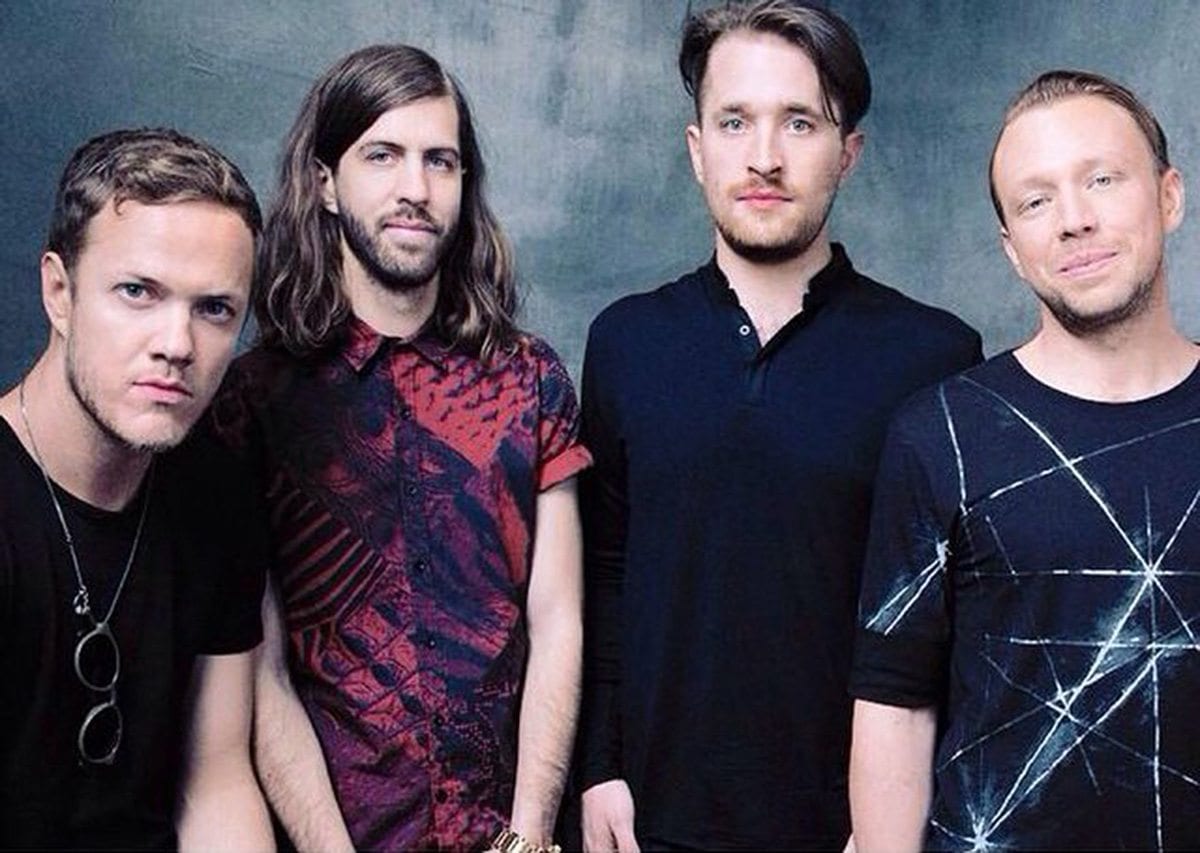
Imagine Dragons has released their newest album, Smoke & Mirrors. With the huge success of their first studio album Night Visions in 2012, selling more than 2 million copies to date, Imagine Dragons took the world by storm and by doing so set the bar pretty high for themselves when it came to following up with their second studio album. They had fallen into the proverbial trap of having such a huge success right out of the gate, that anything following was bound to be held to a higher standard.
Imagine Dragons Smoke & Mirrors
So with this dilemma, how did this Grammy Award winning band follow up their first hit album? They did it like they should, with an album written for themselves. After all, isn’t that what music is about? Personal messages paired with instrumentals to express themselves.
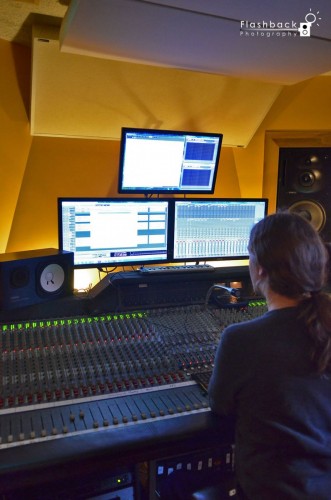
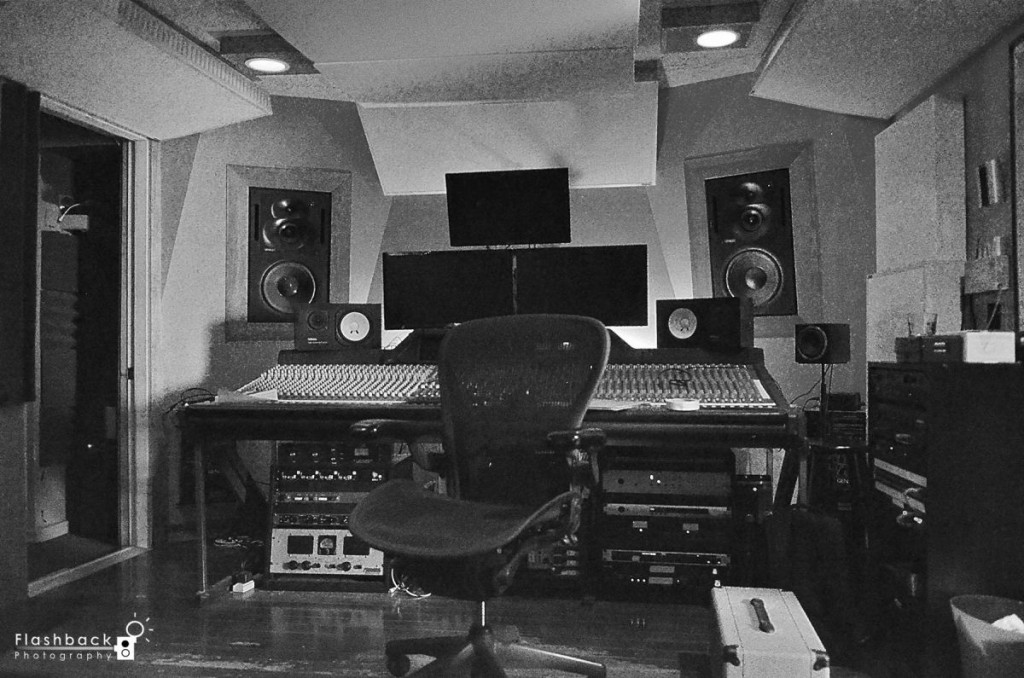
Writing continuously while on the road touring , the band compiled and recorded demos and as the Night Visions Tour ended, they purchased a house in Las Vegas, converted it into a studio, and for the next 8 months put together a story of sorts from experiences on the road that were laden with a roller coaster of personal emotions. After all, the whirlwind of life on the road from local venues to sold out arenas, had to take a toll on them emotionally. What better way to share than through song?
Hailed as one of rock n roll’s greatest newcomers in the 2013, their new found popularity and accolades brimmed over the top as America welcomed them with open arms. As new artists trying to achieve success, was the photo in their mind exactly what they pictured once achieved, or was it writ with unbeknownst angst they would encounter throughout the tour and along the way? I believe it may have been some of the latter. As I listened to the new album the creative differences between the two albums were not as apparent as other seemed to say. I still saw the same vocals and rhythmic distinctions still shining through.
I love Imagine Dragons, and I believe it’s their unique sound and truthful lyrics that caught my attention initially and holds it still today. It’s not their commercial success that makes them stand out. They are not mainstream music, they are not mainstream artists, and their unique style and sound is representative of who they are and how their creative process. Yes, their sound has been compared to a mix of The Killers, U2, Coldplay, Mumford & Sons, and Arcade Fire; taking bits and pieces from each band when making that generalization – influences have that kind of effect on you. You tend to find yourself creating similar sounds because, well you like them in the first place. They have been criticized for using every technical instrumentation trick known to mankind in their new music, and my reply to that is, ‘so what?’ That’s why it exists: to use it. Artists are known for creating something from their souls. It doesn’t have to be what you would want it to be. If that was the case, it would be your creation. So the fact that they use any or all technical tricks doesn’t lessen their musical creations to me in the least. I feel it has an energy to it. Although the lyrics on this album brim with a deep dark almost undaunting edge, the pulsating rhythms and melodic vocals give it an upbeat sound that over plays the underlying message.
Working along side Alex Da Kid on this album, his reputation for bringing out the creative sides of artists like Eminem and Christina Aguilera, demonstrates the perfect example why he’s a perfect match with Imagine Dragons on each of their studio albums.
As I listened to this album I had to do so a few times before I could collect my thoughts to develop a constructive opinion. In true Imagine Dragons style you have the strong percussions and amazing vocals and harmonies with a mix of synthesizer in there throughout the album, but with this particular album you got something else. You get variety in sounds that represent their travels with the first album. What the audience had become accustomed to (vocal/harmonies/percussion/synth) from Imagine Dragons was there in songs such as “Shots” and “The Fall”, but you also got a hint of some R&B with “Friction”, mixed with a flair of the Middle Eastern sounds in there as well. In “Hopeless Opus” you’ll see a flavor of Asian sounds intermixed with a bit of rapping, guitar solo, synth. Heck you pretty much get a bit of everything in that song. Same goes for “Summer”. The beauty though is how well they were all mixed together seamlessly. In fact in most of the songs you’ll see a variety of sounds and tempos within the songs that without the expert help in mixing could have been a disaster. This is where the expertise of Alex Da Kid played a huge part.
I have to say my favorite tracks were “I Bet My Life” and “Trouble” demonstrating their folky sounds mixed with a huge helping of underlying percussion. Just love their take on this sound. Running close second would be “It Comes Back To You” and “Dream” where I can definitely see influences from Coldplay and U2 in this song. It was the upbeat tempo and lyrics in this song that hooked me; “…all the things you had lost will find their way to you… am I a shadow you drew.” I can definitely see a commercial success with this release.
Criticized by others on this album, I definitely can see a darker side in their lyrics though with an underlying message perhaps of life on the road wasn’t all they expected, but I can’t understand the criticism. Music is an expression of life and everyone’s message is different. Give me a break negative Nellies. In both “Gold” and “Polaroid”, focus should be on the mixing of sounds, not the lyrics. “Gold” was another example of expert mixing. “Polaroid” to me was a little disappointing but only because as a photographer I had hoped this track would be as upbeat a message that the tempo held. But hey, everyone sees something different in a photo hence the saying “a picture is worth a thousand words”, and the message was something totally different. But still, it was a good song. No one is going to like every song on an album; you can’t expect every album to be Sgt. Peppers Lonely Heart Club Band.
The title track “Smoke and Mirrors” and “I’m So Sorry” give the listener a true rock and roll feel to the songs. These will be great live songs with the guitar and percussion in them.
After listening to the whole album several times, I came one conclusion: it’s a great album. Was it what the public anticipated from them? Perhaps not. Was it the mix of techno sounds with anthem rock and pop beats they are known for? Yep. With so many negative reviews and plays on words with the title, I find Smoke & Mirrors nothing but honest and forthwith. I can see the growth within the band, and the influences of experiences of the last few years in their lyrics. It’s the honesty on this album though that makes it the perfect second album. As far as commercial success, I believe those that loved Imagine Dragons will agree with me that this was a great album. It may not be a mainstream as some expected, but when it came to making an album that is true to themselves, this definitely met their expectations. This is one of those albums I think that when you listen to it initially you may not get it right away, so listen a few more times. Read the lyrics and see the messages. Then go back and listen to the music once again, and you will see that this really was a great album and will play out even more so as a great live performance.
As they roll into town this week to the First Niagara Center in Buffalo, they will be joined by Metric and Halsey. Show starts at 7pm and tickets can be purchased through Live Nation. Hope to see you there.
Not sure if it’s the same for you, but music to me is like air. I need it to survive. Whether it’s at work, in the car, while I’m running, or just putzing around my home, music is the one thing that allows me to escape the stressors of every day life, to celebrate life, or to lift me up when I’m in need of a mood adjustment.
To totally immerse myself in the how and why’s of the music business has always been a curiosity of mine. When my friends of Sisters of Murphy, Rochester’s number one Celtic Rock band, invited me to tag along while recording their upcoming album at More Sound Recording Studio in Syracuse, I jumped at the chance. Finally I would see the behind the scenes view of music being recorded and mastered.
In The Studio with Sisters of Murphy – More Sound Recording
I met these amazing musicians last year at the Syracuse Irish Festival and totally loved their energy and chemistry together as a band. Their style is fun and upbeat, and their personalities match it ‘to a T’. With Mark Tichenor on lead vocals and concertina; Bruce Lish on bass and vocals; Cedric Young on mandolin, banjo, whistles, pipes, vocals, etc.; Jona Chartrand on electric guitar and vocals; Mike Kedley on fiddle; Rick Elmer on drums and vocals; and Scott Austin on acoustic guitar and vocals, these seven men amp up traditional Celtic music with a spin that gets the toes a tapping and the party going. I knew this recording session was to be epic and I couldn’t think of a better band to introduce me to the ins and outs of making an album.
[FinalTilesGallery id=’224′]
Meeting them at More Sound Recording Studio, in downtown Syracuse, I was super impressed with the space, the equipment, and the owner Jocko. This space had all the top-notch equipment and set up needed to capture and master the sounds of tomorrows hits, as well as house out-of-town guests working at the studio. Jocko’s attention to the details was immediately apparent making sure all sound was spot on before any recording began. After the set up was completed…he took the time to get really communicate with the band to what sound they really want to capture and the essence of what they were striving for. With his expertise along with top recording and mastering equipment, I am eagerly awaiting a finished copy of this album. It is no surprise to me to know that More Sound Recording is booked out months in advance and in high demand. His attention to details, his mannerisms on extracting the very sound (vocals or instrumentation), and capturing the vision the musicians have, explains why he is in such demand as a producer and bands travel long distances for his expertise.
In The Studio with Sisters of Murphy
Had a chance to speak with Mick Fury, a local country musician that recently moved to Nashville to tour with his latest album, one that was recorded at More Sound Studio. He took a minute out of his schedule to share with me his thoughts on More Sound Recording Studio.
Mike Fury (MF): Jocko at More Sound Recording, along with Andrew Greacen, produce tunes that have people in Nashville asking what studio down here they were recorded in so that they might try to achieve that same sound on their projects. Andrew brings a master songwriter’s touch to every project he touches. A tireless vocal coach, when he has coaxed the best possible performance out of ya, he sends it upstairs to Jocko, aka the Sonic Ninja. That man can make a crying baby sound like #1 Beatles record. And that’s no joke. Just ask the babies.
We all have specific skills right? Things we’re REALLY good at. I know a ton about songwriting and performance, you’re probably very well versed in photography and journalism, another friend may have gone to school for 7 years to be a doctor and be remarkably intelligent in the medical field. Of all the experts I have had the honor to know in my life, Jocko knows THE MOST about his specialty of anyone I have ever met. The guy has a monster knowledge of sonic manipulation, Bill Gatesian computer skills, is a high-end percussionist, harmony vocalist, and occasional violinist, and always manages to see the big picture of a project, be it one of our country songs or a crushing death metal tune. Oh yeah, and he build his entire studio. From scratch. By hand. Wow.”
I have to say, it was enlightening to see this master at his craft, and to see how his vision and that of the bands came together. It’s so much work to lay down tracks, re-record to make them just right, and then edit so that each piece fits together perfectly like a puzzle. The time and attention that goes into making a final album holds so much more meaning to me now that before, as just a puzzle, it’s tedious, rather frustrating, but in the end as it begins come together, it makes one heck of a beautiful picture.
More Sound Recording Studio
Being in the studio with the band and Jocko was a pleasure and NYSMusic would like to thank both the band and More Sound Studio for allowing our readers a peek inside the studio this month.
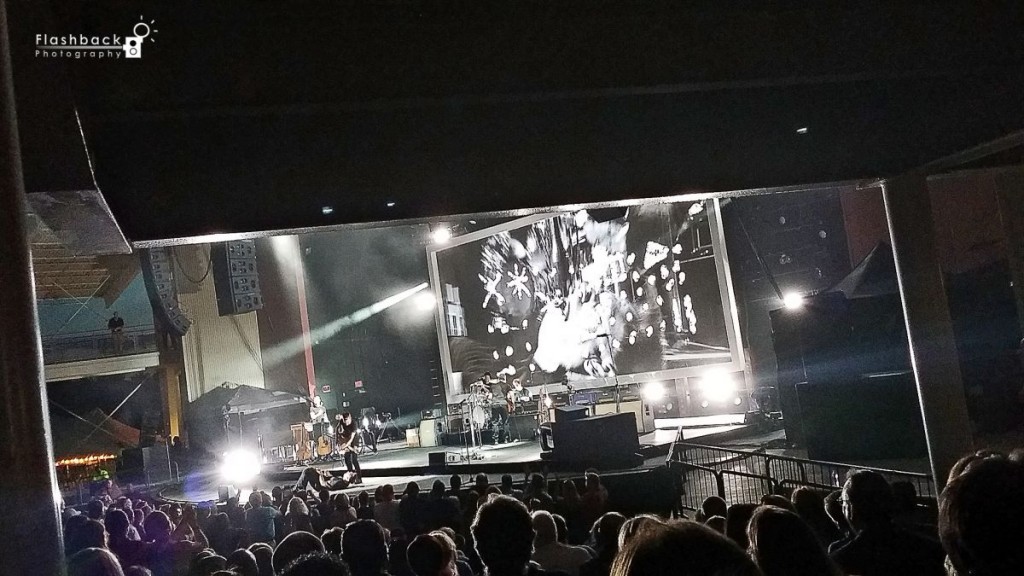
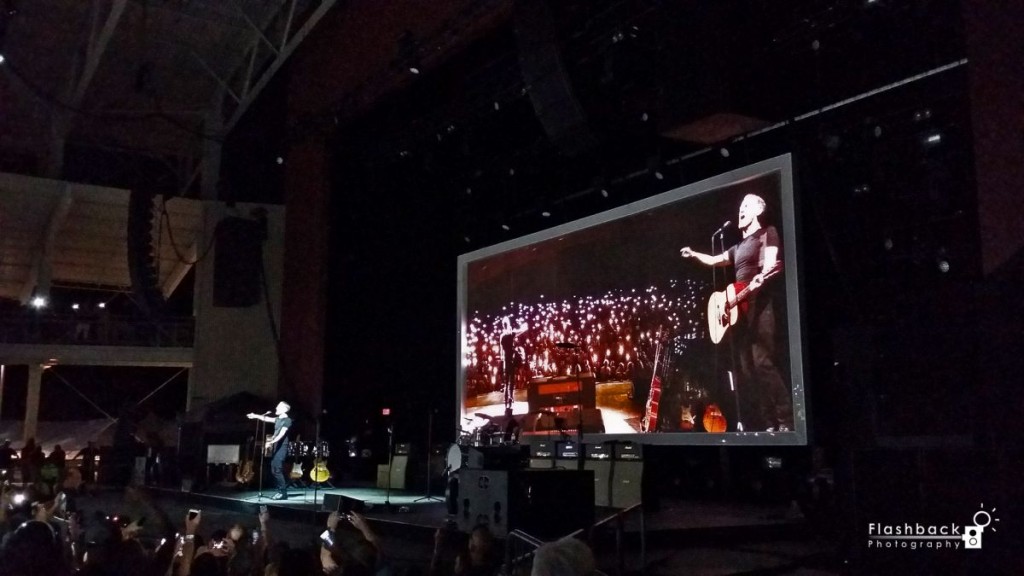
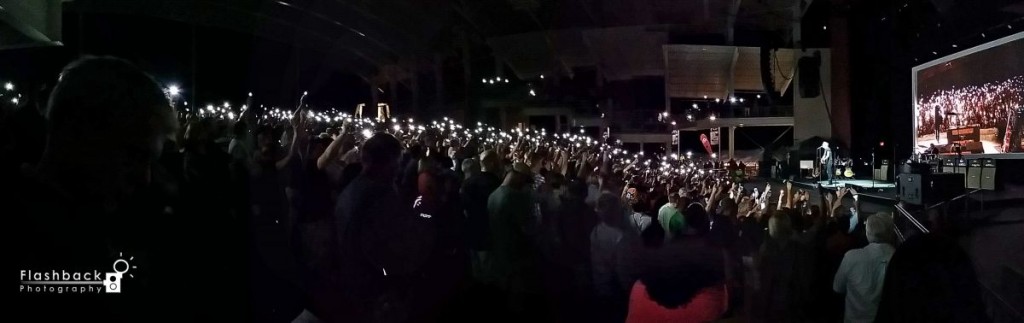
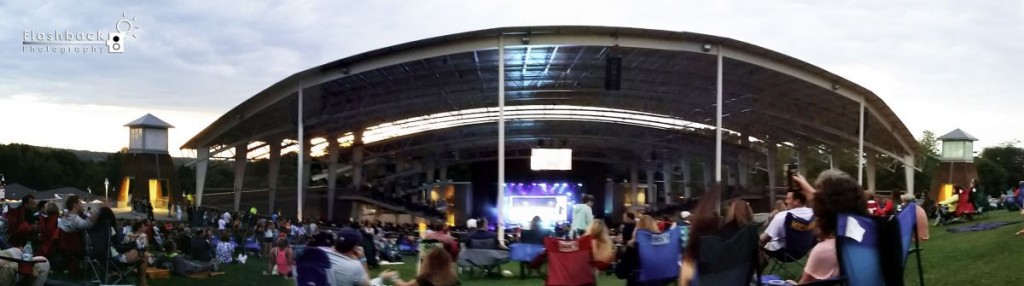
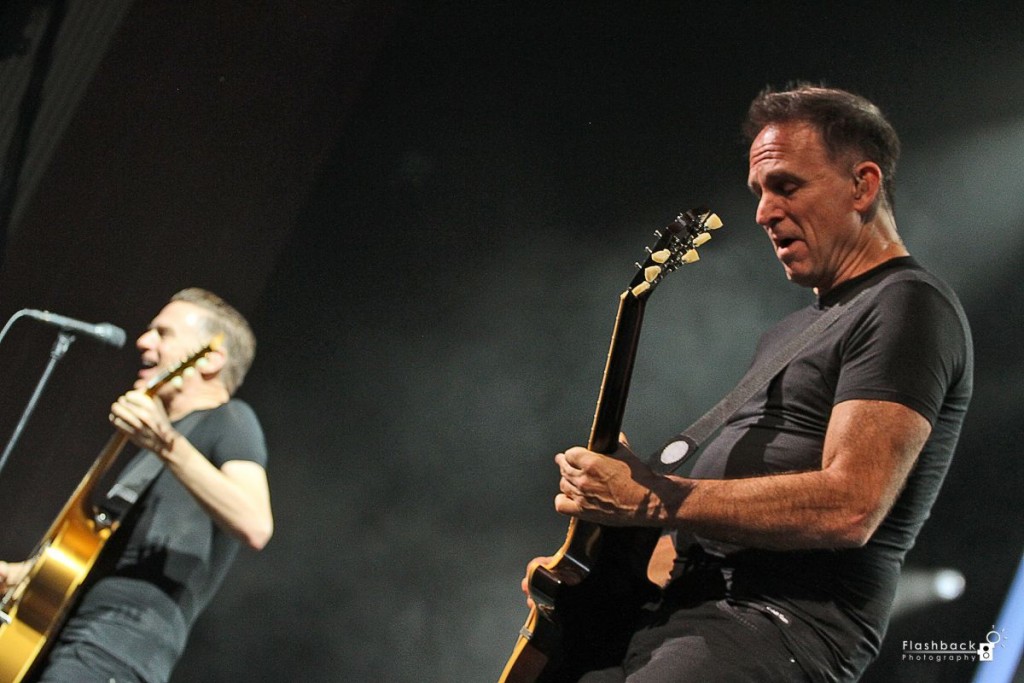
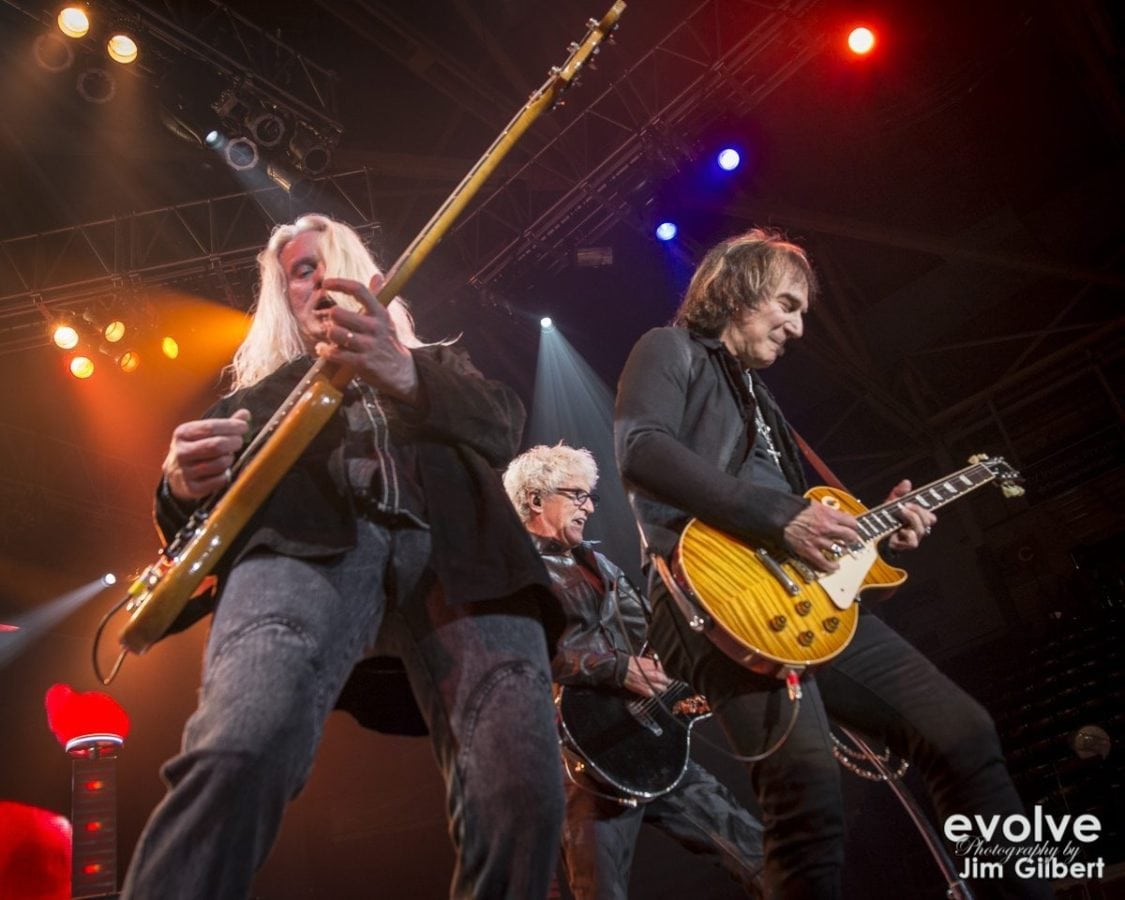
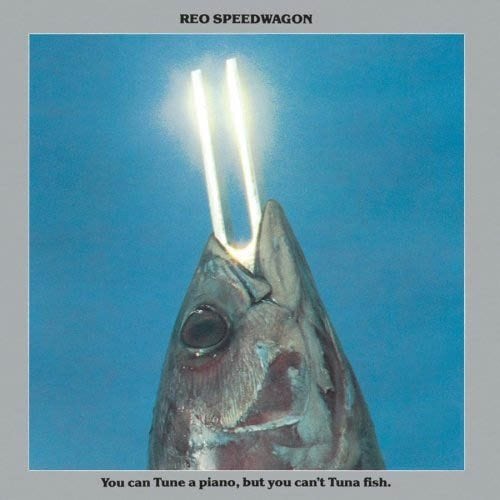
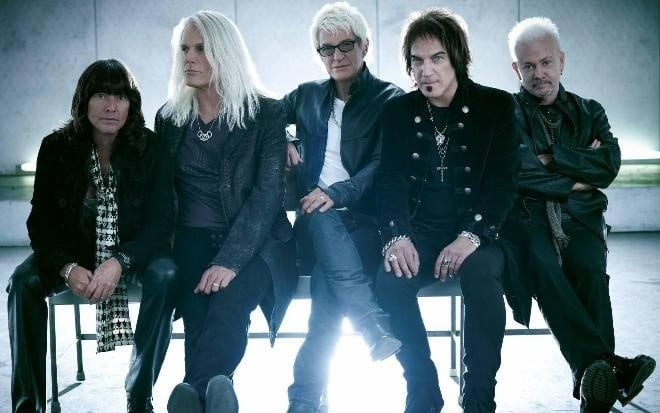
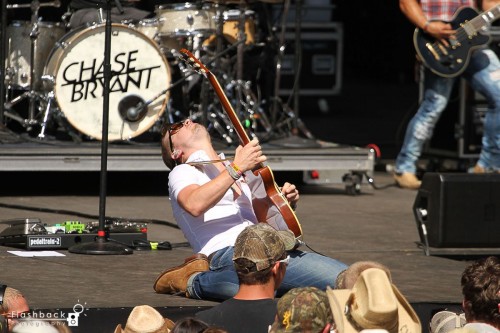
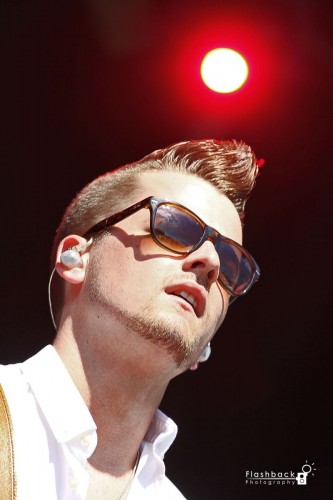
 As the show began, an extremely talented young lady, Ashley Nicolette Frangipane, took the stage with her band. Halsey, as they are known, rocked the stage with their Indie pop sound. I was absolutely captivated by her vocals. She’s an amazing artist and I would be remiss if I didn’t mention how absolutely stunning this young lady was as well. She could be a model. The hair, oh my gosh her hair was epic. It was the most beautiful shade of blue/green I’ve ever seen. Wish I could pull that off. I’m digressing, sorry. Halsey’s eclectic musical influences from Tupac Shakur, The Notorious B.I.G, Slick Rick, as well as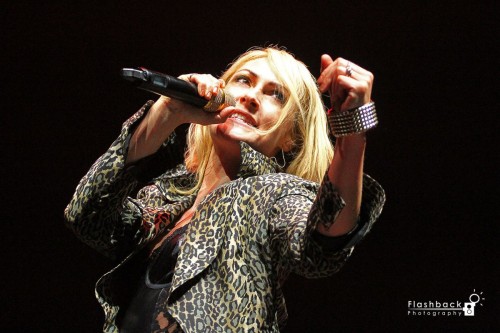
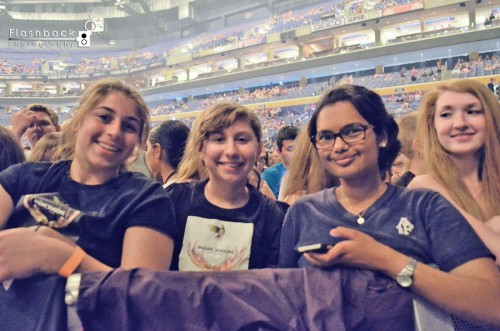

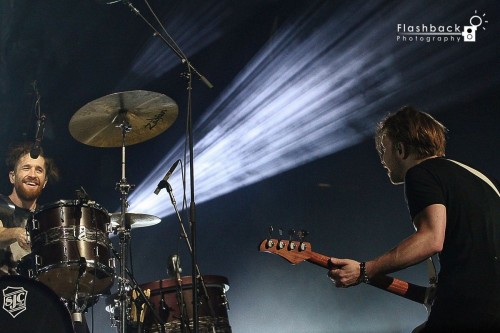


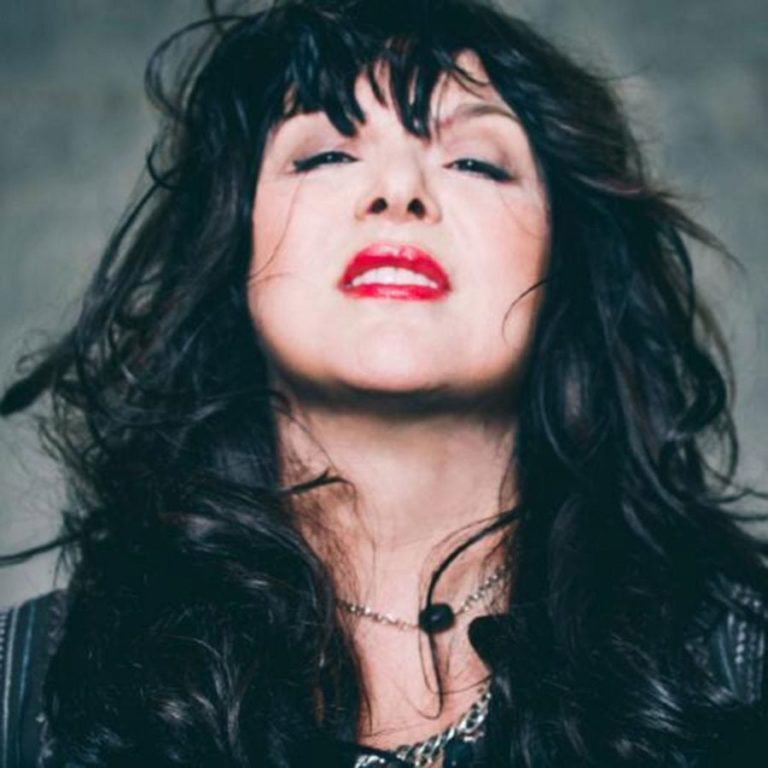
 Imagine Dragons has released their newest album, Smoke & Mirrors. With the huge success of their first studio album Night Visions in 2012, selling more than 2 million copies to date,