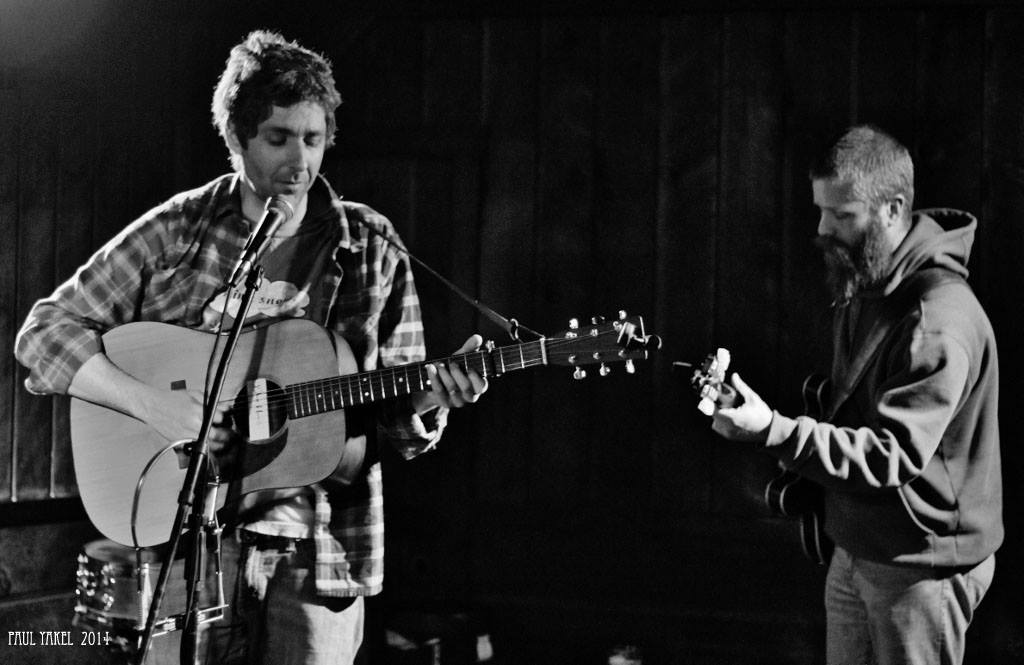
Good times are abound anywhere and anytime the Spectacular Average Boys hit a venue. Members, Ned Brower on vocals, guitar, and banjo, Joel Shue on vocals and bass, Jeff Landry on drums, and Justin Ploutz on guitar, fiddle, and mandolin, bring to the audience a spectacular show of folk, rock, and Americana tunes that are sure to get you up and moving.
Performing April 25th at the Dev in Utica, the Spectacular Average Boys shared their special blend of music with a full night of original tunes, including “The Devil In Winter”, “What You Did”, “Parting Words” and “Fire, Copper, & Gold.” To balance that out, the band employed an eclectic mix of covers, including Uncle Tupelo’s “Acuff Rose” , The Black Keys’ “Stack Shot Billy”, “Jesse James”, Tom Waits’ “Make It Rain” , and the Stone Temple Pilots’ “Plush”.
Currently working on new music, their fans will be happy to hear the heavy flavor of banjo in the new releases. Keep an eye on their website for the completed recordings, and check out their Facebook site to catch them the next time they rock your neighborhood and see why they truly are “Spectacular”
The crowd at Saratoga Performing Arts Center was treated to a fantastic season opener with Jack Johnson headlining the show while Edward Sharpe and the Magnetic Zeros handled the opening duties. This was the perfect pairing for a great summertime kickoff party. Edward Sharpe and the Magnetic Zeros conveyed their abnormal, genre bending sound to the masses which was very well received. Everyone was very into the 10+ piece band and were unable to stop themselves from dancing to the exotic fun sound.
This set the table perfectly for the man of the hour: Jack Johnson. He too has a sound in which bends genres. Early on in his career Johnson was an acoustic surfer dude from Hawai’i who just played his guitar and recorded albums, while laying in the sun, enjoying a nice warm breeze. This, however was not the man who played SPAC on Saturday night. There was a full band, which is his steady touring band, and they jammed hard. Highlighting the evening was Johnson playing his lively “Bubble Toes” and segueing it into Buddy Holly’s classic “Not Fade Away,” a well-received surprise to any fan of any type of music. Johnson had the crowd in his hands the whole night, even as the rain began to fall. If this show is any indication of how the rest of the SPAC summer will be, we are all in for some good times.
Rock on the Range promised to bring Columbus, Ohio the biggest and best lineup to date for this years festival, and on day one, they certainly delivered. This year’s festival marked the first featuring a full 3-day lineup, and Rangers were eagerly waiting outside the stadium early on Friday morning to get their weekend started. Cold weather and rain tried to put a damper on the sold out crowd, but the bands and tens of thousands of fans energized one another and made sure the weekend was unforgettable.
Featuring former members of Egypt Central, Devour The Day were given the task of warming up the Ernie Ball Stage early on Friday afternoon. Mixed in with the new material was an unexpected surprise, Egypt Central’s hit “White Rabbit”. The Monster Main Stage was christened by Redlight King. The instantly recognizable opening notes of “Comeback” got the crowd going immediately. The band steered clear of their more relaxed rap-rock tracks, keeping it heavy for the festival crowd.
Intro music could be heard at the Ernie Ball stage the moment the main stage wrapped up, allowing a few seconds to rush over in time for Thousand Foot Krutch. Playing mostly newer material, the band was sure to bring it back for the old fans on “Move”, which had the entire field doing just that. Black Stone Cherry had just the right balance of entertaining lyrics, southern charm, and high energy rock to convert just about any ranger into a fan, taking the main stage to deliver a set that was nearly impossible to not sing along to.
While We Came As Romans played the Ernie Ball Stage, Japanese four piece ONE OK ROCK took the Jägermeister stage for their first US festival performance, a not so modest transition into their upcoming Warped Tour appearances. Killswitch Engage seem to never disappoint, and that certainly held true for the band’s main stage set. The fun and eccentric playing style of guitarist Adam Dutkiewicz was contrasted by the growl of vocalist Jesse Leach, who held his own on the final track, a cover of Dio’s “Holy Diver”.
Black Label Society were next up on the main stage to ensure that the lucky few not exhausted following Killswitch Engage were completely worn out by the end of their 50 minute set. While the band may cater to the middle aged biker crowd, it’s safe to say that everyone that caught the set appreciated the undeniable talent of Zakk Wylde as he effortlessly shredded through guitar solos that lasted as long as some band’s songs.
(Interview with Seether from Upstate Rock Station Q103’s Wes Styles)
The anxiously awaited return of Seether to the festival scene was well received next at the Monster Stage. Following the addition of a touring guitarist, the former trio sounded better than ever. Not even the slightest split second of silence occurred throughout the entire set, with improvised transitions from song. On top of the old favourites the band included their brand new single “Words As Weapons”, which many devoted fans had already memorized word for word.
Also having laid low for the last few years, Staind took the stage next to show Columbus that they are far from finished. Despite the fact that each of the members have been working on various side projects in recent years, the band proved to be as in sync as ever. Flames lit up Crew Stadium on rock ballads like “Outside”, with Seether’s Shaun Morgan accompanied Aaron Lewis on vocals. Time for rest on the lighter tracks allowed fans some much needed time to catch their breaths and rest up for heavier tracks like “Mudshovel”, during which bodies flew in every imaginable direction amongst the crowd.
Guns N’ Roses may have been a surprising choice to close out day one of Rock on the Range, but the rest of the day’s killer lineup left little room for complaints. Whether it was out of mere curiosity or genuine excitement, the majority of the sold out audience stayed for the final show of the night. After starting out slow with a newer track, the famous guitar intro of “Welcome to the Jungle” caused every single face in the stadium to light up. Backed by a theatrical stage set up and scorching pyro, Axl Rose wowed with powerful vocals that haven’t wavered since day one. After teasing everyone with a taste of the GNR classics, he number of newer songs included in the band’s set list left many disappointed and rushing for the exit to beat lines of traffic on the way out. While the set list wasn’t spectacular, Guns N’ Roses put on a solid performance worthy of closing out an incredible day of rock.
The Capital Region is not short of live music during the summer months. Pay attention and you’ll find some gems, like the free weekly music series hosted by Colonie’s Frank A Leak Amphitheater for the Arts in Cook Park on Tuesdays.
Each concert takes place on a Tuesday throughout the summer starting at 6:30 pm. A different genre of music is represented with each concert, with some artists returning from previous years.
Kicking things off this season will be The Beatles tribute band, Across The Pond, on June 10th. The addition of this band out of Glens Falls seems most apropos with the recent announcement of Paul McCartney playing at Albany’s Times Union Center in July. The remainder of the line-up promises an eclectic assortment; from polka to swing, from Sinatra to The Beatles, and from country to Celtic.
And, speaking of Celtic, the ever-popular Hair of the Dog is slated to close out the series on August 26th.
For map and directions, please visit the Village of Colonie website.
Frank A. Leak Amphitheater Free Concert Series Line-Up: June 10: Across The Pond June 17: Jade June 24: Skeeter Creek July 1: Hallateu July 8: Pipe Kings July 15: Swing Docs July 22: T.S. Ensemble July 29: Grit & Whiskey August 5: Triskele August 12: Electric City Horns August 19: Rymanowski Brothers August 26: Hair of the Dog
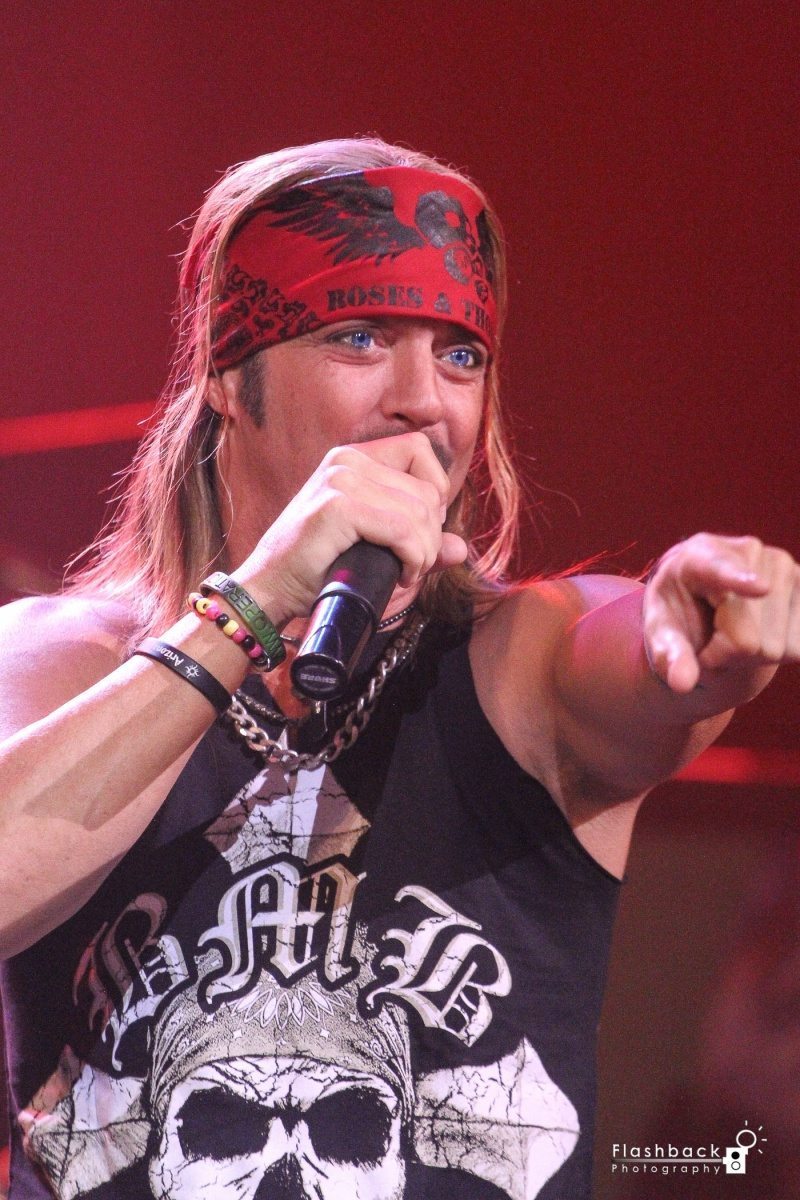
We have confirmed with the Times Union Center’s box office that Bret Michael’s will not perform in tonight’s show in Albany.
Bret Michaels’ appearance at this time is still to be determined for a show scheduled in Albany, tonight at 7pm at the Times Union Center. He is slated to perform along with The Charlie Daniels Band and The Marshall Tucker Band.
In a statement yesterday from the Bret Michaels Team, he was diagnosed as having “complications involving insulin shock & severe low blood sugar, along with other conditions which doctors later determined included exhaustion, dehydration, fever and the noro flu virus”.
On Thursday, in Manchester, NH, after three songs into the first set, Michaels became ill and was was immediately rushed by ambulance to a local hospital. Diagnosed since childhood with Type I Diabetes, Bret was unable to stabilize his sugar levels. Friday’s show in Wilkes-Barre, PA was cancelled as Michaels continued to be observed by doctors.
Michaels, performed locally most recently in Verona, NY at The Turing Stone Casino Showroom on April 30th to a sold out crowd. His performance was action packed with an energy level and charisma that was off the charts. Fans of all walks adore him not only because he’s an amazing performer and musician, but because he also is a community oriented performer, and an advocate for several causes, including Petsmart Charities, Operation Homefront, and the American Diabetes Association.
Ticket holders and fans who are interested can follow his progress on his Facebook account and post their well wishes. Those fans who are currently following his progress are continuing their support in his recovery, and whether their shows go on or not doesn’t matter to them, as their love for his well being is their utmost concern. NYS Music Music Guide concurs. Get well soon, Bret.
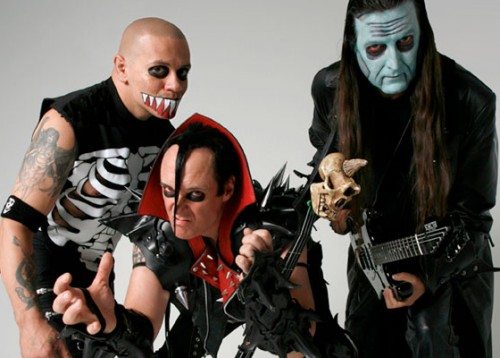
Spring of last year the Nyack Village Trustees voted in favor of putting together a multifunctional skate park at Nyack’s Memorial Park. To help build the park, The Misfits one of punk’s biggest bands will play at the Nyack Center on May 31.
The band will put on an all ages and family friendly show at 2 p.m.; which will cost $10 and Mario the Magician and Mustache Cash Stash will be performing at the show. Later that night at 7:30 p.m., The Misfits will perform a full show; tickets will cost $30 and Regret the Hour, Heart of the Matter and Tournament will also perform. All money from the show will be donated to the skate park project.
The Misfits were formed in Lodi, New Jersey in 1977 by Glenn Danzig. The band’s name was taken from the 1961 Marilyn Monroe film of the same name.
The Misfits created a monstrous impact in the punk scene by creating their own genre, horror punk. They kept the classic hardcore punk but added their own horror movie theme to shows.
In 1984 the band broke up and it was not until 11 years later that The Misfits reunited sans Danzig. Original member Jerry Only has since taken over the role as frontman and bassist.
The night of the show, tickets will cost $35 dollars at the door. Fans can also buy a VIP ticket for the event which costs $45. It includes admission to the show and a limited addition Misfits t-shirt. All packages will be available online if they are not sold out.
The project is in the design phase and the Village of Nyack has said that Action Sports Design (ASD) will come up with a design. The design will appeal to skaters and appropriate for anyone in Memorial Park. The skating area will also include sitting area for people who would just like to spectate the skating parking. Nyack Needs A Skatepark Committee are also accepting donations.
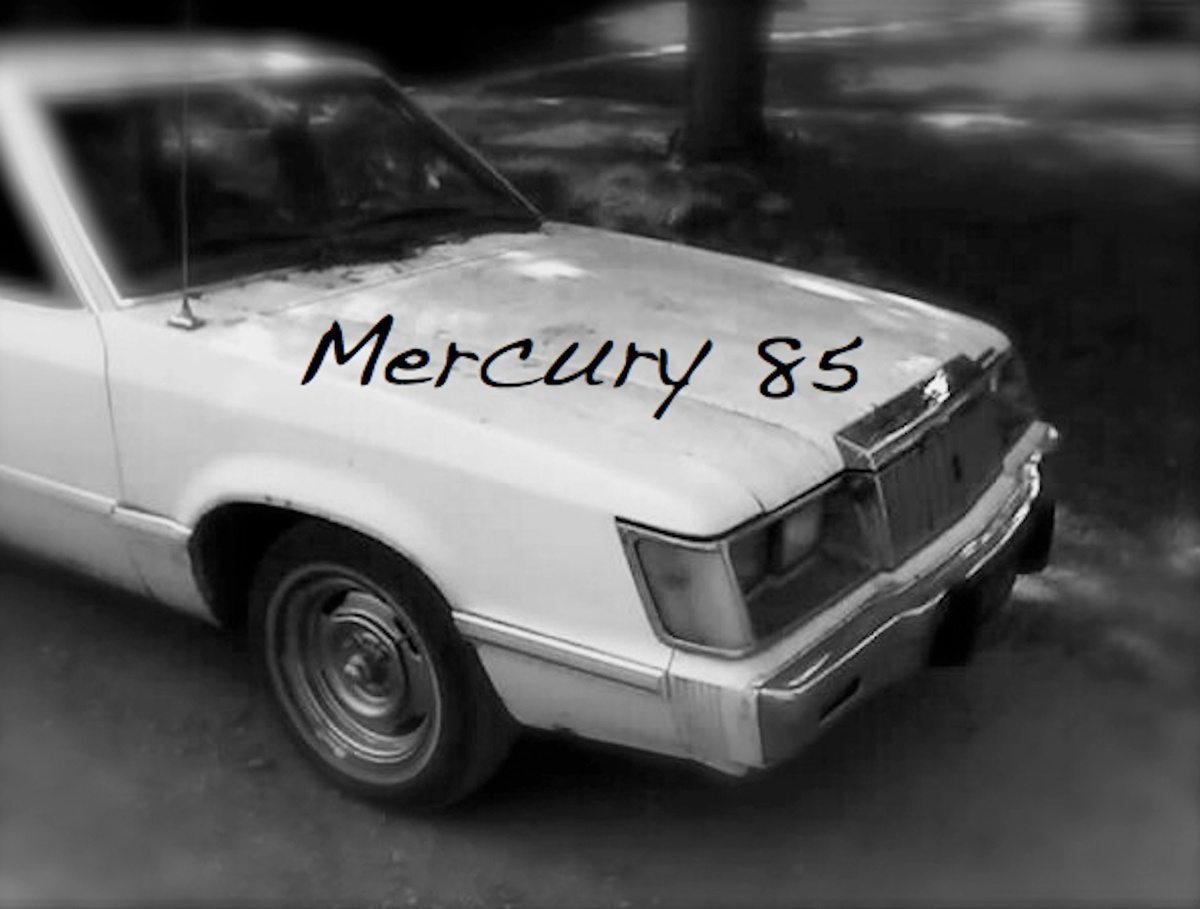
Despite calling Vermont home, the origins of Dan Johnson’s music career lie here in Upstate New York, where he first strummed his guitar to the public inside where Valentine’s Music Hall and Beer Joint once stood. Valentine’s is gone, but Dan Johnson’s Americana sound continues today with the release of his latest, Mercury 85. The album was released on May 27th.
Located off Albany’s New Scotland Avenue, Valentine’s was a popular venue for live music before it succumbed to a local hospital’s progressive movement to expand last year. Johnson, along with his Expert Sidemen, had hosted his Americana music series every Tuesday night featuring the likes of Woody Pines, Star Anna and the Laughing Dogs, The Farewell Drifters, Hamell on Trial, JP Harris and the Tough Choices, Holy Ghost Tent Revival, and Eastbound Jesus.
“Most of the album is about people I’ve known,” said Johnson, “especially folks from the time I spent in Buffalo, but also moving from New York to Vermont, and life changes [too]. The songs mostly use driving and cars as a metaphor for writing,” he added. “I’m curious about what other people get out of the songs so don’t want to go crazy breaking it down.”
Mercury 85 is Johnson’s third album and features twelve original songs that were all recorded at his home in Jericho, VT. It presents a departure from the live instrumentation of his previous releases, featuring drum machines, amp modeling and MIDI instruments to support his acoustic guitar, banjo and mandolin. While the instrumental support has taken some new turns, said Johnson, the songwriting remains rooted in storytelling and first person narration with strong poetic imagery.
Johnson’s unassuming approach to the mic is intended to allow the story to take the spotlight: Well-matched with his low-key but welcoming attitude towards the listener. The presentation is reminiscent of Bob Dylan, as each song tells a story surrounding common people remembering yesterday, lamenting today, and looking forward to a better tomorrow. Never does there seem to be a resolution to change. As with “Rose”, for which Johnson only recently released a video, the protagonist speaks to another about a woman he casually met at a bar his band had played. Over the course of one night, skirting around the truth and telling lies over cups of coffee, he fell in love. But, it’s apparent he has since spent a long span of time searching her at each bar he happens to play and seems to have given up hope on ever finding her. “If you ever see this girl, she’s got a tattoo of a rose. Tell her that I miss her when the chilly wind blows.”
Johnson attributes the country landscape of his new home for the stripped down production of his latest release. The focus on the storytelling is certainly his strong suit, and is the most appealing factor to this album. This same quality may also be off-putting to the casual music fan used to a contrasting style, but it is a sound that can easily find itself played at trendy coffee houses. And, for those who appreciate good storytelling, Mercury 85 is worth a preview (and purchase) on Bandcamp or contact the artist directly on his Facebook page.
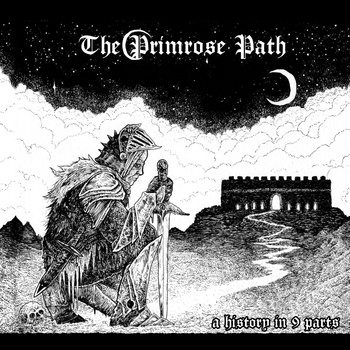
The Primrose Path came out with a new single, “Eve” last year, and it would have been easy to dismiss the Albany metalcore outfit as just another one of those ‘breakdown’ bands that generically emerged somewhere around 2009. But their debut album, A History in 9 Parts, proves that the band is so much more than that.
Anyone who enjoys the rhythmic notions of bands like The Plot in You or Whitechapel and the dissident chaos of August Burns Red, will find A History in 9 Parts worth a listen at least. Their music is heavily rhythmic, and less melodic. The album opens up with “Dred Raggin’,” with the vocals of Grant McMahon opening up the song. His lyrics are easily understood and the sound of his voice conveys aggression without being unintelligible.
This track leads into the assertive song “Eve” which was already a well known live number before the album was ever released. Somewhere around the middle of the song, the listener is taken through a progressive – metal twist. “Are you living happily ever after?” McMahon yells over odd – timed guitar grooves. The following song, “Love” seems to carry the same lyrical and musical motifs. “I’m sorry, I’ll never do this again/I’m trying to figure out why she said what she said/I love you so much, but you’re responsible for the death of all my friends”
This leads a listener to realize a key element of this album: emotion. This element is perfectly encapsulated by the “weaving” guitar patterns set up by bandmates Justin Tatar and Joey Grant, who understand how to blur the lines between Dream Theater’s brand of progressive metal and Volumes’ style of playing cluster chords atop atonal rhythm. Simply put, the melodic parts of this album are used effectively to create specific atmospheres – anger, sadness, wrath, and so fourth.
This is what makes the ‘acoustic’ section – featuring ‘clean’ instruments and a piano – played by McMahon – so effective. “My heart belongs to you,” he says. The lyrics are perfectly placed, for the most part, because they ride along with the mood of the music.
A History in 9 Parts is not perfect on its own, several issues come up after a few listens. For one thing, placement of “clean vocals” could have been more prominent – but that is simply a matter of subjectivity, however, it is practically indisputable that their production, on the part of the band or the studio – was basically half – hearted. Although the argument over whether pitch correction software is musically “ethical” will go on for years, the band can perform these parts live, so they should not be afraid to enhance the recording of clean vocals in a minimal way that is non – intrusive to their songwriting – much like a bodybuilder may chose to use supplements, but not steroids.
Then again, this idea only comes across on the “metal” songs. One stand alone moment in the album is “The Dwellers,” a soft ballad played on acoustic guitars. Its vocal and musical structure will appeal to fans of bands like Bayside or even Times of Grace, and captures the spirit of a softer side of the sound.
Other flaws included the mix itself, as in some songs, one part found itself in competition with another part, or an incoming lead was clearly given too much volume. Drums and bass became victim to this dilemma, especially.
If there is one thing that sticks out before anything else, it’s the rhythmic aspects on this piece of work — this is not to say the rhythm section, but instead, the fact that the album is complex in terms of definitive beat. Aaron Uline provides a backing to this album that could be seen as an experimental style of musicianship. Clearly, the man is not afraid to lay down his beats in unconventional ways. He makes regular use of toms and auxiliary percussion which add to the overall chaotic feel of the music. However, the drums may sound triggered and nearly “too perfect.” Whether this was planned or not, the recording would have been better with more dynamics, especially from the cymbals, which sound programmed. Anyone who is a fan of the Converge – style of “real drum sounds” may find this dilemma particularly unsettling, but not unforgivable.
On the other hand, Tommy Miller, the bass player, specializes in mirroring the crazed beats of the drums. For songs like “Eve” his tone comes through as that of a funk bassist, leaving a strange, but interesting taste on each note.
This is the problem: because of the mixing, it could be argued that except a few tracks, neither Miller nor Uline cut through the speakers enough for the audience to take large notice of small subtleties. This is the solution: listen to the album a few times. You may start to notice the differences between this and other artists if you bend an ear close enough.
Overall, this album does not sound like a debut. It sounds like a third or fourth record. Guitarist Justin Tatar commented that the album has a lot to do with the “growing up” of the members of the band. He said that the album’s lyrical themes surround the idea of speaking against “institutions that try to pull kids like us down,” meaning that the band kept the interest of their listener in mind — a particular area in which most bands fail. A History in 9 Parts starts strong and ends strong. The Primrose Path have clearly taken a long time to perfect their writing process — each members’ influence is complimentary instead of competitive. If they keep cooking up whatever chemistry is happening now, they’ll be playing amongst some of the greatest in no time at all. Make Upstate New York proud, boys!
The Nikon at Jones Beach Theater is one of Long Island’s premiere music venues. A killer stage, a capacity of 2,800 seats, and a beautiful view of the ocean side beach. Everyone needs to experience a show there at least once in their life.
Last Friday, Live Nation unleashed the news that there is a new designated area for drinking called the Backstage Oasis at Jones Beach. Unfortunately, you can’t bring the alcohol you purchases to your seat; however, there are giant monitors, sofas, and additional food truck venders to prevent you from feeling inconvenienced. Better than nothing at all, right?
After years of high demand for the Parks Department at Jones Beach to change their strict alcohol policy at the Nikon, Live Nation formed a committee at the end of 2012 to bring it to an end. As you can see, it seems both parties agreed to a compromise. Nevertheless, The Nikon at Jones Beach Theater finally serves alcohol. Party goers and music lovers rejoice.
While at Mysteryland USA 2014, writer/photographer Chris De Cotis had the opportunity to sit down on Sunday, May 25th for an interview with DJ and electronic musician Moby, not long after he arrived at Bethel Woods Center For The Arts. Richard Melville Hall is a classically trained musician who has been performing in the electronic dance music scene for three decades. He ascended to fame and commercial success in the late nineties while I was still in college and earned a Grammy award three years in a row from 2001-2003. I asked him questions about his career as a musician and about his perspective on electronic dance music, music festivals, and the music industry. His stage name is a nickname given to him at birth; he is a distant relative of Moby Dick author Herman Melville and is a part of a family with a long arts tradition.
Interviewing Moby at Mysteryland 2014
Chris De Cotis: How do you think music festivals have changed the music business?
Moby: I first started playing festivals twenty five years ago, and mainly in Europe, because at that point festival culture didn’t really exist in the States. Festival culture in the States seems like it was Woodstock, then Altamont, then US festival, then there weren’t really that many festivals. And then Lollapalooza happened, which is a travelling festival. And Lollapalooza was a festival in that it involved a lot of musicians, but it didn’t feel the same way as like, a Glastonbury. And then slowly European festival culture came to the states, Coachella being one of the first really big European-style festivals, and now, it’s everywhere. And I think, one of the ways it’s changed the music business is that the utility, or the criteria by which a lot of music is judged now is ‘how does it work at a festival?’
Still, a lot of music is judged on how it works in your living room, how it works in your car, how it works in your earbuds when you’re going to work. But now, there’s this… like dance music, most music played here isn’t the sort of music you’d necessarily want to listen to at eight o’clock in the morning when you’re making breakfast, but it has a utility where it makes perfect sense here.
CD: How do British festivals compare with American festivals?
Moby: It’s very hard to generalize. There are great European festivals, and there are shitty European festivals. There are great American festivals, and there are terrible American festivals. They’re neither better nor worse, they’re at times different and at times quite similar.
CD: Outside of the PR part of it, your set, and then the Speaker’s Tent engagement, will you get to see any other parts of the festival?
Moby: I have about three hours between the public speaking I’m doing and my DJ set, and so I’ll be walking around, probably going to a vegan food truck and going to different stages, seeing what’s going on.
CD: Is there anything in particular that you really want to see?
Moby: To be honest with you, I haven’t really looked at the festival lineup. The nice thing about a festival is that you can wander around and be randomly, accidentally exposed to things.
CD: Do you have a favorite genre of EDM?
Moby: No, I like everything. I mean, when I’m home I listen to a lot of, you know, I listen to WC and I listen to Led Zeppelin, and I listen to Pantera and you know, I like everything.
CD: Do any one of these genres inspire you right now, more than any other?
Moby: No, again, I just like everything.
CD: Do you think dance music is, or will be, or has been considered ‘pop’ music, generally?
Moby: The funny thing is, if you look at the state of electronic music in 2014, there is Lady Gaga, and then there is, you know, big pop records that are made by electronic musicians, and then there is obscure, minimal Berlin techno which will never get played on the radio. As a very broad musical genre, it can exist at the most mainstream and the most underground concurrently.
CD: Has it become harder for you to evolve or progress as a musician as you’ve achieved more success?
Moby: I don’t know. My goal as a musician is just to make music that I love, and hopefully in the process make music that other people like, or that other people love. I’m not too concerned with evolving or progressing, I’m more interested in just how the music resonates with people emotionally.
CD: What other things that you are passionate about has your success allowed you to pursue?
Moby: I’ve been an animal rights activist for a very long time, and so, as a result of whatever random, weird success I’ve had, I’ve been able to financially help different animal welfare organizations, and environmental organizations and human rights organizations, and I think, as a quasi-public figure, when I look at an issue that I’m interested in or concerned about, it’s figuring out how to be the most effective activist. And sometimes that means just donating money, sometimes it means speaking out about it publicly and trying to draw more attention to it. Sometimes it means getting creatively involved with an organization to see if I can help them in other ways.
CD: What topic will you be discussing at the Speaker’s Tent today?
Moby: I started working about ten years ago at an organization called the Institute for Music and Neurologic Function. It was started by Oliver Sacks, who is a neuroscientist, a neurologist. I will be talking about music therapy from both the personal anecdotal level and from a clinical level. Looking at the science behind music therapy, how it effects the endocrine system, how it affects neurotransmitters.
CD: What is your assessment of the dance music scene over the past five years, and where do you feel we will be five years from now?
Moby: My background is very strange. When I was really young I played classical music, and then I grew up playing in punk rock bands and studying music theory. Djing and electronic music is… something I came to later, for me.
What’s been very interesting, because I started making electronic music in the late eighties, and at that point electronic music really was a ghetto, and now, practically speaking, it’s become like the most ubiquitous dominant musical form on the planet. Because every hip-hop artist, most pop artists, dance artists, they all use the same equipment. I don’t think it’s overstating it to say that probably eighty to ninety percent of the music currently being listened to on the planet is produced in some context electronically, and I don’t see that ending because the means of production used to be so much more complicated.*
Now you just need software, and I feel that the ubiquity of the software, and how egalitarian it is means that anyone can make electronic music, and I just see that continuing to lead to electronic music just being so ubiquitous.
Stay tuned for Chris’ review and photos from Mysteryland USA.
*Ed. note: The late eighties and early nineties marked the beginning of a large growth in the availability and variety of specialized professional audio equipment like synthesizers, drum machines and samplers to more people and at lower, yet still generally high prices.