The hustle and bustle of Times Square was weaving in and around 42nd and 8th as usual for a Saturday night as The Bronx invaded Midtown at one floor below street level for a night filled with the heartiest crock of Irish rock around. New York City’s Black 47 pulled out all the stops at B.B. King’s Blues Club & Grill on November 15 for their final performance ever, marking over 2,400 shows for the band’s 25-year career (that’s more shows than the Grateful Dead played in 30 years). The band wouldn’t let the last guitar chord ring without first thanking their fans with a performance that would help bring proper closure to what has meant a lot to many of them over the years.
In one way, the night was like any other Black 47 show – good friends, intimate venue, pints flowing, and plenty of happy dancing feet. Surely the band could have sold out a larger venue but that would have taken away from the experience of a Black 47 show (and for the record, this show sold out early in September, more than two months beforehand). As frontman Larry Kirwan told early in the fall, he sees the band’s legacy as being known for doing what they want and as a band for the moment. They kept true to their style and flow by having a fantastic music club bursting at the seams with friends and memories rather than a concert hall where people wouldn’t be as connected with each other.

Speaking of friends, many of Black 47’s guest musicians from over the years and past band members joined them on stage throughout the evening. Mary Courtney, a traditional Irish singer and musician, appeared early in the evening. Joining the band later was Bronx-based musician and long-time member of the Saturday Night Live band Christine “The Beehive Queen” Ohlman (who, after singing on “Blood Wedding,” had to beeline back to the SNL set for the show’s taping). To much applause Larry Kirwan’s partner in crime in the founding of Black 47, Chris Byrne (who left the band in 2000 to focus on other music projects) came back to the stage twice to sing with the band. Also joining the band on stage throughout the night were Rory Kirwan (Larry’s son), Irish dancer Jake James, substitute piper Andrew Sharp (who filled in for Mulvanerty on some weeknight gigs), Rob “The Ginz” Graziano, good friend and occasional fill-in bass player. Even two of the band’s dedicated behind-the-scenes guys “Staten Island” Tom Marlow and P2 joined the band on stage for a few choruses of “Gloria” during the encore – more on that shortly.
It seems that after 25 years it must be one heck of a mind-bender to plan the final, ultimate set list. Regardless of whatever roshambo and coin-tossing that may have gone on to cut songs or leave songs on the set list (even right up until the show with last-minute changes), the final selection was solid and well-suited for the over two-hour sendoff and captured a bit of every flavor of the band’s catalog.
For those familiar with Black 47, they know that the live experience with the band is hard to top, especially with the musicianship on stage. This shone strong through the entire set as the band flaunted its talent even more so than usual for this final show; the guys took the opportunity to stretch their arms as a group one last time. The core of the band was solid as always and the horns/pipes were as on top of their game as they could be. While there is a lot more that can be said about this, two particular crowd-invoking moments came from Geoff Blythe’s soaring notes on the ballads “Fanatic Heart” and “Mychal,” a song honoring FDNY chaplain Mychal Judge who lost his life in the 9/11 attacks.
Then there were moments that were just plain fun. A lot of dancing was had throughout the night, particularly during a set of reels early on (something the band does live and only has recorded on their Live In New York City album, bootlegs aside.) During “Rockin’ the Bronx” Joe “Bearclaw” Burcaw turned his bass amp up a little to pound out some licks rivaling that of Stanley Clarke as Fred Parcells (trombone), Geoffrey Blythe (sax), Joseph Mulvanerty (uilleann pipes) and Tom Hamlin (drums) joined in for a free-form jam before Kirwan returned to the stage to get the audience singing along with one more chorus on the song. Like a midnight showing of Rocky Horror Picture Show with rice thrown during the wedding scene, cigarettes rained on the stage during the opening of “40 Shades of Blue” at the line of selling a soul for a cigarette outside of CBGB. Not to mention the band’s sense of humor between songs which kept spirits high.

A lot of Black 47’s music has carried at least some sort of wide range of emotions with it. Perhaps the most profound moment was during the band’s powerful political song “James Connolly,” a repertoire-defining song about the great Irish labor organizer. The passionate crowd raised fists of solidarity in the air as a banner of Connolly unfurled on stage next to a Starry Plough flag. A few people in the audience were so eager to raise a flag of their own that they passed it up on stage to be held up. Other moments commanded respect during the songs, such as “Mychal,” as the room fell near dead silent – a scene that seems to be witnessed less and less frequently at shows these days.
Before it was all over, the set was closed with “Funky Céili,” the band’s song that got extended MTV airplay in 1993 and opened the encore with “Maria’s Wedding,” the song Black 47 played on their first network TV appearance with David Letterman in the same year. Finally, the flood gates opened for an all-out jam on “Gloria” leading into a chorus of “I Fought The Law” with just about everyone in the place singing along. All of the guests who could stick around to the end of the gig came back out for one more old-fashioned rock ‘n roll jam. Thought they did not end the show with their own material, it was certainly a positive, high energy rock ‘n roll way to wrap up 25 years.
As a last tip of the hat to the crowd, Bearclaw, Mulvanerty, and Graziano sang an a capella “Happy Trails” while friends in the audience shared one last hug over Black 47 some others quickly flocked to a line to say hello to Kirwan after the show. It was a bittersweet moment as the stage went silent and the din of the crowd was all that remained.
Many fans have taken to the “25 Years of Black 47” fan-run group on Facebook sharing memories about their first Black 47 shows and have been sharing numerous photos and videos from their final few shows.
The gigs may be over, but the music lives on. Long live Black 47!
Setlist: Green Suede Shoes, The Big Fellah, Livin’ In America (with Mary Courtney, vocals, and Jake James), The Reels (with Jake James), Three Little Birds / Desperate, Danny Boy, Culchie Prince, Fanatic Heart, Rockin’ the Bronx, Five Points (with Andrew Sharp, flute, and Jake James), Fire of Freedom (with Rory Kirwan, vocals), Mychal, Walk All The Days (with Chris Byrne, vocals), Blood Wedding (with Christine Ohlmann, vocals), James Connolly (with Jake James, bodhrán), 40 Shades of Blue, Funky Céili
Encore: Maria’s Wedding, Gloria / I Fought The Law
*links are to full-length video from the show
Be sure to follow Black 47’s YouTube page for more full-length videos from their final performances as they are posted.
(Video Credits: Lee Harwig for “Gloria” and Rory’s rap during “Fire of Freedom”; Mike O’Connor for “Funky Céili” and “40 Shades of Blue;” and Joey “Knobs” Juntunen/Dan “Bojo” Boujoulian for “Livin’ In America,” “Fire of Freedom,” and “Walk All The Days.” )


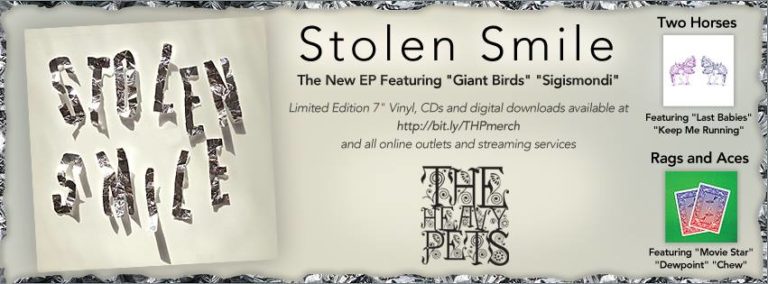 The two-track recording features another fresh tune penned by Mike Garulli in the down-tempo atmospheric “Giant Birds,” first heard live in the Fall of 2013. “Sigismondi” is a dynamic Jim Wuest dance number that has matured over a longer road life but developed into the unique sonic journey captured in a fresh light for this release. Stolen Smile is available as a Limited Edition 7” vinyl record (pre-order), CD and through all digital download and streaming sites as of November 18, 2014.
 PM: How are acoustics and the flow of music built into the design in a way that does not affect the overall structure of the building? How can acoustics be worked into a building without making the overall structure unappealing, or worse, unsafe?
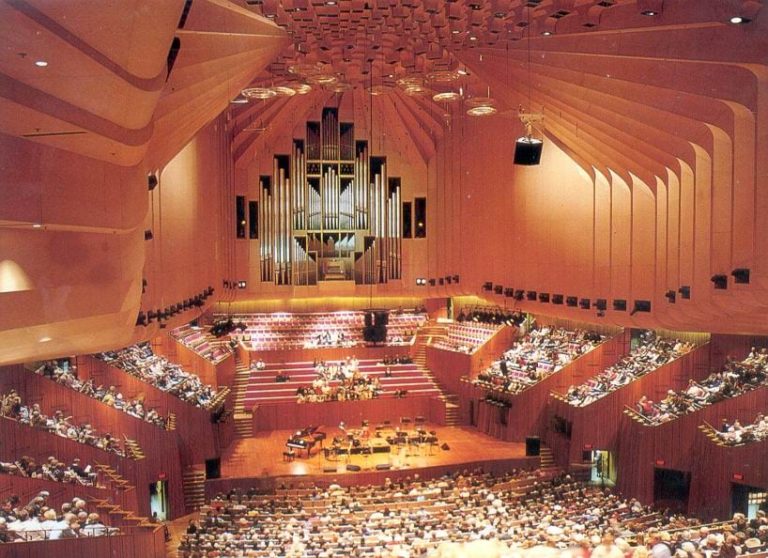
 Take for example the Sydney Opera House, where you can see from the exterior the curved shape of the interior space to move the sound, whereas with Radio City Music Hall you couldn’t even tell where within the building the main stage and theater was; both are incredible examples of acoustical masterpieces where you literally can hear a pin drop. There is even the middle ground which can be experienced in the renovated Lincoln Center in New York City. Here you cannot see the form of the music space in its purist form as in the Sydney Opera House, but in the area of the building that does house the theater the architecture changes and you can tell where it is unlike Radio City.
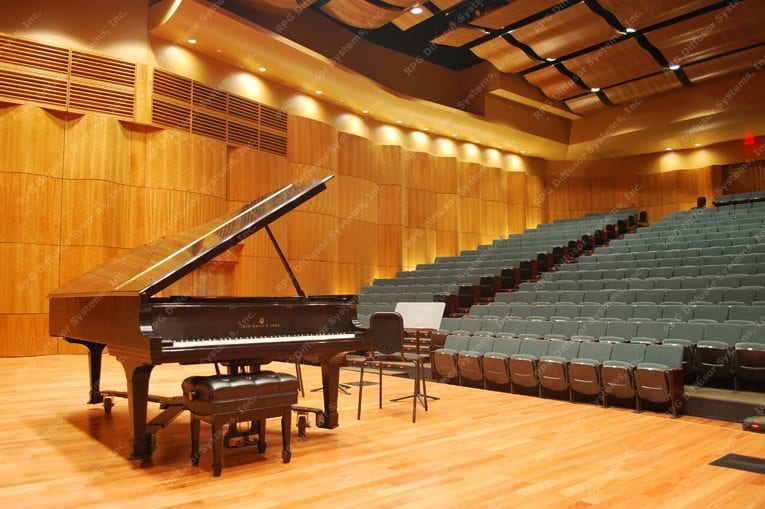 The last piece of the puzzle is finish materials used for acoustics, hard and soft surfaces and how they “reflect” the sound waves around. Movie theaters tend to have softer fabrics as they have a single main sound source and do not want echoing because the sound is mechanic, so the soft fabrics deaden the sound waves rather than bounce them back. Live performance spaces tend to have harder materials so they move the sound around but this must be calculated as the waves will intersect each other. This is where physics gets into the equation, causing waves to cancel each other out, cause delays or even echoes. Have you ever wondered why when watching a major sports event on TV the singer performing the National Anthem doesn’t seem to be moving their lips to the words you are hearing, why they are wearing sound canceling headphones or even lip syncing? This is because sound moves slower than light which is what is transmitting the sports event to your TV and the stadium or arena they are performing in was not designed for live performances like that, so they can be hearing their own words seconds after they say them bouncing back into their ears after traveling through the entire complex.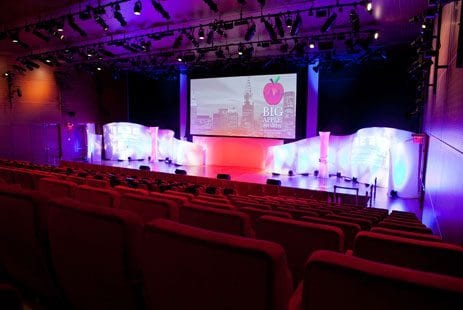
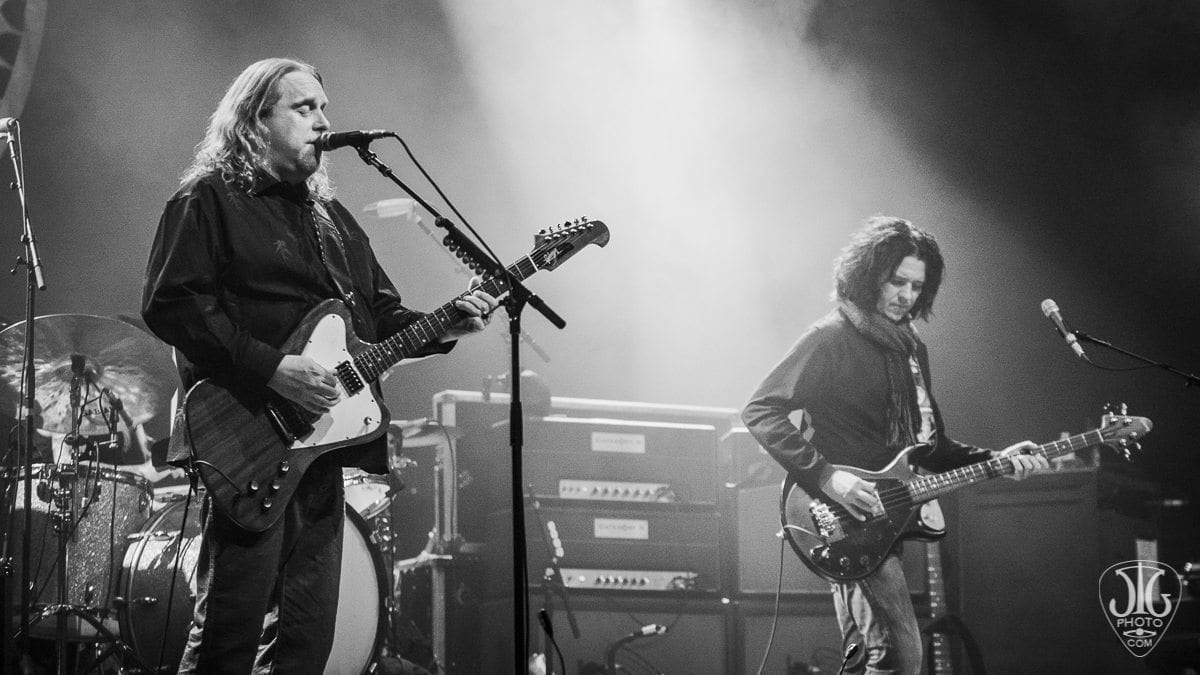
 The BIG Something has a bigger than life sound, as they rock out loud with a fusion improv of funk, jazz and hip hop. Casey Cranford is a double threat with his captivating EWI (electronic wind instrument) as well as saxophone playing. Josh Kagel has an ear for hitting all the right notes whether it’s alternating reality on his keyboard/synth or on trumpet. Jesse Hensley surges vibrating psychedelic rifts as Doug Marshall’s steady bass notes heighten the trip.