Category: Profiles

  • Saratoga Springs’ Newest Music Venue: Newberry Music Hall

    ‘Toga’s got a brand new space opening very soon. The Newberry Music Hall, located at 388 Broadway in Saratoga Springs, is planning for a rather aggressive lineup with live music on Fridays and Saturdays and regular music events  such as a Latin Night, College Night, EDM Night and a Country Music night.NewberryMusicHall

    The venue’s initial calendar will be announced on January 1, 2015 here. In the meantime, this new live music venue will be hosting a launch party on New Year’s Eve with soul artist Garland Nelson.The event is family friendly 8-10pm and 21+ from 10-1am.

    Newberry Music Hall hosted an exclusive show with The Airborne Toxic Event on Wednesday.

  • The Architecture of Sound, Part 2

    The venues we see music are more than just a place to congregate to experience concerts and performances. The work that goes into architecture – into designing, creating and building these venues is a lengthy process that spans years, well before patrons take their seats or find dance space to enjoy the sound. Architects, engineers and consultants contribute to the development of the overall sound, acoustics and open space that factor into the finished product – a music venue with, in more and more instances, incredible acoustics and sound.

    In this, the second part of ‘s look at the Architecture of Sound and designing of music venues, Editor Pete Mason spoke with Mike Wildman, Principal and Architect at Wildman Architecture PLLC, AIA, NCARB, LEED AP BD+C. A graduate of the School of Architecture at Syracuse University, Wildman spoke with Mason to discuss the ‘how’ of music venues and acoustics as the latter grows in importance throughout the design and construction process, with a particular focus on music venues of New York City.

    Pete Mason: When the design process for a music venue begins, what factors are brought into play initially for the rest of the design to build around?

    Mike Wildman: When it comes to the design of any space no matter the use, there is always a “main” element to be the focus of; the key is to first determine the best location, orientation, form, etc…, or in my experience to do the exact opposite and almost ignore it until the end so it becomes a puzzle to be solved rather than catalyst for the rest of the project. Regardless of the path chosen, design should never be done in a vacuum where you lose sight of the rest of spaces that are important. For example, a great sounding music venue would be useless if there was no viable entry sequence to get to the performance space or the sound control room and wiring were not done correctly and most importantly, form and shape aside, that the finish material used did not properly move the sound from the source to the intended destination.

    PM: How are acoustics and the flow of music built into the design in a way that does not affect the overall structure of the building? How can acoustics be worked into a building without making the overall structure unappealing, or worse, unsafe?

    MW: This is twofold, as the best sounding music venues grew out of simple clamshell forms that hundreds of years ago were carved into the earth and slowly became surface elements like those found throughout Europe and eventually the Americas, to finally the modern day building form where the “clamshell” is engulfed within the structure. This encompassing of the form can either be visible or hidden.

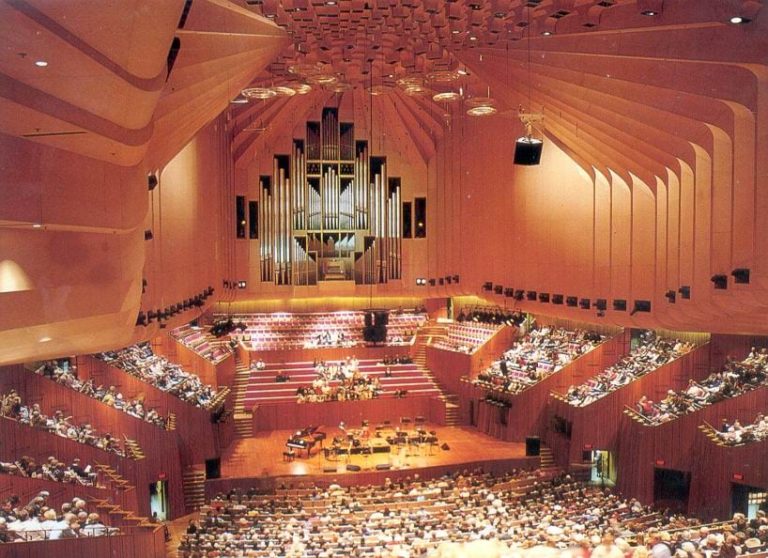
    architecture of soundTake for example the Sydney Opera House, where you can see from the exterior the curved shape of the interior space to move the sound, whereas with Radio City Music Hall you couldn’t even tell where within the building the main stage and theater was; both are incredible examples of acoustical masterpieces where you literally can hear a pin drop. There is even the middle ground which can be experienced in the renovated Lincoln Center in New York City. Here you cannot see the form of the music space in its purist form as in the Sydney Opera House, but in the area of the building that does house the theater the architecture changes and you can tell where it is unlike Radio City.

    architecture of soundThe last piece of the puzzle is finish materials used for acoustics, hard and soft surfaces and how they “reflect” the sound waves around. Movie theaters tend to have softer fabrics as they have a single main sound source and do not want echoing because the sound is mechanic, so the soft fabrics deaden the sound waves rather than bounce them back. Live performance spaces tend to have harder materials so they move the sound around but this must be calculated as the waves will intersect each other. This is where physics gets into the equation, causing waves to cancel each other out, cause delays or even echoes. Have you ever wondered why when watching a major sports event on TV the singer performing the National Anthem doesn’t seem to be moving their lips to the words you are hearing, why they are wearing sound canceling headphones or even lip syncing? This is because sound moves slower than light which is what is transmitting the sports event to your TV and the stadium or arena they are performing in was not designed for live performances like that, so they can be hearing their own words seconds after they say them bouncing back into their ears after traveling through the entire complex.

    PM: How long does the process for designing, drafting and building a music venue take, in years?

    MW: For starters it depends on the size on complexity of the venue in question as well as the budget for the project. A general rule I always go by is anything will take longer than your think to design and get to the construction phase and far longer to build than ever planned or estimated.

    PM: When it comes to the process of designing a music venue, what would surprise music fans the most?

    MW: Not realizing that the design of a music venue is much more than its form and shape, that all the support spaces and materials are equally as important to the outcome. This is not the same as some other architectural forms, say a house where better materials typical mean better house in the terms of size or location or price because at the end of the day the toilet should still flush. In a music venue, improperly designing and accounting for the sound that the mechanical system makes or using materials that alter the wavelengths of the sound to be heard can literally destroy a place to the point of unuseability.

    PM: Considering the great many music venues in America what are some of the best venues for sound and acoustics, that you have come across in your experience?

    MW: It’s funny as you mention yours and my beginnings in Syracuse and ask for a possible Syracuse spin on this, I am drawn to the memories of “Dome Stomping” around the perimeter of the Carrier Dome. Obviously that is not a music venue but a truly amazing example of a space’s ability to reflect, enhance and move sound. As far as places I have been that have been great venues; the above mentioned Lincoln Center and Radio City for starters as well as the counterpart to Radio City, The Beacon Theater. Additionally I have fond memories of traveling through Europe and experiencing the technology of moving sound in places that are ruins and hundreds of years old. But the most amazing place I have been to, and this was only for a spoken word presentation and not a musical performance, was The Times Center, which is the theater at the New York Times Building in Times Square. What amazed me most about this room was that is was a fairly decent size and the presentation was for multiple hours with multiple presenters going one after another but not one of them used a microphone and you heard every word. To me this was more impressive than if it was a musical performance because odds are, just speaking was done at a lower volume than if someone was performing music. I was impressed by the “architecture” and coordination of everything that had to go into that room. architecture of sound

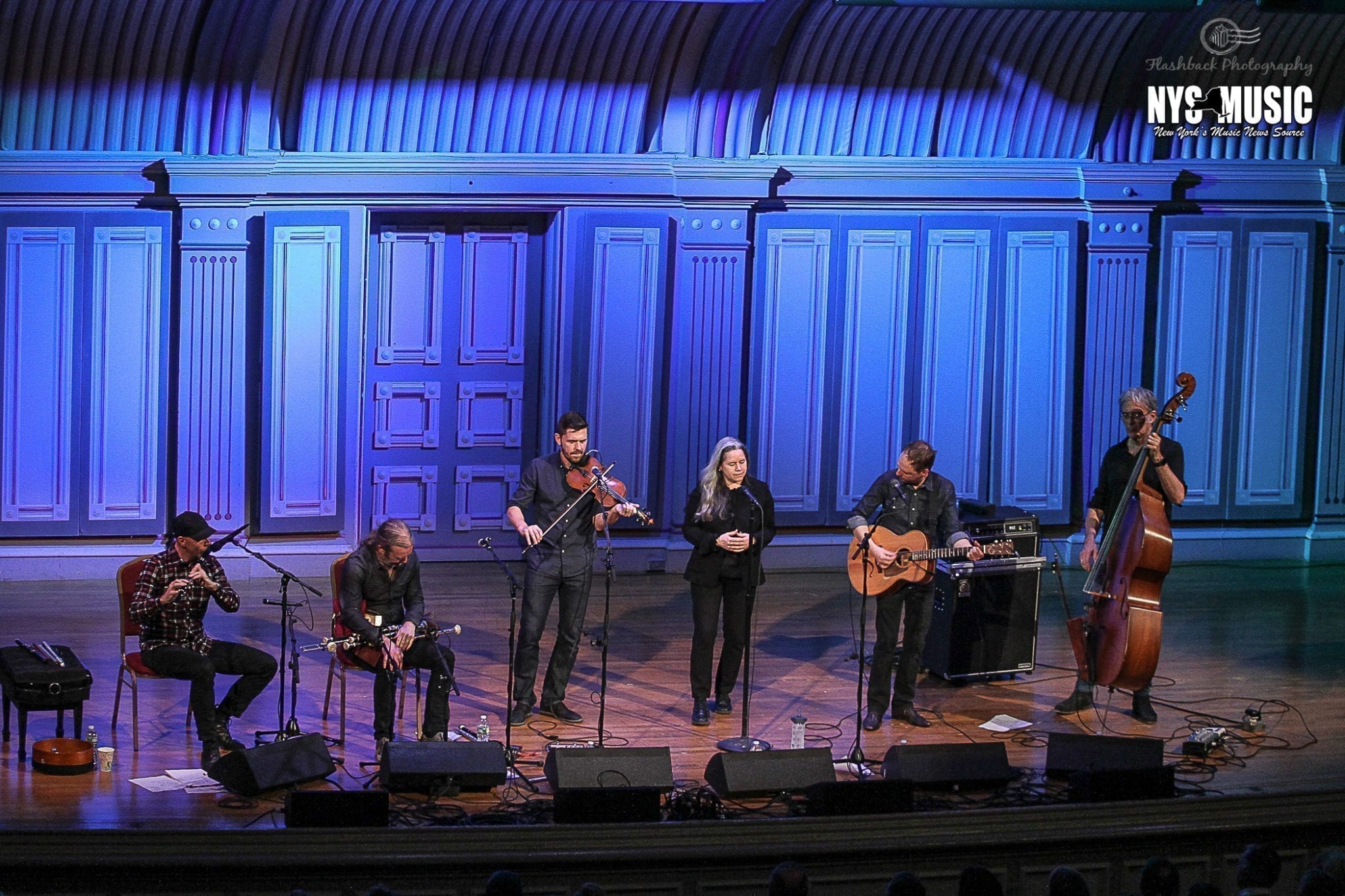
  • The Linda, WAMC Performing Arts Studio – You’ll Like What You Hear

    The building once sat as an abandoned Fleet Bank until a vision, the spark of an idea and a push for arts and cultured community events came to fruition through the eye of WAMC President and CEO, Dr. Alan Chartock. The grant funded venture became a reality when it opened its doors in September of 2002 with Branford Marsalis Trio as the very first guests. As an extension of WAMC, a public broadcast radio station, The Linda provides a unique and intimate concert space and performing arts studio.

    The goal was to expand the station’s ability to provide on-air performances both live and recorded. The Linda is a performance space, a broadcast studio, and a cultural arts center. Programming includes music, film, workshops, debates, and community events. A focus being on the local exposure to notable filmmakers, actors and musicians with genres such as roots, classical and jazz, The Linda is a perfect listening room. The Linda was affectionately named after long-time supporter of WAMC, Linda Norris, however, let it be known that it is correct only to refer to the space as The Linda – WAMC Performing Arts Studio.

    The small space brings the artist and listener together in a way that creates an engaging experience. Often, there are CD signings following a show. Being a 210-seat facility, the experience is intimate and personal. A highlight of The Linda is that shows are scheduled early enough so that folks are out to enjoy the club scene, which is beginning to take shape on Central Ave with Pauly’s Hotel and The Low Beat next door. The Linda is located on a section of Central Ave that is a very diverse part of town with multi-cultural restaurants nearby. Being that a large focus of The Linda is connecting arts and culture with the community, the locale is perfect. There is a small cash bar and The Linda is available to rent.

    No matter your own personal intention for visiting The Linda, whether it is a comedy show, a political debate, a music event or a play, you will like what you hear.

  • Meet Your NYS Music Staff: Photographer Scott Harris

    Scott Harris is a music photojournalist as well as a street, landscape and fine art photographer and an avid member of the Instagram community. Originally from southwestern Connecticut, Scott attended college and lived for the better part of a decade in Upstate and Western New York regions. Scott currently resides in Westchester County and serves as a house photographer for the historic Capitol Theatre in Port Chester. Scott’s musical tastes include jam, electronica, EDM, hip hop, blues, bluegrass, funk, folk and pretty much everything in between.

    scott harrisAs a rabid Phish phan, Scott originally began taking concert photos with a little point & shoot camera at the band’s Bader Field run in June 2012 just for fun. Scott quickly caught the photography bug and though he’s entirely self-taught, almost a year to the day later officially shot his first concert.  In his first year as a music photojournalist, Scott had the opportunity to photograph a wide variety of artists/projects, including: Elton John, Jack White, Phish, Umphrey’s McGee, The Avett Brothers, Lotus, The Disco Biscuits, Skrillex, Widespread Panic, The Black Crowes, Phil Lesh & Friends, RatDog, Primus, Mastodon, Pixies, Elvis Costello & The Roots, Tegan + Sara, Beats Antique, John Butler Trio, moe., Tedeschi Trucks Band, Grace Potter & The Nocturnals, Lettuce, Yonder Mountain String Band, Strangefolk, White Denim and Kung Fu, just to name a few.

    Aside from his work at The Capitol Theatre and for NYSMusic, Scott is a frequent contributor to Relix and JamBase. Scott’s work has recently been featured on RollingStone.com and he’s appeared as a guest host on SiriusXM Jam ON. On the rare occasion Scott is not attending a concert, he’s often found exploring the world of craft beer or engrossed in sports. Scott is infatuated with imperial IPAs and is a diehard Syracuse basketball/football and RIT hockey fan, and he also loves (in no particular order) the Yankees, Rangers, Giants and Knicks.

    While Scott’s live music bucket list has been rapidly dwindling over the past year (including trips for the first time in 2014 to the New Orleans Jazz & Heritage Festival and Bonnaroo), he has his sights set on attending and photographing Coachella, Electric Forest and Jam Cruise, as well as Metallica, Nine Inch Nails, Tool, the Foo Fighters, the Red Hot Chili Peppers and Bruce Springsteen, among others in the near future.

  • Meet Your NYS Music Staff: Photographer Brennan Fischer

    Brennan Fischer has always embraced musical expression in all its forms. After a childhood filled with Michael Jackson, Miles Davis, Joni Mitchell, and David Bowie, Brennan studied trombone and voice throughout grade school. He proceeded to take up the dreaded electric guitar, played with bands in high school and even attempted the cheesy singer-songwriter gig in early college. He now expresses his musical passion through hip-hop dance, occasionally jamming with friends on guitar and djembe, and shooting shows and festivals.

    brennan fischerBrennan is an aspiring free-lance photographer, and has shot weddings, dance recitals, fundraising events, drag shows, and put out a tasteful nude calendar for the collective where he lives. You can see his work at BrennanFischerImages.com. He has been shooting for since 2013 and has enjoyed covering great local bands like John Brown’s Body, Rubblebucket, and Driftwood, as well as some larger acts like Widespread Panic and Umphrey’s McGee. Brennan relishes the moment where the passion and the joy of live music can be frozen in time and captured visually.

    Brennan wants to shoot and see much more music. Included on his bucketlist for groups to see and shoot are Radiohead, David Byrne, Com Truise, Little Dragon, Chromeo, Flying Lotus, Animal Collective, Phantogram, Soundgarden, Emika, and Prince.

  • Venue Profile: The Troy Savings Bank Music Hall Preserves History and Magnificence

    Though indiscriminant from the outside, passing beyond the entry is a portal into another time. In an era during the booming peak of industrial America, Troy hustled and bustled with growth. As a result of successful patronage to Troy Savings Bank, a music hall was gifted to the public. In 1870, the Board of Trustees of the bank moved its offices to a new building, located at 30 Second St, that included a music hall on the upper floor. George Browne Post was the hired architect.

    Troy Savings Bank Music Hall  is an acoustic marvel with no clear reason as to why. Many have attributed the sound quality to variables like hard walls, ratio to length, width and height, stage dimensions, interior design and textures. However, it wasn’t until 1890 when an Odell concert organ was installed that the hall reached it full acoustical potential. The organ was eight years old at the time of purchase belonging to millionaire William Beldon. The organ has remained untouched since its installation with the exception of routine maintenance. According to the Troy Savings Bank website, the organ is “the nation’s largest nineteenth-century concert organ in original condition.”

    Troy Savings Bank Music Hall

    Just as a nation struggled with the ups and downs of the economy over the last hundred years, so had the hall. As the twentieth century developed the advent of radio and television provided cheaper and easier means of entertainment. However, in 1979, the Troy Savings Bank Music Hall Corporation was formed as a not-for-profit organization to restore and maintain the hall. In 1989, the hall was named a National Historic Landmark. Today, The Troy Savings Bank Music Hall is operational.

    Troy Savings Bank Music Hall

    The Troy Savings Bank Music Hall continues to carry on tradition. Historically, a great musician of their time rarely failed to include the hall on an American tour. World-renowned performers are booked year round from singers and songwriters to orchestras and comedians. Every artist, every performance seemingly captures the essence and glory of the halls storied past. Every wooden chair is equipped with metal bars located on the back and on the underside of the seat. Hinting to the past, the bars held top hats and the scarves. Indeed, Troy Savings Bank preserves history and magnificence.

  • Interview: Boxed Wine talk about Shows, Syncs and Cheap Fun

    Friday, June 20th. My friend buys us tickets to see Dresses play The Studio at Webster Hall. I like the duo but feel as if my street cred is in question walking into a venue after a gaggle of fourteen year olds making some kind of remark about wearing dresses to a Dresses show. I try putting off going in for the openers, but between the scalper trying to sell me tickets to a show I already have tickets for, and the homeless guy on 11th street making me bear predictable Charlie Sheen jokes against my will, I realize it’d be easier to follow my friend inside.

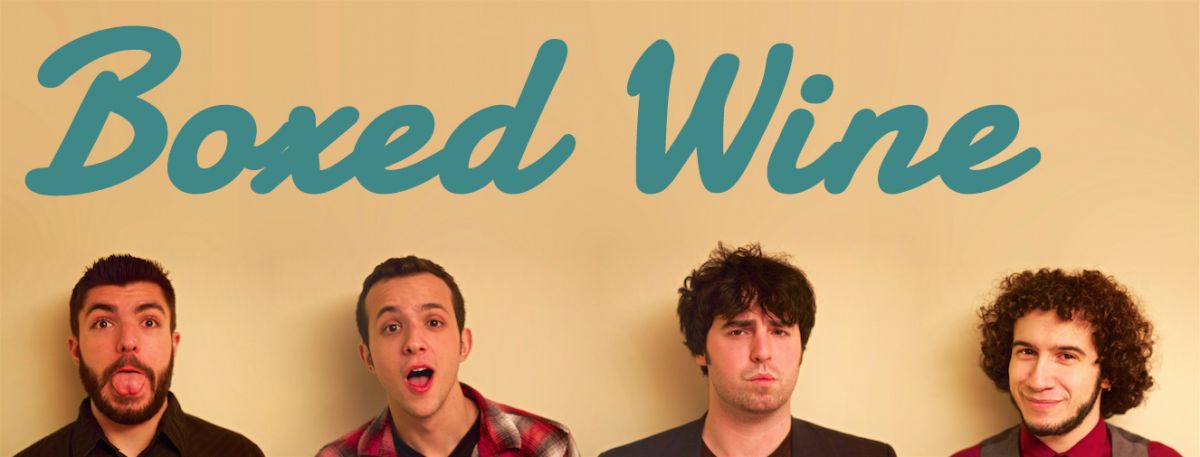
    Surprisingly enough, we walk into a beach-party kind of vibe. A band called Boxed Wine is on and I initially can’t tell if there are four or five members in the band—a guy in a ponytail and blue Boxed Wine shirt (apparently this guy never got the memo that this is bad luck) keeps bouncing on and off stage to sing gang vocals. Within minutes, the band has the crowd dancing. There’s a palpable sense of familiarity in the air—not in the sense that you recognize them from one of the OC mixes but in a way you know you’ve heard the songs before. When “Summer Wine” comes on, I find that I’m no longer thinking about rent, or my shitty coffee shop hours the next day. Instead, I ricochet into that two week long Halloween freshman year (Syracuse will stretch out any holiday where it’s socially acceptable to wear seasonally challenged outfits and spend the night adjacent to the toilet) when my friends drove up to my dorm, corrugated fiberboard boxes in hand, and we stayed in and got wrecked off of cheap red wine together. That’s the exact sentiment Boxed Wine captures in their music.

    boxedwine

    With the lead singer of Silver Conor on their side, a song in an Adam Sandler movie, and tragicomic DIY music videos, this New Jersey band is out to show you that sometimes cheap really is more fun. In this interview, lead singer Chris Nova talks more about the band that we’ve all seen from the corner of our eyes.

    Gauraa Shekhar: According to your website, you guys love Johnny Walker Red,  Magic Hat and Craft Beer. How did you end up with the name Boxed Wine?

    Chris Nova: Well it happened after we wrote the first EP drinking Franzia Sangria every night (re: the cause of Summer Wine’s poor vocal takes, haha). We settled on ‘wine’ as part of the name, but argued between naming the band Fine Fine Wine or Winetown. Someone said why not just name it Boxed Wine, but we all assumed it was taken. When we looked it up and saw it was open, we were shocked and made the Facebook page that night!

    GS: What brought you guys together?

    CN: Ralph and I lived together for most of college at Rutgers, and met Mike halfway through mutual friends. Ralph played in a band called Jackie Treehorn with Mike (who’s also the best singer in Boxed Wine) and the precursor band to Boxed Wine, Le Le Low, but they both imploded and we all did nothing for a bit. Then Ralph and I started writing different songs when we were both depressed about how awful the ‘real world’ was. The songs were just an escape that grew gradually over time into a full band with other members. Eventually we settled on the current lineup, adding Mike and his friend Steve. Now we’re practicing with our new member Andrea who’s gonna be playing keyboard since that our sound is changing up a bit.

    GS: Your songs are always in commercials, playing before Banks shows at Irving Plaza, etc. Do you guys have a say in the syncs at all or do you just randomly turn on the TV and go, “man, our song’s in a washing machine ad”?

    CN: We played before Banks’ show?! That’s so cool! (Laughs) We must have a fan in NYC! We have say on some songs and not on others. The sync market is crazy competitive so they often need a yes immediately. We trust our friends in the licensing world to look out for us, but they did soundtrack an Adam Sandler movie commercial with “Waste Your Time” so we might need to reevaluate those friendships…

    We never see the commercials first, our fans and friends usually text us and ruin the surprise. We don’t have cable though so it’s actually pretty helpful.
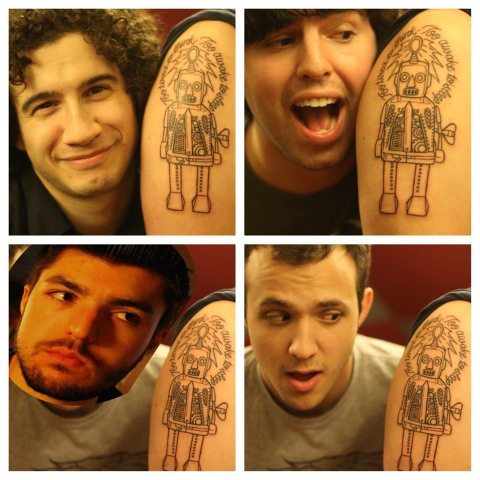
    boxed wine

    GS: On that note, what’s the weirdest place you’ve ever heard your music play?

    CN: We got a small random check for being in a Norwegian airlines in-company video, so though we’ll never see it we hope it made us a fan or two! Go Norway!

    GS: These days artists have started giving music videos an importance again. Bands like Cable and Babes have quite the narrative play going on in their videos but you guys are definitely onto something new. What was the thought process behind the music video for “Spies”?

    CN: Well Spies isn’t a music video we made, but we’re glad you enjoyed the guinea pigs! We don’t have enough money to make videos for all our songs, so we ended up stealing a bunch of footage from YouTube to give something entertaining to watch during the non-single tracks!

    You should check out Arnold in the “Tearing It Up” video, or Nickelback in the “Into the Nite” one…

    We love music videos though, but have kinda screwed up every one so far, especially Cannibal. That turned out to be oddly misogynistic instead of as ridiculous as originally planned. We might remake it with naked dudes and dogs, but the original idea was pretty much done in an MGMT video we hadn’t seen. They probably do more drugs than us, which is why their music video was better. Unfortunately it had a different and much worse effect on their last album…

    GS: NJ has a very tightly kit music community. I just learned that Bruce Springsteen helped Nicole Atkins set up her new record label after they met at an Ashbury Park show once. Have you met anyone from NJ who has served as your rock and roll guardian angel?

    CN: Our bassist’s dad is Joe Cerisano of the 80s rockers Silver Condor. He also sang the ‘Be All You Can Be’ Army theme, which is awesome. He’s been super helpful with general career advice, which is great. Unfortunately half the people he knows in the music business are dead from an overdose of Rock and/or Roll.

    Fun fact: he also sang the best version of “When a Man Loves a Woman” with Clarence Clemons on sexy sax duties. It is jaw dropping.

    GS: How do you guys deal with situations where fans in Boxed Wine T-shirts insist on coming up on stage three times per show to sing gang vocals?

    CN: We have an officially licensed Homer Simpson ‘Reachin’ Stick’ that we use to push them off stage.

    Haha just kidding! We love our fans and honestly wish our shows were crazier, kinda like a Black Lips show. I have never been drunker or happier jumping off the stage while they played through ‘Bad Kids’ and that’s a memory to cherish. We want our crowd to have those memories too.

    GS: Which show has been your favorite thus far? Why?

    CN: We’ve played some seriously great basement shows in New Brunswick, but the best in our memory was April 20, 2013. It was insane and we had a whole basement soaked and exhausted at the end. That was a memory indeed.

    GS: What would you say is the difference between performing in NY and NJ?

    CN: There’s no venues in New Jersey, so there’s the answer. Haha kidding again. There are a few, but our best shows have been in basements, hands down. The Court Tavern finally noticed us recently and we had a good show there so we’ve set up another for August 30th.

    Unfortunately there are more scammy venues in NJ than NY. There’s a difference between a draw requirement and “here’s 50 $20 tickets to sell or you don’t play an have to pay us back.” NJ has more of the latter and it’s absolutely awful. We’ve always said no to that garbage, and they’ve only tricked us once, causing us to purposefully invite no one and cancel the day before, ha.

    GS: People in NY are slightly…well, insane. They tend to say a lot of ridiculous things (paging guy down the street from me who sings dirty versions of nursery rhymes and claims to be a pirate)–what’s the most bizarre thing someone’s said to you at a show?

    CN: The exchange went as such:
    Homeless man: “you look like a Beatle, can I have a dollar?”
    Chris: “what?”
    HM: “you look like John Lennon, give me a dollar!!!”
    Chris: “thanks but sorry I don’t have any cash”
    HM: “FUCK YOU JOHN LENNON GIMME A DOLLAR!!!!”

    He then chased us. Very slowly…

    GS: I know you guys look up to bands like Bear Hands. In an ideal world, which artists/bands would you like to tour with?

    CN: All we want to do is tour and hang out with Tokyo Police Club, that’d be like a dream come true. I’d say Spoon would be a close second. I met Britt and he was so appreciative of his fans; just an all around nice dude. My dream, though, would be to play with the Strokes, but I imagine the second coming of Bowie would happen first.

    GS: What are you all listening to right now?

    CN: Ralph is listening to a bunch of synth pop bands like Magic Man and Betty Who, so now he never shuts up about Charli XCX. He keeps playing the new Blondfire record on repeat as well.

    I’m currently obsessed with Mounties (because Steve Bays is a musical god) and have listened to their debut album like 40 times this month. I’m also crazy about JJAMZ because Alex from Phantom Planet is in it. Unfortunately JJAMZ has been quiet since 2010.

    Mike never stops listening to Gaslight Anthem, and it’s clearly influencing the awesome solo songs he’s been writing. Frank Turner and the Fratellis are other passions of his, as well as the Naked and Famous.

    Steve listens to way heavier stuff and loves Crosses and the Deftones when he’s not listening to Rush. That’s why he’s the greatest drummer in indie pop, haha.

    GS: What’s your favorite Boxed Wine song?

    CN: My favorite is currently our next single “Innocent.” but I also really like “Young Lovers”.  Ralph’s is probably our new single ‘Quiver.’ Mike is a rockist and likes “Bones” and Steve likes another b-side that’s our heaviest track. It’s untitled currently but will be out pretty soon, we hope.

    GS: What led you to make your new album available for free download on Bandcamp?

    CN: We’re just realists. Everyone steals music, including us, so we felt this was a way to give back. People have the option to give us a few bucks and they often do, which shows us the true good in humanity. We line our pockets with humanity! Really though, we’d rather people buy a tangible T-shirt and come see us instead of spend the money on the digital songs themselves. We just try not to be jerks, and expect the same from any fans.

    Unfortunately we’re forced to charge on the bigger sites, but if you’re not smart enough to figure out how to get it free then unfortunately you must pay handsomely, ha.

    GS: Why should our readers pick up “Cheap, Fun?”

    CN: It’s FREE, why wouldn’t you take it?! In all seriousness, it will hopefully make your day brighter, guide you in times of trouble, and bring you closer to His Holiness (sic.) David Bowie. All we want to do is help people forget that the world is a cold, dark, cruel place with no rhyme or reason to anything other than the fact that we should all be dancing way more often. And eating pizza. And taking naps. That’s it.
    ___

    Download Boxed Wine’s latest album Cheap, Fun here.

  • Meet Your NYS Music Staff: Writer Jimmy Chambers

    Since an early age, Jimmy Chambers always wanted to be a writer. Of what, he wasn’t sure, but he knew that is what he wanted to. This became his passion and he used it as a form of comfort. He realized a few years later that music was also a form of comfort. He related to sadder songs and was drawn to them. He had found his true passion: to write about music and intertwine it with feeling and share it with others, so that others could relate to him and therefore relate more to themselves.

    jimmy chambers

    While attending Suffern High School, music took over his life and the writing fell to the way side. It was always there, notes were written, a journal here and there, but mostly he was just obsessed with Rock n’ Roll. It was the time of Pearl Jam, Nirvana, Oasis and Phish.

    His first Phish show was quite an experience, not just because of the music, but because of the way society formed around the music, the community. It was special. It was a story that had to be told. The next two years he did not do much writing. He went to see Phish wherever and whenever he could, and one day he ran into the Disco Biscuits. As a result of music becoming a powerful force in Jimmy’s life, he went back to his love of writing, took writing classes at Hudson Valley Community College, and later brought his talents to Plattsburgh State.  Every writing class he took, every article he wrote, was about music. This was two and a half years of striving to be a Rock n’ Roll writer; he had friends who asked “How do you get through college, writing about Phish?”  Very coolly, he replied, “I just did.”

    He graduated in 2003 and was a teaching assistant for 8 years, after which Jimmy went into building and ground work at The College of Nanoscale Science and Engineering. Browsing Facebook, he saw an opportunity to write for and jumped on it. His friends were happy he was finally doing something that he could be proud of. Jimmy is now 38 and realizing more it is each day that it is never too late to follow your dreams.

    Although Jimmy has seen many, many concerts, certain bands always seem to slip through his fingers. Frightened Rabbit, The Shins,  The Cure, Band of Horses, The XX, Chrvches, and Spiritualized are just a few of many. These are not dreams, Jimmy will see all these bands!!

  • Meet Your NYS Music Staff: Writer Jeremiah Shea

    Music has always been a life-sustaining medium for Jeremiah Shea. Some of his earliest recollections of having “the bug” include drumming on anything he could hit his hands on, air guitar snow shoveling throughout the long Buffalo winters, and going to bed while listening to the radio. The snow guitarist in particular was one of those forks in the road because, after so many years of frustratingly strumming a wooden handle, he needed a change and proceeded to buy an actual electric guitar the summer of his freshman year of high school. The writing was always on the wall, but that sole constructive purchase would change his life forever and provide the creative outlet he was clearly lacking.

    Jeremiah SheaFast forward to today and Jeremiah is, first and foremost, a proud father of two incredible children (Jack, who is 4 years old, and Anabelle, who is 7 months) and happily married for the past seven years. The music is still there, but his relationship with it has since evolved to more of a creative driver and less of a passive listener.  His time now is spent sharing his passion with his family through writing, listening, and playing music.
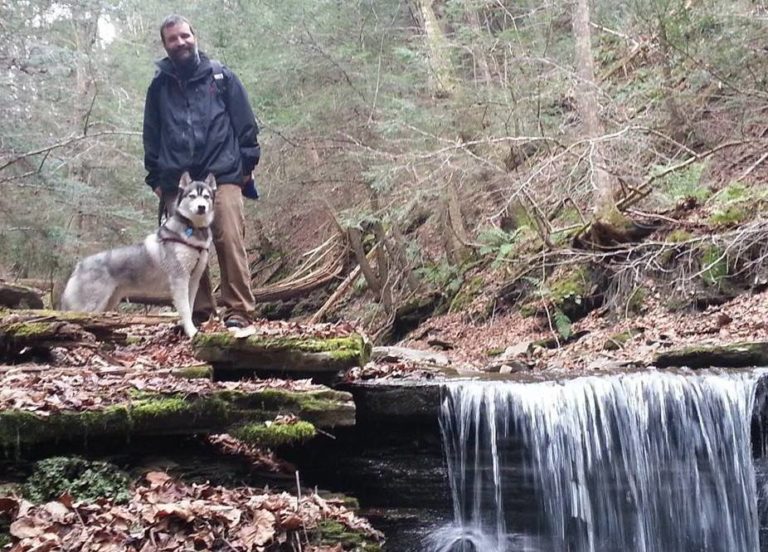
    By day, Jeremiah works for Ingram Micro where he is able to utilize his technical background to consult customers, engage with manufacturers, and help drive business for the company and its partners. The 9-5 though isn’t, in and of itself, fulfilling though as there is still the gap that only music can fill. Upon a chance back in 2012, Jeremiah responded to a Facebook post from an editor at Buffalo’s Artvoice who was looking for writers in the area. After getting the opportunity to try out, Jeremiah ran with it and began his career as a professional music writer. Now two years later, Jeremiah still writes for Artvoice, but obviously branched out and has also been working for since 2013. Over the course of two short years, Jeremiah has had the opportunity to see countless live shows and interview some of his biggest influences. The list of interviewees includes Umphrey’s McGee, Lettuce, Marco Benevento, Rebelution, Alan Evans Trio, Zach Deputy, Joseph Wooten, Protest the Hero (first time/second), Snapcase, Jefferson Waful, Luke Stratton, Johnny Goode, Funktapuss, Armcannon, Aqueous, Zach Deputy and many more.

    That aside, his biggest achievement came this year when he was asked to write the liner notes for the Alan Evans Trio Woodstock Sessions album. In another bout with serendipity, Jeremiah was able to attend because he literally pulled off the side of the road when hearing the announcement and immediately emailed Alan Evans to apply. It was because of that chance that he got to meet Alan and establish a wonderful working relationship, giving way to the album contribution.

    Outside of music, Jeremiah also enjoys playing and watching various sports. As a die-hard fan of the Bills and Sabres, he’s swallowed the “maybe next year” mantra hook, line, and sinker that every sports fan in Buffalo has come to accept.  On the creative side, Jeremiah still plays guitar, but also enjoys drawing with chalk in the driveway with his son, cooking, and Photoshopping pictures of his kids.

    Maybe it’s that blue-collar attitude that Buffalo breeds that has helped elevate him to where he is today, but regardless, Jeremiah is just happy to have a good job and enjoy a hobby-like side career that surrounds his life and family with great music. Whether playing, listening, or writing about music, Jeremiah loves to share with the world the significance it’s played in his life. If there’s one thing he’d tell you, it would be to pick up an instrument as it’s never too late to play. His kids may be young, but he’s hoping they too will embrace life’s rhythm and find their niche in the world of music.

    Jeremiah’s musical bucketlist includes Rage Against the Machine, Eric Clapton, Pink Floyd, The New Mastersounds, Soulive, Stevie Wonder, Maceo Parker, The Nth Power, The Meters, and The Neville Brothers.

  • Meet Your NYSMusic Staff: Writer Stephen Lewis

    Stephen Lewis has been enamored with music and the written word since he began writing simple poetry and digging through his parents record collection as a young boy in Central New York. What started out as a formative relationship with the written work and sonic arts has developed over his lifetime into a deep analysis and respect. The natural world in addition to authors, songwriters, poets, journalists and musical masters of expression and ideals are his signposts to creation through inspiration.

    stephen lewisStephen has a deep love for the literature and music that was developed in the 1950’s and 60’s, when ideas were fresh and retreads were few. The beat poets as well as early rock and blues players are the cornerstones in which all of his creative excursions are based. Straight ‘rock and roll’ is Stephen’s tonic. Drums, bass, guitar and some honky-tonk piano is all it takes to inspire. Psychedelic rock and jazz following close behind. Being English/Creative Writing major, Stephen has intertwined his love for music in the most natural way, by writing about it.

    Stephen’s most respected artists are the musicians with a message, who use melodic sensibility to relate life truths and build mental pictures through their musical creations. Bob Marley, John Lennon, Tim Buckley, Bob Dylan, Jerry Garcia and David Crosby are a few of the artists who Stephen receives inspiration from and enjoys regular visitations to into their catalog.

    Stephen’s greatest achievements happen when creating art from nothing, the thrill of a crisp white blank page tucked into a typewriter, a vinyl record revolving in the background. Expressive use of language is his goal, language able to not only express the inner workings of the text’s subject, but also offer a glimpse into the creators mind. His continuing efforts are to turn his freelance opportunities into a permanent position reporting on the world of music, or working as an archivist for one of his favorite bands.

    Stephen has traveled for over 300+ live concerts so far in his lifetime, the search for emotive live performances never ending. Regarding his work for since 2013, Stephen concentrates on his Central New York experiences offering commentary on performances and past glories from the area. His musical bucket list is growing shorter by the year but still includes, Yusuf Islam, Teresa Williams/Larry Campbell and Simon & Garfunkel.