Author: Quinn Donnell

  • Across The Pond: Spoon Plays London’s Shepard’s Bush Empire with Hamilton Leithauser

    Spoon is a band from Austin, Texas and on Friday night, the five-piece found themselves playing in London, England for the last date of their European fall tour.
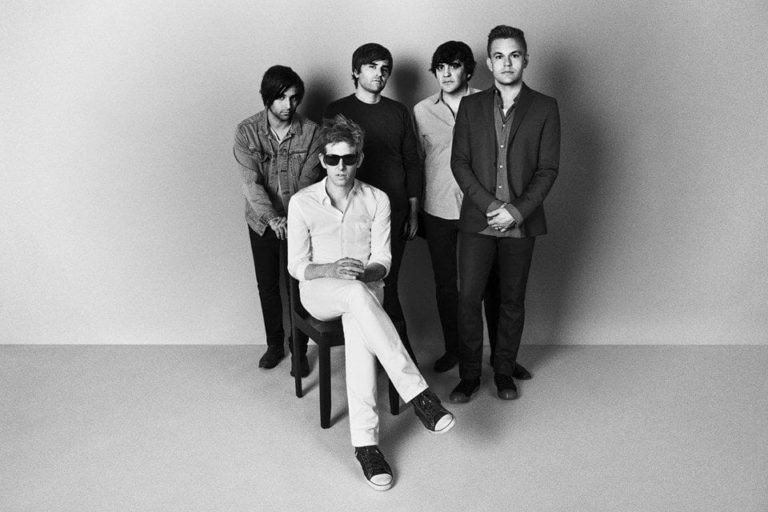
    spoon  hamilton leithauserThe geographic details of the concert, at first glance, have nothing to do with and its connection to Northern New York. But this Upstate staff writer, currently spending some time across the pond, wanted to share with his compatriots back home the excellence that Britt Daniel and his band brought to one of London’s most historic venues.

    With the August release of their eighth studio album, They Want My Soul, Spoon have been kickin’ for nearly two decades. And although the band’s lineup has shifted over the years, frontman Britt Daniel and drummer Jim Eno have been around since Telephono debuted in 1996 on Matador Records.

    In much the same way that They Want My Soul takes Spoon’s experience and uses it to exhibit an invigorating fresh sound, the band’s live performance gives no indication of just how long Daniel and Eno have been performing.

    Aside from the level of energy that Daniel put into each song – falling to his knees during incredibly calculated guitar solos and jumping from Eno’s drum platform to highlight instrumental breakdowns – the most obvious proof of Spoon’s long-lasting youth was their genuine enjoyment for playing together.

    Young gun Alex Fischel joined the band just before going into the studio for They Want My Soul, and his presence behind the keyboard on Friday seemed to bring out a boyish enthusiasm in his senior band mates. Fischel’s contributions on guitar often came in the form of background texture – controlled cacophony that he physically represented by gyrating in place, as if shaken by the instrument’s power. His fluttering style drew amused looks from Daniel and Eno, occasionally encouraging Daniel to raise his own emotional output.

    The only indication of Spoon’s age was their setlist, which featured songs like “The Way We Get By,” dating all the way back to 2002. While their most recent tour dates have come in support of They Want My Soul, Britt and the gang played a balanced combination of greatest hits and new material over the course of their 1.5-hour set.

    It was a night of frontmen giving fantastic performances at Shepard’s Bush Empire. Before Spoon took the stage, Hamilton Leithauser – of the indefinitely disbanded Walkmen – played an opening set of songs from his debut solo album, Black Hours. With only a guitarist backing him, Leithauser’s stripped-down versions of Black Hours material let him showcase his beautifully crooned-out vocals.

    Between Leithauser and Spoon, the Empire put on a night of music any fan could appreciate, regardless of its distance from Upstate New York. To see a band play at what is quite possibly the peak of their 18-year career is a special experience, no matter where it is.

  • Review: Pitchfork Music Festival 2014


    As the 2014 edition Pitchfork Music Festival entered its third and final day, a mass of fans gathered at Union Park’s northernmost stage to see Jordan Lee perform with his Brooklyn-based chamber folk band, Mutual Benefit. Their set featured music from the group’s 2013-released Love’s Crushing Diamond, intricately written tracks with sincere lyricism and eclectic instrumentation.

    The early afternoon performance was punctuated with consistent mid-song banter from Lee. After jokingly introducing he and his band as Neutral Milk Hotel before their opening song, Lee took a moment in the middle of their set to make another quick-witted comment, saying that it had always been his dream to open for Slowdive and Kendrick Lamar in the same day.

    Pitchfork Music FestivalAs humor-intended as his statement had been, Lee had a point; the fantastic range of artists at Pitchfork – spanning both genres and generations – make the festival one of summer’s most exciting events in the indie music community.
    Twenty-four hours before Lee took the stage, a group of 20-year-olds known as Twin Peaks played Saturday’s first show in a manner more fit for a headlining spot at Woodstock in 1969. The group’s overflowing rambunctiousness spilled into the audience, beginning when lead singer Cadien Lake James strolled out in a wheelchair and a cast up to his knee, and peaking when guitarist Clay Frankel smashed his guitar and threw the fragmented pieces into the audience.

    For many fans, Twin Peaks’ set was followed by a performance from tUnE-yArDs, the afro-pop project of Brooklyn’s Merrill Garbus. Garbus’ set was backed by two vocalists, a percussionist, and a multi-instrumentalist – an arrangement that emphasized her experimental songwriting and fascinating performance style. Throughout the set, Garbus switched between a ukulele and a pair of standing tom drums, both of which she looped in conjunction with beguiling vocal melodies to lay a consistent texture under her lyricism.

    Pitchfork Music Festival
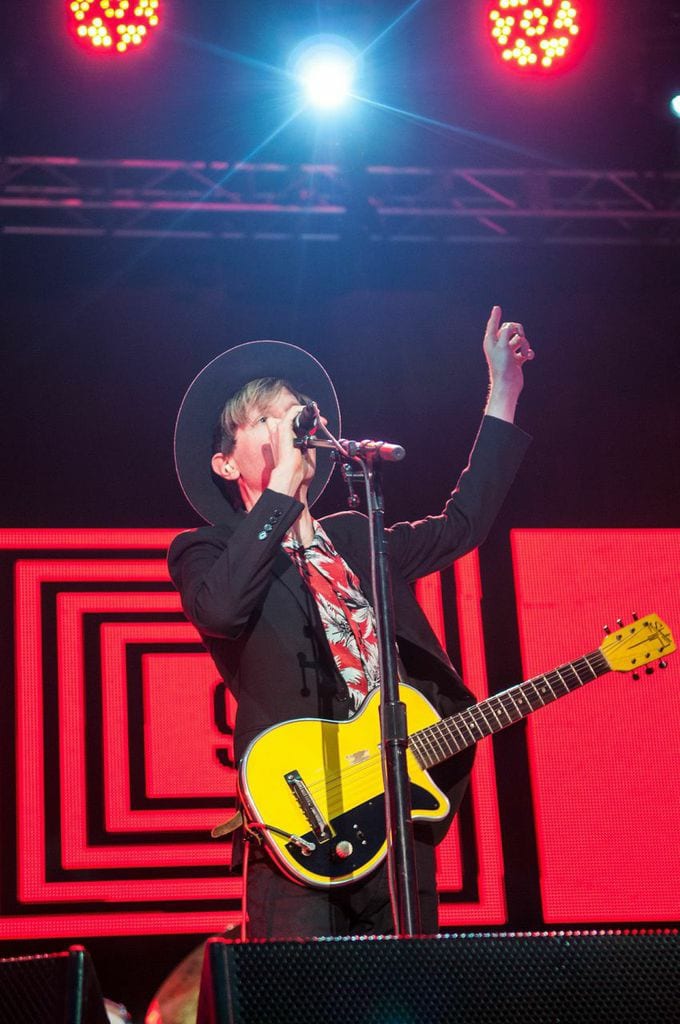
    Beck at Pitchfork Music Festival 2014 (Friday)

    Pitchfork’s minimal stage set-up and open scheduling offered artists the time and resources to make each show sound exactly how they wanted. As the average music festival continues to increase its stages and grow in size every year, Pitchfork has kept a steady 3-stage structure throughout its nine years in Union Park.

    While the festival’s focus on music is unmatched – providing a space for fans to feasibly see up to nine acts in one day, all of which receiving the best possible sound engineering a festival can offer – Pitchfork incorporates a number of artistic outlets for those outside of the musical community.

    The Columbia College-sponsored Book Fort displays recent releases from local writers, and acts as a stage for authors to give readings while fans take breaks from standing in the sun to see their favorite bands. And aside from the Book Fort, Pitchfork expands its artistic reach on Washington Boulevard, where the nearby street is temporarily shut down to hold the Flatstock Poster Fair, exhibiting work from vendors based all over the country.

    Pitchfork Music Festival
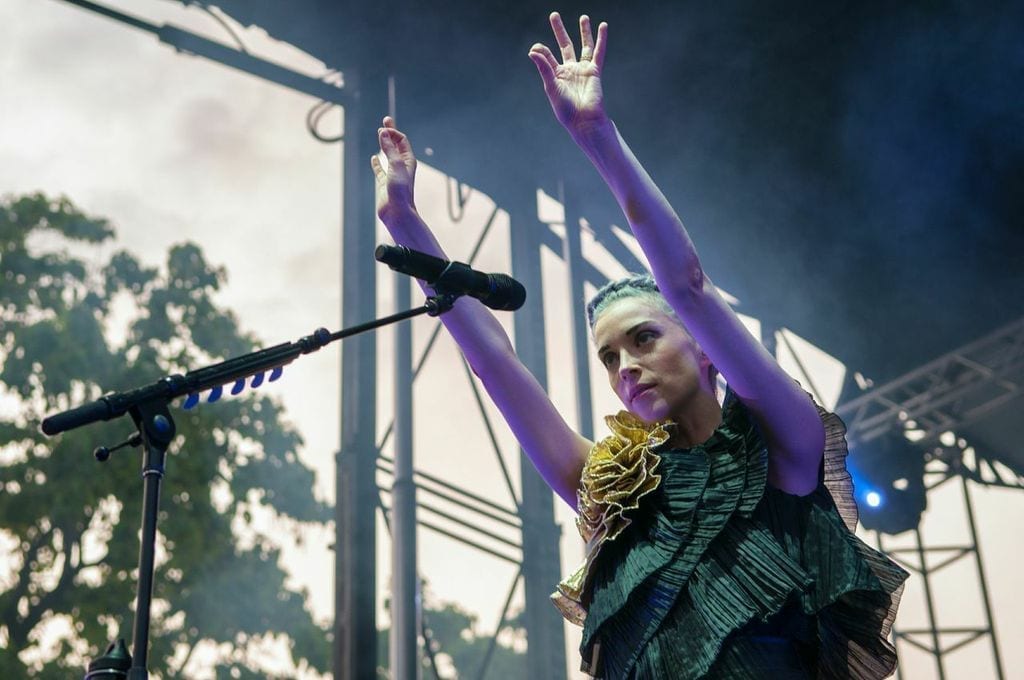
    St. Vincent at Pitchfork Music Festival 2014 (Saturday)

    As creatively diverse as Pitchfork may be, music absolutely runs the festival. Standout performances from this year’s lineup included crowd-favorites Real Estate, who played tunes from their spring-released album as though they had been performing the songs together since they first met in high school fifteen years ago, as well as St. Vincent, whose musicianship as a guitarist clearly exceeded anyone else at the festival all weekend.

    Headlining performances from Beck and Neutral Milk Hotel on Pitchfork’s first two nights made for fitting conclusions to full days of great music, but Kendrick Lamar’s closing set on night three acted as the perfect ending to Pitchfork 2014.

    Pitchfork Music Festival
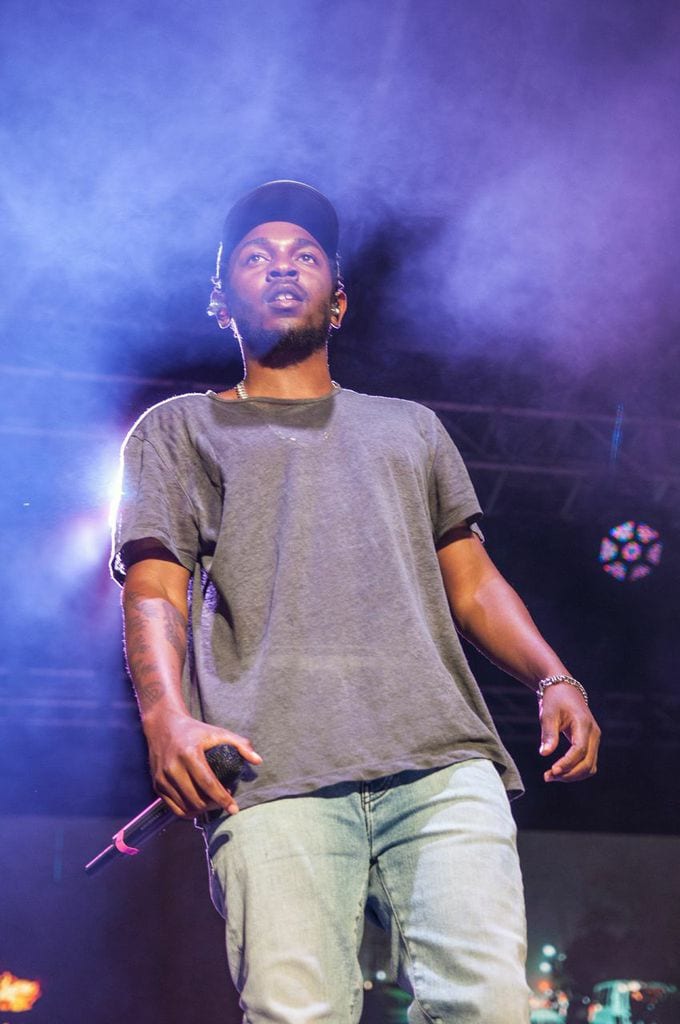
    Kendrick Lamar at Pitchfork Music Festival 2014 (Sunday)

    Taking the stage after a penultimate performance by Scottish producer Hudson Mohawke, Lamar performed for the entirety of Pitchfork’s audience, nearly all of whom knew every lyric to the songs he performed off of his critically acclaimed 2012 release, good kid, m.A.A.d city. Lamar was backed by a live band and a stage-wide screen, whose short video clips in between songs established a cinematic theme throughout his set.

    On the same stage that Jordan Lee had spoken about Kendrick Lamar earlier that day, Pitchfork came to a close. While the festival continues to improve every year, 2014 marked another great weekend in Chicago. The trip west from Upstate New York may be a long one, but the mid-July trek to Pitchfork is always worth it.

  • Pitchfork 2014 Begins This Weekend in Chicago


    Last summer, made the mid-July trek to Chicago to cover Pitchfork Music Festival for the first time ever. This upcoming weekend, New York State’s favorite music-based website will be heading to the Windy City once again.

    Pitchfork Music Fest will be held in Union Park from Friday, July 18 through Sunday, July 20. Three-day passes – along with single-day passes for Saturday and Sunday – have already sold out. Tickets for Friday, however, are still available through Ticketfly.

    Pitchfork’s schedule offers an even scattering of fantastic acts throughout its extended weekend, and Friday’s yet-to-be-sold-out lineup is no weak spot in the festival’s overall roster.

    Headlining Friday’s lineup is Beck, whose recently released Morning Phase is the twelfth album in an excellently diverse discography. Morning Phase displays Beck’s skills as a songwriter, with most of its tracks rooted in folk-style recordings. While his Pitchfork set will likely feature a good deal of material from Morning Phase, songs from Beck’s funk-influenced Midnight Vultures, his indie giant Guero, and his 1996 breakout Odelay will hopefully make their way into the performance as well.

    The festival’s opening day will also include performances from 74-year-old Italian producer, Giorgio Moroderwho contributed to Daft Punk’s Random Access Memories last year, and Animal Collective off-shoot, Avey Tare’s Slasher Flicks.

    One of Friday’s most intriguing acts is Sharon Van Etten, a singer-songwriter from Brooklyn who released her latest LP, Are We There in May. The album shows Van Etten’s songwriting as strong and genuine, and her performances follow the candid nature that often presents itself in her recordings.

    Saturday’s lineup is led by Twin Peaks, a group of young Chicagoans whose melody-driven garage rock is categorized with Windy City acts like The Orwells and Smith Westerns.

    Cloud Nothings play Saturday afternoon as well, offering a more veteran take on indie rock. Their April-released Here And Nowhere Else is a record full of energy and grit, which will likely translate to a festival setting very well.

    Frontwomen will be a major theme as Saturday closes. Tune-Yards’ Merrill Garbus – who will be performing on Pitchfork’s Red Stage at 5:15 – is responsible for the eccentrically beautiful Nikki Nack, released through 4AD earlier this summer. And St. Vincent, whose recent appearance on SNL exhibited her art-rock performance style, will be next in line at the Red Stage.

    Female solo projects Kelela and FKA Twigs will also perform Saturday evening, followed by headliner Neutral Milk Hotel. had the opportunity to cover Mangum and his band in Ithaca in January. Their performance was the first in Upstate New York in nearly two decades, but the effects of their extended hiatus went unnoticed at the State Theater. After touring for several more months, it’s safe to assume their set at Pitchfork will be an even more ambitious performance than Ithaca’s.

    Sunday’s lineup features Syracuse-based noise rock act, Perfect Pussy. After receiving praise from Pitchfork’s staff writers for their debut album, Say Yes To Love, the Upstate five-piece has become one of the most anticipated acts at this year’s festival.

    Other notable acts in Sunday’s lineup include shoe-gaze standouts Diiv and Jordan Lee’s folk-inspired Mutual Benefit, along with Real Estate, whose spring performance at the Higher Ground in Burlington spurred a trip north for .

    Between Beck’s performance on Friday and Kendrick Lamar’s closing performance Sunday night, the Pitchfork 2014 lineup is set to consistently provide fans with incredible performances. And if 2013 is any indication, Phish won’t be the only reason to head west this weekend.

    Check out Pitchfork Music Festival on FacebookTwitterYouTubeWebsite

  • Hearing Aide: Tommy Alexander’s ‘Basement Soul’

    Jenke Records is a Vermont-based record label started by Tommy Alexander in 2011. For many artists, self-releasing music on a personal label is a matter of maintaining complete creative control. For Alexander, however, the opportunity to run the business side of his music seems to be just as important as the influence that his Burlington label has on its community.

    By providing over one hundred donation-based classes per month, a communal recording studio, and a youth outreach program through Jenke, Alexander prioritizes his philanthropic efforts as highly as he does his music.

    In his latest release, Basement Soul, the first full-length in Alexander’s solo discography since 2012’s Bogart the Ghost, Alexander focuses on the societal outlook he has developed over the years. Dominated by acoustic guitar and genuine lyricism, the album is filled with a stirring sense of experience and passion.

    “Dreams to Dance” opens with a hauntingly fitting musical saw. It sings before two guitars enter the track, followed by Alexander’s vocals. It’s an emotional song, and Alexander delivers the lines, “I’m gonna be your fire / I’m gonna be your flame” as a percussion section builds in the song’s conclusion.

    The tracks “Another Man’s Story” and “Nobody’s Cryin’” deal with absent relationships, using string sections and intricate guitar picking to highlight Alexander’s themes.

    Basement Soul is truly a solo album. It’s an album that characterizes Alexander’s travels and his past, crafted with the creativity and the control that results in twelve of his finest tracks yet.

    Key Tracks: 

  • Hearing Aide: Andy Frasco’s ‘Half a Man’


    Andy Frasco has accomplished more in his four-year musical career than some artists do in a lifetime. After releasing his first album, Love, You’re Just Too Expensive as a nineteen-year-old in 2010, Frasco spent the ensuing months with VH1’s Save the Music Foundation before making two more records, playing over 1,000 shows in their support and receiving Musician of the Year awards at several international film festivals.

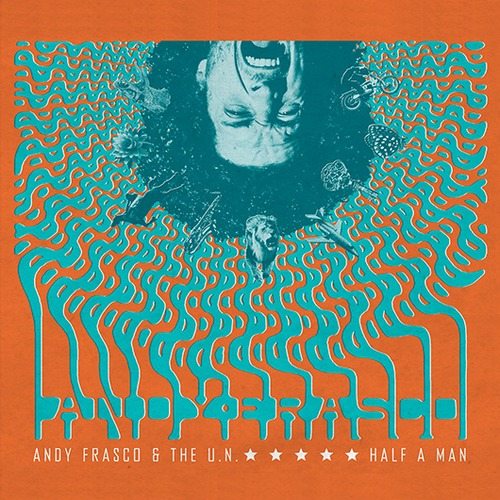
    Andy Frasco isn’t slowing down. His most recent release, Half a Man, continues the self-described “party blues” aesthetic that he established in his past work. This unique genre, which at first glance may seem paradoxical, is represented by Frasco’s ability to take traditional blues concepts and integrate them into fun, accessible tunes.

    Part of what makes Frasco’s music so appealing—particularly throughout Half a Man— is his songwriting. Frasco’s lyricism is often rather simplistic, especially when compared to the complexity of his instrumentation, which incorporates a variety of elements ranging from organs to horn sections to electric guitars. Tracks like “Shakin’ Ain’t a Crime” and “Smokin Dope and Ronk n’ Roll” are lyrically straightforward, dealing with themes that are relatable to Frasco’s audience.

    The album’s standout track, however, is an updated version of a song on his debut album. “Main Squeeze,” originally a slow moving ballad sung by Megan Burtt, is now a grooving jam, accented by piano riffs and featuring a chorus of backup singers. The track is full of movement. It’s characteristic of Frasco’s past four years, and it’s complimented by ten more tracks that demonstrate his signature party blues sound.

    Key Tracks: Main Squeeze, Sunny Day Soldier, Shakin’ Ain’t a Crime

  • Real Estate Plays The Higher Ground in Burlington, VT – March, 21

    It’s not common to see an staff writer stray from his or her namesake territory and cover a show on foreign turf. Every so often, an act so deserving makes an appearance in a neighboring state, a small road trip ensues and the audience is made even more aware of the boundless concert opportunities offered in the Northeast.

    The most recent example of this came about on Friday night at The Higher Ground in Burlington, Vermont, where the New Jersey-based jangle-pop outfit, Real Estate put on a headlining set with opening act, Pure X.

    Currently on the road in support of their recently released third album, Real Estate played several dates at South by Southwest and two sold out nights in Cambridge, Massachusetts before heading north to Burlington. Their tour with Pure X is currently en route to the Midwest before heading overseas for a European Circuit in May.

    While Real Estate’s set at the Higher Ground featured a large portion of material from their debut LP and 2011’s Days, much of the set was made up of material from the latest addition to their discography, Atlas.

    Real Estate introduced their set with “Had to Hear,” the same track that opens Atlas. “Had to Hear,” along with much of the material on Real Estate’s latest album, focuses on the barriers in communication brought about by life on the road. For someone who writes so openly about the difficulties of touring, however, Martin Courtney gave the impression of being perfectly comfortable on stage at The Higher Ground.

    Real Estate’s live set was incredibly cohesive; Courtney, Bleeker, and guitarist Matt Mondanile’s experience playing together since high school is entirely apparent in their performance. The threesome’s ability to lengthen their songs into intricate jams showed an amazing level of musical awareness. With the recent addition of keyboardist Matt Kallman and contributions from drummer Jackson Pollis, Real Estate’s live sound features a collection of textures and layers that produce a remarkably full sound.

    The consistency in Real Estate’s current lineup is largely the result of the recording process behind Atlas. During a sting of tour dates in Wilco’s schedule last summer, Real Estate took over Jeff Tweedy’s Loft studio in Chicago and recorded the album in a relatively short period of time, coming into the process with the album completely written.

    It was no surprise on Friday that Real Estate’s set had been the product of more than a year of rehearsing Atlas’ material. While Burlington may be a hike from the Upstate area, Real Estate’s appearance at The Higher Ground proved to be a wholly acceptable reason to make the weekend trip to our northern neighbor.

  • Just What I Heard: Real Estate ‘Atlas’

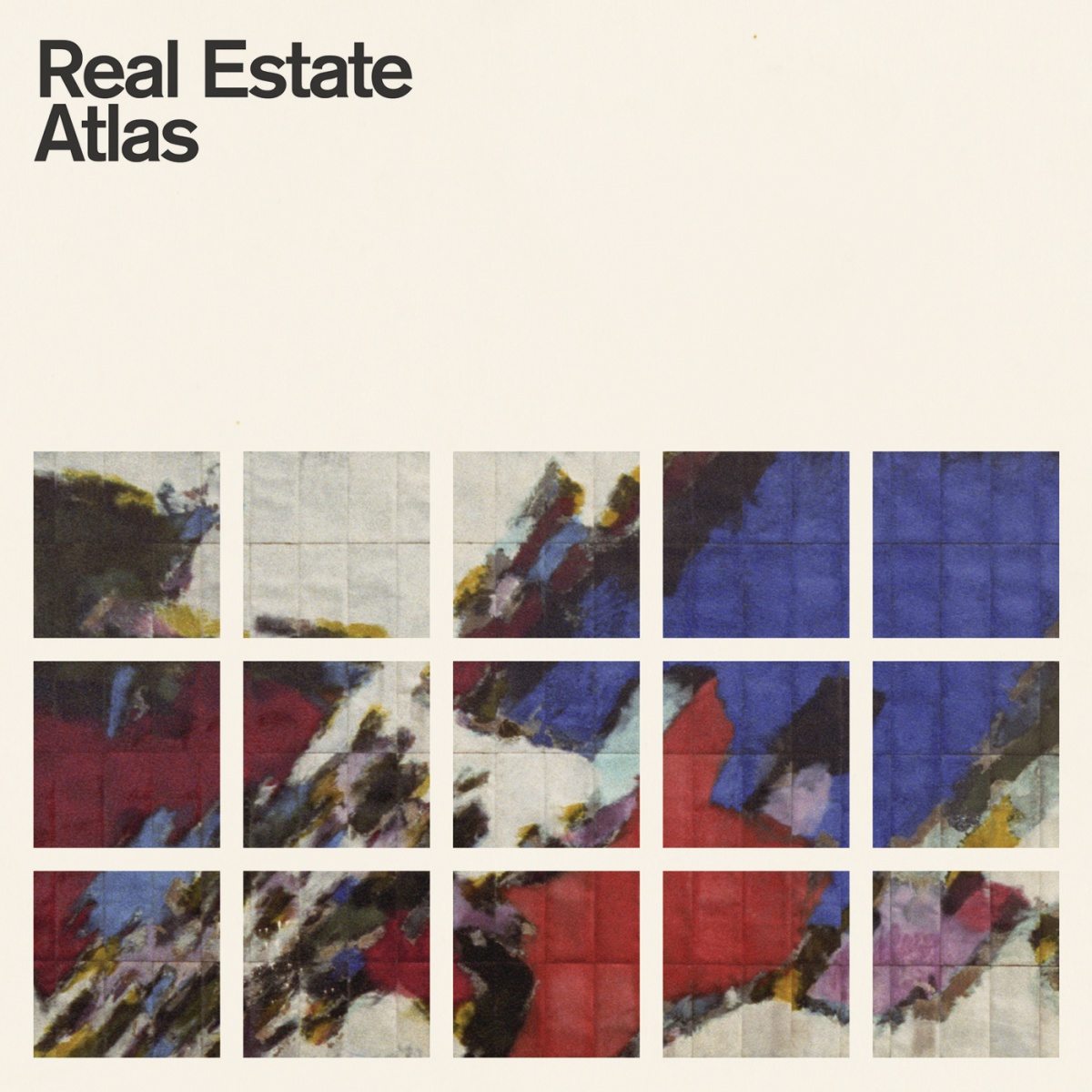
    RealEstateAtlas1400pixelsMartin Courtney, Matt Mondanile, and Alex Bleeker have been making music together since they met as kids in Ridgewood, New Jersey more than a decade ago. Upon listening to their first two albums as Real Estate, this suburban experience becomes an obvious influence on their music; nostalgic lyricism and simple, 70’s-inspired instrumentation are at the forefront of both their self-titled debut and 2011’s Days.

    At first glance, Real Estate’s third album, Atlas, is a continuation of the guitar-driven Days. In an age of music when seemingly every other indie act resorts to synthesizers’ accessibility and dance music’s demand, Real Estate stays consistent. Their first single, “Talking Backwards,” comes in at track three as Atlas’ standout jangle-pop tune; its reverbed introduction is met with a subtle bass line and additional layers of intricately placed guitar riffs. Much of the same can be said for Days’ “It’s Real,” which is followed by a slow-grooving instrumental not unlike Atlas’ “April’s Song.” Along with a cut fronted by Bleeker in the latter half of both albums and a conclusion at track 10, Days and Atlas share a very similar structure.

    After taking a good look at Atlas, however, as most fans had the opportunity to do on iTunes Radio a week before its official release, it’s clear that this album is the height of everything Real Estate has created up until this point. The release of Atlas confirms the fact that the consistency displayed throughout Real Estate’s five years as a band is undoubtedly the result of incredible self-awareness; Courtney, Mondanile, and Bleeker have always known exactly what kind of album they wanted to make, and the success of Days gave them the opportunity to follow up with a record that exploits every resource they could possibly need.

    The most distinctive example of this newfound reserve of opportunity is Atlas’ production. Far removed from the garage-pop lo-fi recordings of their debut, Atlas is the product of Wilco’s Loft studio in Chicago. Produced by Tom Schick, known for his work with Norah Jones and Ryan Adams, and featuring the addition of keyboardist Matt Kallman, Atlas offers the most defined sound in Real Estate’s discography.

    The availability of these resources, however, is the consequence of increased pressure and greater obligations. For the first time, Martin Courtney’s lyrics don’t look back to the golden era of suburban beverages and snow days, but toward the future. And it looks to be a particularly intimidating one.

    Real Estate tackles some daunting concerns throughout the entirety of Atlas, most of which revolve around life on the road. The title of the album’s initial track, “Had to Hear” desolately refers to the voice of someone back home, and “The Bend” opens with a forlorn assertion:  “Have I not been clear / or do I sound insincere / I’m just trying to make some sense of this / before I lose another year.”

    Not only is Atlas Real Estate’s first opportunity to exhibit the culmination of their creative potential, but it’s also the first chance Courtney has had to communicate on his own terms. The lyricism on Atlas may suggest an uncertain future, but in the present, Real Estate are at their peak.

    Key Tracks: Had to Hear, Talking Backwards, Crime

  • Hearing Aide: Suke Cerulo ‘One Aim’

    Suke Cerulo has an impressive resume. With a professional career in music going back as far as 1995 and a long list of musical accomplishments spread throughout the eleven years in between, Cerulo’s experience as a musician is as polished as they come. In addition to performing with the likes of The Allman Brothers Band, G. Love and Special Sauce, and moe., Cerulo has played a number of major music festivals and produced various multimedia projects.

    The collective experience of these undertakings has lead to One Aim, Cerulo’s ninth studio album. Unlike his previous work, however, One Aim, is the first release under Cerulo’s name, a tribute that stems from his leading role in the making of the album. Featuring Matt Rubano of Taking Back Sunday and All American Rejects on bass and Erik Egol of Schleigho playing drums, One Aim is centered around the diverse musical background Cerulo has established over the past twenty years.

    The record’s leading track, “It’s A Wonder,” represents the funk influence found in Cerulo’s music. The song is an evolution from his work with Schleigho, a jazz-fusion band that gave Cerulo his start upon graduating from Berklee College of Music in the early 90’s. Throughout its nine songs, One Aim explores Cerulo’s other influences as well; “Plastic Finger” begins with a booming guitar line draped in distortion and transitions into a slow groove before concluding with an intricately raucous solo. Track seven is “Leo’s Theme” the first of two instrumental songs on the album, the second being “Vee,” which ends the album with drawn out guitar riffs covering just under eleven minutes of elaborate musicianship. On an album of distinctive styles and consistently complex structures, “Vee” is the culmination of Cerulo’s innovative songwriting. The forty-nine minutes of music displayed throughout One Aim embodies years of musical development; as his first self-titled release, One Aim defines everything Suke Cerulo has learned thus far.

    Key Tracks: It’s A Wonder, The Medicine Show, Vee

    Pick up the album here

  • Pitchfork Announces First Installation of 2014 Festival Lineup

    64a5109e

    As a Valentine’s Day surprise, Pitchfork Music Festival has announced the first round of artists for its 2014 lineup. Taking place July 18-20th in Chicago’s Union Park. The festival will feature headlining performances from Beck, Kendrick Lamar, and Neutral Milk Hotel.

    Tickets are currently on sale; three-day passes are available for $130 and single day passes are $60. Find the day-by-day breakdown of artists below, and read ‘s coverage of Pitchfork Music Festival 2013 here.

    Friday: Beck, Giorgio Moroder, Sun Kil Moon, Factory Floor, Death Grips, The Haxan Cloak, Sharon Van Etten

    Saturday: Neutral Milk Hotel, tUnE-yArDs, Mas Ysa, Pusha T, The Range, DIIV, Ka, Circulatory System, The Julie Ruin

    Sunday: Kendrick Lamar, Grimes, Slowdive, Wild Beasts.

    Follow

    Website | Facebook | Twitter

  • Hearing Aide: Hospitality “Trouble”

    10_700_700_471_hospitality_trouble_900px

    As music evolves and today’s artists adapt to an unlimited reserve of influence, the lines of traditional genre labeling become increasingly blurred. Hospitality’s sophomore album, Trouble, demonstrates this marriage of distinct sounds as well as any contemporary indie release in the past year.

    The Brooklyn-based trio dropped their first album in 2012, displaying a style of educated twee pop. Frontwoman Amber Papini’s experience as a student at Yale contributes to the band’s quirky multi-genre sound; her sharp lyricism in the recently released, Trouble, full of imagery and scenic narratives, is a progression from the witty writing inherent in Hospitality’s self-titled debut.

    Trouble’s preeminent feature, however, is the diversity found throughout its ten tracks. In the opening “Nightingale” alone, Papini and company transition from a Black Keys Thickfreakness-era guitar section to an ethereally reverbed-out interlude featuring a harp/bass combination before concluding with a massive synth-driven jam.

    The album spans a variety of musical stylings, and in the process it covers a range of time periods. Trouble’s first single, “I Miss Your Bones” exemplifies the simplicity of early indie rock’s guitar/bass/drum lineup. The track is as bare as the bones that Papini’s character can’t wait to see again, yet its repeated tempo changes and its spirited instrumentation create a collective sound as full as “Nightingale”’s epic outro.

    “Inauguration” follows “I Miss Your Bones,” jumping ahead a few decades to present day’s synth-focused rock music. Papini offers phrases that are interrupted by pulsing, dissonant keys. Although the range in her vocals remain essentially the same throughout the entirety of the album, the band makes up for it with their consistently diverse arrangements.

    Amongst all of the varying musical complexities of the album, piano appearances remain one of Trouble’s most prevalent consistencies. The piano’s incorporation seems most obvious in the track “Sullivan,” a slow moving ballad where distant keystrokes accompany a set of spread out guitar chords. The most unpredictable piano part comes in the album’s eighth track, “Last Words.” A wavering synth line, reminiscent of a fundamentally toned-down dubstep phrase opens the track. It’s met with a piano progression and an angelic backing vocal to create a beautifully anthemic song.

    The album closes with what feels like the only musical space it hasn’t already covered. An acoustic cut exhibiting the candor of Papini and her guitar concludes thirty-six minutes of collected influences.

    Trouble is the work of experience and understanding; it’s the product of Hospitality’s two-year evolution since their debut.

    Key Tracks: I Miss Your Bones, Inauguration, Last Words