Tag: The Egg

  • The Wooten Brothers Light Up The Egg

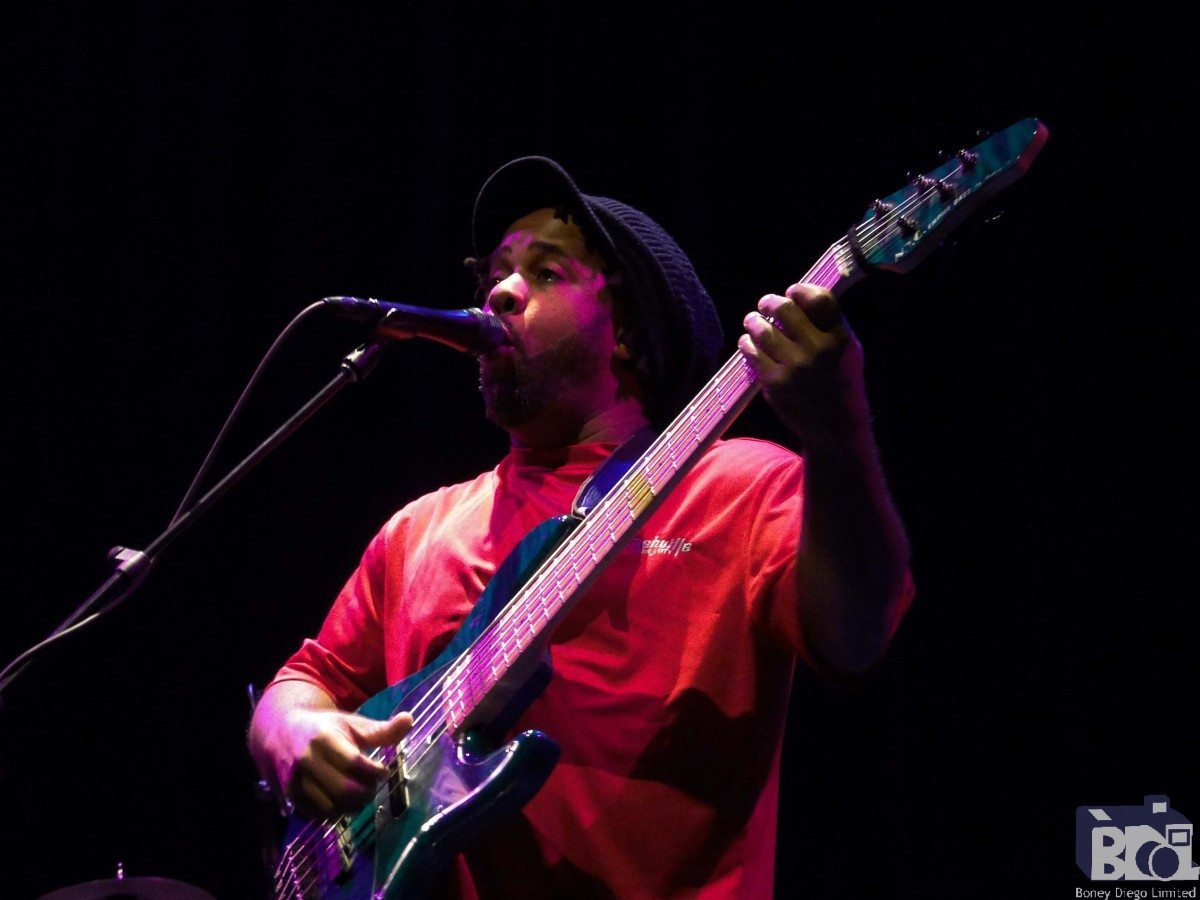
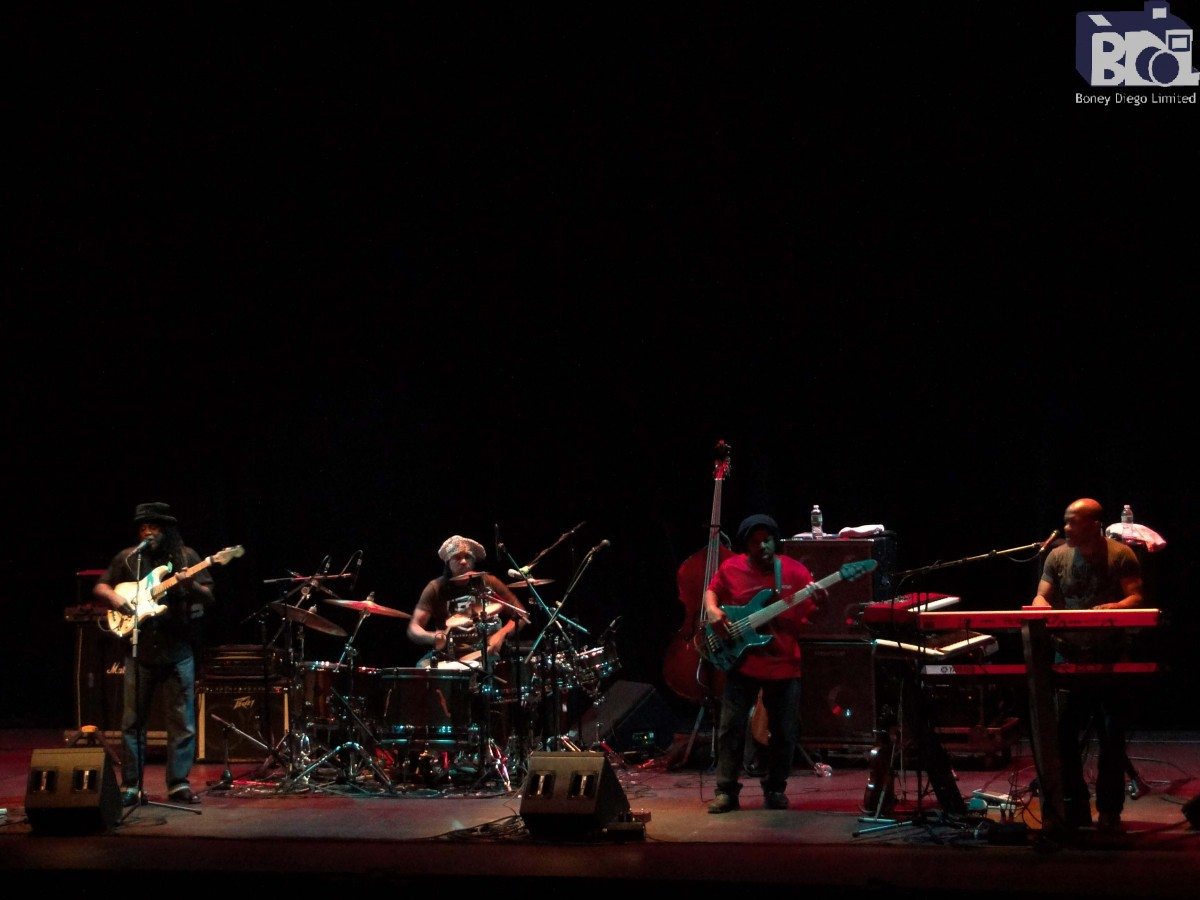
    The Wooten Brothers are not your average family.  They have been playing music together for their entire lives and it shows in the way they perform on stage.  Victor, Joseph, Roy “Futureman,” and Regi play with each other with such ease that it seems like they could do it in their sleep.  On Sunday, December 15, they brought their latest tour to The Egg and played beautifully for their entire two hour performance.

    DSC07713 (1) copy

    The evening started with Joseph coming out alone, joking with the audience about his birthday being that night and bringing the rest of his brothers out for a Sly Stone medley of songs.  Once the medley ended the brothers began doing a slew of originals that let each member show how talented they were.  Whether it was Joseph on the piano leading R&B ballads, Victor taking the lead on his bass for funkier numbers, or Regi displaying his guitar mastery on the heavier rock songs, each brother proved why they are up on that stage every night.  Roy “Futureman” kept the brothers on point with his steady playing all night on the drums.  He played a regular drum set all night, which is unusual for him as he has an electronic percussion unit for drumming with him more often than not, but he even played that differently as his bass drum was horizontal so he could play it with his hand instead of his foot.

    DSC07934 (1) copy

    The brothers told stories between their songs and joked with the audience.  During a James Brown medley, Joseph began to ask for hitting and quitting just like the godfather of soul used to.  His “hit is on 52” was very funny and appropriate as it was his 52nd birthday, and the crowd enjoyed every second of it.  The band even paid tribute to their fifth brother, Rudy, who died a few years ago, with the ballad “Make Me Like a Child.”  It was a touching moment that clearly showed how much these brothers care about one another. The Wooten Brothers are all virtuosos at their respective instruments and it is always a treat to see them play.  In the small confines of The Egg, it truly felt like a private performance for a few friends.  After the show was over, all of the brothers showed their appreciation to the audience by sticking around to sign things and talk with anyone who wanted to.  It was a great gesture by them and a perfect way to end the evening.

  • Wooten Brothers Bring the Family to Albany and Buffalo for the Holidays

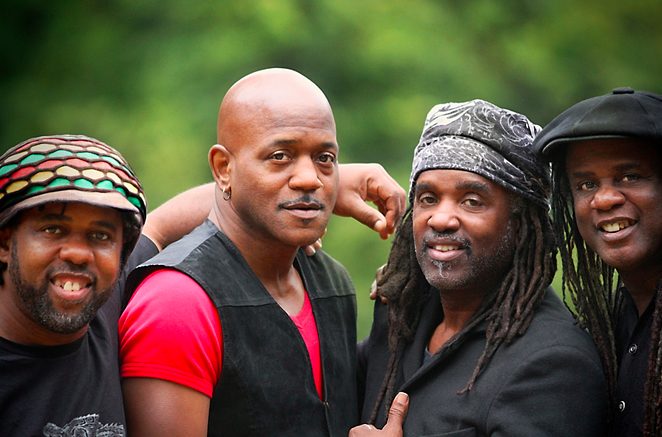
    Musical families have been around in the business for quite some time with last names like Jackson, Dylan, and Marley indicating an extensive lineage of artists.  There have been few that have the collective talent the family of the Wooten Brothers possess.  While not as known as some of the aforementioned examples, Victor, Joseph, Roy, and Regi have already left a lasting mark in the industry and continue to widen their influence today.

    Wooten Brothers

    This Sunday, December 15th and Monday, December 16th, The Wooten Brothers will be taking the stage at at The Egg in Albany and The Tralf Music Hall in Buffalo, respectively.  It has been several years since the foursome have toured and they should be firing on all cylinders with the Albany and Buffalo dates being two of the last three of this incredible tour.  It is rare that these guys get together, so this is a special one for not only the fans, but the four on stage as well. The show that awaits is a night of pure fusion as each have a huge array of influences that could be pulled from at any point. Roy, also known as Futureman, is the drummer with brother and bassist Victor in Bela Fleck and the Flecktones. Roy plays what he calls a “drumitar” which looks similar to a guitar, but employs various drum sounds via an array of buttons. Those familiar with classic rock might also know of Joseph who is the keyboardist for the Steve Miller Band. Something must have been in the water because there was no shortage of talent to go around this family.

    vw_pub2_photo by steve parker

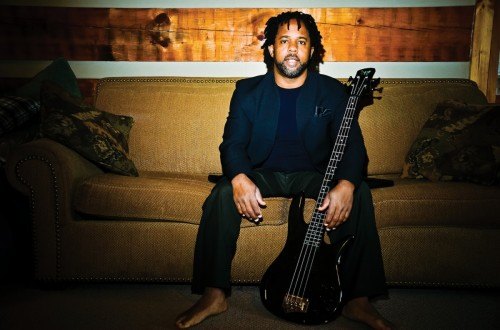
    If still needing more of a push though, there’s a pretty good chance that you’ll catch one of the world’s best bassist that night. Victor Wooten, yes from above, is one of the most recognized and talented bass players both currently and overall. Youngest of all of the brothers, Victor has won five Grammy’s with Bela Fleck and the Flecktones adding his smooth groove and virtuosic touch to a bluegrass/jazz fusion. Among other awards, Victor was also named the tenth greatest bassist of all time by Rolling Stone readers in 2011. The sounds he pulls out of his bass could go unexplained by a seasoned musician.

    Albany and Buffalo were luckily selected as two of the 13 dates along the East Coast for this two-week family jaunt. Thanks to the brothers, Upstate gets an early gift this year.

  • Los Lobos Throws 40-Year Anniversary Fiesta in Albany

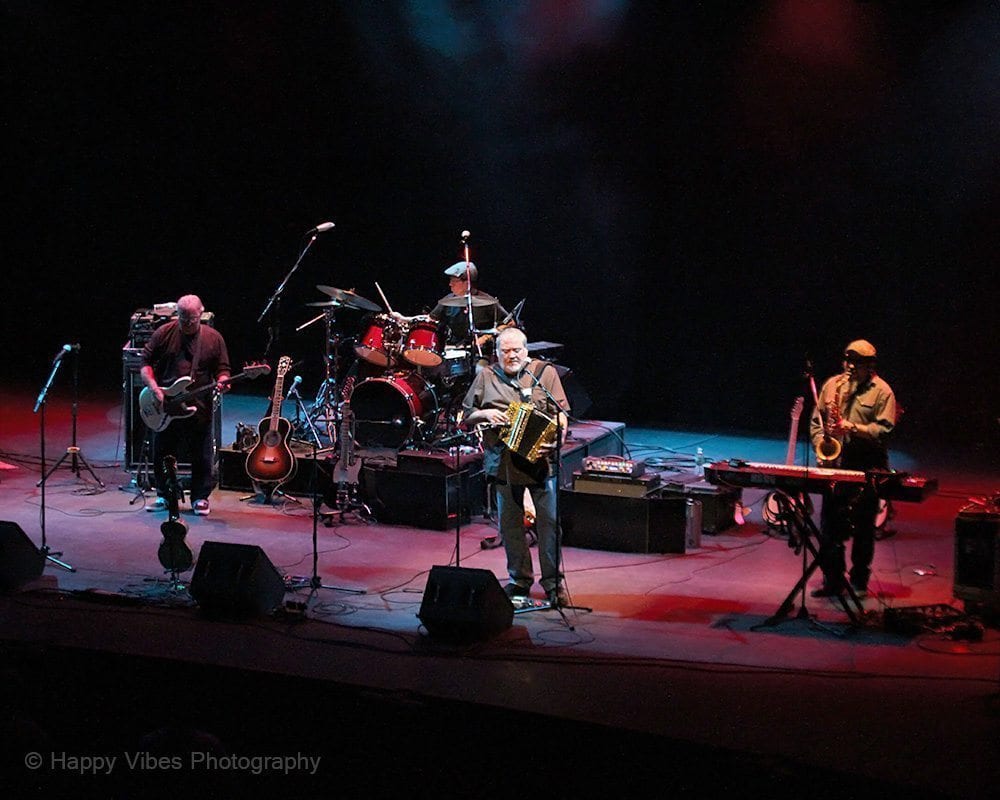
    Celebrating their 40-year anniversary, Los Lobos brought their highly recognizable blend of Tex-Mex Rock-n-Roll to Albany at the  Hart Theater inside The Egg at the Empire State Plaza. Over 500 fans joined the seemingly ageless Los Lobos in what turned out to be one fine fiesta.

    Los Lobos AlbanyThe first set consisted mostly of tunes from the Los Lobos early years. “Ay Te Dejo En San Antonio” from the EP …and a Time to Dance, “Will the Wolf Survive?” from How Will the Wolf Survive? and “Set Me Free (Rosa Lee)” off By the Light of the Moon were all hits for the band in between 1983-1987. Other highlights included “Little Things” and “Burn it Down”, which featured David Hidalgo performing a blistering accordion solo. Set one finished up with a more recent dance tune titled “Tin Can Trust”.

    Set two featured songs from the 90’s, including crowd favorite “Kiko & The Lavender Moon”. Other notables were “Don’t Worry Baby” and “Pigfoot Shuffle”. Probably the most memorable tune of the evening was a fantastic version Neil Young’s “Cinnamon Girl” played during the encore. Hidalgo’s crisp and unique voice added a pleasant twist to an already timeless classic.

    For those that didn’t get a chance to see Los Lobos this time around or for those who simply didn’t get enough, Hidalgo and vocalist/guitarists Cesar Rosas will both return to Albany to take part in the Experience Hendrix Tour scheduled at the Palace Theater in Albany on March 28. The pair have performed on the tour since 2010.

    Set 1: Got to Let You Know, How Much Can I Do?, Ay Te Dejo En San Antonio, Will the Wolf Survive?, Set Me Free (Rosa Lee), Little Things, Burn It Down, Chuco’s Cumbia, Tin Can Trust

    Set 2: Dream in Blue, Forty Thousand Headmen>Maricela, Manny’s Bones, That Train Don’t Stop Here, Tears of God, Pigfoot Shuffle, Kiko & The Lavender Moon, Volver, Volver, Don’t Worry Baby, Mas Y Mas

    Encore: I Got Loaded, Cinnamon Girl (Neil Young cover)

  • Meet The Big Up Artists- An Interview with The Egg

    With The Big Up Festival just days away, I had the great opportunity of compiling a list of questions for Maff Scott of The Egg to answer before they take stage in Claverack, New York on Saturday August 10th. The Egg is an extremely influential and talented British electronic band formed in the early 1990’s and they have toured all over Europe as well as Australia and Brazil. It is truly a pleasure for Upstate New York to be able to experience such amazing music at a festival so close to home.

    Jenni Wilson: Can you tell us a little about each individual in the band and how you all met and got started in the music industry?

    Maff Scott:  Well there’s myself (Maff) and Ned.  Ned started getting better at the piano and I picked up the drums. We started jamming at home, using saucepan lids and a pedal that we made by attaching a rubber band to a marching band big drum (it only worked once and then fell apart.) We’ve played with a few others over the years. We used Ben Cullum’s (a great house producer and song writer) bass lines to play electronically.  We also wrote and toured a bit with Matt White who we met through Pete Doherty (whom we wrote the song “For Lovers” with). Drew is playing guitar with us mostly; he’s done quite a few tours now and co-written stuff (something to do) and he’s great.  Most musicians we generally meet through mutual friends. We also tend to meet a lot of people through the West London scene. We met Sophie Barker (Zero7) whom we’ve done lots of UK gigs, and even a recent gig with Mick Jones (The Clash) and Greg Hunter (Killing Joke, The Orb). We’ve done lots of recent production for a new release with him, and used his parts for a tune “Psyfunk” in the set. He’s on tour elsewhere but we will try to connect if we can. We also met a great trumpet player, Richard Wendel, while playing in Costa Rica. We jammed with him… and it was brilliant. He runs a great jazz club (The Bitter End) in NYC so we’ll be having him do some crazy trumpet at the Webster Hall show.

    JW: 

Can you tell us a story about a day in the band’s life?

    MS: Erm, well there was the time we were driving to Cleveland, famous for Spinal Tap’s scene where they get lost on the way to the stage (“Hello Cleveland”) – We’d overloaded the van’s alternator with all of our UK converters, laptops and phone chargers. The final straw was putting ‘Spinal Tap’ on the DVD player. We drew too much power and snapped the dynamo off which busted the van. We were stuck in a ‘Bennys’ for the night and missed the show. Ironic that it was Cleveland and Spinal Tap. How we laughed.

    JW: What goes into your process of creating a new song or album?

    MS: Years of hell and stress! Sitting up late playing with electronic bits and bobs. Sometimes it’s a loop or a chord structure Ned has created which we  can jam on and take the parts into rehearsal and make an arrangement. Of course, it changed when we play it live for a while. We’ve been known to stay up for days on one tune. Sometimes in hotel rooms or soundchecks or instead of actually rehearsing for a gig: we are VERY undisciplined.

    JW: 

What are the biggest obstacles for a band and what is the hardest part about working in the music industry?

    MS: Errr..  getting paid! It’s hard to get people to buy stuff when so much is given away. But we’re happy to give away live recordings. The hardest part is keeping the excitement levels up. Web stuff is hard because everyone is competing for your fans attention using the same tool.

    JW:What are some of your pet peeves when performing?

    MS: Time! We always run out of time and don’t get to play the entire set, and the best tunes are at the end.  We’re also really warmed up by then and so is the crowd. Maybe we’re too ambitious with set lists thinking we can do it. The best gigs we’ve done are the ones that have no time limit. The tunes have the time to develop without stopping to squeeze the next one in.

    JW: How do you feel about online music sharing and how has it changed for you as a band since your start?

    MS: We don’t mind sharing a few live shows and all, but as for albums, well, it’s hard to get paid for sales if people are downloading them for free. Sure it gets your attention to a bigger reach, but if everyone does that then it doesn’t really make you stand out as ‘the band who gives stuff away’ – Even though everyone expects it nowadays. The emphasis is now on live shows I guess. We’ve definitely found people who’d never heard of us elsewhere so in measure it’s a great thing (as long as you hold something back).

    JW: How was your experience playing a festival as huge as Glastonbury?

    MS: We’ve done it a few times now. It’s like a city that never sleeps and you don’t know who you’ll reach. There are massively long walks everywhere and it is sort of split up into villages really… mad crazy villages where everyone is the village nutter. There have also been some crazy muddy years, but that makes a comic bonding effect with everyone. We can all look at each other and laugh. This year was fun.. like another world. You feel weird going back to reality sometimes.

    JW: What do you want Big Up goers to expect for your performance musically/visually?

    MS: We have video triggers and a synced up set of dance music and electronics with lots of different styles and live musicians. Basically Moog baselines, an influence of deep house, but mostly eclectic house vibe: guitars, vocoders,  a bit of ambient bleeps, crunched up this and that… I think they’ll like it.

    JW: 

What advice would you give to other artists at The Big Up festival who have less experience?

    MS: Less experience is good! New bands have hunger and faith and blind optimism. That’s all you need! Generally, be good at what you do and don’t piss anyone off. Everyone’s ‘good’ in a way, depending on what music you like, so someone not liking you as people will have far more effect on your next booking than how good you are. Criticizing other bands doesn’t make your band better either. It’s a backfiring effect. I’m sure they’ll all know this.  I don’t want to patronize but I personally don’t bother with covers. It’s easy to think your music is so different that no one will get it, but that’s the reason they’ll notice you. Being yourself is always original, because we’re all different. So be yourself! I’ve often forgotten that. Anyway we’re crap at other people’s music and we can only do our own.

    Make sure you don’t miss these guys at the Space Ball City Tent on August 10th.

    Get The Big Up Festival’s Tickets 

    The Egg Facebook Page

  • Former Members of ‘The Band’ to Play The Egg: Jim Weider and Garth Hudson in Project Percolator May 18th

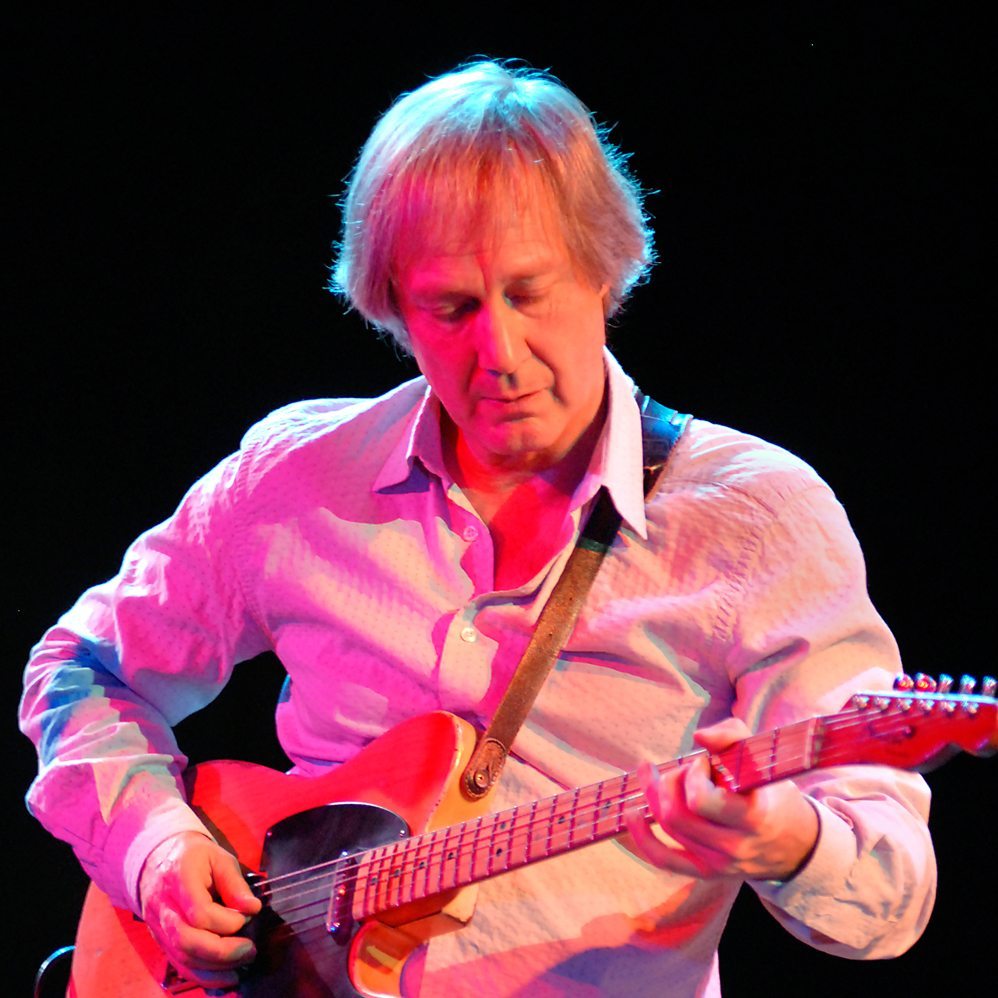
    Woodstock native Jim Weider heads up the Thruway to present Project Percolator featuring Garth Hudson at The Egg on Saturday, May 18th. Jim Weider talked with about his project, growing up in Woodstock and fondly recalls his time spent as a member of The Band.  His resume is long, his music is well crafted and he aptly presents something that is uniquely him.

    JW

    Tabitha (TC): Let’s start off by talking about Project Percolator.  Describe what people can expect from a live show.

    Jim (JW):  It’s all groove instrumental with my Telecaster Guitar. It’s rock style and blues over the top.  We have several albums out and it is structured songs. I like to write instrumentals that are structured just like vocal tunes.  There will be verses, bridges and everything.  Then we have sections in the songs where we stretch it out. We play them differently each time. We might go into a Led Zeppelin line so it’s as exciting for the audience as it is for the band.  All the musicians are so great behind me; depending who takes off, we follow the other.  We try and jam out on certain songs.  We’ll do “The Weight” by The Band, with a reggae feel and then in the middle we’ll jam it out then go into double time. If Garth Hudson (The Band) takes off on the keyboard, we’ll all follow him.  So we do everything differently each night.  It’s kind of exciting for both of us – the audience and us.  I always have a blast playing with these guys.  Rodney Holmes is just an amazing drummer to be seen. Avi Bortnick (John Scofield Band) is on guitar and he plays much different than me. Of course having Garth is a true dream. We’ve been together for many, many years. Garth comes up with amazing sounds. You’ll hear Garth Hudson like nobody’s ever heard him before because the way this band opens it up and lets us play. Everybody has a blast.

    TC: How did you determine with whom you would work with for Project Percolator?

    JW: It started about seven years ago with Percolator. I wanted to branch out from my blues – rock records into something different. I just felt like I was cornering myself. I wanted to get into groove music. I started writing and came up with drum loops. I was lucky enough to get Rodney Holmes. He played with Santana and Brecker Brothers. He freed up and joined me. Once I got Rodney, we toured Europe and United States. Rodney’s been with me the whole time. The bass player, Steve Lucas (Bruce Cockburn) joined up on the Pulse record. We’ve been together for quite a while now. We’re going to play some new tunes, and we’ll bring in some Dylan stuff and some Band tunes also, which we do our own versions.

    TC:  You have worked with Garth Hudson for a number of years, most notably with The Band.  How is working with Garth similar or different in Project Percolator than prior commitments?

    JW:  Garth does some shows with us.  He just fits in because Garth always made all the great atmospheric sounds for The Band.  He was always into effects and sounds so putting him in the midst of Project Percolator works out perfect.  He goes with the flow.  He uses his ears and comes up with some great stuff and then we’ll break it down, then it’ll just be Garth by himself.  He just fits right in with this kind of music because it’s wide open and flowing.  It’s like a glove and very entertaining.  I get a kick out of it and so does the band.  I think the audience will too.

    GH

    TC:  What sparked the idea for Project Percolator?

    JW:  I had done a couple of blues-rock records.  There were a million blues bands and I had done the roots rock thing with The Band.  I just wanted to stretch out more.  Get more down to the R & B feel where it’s about the groove.  So I started with loops. I started recording by myself.   On the first record the drums were over-dubbed.  We’ll do some songs with some loops still.  I just wanted to get out of that corner write something totally unique that’s not your standard blues shuffle.  I really felt like I needed to come up with something fresh and I just stayed with it.  Of course I still played with Levon up until his time of passing.

    TC:  We just past the one-year anniversary of Levon Helm’s passing.  Having worked closely with him for many years, how has his passing impacted you both professionally and personally?

    JW:  Well, you can’t put a finger on when you lose someone you’ve been with that long of a time.  We played a lot of shows.  It’s deep rooted and it’s a huge loss – as a friend and a musician.  About four years ago, Jimmy Vivino went back to Conan on the left coast.  When he did, I joined up.  I still kept Percolator going but it was great to be back playing with Levon.  We did a lot of shows.  I never saw him happier.  He was on top of his game.  He was just very happy and it was great to be with him.  He really inspired me.  He had my back and looked over my shoulder since we started to work together.

    TC:  Do you have a favorite pastime or memory of Levon?

    JW:  Laughing across the country in the back of the bus at three or four in the morning.  That’s what keeps coming up.

    TC:  How has being born and raised in Woodstock contributed becoming a musician?

    JW:  Everybody was playing music.  One after another a new group would come out. Then The Band, from our hometown, came out and that was a huge inspiration.  It was just one thing at a time that led to the fire burning to be a musician.  All these great players were playing around town.  I never went too far.  I went down and saw Paul Butterfield playing at the local café.  All these great musicians playing live and then I saw Sound Outs (impromptu concerts) before there was the Woodstock Festival.  It was a big inspiration living around this area.  It was a fantastic time to be alive for music.  All the sounds were inspirational.

    TC:  When did you first begin to play for an audience?

    JW:  Early on we would play high school dances.  We practiced in my grandmother’s garage.  We had cookies and coffee and just practiced for a high school dance or a hippy party in some older person’s backyard barn until I was old enough to play in bars.

    TC:  What was your first band?

    JW:  It’s hard to remember.  I think I came up with a brilliant idea smoking something other than cigarettes looking up at a bunch of trees laying in the woods going, “hey, I got a great idea for the band, Leaves of Green!”

    TC:  Your resume of musical endeavors is jam packed with various projects.  You’ve done everything from session work, to production, touring, and even large telecast concerts.  Is there and event or a project that stands out for you?

    JW:  Well I guess playing at Dylan’s 60th Anniversary at Madison Square Garden.  We were doing all Dylan tunes with The Band.  Playing the Berlin Wall with Roger Waters when that went down.  Just being able to play Carnegie Hall was fantastic.

    TC:  What was your most surprising, yet satisfying collaboration?

    JW:  Being able to produce tracks on a Mavis Staples disc and playing with her was fantastic.  I also recorded with Scotty Moore, so that was full circle.  I also got to lead The Band at South-by-Southwest in Austin.

    TC:  Is there a collaboration you have yet to do that you would like?

    JW:  I’m not quite sure.  I have to think about that.  People ask me that a lot.  I am starting to write a new album and I have a new live CD that I’ll have at the show.  I had Blues great, James Montgomery play with us.

    TC:  What do you believe was a defining moment in your career?

    JW:  I’d say when I joined The Band in 1985 changed everything.  Levon getting me in the band was pretty amazing.

    TC:  Besides music, do you have another passion, hobby or activity that you enjoy?

    JW:  Yes!  I like to be outside.  I like to go fishing and talk a walk in the woods in stuff.  There is a reservoir not far from me, which is where I like to relax.

    TC:  What is your secret to longevity in the music business?

    JW:  Keep listening, keep the glass half full and just stay at it, don’t give up.  It’s harder now than it’s ever been, but you just have to keep an open mind.  Play for the love of music because if you do it for any other reason, you should get out.

    Preview the sounds in this video:

    Squirrels in Paris

  • Storytime with ‘Grandpa’ Leo Kottke at The Egg, April 26

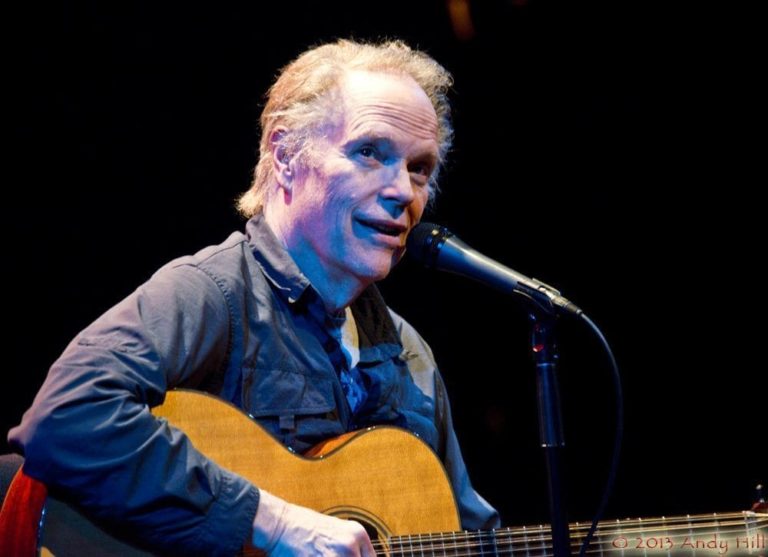
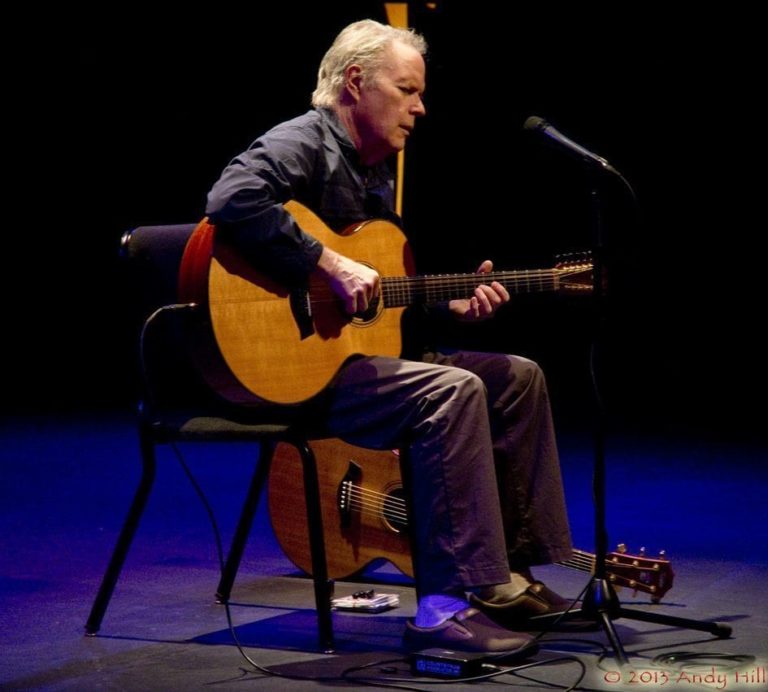
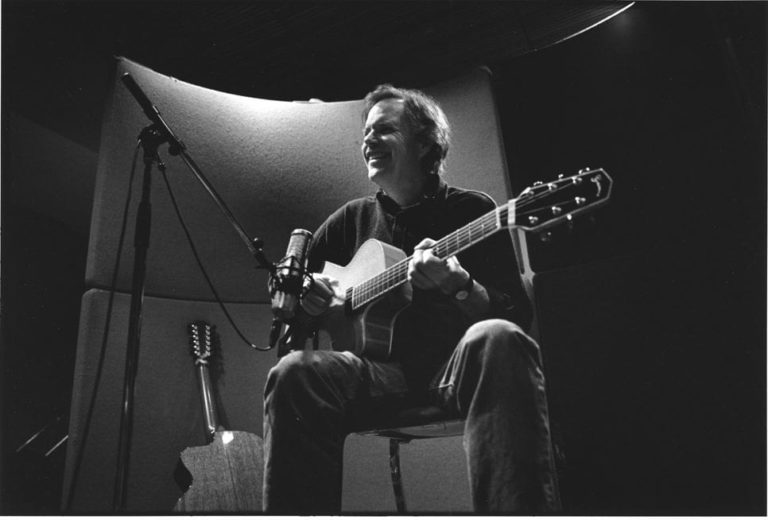
    Grandpa in this case refers to the kind of guitar player Leo Kottke is – playing songs on an acoustic guitar while stopping to tell long, drawn out stories as he gets the tuning just right. He could easily be pictured sitting on the edge of a porch telling folk tales while strumming his guitar. Leo Kottke performed a 90 minute set this past Friday in the smaller and much more intimate Swyer Theater at The Egg, just a floor below the main room many are familiar with.

    leo kottke the eggGrandpa in this case refers to the kind of guitar player Leo Kottke is – playing songs on an acoustic guitar while stopping to tell long, drawn out stories as he gets the tuning just right. He could easily be pictured sitting on the edge of a porch telling folk tales while strumming his guitar, just as he performed his 90 minute set this past Friday in the smaller and much more intimate Swyer Theater at The Egg, just a floor below the main room many are familiar with. I only learned of Leo Kottke in 2003 when he put out Clone with Mike Gordon, the bassist from Phish. The two produced an incredible album that had me hooked on the mysterious guitarist, but it took another 10 years before I would see him in a solo live performance. Amid a mostly older crowd, Kottke’s trance-inducing plucking of his 12 string guitar was a treat for the ears. His playing is that of a soundtrack to a cross country train ride, as the engine chugs along the tracks, scenery flying by and curves on the tracks shift the weight of the song from one side to another. The melody produced by the guitar was unlike any I had heard, rivaling even the greatest pluckers.

    leo kottke the eggPlaying 15 or so songs over the course of the night, the setlist that was only found inside the mind of Leo. Comprised of ballads and love songs, instrumentals of both a progressive and orchestral nature, Kottke could have tackled classical numbers in the style of Bela Fleck and given a performance that would be of nearly the same caliber.

    But what made the evening complete were the stories that Kottke told as he tuned his guitar in between songs. Speaking in a gravely, baritone voice, he shared anecdotes from the road, the origin of songs, musicians he has listened to and interacted with, plus just some random off-topic ramblings that kept the audience laughing in between focusing intently on Leo performing at centerstage. These moments were Zappa-esque, in terms of the banter that occurred between the beats of the music, paced conversation with a unique soundtrack each time. Of note was when Leo spoke of Robert Bartow, whom he was listening to backstage, a performer of 18th century Baroque German lute music. How this influenced his set is a mystery to everyone, but surely, the master brought in a variety of influences in the magical 100 minutes at The Egg this evening.

  • Mike Gordon’s ‘The Egg’ Live From Albany. Now Available

    After becoming a phan-favorite in a short amount of time, the intimate show with Mike Gordon and his band at The Egg in Albany will be released as a 3-CD set and a free MP3 download; Simply titled The Egg.  The December 2011 show produced remarkable acoustics in which the entire band drew energy that night so it’s no surprise this show was picked by Gordon for release.

    For a full review of the show please check out Pete Mason’s article here.

    You can get the free MP3 download at LivePhish.com. The 3-CD set is available as a very limited physical run, with deluxe packaging that includes a custom round tin with three discs tucked away inside a custom Egg cotton stash bag. It is available for pre-order now exclusively at Phish Dry Goods and Mike’s online store and available for shipping by April 30th 2013. It will not be available in stores.

    The show features originals from Mike’s catalog, including “Horizon Line”, “Only A Dream”, “Voices”, and “Hap Nappy”. Phish fans will recognize “Sugar Shack” and “Suzy Greenberg”, which included The Dude Of Life on vocals. To round out “The Egg”, three tracks were selected  from Mike’s March 26, 2011 show at Higher Ground in Burlington, VT, including an extended version of “Mound”.

    The Egg track listing:

    Disc 1
    1. Horizon Line
    2. Only A Dream
    3. I’m Deranged >
    4. The Way It Goes
    5. Just A Rose >
    6. Voices

    Disc 2
    1. River Niger
    2. Don’t Do It
    3. Horizon Line
    4. Funky Bitch
    5. Sugar Shack
    6. Hand In My Pocket
    7. Dig Further Down
    8. Crumblin’ Bones

    Disc 3
    1. Skin It Back >
    2. Hap Nappy
    3. Won’t Get Fooled Again
    4. Suzy Greenberg
    5. Filler: Mound (3/26/2011 Burlington, VT)
    6. Filler: Got Away (3/26/2011 Burlington, VT)
    7. Filler: Black Tambourine (3/26/2011 Burlington, VT)

    The Dude of Life on vocals for “Suzy Greenberg”
    Recorded by Rachel Bischoff
    Mixed by Jon Altschiller
    Assisted by Danielle Warman
    Mastered by Jonathan Russell
    Technical Assistance by Kevin Shapiro
    Package/Design by Julia Mordaunt

  • Acoustic Guitar legend Leo Kottke coming to The Egg on April 26th

    Acoustic guitar legend Leo Kottke will perform at The Egg on Friday, April 26th at 8 PM as part of the American Roots & Branches concert series. Known as one of the fastest 6  and 12 string guitar players when he first emerged in the late 1960s, Leo Kottke has also become one of the most innovative and least musically classifiable artists of the 21st century. His one-of-a-kind picking style is matched in its uniqueness by his unusual, yet expressive vocal style and his stage shows mix instrumental virtuosity with a healthy dose of rambling stories, wit and humor.

    Tickets are $34.50 and are available at The Egg Box Office at the Empire State Plaza, by telephone – 518-473-1845 – or online at theegg.org.

    Read our review of the show here.

    acoustic guitar leo kottke

  • An Interview with Mike Gordon

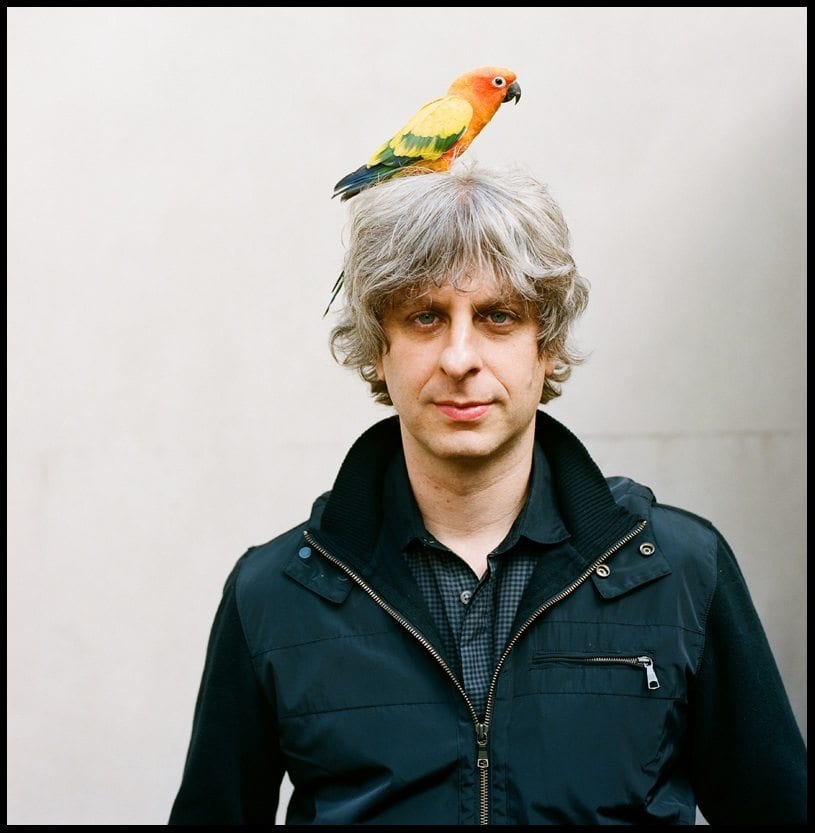
    Prior to the release of Mike Gordon’s album Moss, Pete Mason sat down for an interview with Mike regarding the album, Phish’s recent Halloween show in Atlantic City, his purple pants, music festivals, his new fatherhood, among other topics. 

    Pete Mason: Where do you think Moss differs from your earlier albums, particularly your first, Inside In?

    Mike Gordon: Well, since Inside In had stemmed from the movie soundtrack (to Outside Out), it ends up being a lot dreamier, and the songs are strange little excerpts of sentiments and vibes from the movie actually, from the lyrics, I think so. As I progressed a few albums later, I became interested in having the songs being more about the sort of  more self-contained, in terms of the message and sentiment, and not requiring the movie or dreamscape litmus to allow the album to stand on its own.
    an interview with mike gordonPM: Listening to Moss, particularly “Flashback”, “Can’t Stand Still” and “Idea”, they seem to have more of a presence of horns on this album than previous releases; why were they incorporated more this time around?

    MG: Well, there were some horns on Green Sparrow and they were synthetic on Sound. We tried it on “Fire from a Stick” but it didn’t work as well as I hoped, but I think the reason for using more horns was because Phish had just done Exile on Main Street, and I really liked the way the horns were woven into that album and the backup singing, which we did with Sharon Jones and the Dap Kings. That got me thinking about horns as a rock and roll sound, not just as a jazzy sound. It got me excited to get some different textures and it just made sense. I tried to get local guys because the vibe of not homemade, but locally made. So we got who was needed for the songs, and not because of names, instead it was more efficient and added to a more macrobiotic feel, musically somewhat. So we got local Vermont horn players, and great ones. 

    PM: What have you learned about solo project from watching your band mates in Phish go on solo tours over the past decade?

    MG: I’ve learned that it’s to make money at it. It’s so important to me that I don’t really call it a side project anymore, it’s as important as to me as the Phish stuff, because I’m just a creative person and I like to do a lot of writing and I like to see how my creations are sort of working or not working in the context of bringing them out to the world, then refining them and bringing them out to the world trying different things. The whole process is really fun for me because I don’t get to do that process in Phish because I’m not the song writer, or I am on occasion, but my role in Phish I see as bass-playing. In a way I feel like Phish is a side-project (laughs), in terms of time, and I guess huge musical inspirations that come with playing with Phish.

    (I’ve learned) from watching the other band members the importance of a there being a strong leader, even though I like to be the leader who shares the responsibilities of decision making and creativity, and I’ve seen that sometimes work and not work. I guess those are the two big things. The importance of having a strong leader in the group and at the same time letting everyone thrive and come into their own creatively and to surrender some control to the others, because I think that some bands that are side projects or solo artists and its clear that everyone else is a side-man or side-woman. There is only so much to you can do in life without going outside of your comfort zone (it’s hard), and if you’re in a band where there is one members name on the marquee then they may not be encouraged to leave their comfort zone and take risks and go crazy and become the full people they are, and I see that a bunch of times, and that’s actually one reason why I would like there to be a band name instead of just my name, but so far I haven’t decided on one; its been a couple of years and I’m still thinking about it. So, anyway, yeah.

    PM: How did you assemble this band of musicians for the album and tour?

    MG: It’s different from the album and the tour. The band, my goal there is to stick with the same people, and it’s been the same lineup for the last two and a half years with no changes. The cool thing with that is that is the chemistry and telepathy start to grow. Its only been seven years, so its not that long like with Phish who I grew up with, it’s a different group of people and context and what’s fun is to see how it can be different from the other side projects other members have been involved with and become its own thing and that’s really fun for me, just letting it develop and see what the potential is because of the interesting mix of personalities, and the new music that we’re working with. Everything is new and also inspired by where we’ve all come from and for me that’s definitely Phish.  It’s been a couple tours, a couple years with the same lineup, so its cool to just get up on stage, even though we don’t know each other as well, in some cases, to just see that the happening, the chemistry thing. I’ve been playing with (guitarist) Scott Murawski for a long time in different projects, and there are two others from Burlington, (Craig Myers on percussion and Tom Cleary on keyboards) and the drummer (Todd Isler from Brooklyn) was one of I auditioned a million drummers, or at least researched a million and really wanted to find a guy who clicks, so he is someone I don’t really know, and although he was a recommendation through the grapevine and he just clicked; his rhythmic sense is just mesmerizing and danceable and the same time, which I wanted. So that’s where the band came from.

    On the album, there are some tracks that have three of us from the band playing plus some overdubs, and there are a few tracks that have other band members overdubbing, so its not a band album where all the tracks are just the band, but they have a strong presence. There are a couple of Phish band members on there, a handful of Burlington musicians and a few non-Burlington musicians, a sort of smattering of people on the album.

    PM: Having played three moe.down’s in the past few years, at two separate venues, what is your opinion on the venues and the shift south to Mohawk?

    MG: Well I guess I had gotten used to the first one (Turin) but the second one (Mohawk) seems like a nice spot. Its just different, don’t really have a strong opinion. The first one had a coziness to it while the second one had a vastness to it.

    PM: What do you feel is the best aspect to playing music festivals?

    MG: For me, its getting to check out other music and meet people, to do some talking and networking with other musicians. We played at the Austin City Limits with Phish, and I really wanted to check out JJ Grey and Mofro, and I left to run there like a mile and a half away along the river. When I left the hotel, I noticed that there was a stage setup outside between the pool and the river, and a lot of bands were playing on this tiny little stage, and there were a lot of people and kids just walking around, I was almost so tempted to stay there because it was so festive, but I really wanted to see JJ Grey so I ran along river, flashed my pass and ran right up to where he was playing and watched the whole thing so I could get inspired in that way. There are things I don’t like at festivals, I don’t like to play music when there is other loud music that you are hearing at the same. At Phish festivals, our biggest thing is because there generally wasn’t other music or other stages in the campground, there was a lot of silence, so we would play a set for an hour then there would be silence, and people would get a break from their ears and I think there is something nice about that too. I have a lot of fun at festivals, get on a golfcart, check out crafts and things, behind the scenes, so I guess there are pros and cons.

    PM: Looking back on 10/31 and playing Waiting for Columbus, (and having playing “Sailing Shoes” last night in Seattle), what is your post-mortem on how you played the album that set, as well as the three weeks of touring and did the members of Little Feat share their take on the show with you?

    MG: They all heard about it and they were honored, so there were some nice emails going back and forth. It was a favorite album of mine since high school, so it was probably my favorite one, even though I think we have done some good ones. Learning it was a big challenge, it was harder than I thought it would be, but it was great to get inside what was going on there both musically and vocally. Rehearsals were really fun, but I think that it wasn’t quite as tight on stage as it had been in rehearsals, in terms of ending and transitions and getting it all right but I think the energy was there. I guess I would agree with a lot of the fans who said that Saturday was a great show or even the best one, but for me its not because of the Led Zeppelin stuff that everyone is talking about, its the flow that we were in, very deep and subconscious and groovin’, I just loved Saturday night, the Led Zeppelin stuff was just sort of an extra icing on the cake. It was cool to play “Ramble On” all the way through even though we hadn’t played it or practiced it in 20 years or however long it was (last time played – 8/12/98, Vernon Downs, NY) and just guessing what the chord changes would be and that kind of thing, that’s how much fun it was.

    PM: How did you guys decide to play so much Zeppelin that night?

    MG: Just because it was the rumor and we had been teasing some stuff at soundcheck, hoping that people would tweet it, which they were. It was part of the tease and keeping the secret really well, it was the best kept secret of which album it would be. I actually had a brief email correspondence with Kenny Gradney (Little Feat bass player) a few weeks earlier, and we weren’t allowed to tell them so I had to just wait till I answered his email at a certain point.

    PM: When you guys prepare for Halloween, its very tight lipped to keep the album secret. Nobody knew.

    MG: Yeah, and a lot of younger people didn’t know the album, but I think that the Phish Bill kind of explained it, we had David Fricke write a whole history of the album and interview us about what it meant and how hugely influential it was to us and fun, it meant to turn people onto something they might not have known for the younger fans.

    PM: There is a small following of Phish fans who admire the purple pants you wear from time to time on stage. What it your affinity with them, and what has your reaction been to them?

    MG: That’s funny because at a certain point I decided that I was going all black and gray and I went to the store, got a whole new wardrobe, but lately I’ve been carrying the purple pants with me but not yet wearing them, I’m glad you reminded me. Maybe its getting to be time. I think I’m leaving my black and gray phase. I just went shopping yesterday in Seattle and what I got departs from the black and gray. My fantasy is to very gradually turn into Steve Tyler, with a bunch of scarves and lace frills and everything. But I’m many steps away from that.

    PM: For 1/1/11, was scheduling the show that day done thinking that it would be a cool date to play, or is it only reflective of scheduling?

    MG: Generally we’re not going to play more than three in a row just to stay fresh, which required us to go over to the first and I think people like it because it’s a little different and so we don’t repeat ourselves.

    PM: Do you have any plans for 2011 for touring, either solo or with Phish?

    MG: This tour that I’m on now is part A of two tours and I’m not exactly sure when Part B will be, probably sometime in the first part of next year. It’s good to do more and it’s been fun, then it gets to be so sad when it’s over. I want to hunker down and work on some more writing, so many song-writing projects in mind, 100’s of things that are half-finished or barely started. I don’t have a lot of time to do that. When we have time off, it’s never off, it’s either hanging out with my two-year old or working on projects, mostly song-related. So I’m hoping not to do too much touring so I can do more of that and maybe Phish will dabble in some recording. I’m sure that at least some point Phish will be playing next year, I just don’t know all the timing yet.

    PM: You mention your daughter, how do you feel fatherhood impacted your music and the touring life?

    MG: Well, it’s interesting. When the first band member had a wife and kid, I remember thinking that their attention would be deflected and the music won’t get as much attention, and it turns out that’s not true at all. Now I realize its grounding and give me more focus. She is such a huge central figure in my life, the central apex of everything, and not just because of her being a kid and because she’s supposed to be but because I just love her so much and she’s so funny and inspiring and I can learn so much from her perspective of the world. Sometimes that happens and I wind up being more grounded as a person. And also, actually, I did The Artist’s Way book, which Trey recommended a couple of times, which is one of the most popular books on creativity – a workshop in a book – and the whole thing is geared towards trying to regain your childish sense of wonder that you used to have and approaching your life and your art from that child’s eye, and trying to overcome all the sensors that you have built-into your head from what your parents and teachers told you and your experiences that led to living confidence, and its important getting back to that playful state, and it’s important for music and art. That’s another fringe benefit of having a little one around us is that everything she sees, whether it’s a sheep drawn on the wall of a hotel lobby or whatever it is, it’s so exciting and noteworthy that she has got that ability to share that perspective of the world, and it is probably indirectly rubbing off where it’s probably a whole lot refreshening for my musical outlet to get to the point where I can see music that way too. I just got a text from my wife saying that our daughter said “Like the music that Scott makes and dadda too”.

    PM: To be able to pick Scott out of the mix is pretty good for a two-year old.

    MG: Yeah, it’s very cool. She’s been completely fluent with music since about one and a half and knows 400 signs of sign language, but I love it when kids all convolute it. We were walking down the street and she says “Daddy look, ‘pine noodles’”, instead of pine needles, ‘daddylion’ instead of dandelion, or other funny grammatical structures.

    PM: Regarding your hotline, I called it the other day

    MG: Yeah, I have to update it

    PM: How did the hotline startup and update fans randomly through it?

    MG: The original idea came from when Inside In came out and a guy from Ropeadope (Records) recommended it as a sort of marketing tool for Inside In, and that’s what it was called, the Inside In hotline or something, just a voicemail service. I had a lot of fun with the interactive quality, giving people little games to play, answering people’s questions, having it be like a back and forth thing, kind of like a slow motion radio talk show. I kept it going and at a certain point my manager said “You’re wasting your time with this, don’t do it anymore”, and I said “Well, I just enjoy it and I think it’s a unique way to talk to fans and get some feedback”. It went dormant for a little while, and when it did people said ‘You can’t stop this, I talk to you more than my own mother!”, so after a little while I decided to bring it back. We’ve talked about making some hotline merch or maybe a website with some archival messages, at some point, maybe for the 10th anniversary of it. I like it because it’s unique, its a little old school, doesn’t really use new technology but I kinda like that about it too, it’s always available, people put it on speed dial so when they are heading home from work or walking home alone from bars or something they can call for their virtual friend.