 AURA Music & Arts Festival has announced their first official onsite pre-party in their five year history. Kicking things off on Thursday, February 13th, fans are invited to get settled in at Spirit of the Suwannee Music Park (SOSMP) a night early and enjoy music from three of Florida’s finest bands in the scene – The Heavy Pets, Greenhouse Lounge and The Funky Nuggets. Tickets are available for $30 and include camping, music and all fees.
The official festival, taking place February 14th – 16th, 2014 features Lotus, Papadosio, Conspirator, Zoogma, The Werks, Marco Benevento, Mike Dillon Band, Kung Fu, Dopapod, The Heavy Pets, Superhuman Happiness, Brock Butler, Jimkata and more. A limited number of tickets are still available now for $125 but prices will increase soon.
Since its humble beginnings in Brooksville, FL, AURA has become one of the premiere multi-day boutique music events in the Southeast US, attracting fans from around the country. Now comfortably at home at the famed SOSMP, AURA comes to life in the midst of 800 acres of Spanish moss-draped oak and cypress trees along the Suwannee River and utilizes one of the most beautiful natural amphitheaters in the country only made more awe-inspiring by AURA’s attention to sound and lighting production. As always, AURA 5 will feature live painters, an interactive arts village, craft and food vendors, yoga & meditation, and inspiring transformational workshops.
Stay tuned for additional details and artist announcements. To join the wait list for cabins, golf cart rentals and RV hook-ups, please contact SOSMP at 386.364.1683.
Initial AURA 5 Artist Line-Up: Lotus (two nights) • Papadosio (two nights) • Conspirator • Zoogma • The Werks (two nights) • Marco Benevento • Mike Dillon Band • Kung Fu (two nights) • Dopapod (two nights) • The Heavy Pets • Superhuman Happiness • Start Making Sense: A Tribute to The Talking Heads • COPE • Juno What?! • Twiddle • Jimkata • Brock Butler • The Resolvers • Pigeons Playing Ping Pong • Polyester Pimpstrap
Follow
 Brian Wilson and musicians were set up Big Band style with 12 others in his group, performing an acapella tune, “Their Hearts were Full of Spring” by The Four Freshmen, to start the night off on a weird yet intriguing note. Following familiar Beach Boys tunes like “Do it Again” and “Don’t Worry Baby,” the first half of the set was focused on the singer/songwriter, giving intros to songs before performing them, familiar or not. A sign of a musician in his later years, discussing the history and background of the music, was well-received by the audience and the stories elicited knowing nods from the mostly seated crowd. “Sail on Sailor” and “Heroes and Villains” stood out among these tunes, the former off the forgotten Holland album while the latter was quite psychedelic in the vein of Pet Sounds, as the backup band sang a synthesizer friendly ballad that could substitute as music for a montage in any 1980s film.
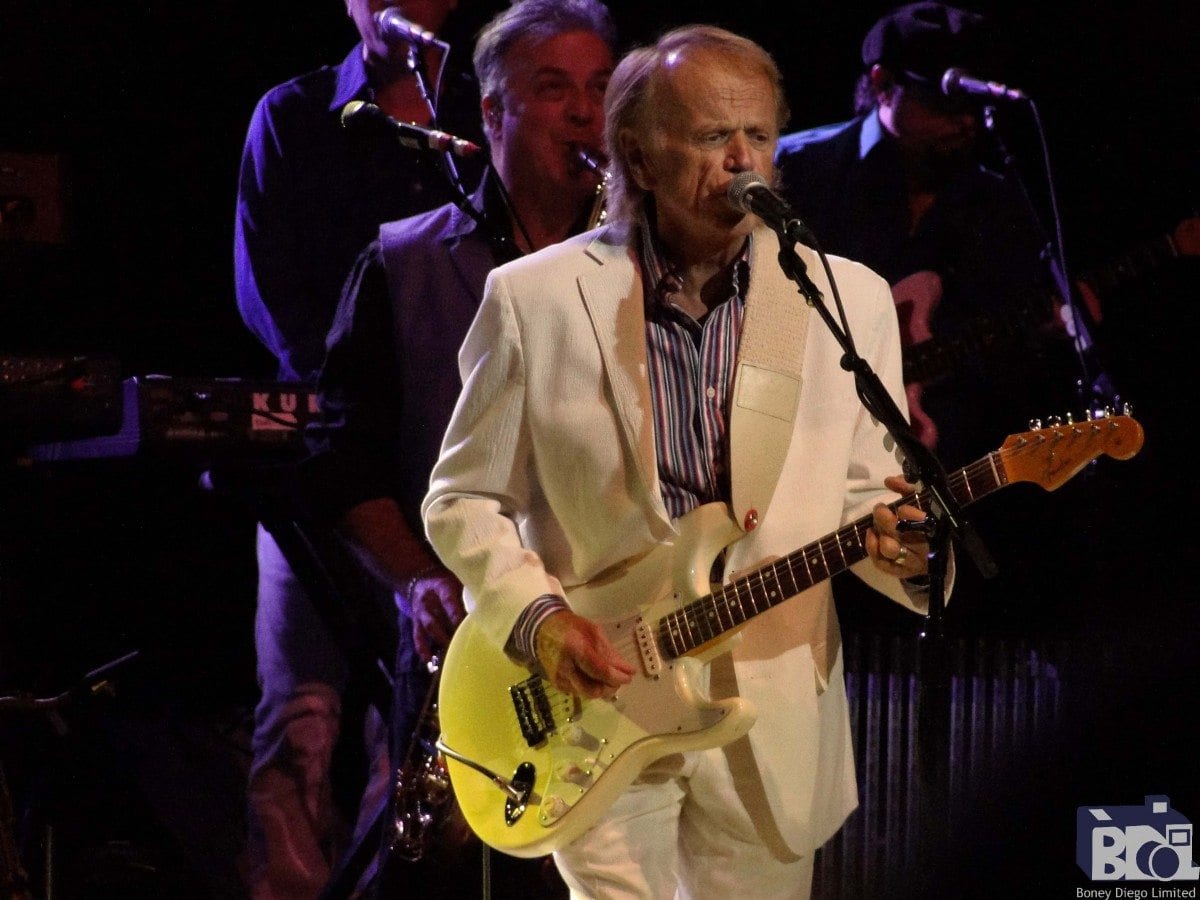 Set highlights included “God Only Knows,” Brian Wilson’s signature work and one he spoke with great pride of, recalled Big Love and sister wives; “Sloop John B”, with vocals from the diminutive Al Jardine were accompanied with soft flute and the harmony of guitarist Jeffrey Foskett, and “I Get Around,” which has forever ingrained the image of
 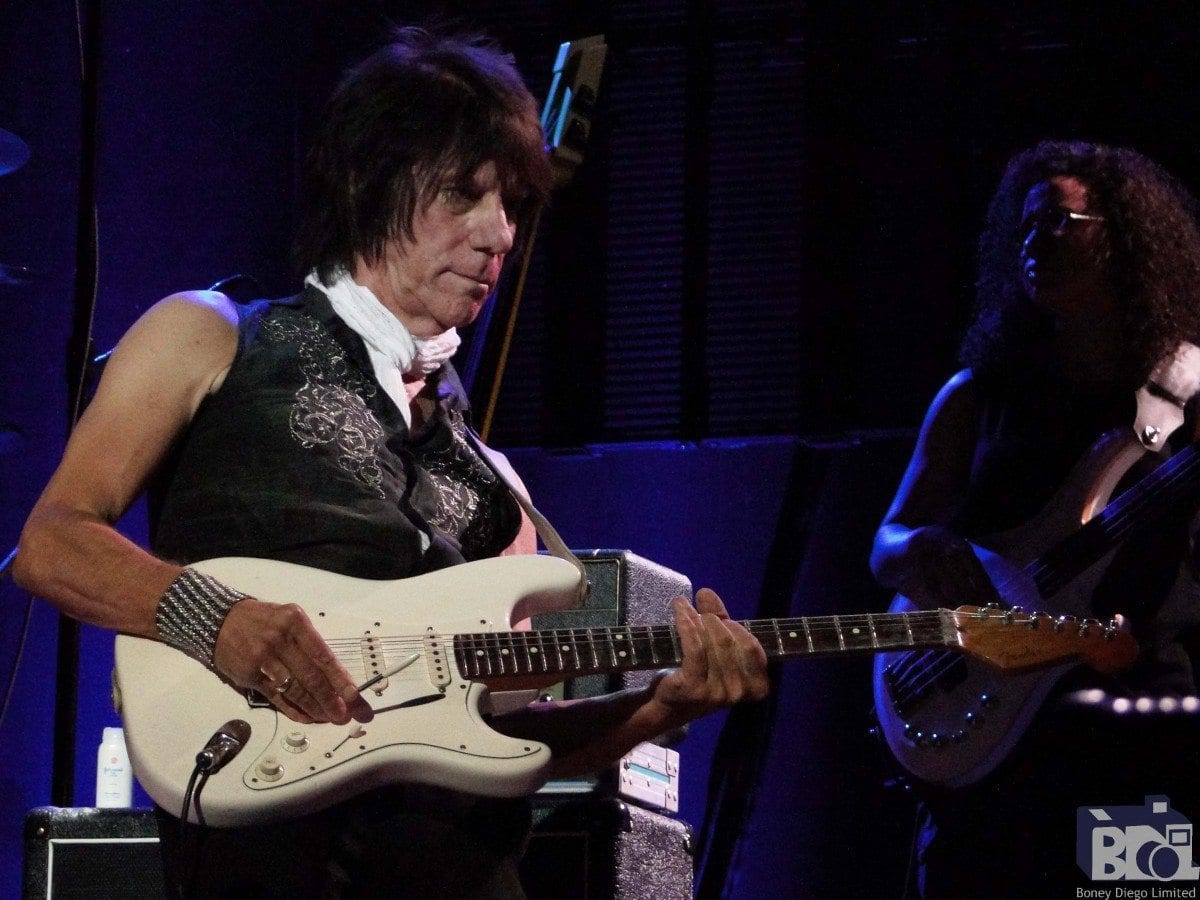 Then, the anticipated collaboration came and what a treat it was and finally, we saw why these two musicians were touring together. Members of both bands converged and played party to “Our Prayer”, with its trippy humming/vocals, while “Surf’s Up” had skyward vocal peaks. Beck’s “Brush with the Blues” was deep and soulful, painful almost. “Rollin and Tumblin” recalled Robert Johnson’s “If I Had Possession Over Judgement Day” and gave some gritty blues equal time on the stage, to complement the jazz influence in the first set “A Day in the Life” was nasty and dark, rocked out perfectly.

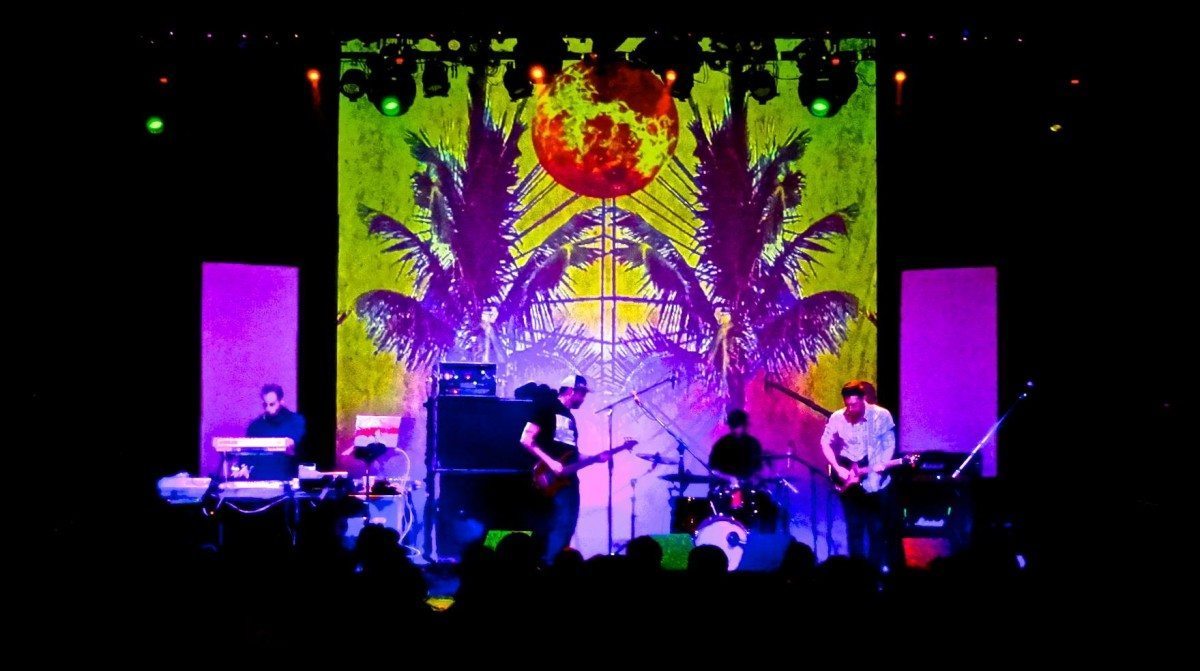

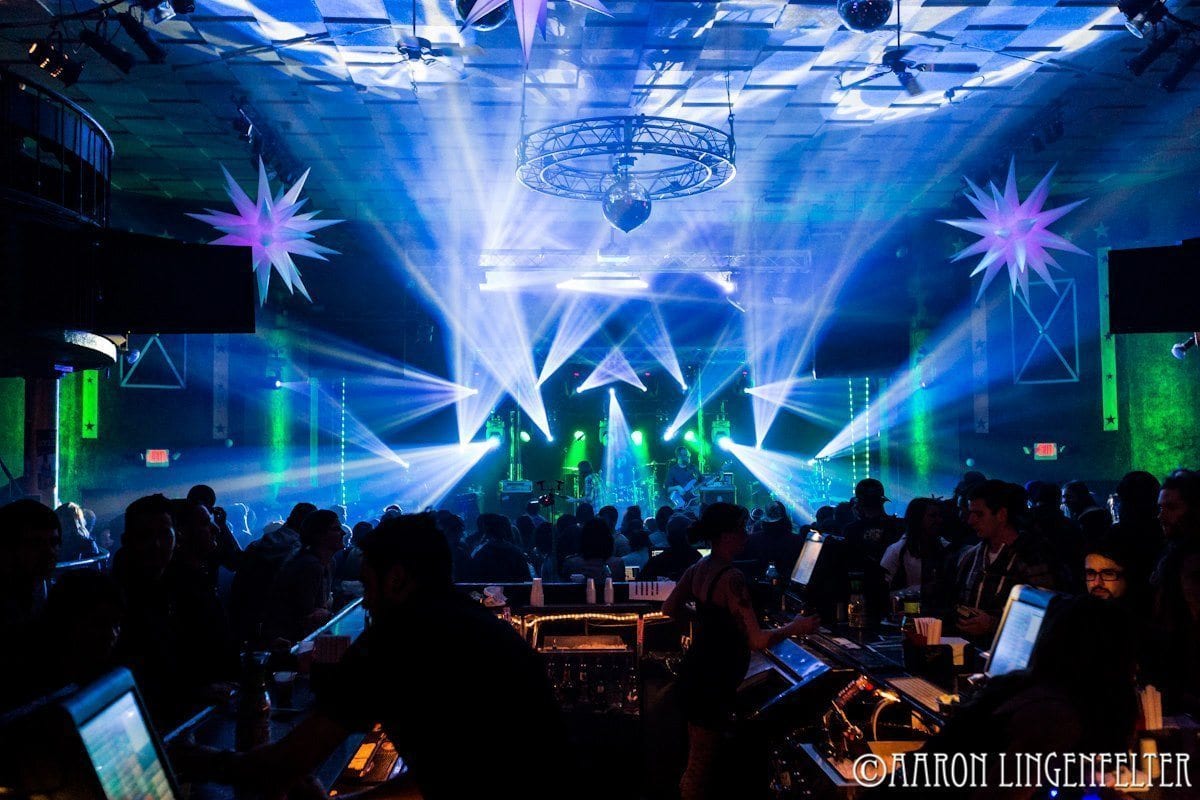 Getting into this line of work happens serendipitously as told by each of these lighting directors. From being a sound engineer to following a band on tour, each took a different path and happened to be in the right place at the right time. Ryan started as a roadie for The Manhattan Project and says, “It started with learning their gear and how they liked it setup.” There were a lot of shows in that position until the band asked him to become the tour manager. Once each of them discovered lighting though, they were instantly hooked. Luke graduated from Berklee College of Music in 2009, with a focus on guitar performance. Despite all of that time spent on his degree, he says, “I get more out of lighting Dopapod, both personally and creatively, than I ever got out of playing the guitar.”
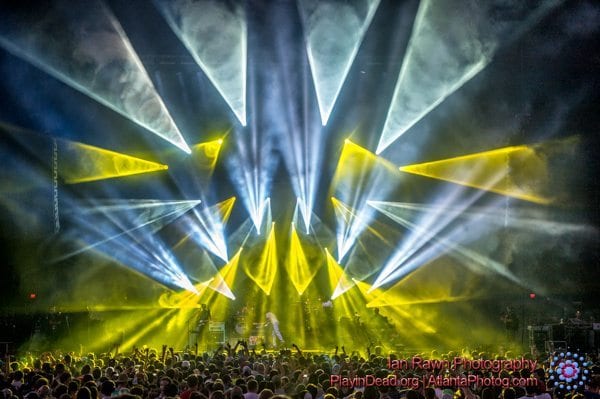 After that initial taste of photonic creativity, each went all in. Ryan says, “Every extra penny goes into my ‘new lights’ fund.” With that investment, lighting designers begin to develop a collection of tools to use, each with its own purpose. Johnny Goode says, “My go to piece of hardware would be my console; I wouldn’t do a Disco Biscuits show without it.” Luke on the other hand uses a bunch of MIDI controllers and various computers all hacked together. “It allows me to control the rig like an instrument”, he says. These tools begin to shape their style and how their shows are lit. Luke defines himself as using a “top down” approach. He says, “The music defines what I’m doing at all times.” Jefferson takes an artistic approach that pulls from his background in video editing. “I like to describe my style as graceful ballet with dramatic and ominous movements. When I used to edit video, I would put things in slow motion because it felt powerful. Now when the band is playing a million notes per second, I think it’s equally powerful to have a slow moving light rig.” And just as two guitarists can use the same three chords, yet sound different, two LD’s can use the same three colors, but create a completely different atmosphere.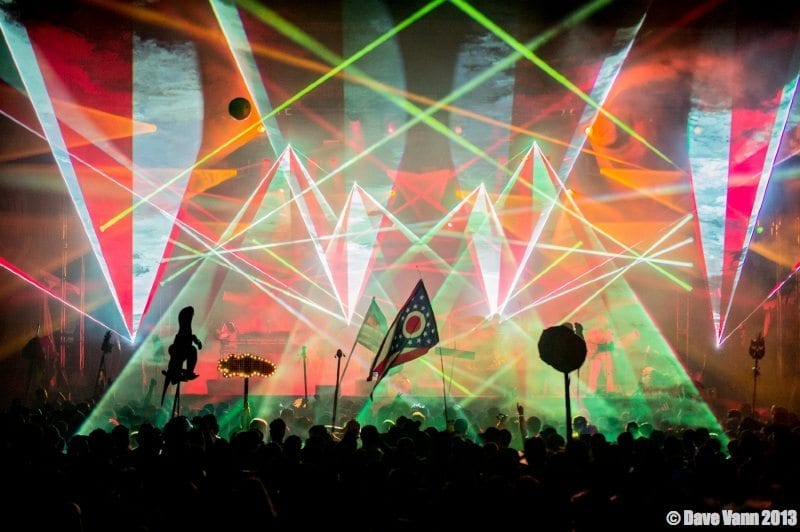
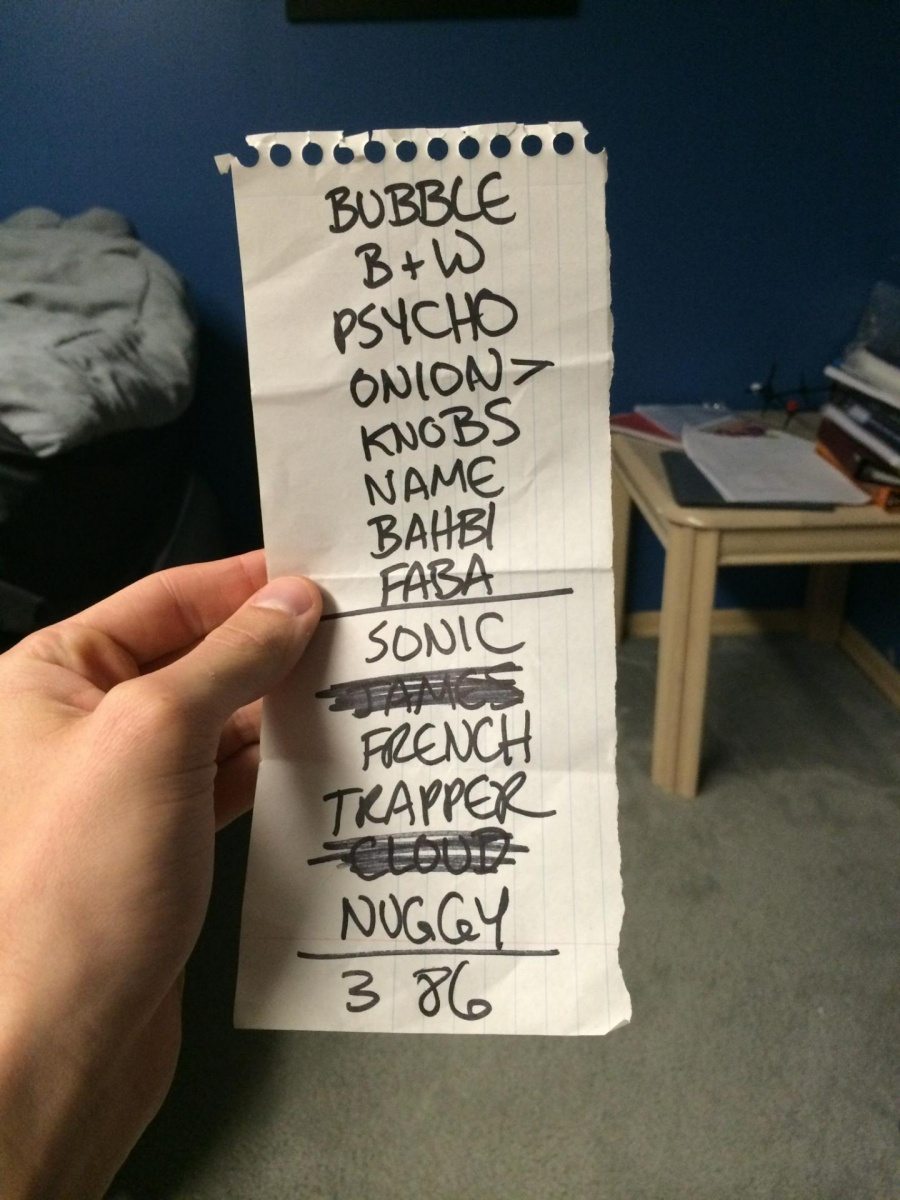
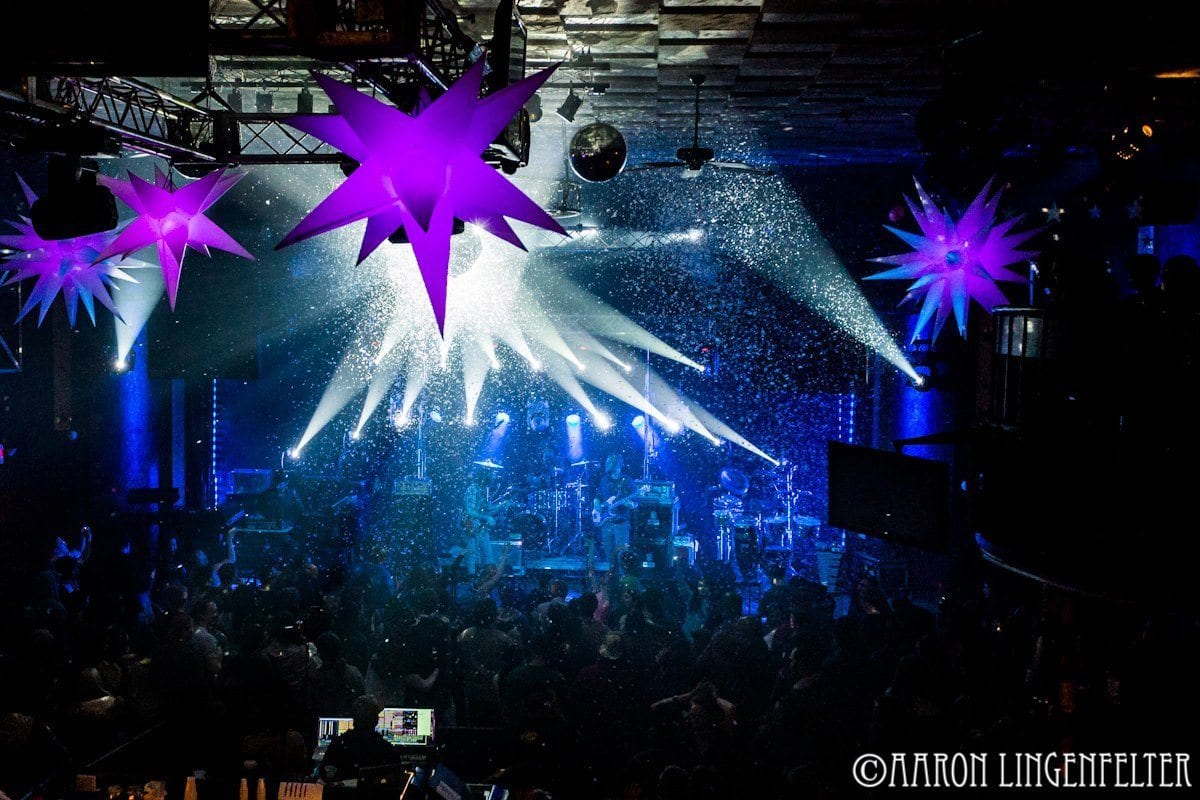 Since the jam scene is driving this, an additional hurdle for the lighting designer is the spontaneous nature of improv that most bands use within their live shows. Where lighting a rehearsed song eventually becomes part of muscle memory, improv adds the possibility of variance. Those nightly musical changes make it next to impossible for the lights to run on auto pilot. Jefferson says, “Because it’s happening in real time, I can be an active participant in that process.” Additionally, varying setlists only compounds the problem. Ryan Bress says, “Knowing a bands music is huge. You can’t depend on a setlist because a band will change it up last minute or even during a set.” Luke from Dopapod only uses one sequence at the moment; the rest of the time he says, “I’m playing the lighting designer’s equivalent of notes, chords and riffs instead of just pressing play.”
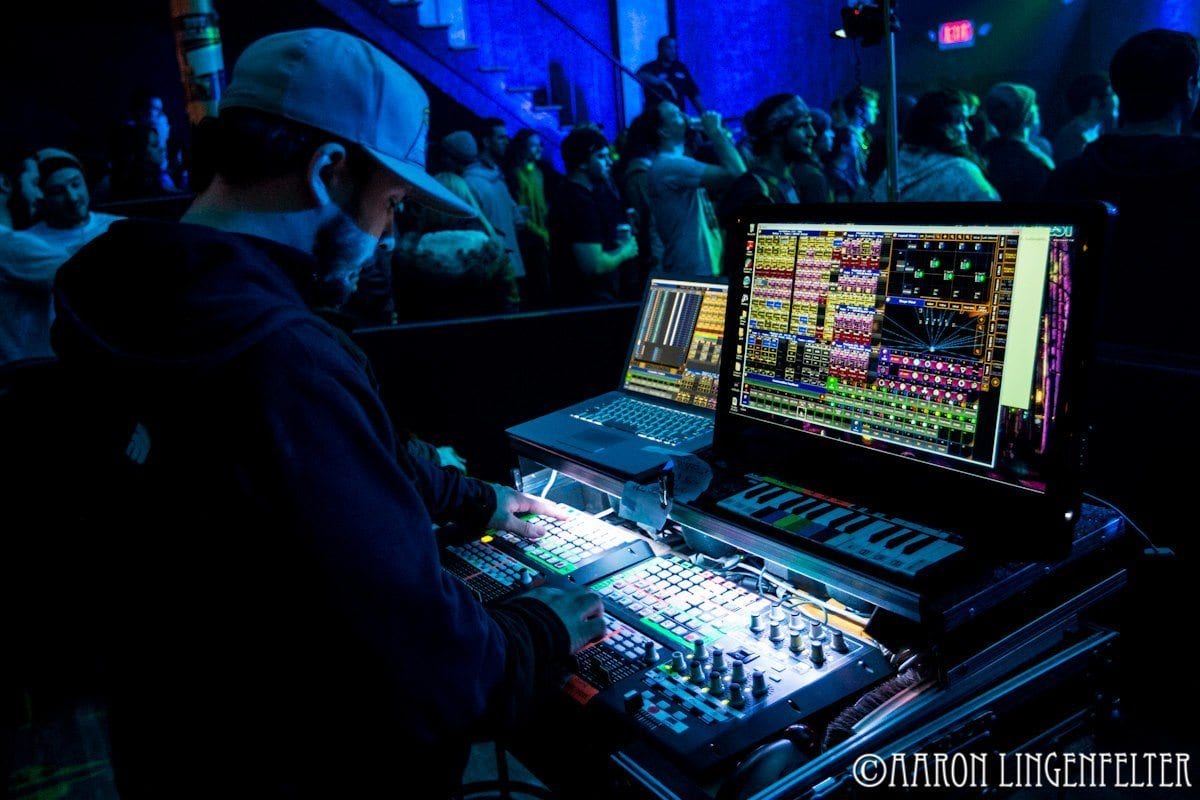 With all of this at their fingertips, there’s a lot of room for creativity and endless combinations of color and movement. The key is control and patience though as you don’t want to show your entire hand within the first two songs. Even new LDs understand that point. Ryan says, “If you give away all that your rig has to offer right off the bat, then you have nothing to deliver when the music gets more intense.” Luke echoes a similar point saying, “I usually get through a two-set show using only 75% of my cues and effects. I kind of treat it like a guitar and only use one effect or look in a specific song.” Jefferson Waful explains, “If the band is doing a ten minute improv, I’ll do nine and a half minutes of slow graceful movements. I’ll wait to throw in strobes and additional lights at the very end, otherwise you can lose the audience’s interest.”
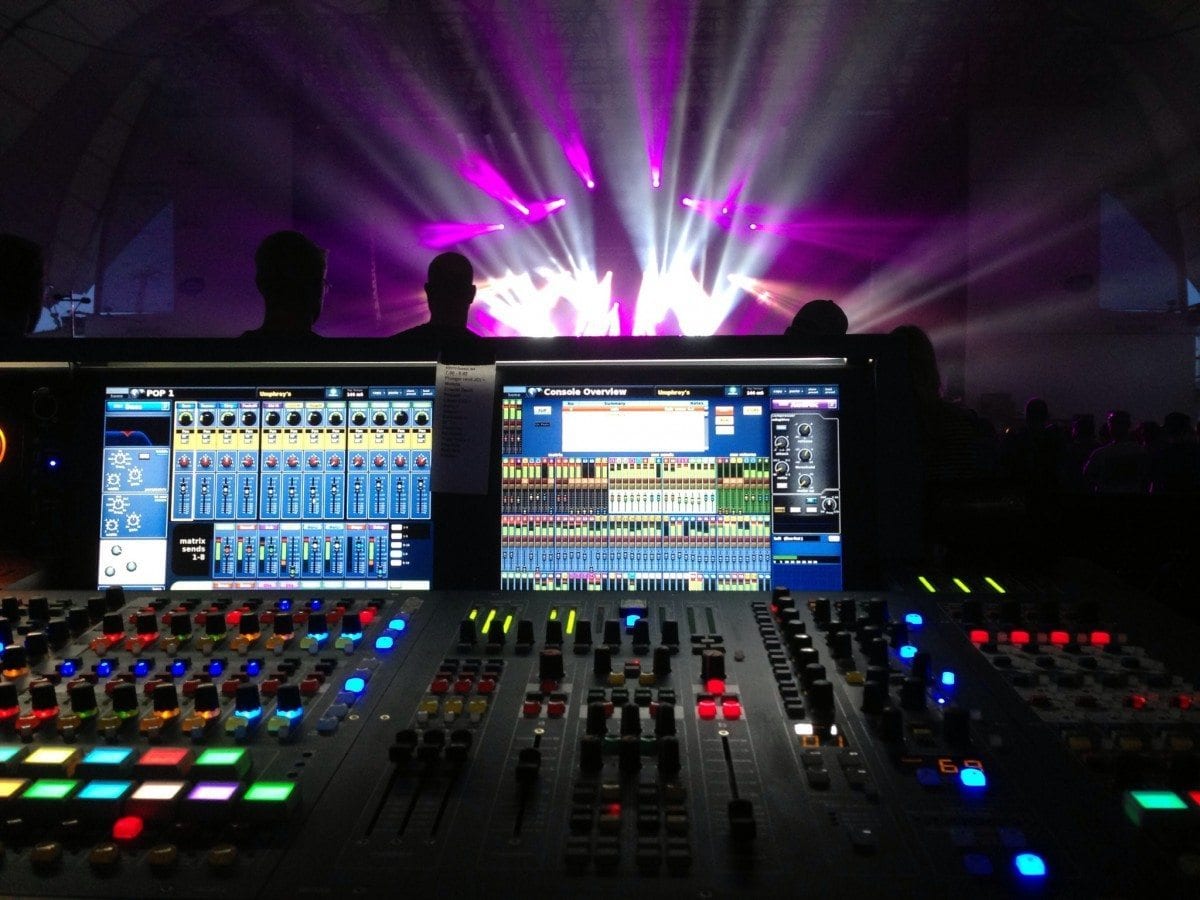 As the lights fade, your senses come back down from overload. Music’s deep resonation has found a perfect match in the visual space the lights play in. The show’s temporary nature makes the combined effort more of a traveling work of art; setting up only to tear down again. The role of the lighting designer is only going to grow from here, leaving a legacy that’s equally important as the guys with instruments. There might be a sensory difference with what an LD brings to the table, but their absence would certainly leave the band in the dark.
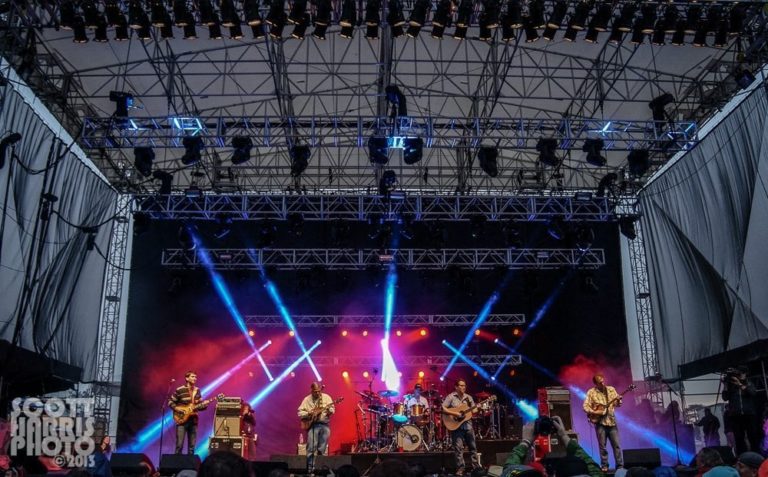 Pete Mason: This past run of Strangefolk shows found the band breaking out older songs that haven’t been played in years, some not since 1999. What brought about the trip to the vault?
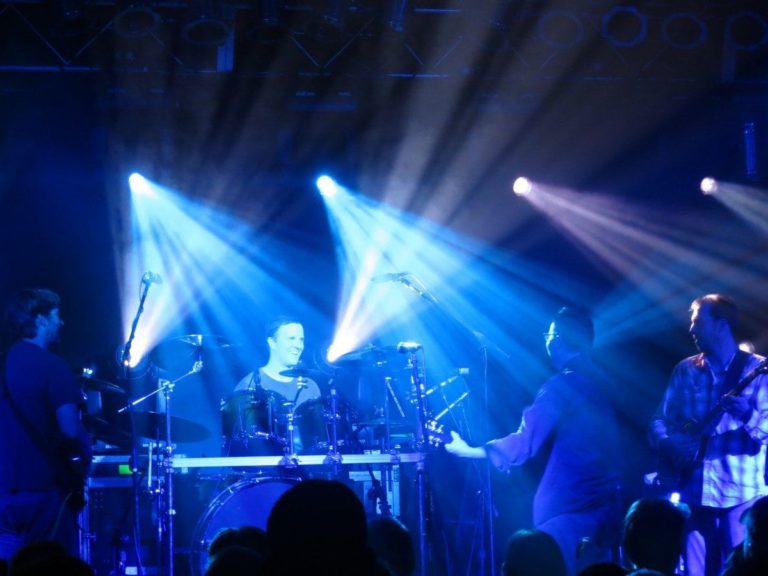 Pete Mason: What has been the difference between the shows in 2012 and the shows in 2013 in terms of improvisation?
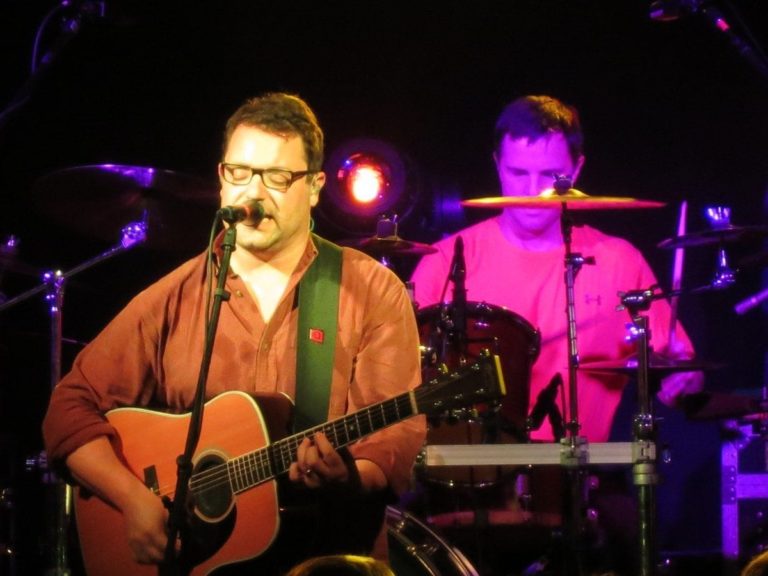 Pete Mason: This is the second run of four shows that ended in Portland, Maine. What is it like finishing off four shows in your hometown?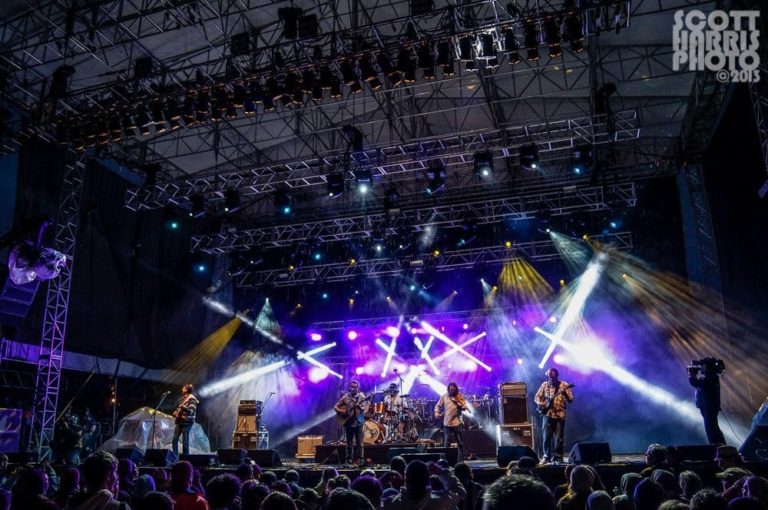
 During his most active three years, Greg contributed some of our biggest “gets” including interviews with Steve Hackett and local luminary Dave Frisina, cover/feature articles on regional and national bands from UL favorites like AudioInflux, Roots Collider and Mark Doyle and The Maniacs, to Porcupine Tree, Renaissance,