As a member of the avant-garde jazz trio, Medeski Martin & Wood, John Medeski’s experience as a musician is largely defined by his groove-based keyboard work. Originating in New York City, MMW has stood out as one of jazz’s most talented, innovative acts over the past twenty years. The group’s discography represents a range in style and genre achieved by incredible musicianship, and John Medeski’s influence as a keyboardist has made MMW’s work so consistently creative.
A Different Time marks Medeski’s debut appearance as a solo recording artist. Released by Okeh Records, a recently revived jazz imprint on Sony Masterworks, the album features the unequivocal combination of Medeski and a 1924 Gaveau piano. A Different Time is the product of a season spent in Upstate New York’s Hudson Valley, where Medeski recorded the album in a 19th-century church-turned recording studio known as Waterfront Studios. Throughout the album’s nine tracks, Medeski explores a style of music characteristic of an earlier, more modestly ambitious time period.
Medeski has described the album as “meditative” and “contemplative.” In its opening, self-titled track, sparse melodies and alluring structures induce a sense of calm while provoking a level of insight generally brought about by weighty lyricism. Medeski’s work communicates sentiments in its composition; A Different Time is a compilation of poetic music. Concluding with two improvised tracks, “Lacrima” and “Otis,” the album is a clear illustration of Medeski’s talent, a progression in his career as a musician.
Key Tracks: A Different Time, I’m Falling In Love Again, Lacrima
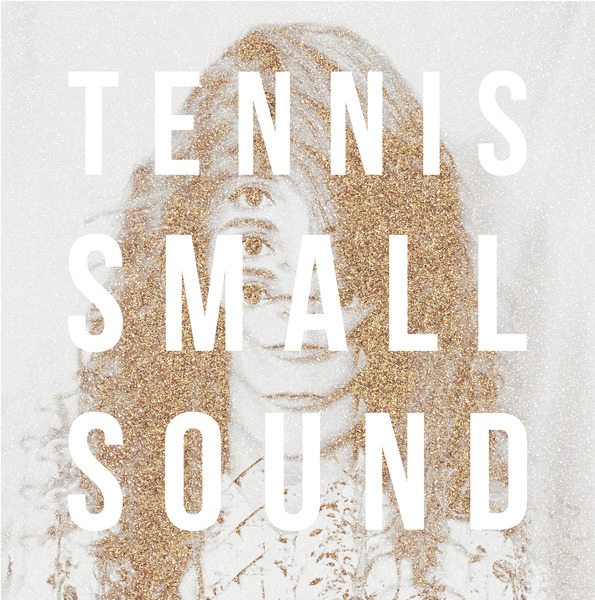
It’s been more than three years since the North Atlantic sailing trip that inspired Alaina Moore and Patrick Riley’s first album under the musical moniker, Tennis. The duo released Cape Dory in 2011, a collection of surf pop tunes that displayed Moore’s swooning vocals among breezy guitar riffs and beach rock beats. Their 2012 follow-up, Young and Old, showed progression; with producer Patrick Carney of the Black Keys involved, Tennis’ music became more than just a summer soundtrack. The album provided a more complete set of tracks, blending rock ‘n roll elements with their signature island sound.
Tennis’ most recent release comes at a time when the sunshine days of summer finally feel like the distant past. Their new EP, Small Sound, features Moore and Riley moving forward as musicians, distancing themselves even further from their Cape Dory days. After working with Carney on their previous project, Small Sound’s production is the product of another one of today’s biggest indie rockers, the Shins’ Richard Swift. This collaboration results the most developed sound Tennis has created to date.
Small Sound opens with its first single, “Mean Streets.” From the get-go, Small Sound continues Young and Old’s focus on Tennis’ evolved musicianship. In an age where indie pop’s utilization of keys generally means danceable synth sounds, piano acts as a driving element throughout the EP. Introducing itself in “Mean Streets,” Tennis’ usage of piano continues into “Dimming Light,” a song whose R&B influences are apparent in a chorus of percussive claps and incredible vocal range. As Small Sound progresses throughout its five tracks, Moore and Riley continue to provide listeners with new components of their music. Small Sound is Tennis’ most complete piece of work yet; it’s the next step in an already impressive career.
Key Tracks: Mean Streets, Dimming Light, 100 Lovers
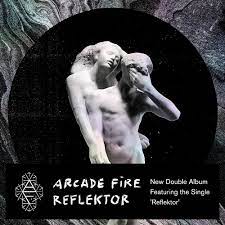
After releasing the Grammy Award winning TheSuburbs in 2010, Arcade Fire traveled to multi-instrumentalist, Régine Chassagne’s Haitian homeland, where the Montreal-based septet played before a Caribbean crowd whose musical background extended as far as the francophone island’s coasts. Just as George Harrison’s post-Revolver trip to India resulted in newfound international influences and a fresh identity as Sgt. Pepper’s Lonely Hearts Club Band, Arcade Fire was exposed to Haitian rara spawned the creation of The Reflektors, a moniker used in the band’s promotional campaign leading up to Reflector having a late October release.
From the beginning of the album’s ambitiously creative promotional campaign, the influence brought on by traditional Caribbean culture acted as Reflektor’s centerpiece. The album title’s initial announcement came in the form of veve-inspired street art spread all throughout major cities across world, followed by the display of a Manhattan mural reading “Arcade Fire 9 PM 9/9.”
On September 9, Arcade Fire released their first single, “Reflektor,” the track that opens their fourth record of the same name. In its introduction, “Reflektor” exhibits a percussion section prominent throughout the entirety of the album. Made up of drummer Jeremy Gara and Hatian conga players found during the band’s Caribbean travels, the percussive dominance used throughout Reflektor is emphasized by the production contributions of LCD Soundsystem’s James Murphy.
Divided into two discs, the first half of Reflektor continues the title track’s dance-driven instrumentation, integrating a range of genres far removed from the baroque-rock days of Funeral. “We Exist” incorporates a disco-style bass riff among reverbed-out guitar chords, and the influences responsible for distorted guitar lines in “Normal Person” are recognized by frontman Win Butler’s opening enquiry: “Do you like rock ‘n roll music?” Reflektor’s second disc is introduced by “Here Comes The Night Time II,” whose dissonant string section and prolonged synth lines feel more appropriately fit for the conclusion of an evening than its beginnings. Disc two finishes with the eleven minute-plus “Supersymmetry,” an ethereally epic track that acts as the cessation to an equally epic record. As a follow-up to their most well-received release in The Suburbs, Reflektor is the result of a more experienced, innovative Arcade Fire.
Key Tracks: Reflektor, Here Comes The Night Time, Afterlife
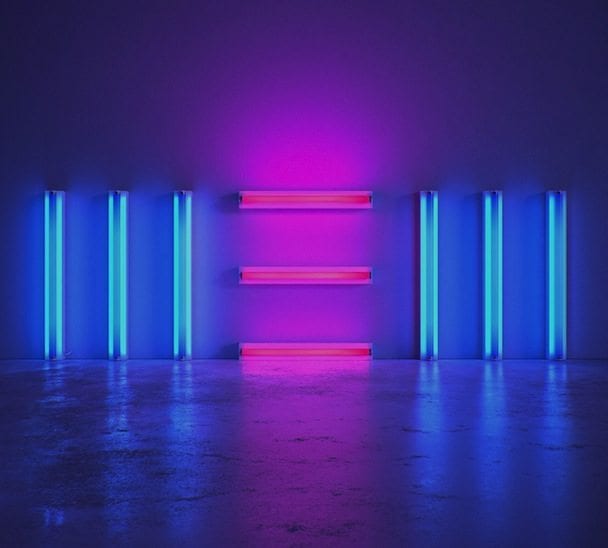
In some sense, Paul McCartney, on his 16th solo studio album, New, is appropriately named. By titling the album New, McCartney suggests that in his seventy-first year, he’s making music unlike anything he’s done before. For someone as accomplished as McCartney, this is a pretty big statement. While the album’s four producers, Paul Epworth (Adele), Mark Ronson (Amy Winehouse), Ethan Johns (Kings of Leon), and Giles Martin (son of George Martin), contribute new age aspects to the music of a man who co-wrote his first number one song in 1962. McCartney himself approaches New with songwriting topics unfamiliar to his sixty year career.
New is McCartney’s first album of original material since 2007’s Memory Almost Full. Since then, he’s written classical music for the New York City Ballet production, Ocean’s Kingdom, performed with three surviving members of Nirvana, released an album of standards as Kisses on the Bottom, and re-married for the second time. As long as this list of achievements may be, side projects, legendary collaborations, and re-marriages are nothing new to McCartney.
What makes his most recent album “new” presents itself in the first ten seconds of its opening track, “Save Us.” Controlled distortion introduces a guitar riff straight out of The Strokes’ 2011 album, Angles, creating an indie-rock feel that quickly merges with a driving piano and classic McCartney courting: “I can try to give you everything you ever wanted / You’re not hard to please.” Tracks like “Alligator” and “Appreciate” also display the efforts of New’s all-star production team, incorporating Danger Mouse-esque beats and synth work far removed from the Abbey Road days. The album’s standout tracks, however, come as acoustic ballads focused on McCartney’s life before the Beatles. “Early Days” recounts the beginnings of the McCartney/Lennon relationship, and “On My Way To Work” is told from the perspective of a pre-fame McCartney. It’s these glimpses of personal insight that make the album different than McCartney’s work in the past; the album is an opportunity to look back and appreciate, to recognize what is new.
As summer fades and fall begins, the festival season comes to a close once again. The endless lineups of favorite bands, the coming together of masses of people and the weekend-long festivities will return in a number of months, but until then, we have shows like the one put on by Conspirator, SOLARiS, and Mister F at the Westcott Theater on October 11th. Located just outside Syracuse University’s campus, the Westcott Theater hosted an audience composed of both students and locals, bridging the gap between the University and its surrounding community.
Before fans could see headlining act Conspirator’s elaborate display of visuals , the crowd’s light-up hula-hoops provided aesthetic entertainment during the evening’s first act, Mister F. Made up of members from Timbre Coup and Capital Zen, Mister F’s music fuses the progressive, funk, and rock elements found in the group members’ outside projects. Utilizing a five-string bass and a seven-string guitar, Mister F’s uncommon instrumentation set the dance-dominated tone for the rest of the evening..
Following Mister F’s set, fellow Upstate New Yorkers SOLARiS continued the night’s electro instrumental theme with their 3-piece fusion tunes. Although SOLARiS played an opening set, the extendedness of their jams and the crowd’s participation created an environment reminiscent of any headlining act. Drummer Daniel Scott Lyons’ ability to direct tempo changes with his quick-paced clicks influenced smooth transitions and allowed the band to jam without pause for almost the entire set.
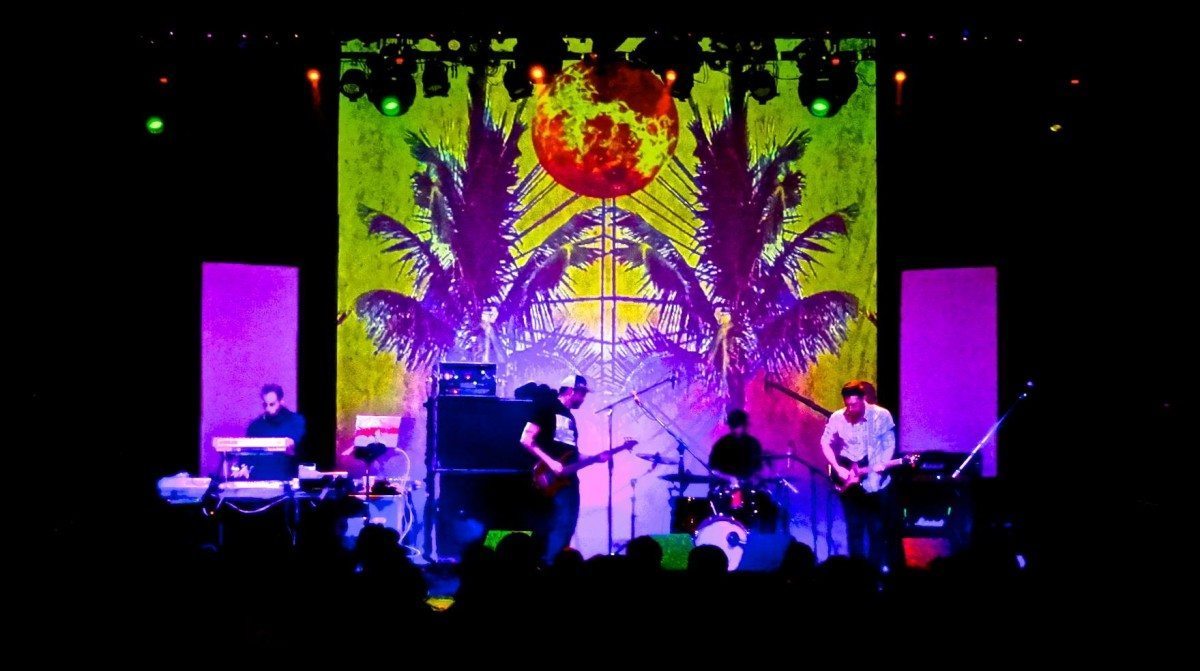
As Conspirator took the stage against a backdrop of sun and palm trees, bassist Marc Brownstein introduced the band’s newest member, known simply as Torch. Brownstein explained that while Conspirator has played in Syracuse more than almost any other city, Friday night marked the first time in town for the band’s most recent addition. Inexperience, however, played no role in their set. As Conspirator’s jams evolved from slow grooves to an all-involved dance scene, the togetherness exemplified in the crowd also showed in the band’s ability to flow from jam to jam.
Conspirator’s electronic backdrop altered with the band’s music. The sun and palm trees that once occupied the set’s beginnings transformed throughout the show, creating abstract patterns representative of the band’s psychedelic tunes. While the season most closely associated with sun and palm trees has transitioned into the recent past as well, experiencing a show like this is always a fine way to spend Friday night.
Setlist: Right/Wrong -> Onamewa -> Flash Mob -> Velvet Red -> Up -> Dynasty ->Orch Theme -> Hellsling Encore: Caves of the East
The Haim sisters make music that represents a time period that has never happened. On their debut album, Days Are Gone, middle-sister Danielle’s experience touring with 2000’s indie-rock icon, Julian Casablancas, stands out as a central influence just as much as the 1990’s R&B scene defined by Destiny’s Child or Stevie Nicks’ 1980’s songwriting. As Days Are Gone progresses throughout its forty-five minutes of California-based indie pop, the varied influences in HAIM’s music are exhibited by the band’s range of instrumentation and skilled songwriting. Their ability to fuse antiquated sounds into a modern context makes Days Are Gone a perfect compilation of old and new.
HAIM’s style of music, particular to no specific era, is something that Este, Danielle, and Alana have developed through a lifetime of playing music together. After performing in a family band with their parents at an early age, Danielle and Este spent their teenage years in the teen-pop quintet, The Valli Girls. Since then, the three sisters have become HAIM, creating music that features a scope of influence greater than their twenty-something years of life experience.
Days Are Gone opens with a nod to the 80’s, as the album’s first single “Falling” features synth lines and electro-beats originally found in dance-pop acts like Madonna and Michael Jackson. With the vocal melodies and the songwriting featured on tracks like “Honey & I,” however, it’s clear that HAIM are more than just a reincarnation synth-pop party music. While the entirety of Days Are Gone incorporates contemporary takes on older influences, the voice modulations and minimalist percussion section featured in “My Song 5” establish a sound more closely related to today’s EDM-driven music scene than any other track. As the album concludes with the slow-building, R&B-esque “Let Me Go” and the dream-like “Running if You Call My Name,” HAIM returns to their 80’s and 90’s roots, forming a style of music from neither the past nor present.
As technology has developed and new methods of music listening have emerged, traditional radio has taken a hit in both popularity and listenership. For 26 years on the Syracuse University campus, however, WERW has consistently provided students with an outlet for music discovery. To celebrate another year of college radio on The Hill, WERW hosted a launch party on Saturday night for the Syracuse community to come enjoy performances from the area’s best musicians.
After a short opening set from student DJ, Lex Z, Cult of the Crying Moon—sporting his Fender Stratocaster and his clear-framed glasses—took the stage amongst a living room full of SU’s most musically minded scholars. The solo act provided an energy that encouraged the venue’s inhabitants to continue the grooves they’d found during the preceding DJ set. With his candid songwriting, Cult of the Crying Moon exhibited a vocal range reminiscent of Roy Orbison.
While Ben Bondy—the man behind Cult of The Crying Moon—can often be found playing in the garage rock three-piece, Friendless Bummer, the opportunity to catch a live performance from Ben’s most recent side project was one of the night’s most exciting aspects. Continuing the launch party’s theme of solo performers, another 1/3 of Friendless Bummer took the stage after Cult of the Crying Moon. The Bird Calls, an acoustic project created by SU senior, Sam Sadomsky shifted the show into a mellower feel with his Bob Dylan, Bruce Springsteen influenced tunes. Neglecting the age difference between himself and his influences, The Bird Calls’ lyricism incorporates a wisdom that exceeds his 21 years of life, and his Oberst-esque vocal styling and intricate picking patterns contribute to his folksy songwriting.
Among a lineup of acts playing electric instruments, The Bird Calls’ provided a refreshing thirty minutes of acoustic listening. Ithaca-based electro-pop act, Bad Cello, headlined the evening’s bill. Accompanied by a slew of synthesizers and a sampling pad, the one-man-band also known as Zeno Pittarelli closed the night’s festivities with the most raucous performance of all. After playing several tracks from his debut Takes, Bad Cello performed material from his recently released EP, Finna.
Ending the show with a bang, Bad Cello provided an excitement that will carry over into WERW’s presence on the SU campus throughout the entirety of the semester. Make sure to listen to WERW this fall and check out the station’s website for more information.
2007’s Oracular Spectacular landed MGMT in a strange place. The duo’s psych pop sounds, originally meant for dorm room jams, escalated into a deal with Columbia Records, appearances at major music festivals, and countless film, television, and advertising placements. After touring behind the success of their debut, MGMT released Congratulations in 2010. The sophomore follow-up adopted three new members from their touring band, along with a sound less suited for radio and more on par with the brainy, hipster aesthetic associated with their Wesleyan University roots.
With the June announcement of a third release scheduled to arrive this fall, the contrast between Oracular Spectacular and Congratulations created a curious anticipation regarding the direction of MGMT’s future. Whether or not fans could expect material similar to early hits like “Kids” and “Time To Pretend” was unsure, but by self-titling the upcoming release, co-heads Benjamin Goldwasser and Andrew VanWyngarden seemed to be making a statement: regardless of what they’d released in the past, this would be MGMT’s defining album.
Now that the MGMT has been streaming through Rdio for two weeks, available for purchase since last Tuesday, and featured alongside a full-length visual experience titled “Optimizer,” what’s most clear about the new material is the fact that MGMT are seriously talented musicians. The album’s first single “Alien Days” opens MGMT with a nod to the band’s pop influences, incorporating pitched-down vocals over a heavy, distorted drumbeat. MGMT’s most pop-centered track, however, comes in the form of a cover of Faine Jade’s “Introspection.” Goldwasser and VanWyngarden create a modern day interpretation of the 1968 psych-rock song with synth lines and fluctuating, panned-out vocals. While “Alien Days” and “Introspection” represent a portion of the album more suited for sing-alongs, much of MGMT is characterized by the pair’s experimental influences. Tracks like “A Good Sadness” and “An Orphan of Fortune” find VanWyngarden’s vocals among cacophonous instrumentals. Off kilter polyrhythms and dissonant melodies establish a sound far removed from those found on MGMT’s 2007 debut, but to Benjamin Goldwasser and Andrew VanWyngarden, their music is more normal than ever.
Key tracks: “Cool Song No. 2,” “Introspection,” “Your Life Is A Lie”
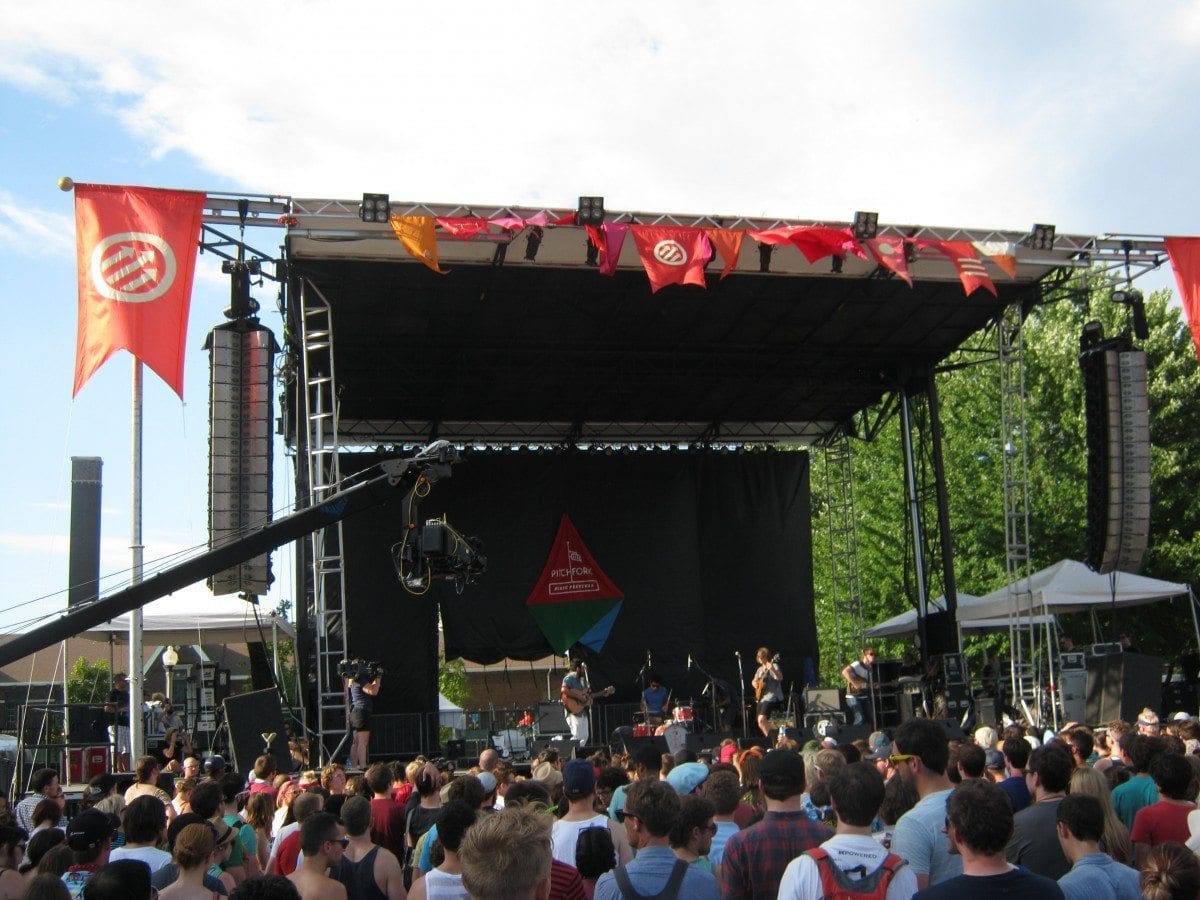
If Lollapalooza is the Rolling Stone of Chicago’s music festivals, Pitchfork is certainly the Pitchfork. While Lollapalooza takes place in the Windy City’s best-known park, draws hundreds of thousands of fans and showcases a massive lineup of big-name acts, Pitchfork finds itself in one of Chicago’s west-side neighborhoods, in a park that fits three intimate stages amongst its baseball field and oak-enclosed lawn.
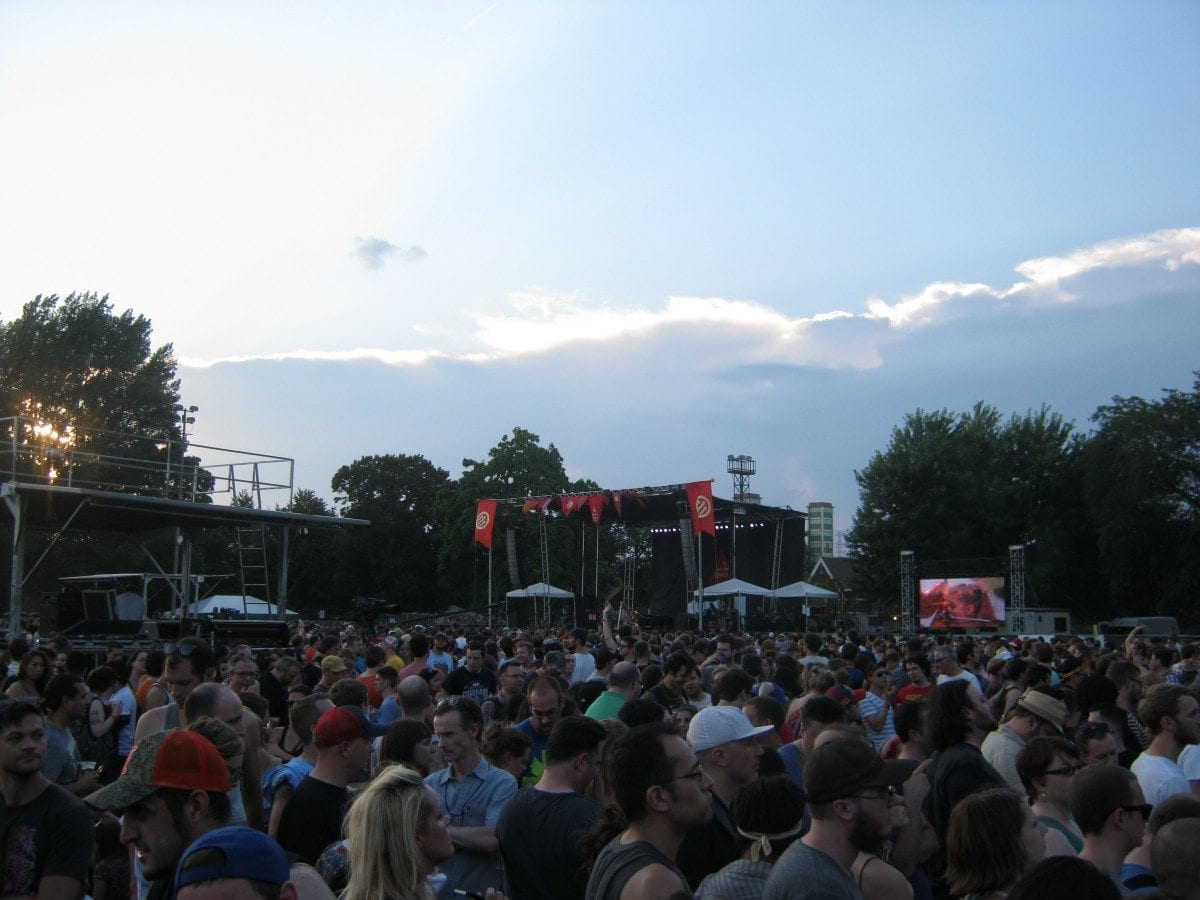
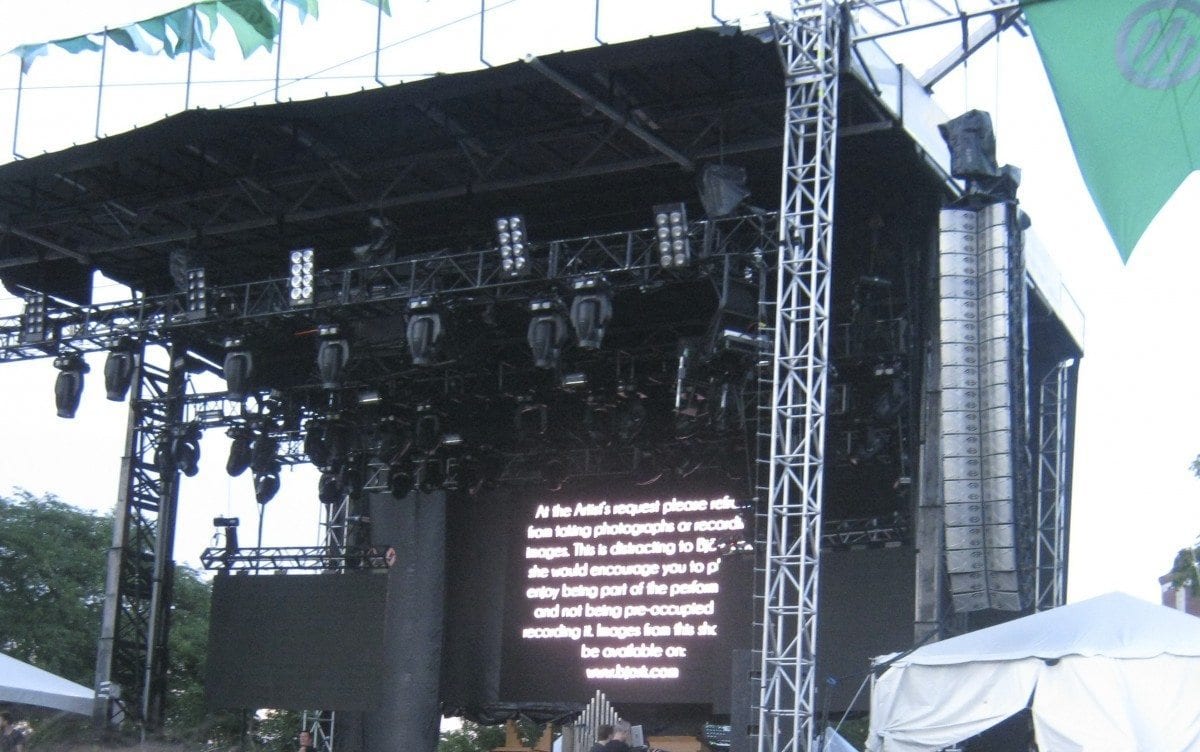
Pitchfork crowd gathering Firday night in anticipation of Björk.
Pitchfork appeals to a more niche crowd than Lollapalooza, a musically knowledgeable crowd interested in artists that receive praise from well-respected blogs rather than popular radio stations. There is a crowd whose Midwestern kindness makes it easy to stand shoulder to shoulder with a cluster of strangers while waiting an hour for one of the festival’s headlining acts. Youngsters sporting tattoos of narwhals and wearing particularly fashionable glasses largely define the Pitchfork crowd, but certain shows do draw noticeably older audiences.
As I waited for Björk to make her headlining appearance on Pitchfork 2013’s opening evening, a prominently senior audience holding $8 cups of Heineken surrounded my friends and I with our smuggled-in Old Style cans. By the time the 40-something Icelander took the stage, however, the entirety of Union Park tuned into the same wavelength, witnessing a performance that commanded appreciation regardless of age. With a show as captivating as Björk’s, it became clear that Pitchfork offers more than just live music; it allows groups of people, even groups of complete strangers, to connect through a shared experience, an experience that few things in life can provide.
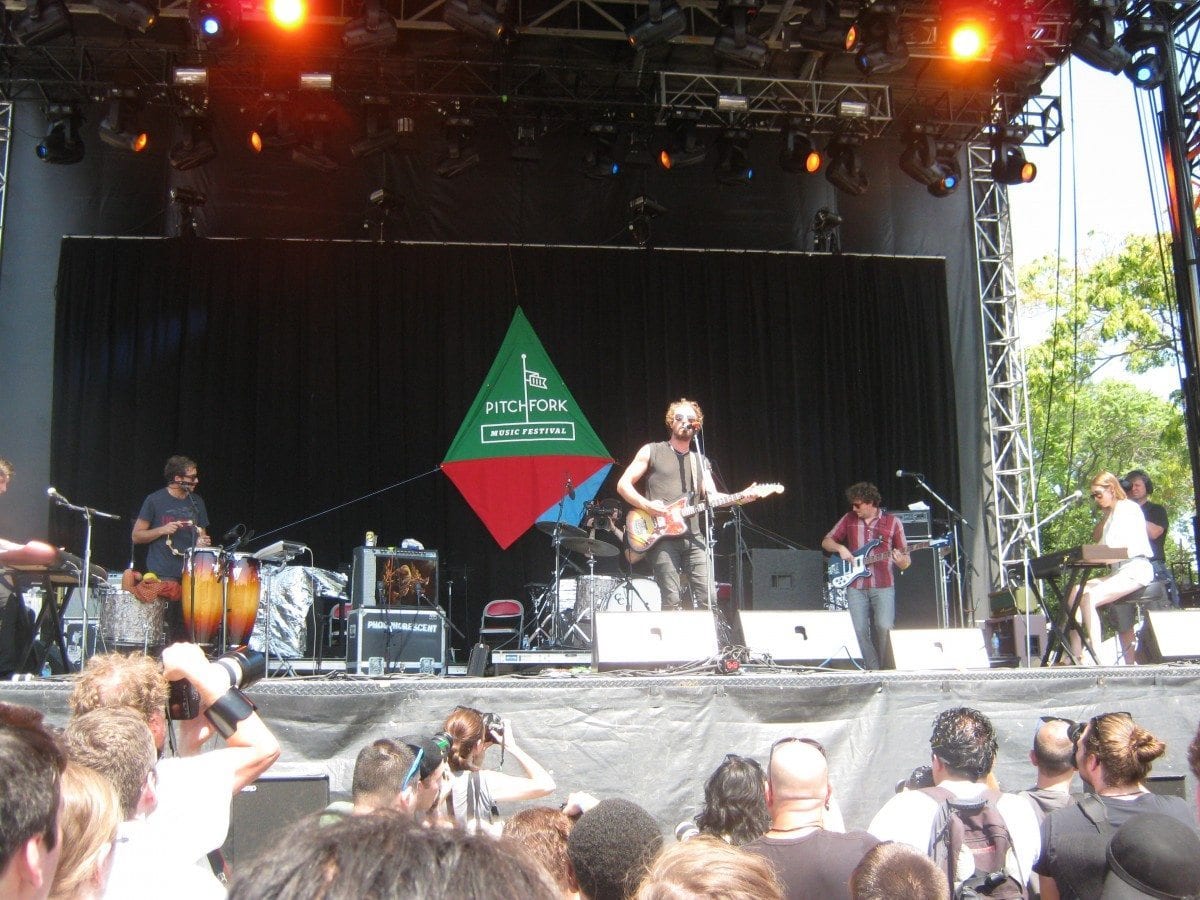
Phosphorescent performing at Pitchfork Music Festival’s Green Stage.
R. Kelly’s headlining performance demonstrated the idea of shared experience as well as any facet of this year’s festival. Playing music that was most relevant when the average Pitchforker was still in middle school and listening to Top 40 radio while generally unaware of any alternative form of music, R. Kelly acted as a nostalgic ending to a weekend of new memories. As I stood listening to “Ignition” for the first time in probably five years, I couldn’t help but being reminded of Junior High dances, laughing with my buddies for dancing to such nonsensical music with such unabashed joy.
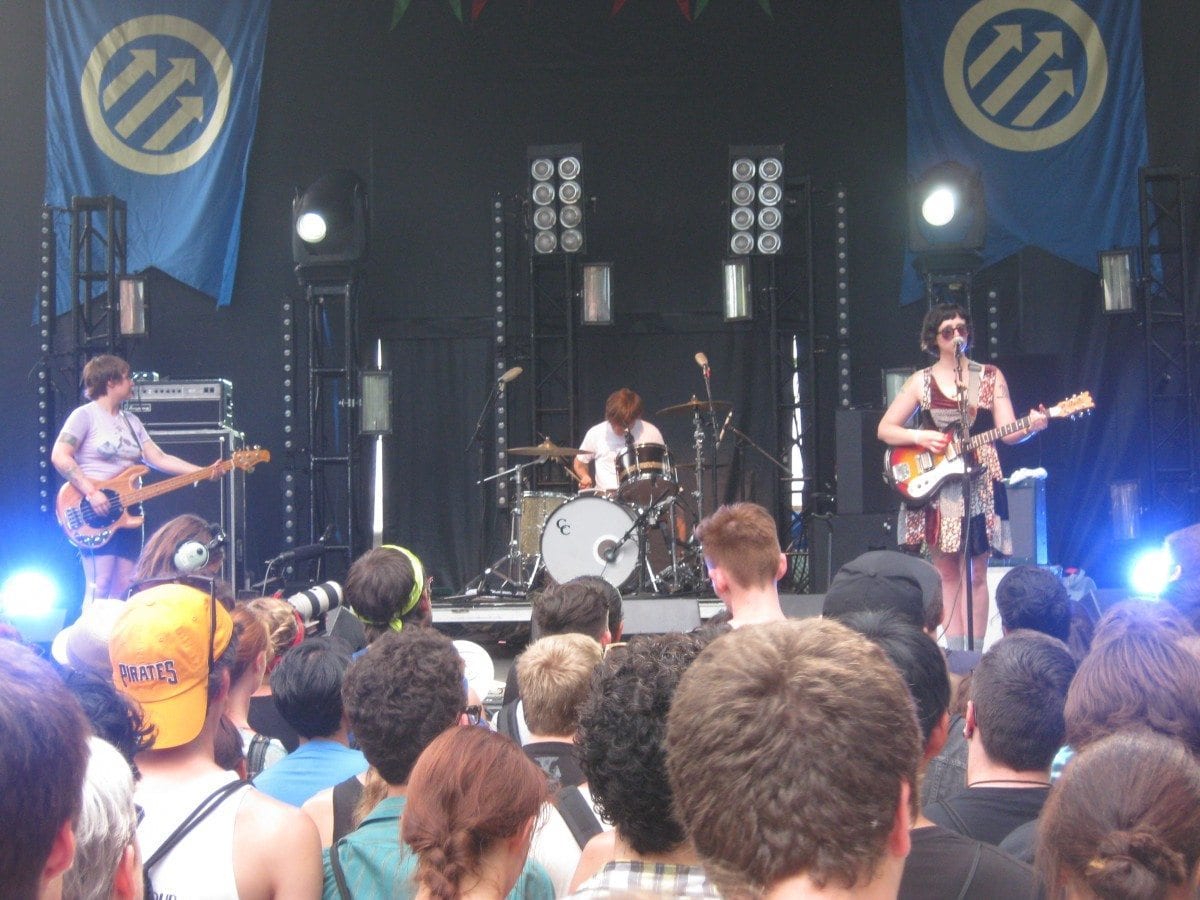
Waxahatchee playing Pitchfork’s Blue Stage on Sunday (left) and Woods playing the Red Stage on Friday.
While Björk and R. Kelly, along with a Saturday performance from Belle and Sebastian, represented the festival’s best-known talent playing the weekend’s most-coveted set times, it was several early afternoon shows that stood out in my mind as the weekend’s best performances. Artists like Woods and Toro Y Moi played some of the most groovin’ sets of the weekend, extending their songs into jams involving folk-rock guitar solos and indie-pop synthesizer interludes. Waxahatchee and Angel Olsen offered a singer/songwriter component to the festival, playing with backing bands and displaying their signature lyricism and vocal range.
Waxahatchee
Matthew Houck’s latest musical project, Phosphorescent put on a performance Saturday afternoon that perfectly represented his relocation from southern folk’s roots in Huntsville, Alabama to indie-rock’s epicenter in Brooklyn, New York. Drawing influence from classic country music and merging such sounds with contemporary indie-rock, Phosphorescent played a show with boot stompin’ fit a southern bar and hip-twistin’ suitable for Brooklyn’s trendiest venues.
After releasing one of my favorite albums of the year so far, We Are the 21st Century Ambassadors of Peace & Magic,Foxygen succeeded in living up to the high expectations I’d had for their early Sunday set. Co-frontman Jonathan Rado provided psych-rock instrumentation that perfectly complimented the antics exhibited by his bandmate Sam France; the vocalist climbed the stage’s rafters, jumped off of every amplifier in sight, and sang atop equipment bridging the crowd and the stage. Midway through their set, France mockingly gave thanks to a long list of corporate sponsors. Although the statement was humorous and well delivered, such a quip would have made more sense at a festival like Lollapalooza where stages are named after beer companies and sold-out tickets are available on Stubhub for three times face value.
Pitchfork reserved a limited number of tickets at its gates to prevent higher-priced re-sales, and promotional aspects were handled tastefully, generally involving local businesses. With food options provided by Chicagoan restaurants and alternatives to the live music including the Columbia College Book Fort, a record fair presented by Chicago’s independent Chirp Radio and the Flatstock Poster Show put on by various artists, the advertising at Pitchfork served as a platform for local entrepreneurs, students, and artists to reach an audience that could appreciate their work.
Foxygen’s vocalist, Sam France (top) along with the bands instrumentalist, Jonnathan Rado (bottom).
Each individual’s experience at Pitchfork is influenced by much more than the festival’s three stages of music. It’s not just great concerts that Pitchfork provides every year in Union Park, but an environment that allows fans to share their experiences, allows local businesses to develop, and allows musicians to connect with their audience. Pitchfork may not draw the biggest audience or book the most stadium acts, but I wouldn’t have it any other way.
Pitchfork Media will hold it’s eighth annual music festival this weekend, July 19-21, 2013 in Chicago’s Union Park. While 3-day passes for the festival sold out in early June and single-day tickets for Sunday are no longer available as of Wednesday, some Sunday tickets will be up for purchase at the festival’s gates to prevent higher-priced re-sales, and tickets for Friday and Saturday are still available online for a limited time.
Along with a lineup consisting of headliners Björk, Belle and Sebastian, and R. Kelly, Pitchfork will feature a record fair sponsored by Chirp Radio, the Flatstock Poster Show presented by the American Poster Institute, the Coterie Craft Fair, and the second annual Book Fort featuring various vendors and panels of authors and journalists.
’s full Pitchfrok 2013 preview coverage can be found here. Follow @ and @QuinnDonnell on Twitter for live coverage of the festival.
Set times and stage locations are provided below.
Friday, July 19
8:30 Björk (Green Stage)
7:20 Joanna Newsom (Red Stage)
6:25 Wire (Green Stage)
6:15 Mikal Cronin (Blue Stage)
5:30 Woods (Red)
5:15 Angel Olsen (Blue)
4:35 Mac Demarco (Green)
4:15 Trash Talk (Blue)
3:30 Daughn Gibson (Red)
3:20 Frankie Rose (Blue)
Saturday, July 20
8:45 Rustie (Blue)
8:30 Belle & Sebastian (Green)
7:45 Andy Scott (Blue)
7:25 Solange (Red)
6:45 Low (Blue)
6:15 The Breeders play Last Splash (Green)
5:45 Ryan Hemsworth (Blue)
5:15 Swans (Red)
4:45 Metz (Blue)
4:15 Savages (Green)
3:45 Merchandise (Blue)
3:20 …And You Will Know Us By the Trail of Dead (Red)

 New is McCartney’s first album of original material since 2007’s Memory Almost Full. Since then, he’s written classical music for the New York City Ballet production, Ocean’s Kingdom, performed with three surviving members of Nirvana, released an album of standards as Kisses on the Bottom, and re-married for the second time. As long as this list of achievements may be, side projects, legendary collaborations, and re-marriages are nothing new to McCartney.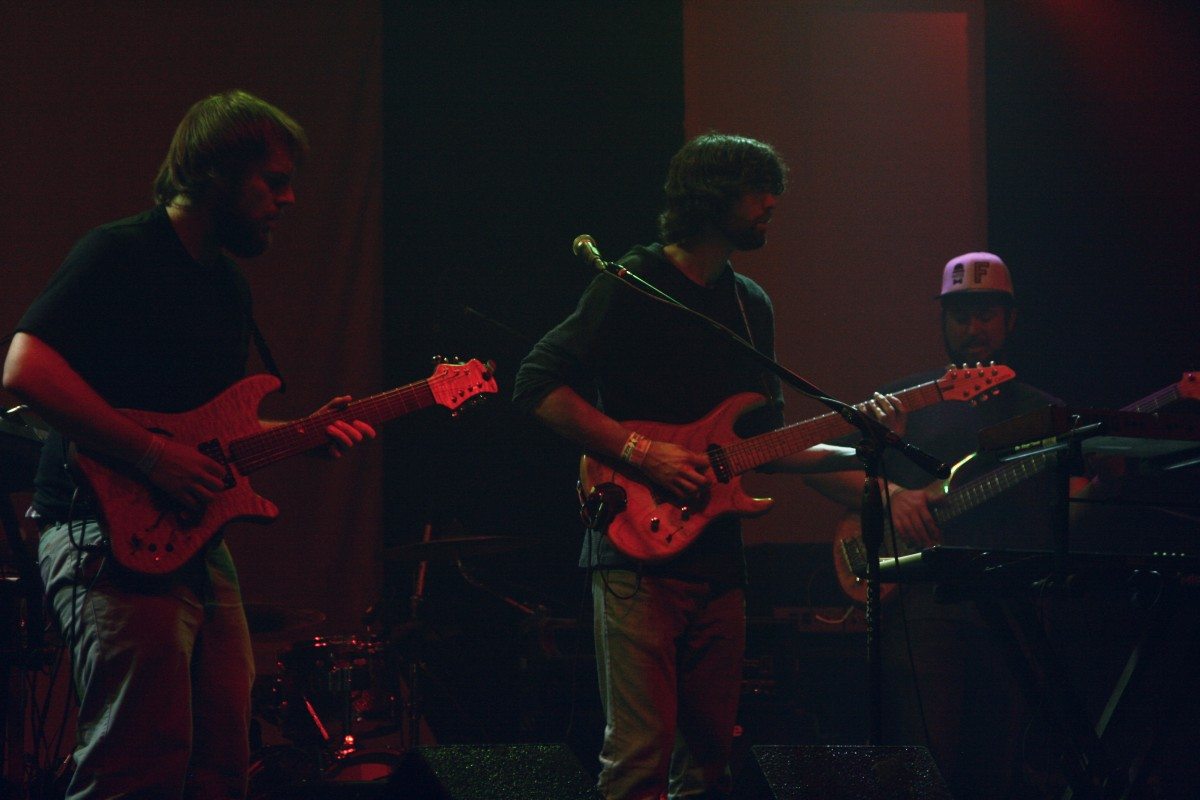


 As technology has developed and new methods of music listening have emerged, traditional radio has taken a hit in both popularity and listenership. For 26 years on the Syracuse University campus, however, WERW has consistently provided students with an outlet for music discovery. To celebrate another year of college radio on The Hill,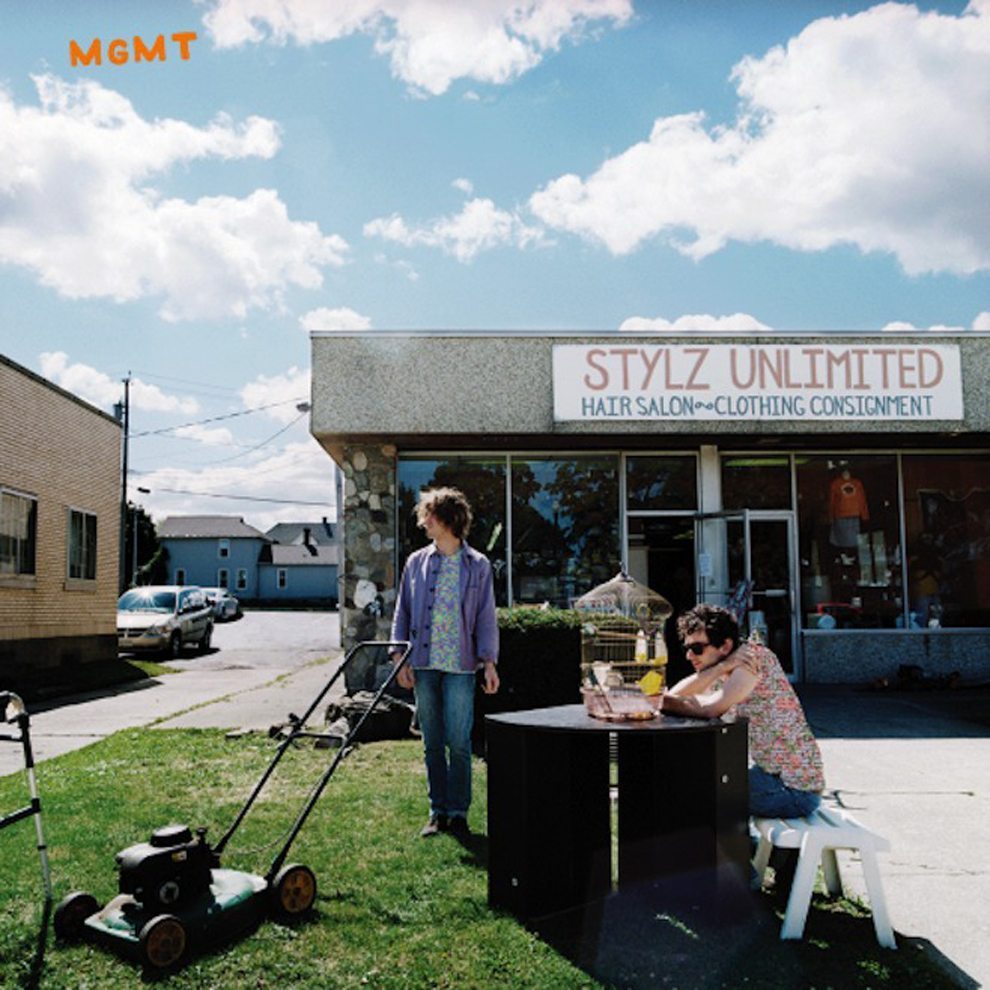
 After releasing one of my favorite albums of the year so far, We Are the 21st Century Ambassadors of Peace & Magic, Foxygen succeeded in living up to the high expectations I’d had for their early Sunday set. Co-frontman Jonathan Rado provided psych-rock instrumentation that perfectly complimented the antics exhibited by his bandmate Sam France; the vocalist climbed the stage’s rafters, jumped off of every amplifier in sight, and sang atop equipment bridging the crowd and the stage. Midway through their set, France mockingly gave thanks to a long list of corporate sponsors. Although the statement was humorous and well delivered, such a quip would have made more sense at a festival like Lollapalooza where stages are named after beer companies and sold-out tickets are available on Stubhub for three times face value.